15 Foods That Naturally Fight Inflammation

Adding targeted anti inflammatory foods to your daily meals can soothe stiff joints and renew your natural energy. A nourishing diet directly cools the cellular fires that cause chronic aches and age-related discomfort.

Everyday wear and tear should not stop you from enjoying morning walks or playing with your grandchildren. Simple grocery choices deliver potent antioxidants that protect your tissues and support healthy mobility.

Discover how incorporating delicious, whole ingredients into your routine provides gentle, lasting relief. These natural inflammation remedies work in harmony with your body to restore vitality.

Diagram contrasting a linear acute inflammation repair process with a cyclic chronic inflammaging pathway.
While acute reactions naturally turn off after healing, chronic inflammation lingers for months or years, attacking healthy tissues.

Understanding the Basics of Inflammation for Seniors

Inflammation functions as your immune system’s emergency response mechanism to trauma or acute infection. When you stub your toe, localized swelling and redness indicate that healing cells have rushed to the site.

This acute reaction is short-lived and vital for your body’s survival. Once the tissue repairs itself, the immune cascade naturally turns off.

In contrast, chronic inflammation is a slow, low-grade biological burn that lingers for months or years. Your immune system mistakenly releases chemical messengers that attack healthy tissues throughout your body.

Medical researchers frequently refer to this persistent, age-related inflammation as inflammaging. It serves as a shared underlying driver for cardiovascular disease, joint deterioration, and metabolic imbalance.

For seniors, continuous low-level inflammation accelerates the breakdown of protective cartilage within your joints. This cartilage loss leads directly to the stiffness, swelling, and ache associated with osteoarthritis.

Chronic inflammation also stiffens arterial walls, making your heart work significantly harder to pump blood. It can impair memory and leave you feeling chronically fatigued without an obvious explanation.

Blood tests often track this hidden inflammation by measuring levels of high-sensitivity C-reactive protein. Elevated markers warn doctors that tissues are experiencing sustained biological stress.

Highly processed foods, refined sugars, and trans fats actively stimulate these damaging inflammatory pathways. When you consume these items regularly, your immune cells produce excess inflammatory cytokines.

Adopting an anti inflammatory diet works like a natural fire extinguisher for your internal tissues. It replaces inflammatory triggers with protective phytonutrients, healthy fats, and fiber.

These beneficial compounds interrupt destructive signaling cascades and promote restorative cellular repair. Over time, choosing foods that reduce inflammation helps you maintain joint comfort and sustained daily energy.

A smiling woman chops celery on a wooden board next to a can of salmon, a lemon, and olive oil in a bright kitchen.
Gently crowd your plate with vibrant, nutrient-dense ingredients to nourish your body and manage aches proactively.

Practical Tips for a Healthier, Happier Life

Transforming your daily nutrition does not require drastic sacrifices or confusing regimens. Instead, you can focus on gently crowding your plate with vibrant, nutrient-dense ingredients.

Incorporating natural inflammation remedies through your grocery cart empowers you to manage aches proactively. Here are fifteen remarkable foods for joint pain that nourish your body from the inside out.

1. Wild Salmon and Fatty Fish

Wild salmon is packed with eicosapentaenoic acid and docosahexaenoic acid, two premier omega-3 fats. These essential fatty acids convert into specialized pro-resolving mediators that actively cool tissue inflammation.

Clinical studies indicate that older adults who eat fatty fish twice weekly experience less morning joint stiffness. These healthy fats also lubricate cartilage and protect your heart.

If fresh fillets feel intimidating, canned wild salmon offers the same nutritional benefits at lower cost. Mix it gently with olive oil, diced celery, and lemon juice for an easy lunch.

2. Blueberries

Blueberries owe their deep indigo hue to anthocyanins, which are extraordinary plant antioxidants. These compounds scavenge circulating free radicals and block the enzymes that drive joint soreness.

Studies show that seniors consuming blueberries daily demonstrate measurable drops in systemic oxidative stress. The fruit also supports capillary integrity, ensuring optimal blood flow to achy extremities.

Keep a bag of frozen wild blueberries in your freezer for effortless year-round convenience. Stir a warm half-cup into your morning oatmeal or blend them into a refreshing smoothie.

3. Extra Virgin Olive Oil

Extra virgin olive oil is the gold standard fat of longevity-focused dietary traditions. It contains a unique phenolic compound named oleocanthal, which produces natural anti-inflammatory effects similar to ibuprofen.

Research reveals that oleocanthal suppresses inflammatory COX enzymes without causing the stomach irritation linked to synthetic pain relievers. It also delivers rich oleic acid to protect blood vessels.

Use cold-pressed, extra virgin oil as a finishing drizzle over roasted vegetables, fish, or warm grain bowls. Avoid high-heat frying with it to keep its delicate phenolic compounds intact.

4. Turmeric Root

Turmeric is a brilliant yellow rhizome celebrated for its active constituent, curcumin. Curcumin inhibits nuclear factor-kappa B, a master switch that triggers widespread inflammatory responses throughout the body.

Multiple trials show that regular curcumin intake matches standard anti-inflammatory drugs for soothing knee osteoarthritis symptoms. It helps preserve joint mobility and eases everyday movement.

Pair turmeric with a pinch of ground black pepper whenever you prepare a meal. Black pepper contains piperine, an alkaloid that enhances your body’s curcumin absorption by up to two thousand percent.

5. Spinach and Leafy Greens

Tender dark greens like spinach, Swiss chard, and collards deliver abundant lutein, beta-carotene, and vitamin K. These nutrients neutralize pro-inflammatory cytokines before they can damage delicate joint tissues.

Spinach also contains substantial amounts of plant magnesium, an essential mineral that relaxes tense muscles around arthritic joints. This muscular relaxation relieves structural pressure and eases daily stiffness.

Steam your greens lightly or wilt them into hot vegetable broths to make their nutrients easy to absorb. Gentle cooking softens their fibers, ensuring comfortable digestion for mature stomachs.

6. Tart Montmorency Cherries

Tart cherries contain distinct anthocyanins that specifically lower circulating levels of uric acid. This makes them especially valuable for seniors seeking relief from gout flare-ups and chronic joint pain.

Clinical trials demonstrate that drinking tart cherry juice lowers C-reactive protein levels while reducing functional soreness. Furthermore, tart cherries naturally provide melatonin, which promotes deeper, restorative sleep.

Sip four to eight ounces of pure, unsweetened tart cherry juice diluted with sparkling water each afternoon. You can also mix unsweetened dried tart cherries into homemade trail mixes.

7. Walnuts

Walnuts are the only tree nuts that provide substantial amounts of plant-based alpha-linolenic acid. They also contain pedunculagin, an ellagitannin that gut bacteria metabolize into anti-inflammatory urolithins.

Regular walnut consumption helps suppress vascular inflammation markers such as intercellular adhesion molecules. In addition, their polyunsaturated fats support stable brain function and memory retention.

Keep a small jar of shelled walnuts on your counter for a quick, heart-healthy snack. Crushing a few halves over salads or morning yogurt adds delightful crunch and sustained satiety.

8. Fresh Ginger

Ginger root contains bioactive compounds called gingerols and shogaols that exert profound anti-inflammatory actions. These compounds block the production of leukotrienes, which are molecules that propagate joint inflammation.

Controlled studies demonstrate that daily ginger consumption eases knee pain in individuals with osteoarthritis. Ginger also stimulates digestive enzymes, soothing sluggish stomachs and reducing mild bloating.

Grate half an inch of peeled ginger root into hot water with fresh lemon for a warming morning tonic. You can also add freshly minced ginger to stir-fries and homemade soups.

9. Green Tea

Green tea is exceptionally rich in epigallocatechin gallate, commonly known as EGCG. This master antioxidant interrupts destructive enzymes that break down joint cartilage in aging bodies.

Drinking green tea regularly helps modulate immune reactions and protects cellular DNA from oxidative harm. It also encourages vascular relaxation, which helps maintain balanced blood pressure levels.

Steep green tea leaves in hot water that has cooled slightly below boiling for three minutes. This gentle brewing method avoids bitter flavors while preserving the delicate, health-promoting catechins.

10. Broccoli and Cruciferous Vegetables

Broccoli, Brussels sprouts, and cabbage contain a sulfur-rich phytonutrient called glucoraphanin. When chopped or chewed, it converts into sulforaphane, one of nature’s most potent cellular defense activators.

Sulforaphane switches on protective antioxidant genes and halts enzyme cascades that degrade cartilage in your joints. Cruciferous vegetables also provide ample calcium and vitamin K for strong bones.

Lightly steam broccoli florets for three to four minutes until they turn vivid green yet remain slightly tender. Toss them with fresh garlic and olive oil to maximize their anti-inflammatory potency.

11. Ripe Avocados

Avocados are packed with heart-healthy monounsaturated oleic acid, phytosterols, and polyhydroxylated fatty alcohols. This unique nutritional profile helps stifle inflammatory reactions in connective tissues and arterial linings.

Laboratory findings show that unsaponifiable compounds extracted from avocados help block chemical signals that destroy joint cartilage. Their abundant potassium content also prevents painful nighttime muscle cramps.

Spread mashed avocado over whole-grain sourdough toast or slice half an avocado alongside your morning eggs. Its soft texture makes it wonderfully gentle on dental work and easy to swallow.

12. Cooked Tomatoes

Tomatoes are celebrated for their remarkable content of lycopene, a vibrant red carotenoid that neutralizes free radicals. Lycopene suppresses inflammatory tumor necrosis factor-alpha and guards vascular tissues against oxidative stress.

Research demonstrates that mature adults with higher circulating lycopene levels experience significantly lower rates of chronic systemic inflammation. Tomatoes also deliver abundant vitamin C to assist collagen synthesis.

Always cook tomatoes gently in extra virgin olive oil rather than eating them raw. Heat and healthy fat dramatically enhance your body’s ability to absorb fat-soluble lycopene.

13. Chia Seeds

Chia seeds are tiny nutritional powerhouses loaded with alpha-linolenic acid and soluble prebiotic fiber. These tiny seeds expand in moisture, creating a soothing gel that promotes gentle digestive regularity.

When gut bacteria ferment chia fiber, they produce beneficial short-chain fatty acids that systematically dial down whole-body inflammation. Chia seeds also provide calcium and magnesium to support skeletal strength.

Stir two tablespoons of chia seeds into unsweetened almond milk with a drop of vanilla to make pudding. Allow it to sit overnight in your refrigerator for a smooth, ready-to-eat breakfast.

14. Fresh Garlic

Garlic owes its medicinal strength to allicin and diallyl disulfide, two potent organosulfur compounds. These active components inhibit pro-inflammatory cytokines and restrict enzymes that degrade joint cartilage.

Regular culinary garlic consumption also helps lower blood pressure and balances circulating cholesterol levels. It supports a robust immune barrier, defending your body against seasonal viral threats.

Mince or crush fresh garlic cloves and allow them to rest on your cutting board for ten minutes before cooking. This brief rest allows restorative allicin enzymes to develop fully.

15. Dark Chocolate (70% Cacao or Higher)

Dark chocolate containing high percentages of pure cacao is loaded with beneficial flavanols and procyanidins. These bioflavonoids actively suppress inflammatory pathways and protect endothelial cells lining your blood vessels.

Clinical research demonstrates that consuming modest amounts of dark chocolate lowers high-sensitivity C-reactive protein levels. It also stimulates nitric oxide production, enhancing peripheral blood circulation to stiff joints.

Treat yourself to one ounce of dark chocolate with minimal added sugar after dinner. Melt it slowly on your tongue to savor its luxurious flavor and therapeutic benefits.

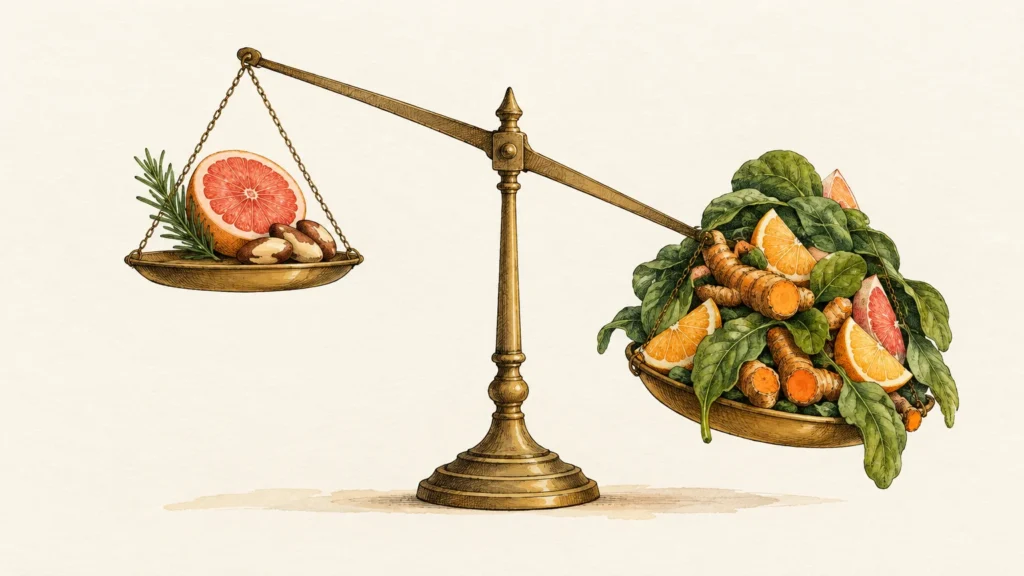
Illustration of a balance scale holding fresh produce and ginger on one side and a prescription pill bottle on the other.
Seniors must remain mindful that several medicinal culinary herbs and spices can interact with prescription pharmaceutical drugs.

Important Safety Precautions to Keep in Mind

Transitioning toward an anti-inflammatory eating pattern offers profound benefits, but thoughtful moderation remains essential for seniors. Always introduce new ingredients gradually to give your digestive system ample time to adjust.

Sudden dramatic increases in dietary fiber from chia seeds or raw vegetables can occasionally trigger temporary gas or bloating. Drink plenty of water throughout the day to help soluble fiber move smoothly through your intestines.

Be aware that several medicinal culinary herbs and spices can interact with prescription pharmaceutical drugs. For instance, large amounts of ginger, garlic, or turmeric can enhance the effects of blood-thinning medications like warfarin.

If you take anticoagulants, discuss your culinary plans with your prescribing physician before increasing these spices. Modest culinary seasoning is usually safe, but therapeutic doses require professional medical monitoring.

Individuals with compromised kidney function must manage their intake of mineral-dense foods carefully. Spinach, tomatoes, avocados, and certain nuts contain high potassium levels that may require portion control.

Watch out for hidden sugars in commercially packaged health foods like flavored yogurts or sweetened cherry beverages. Excess refined sugar directly triggers inflammatory spikes that counteract the positive benefits of your healthy choices.

If you suspect a specific food worsens your joint discomfort, keep a written food and symptom journal for two weeks. Tracking your meals helps you pinpoint personal food sensitivities without unnecessary dietary restriction.

A doctor points with a pen to high-sensitivity CRP lab results on a desk while speaking with an older male patient.
Sudden, severe joint swelling accompanied by redness or warmth requires immediate clinical treatment from your primary care provider.

When to Speak with a Healthcare Professional

While an anti-inflammatory diet provides exceptional foundational support, it is not a substitute for diagnostic medical care. You must maintain open, transparent communication with your primary care provider regarding your health journey.

Seek immediate medical attention if you experience sudden, severe joint swelling accompanied by skin redness or warmth. These acute symptoms can indicate septic arthritis or a serious flare requiring prompt clinical treatment.

Consult your doctor if persistent joint pain causes you to lose balance or limits your basic mobility. Rapid changes in your walking ability require physical assessment to prevent dangerous falls.

Always notify your doctor and pharmacist before beginning any concentrated herbal extract or concentrated omega-3 supplement. They will screen for potential interactions with your prescription medications to keep you safe.

If you struggle with persistent unintentional weight loss or digestive discomfort, request a personalized nutrition consultation. A registered dietitian can design an anti-inflammatory meal plan tailored to your exact metabolic needs.

Frequently Asked Questions

How long does it take for anti-inflammatory foods to reduce joint stiffness?

Most older adults begin noticing tangible improvements in joint comfort and daily stamina within four to eight weeks. Because food works gradually, your body requires time to replenish antioxidant reserves and calm cellular pathways.

Long-term dietary consistency yields far more lasting comfort than brief culinary changes. Focus on making wholesome, anti-inflammatory choices a natural, permanent part of your everyday lifestyle.

Are frozen fruits and vegetables as effective as fresh options?

Yes, commercially frozen fruits and vegetables are just as nutritious and anti-inflammatory as fresh produce. In fact, processors flash-freeze produce at peak ripeness, locking in delicate vitamins and disease-fighting phytonutrients.

Frozen options are also pre-washed and pre-chopped, which spares arthritic hands the strain of kitchen knife prep. They provide an economical, waste-free way to keep joint-friendly foods on hand year-round.

Do nightshade vegetables like tomatoes and peppers worsen arthritis pain?

Scientific research has consistently debunked the myth that nightshade vegetables cause or aggravate arthritis symptoms. Tomatoes, eggplants, and sweet peppers contain valuable antioxidants and vitamins that actively soothe systemic inflammation.

A small percentage of individuals may have a personal food intolerance to specific nightshades. If you notice a clear pattern of joint stiffness after eating them, discuss an elimination trial with your doctor.

What is the easiest way to begin an anti-inflammatory diet?

Start by making one simple, stress-free upgrade to your daily routine this week. You might swap vegetable oil for extra virgin olive oil or add a handful of blueberries to breakfast.

Small, gradual adjustments are much easier to sustain over the long run than complete kitchen overhauls. Celebrate each positive dietary addition as an empowering investment in your mobility and independent living.

For authoritative, trustworthy health information, always consult official sources like the National Institute on Aging (NIA) and MedlinePlus from the National Library of Medicine. The CDC also provides excellent resources for older adults.

Disclaimer: This article is for informational purposes only and does not constitute medical advice. Always seek the advice of your physician or other qualified health provider with any questions you may have regarding a medical condition.

Facebook
Twitter
Telegram
Reddit

Leave a Reply

Your email address will not be published. Required fields are marked *

Related Posts