Fresh produce nourishes your body, yet certain everyday vegetables harbor natural defense compounds that require careful cooking. Mastering simple kitchen preparation techniques keeps your favorite wholesome meals completely safe and deeply nourishing.
As you age, your digestive system and kidneys process complex food chemicals more slowly than before. An innocent cooking oversight can quickly turn an everyday dinner into a painful medical emergency.
This guide highlights ten common plants that demand extra attention before they reach your plate. You will learn easy soaking, boiling, and peeling methods to protect your wellness at every meal.
Understanding the Basics of Vegetable Toxins for Seniors
Plants cannot run away from insects or animals, so they produce natural chemical defenses to survive in the wild. While modern agriculture reduces these compounds, trace amounts remain in many beloved grocery staples.
Most natural plant toxins break down easily under standard cooking heat. However, some dangerous chemicals require precise cooking temperatures, extended boiling periods, or complete removal before eating.
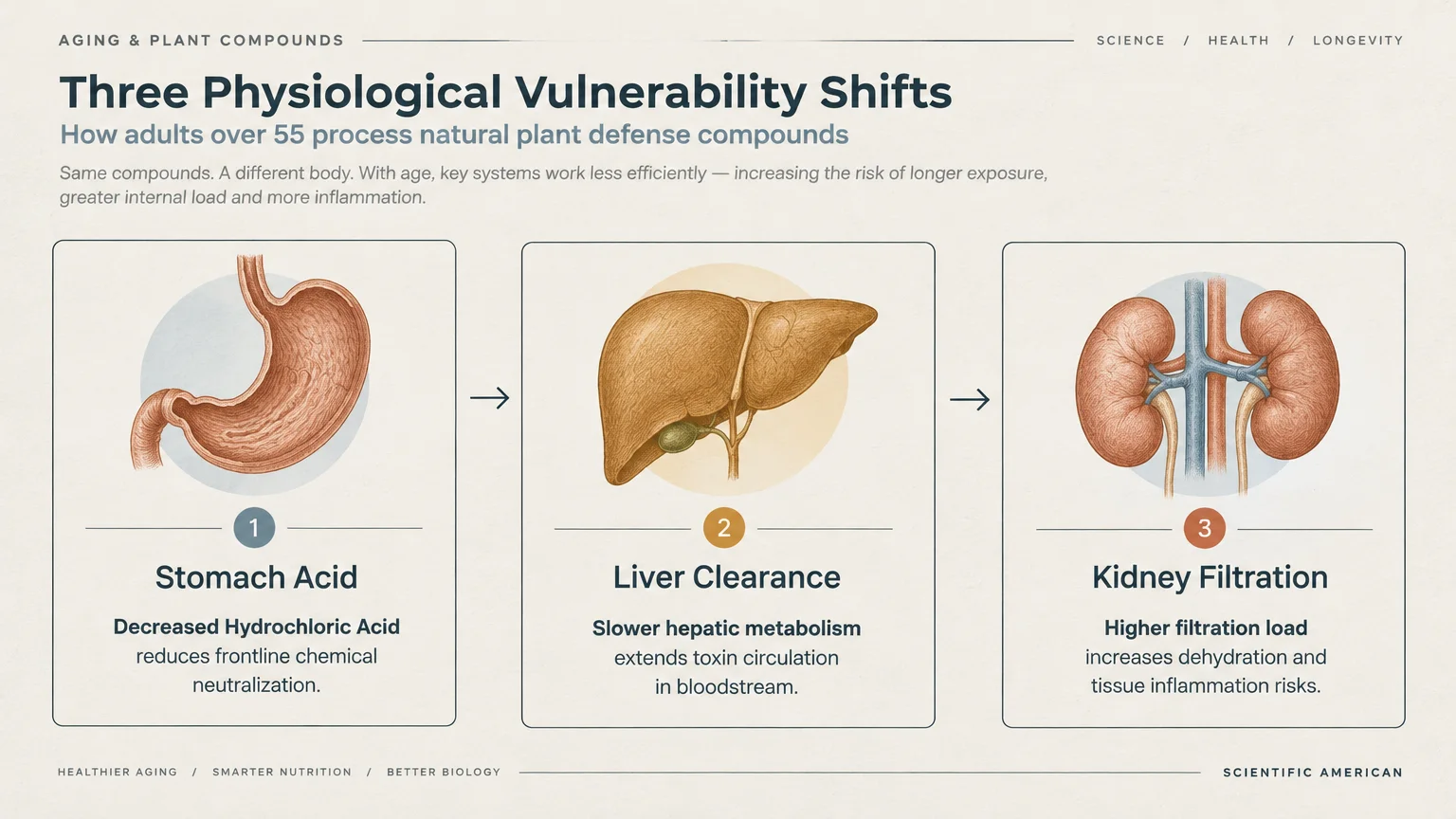
Food safety vegetables require special care for adults over age fifty-five. As you mature, your stomach produces less hydrochloric acid; this natural shift reduces your primary chemical defense against ingested hazards.
At the same time, your liver metabolizes foreign compounds more gradually than it did in your youth. Toxic compounds linger longer in your bloodstream, which increases the likelihood of discomfort or organ strain.
Kidney filtration also changes as the decades pass. When your kidneys work harder to eliminate dense plant oxalates or glycosides, you face higher risks of dehydration and tissue inflammation.
Understanding these biological differences helps you prepare food with confidence rather than fear. You do not need to eliminate nutritious vegetables from your dining table.
Instead, simple culinary safeguards eliminate toxic vegetables from your dinner routine. When you apply the right preparation steps, you unlock wholesome nutrition while protecting your vitality.
Practical Tips for a Healthier, Happier Life
Transforming potentially dangerous plants into wholesome culinary delights requires only basic kitchen awareness. Here is how to handle ten everyday vegetables safely so you can protect your digestive comfort.
1. Red Kidney Beans
Raw red kidney beans contain high concentrations of a toxic plant lectin known as phytohaemagglutinin. Consuming as few as 4 or 5 raw or undercooked kidney beans can trigger severe nausea, vomiting, and diarrhea within 1 to 3 hours.
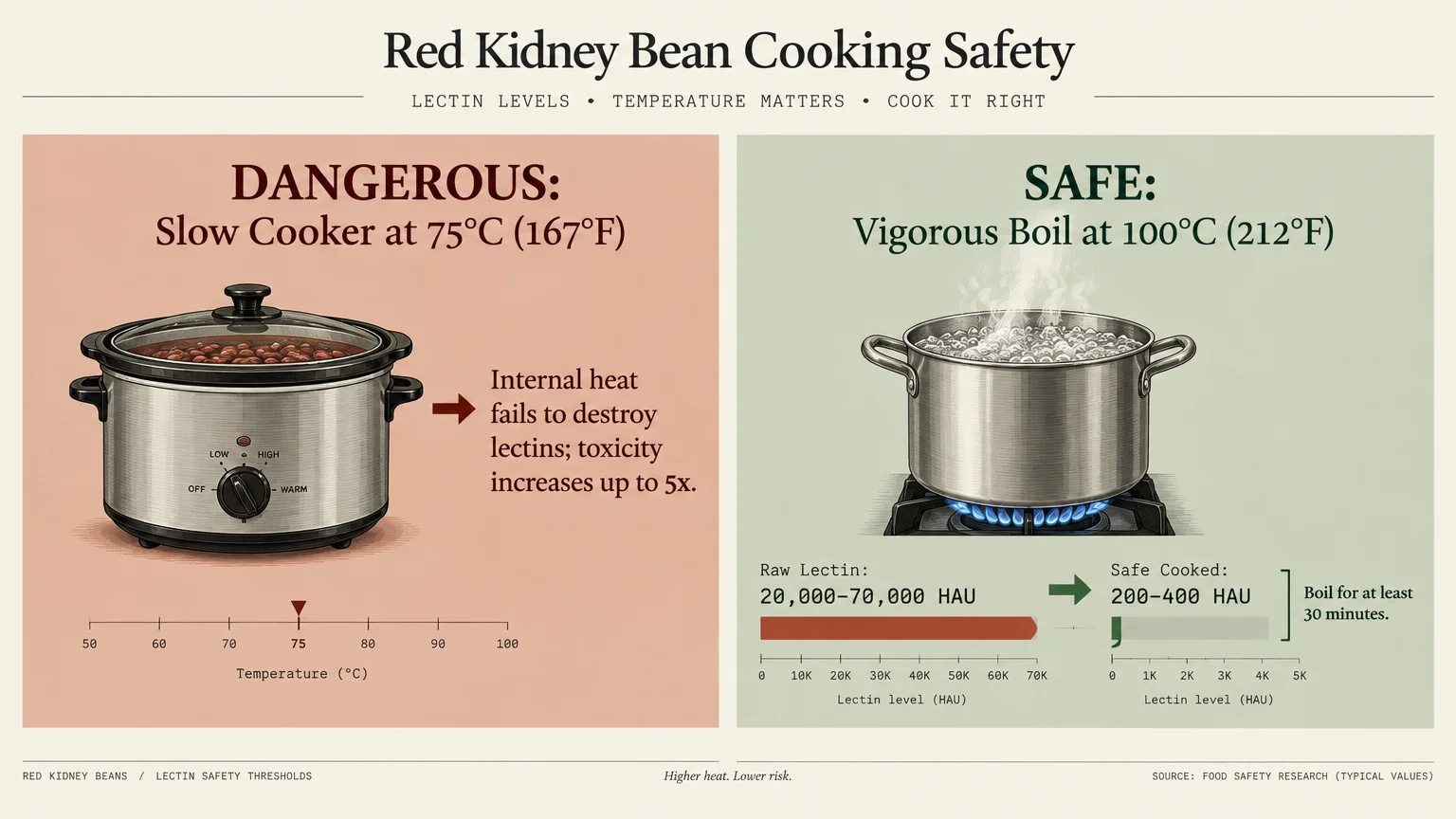
Raw red kidney beans contain between 20,000 and 70,000 hemagglutinating units (hau) of this lectin. Proper cooking reduces this dangerous concentration down to safe levels of 200 to 400 hau.
To neutralize raw kidney beans, soak dry beans in water for at least 5 hours. Drain the soaking water completely, add fresh water, and boil vigorously at 100°C (212°F) for at least 30 minutes.
Never cook dry kidney beans in a slow cooker. Slow cookers often reach internal temperatures of only 75°C (167°F) or less, which fails to destroy the toxin and can increase toxicity up to fivefold.
Fortunately, commercially canned red kidney beans undergo intense thermal canning processes during production. You can safely eat canned kidney beans straight from the container or warmed gently in soups.
2. Green or Sprouted Potatoes
Potatoes belong to the nightshade family and naturally produce bitter glycoalkaloid defense chemicals named solanine and chaconine. When potatoes sit in retail displays or sunny kitchens, exposure to light stimulates chlorophyll and solanine production.
Normal, properly stored commercial potatoes contain 20 to 100 mg/kg of glycoalkaloids, staying well below the safe regulatory ceiling of 100 to 200 mg/kg. However, green skins and active sprouts contain dangerous surges of solanine.
Ingesting 2 to 5 mg of solanine per kilogram of body weight induces toxic neurological and gastrointestinal symptoms. Doses between 3 to 6 mg/kg of body weight can prove fatal to humans.
Standard home boiling, baking, and microwaving do not destroy solanine. The chemical only begins to break down at high frying temperatures above 170°C (338°F).
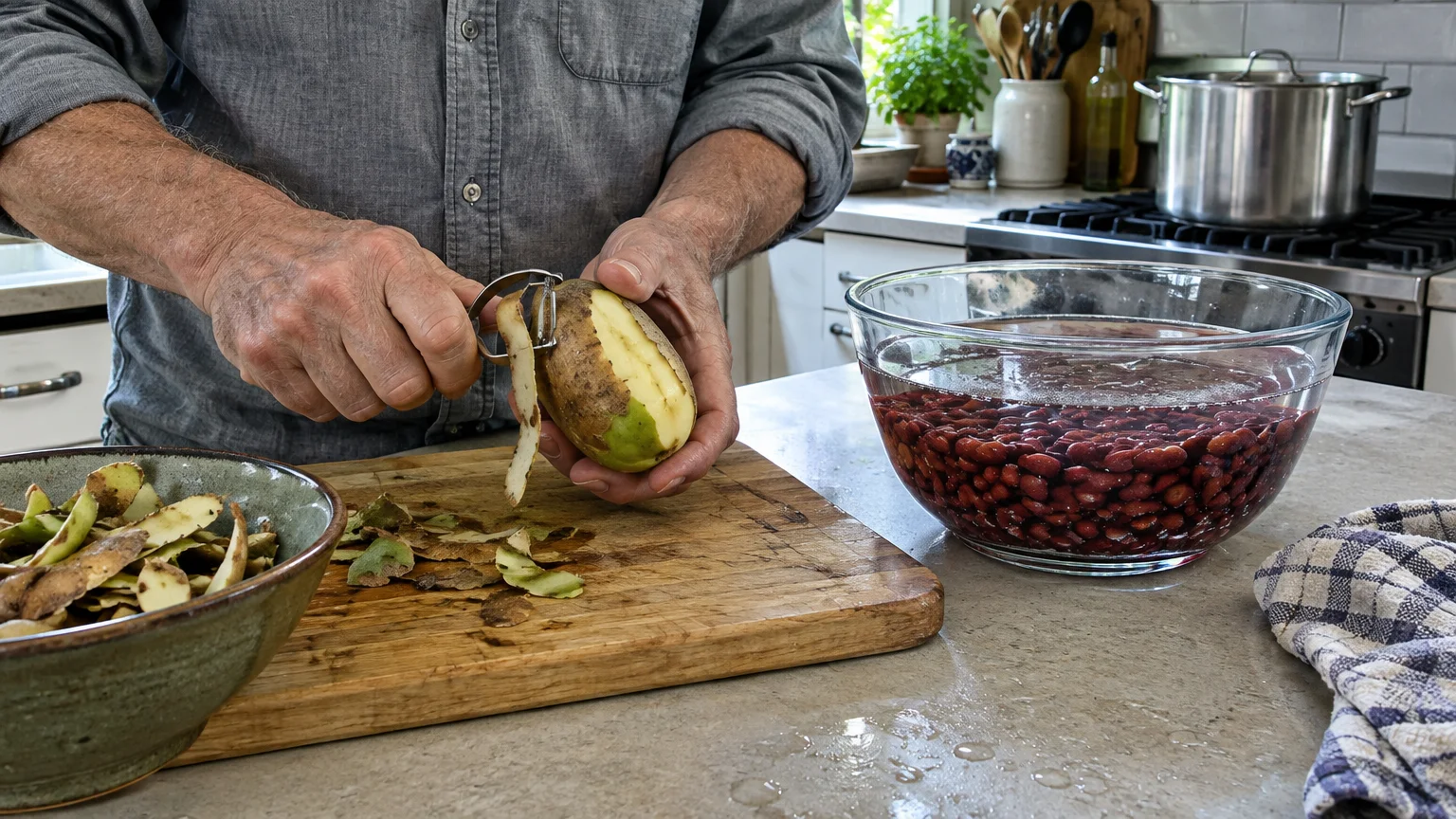
Always peel away any green skin and dig out potato eyes and sprouts before cooking. If a potato looks predominantly green or tastes noticeably bitter, discard the entire tuber immediately.
3. Cassava and Yuca Root
Cassava, frequently sold as yuca, serves as an essential carbohydrate source for millions of people worldwide. However, this starchy root contains cyanogenic glycosides, primarily a chemical compound called linamarin.
When you bite or crush raw cassava flesh, plant enzymes convert linamarin into volatile hydrogen cyanide. Fresh sweet cassava roots carry 15 to 50 mg/kg of hydrogen cyanide, while bitter varieties reach up to 400 mg/kg.
The acute lethal dose of hydrogen cyanide for humans ranges from 0.5 to 3.5 mg per kilogram of body weight. The Codex Alimentarius caps safe levels at 10 mg/kg for flour and 50 mg/kg for fresh sweet roots.
Prevent cassava toxicity by peeling the fibrous outer brown bark and pink inner skin entirely away. Cut the white flesh into small cubes, submerge them in fresh water, and boil them uncovered until tender.
Pour out the cooking liquid thoroughly, as it absorbs the liberated cyanide compounds. Never use raw cassava root or raw cassava starch in uncooked smoothies or baked goods.
4. Rhubarb Leaves and Stems
Rhubarb stalks provide a tart, bright flavor for warm baked crumbles and homemade stewed compotes. However, the broad green leaves attached to those colorful stalks harbor dangerous quantities of oxalic acid.
Rhubarb leaves also contain corrosive anthraquinone glycosides that irritate your digestive tract. While a fatal dose of pure oxalic acid ranges from 15 to 30 grams, smaller amounts cause severe health hazards.
Consuming small amounts of rhubarb leaves can cause acute oxalate nephropathy, leading to painful kidney stones and sudden renal failure. This danger is acute for older adults whose kidneys possess lower reserve filtration capacity.
Always slice off and discard all rhubarb leaves immediately after harvesting or purchasing stalks from the market. Never toss rhubarb leaves into fresh salads or use them as cooking wraps for steamed fish.
The red and green stalks remain safe, nutritious, and rich in fiber. Cook the stalks thoroughly with sweet fruit or honey to balance their natural acidity comfortably.
5. Bitter Zucchini and Summer Squash
Cucumbers, pumpkins, and summer squashes belong to the cucurbit family, which naturally creates bitter defense compounds called cucurbitacins. Commercial squash varieties contain negligible amounts, but unintentional cross-pollination in gardens can create highly toxic squash.
Ingesting squashes with high cucurbitacin concentrations causes toxic squash syndrome. This condition triggers severe stomach cramps, profuse vomiting, and intense diarrhea that can dehydrate mature adults rapidly.
Cucurbitacins remain extremely heat-stable; simmering or baking will not neutralize their toxic properties. Neither peeling the skin nor sweetening the recipe will make an affected squash safe to eat.
Protect your kitchen by practicing the quick tongue test whenever you slice fresh zucchini or yellow squash. Touch a small raw sliver to your tongue before adding the vegetable to your pan.
If the squash tastes unpleasant or intensely bitter, spit the piece out and throw the whole vegetable into the trash. Healthy squash should taste mild, clean, and slightly sweet.
6. Fresh Bamboo Shoots
Fresh bamboo shoots offer an earthy, crisp texture to Asian-inspired broths, stir-fry dishes, and braised meats. Like cassava, fresh and unprocessed bamboo shoots contain cyanogenic glycosides, specifically a compound known as taxiphyllin.
Raw bamboo shoots can yield up to 1,000 mg/kg of hydrogen cyanide when chewed or crushed. Ingesting raw shoots can cause dizziness, rapid breathing, headache, and severe oxygen deprivation in cellular tissue.
You can remove virtually all taxiphyllin by cutting fresh shoots into thin slices and boiling them in salted water for 20 to 30 minutes. Always boil the shoots with the pot lid off so liberated cyanide gas safely evaporates into your kitchen exhaust.
Once boiled, drain the shoots completely and rinse them under cool, clean running tap water. You can then incorporate the tender shoots into your favorite dinner recipes without any risk.
If you prefer convenience, purchase commercially canned bamboo shoots from your local grocery store. Canned varieties undergo pre-boiling and packaging in water, making them completely safe right out of the can.
7. Raw Lima Beans
Lima beans, commonly known as butter beans, are celebrated for their creamy texture and heart-healthy soluble fiber. However, like other legumes in the wild, raw lima beans contain cyanogenic glycosides that produce hydrogen cyanide when broken down.
United States food regulations require commercial domestic lima bean crops to maintain exceptionally low, harmless levels of cyanide compounds. Nevertheless, wild varieties and unregulated imported beans may carry significantly higher concentrations.
Never snack on raw, crunchy baby lima beans straight from your backyard garden vines. Chewing raw lima beans releases natural plant enzymes that convert dormant glycosides into active toxins.
Always cook fresh or dried lima beans thoroughly in boiling water for at least 15 to 20 minutes before serving. Keep the cooking pot uncovered during early boiling so any released vapors can escape safely.
Canned lima beans are processed at high industrial temperatures and require only light heating before you eat them. Proper thermal processing turns these nutritious legumes into gentle, easily digestible foods for older adults.
8. Raw Taro Root
Taro root is a starchy tropical tuber that provides rich amounts of potassium, magnesium, and slow-burning complex carbohydrates. Despite its nutritional value, eating raw taro root causes intense physical distress in your mouth and throat.
Taro contains millions of microscopic calcium oxalate crystals shaped like sharp needles, which botanists call raphides. Biting into raw taro injects these needle-like crystals into your tongue, gums, and oral tissues.
This physical trauma causes immediate burning pain, severe tongue swelling, and potential airway constriction. Handlers with sensitive skin also experience burning contact dermatitis when peeling uncooked taro tubers with bare hands.
Wear kitchen gloves while washing, peeling, and cutting raw taro root on your preparation counter. Submerge the peeled taro pieces in water and simmer them thoroughly until a fork easily pierces through the center.
High cooking temperatures dissolve the microscopic raphides, neutralizing their physical sharpness entirely. Once cooked soft, taro delivers smooth, soothing nourishment that supports healthy senior digestion.
9. Raw Morel Mushrooms
Morel mushrooms emerge across American woodlands each spring and frequently appear in upscale produce markets alongside springtime vegetables. While culinarily celebrated for their nutty flavor, morels contain volatile hydrazine toxins that require thorough cooking to destroy.
Eating morels raw or slightly undercooked causes acute gastrointestinal pain, persistent nausea, and severe motor coordination issues. Older individuals often experience profound dizziness, unsteadiness, and sweating after ingesting undercooked morels.
Never toss raw sliced morel mushrooms into cold vegetable salads or use them as raw party tray garnishes. Always cook morel mushrooms thoroughly in a hot skillet with olive oil or butter until deeply browned.
Cooking morels for at least 10 to 15 minutes evaporates and destroys the internal hydrazine compounds. The high skillet heat transforms these delicate woodland treasures into safe, savory delicacies.
If you enjoy foraging for mushrooms, always verify your harvest with an experienced mycologist before cooking. False morels contain much higher gyromitrin concentrations that can cause severe liver failure and life-threatening poisoning.
10. Raw Eggplant
Eggplants feature glossy purple skins and spongy, absorbent flesh that stars in Mediterranean casseroles and roasted vegetable platters. Like green potatoes, eggplants belong to the nightshade family and contain modest amounts of solanine alkaloids.
Young, small, or unripened eggplants carry the highest concentration of solanine within their green stems and pale flesh. Consuming large portions of raw eggplant can trigger abdominal cramps, watery diarrhea, and nausea.
The bitter alkaloids in raw eggplant also irritate sensitive stomach linings in adults dealing with acid reflux or gastritis. Cooking breaks down tough plant fibers and disperses bitter alkaloids, making the vegetable far gentler on your digestive tract.
Choose ripe, firm eggplants with deep purple skin and bright green caps while avoiding small, pale, or unusually bitter specimens. Sauté, roast, or bake your eggplant until the flesh turns completely tender, golden, and translucent.
Pairing cooked eggplant with healthy fats like extra virgin olive oil supports the absorption of valuable fat-soluble nutrients. Cooked eggplant provides gentle dietary bulk that encourages healthy, regular bowel movements without causing gastric distress.
Important Safety Precautions to Keep in Mind
Safe food handling begins long before you turn on your stove burners or chop your ingredients. Establishing mindful kitchen habits protects you and your loved ones from hidden produce hazards every day.
Store all root vegetables, especially potatoes and sweet potatoes, in a cool, dark, and well-ventilated pantry space. Keeping tubers away from sunlight and moisture stops solanine development and delays premature sprouting.
Exercise extreme caution when using slow cookers for raw pulses, starchy roots, or traditional dried bean soups. If you love slow-cooked bean stews, boil your dried beans on the stovetop for 30 minutes before transferring them to the crockpot.
Trust your senses whenever you prepare fresh produce for lunch or dinner. If a vegetable tastes sharply bitter, burning, or chemically astringent, spit it out immediately and discard the dish.
Stay well hydrated by sipping clean water throughout the day, especially when eating fiber-rich legumes and root crops. Ample water intake helps your kidneys filter dietary oxalates smoothly and prevents painful urinary stones.

When to Speak with a Healthcare Professional
The culinary guidelines provided here serve to educate and empower your daily cooking routines at home. However, dietary advice never replaces professional medical evaluation, diagnosis, or immediate emergency care.
If you suspect you or a loved one consumed undercooked kidney beans, toxic squash, or raw cassava, monitor your symptoms closely. Foodborne chemical reactions often develop much faster than standard bacterial food poisoning.
Seek urgent medical care if you experience sudden, severe abdominal cramping, profuse vomiting, or unrelenting diarrhea. Older bodies lose vital fluids rapidly, turning moderate digestive illness into severe dehydration within a few short hours.
Call emergency services immediately if you notice neurological warning signs such as blurred vision, lightheadedness, confusion, or difficulty breathing. Cyanide and solanine poisoning require prompt medical intervention, oxygen support, and clinical monitoring.
Bring a sample of the prepared food or raw vegetable scraps to the hospital if you can safely do so. Showing the item to doctors helps emergency staff identify the specific toxin and administer appropriate remedies.
Schedule a routine appointment with your primary care provider if you have preexisting chronic kidney disease or recurring kidney stones. Your doctor can recommend personalized dietary limits for high-oxalate greens like rhubarb, spinach, and beet greens.
Frequently Asked Questions
Does microwaving destroy the natural toxins in raw beans or green potatoes?
Microwaving does not reliably destroy phytohaemagglutinin in kidney beans or solanine in green potatoes. Microwaves create uneven internal temperatures that leave dangerous cold spots where plant toxins remain active. Always use sustained stovetop boiling for beans and discard heavily greened potatoes entirely.
Are canned kidney beans and canned bamboo shoots safe right out of the can?
Commercial canning facilities use high-pressure steam retorts that exceed standard boiling temperatures. This industrial heating completely destroys lectins in kidney beans and cyanogenic glycosides in bamboo shoots. You can safely rinse canned vegetables and consume them without boiling them again.
Can I safely eat a sprouted potato if I cut off the eyes and green skin?
If the potato remains firm and displays only tiny sprouts, cutting away the eyes and green skin by at least a quarter-inch removes most solanine. However, if the green tint extends deep into the white flesh or the potato feels soft and shriveled, discard it to avoid toxic vegetables.
How can older adults protect their kidneys when eating vegetables with oxalates?
Drink plenty of fresh water before and after meals containing moderate oxalates to dilute your urine. Pairing high-oxalate vegetables with calcium-rich foods like dairy or fortified plant milk binds oxalates inside your gut before they reach your kidneys.
For authoritative, trustworthy health information, always consult official sources like the National Institute on Aging (NIA) and MedlinePlus from the National Library of Medicine. The CDC also provides excellent resources for older adults.
Disclaimer: This article is for informational purposes only and does not constitute medical advice. Always seek the advice of your physician or other qualified health provider with any questions you may have regarding a medical condition.