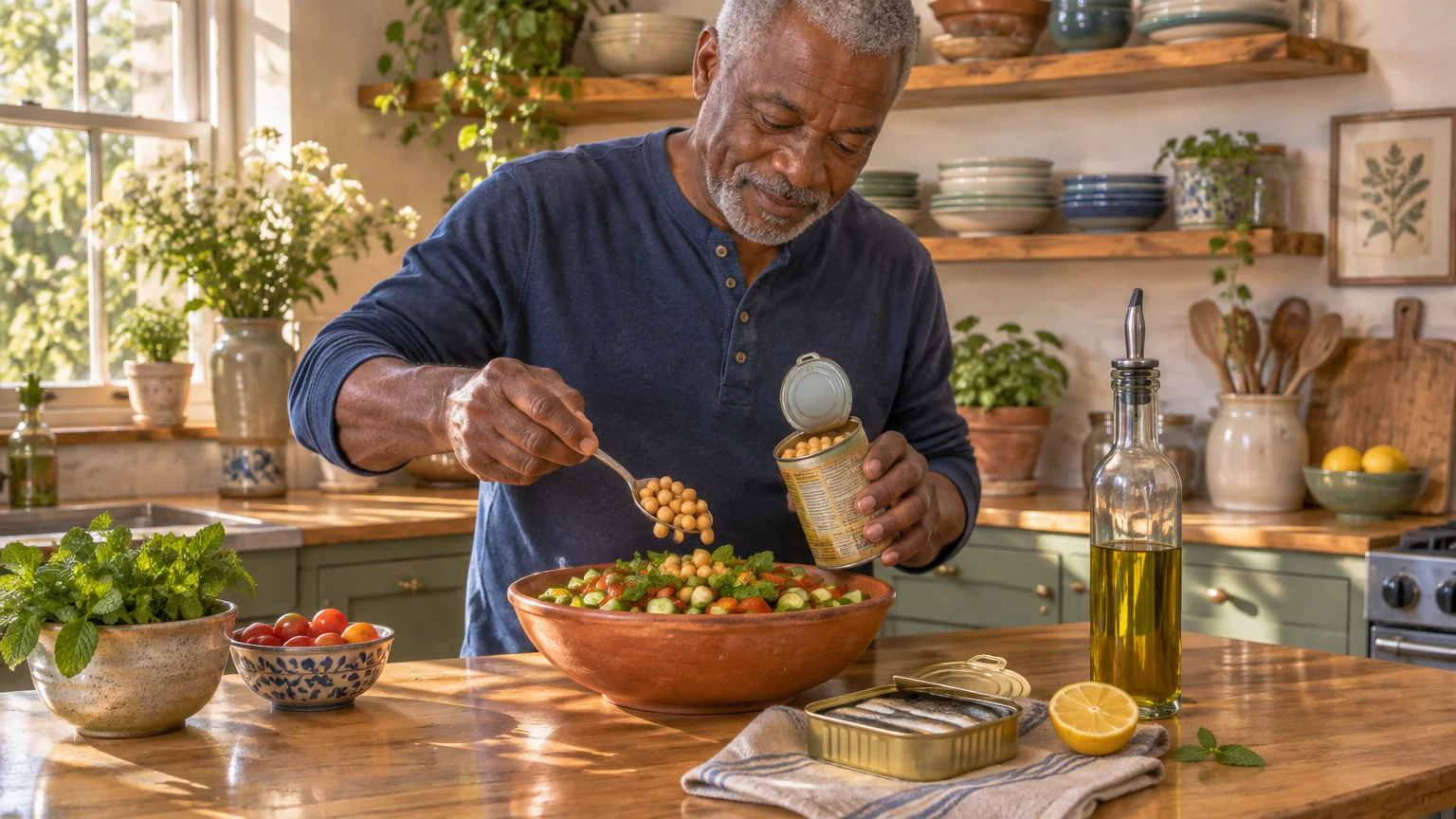
Stocking your pantry with the right healthy canned foods saves time, protects your grocery budget, and delivers vital nutrients after age 55. Modern canning locks in vitamins, minerals, and protein at peak ripeness without demanding hours of chopping or prep.
Better yet, federal dietary guidance now confirms what nutrition experts have long observed in older adults. Smart pantry staples help you meet higher protein, calcium, fiber, and potassium goals with minimal effort.
The Important Role of Nutrition in Healthy Canned Foods
Your body handles nutrients differently as you age, which makes every bite count more than it used to. Older adults need fewer total calories yet require equal or greater amounts of protein, bone-building minerals, and heart-protective vitamins.
Keeping nutritious pantry staples within reach solves a common daily hurdle when fatigue, arthritis, or bad weather makes grocery trips difficult. Instead of skipping meals or settling for toast, you can assemble a balanced plate in minutes.
Meeting Higher Protein Targets After Fifty
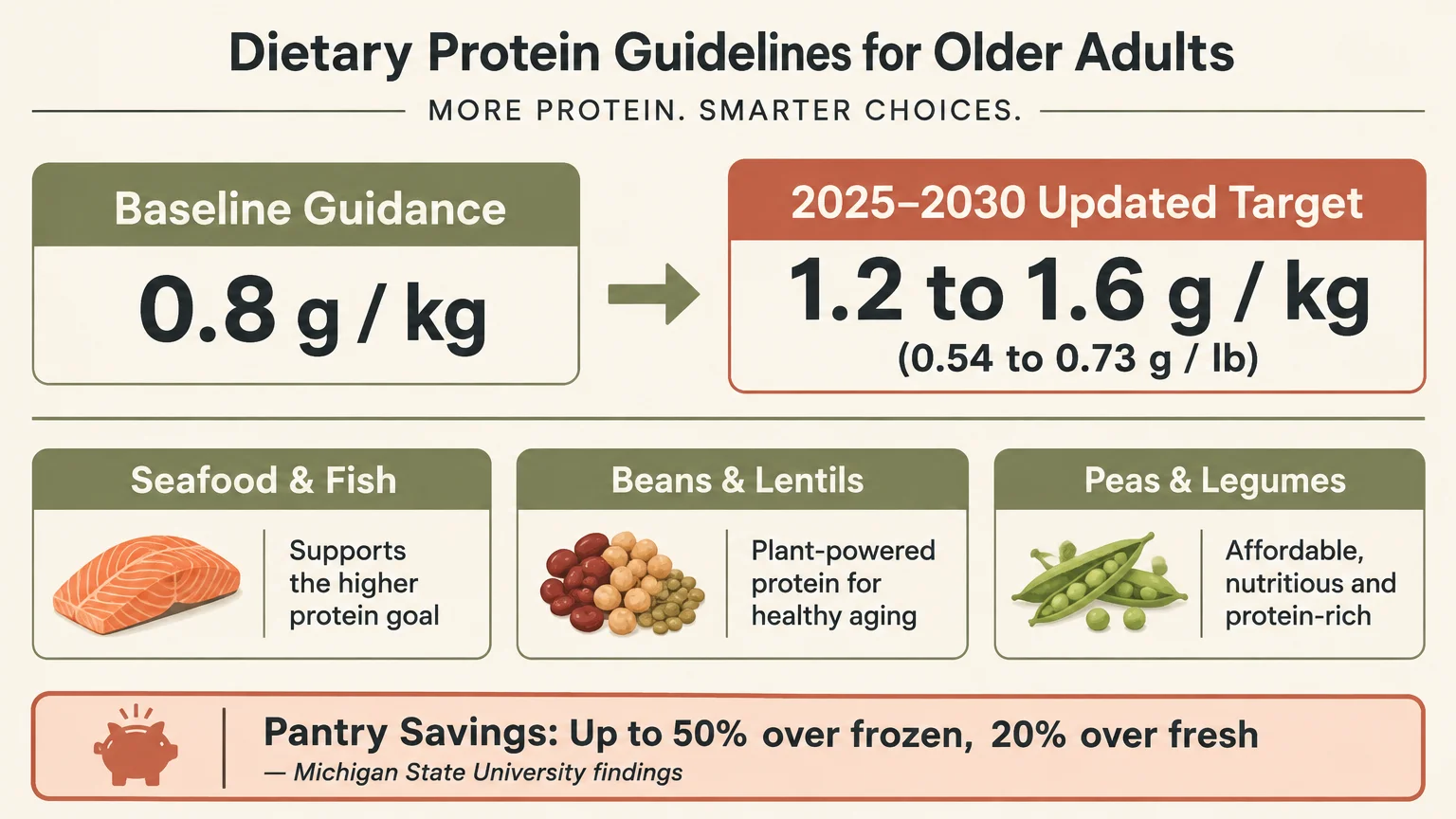
Maintaining muscle strength helps you stay independent, steady on your feet, and active well into your seventies and eighties. Under the 2025–2030 Dietary Guidelines for Americans from the USDA and HHS, adults should aim for 1.2 to 1.6 grams of protein per kilogram of body weight daily.
That updated target equals roughly 0.54 to 0.73 grams of protein per pound, rising substantially above the older 0.8-gram-per-kilogram baseline. Both seafood and plant proteins—such as beans, peas, and lentils—count directly toward this daily goal.
Closing Calcium, Vitamin D, and Potassium Gaps
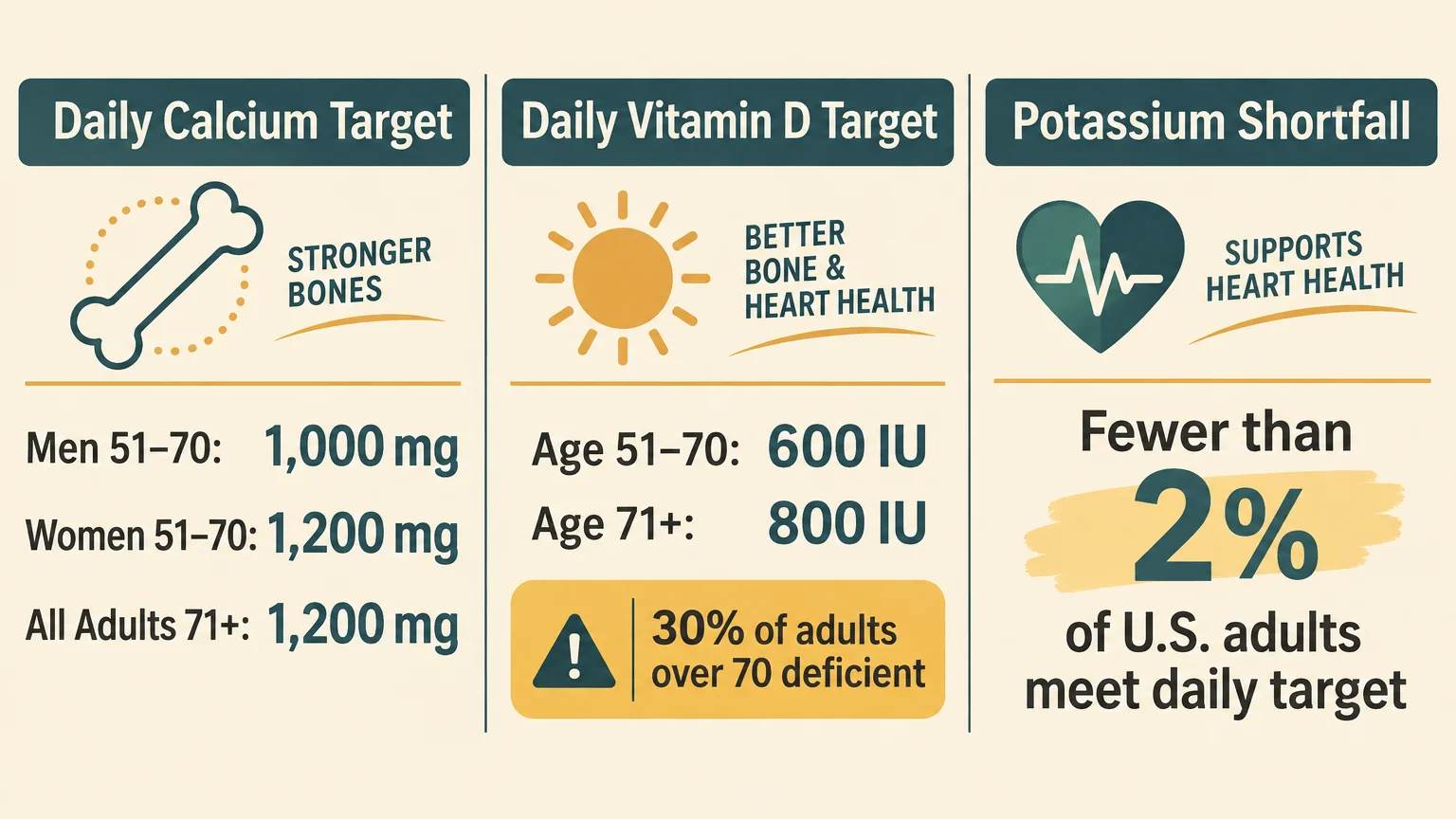
Bone density naturally declines with age, making adequate calcium and vitamin D essential for preventing fractures. According to the National Institutes of Health Office of Dietary Supplements, men aged 51 to 70 need 1,000 milligrams of calcium daily.
Women aged 51 to 70 and all adults aged 71 and older require 1,200 milligrams of calcium each day. Adults aged 51 to 70 also need 600 IU of vitamin D daily, while those 71 and older need 800 IU.
Your digestive tract cannot actively absorb calcium without enough vitamin D present. Yet vitamin D deficiency affects 30 percent of adults over age 70, leaving many older Americans vulnerable to silent bone loss.
Potassium is another widespread shortfall, with fewer than 2 percent of U.S. adults meeting daily targets, according to the American Heart Association. In fact, the 2025 Dietary Guidelines Advisory Committee flagged vitamin D, calcium, and potassium as key underconsumed nutrients of public health concern.
Filling the Produce Gap Without Overspending
On average, U.S. consumers eat just 0.9 cups of fruit and 1.4 cups of vegetables daily, according to USDA Economic Research Service data. For a 2,000-calorie diet, the 2025–2030 Dietary Guidelines recommend 3 servings of vegetables and 2 servings of fruit every day.
Crucially, those updated federal guidelines explicitly include canned fruits and vegetables with no or limited added sugars alongside fresh and frozen produce. A Michigan State University review in the American Journal of Lifestyle Medicine found that canned vegetables match fresh and frozen nutrient scores while saving up to 50 percent over frozen and 20 percent over fresh.
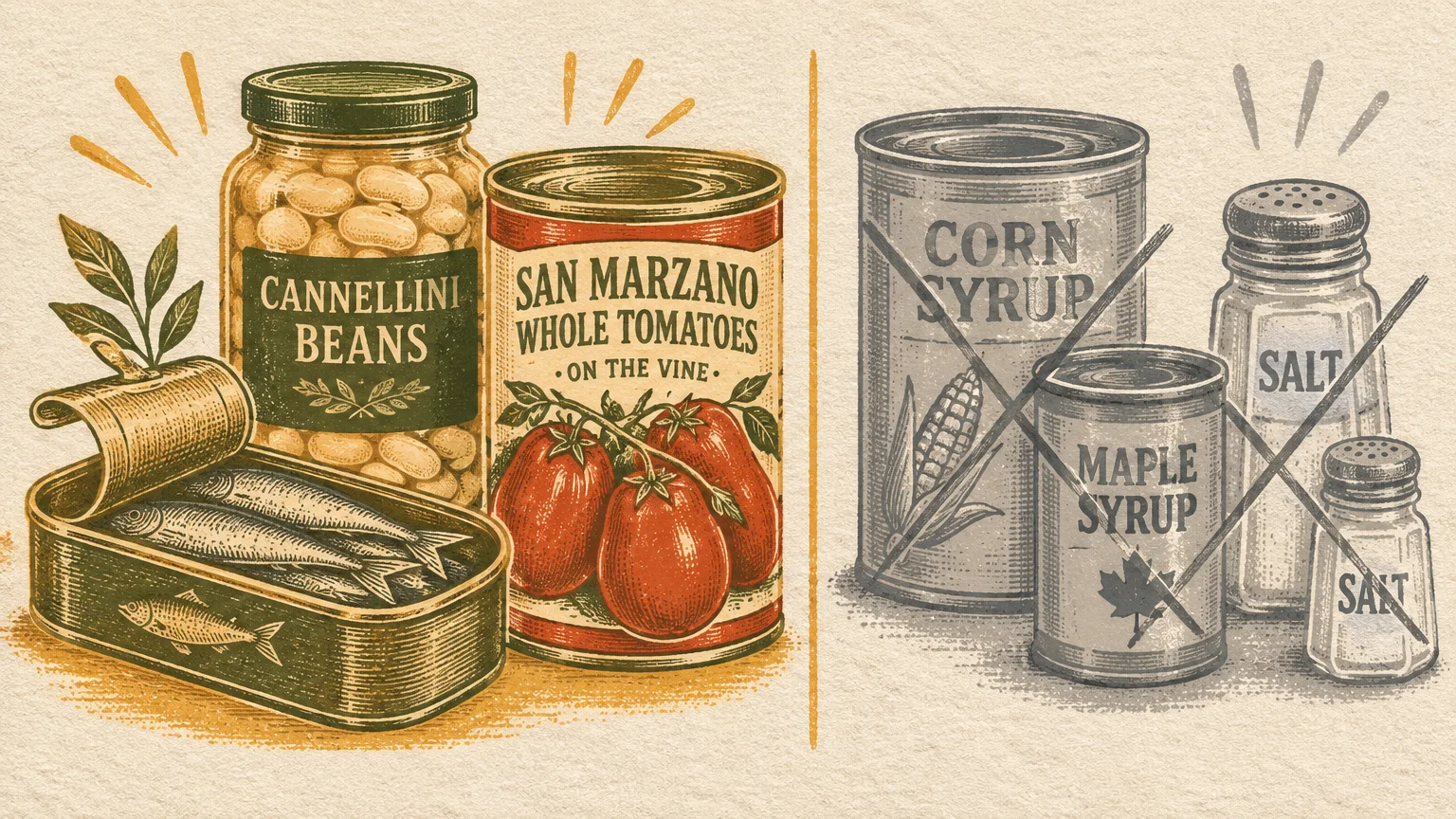
Foods to Embrace and Foods to Limit
Not every item in the center aisles deserves space on your shelf, so knowing which labels to reach for makes all the difference. The six standout pantry staples below deliver concentrated nutrition, strong canned fish benefits, and impressive canned beans nutrition at an affordable price.
1. Canned Sardines With Bones
Small oily fish pack more bone and heart support per ounce than almost anything else in your kitchen. The National Institutes of Health Office of Dietary Supplements specifically highlights canned sardines with bones as a premier calcium-rich food.
According to USDA nutrition data, one drained 3.75-ounce can of bone-in sardines supplies 382 milligrams of calcium, or 29 percent of your daily value. That same modest serving also delivers 4.8 micrograms—about 193 IU—of vitamin D, along with 397 milligrams of potassium and roughly 22 grams of protein.
Sardines shine for cardiovascular health too, providing 0.982 grams of combined EPA and DHA omega-3 fatty acids per drained can. Because sardines sit low on the food chain, they average just 0.013 parts per million of mercury and earn a top Best Choices rating from the FDA and EPA.
You can mash the tender, edible bones right into the fish with a fork; you will barely notice them once mixed with lemon juice and black pepper. Choose sardines packed in water or extra-virgin olive oil rather than heavy sauces to keep sodium and fats in check.
2. Canned Pink Salmon With Bones
If sardines feel too bold for your palate, canned pink salmon offers a milder, familiar flavor with even higher vitamin D. According to USDA figures, a 3-ounce portion of drained canned pink salmon with bones provides 493 IU of vitamin D.
That single serving covers more than half of the daily vitamin D target for adults over 70. It also contributes roughly 241 milligrams of calcium and 19.5 grams of complete protein to support aging muscles.
Both the American Heart Association and the Dietary Guidelines encourage regular seafood habits for heart protection. Specifically, the American Heart Association advises eating at least two fish servings per week, while federal guidelines call for at least 8 ounces of seafood weekly on a 2,000-calorie plan.
Canned pink salmon makes hitting that weekly seafood quota simple because you never have to worry about fillets spoiling in the refrigerator. Keep two or three cans on hand for quick salmon patties, warm chowders, or chilled salads.
3. Canned Beans of Every Variety
Few foods rival canned beans nutrition for keeping digestion steady, blood sugar smooth, and grocery bills low. Dried beans require hours of soaking and simmering, whereas canned beans are ready to warm or toss into salads within seconds.
USDA nutrient profiles show that just one half-cup of canned chickpeas provides 8.1 grams of dietary fiber. Great Northern beans supply 6.4 grams per half-cup, white beans offer 6.3 grams, plain baked beans deliver 5.2 grams, and black turtle beans provide 6.9 grams per standard portion.
Because fiber slows digestion, pairing beans with whole grains helps prevent sharp afternoon energy crashes. Beans also supply potassium, iron, and meaningful plant protein toward your 1.2-to-1.6-gram daily protein goal.
If canned beans ever upset your stomach, start with a quarter-cup portion and drink plenty of water alongside them. Giving your digestive system a week or two to adjust usually eliminates bloating while maximizing gut benefits.
4. Canned Tomatoes
Cooked tomatoes are a rare example where processing actually boosts a key antioxidant rather than diminishing it. Commercial canning heats tomatoes in sealed containers, breaking down tough cell walls so your body absorbs more lycopene.
According to 2022 USDA Nutrient Database figures, canned tomatoes contain 6.8 milligrams of lycopene per 100 grams, compared with only 3.1 milligrams in fresh tomatoes. A Michigan State University review in the American Journal of Lifestyle Medicine likewise confirmed that canned tomatoes deliver more bioavailable lycopene and B vitamins than fresh counterparts.
Keeping diced, crushed, and whole peeled tomatoes in your cupboard lets you build flavorful pasta sauces, soups, and stews year-round. Look for no-salt-added varieties so you control the seasoning yourself with garlic, oregano, basil, and olive oil.
Watch for cans labeled with simple ingredients—just tomatoes, tomato juice, and perhaps citric acid. When tomatoes taste bright and naturally sweet, you rarely need extra salt or sugar at the stove.
5. Pure Canned Pumpkin
Do not save canned pumpkin solely for holiday pies, because plain pumpkin puree is one of the most nutrient-dense vegetables on the shelf. According to USDA Standard Release data, one full cup of salt-free canned pumpkin has just 83 calories.
Inside those 83 calories, you get 7.1 grams of fiber—25 percent of your daily value—plus 504.7 milligrams of potassium and 3.4 milligrams of iron. That single cup also contains only 12.3 milligrams of sodium and 2.7 grams of protein.
Because plain pumpkin is silky and mild, it blends effortlessly into morning oatmeal, smoothies, Greek yogurt, and chili. Its rich potassium content helps counter excess sodium in the diet while supporting healthy blood pressure.
Always double-check the front label to ensure you are buying 100 percent pure pumpkin rather than pumpkin pie mix. Pie mix comes pre-sweetened with added sugars and heavy spices, whereas pure pumpkin lets you flavor dishes sweet or savory.
6. Canned Light Skipjack Tuna
Tuna remains a classic choice for quick lunches, yet choosing the right variety matters for limiting mercury exposure. Under FDA and EPA seafood guidelines, canned light or skipjack tuna ranks in the Best Choices category, allowing two to three 4-ounce adult servings weekly.
Skipjack averages 0.13 parts per million of mercury, making it considerably cleaner than albacore or white canned tuna at 0.35 parts per million. Albacore sits in the Good Choices tier, which federal agencies advise limiting to just one serving per week.
Packing your pantry with water-packed light tuna gives you lean, shelf-stable protein whenever you need a fast sandwich or green salad topper. Mixing flaked tuna with olive oil, Dijon mustard, celery, and chopped herbs replaces heavy mayonnaise while boosting heart-healthy fats.
Bonus Budget Vegetables and Canned Foods to Limit
Beyond those six stars, humble canned vegetables can also serve as budget healthy food when fresh produce prices climb. In 2023 USDA Economic Research Service tracking across 155 produce items, canned corn averaged just 68 cents per cup equivalent and canned green peas averaged 77 cents.
Still, certain canned items warrant caution—especially if you manage high blood pressure, diabetes, or heart disease. U.S. adults consume an average of 3,400 milligrams of sodium daily, with over 70 percent coming from processed, prepackaged, and restaurant foods, according to the American Heart Association.
The American Heart Association recommends an optimal limit of 1,500 milligrams of sodium per day, while the 2025–2030 Dietary Guidelines set a general ceiling below 2,300 milligrams. Regular canned soups, chili, pasta meals, and salted vegetables can burn through half that daily allowance in a single bowl.
Checking kidney bean numbers illustrates how sharply labels differ: per 100 grams in the USDA Nutrient Database, regular red kidney beans with liquid carry 655 milligrams of sodium. Choosing low-sodium kidney beans drops that figure to 117 milligrams before you even open the lid.
You should also limit canned peaches, pears, and pineapple packed in heavy syrup, which add unnecessary sugar and calories. Opt instead for fruit canned in water or 100 percent fruit juice, and avoid bigeye tuna altogether due to its 0.69 parts per million mercury average.
A Simple, Healthy Meal Idea
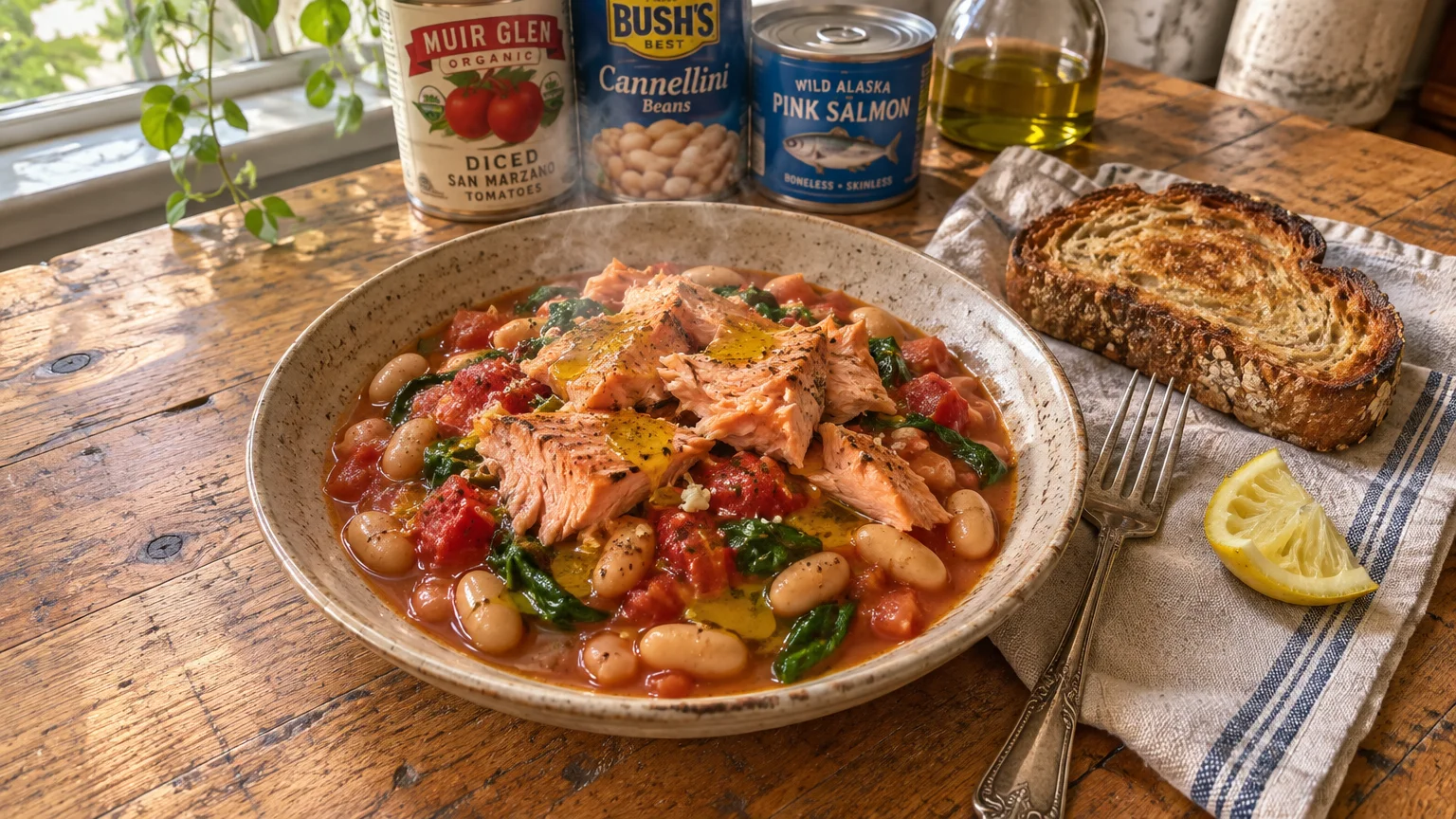
Putting these nutritious pantry staples together takes less than ten minutes and leaves very little cleanup behind. Tonight, try making a warm Mediterranean White Bean and Salmon Tomato Skillet for a balanced dinner.
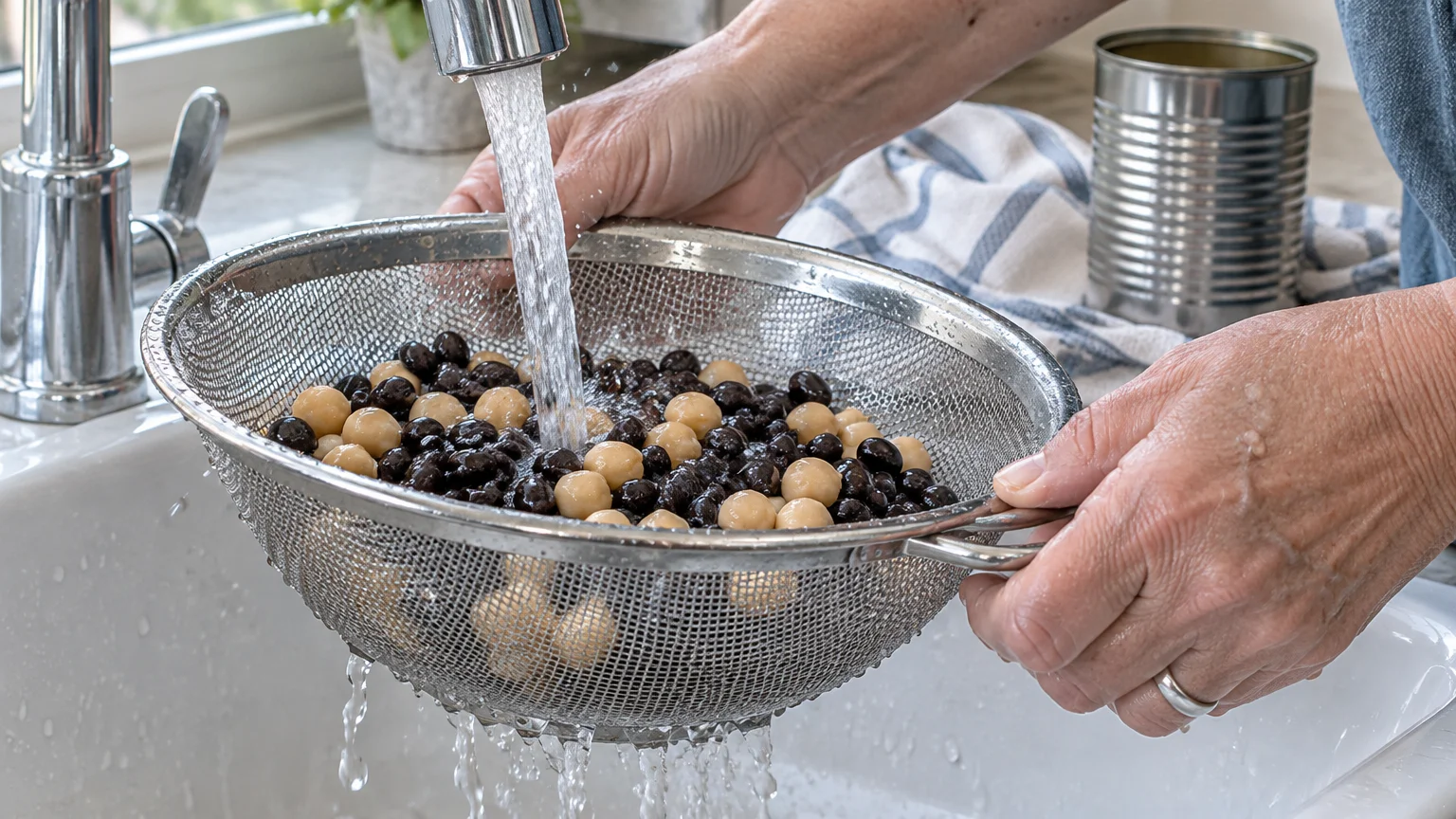
Start by draining and rinsing one can of low-sodium white beans or chickpeas in a colander under lukewarm water. Warm one tablespoon of olive oil in a medium skillet over medium heat, then add two cloves of minced garlic for thirty seconds until fragrant.
Pour in one 14.5-ounce can of no-salt-added diced tomatoes along with a pinch of dried oregano and black pepper. Stir in the rinsed beans and let the mixture simmer gently for five minutes until thick and bubbling.
Remove the skillet from the heat and gently fold in one drained can of bone-in pink salmon or sardines so the tender fish stays in hearty flakes. Top your bowl with chopped fresh parsley and a squeeze of lemon juice for brightness.
This single skillet checks nearly every nutritional box for healthy aging: calcium, vitamin D, omega-3 fats, potassium, lycopene, protein, and gut-friendly fiber. For an easy afternoon snack, stir a quarter-cup of pure canned pumpkin with cinnamon into plain Greek yogurt.
Tips for Shopping and Meal Prep
Smart shopping habits let you maximize canned nutrition while protecting your wallet and your kitchen safety. Keep these straightforward strategies in mind the next time you restock your shelves.
Read Labels and Use the Rinse Trick
Compare the Nutrition Facts panel across brands before tossing a can into your cart, paying close attention to sodium and added sugars. Look for clear phrases like no salt added, low sodium, packed in water, or packed in 100 percent juice.
When low-sodium beans are out of stock, draining and rinsing regular beans makes a dramatic difference. Research from the University of Tennessee by Jones and Mount found that draining canned beans for two minutes cut sodium by 36 percent on average—dropping from 503 to 321 milligrams per serving.
Adding a quick 10-second rinse under lukewarm water pushed that sodium reduction to 41 percent, or 295 milligrams per serving. USDA data on red kidney beans shows a similar drop from 655 milligrams with liquid down to 208 milligrams after draining and rinsing.
Keep in mind that rinsing does not work equally well on every vegetable. A USDA Agricultural Research Service study found that draining canned peas and green beans cut sodium by just 2 to 5 percent, and rinsing trimmed only 7 percent—so buying low-sodium cans matters most for peas and green beans.
Understand Can Linings and BPA Rules
Many older shoppers rightly ask whether chemical linings inside metal cans pose a health concern. According to the Can Manufacturers Institute, roughly 95 percent of U.S. food cans now use BPA-non-intent linings made from acrylic, polyester, or olefin coatings instead of BPA epoxy.
The FDA continues to view BPA as safe at current low migration levels in adult food packaging, having restricted it in baby bottles, sippy cups, and infant formula containers. Meanwhile, European Union Regulation 2024/3190 banned BPA in food-contact materials, barring most BPA-lined food cans from first sale there after July 20, 2026.
If you prefer extra peace of mind, check labels for BPA-free wording or choose tomatoes and beans packaged in aseptic cartons or glass jars. Keeping a varied diet across fresh, frozen, and canned foods also minimizes exposure to any single packaging material.
Shop Strategically and Store Cans Safely
Do not assume canned produce is always the cheapest option on every item, because prices vary by vegetable. USDA Economic Research Service comparisons note that fresh carrots often cost less than canned, whereas canned corn and frozen spinach typically beat fresh prices.
Once you bring your groceries home, store cans in a cool, dry cupboard kept below 85 degrees Fahrenheit, as advised by the USDA Food Safety and Inspection Service. Storing cans near hot ovens or in garages above 100 degrees Fahrenheit sharply raises spoilage risks.
High-acid foods like canned tomatoes and fruit hold their best taste and texture for up to 18 months. Low-acid pantry staples—including canned fish, beans, meats, and vegetables—keep peak quality for 2 to 5 years, while home-canned goods should be eaten within 1 year.
Write the purchase month and year on top of each lid with a permanent marker and rotate older cans to the front. This simple habit ensures you enjoy meals at peak flavor without letting items sit forgotten in the back of the pantry.
Inspect Cans Before Opening
Commercial canning sterilizes sealed containers under steam pressure near 250 degrees Fahrenheit, making botulism exceedingly rare. Still, the USDA Food Safety and Inspection Service urges shoppers never to use or even taste food from damaged cans showing warning signs.
Discard any can that is bulging, leaking, heavily rusted, spurting liquid when opened, or foul-smelling. You should also throw out cans with deep dents you can lay a finger into, or sharp dents along the top, bottom, or side seam.
By contrast, small, smooth dents on the flat side away from any seam on an otherwise clean, intact can remain safe to eat. When in doubt about a suspicious lid or odor, always throw the food out safely where pets cannot reach it.
Frequently Asked Questions
Are canned vegetables really as nutritious as fresh ones?
Yes, canned vegetables match fresh and frozen options closely for most vitamins and minerals because processors pack them within hours of harvest. Certain nutrients, such as lycopene in canned tomatoes, actually become easier for your body to absorb after canning.
Water-soluble vitamins like vitamin C can drop slightly during heating, so pairing canned meals with a piece of fresh citrus or crisp bell pepper balances everything nicely. Overall, eating more vegetables in any form beats falling short of daily goals.
Do canned foods stay safe to eat past their best-by date?
According to the USDA Food Safety and Inspection Service, commercially canned foods remain safe indefinitely as long as the can stays intact, unrusted, and stored in a cool, dry spot. The date stamped on the bottom reflects peak flavor and texture rather than a strict safety deadline.
For the best eating experience, aim to enjoy tomatoes and canned fruit within 18 months and fish or beans within 2 to 5 years. Always check the seam and lid before opening older cans.
Should I drain the liquid from canned fish?
You can drain excess water or brine from canned tuna or salmon to lower sodium and keep salads from turning watery. If you buy sardines or salmon packed in extra-virgin olive oil, drizzling a spoonful over greens adds healthy fats and rich flavor.
Never throw out the soft, edible bones inside canned sardines or pink salmon unless you strongly dislike the texture. Those tender bones supply nearly all the remarkable calcium boost inside the can.
How can I open cans easily if I have arthritis?
Manual crank openers often strain sore wrists and fingers, so switching to an ergonomic tool makes cooking far more enjoyable. Look for pull-tab lids when shopping, or keep a countertop electric can opener or smooth-edge battery-powered opener within easy reach.
Opening two or three cans of beans at once on a high-energy afternoon lets you portion them into small glass containers for the week. Freezing extra drained beans in labeled freezer bags also saves effort later.
For science-based nutrition information, refer to the U.S. Department of Agriculture at Nutrition.gov and the Dietary Guidelines for Americans. The National Institute on Aging also has excellent resources on healthy eating for seniors.
Disclaimer: This article is for informational purposes only and does not constitute medical advice. Always seek the advice of your physician or other qualified health provider with any questions you may have regarding a medical condition.