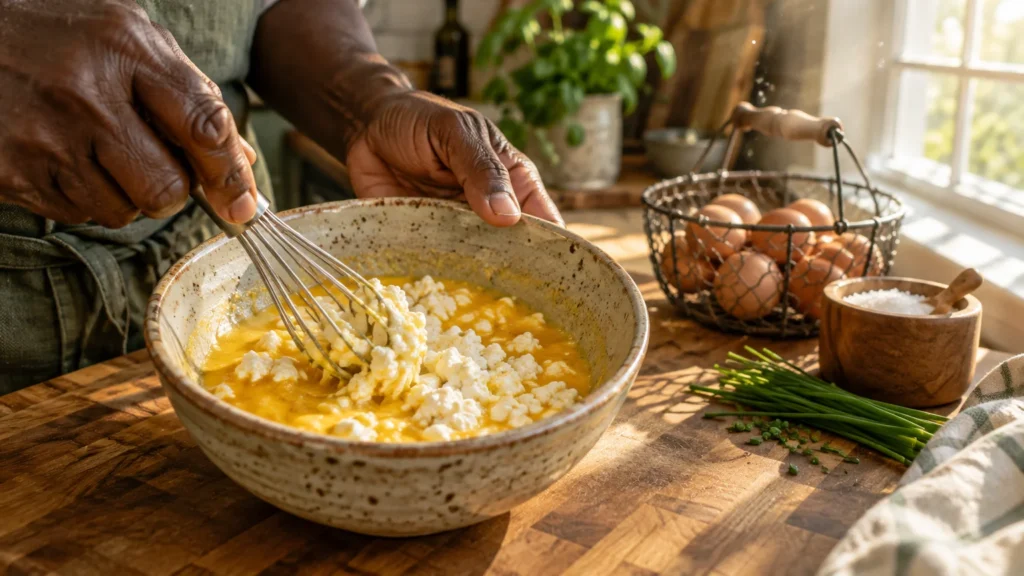
Cold and flu season brings extra worry as you get older, and pharmacy aisles overflow with bottles promising bulletproof immunity. Here is the plain truth about which supplements actually help and which ones mostly lighten your wallet.
U.S. adults catch an average of two to four colds each year, while seasonal influenza hits five to twenty percent of the population. For adults aged sixty-five and older, respiratory viruses carry real risks of hospital stays.
You do not need a cabinet full of pricey pills to protect yourself this winter. Below, you will find clear science on vitamin D, zinc, vitamin C, probiotics, and herbs, along with practical food-first meals.
The Important Role of Nutrition in Cold Season Immunity
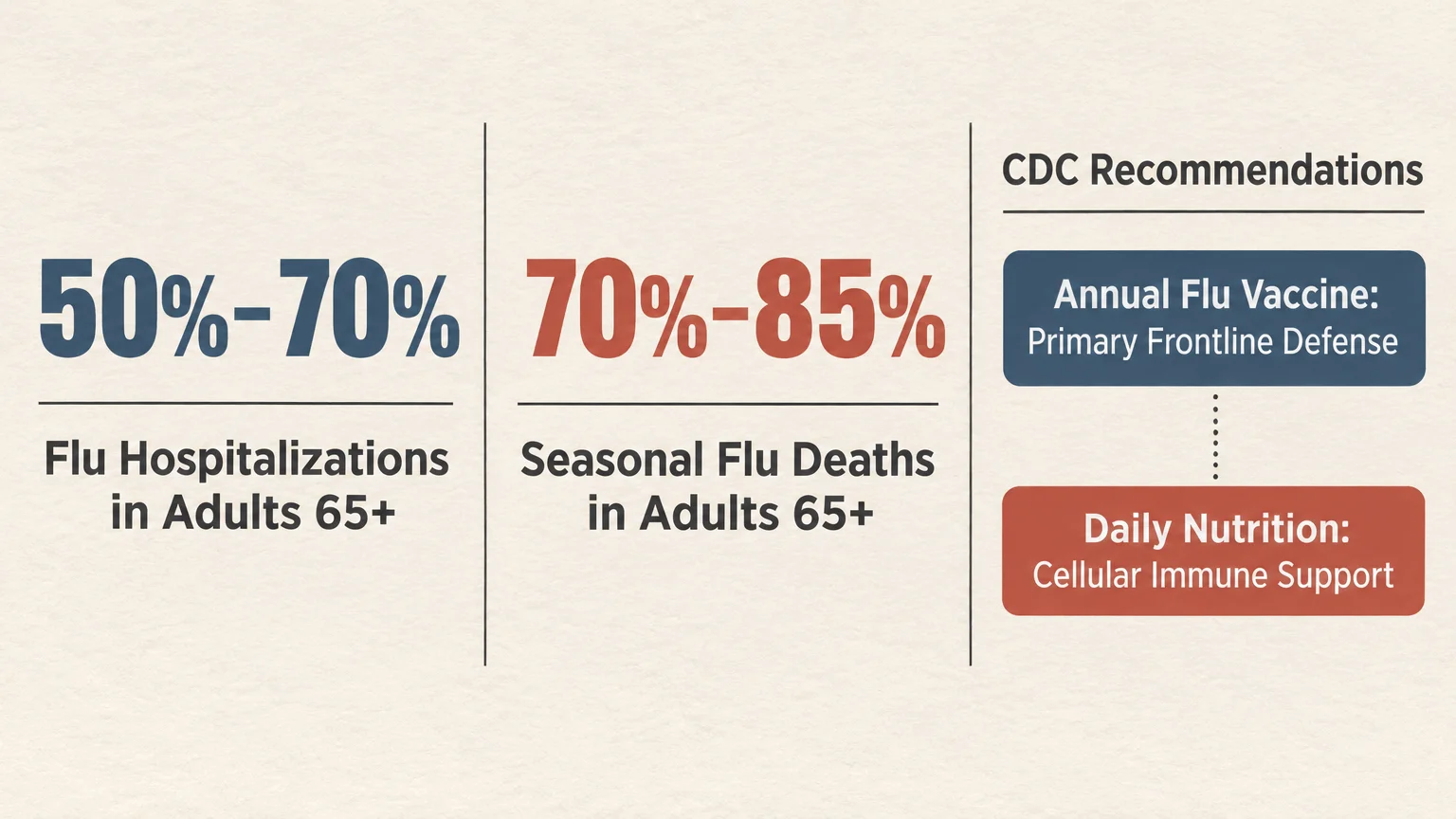
Every winter, older adults face higher stakes during cold and flu season than younger people do. According to the Centers for Disease Control and Prevention, adults aged sixty-five and older account for fifty to seventy percent of flu hospitalizations.
Even more sobering, that same age group accounts for seventy to eighty-five percent of seasonal flu deaths. Adults aged fifty to sixty-four also feel the impact, representing twenty percent of hospitalizations and deaths during the 2023–2024 season.
Recent numbers highlight why smart preparation matters right now. The CDC classified the 2024–2025 flu season as high severity across all age groups, bringing fifty-one million illnesses, seven hundred ten thousand hospitalizations, and forty-five thousand deaths.
During that season, adults sixty-five and older made up fifty-seven percent of hospitalizations and seventy-one percent of deaths. Early 2026–2027 CDC FluView tracking also showed a steep jump, with nine thousand five hundred eighty-four lab-confirmed hospital admissions in early November.
That weekly admission count was more than seven times higher than the prior season, hitting older adults hardest at 8.6 hospitalizations per hundred thousand people. By comparison, adults aged fifty to sixty-four saw 2.7 admissions per hundred thousand.
Against that backdrop, it makes sense that seventy-seven percent of U.S. adults take dietary supplements, according to Council for Responsible Nutrition survey data. Immune support ranks near the top of the reasons people reach for a bottle.
Still, the National Center for Complementary and Integrative Health states clearly that no complementary health approach prevents or treats influenza. Your best frontline shield remains an annual flu shot.
In 2025 survey data from the CDC and National Center for Health Statistics, nearly sixty-four percent of seniors sixty-five and older received their flu vaccine. The CDC and its advisory committee preferentially recommend high-dose, recombinant, or adjuvanted flu vaccines for seniors.
Nutrition and targeted supplements for seniors work alongside vaccination, never in place of it. Your immune cells rely on steady vitamins, minerals, and protein every day to build antibodies and repair delicate airway tissues.
Why Aging Changes Your Nutrient Needs
As the decades pass, your body often absorbs certain nutrients less efficiently from meals and sunlight. Appetite may also dip slightly, which means every bite on your plate needs to carry real nutritional weight.
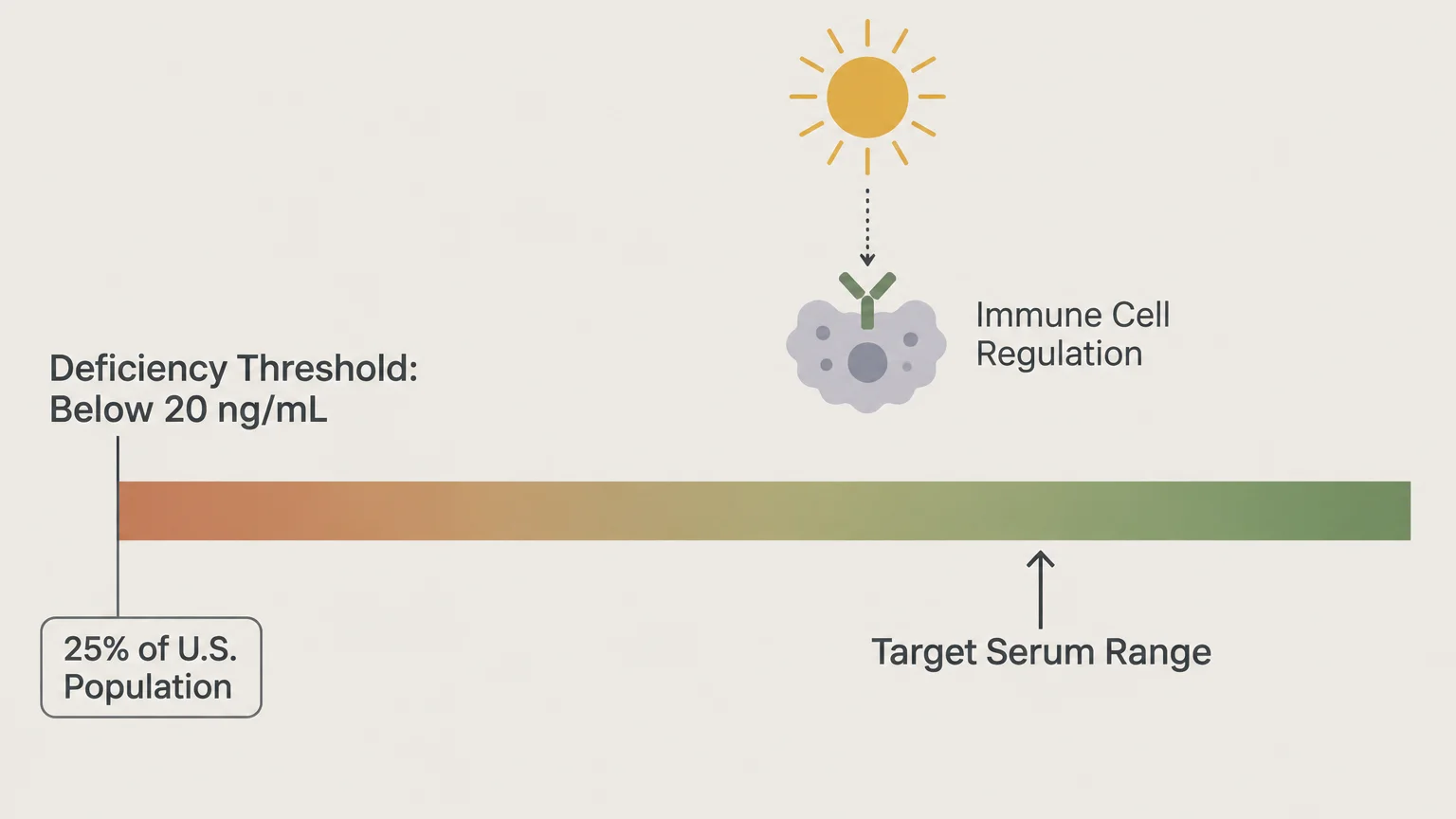
For example, the Mayo Clinic notes that older adults frequently make or absorb less vitamin D because of limited sun exposure. Around twenty-five percent of the U.S. population carries low blood vitamin D levels below twenty nanograms per milliliter.
Correcting a genuine nutritional shortfall keeps your immune system steady and responsive. Taking megadoses when your levels are already healthy, however, rarely builds extra protection and can sometimes backfire.
Vitamin D Immunity: What Recent Guidelines Show
Vitamin D plays an active role in regulating immune cells and calming excess inflammation. Under Institute of Medicine and NIH Office of Dietary Supplements guidelines, adults up to age seventy need six hundred international units daily.
Once you reach age seventy-one, that Recommended Dietary Allowance rises to eight hundred international units—twenty micrograms—each day. Yet vitamin D immunity claims often promise far more than the latest clinical trials prove.
A major 2025 systematic review in The Lancet Diabetes & Endocrinology examined forty randomized trials covering more than sixty-one thousand participants. Researchers found no statistically significant overall reduction in acute respiratory infections from taking vitamin D versus a placebo.
Because of evidence like this, the Endocrine Society updated its clinical practice guidelines in 2024 with clear age-based advice. For generally healthy adults aged fifty to seventy-four, the Society advises against routine high-dose supplementation above standard daily recommendations.
Healthy adults in that fifty-to-seventy-four window also do not need routine vitamin D blood screening unless a doctor suspects a deficiency. Still, you may reasonably use a modest supplement if sun exposure and fortified foods fall short.
The advice shifts once you turn seventy-five. For adults aged seventy-five and older, the Endocrine Society recommends daily empiric vitamin D supplementation—averaging roughly nine hundred international units in clinical trials—because of potential reductions in overall mortality.
Across adults fifty and older who do supplement, the Society favors steady daily low doses over large intermittent mega-doses. Keep your total intake well below the four-thousand-unit Tolerable Upper Intake Level set by the Institute of Medicine.
Taking too much vitamin D month after month can cause excess blood calcium, urinary calcium buildup, and mineral deposits in soft tissues. More is definitely not better when it comes to fat-soluble vitamins.
Zinc for Colds: Timing, Dosing, and Safety Rules
Zinc helps white blood cells multiply and respond quickly when a virus enters your nose or throat. Adult men need eleven milligrams of zinc daily, while adult women need eight milligrams, according to NIH Office of Dietary Supplements guidelines.
When people ask about zinc for colds, the research draws a sharp line between prevention and treatment. A May 2024 Cochrane Review found that taking zinc routinely shows little to no effect on preventing colds in the first place.
Treatment tells a slightly different story, though the evidence remains mixed. Across eight trials covering nine hundred seventy-two people, taking zinc for an active cold shortened symptoms by roughly two days on average.
Even so, the Cochrane authors rated that evidence as low certainty and concluded it is not strong enough for a firm recommendation. Some researchers have countered that earlier reviews of high-dose zinc lozenges showed stronger results when oral and nasal trials were separated.
You also have to weigh minor side effects before sucking on zinc lozenges all day. Across sixteen studies, people treating colds with zinc were noticeably more likely to report an unpleasant metallic taste or an upset stomach.
If you try oral zinc briefly during a cold, pay close attention to your total daily milligram count. The U.S. Tolerable Upper Intake Level for adults is forty milligrams per day from food and supplements combined.
Harvard T.H. Chan School of Public Health warns that taking fifty milligrams or more each day can block copper and iron absorption while triggering nausea. Over time, zinc-induced copper deficiency can quietly weaken blood cells and nerves.
Just as important, never put zinc inside your nose. Back in 2009, the U.S. Food and Drug Administration warned consumers against intranasal zinc gels and swabs after receiving more than one hundred thirty reports of lasting or permanent loss of smell.
That serious safety warning applies strictly to nasal products and does not apply to standard oral zinc tablets or lozenges. Stick strictly to food sources or modest oral supplements approved by your doctor.
Vitamin C: Helpful Helper or Overrated Cure?
Vitamin C supports skin barriers, helps immune cells neutralize oxidative stress, and aids tissue repair. Adult men need ninety milligrams daily and adult women need seventy-five milligrams, while smokers require an extra thirty-five milligrams.
For decades, families have reached for tall glasses of orange juice or thousand-milligram vitamin C packets at the first sneeze. Yet a landmark Cochrane Review covering over ten thousand people found daily vitamin C did not reduce cold rates in the general public.
Only extreme physical stress trials—such as marathon runners, skiers, and subarctic soldiers—showed a sharp drop in colds. For everyday adults living normal routines, daily pills will not keep rhinoviruses away.
Regular daily vitamin C supplementation of at least two hundred milligrams did trim adult cold duration by a modest eight percent. On a seven-day cold, that equals roughly half a day shaved off your recovery.
Most seniors can easily hit their daily vitamin C target through two servings of colorful produce rather than a pill. If you do use a supplement, stay below the two-thousand-milligram daily upper limit to avoid painful cramps and diarrhea.
Probiotics, Elderberry, and Echinacea
Beyond basic vitamins and minerals, grocery shelves showcase gut-friendly probiotics and traditional botanicals among popular immune boosting supplements. Each carries a very different evidence score.
Probiotics are live beneficial microbes that support the gut lining, where a large share of your immune cells live. A 2022 Cochrane Review of twenty-four trials covering nearly seven thousand participants looked at probiotics for upper respiratory infections.
People taking probiotics had roughly twenty-four percent lower risk of catching an acute respiratory infection and recovered about 1.2 days faster. Stomach side effects were mild, though researchers rated overall certainty low because products and bacterial strains varied wildly.
The National Center for Complementary and Integrative Health notes that long-term safety data for taking probiotic pills solely to prevent colds remain limited. Enjoying fermented foods like yogurt offers a gentler, delicious starting point.
Elderberry has surged in popularity as a dark purple winter syrup. Five small clinical trials suggest elderberry extracts might ease upper respiratory symptoms, yet overall evidence on both benefits and harms remains uncertain.
Neither elderberry syrup nor gummies have solid proof that they prevent influenza or viral infections. Crucially, the NCCIH warns that raw or unripe elderberries, leaves, and stems contain cyanide-producing substances.
Eating unprepared or home-picked parts of the plant can trigger severe vomiting and diarrhea unless the berries are thoroughly cooked. Always stick to properly cooked commercial products if you choose to try elderberry.
Echinacea shares a similarly cloudy track record across decades of research. A Cochrane Review of twenty-four trials found no clear treatment benefit once a cold had already started.
Pooled prevention trials hinted at a modest ten to twenty percent relative drop in risk, yet results bounced around widely. Different plant species, roots versus flowers, and extraction methods make it hard to know what any given bottle actually delivers.
Foods to Embrace and Foods to Limit
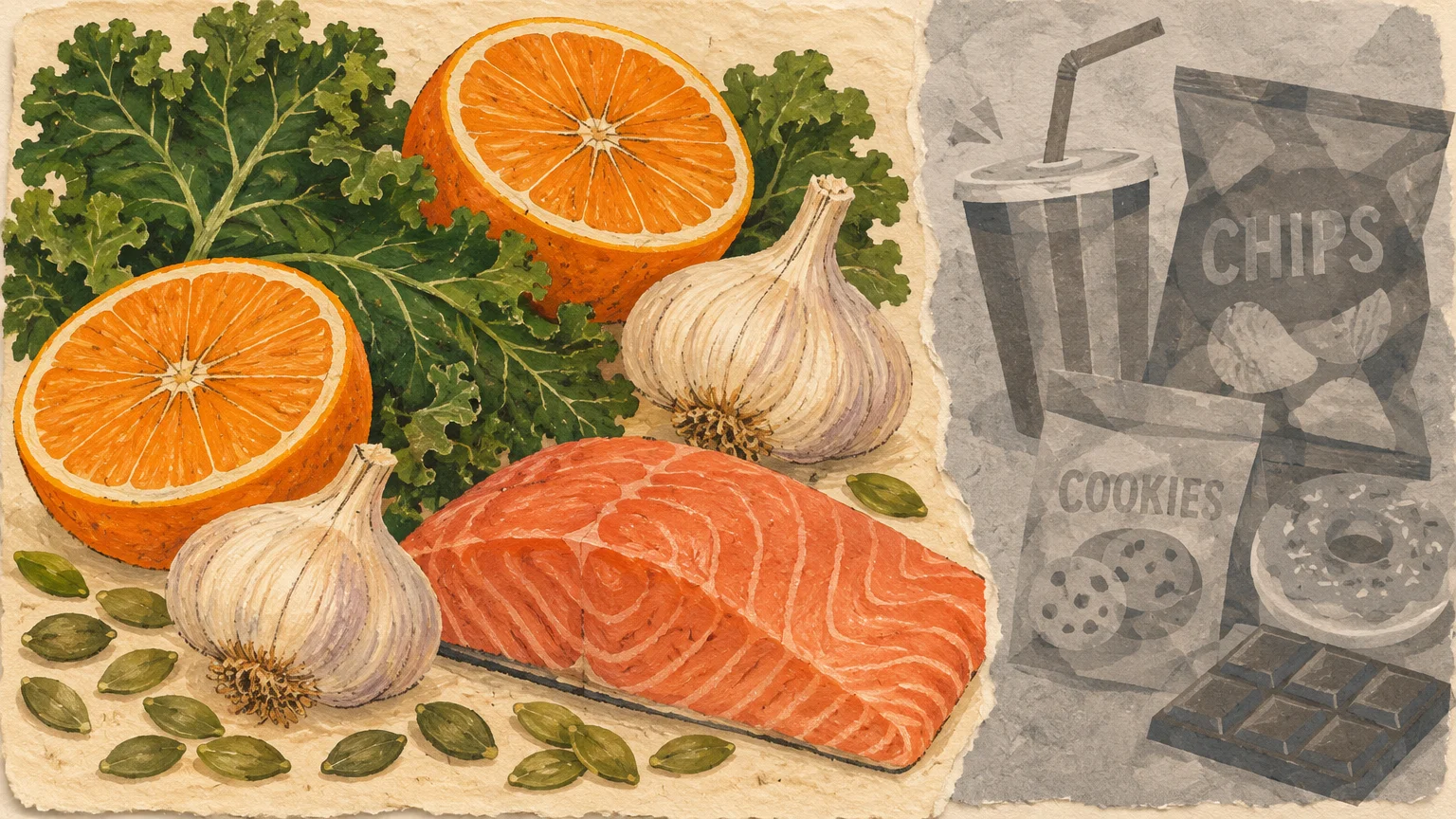
Whole foods supply vitamins and minerals packaged alongside fiber, healthy fats, and plant compounds that help your body absorb them properly. Building your winter menu around these staples gives your immune system steady fuel without risking supplement overdoses.
Nutrient-Rich Foods to Put on Your Plate
Start with vitamin D powerhouses to support bone strength and healthy immune signaling during darker months. Fatty fish such as wild salmon, mackerel, sardines, and rainbow trout deliver natural vitamin D alongside heart-friendly omega-3 fats.
Egg yolks, UV-exposed mushrooms, and fortified dairy or plant milks also help close the winter gap. Many breakfast cereals and orange juices carry added vitamin D as well, though checking the label ensures low added sugar.
Next, fold natural sources of zinc into your lunches and dinners so you easily reach eight to eleven milligrams a day. Oysters top the list, while crab, lean beef, and dark-meat poultry provide highly absorbable animal zinc.
If you prefer plant-forward meals, lean on pumpkin seeds, chickpeas, lentils, and cashews. Pairing beans or seeds with a squeeze of lemon juice or bell peppers also helps your gut absorb minerals efficiently.
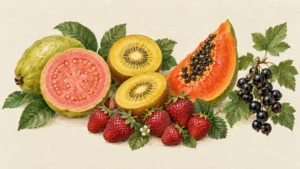
Make room on your plate every day for bright, vitamin C-rich fruits and vegetables. Red and yellow bell peppers, oranges, grapefruit, kiwis, strawberries, and steamed broccoli pack far more vitamin C than you might expect.
Just one medium red bell pepper or a cup of sliced strawberries easily clears your entire daily requirement. You get refreshing crunch and natural antioxidants without upsetting your stomach.
Finally, include gentle probiotic foods to nourish a balanced gut microbiome. Plain yogurt labeled with live and active cultures, kefir, small spoonfuls of refrigerated sauerkraut, and warm miso broth all introduce friendly microbes naturally.
Foods and Habits to Limit This Season
While adding nourishing staples, trimming back a few winter habits helps your defenses work at full speed. Cutting down on sugary pastries, candies, and sweetened coffee drinks keeps empty calories from crowding out vitamin-rich meals.
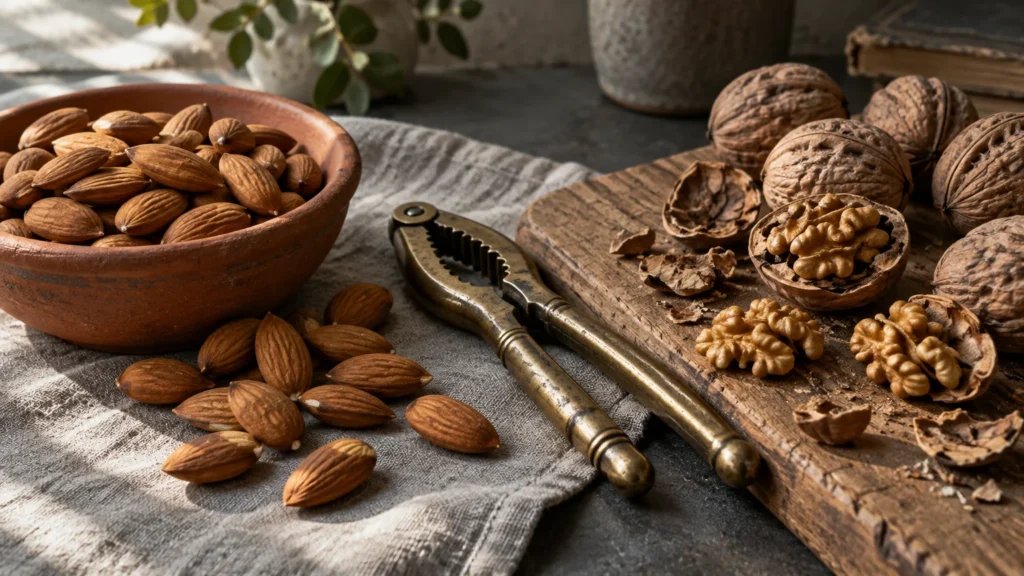
Frequent blood sugar spikes can also leave you feeling sluggish when your body needs steady energy. Swap sweet afternoon treats for citrus wedges paired with a small handful of almonds or pumpkin seeds.
Keep an eye on heavy, ultra-processed convenience meals loaded with sodium and refined starches. High-salt frozen dinners often lack zinc, vitamin C, and fiber while raising blood pressure.
Watch your alcohol intake closely during winter gatherings and quiet evenings indoors. Even moderate drinking can fragment your deep sleep, dehydrate airway tissues, and blunt normal immune signaling overnight.
Never experiment with raw or unripe elderberries from backyard bushes or homemade tinctures unless you know how to cook them thoroughly. As the NCCIH emphasizes, uncooked stems, leaves, and unripe berries hold toxic compounds that cause acute stomach illness.
Lastly, limit overlapping megadose drink mixes, gummies, and cold powders stacked on top of a daily multivitamin. Doubling up quietly pushes zinc past forty milligrams or vitamin D past safe limits without adding real immunity.
A Simple, Healthy Meal Idea
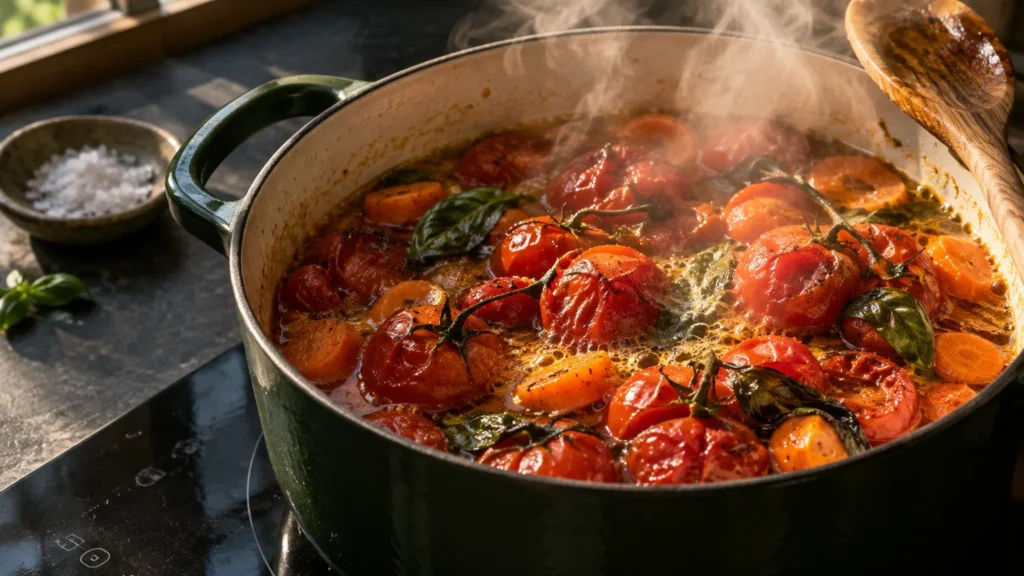
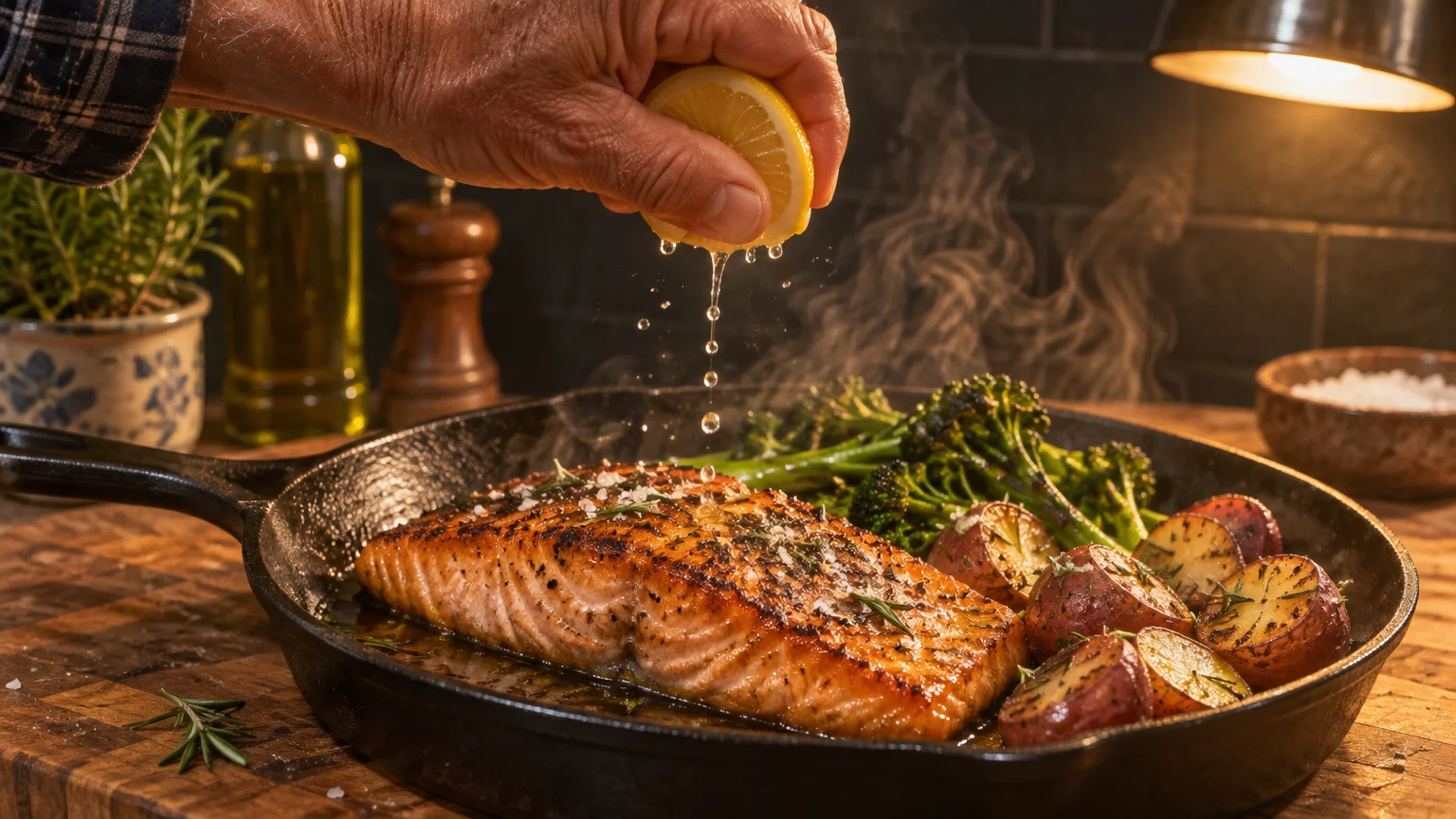
When cold winds blow, few meals comfort the body like a steaming bowl of soup packed with targeted nutrients. Try making a quick One-Pot Salmon, White Bean, and Red Pepper Soup paired with a small probiotic yogurt side.
This simple dinner brings together vitamin D from canned or fresh salmon, zinc from tender white beans, and vitamin C from sweet bell peppers and spinach. Garlic, thyme, and lemon add rich flavor so you barely need any salt.
Start by warming one tablespoon of olive oil in a medium soup pot over medium heat. Toss in one diced red bell pepper, one chopped yellow onion, and two minced garlic cloves, cooking gently for five minutes until fragrant.
Pour in four cups of low-sodium chicken or vegetable broth along with one drained, rinsed can of cannellini beans. Add half a teaspoon of dried thyme and let the pot simmer gently for ten minutes so the flavors blend.
Next, fold in two big handfuls of pre-washed baby spinach and one six-ounce can of boneless, skinless wild salmon, gently flaked. Let the soup warm through for three more minutes until the spinach wilts and the salmon is hot.
Remove the pot from the stove and squeeze half a fresh lemon straight into the broth to brighten every spoonful. Ladle a generous bowl for dinner, then refrigerate or freeze the extra portions for effortless lunches later in the week.
Round out the meal with half a cup of plain Greek yogurt topped with thawed frozen blueberries for dessert. In under twenty minutes, you cover protein, healthy fats, vitamin D, zinc, vitamin C, and live probiotics in one comforting meal.
Tips for Shopping and Meal Prep
Smart habits in the grocery store and pharmacy aisle protect both your health and your monthly budget. A little planning keeps nourishing meals within easy reach even on days when winter fatigue sets in.
Smart Grocery and Kitchen Prep for Cold Weather
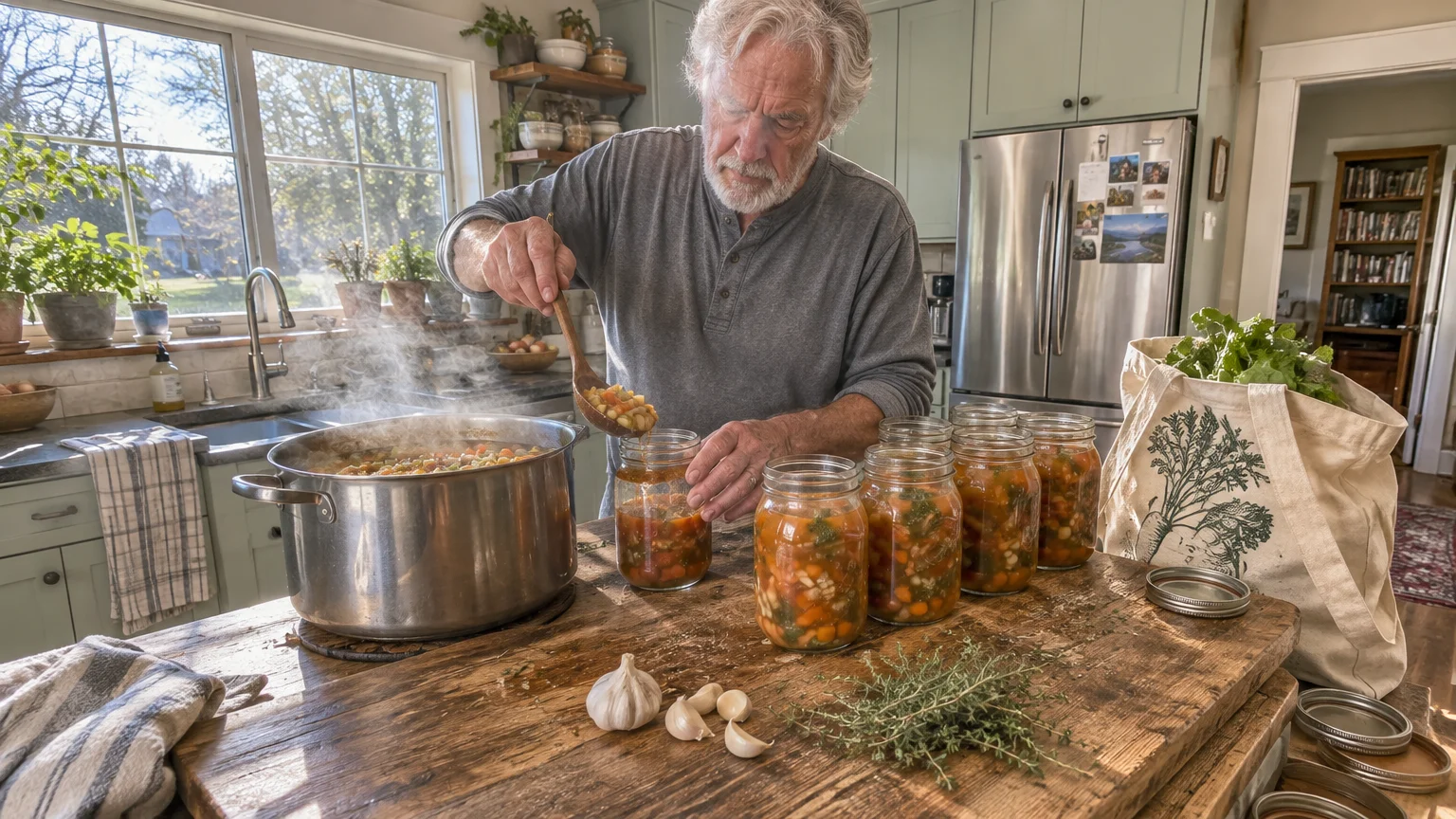
Stock your pantry and freezer with ready-to-use staples before winter storms arrive. Canned wild salmon, low-sodium white beans, frozen chopped spinach, and frozen berries retain their nutrients and save you heavy chopping.
Cook big batches of soup, chili, or lentil stew on days when your energy feels high. Portion leftovers into single-serving freezer containers labeled with the date so you only have to reheat one bowl on chilly nights.
When shopping for fortified milk, cereals, or yogurt, flip the carton over and scan the Nutrition Facts panel. Check the line for added sugars and look at the Percent Daily Value for vitamin D so you know what each serving delivers.
If your doctor advises taking a vitamin D capsule, swallow it alongside your largest meal of the day rather than on an empty stomach. Because vitamin D is fat-soluble, dietary fats from olive oil, eggs, or salmon help your gut absorb it smoothly.
How to Shop Safely for Immune Boosting Supplements
Navigating supplement shelves takes a sharp eye because federal rules differ sharply from prescription drug laws. Under the Dietary Supplement Health and Education Act of 1994, the FDA does not approve supplements for safety, efficacy, or ingredient identity before sale.
That means a bottle sitting on a drugstore shelf has not been pre-tested by government scientists the way your blood pressure medicine has. Manufacturers hold the responsibility for making sure their products are safe and accurately labeled.
Pay close attention to the promises printed on the front of the box. Companies may legally use general structure or function phrases—such as stating a pill supports immune health—alongside a mandatory disclaimer saying the product does not diagnose, treat, cure, or prevent disease.
Any supplement claiming to prevent, treat, or cure colds, influenza, or viral infections is breaking federal law. Both the FDA and the Federal Trade Commission have penalized companies for making illegal viral claims, including firms selling elderberry products.
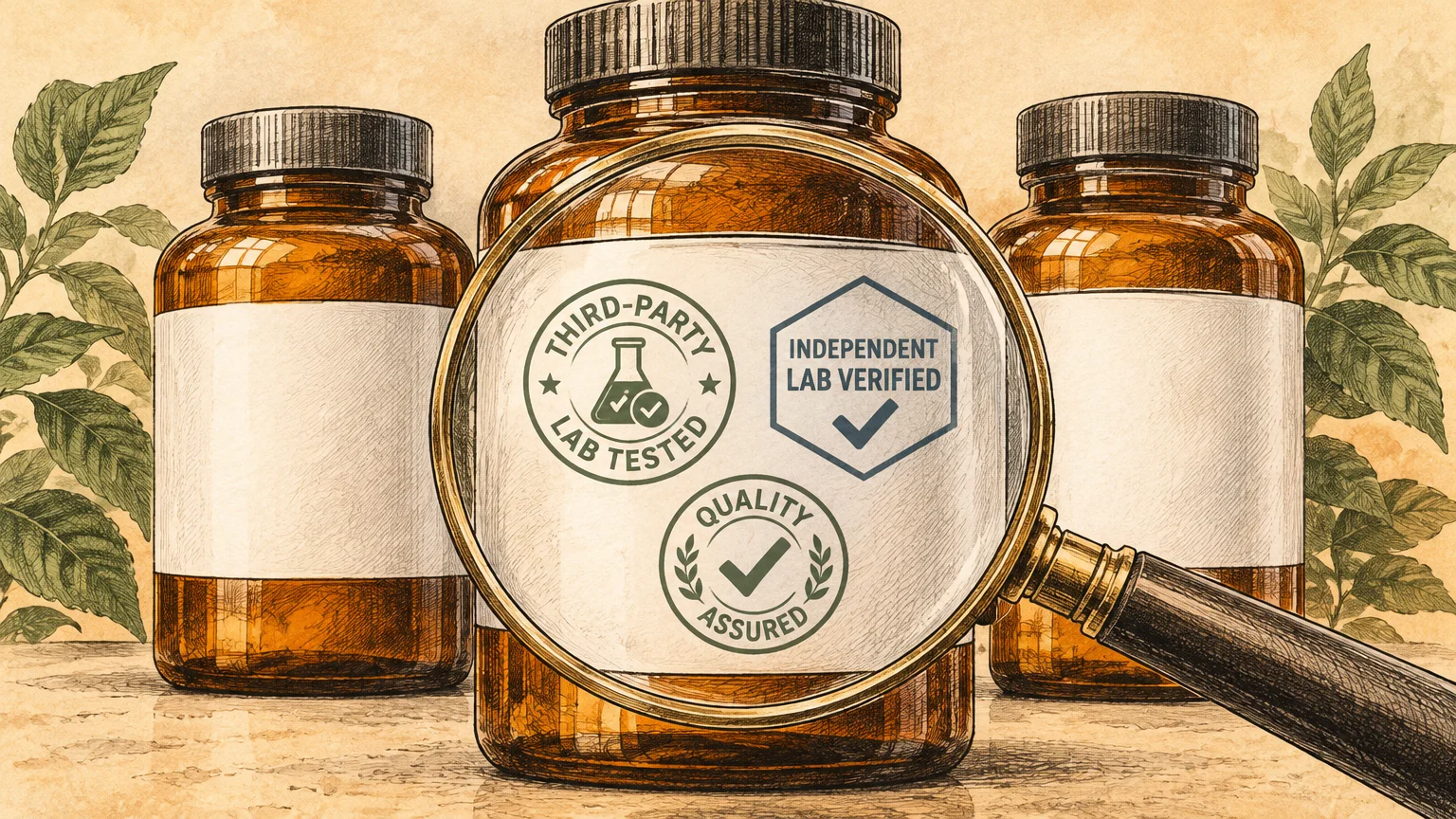
To avoid buying capsules filled with weak doses or hidden fillers, look for independent third-party testing seals on the label. Trusted marks include USP Verified, NSF International, and ConsumerLab.
These outside laboratories verify that the bottle actually contains the ingredients and strength listed on the Supplement Facts panel without harmful contaminants. Choosing a verified brand gives you real peace of mind.
Watch your wallet as well, because higher prices do not automatically mean better immunity. For a one-month supply of single-ingredient zinc, basic budget brands usually cost ten to twenty dollars, while chelated forms run twenty to forty dollars.
Multi-ingredient or third-party-verified specialty formulas can climb to forty to eighty dollars or more per month. Note too that zinc citrate and zinc gluconate absorb at roughly sixty-one percent, compared with fifty percent for zinc oxide.
For most seniors eating balanced meals, simple, verified single-ingredient nutrients targeted to an actual gap beat expensive proprietary blends every time. Always bring your physical bottles to your next doctor or pharmacist visit so your care team can check for medication interactions.
Frequently Asked Questions
Can immune supplements replace my annual flu shot?
No supplement can take the place of vaccination during cold and flu season. The National Center for Complementary and Integrative Health emphasizes that no dietary supplement, herb, or vitamin has been proven to prevent or treat influenza.
For adults aged sixty-five and older, the CDC preferentially recommends high-dose, recombinant, or adjuvanted flu shots because they spark stronger antibody protection. Think of nourishing food and targeted vitamins as everyday support alongside your yearly vaccine.
Should I ask my doctor for a vitamin D blood test every winter?
Most healthy adults aged fifty to seventy-four do not need routine vitamin D blood testing, according to 2024 Endocrine Society guidelines. Eating fortified foods, spending brief safe time outdoors, and meeting the six-hundred-to-eight-hundred-unit daily recommendation covers most people.
However, you should always talk with your physician if you have osteoporosis, kidney conditions, digestive disorders, or stay mostly indoors. For adults seventy-five and older, daily low-dose supplementation is commonly recommended even without routine testing.
Is it safe to take zinc lozenges at the first sign of a cold?
Short-term oral zinc lozenges may trim a day or two off cold symptoms, though mild nausea and a metallic taste are common side effects. Keep your total daily intake from food and pills below the forty-milligram adult limit unless your doctor instructs otherwise.
Extended high doses above fifty milligrams per day can block copper and iron absorption and upset your stomach. Never use nasal zinc sprays or swabs, which carry an FDA warning for permanent loss of smell.
Can I take immune supplements alongside my prescription medications?
You should always review every vitamin, mineral, and herbal bottle with your doctor or pharmacist before starting something new. Even over-the-counter nutrients can interact with daily prescriptions in surprising ways.
For instance, zinc supplements can bind to certain antibiotics in your digestive tract and reduce how well they work. Excess vitamin D can also raise blood calcium levels and complicate certain heart or kidney treatments.
Are elderberry gummies or teas safe for seniors?
Commercially cooked elderberry syrups, gummies, and teas from reputable brands are generally tolerated well for short periods, though research proving clear cold or flu benefits remains limited. Always watch out for high added sugar in gummy formulas.
Never prepare teas or syrups from raw, unripe berries, leaves, or stems harvested from wild plants. Uncooked elderberry parts contain cyanide-producing compounds that can trigger severe vomiting and diarrhea.
For science-based nutrition information, refer to the U.S. Department of Agriculture at Nutrition.gov and the Dietary Guidelines for Americans. The National Institute on Aging also has excellent resources on healthy eating for seniors.
Disclaimer: This article is for informational purposes only and does not constitute medical advice. Always seek the advice of your physician or other qualified health provider with any questions you may have regarding a medical condition.