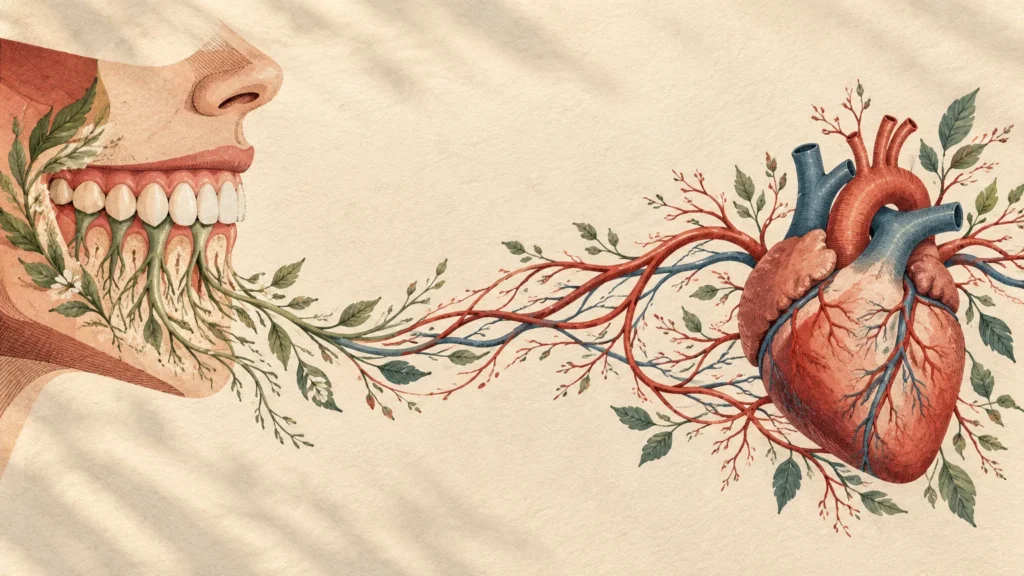
Taking care of your gums directly shields your heart from silent vascular damage. Catching subtle oral symptoms early protects you against severe, life-altering cardiovascular complications.
Medical researchers have uncovered that harmful mouth bacteria routinely slip into your bloodstream through tender gum tissue. Once circulating freely, these microbes trigger chronic systemic inflammation that hardens your delicate arteries.
Recognizing these oral warning signs gives you the power to intervene before gum infections strain your heart. A proactive daily routine will preserve your beautiful smile and protect your cardiovascular vitality.
Understanding the Basics of Gum Disease and Heart Health for Seniors
Gum disease begins quietly as gingivitis, causing mild swelling and irritation along your gum margins. If left unchecked, it advances into periodontitis, a serious chronic infection that destroys the bone supporting your teeth.
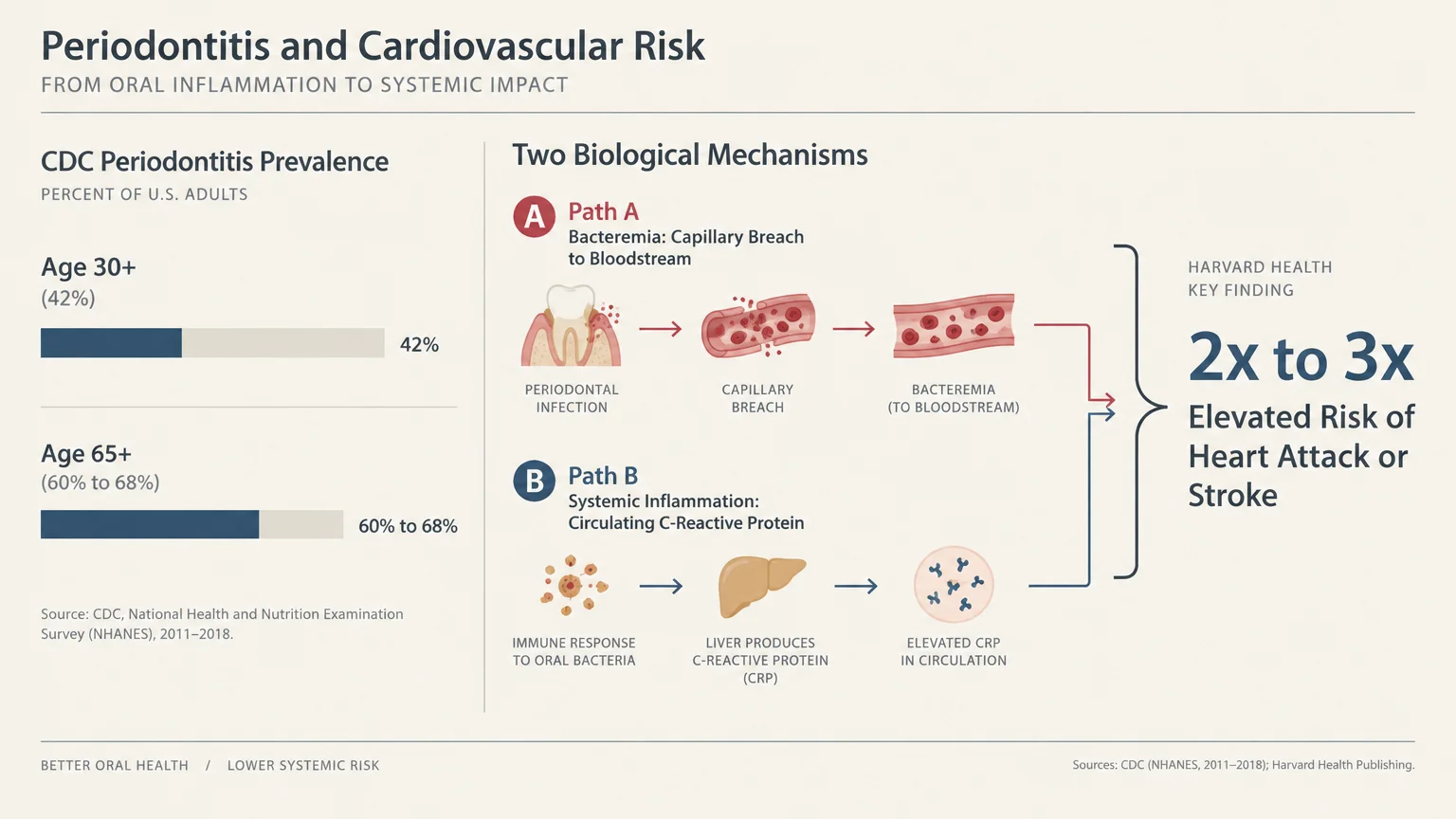
According to the Centers for Disease Control and Prevention, roughly 42% of American adults aged 30 and older have periodontitis. Furthermore, 8% of adults battle severe forms of this destructive condition.
The risk escalates substantially as you celebrate more birthdays. The CDC reports that about 60% to 68% of adults aged 65 and older live with periodontitis.
Gender also plays a notable role in your overall vulnerability. Gum disease impacts about 50% of men compared to roughly 33% of women among adults aged 30 and older.
Scientists identify two primary mechanisms connecting your mouth to your cardiovascular system. The first involves bacteremia, which occurs when oral pathogens breach damaged gum capillaries and travel directly through your bloodstream.
The second mechanism centers on chronic systemic inflammation. As your immune system battles persistent mouth bacteria, it releases inflammatory proteins like C-reactive protein into your circulation, damaging blood vessel linings.
The 2026 American Heart Association Scientific Statement published in Circulation confirms an independent association between periodontal disease and atherosclerotic cardiovascular disease. This comprehensive report highlights both bacteremia and systemic inflammation as key drivers.
Fortunately, the same statement presents strong evidence that periodontal treatment improves critical intermediate cardiovascular markers. Treating your gums lowers blood pressure, reduces circulating inflammatory markers, and increases beneficial HDL cholesterol.
Data from Harvard Health indicates that individuals with periodontal disease face two to three times the risk of experiencing a heart attack, stroke, or other major cardiovascular event. Safeguarding your gums actively protects your vascular health.
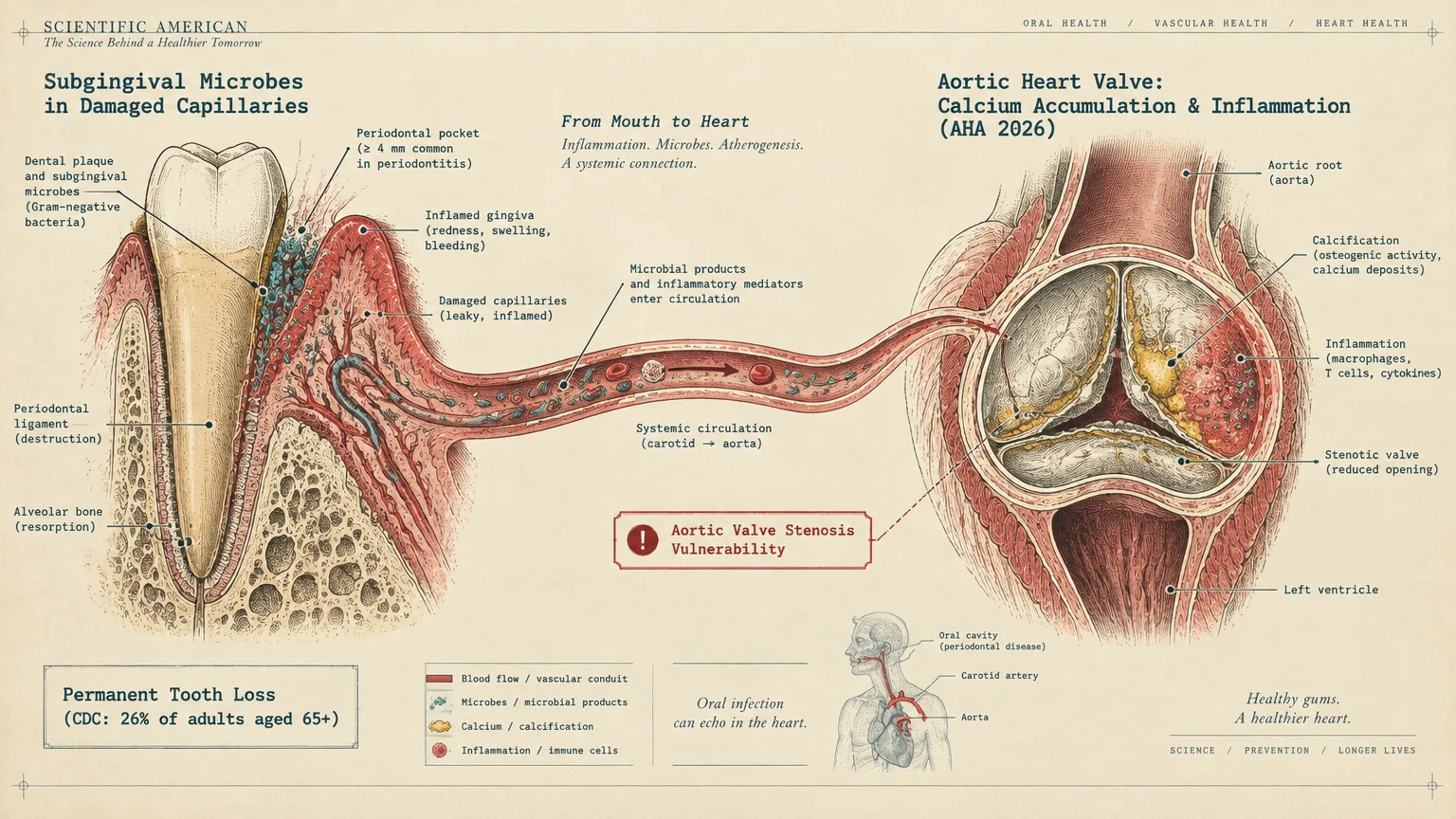
Emerging science continues to unveil profound connections between oral pathogens and cardiac structures. Groundbreaking research presented at the American Heart Association Scientific Sessions in July 2026 revealed that periodontal bacteria trigger inflammation and calcium accumulation in aortic heart valves.
This calcification process contributes directly to calcific aortic valve stenosis, a debilitating heart condition common in older adults. Protecting your gums may prevent dangerous calcification within your heart.
Preventive oral habits also safeguard your brain and cardiac rhythm. An AHA-highlighted study from January 2025 demonstrated that regular flossing significantly lowers your risk of suffering a stroke caused by blood clots.
Additionally, clinical research from April 2025 revealed that treating periodontal disease after catheter ablation substantially lowers the recurrence of atrial fibrillation. Healthy gums keep your heart rhythm steady.
Untreated periodontitis remains the leading culprit behind permanent tooth loss in older adults. CDC surveillance data shows that 26% of adults aged 65 and older live with severe tooth loss, retaining eight or fewer natural teeth.
Even more concerning, 15% of seniors have lost all their natural teeth. Missing teeth limit your ability to chew fresh, heart-healthy vegetables, crunchy fruits, and lean proteins.
The CDC reports that severe tooth loss is 50% more prevalent among adults aged 50 and older who report having heart disease. Prioritizing your oral health defends your teeth and your heart simultaneously.

Practical Tips for a Healthier, Happier Life
Monitoring your mouth for subtle changes empowers you to halt gum infections before they compromise your cardiovascular system. Here are the eleven primary signs of periodontal disease that link directly to heart complications.
1. Gums That Bleed During Brushing or Flossing
Healthy gums never bleed when you clean your teeth gently. Bleeding signals microscopic ulcerations within your periodontal pocket lining, creating open doorways for bacteria to flood your bloodstream.
When oral pathogens enter your bloodstream, they latch onto arterial plaques and accelerate vascular stiffening. Switch immediately to an ultra-soft toothbrush and maintain gentle daily cleaning rather than avoiding the tender area.
2. Swollen, Puffy, or Abnormally Red Gums
Healthy gum tissue appears firm, resilient, and pale pink. If your gums look swollen, puffy, or fiery red, your immune cells are actively fighting deep-seated bacterial colonies.
This localized inflammation produces inflammatory cytokines that spill into your broader circulation. Rinse with warm salt water twice daily to soothe irritated tissues while you schedule a professional periodontal assessment.
3. Persistent Bad Breath or an Unpleasant Taste
Chronic bad breath that resists mouthwash often stems from volatile sulfur compounds produced by aggressive subgingival bacteria. These anaerobic microbes thrive beneath your gumline and produce noxious metabolic byproducts.
These same bacteria frequently appear inside extracted arterial plaques from cardiac patients. Clean your tongue daily with a dedicated scraper and drink plenty of water to eliminate bacterial breeding grounds.
4. Receding Gums That Expose Delicate Tooth Roots
You may notice your teeth appearing longer as your gum margins gradually pull backward. Gum recession exposes softer root surfaces and indicates structural bone loss beneath the tissue.
Exposed roots lack protective enamel, allowing bacteria easy access to the deeper periodontal ligament. Apply a fluoride or remineralizing toothpaste using soft circular motions to protect exposed roots from decay.
5. Formation of Deep Periodontal Pockets
As periodontitis advances, the attachment fibers securing your gums to your teeth detach, creating deep microscopic pockets. Pockets measuring four millimeters or deeper harbor harmful anaerobic pathogens away from your toothbrush bristles.
These sheltered bacterial colonies drive persistent bacteremia and increase your risk of aortic valve calcification. Have your dental hygienist measure your pocket depths annually to track your periodontal stability.
6. Discomfort or Pain While Chewing Food
Chewing food should never cause soreness along your gum margins or within your jawbone. Pain while chewing often indicates active infection within the periodontal ligament supporting your tooth roots.
Persistent oral pain also forces many seniors toward overly processed, soft foods laden with sodium and simple carbohydrates. Choose nutrient-dense soft options like steamed leafy greens, salmon, and vegetable soups to nourish your heart.
7. Loose or Shifting Adult Teeth
Permanent teeth should feel rock solid in your jaw. If a tooth wiggles under light finger pressure, progressive infection has eroded the underlying alveolar bone structure.
Significant alveolar bone loss reflects chronic systemic inflammatory activity that mirrors vascular damage. Contact your dentist promptly to evaluate stabilization options like periodontal splinting before tooth loss becomes permanent.
8. Noticeable Changes in Your Natural Bite
You may suddenly feel that your upper and lower teeth do not fit together naturally when you close your mouth. Periodontal disease weakens the periodontal ligament, causing teeth to drift out of their original positions.
Bite changes alter your chewing efficiency and signal widespread bone resorption around multiple teeth. Your dental team can perform occlusal adjustments to relieve destructive biting forces while treating the underlying infection.
9. Visible Pus or Secretions Along the Gumline
Pus oozing from the gum margin represents an active periodontal abscess packed with living bacteria, dead white blood cells, and cellular debris. This severe sign demands immediate clinical attention.
A draining abscess dumps massive amounts of virulent bacteria directly into your bloodstream, placing intense stress on your heart valves. Never attempt to squeeze an abscess yourself; seek professional dental drainage right away.
10. Widening Spaces Developing Between Teeth
Noticeable gaps or dark triangular spaces forming between your teeth indicate receding papillae and progressive bone loss. Food particles easily wedge into these widening spaces, accelerating bacterial proliferation.
Food impaction triggers localized immune flare-ups that elevate your body’s systemic C-reactive protein levels. Clean these gaps daily using specialized interdental brushes rather than wooden toothpicks that can tear fragile tissue.
11. Loose or Ill-Fitting Dentures and Bridges
If your partial dentures or bridges feel loose or wobble unexpectedly, your supporting bone structure may be shrinking beneath the appliance. Chronic periodontal infection rapidly accelerates jawbone resorption in older adults.
Remember that lacking functional teeth correlates with a 50% higher prevalence of heart disease among adults aged 50 and older. Visit your prosthodontist or dentist to reline your appliances and treat underlying gum inflammation.
Gentle Daily Cleansing Habits
Brushing twice daily forms the cornerstone of cardiovascular and oral protection. Hold your soft-bristled brush at a 45-degree angle toward your gumline to sweep away plaque without abrading your gums.
Clean between your teeth every single day using traditional string floss, interdental brushes, or a gentle water flosser. The January 2025 stroke study confirms that this simple habit provides measurable protection against blood clots.
Heart-Smart Nutrition for Gum Resilience
Nourish your gums by filling your plate with antioxidant-rich berries, leafy green vegetables, and sources of omega-3 fatty acids like wild salmon. These wholesome foods reduce systemic inflammation throughout your blood vessels and oral tissues.
Limit sticky candies, refined carbohydrates, and sugary beverages that fuel subgingival bacterial growth. Drink plenty of fresh water throughout the day to stimulate saliva production and naturally wash away harmful oral acids.
Important Safety Precautions to Keep in Mind
Avoid brushing aggressively with medium or hard bristles, which can permanently abrade receding gums and push bacteria into exposed capillaries. Gentle, consistent cleaning proves far more effective and preserves your delicate oral architecture.
Inform your dental provider about every medication you take, especially blood thinners like warfarin, apixaban, or daily aspirin. These essential cardiovascular medications increase bleeding times during deep cleanings, requiring thoughtful clinical coordination.
If you have an artificial heart valve or a history of endocarditis, speak with your cardiologist before any invasive dental procedure. Certain high-risk cardiac conditions require preventive antibiotic prophylaxis to protect heart valves from temporary bacteremia.
Be aware that many common blood pressure medications, including diuretics and beta-blockers, cause chronic dry mouth. Saliva contains critical antimicrobial enzymes; without adequate salivary flow, oral bacteria multiply rapidly and attack your gums.
Some calcium channel blockers used for hypertension can cause gingival overgrowth, making your gums swell dramatically over your teeth. Never stop taking your heart medication on your own, but alert both your doctor and dentist if your gums swell.

When to Speak with a Healthcare Professional
This article provides educational guidance and cannot replace personalized medical or dental examinations. Always seek prompt clinical evaluation from your doctor or dentist if you recognize any worsening oral or cardiac symptoms.
Schedule an urgent dental appointment if you experience facial swelling, fever accompanying tooth pain, or persistent bleeding that lasts more than a week. These red flags point toward acute infections requiring professional treatment or antibiotics.
Seek emergency medical care immediately if you notice chest pain, shortness of breath, unexplained dizziness, or an irregular fluttering heart rhythm. These warning signs demand rapid cardiovascular assessment at the nearest emergency department.
Encourage open collaboration between your dentist and cardiologist regarding your treatment plans. Coordinating your periodontal therapy with your cardiovascular management optimizes your overall vitality and protects your long-term independence.
Frequently Asked Questions
Can treating gum disease actually improve my heart health?
Yes, the 2026 American Heart Association Scientific Statement confirms strong evidence that treating periodontitis improves intermediate cardiovascular risk factors. Successful periodontal care lowers blood pressure, reduces systemic inflammatory markers, and boosts your protective HDL cholesterol levels.
Controlling gum infections also reduces the volume of harmful bacteria circulating through your bloodstream every day. This simple step relieves chronic inflammatory stress on your delicate blood vessel linings.
Why are older adults more susceptible to periodontal disease?
The CDC reports that between 60% and 68% of adults aged 65 and older have periodontitis. Decades of cumulative wear, tissue thinning, and age-related immune changes make mature gum tissues more vulnerable to bacterial damage.
Furthermore, older adults frequently take prescription medications that cause dry mouth, reducing protective saliva. Reduced manual dexterity from arthritis can also make daily flossing and thorough brushing more challenging.
Is professional dental cleaning safe if I take blood thinners?
Professional cleanings are generally safe and vital for patients taking anticoagulant or antiplatelet medications. You must never discontinue your blood thinners before dental cleanings without explicit instructions from your prescribing cardiologist.
Your dental hygienist will employ gentle techniques and local hemostatic measures to manage minor bleeding safely. Inform your dental team about your exact medication dosages prior to every cleaning.
How does flossing specifically lower my risk of having a stroke?
Flossing mechanically removes virulent bacterial biofilms from tight spaces where your toothbrush bristles cannot reach. Eliminating these bacterial colonies stops them from slipping into your bloodstream and triggering arterial inflammation.
An American Heart Association study published in January 2025 demonstrated that consistent flossing lowers your risk of stroke from blood clots. Keeping your gum margins free of infection helps prevent dangerous arterial plaque rupture.
For authoritative, trustworthy health information, always consult official sources like the National Institute on Aging (NIA) and MedlinePlus from the National Library of Medicine. The CDC also provides excellent resources for older adults.
Disclaimer: This article is for informational purposes only and does not constitute medical advice. Always seek the advice of your physician or other qualified health provider with any questions you may have regarding a medical condition.