You can protect your heart and blood pressure by spotting the unhealthiest fast food subs before you place an order. Many popular restaurant sandwiches quietly pack several days’ worth of salt and fat between two slices of bread.
As your body ages, processing excess sodium and heavy saturated fats becomes harder on your cardiovascular system. Learning which menu items carry the biggest nutritional risks empowers you to make confident, nourishing dining choices.
This guide reveals the worst sub sandwiches for your health and provides gentle, practical swaps to keep you feeling vibrant.
Understanding the Basics of Fast-Food Subs for Seniors
Submarine sandwiches often carry an unearned reputation as a light lunch. You might assume that a meal centered on bread, poultry, and crisp vegetables automatically supports your wellness goals.
Commercial sandwich preparation paints a very different picture. National restaurant chains frequently rely on oversized bread loaves, processed meats, and rich condiments to intensify taste and shelf life.
These preparation practices convert simple meals into high calorie sandwiches that can challenge your metabolic health. Understanding fast food nutrition helps you separate genuinely nutritious options from heavy, salt-laden menu items.
Sodium and Your Cardiovascular System
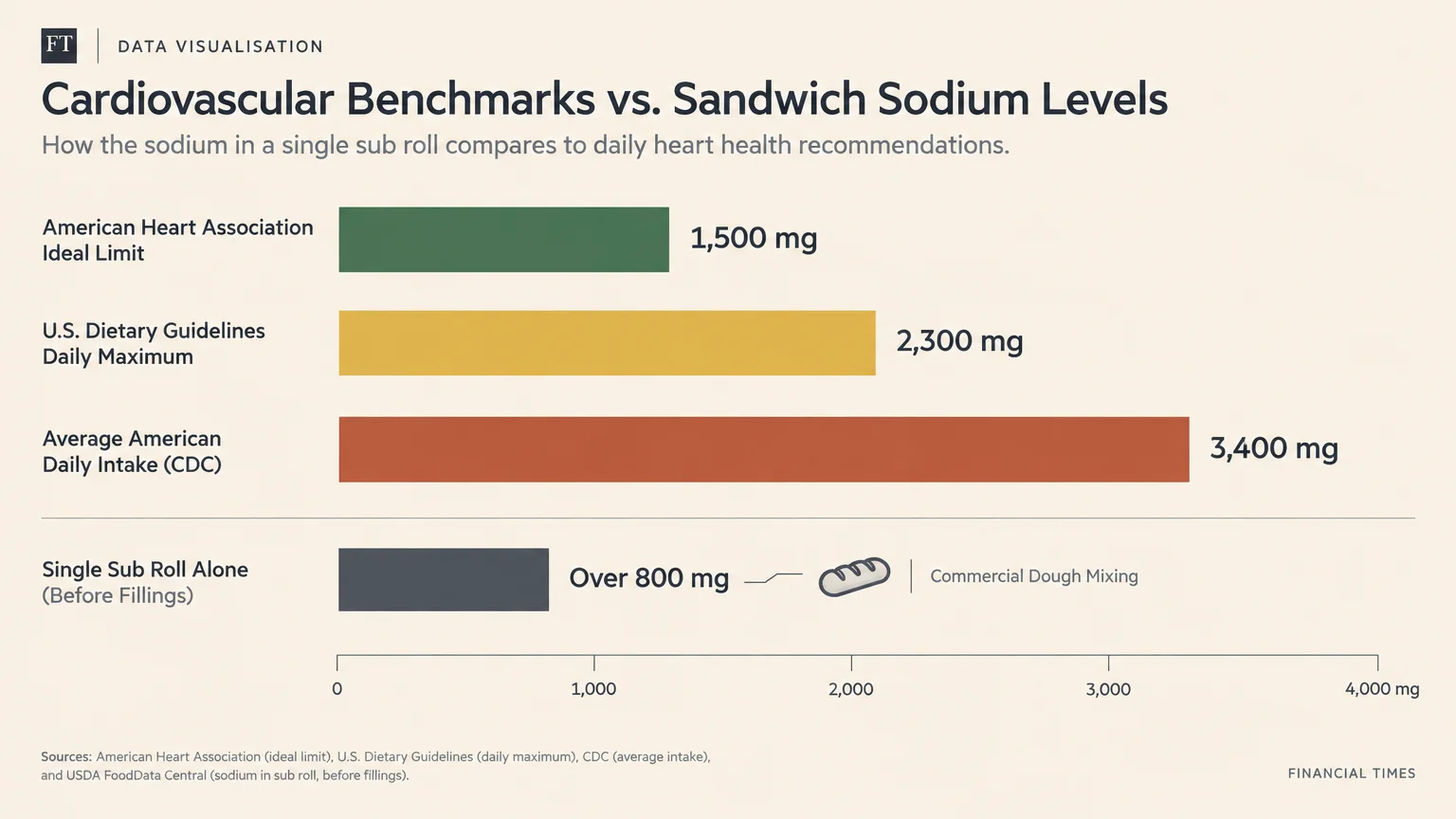
Sodium poses an immediate concern for adults aged 55 and older. The U.S. Dietary Guidelines for Americans establish a daily maximum of 2,300 milligrams of sodium for healthy adults.
The American Heart Association recommends an even stricter benchmark. They urge an ideal daily limit of 1,500 milligrams, particularly if you manage elevated blood pressure or heart concerns.
According to the CDC, the average American consumes around 3,400 milligrams of sodium each day. More than 70 percent of that sodium comes from restaurant meals and packaged foods rather than home cooking.
High sodium fast food forces your bloodstream to draw in extra water. This fluid expansion raises overall blood volume, placing extra mechanical strain on your heart valves and arterial walls.
Aging arteries naturally lose some flexibility, making them more sensitive to acute volume changes. Consuming excess salt can trigger sudden blood pressure elevations and contribute to long-term vascular stiffening.
Saturated Fat and Cellular Health
Saturated fat represents another critical dietary factor that demands your watchful eye. Dietary guidelines advise capping saturated fat intake at 20 grams per day on a standard 2,000-calorie diet.
The American Heart Association sets a more protective threshold for cardiovascular wellness. They recommend limiting saturated fat to less than 6 percent of daily calories, which equals roughly 13 grams.
Massive deli sandwiches often surpass these limits in a single sitting. Excess saturated fat intake increases low-density lipoprotein cholesterol, which can deposit fatty plaque inside your arterial pathways.
When plaque restricts steady blood circulation, your vital organs receive less oxygen. Protecting your arterial pathways preserves daily physical stamina, memory sharpness, and lasting vitality.
Portion Distortion and Bread Density
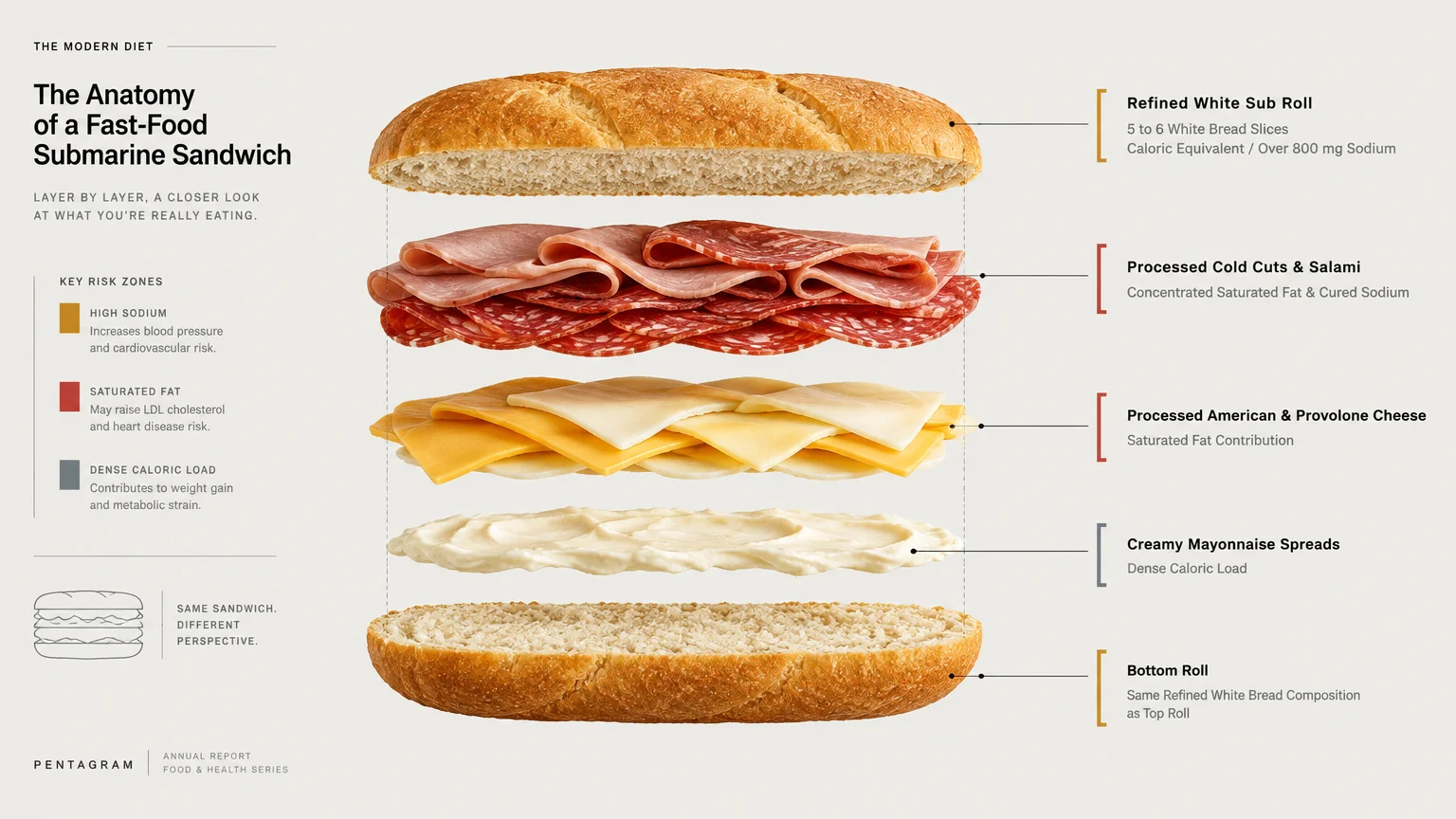
Restaurant portion sizes have expanded significantly over recent decades. Modern footlong and giant rolls frequently provide the caloric and carbohydrate equivalent of five or six white bread slices.
Refined white flour digests quickly into simple glucose units. This rapid digestive process can cause sharp spikes in your blood sugar, followed by energy drops that cause fatigue.
Commercial bakeries also add significant sodium directly into sandwich bread dough during mixing. A large sub roll alone can deliver over 800 milligrams of sodium before any fillings are added.
When you combine dense bread with cured deli cuts and creamy spreads, numbers escalate rapidly. Understanding these compounding factors allows you to order with clarity and peace of mind.
Practical Tips for a Healthier, Happier Life
Navigating sandwich menus does not mean you must avoid dining out with family or friends. Learning which specific sandwiches carry the highest nutritional burdens allows you to make informed, health-conscious decisions.
Here are ten fast-food subs that pack the highest levels of calories, sodium, and saturated fat on modern menus today.
1. Jersey Mike’s Giant #43 Chipotle Cheese Steak
Jersey Mike’s Giant #43 Chipotle Cheese Steak stands among the unhealthiest fast food subs available nationwide. Built on a giant white bread roll, this sandwich delivers between 1,880 and 2,010 calories.
The total fat content ranges from 103 to 117 grams. Saturated fat climbs between 31 and 39 grams, reaching up to 195 percent of your daily value.
The sodium level is equally staggering, landing between 4,330 and 5,380 milligrams. This single meal supplies up to 224 percent of the standard daily sodium limit.
The combination of grilled steak, melted American cheese, and rich chipotle mayonnaise drives these numbers. If you visit Jersey Mike’s, choose a regular-sized sub served “in a tub” over fresh lettuce.
Skipping the bread and creamy spread instantly removes hundreds of calories while retaining savory grilled flavors.
2. Which Wich Super Egg Salad Sandwich
Egg salad might seem like a traditional, gentle lunch choice for mature adults. However, the Which Wich Super 14-inch Egg Salad Sandwich supplies an astonishing 2,390 calories.
This sandwich delivers 187 grams of total fat and 34 grams of saturated fat. That saturated fat count supplies 170 percent of your recommended daily ceiling.
The sandwich also introduces 2,700 milligrams of sodium into your system. Even the smaller 10.5-inch large version contains 1,790 calories, 140 grams of fat, and 1,025 milligrams of dietary cholesterol.
Heavily scooped commercial mayonnaise creates this concentrated fat load. You can enjoy eggs much more safely by asking for sliced hard-boiled eggs on a small salad with oil and vinegar.
This simple adjustment keeps your cholesterol and saturated fat within comfortable, doctor-approved limits.
3. Jimmy John’s Giant The J.J. Gargantuan
Jimmy John’s designed The J.J. Gargantuan by layering five different processed meats onto one roll. The recipe stacks salami, capocollo, turkey, roast beef, and ham beneath provolone cheese and mayonnaise.
Ordering this sub on a Giant 16-inch French bread roll yields 2,160 calories and 108 grams of total fat. It also burdens your heart with 30 grams of saturated fat.
The sodium content presents the most extreme concern for older adults. The giant sandwich delivers 7,750 milligrams of sodium, which exceeds 330 percent of your daily maximum allowance.
Even the standard 8-inch version contains between 3,860 and 3,930 milligrams of sodium. That regular size still doubles the American Heart Association’s ideal daily threshold for seniors.
If you dine at Jimmy John’s, request an “Unwich,” which wraps lean turkey and fresh vegetables inside crisp lettuce leaves.
4. Schlotzsky’s Large The Original Sandwich
Schlotzsky’s serves its flagship sandwich on a dense, toasted sourdough bun. Their Large “The Original” Sandwich provides between 1,550 and 1,670 calories in a single lunch.
The sandwich delivers 69 to 78 grams of total fat. Its saturated fat reaches between 32 and 39 grams, supplying nearly double your daily limit.
Sodium levels span from 4,230 to 4,880 milligrams, which reaches up to 212 percent of the standard daily value. Ham, Genoa salami, and cotto salami combine with cheddar, mozzarella, and parmesan cheese to create this spike.
Signature dressings and black olives push the salt levels even higher. You can satisfy your craving by selecting the small size, which cuts the bread and meat volume dramatically.
Pairing a small sandwich with fresh fruit helps your body process the meal without cardiovascular distress.
5. Firehouse Subs Large Smokehouse Beef and Cheddar Brisket
Firehouse Subs slow-smokes USDA Choice beef brisket for hours to create tender barbecue. However, the Large Smokehouse Beef & Cheddar Brisket ranks among the worst sub sandwiches for arterial wellness.
This sandwich delivers between 1,500 and 1,510 calories alongside 101 to 102 grams of total fat. Saturated fat reaches up to 33.5 grams, representing 165 percent of your daily value.
Sodium counts settle between 2,950 and 3,020 milligrams per sub. That level represents roughly 130 percent of the general daily sodium allowance.
Melted cheddar, heavy mayonnaise, and Sweet Baby Ray’s barbecue sauce create a dense mixture of fat and sugar. If you visit Firehouse Subs, order a small turkey sub paired with yellow mustard and extra cucumber slices.
Mustard offers robust flavor with minimal calories, helping you protect your blood pressure.
6. Subway Footlong #30 The Beast
Subway created “The Beast” for diners seeking massive portions of protein. This footlong sub contains a half-pound of meat, combining pepperoni, salami, turkey, ham, and roast beef.
The complete footlong delivers 1,460 calories and 88 grams of total fat. It also burdens your vascular system with 28 grams of saturated fat, meeting 140 percent of your daily threshold.
The sodium level climbs to an impressive 4,180 milligrams across the entire sandwich. Double provolone cheese, rich mayonnaise, and vinaigrette dressing inflate these numbers quickly.
Eating just a six-inch portion still introduces over 2,080 milligrams of sodium into your digestive system. You can build a healthier lunch by choosing carved rotisserie chicken on six-inch wheat bread with baby spinach.
Loading your sandwich with raw vegetables provides filling dietary fiber that helps moderate blood sugar absorption.
7. Quiznos Large Classic Italian
Quiznos runs its subs through a conveyor toaster to melt cheeses and crisp bread crusts. The Large 12-inch Classic Italian packs 1,410 calories and 78 grams of total fat.
The sub delivers 25 grams of saturated fat along with one gram of industrial trans fat. Trans fats harm arterial flexibility and elevate systemic inflammation across aging blood vessels.
The sandwich also introduces 4,150 milligrams of sodium, accounting for 180 percent of your daily allowance. Pepperoni, salami, capicola, and ham work together to drive this elevated sodium content.
Red wine vinaigrette and provolone cheese push the salt content even further past safe guidelines. You can reduce these numbers by ordering a small sandwich and swapping cured meats for oven-roasted chicken breast.
Requesting olive oil and red wine vinegar on the side gives you direct control over your dressing intake.
8. Blimpie Large The Blimp
Blimpie’s signature submarine sandwich stacks extra portions of ham, salami, capicola, and provolone. The Large 12-inch “The Blimp” packs 1,620 calories and 96 grams of total fat.
Saturated fat reaches 22 grams, easily surpassing your recommended daily limit. The sodium profile is particularly severe, totaling 5,660 milligrams in one sub.
That sodium level represents 246 percent of your daily allowance in a single meal. Blimpie’s Large Meatball Parmigiana poses similar challenges, packing 4,080 milligrams of sodium and 32 grams of saturated fat.
These large meat builds place unnecessary stress on your kidneys and circulation. Protect your heart by choosing a regular single-meat sub loaded with lettuce, tomatoes, and sweet peppers.
A smaller sandwich leaves you feeling satisfied and energetic rather than weighed down by digestive fatigue.
9. Penn Station Large Philadelphia Cheesesteak
Penn Station East Coast Subs grills its meats fresh on open flat-top surfaces. Their Large 12-inch Philadelphia Cheesesteak contains between 1,369 and 1,514 calories.
This sandwich delivers 76 grams of total fat and 22 grams of saturated fat. Sodium levels reach 3,557 milligrams, representing 155 percent of your daily allowance.
Their Large Classic Italian sub can even climb to 1,788 calories when prepared with standard dressings. Cooking oils on the grill add extra fat calories to the meat as it cooks.
You can enjoy delicious cheesesteak flavor without compromising your arteries by ordering a six-inch sandwich. Ask the cook to prepare your steak without added salt and use a lighter hand with the cheese.
Adding extra grilled mushrooms and onions brings natural moisture and savory taste to your bread.
10. Potbelly BIGS Mama’s Meatball
Potbelly offers a larger sandwich size known as “BIGS,” which increases bread and filling quantities. The BIGS Mama’s Meatball sub provides between 1,193 and 1,290 calories.
The sandwich delivers 63.4 grams of total fat and 26 grams of saturated fat. That saturated fat count supplies 130 percent of your daily limit.
The sub also delivers 2,717 milligrams of sodium through seasoned meatballs, marinara sauce, and provolone cheese. Even their original regular size contains nearly 1,000 calories and high saturated fat levels.
Pork and beef meatballs simmered in salty tomato sauce create a heavy meal for mature digestive systems. Choose Potbelly’s grilled chicken sandwich on multigrain bread instead, and pair it with garden vegetable soup.
This nourishing combination keeps your sodium reasonable while providing clean energy for your afternoon activities.
Proactive Ordering Strategies for Senior Wellness
You can transform almost any restaurant visit into a health-conscious outing by applying simple ordering habits. Taking charge of your ingredients allows you to enjoy convenience without risking your cardiovascular wellness.
Downsizing your bread size represents your most powerful dietary tool. Selecting a six-inch, junior, or mini roll instantly cuts calories, carbohydrates, and sodium in half.
Many sandwich shops now offer lettuce wraps or salad bowls as alternatives to dense rolls. Choosing a salad bowl eliminates refined grains entirely, leaving plenty of room for colorful, crisp toppings.
Prioritize single-ingredient, unprocessed meats over cured cold cuts whenever possible. Oven-roasted turkey breast, grilled chicken, roast beef, and hard-boiled eggs carry significantly less salt than salami or pepperoni.
Ask for condiments like mayonnaise, oil, and house dressings on the side. Dipping your fork into dressing before taking a bite delivers rich flavor while using a fraction of the sauce.
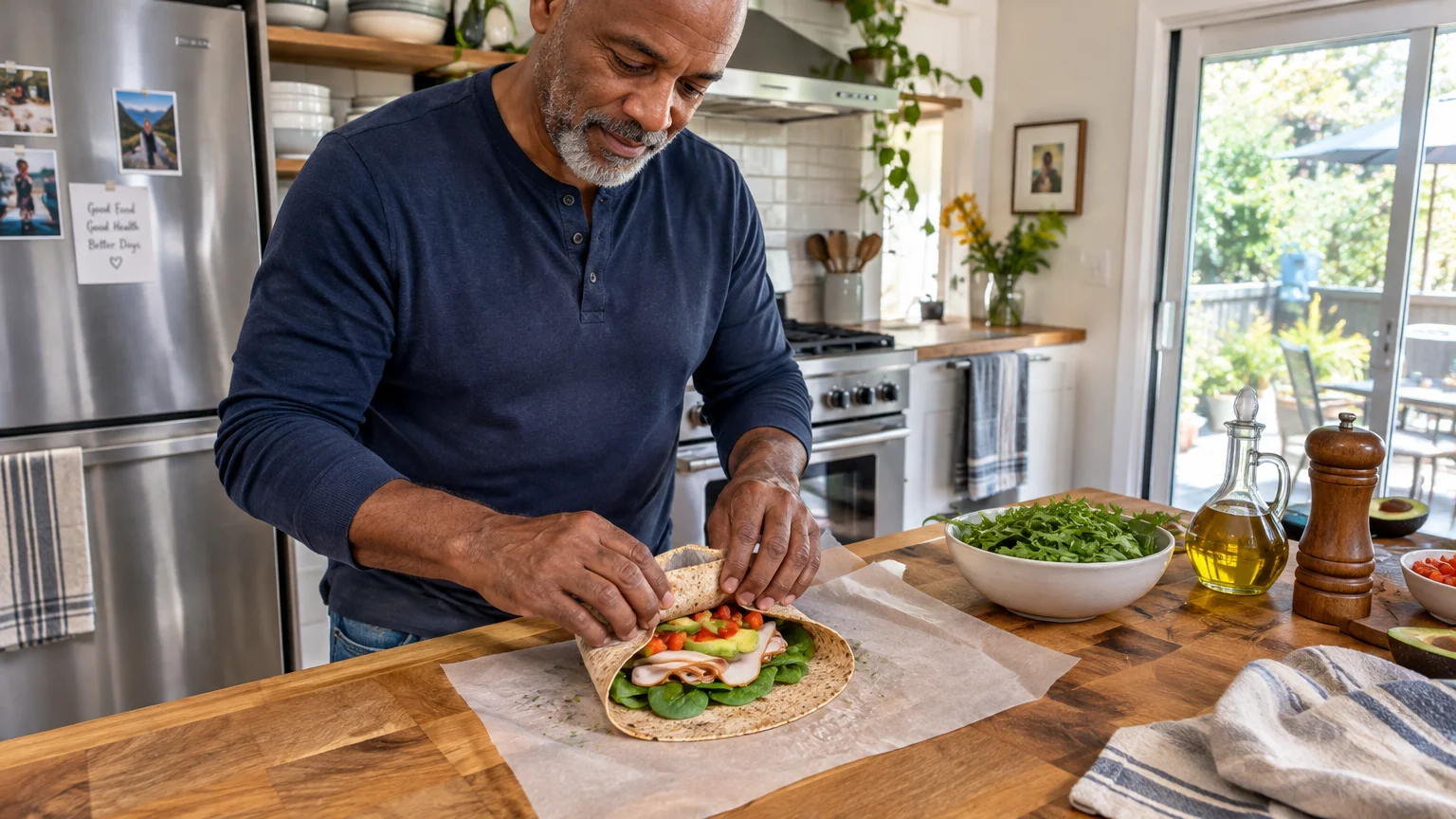
Load your sandwich with raw vegetables such as baby spinach, cucumbers, green peppers, and red onions. Vegetables supply natural dietary potassium, which encourages your kidneys to flush out surplus sodium.
Consider splitting oversized subs with a dining partner or saving half for tomorrow’s lunch. Dividing your meal controls portion sizes effortlessly while doubling your dining value.
Important Safety Precautions to Keep in Mind
Being mindful of your fast-food intake protects you from acute health events and chronic disease progression. Keeping several vital safety considerations in mind ensures that dining out remains a safe pleasure.
Monitoring Fluid Retention and Blood Pressure
Consuming heavy doses of sodium can trigger noticeable physical symptoms within several hours of eating. Watch for tightness when removing rings, sock indentations along your shins, or sudden eyelid puffiness.
These signs indicate fluid retention, showing that your vascular system is holding extra water to balance salt levels. This sudden fluid shift can strain aging heart muscle and elevate resting blood pressure.
If your doctor prescribes antihypertensive medication, high-sodium meals can temporarily blunt its effectiveness. Check your blood pressure at home following restaurant meals to observe how different foods affect your readings.
Tracking these numbers gives you valuable insight into which restaurant items your cardiovascular system handles best.
Protecting Aging Kidneys from Sodium Overload
Kidney filtration rates naturally slow down as people age, reducing your ability to clear waste quickly. High sodium fast food forces your kidneys to work much harder to maintain safe electrolyte balance.
Over time, chronic salt overload can accelerate kidney decline and complicate diabetes management. Keeping your daily sodium within recommended boundaries preserves vital kidney function for your future years.
Drink plenty of fresh water throughout the day after eating away from home. Consistent hydration assists your kidneys in filtering waste products and keeps your digestive tract moving comfortably.
Avoid taking over-the-counter pain relievers like ibuprofen alongside high-sodium meals, as this combination can further stress delicate kidney tissues.
Deli Meats and Food Safety Considerations
Cold deli meats carry specific microbial risks that mature adults should never overlook. Aging immune systems are less equipped to battle foodborne bacteria, including dangerous pathogens like Listeria monocytogenes.
Listeria can survive and multiply inside commercial deli display cases at normal refrigeration temperatures. Health authorities advise older adults to heat sliced cold cuts until steaming hot before consumption.
Requesting toasted sandwiches with freshly grilled poultry or meats significantly lowers your risk of foodborne contamination. Choosing thoroughly cooked fillings keeps your gastrointestinal tract safe, calm, and healthy.

When to Speak with a Healthcare Professional
The nutritional information in this guide supports your wellness journey but never replaces personal medical advice. Your body possesses unique health needs that require direct collaboration with your healthcare team.
Schedule an appointment with your primary care doctor if you experience recurring swelling in your feet or legs. Persistent edema can signal underlying heart, liver, or kidney challenges that need careful clinical management.
Seek urgent medical care if you experience acute shortness of breath, chest pressure, or severe lightheadedness after eating. These red flag symptoms indicate possible cardiovascular distress that requires immediate professional evaluation.
Consult your physician if your home blood pressure readings stay consistently elevated above your personalized goal. Your doctor can help determine whether dietary sodium, medication timing, or lifestyle factors cause these elevations.
A registered dietitian can also provide tailored meal planning that fits your favorite restaurants into your health goals. Professional dietary coaching offers personalized guidance without sacrificing the social joys of dining out.
For authoritative, trustworthy health information, always consult official sources like the National Institute on Aging (NIA) and MedlinePlus from the National Library of Medicine. The CDC also provides excellent resources for older adults.
Disclaimer: This article is for informational purposes only and does not constitute medical advice. Always seek the advice of your physician or other qualified health provider with any questions you may have regarding a medical condition.
Frequently Asked Questions
Why do fast-food subs contain more sodium than burgers?
Fast-food subs rely heavily on cured deli meats like salami, ham, capicola, and pepperoni. Food manufacturers use concentrated salt brines to cure and preserve these processed meats.
A few slices of cured meat often carry more sodium than an unseasoned ground beef patty. Adding bread, cheese, and pickled toppings like banana peppers pushes the sandwich sodium even higher.
Can removing sauces make these sandwiches safe for heart health?
Skipping mayonnaise and creamy dressings removes significant amounts of calories and saturated fat. This smart habit represents a helpful first step toward building a lighter lunch.
However, leaving off sauce does not remove the substantial sodium locked inside the bread, cheeses, and meats. You must also downsize your bread and choose lean proteins to achieve meaningful cardiovascular protection.
What is the single best sandwich modification for older adults?
Downsizing to a six-inch roll or wrapping your fillings in crisp lettuce offers the greatest nutritional benefit. This simple decision cuts calories, sodium, and refined carbohydrates in half instantly.
Pairing a smaller roll with fresh vegetables like cucumbers, spinach, and tomatoes creates a heart-healthy meal. You preserve the familiar sandwich flavors you enjoy while keeping your blood vessels relaxed.
How does excessive salt intake affect blood pressure in seniors?
As you age, your blood vessels naturally become stiffer and less capable of expanding smoothly. When high sodium pulls extra water into your bloodstream, internal vascular pressure rises rapidly.
This elevated pressure forces your heart muscle to pump with greater effort, raising your cardiovascular risk. Eating lower-sodium meals keeps your blood volume steady and supports healthy arterial elasticity.