
Your morning cup of coffee offers comforting warmth, sharp mental focus, and well-documented longevity benefits. Knowing your personal limit after age 60 keeps this daily ritual both safe and energizing.
As your body matures, your liver processes caffeine more slowly, which changes how every mug affects you. Finding your ideal balance prevents sleep disruption while preserving the cardiovascular and brain protections you love.
You can easily customize your daily brew to support active, healthy aging without unpleasant side effects. Simple adjustments help you enjoy rich coffee flavor while protecting your heart, bones, and restorative sleep.
Understanding the Basics of Coffee and Aging for Seniors
Coffee remains one of the world’s most cherished daily beverages, delivering rich flavor and comforting morning warmth. However, aging subtly alters how your digestive tract, bloodstream, and vital organs respond to every sip.
Recognizing these internal physiological shifts empowers you to enjoy your favorite roast with complete confidence. You can easily protect your comfort while enjoying the profound cellular benefits found in roasted coffee beans.
How Your Body Processes Caffeine Over Time
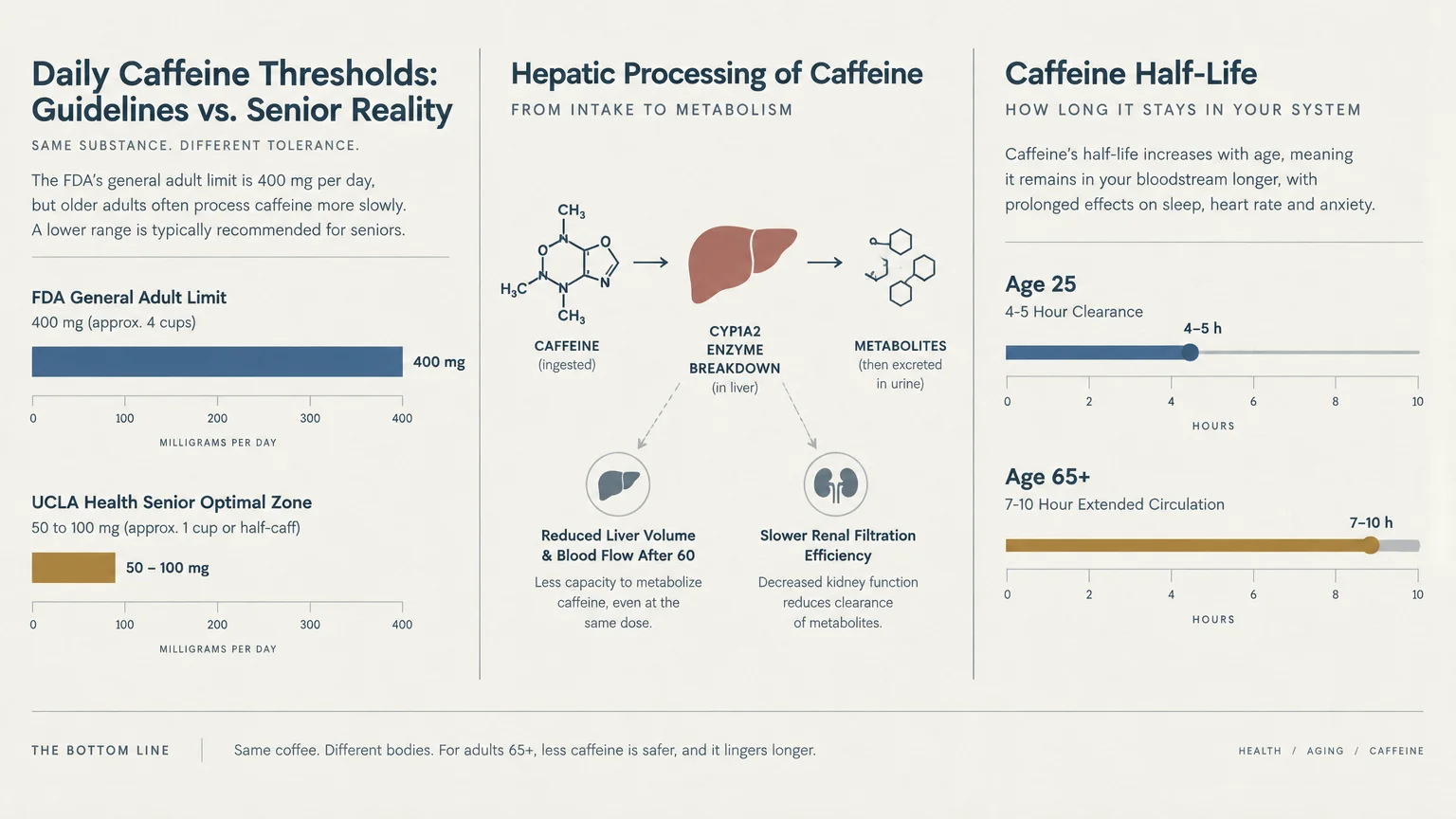
Your liver relies on a specialized metabolic enzyme named CYP1A2 to break down caffeine molecules. As birthdays pass, your liver volume gradually decreases, and blood flow through the liver declines.
This natural change slows down enzyme production and activity, allowing caffeine to circulate in your bloodstream for extended hours. A morning cup that once cleared your system by lunchtime might now persist until bedtime.
At the same time, your kidneys experience reduced filtration efficiency as part of standard chronological aging. Slower renal clearance means that active stimulant compounds remain in your tissues much longer than in earlier decades.
Consequently, standard caffeine doses produce stronger, longer-lasting physical sensations throughout your nervous system. Recognizing this slower metabolism helps you adjust your daily intake before uncomfortable side effects appear.
General Guidelines Versus Clinical Senior Reality
The U.S. Food and Drug Administration maintains that healthy adults can safely consume up to 400 milligrams of caffeine daily. This general ceiling equals roughly four standard eight-ounce cups or two to three twelve-ounce mugs of drip coffee.
Regulatory agencies design these broad limits around younger, larger populations with rapid metabolic turnover rates. They rarely account for the subtle physiological shifts that occur during your sixties and beyond.
Clinical experts at UCLA Health note that many older adults thrive best with 50 to 100 milligrams daily. That modest quantity equals about one single cup of regular brewed coffee or a gentle half-caff blend.
Restricting your intake to this moderate window prevents restless nights, digestive distress, and nervous agitation. You receive all the sensory pleasure and cognitive alertness of coffee without overwhelming your mature circulatory system.
Cardiovascular Health and Heart Rhythms
A scientific statement published by the American Heart Association in Circulation on July 20, 2026, confirmed reassuring news for coffee drinkers. The report affirmed that consuming up to 400 milligrams of caffeine daily remains safe for most adults.
Habitual consumption of up to five cups of black coffee daily correlates with reduced risks of heart failure and stroke. Researchers also confirmed notable protective associations against type 2 diabetes and atrial fibrillation.
However, randomized clinical trials analyzed in the statement revealed that caffeine intake can increase premature ventricular contractions. These benign extra heartbeats often feel like fluttering sensations or skipped beats inside your chest.
The AHA emphasized that individual cardiovascular tolerance varies dramatically based on your exact age, medications, and existing medical history. Listening to your heart’s immediate response ensures your morning cup remains completely safe.
Longevity and Healthy Aging Discoveries
Rigorous clinical research demonstrates that regular coffee consumption offers impressive longevity advantages for maturing adults. Roasted coffee beans provide hundreds of bioactive polyphenols that combat cellular oxidative damage and systemic inflammation.
A comprehensive meta-analysis by the University of Coimbra published in Ageing Research Reviews in December 2024 examined 85 international studies. Researchers concluded that drinking around three cups of coffee daily provides an average of 1.84 additional years of lifespan.
Furthermore, this moderate daily intake meaningfully expands your healthspan by delaying the onset of debilitating chronic illnesses. Adding healthy, energetic years to your life represents the ultimate payoff of a mindful morning coffee habit.
Long-term research confirms these extraordinary life-extension findings in older female populations as well. A 30-year investigation of 47,513 women from the Nurses’ Health Study appeared at the American Society for Nutrition meeting in June 2025.
Women who achieved healthy aging into their seventies free of major chronic diseases consumed an average of 315 milligrams of caffeine daily between ages 45 and 60. Their vibrant aging spanned freedom from cognitive impairment and physical disabilities.
The investigators revealed that each additional daily cup of caffeinated coffee raised the likelihood of healthy aging by 2% to 5%. This protection remained consistent up to a maximum intake of five small cups per day.
Physical Frailty and Functional Independence
Maintaining robust muscle mass and physical mobility protects your independence as you navigate your sixties, seventies, and beyond. Compelling evidence reveals that coffee compounds directly support your musculoskeletal system and functional stability.
A study published in the European Journal of Nutrition in April 2025 by researchers at Vrije Universiteit Amsterdam examined habitual coffee habits. The investigators observed that drinking four to six small cups daily significantly reduced the risk of age-related physical frailty.
Each serving in this European study measured 125 milliliters, which equals roughly 4.2 fluid ounces. Concentrated polyphenols and trigonelline within roasted beans appear to shield aging muscle fibers from microvascular damage and cellular atrophy.
Preserving your physical stamina allows you to garden, travel, play with grandchildren, and handle daily chores with total autonomy. Combining moderate coffee intake with regular strength training creates a powerful defense against physical decline.
Cognitive Vitality and Brain Protection
Your central nervous system receives direct stimulation and antioxidant nourishment from every balanced mug of fresh brew. Caffeine crosses your blood-brain barrier smoothly, where it temporarily blocks adenosine receptors to promote clear thinking and sustained attention.
Beyond immediate alertness, habitual coffee consumption supports long-term neurological resilience against degenerative cognitive conditions. Bioactive coffee compounds help reduce abnormal protein accumulation and quiet neuroinflammatory responses inside aging brain tissues.
Enjoying two to three small cups in the morning sharpens working memory without taxing your cardiovascular system. This gentle cognitive lift keeps you productive, mentally engaged, and fully present throughout your favorite daily activities.

Practical Tips for a Healthier, Happier Life
Adopting a proactive approach to your coffee routine lets you extract maximum wellness rewards while avoiding physical distress. These practical, senior-focused strategies help you tailor every cup to your body’s changing needs.
1. Establish Your Personal Caffeine Budget
Begin by tracking exactly how many ounces of coffee you drink each morning over three consecutive days. Note any subtle bodily reactions, such as afternoon headaches, jitters, or sudden shifts in your resting heart rate.
If you experience nervous tension or rapid pulse spikes, your current consumption exceeds your body’s clearance capacity. Lower your daily volume by four ounces each week until you feel perfectly calm, clear-headed, and energized.
Remember that coffee mug sizes have expanded dramatically over recent decades. A single modern ceramic mug often holds sixteen ounces, which equals two traditional cups of coffee in a single serving.
Measuring your coffee with a standard eight-ounce measuring cup removes guesswork and protects your nervous system. Precise awareness allows you to stay within your ideal therapeutic intake window every day.
2. Implement a Strict Midday Cutoff Time
Because your liver clears caffeine at a leisurely pace after age 60, timing plays a critical role in your routine. Caffeine possesses a prolonged biological half-life that can keep you awake long after you climb into bed.
Set a strict rule to finish your final caffeinated sip by twelve noon every single day. This midday boundary gives your metabolic enzymes sufficient time to clear stimulant molecules before nighttime arrives.
If you crave a warm, comforting beverage during the afternoon hours, transition to caffeine-free herbal teas. Chamomile, peppermint, and roasted dandelion root provide soothing flavor without disturbing your essential nighttime sleep cycles.
Deep sleep allows your brain’s glymphatic system to wash away metabolic waste products that accumulate during waking hours. Protecting your sleep architecture represents one of the most effective ways to preserve lifelong mental acuity.
3. Safeguard Your Bone Mineral Density
Maintaining dense, fracture-resistant bones represents a primary health objective for older adults, especially postmenopausal women. Excessive caffeine intake can subtly accelerate calcium loss through your urinary system if you drink massive quantities.
A 10-year study by Flinders University published in Nutrients in 2026 monitored nearly 10,000 women aged 65 and older. Researchers established that drinking more than five cups of coffee daily was linked to lower bone mineral density at the hip and femoral neck.
Importantly, the Flinders University researchers found that moderate daily coffee intake caused no harm to skeletal strength. Keeping your daily consumption between two and four cups protects your bones while delivering exceptional antioxidant support.
To reinforce your skeletal frame, pair your daily coffee with calcium-rich whole foods like fortified milks, yogurt, and leafy greens. Ensuring adequate vitamin D intake also optimizes intestinal calcium absorption regardless of your beverage choices.
4. Embrace the Half-Caf Compromise
You do not need to give up your beloved second or third mug of coffee to reduce your stimulant exposure. Creating a custom half-caf blend lets you enjoy the comforting warmth of multiple cups without overloading your bloodstream.
Mix equal parts of your favorite caffeinated beans with high-grade decaffeinated beans in your coffee grinder. This simple kitchen adjustment cuts your caffeine exposure in half while maintaining the rich body, aroma, and flavor you adore.
Decaffeinated beans supply identical antioxidant polyphenols and protective chlorogenic acids as fully caffeinated roasts. You protect your heart and nervous system while retaining the therapeutic cellular benefits that support longevity.
Seek out decaffeinated brands processed with water-based extraction methods rather than synthetic chemical solvents. Water-processed beans deliver clean, pure taste while ensuring you avoid unnecessary industrial residues.
5. Skip Sugary Syrups and Heavy Additives
Commercial coffee drinks frequently contain excessive amounts of refined cane sugar, flavored syrups, and hydrogenated oils. These inflammatory ingredients spike your blood glucose levels, accelerate arterial stiffening, and negate coffee’s natural metabolic benefits.
Train your palate to appreciate the nuanced roasted flavors of unadorned black coffee brewed from freshly ground beans. High-quality beans offer subtle flavor notes of dark chocolate, toasted nuts, and berries that sugar masks completely.
If you prefer a gentler flavor profile, add a splash of unsweetened almond milk, oat milk, or organic whole milk. A light dash of ground cinnamon also adds comforting natural sweetness while helping regulate your post-meal blood sugar levels.
Eliminating artificial creamers removes harmful trans fats that damage your cardiovascular lining over time. Clean, wholesome ingredients keep your morning coffee habit working in harmony with your long-term health goals.
6. Stay Ahead of Your Daily Hydration Needs
Caffeine acts as a gentle diuretic that stimulates your kidneys to produce extra urine during the morning hours. Because your body’s natural thirst perception weakens with age, mild chronic dehydration can develop without your conscious awareness.
Establish a healthy morning habit by drinking a full eight-ounce glass of filtered water before brewing your first coffee. This simple ritual rehydrates your cardiovascular system and vital organs following eight hours of overnight fasting.
Continue alternating coffee with fresh water throughout your morning to maintain optimal fluid levels in your tissues. Proper hydration cushions your spinal discs, lubricates aging joints, and assists your kidneys in filtering metabolic compounds.
Well-hydrated blood vessels expand and contract more smoothly, supporting balanced blood pressure readings throughout the day. Water acts as an essential wellness partner that magnifies the positive health effects of your morning coffee.
7. Protect Your Stomach Lining and Digestion
Drinking strong, acidic coffee on an empty stomach can trigger stomach acid production and provoke uncomfortable gastric distress. Mature digestive tracts often produce less protective stomach mucus, making them more vulnerable to irritation from acidic beverages.
Always enjoy your coffee alongside or shortly after eating a balanced breakfast containing dietary fiber and healthy fats. Oatmeal, scrambled eggs, or whole-grain toast create a protective physical cushion within your stomach lining.
If you frequently experience acid reflux or indigestion, switch to dark roast coffee beans for your daily brew. Dark roasts contain unique compounds that naturally suppress stomach acid secretion compared to lighter roasts.
Alternatively, prepare cold-brew coffee by steeping ground beans in cool water for twelve to twenty-four hours. Cold brewing extracts significantly fewer harsh acidic compounds, producing an exceptionally smooth beverage that rests gently on your stomach.
Important Safety Precautions to Keep in Mind
While coffee delivers remarkable health benefits, older adults must remain vigilant regarding subtle signs of overconsumption. Respecting these practical safety guidelines prevents minor discomforts from turning into chronic health challenges.
Cardiovascular Cautions and Palpitations
Pay careful attention to how your pulse behaves during the two hours following your morning coffee. While the American Heart Association confirms coffee’s overall cardiovascular safety, randomized trials show caffeine can increase premature ventricular contractions.
If you experience sudden fluttering sensations, skipped heartbeats, or lightheadedness, reduce your caffeine intake immediately. Persistent heart rhythm irregularities warrant a comprehensive medical evaluation to ensure underlying heart health remains sound.
Furthermore, caffeine can cause a temporary elevation in your systolic blood pressure shortly after consumption. If you manage hypertension, measure your blood pressure before and after your coffee to verify that your readings remain stable.
Bladder Sensitivity and Urinary Comfort
Caffeine directly irritates the bladder lining and stimulates the detrusor muscle to contract more frequently. For seniors managing an overactive bladder or an enlarged prostate, excess coffee can significantly worsen urgency and frequency.
Limiting your consumption to one or two small cups early in the day helps minimize disruptive bathroom trips. Shifting toward decaffeinated roasts relieves bladder irritation while allowing you to preserve your comforting morning routine.
Avoid drinking coffee right before long road trips, social outings, or doctor visits where restrooms may be inaccessible. Planning your fluid timing thoughtfully protects your comfort, dignity, and daily peace of mind.
Prescription Drug Interactions
Caffeine can interact unexpectedly with a wide variety of medications commonly prescribed to older adults. For instance, thyroid replacement medications such as levothyroxine must be taken on an empty stomach with pure water only.
Drinking coffee too soon after taking thyroid hormones significantly blocks intestinal absorption, undermining your medication’s effectiveness. Always wait at least sixty minutes after taking thyroid prescriptions before enjoying your first morning cup.
Caffeine can also amplify the stimulant effects of bronchodilators, decongestants, and certain antidepressant drugs. This heightened stimulation can lead to unexpected tremors, pronounced anxiety, and elevated blood pressure spikes.
Additionally, coffee can hinder your body’s absorption of supplemental iron, calcium, and prescription osteoporosis medications. Consult your pharmacist to map out an ideal daily schedule that separates your pills from your coffee mug.
Sleep Architecture and Restorative Rest
Sleep architecture undergoes profound natural changes as we age, featuring less slow-wave deep sleep and more nighttime awakenings. Lingering caffeine exacerbates these vulnerabilities by interfering with normal melatonin production and sleep onset.
Even if you fall asleep easily after an afternoon coffee, caffeine degrades the quality and depth of your rest. You may wake up feeling groggy, fatigued, and unrefreshed despite spending eight hours in bed.
Eliminating late-day caffeine helps restore restorative sleep stages that heal damaged tissues and strengthen your immune system. Quality sleep provides unmatched physical restoration that no amount of caffeine can ever replicate.

When to Speak with a Healthcare Professional
Navigating dietary choices after age 60 requires thoughtful collaboration with qualified healthcare providers who understand your personal medical background. What benefits one individual might prove counterproductive for someone managing complex chronic health conditions.
Schedule an appointment with your physician if you experience chronic insomnia, unexplained nervousness, or persistent acid reflux. Your doctor can help determine whether caffeine represents a hidden contributor to your everyday symptoms.
Seek immediate medical guidance if you experience sudden chest pain, profound shortness of breath, or prolonged racing heartbeats. These symptoms require urgent diagnostic assessment to rule out serious cardiovascular complications.
Always disclose your exact daily coffee and caffeine consumption during routine medical reviews and annual wellness visits. Your primary care provider can interpret your blood pressure trends and bone density scans in their proper dietary context.
If you manage osteoporosis, kidney disease, or cardiac arrhythmias, ask your doctor for personalized daily caffeine limits. Tailored medical advice ensures you enjoy your favorite daily rituals while fiercely protecting your long-term health.
Frequently Asked Questions
Does decaf coffee offer the same health benefits as regular coffee?
Yes, decaffeinated coffee provides nearly identical antioxidant benefits as standard caffeinated roasts. The roasting process preserves vital chlorogenic acids and polyphenols that reduce systemic inflammation and support cardiovascular health.
Clinical trials show that decaf drinkers enjoy meaningful reductions in the risk of developing type 2 diabetes. Decaf represents an ideal option for seniors who desire rich coffee flavor without elevating their heart rate or disrupting sleep.
Can drinking coffee affect bone density after age 65?
Moderate coffee intake of two to three cups daily does not harm skeletal density in healthy older adults. However, consuming more than five cups daily has been linked to lower bone mineral density at the hip.
To protect your skeletal framework, consume sufficient dietary calcium, vitamin D, and protein alongside your morning coffee. Adding a splash of milk to your mug also helps replenish minerals and buffers natural acidity.
Why does coffee suddenly cause jitters when it never used to?
Your liver and kidneys process caffeine at a much more deliberate pace as you advance past age 60. Slower clearance allows stimulant compounds to accumulate in your tissues, amplifying their impact on your central nervous system.
This biological change means a coffee dose you handled effortlessly in your younger years can now trigger noticeable jitters. Switching to a smaller cup or a half-caf blend quickly restores calm, centered vitality.
What is the safest time of day for seniors to stop drinking coffee?
Most clinical specialists advise seniors to finish their final caffeinated drink by twelve noon each day. Because caffeine lingers in mature bodies for eight hours or longer, an early cutoff time safeguards your sleep architecture.
Restricting caffeine to morning hours ensures your brain can smoothly transition into deep, restorative slow-wave sleep at night. If you desire an afternoon drink, choose caffeine-free herbal blends to support calm relaxation.
For authoritative, trustworthy health information, always consult official sources like the National Institute on Aging (NIA) and MedlinePlus from the National Library of Medicine. The CDC also provides excellent resources for older adults.
Disclaimer: This article is for informational purposes only and does not constitute medical advice. Always seek the advice of your physician or other qualified health provider with any questions you may have regarding a medical condition.