Cooking certain vegetables unlocks essential antioxidants, protects your digestive tract, and helps your body absorb vital nutrients. You do not need to crunch through tough, raw salads to stay vibrant and energized in your golden years.
While raw produce offers undeniable benefits, gentle heat breaks down stubborn plant cell walls that your stomach struggles to process. This cooking process releases powerhouse compounds that support your heart, brain, and vision.
Learning which foods flourish under gentle heat will transform your daily meals into soothing, nutrient-dense medicine. Here are eleven dietitian-recommended foods that deliver superior nourishment when you warm them up.
Understanding the Basics of Cooked vs Raw Vegetables for Seniors
Many people assume that raw vegetables always provide the highest nutritional value. However, the science of cooking vegetables nutrition reveals a very different and encouraging reality for older adults.
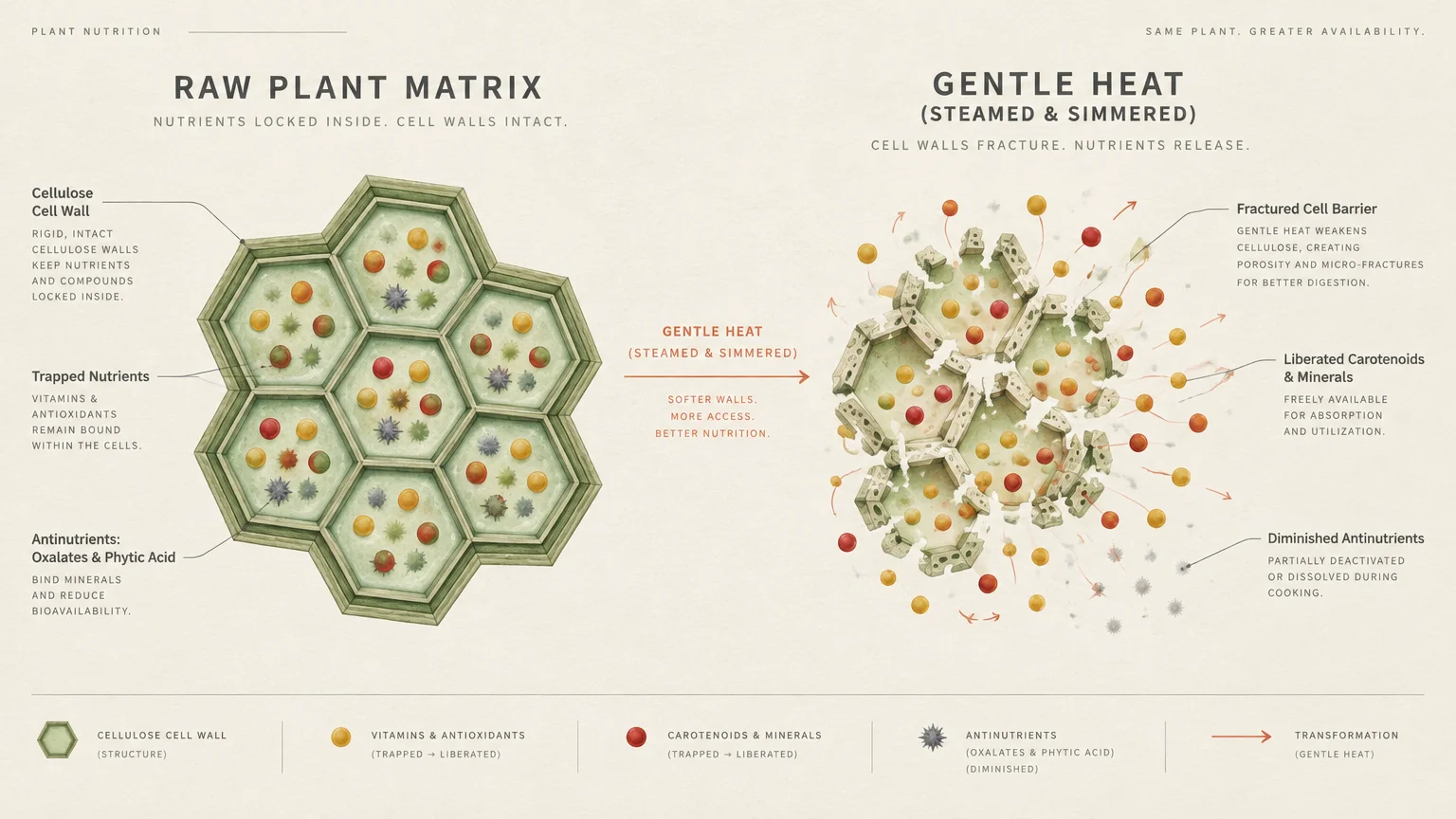
Plant cells are surrounded by rigid structures called cell walls, made primarily of tough cellulose. Human digestive systems cannot easily break down raw cellulose, which locks many valuable vitamins and antioxidants inside.
Applying gentle heat fractures these microscopic barriers; it liberates the nutrients trapped within the plant matrix. Once released, your small intestine can absorb these vital compounds with far greater efficiency.
As you age, your digestive system naturally produces fewer enzymes and less stomach acid. This natural shift makes processing raw, fibrous plant matter significantly more challenging than it was decades ago.
Raw foods can linger in your stomach, causing unnecessary gas, bloating, and uncomfortable intestinal spasms. Gentle cooking predigests these tough fibers, allowing you to enjoy vibrant plant foods without digestive distress.
Many raw vegetables also contain naturally occurring defense compounds, often called antinutrients. Substances like oxalates and phytic acid bind to essential minerals, preventing your body from absorbing calcium, iron, and magnesium.
Cooking deactivates or diminishes these antinutrients, unlocking critical minerals that safeguard your bone density and cardiovascular health. Heating also preserves tooth enamel and protects dental work by creating tender, easy-to-chew textures.
Fat-soluble compounds—such as carotenoids and vitamin E—become far more accessible when heated with healthy fats. Understanding which foods better cooked belong on your plate helps you build a comforting, deeply nourishing daily diet.
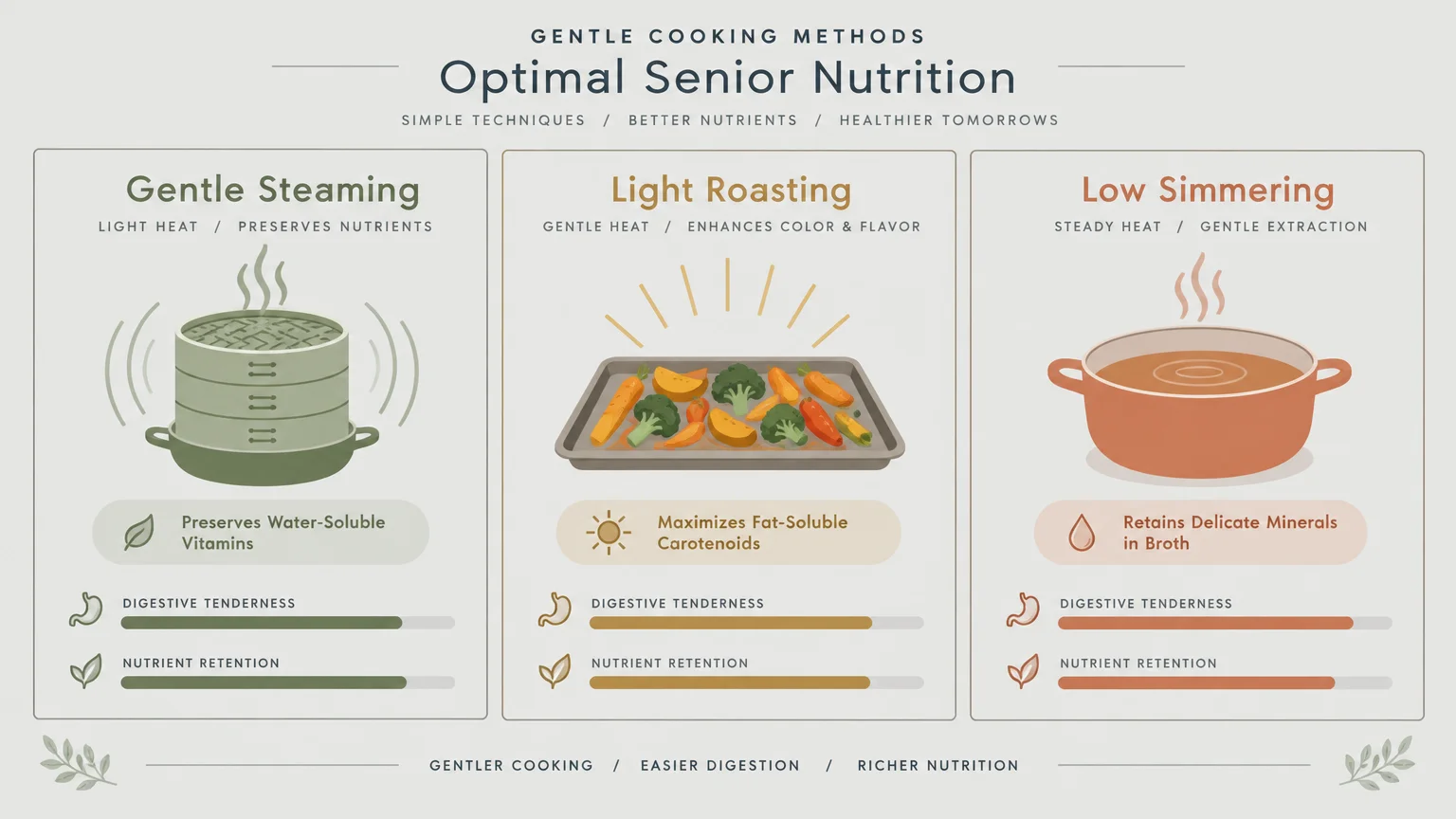
The temperature and method of cooking also determine how much vitality remains in your meal. Gentle steaming, light roasting, and simmering preserve delicate compounds while enhancing the body’s digestive ease.
By embracing cooked vs raw vegetables strategically, you support your gut microbiome without triggering painful inflammation. Nourishing your body should feel pleasant, comforting, and restorative with every bite you take.
Practical Tips for a Healthier, Happier Life
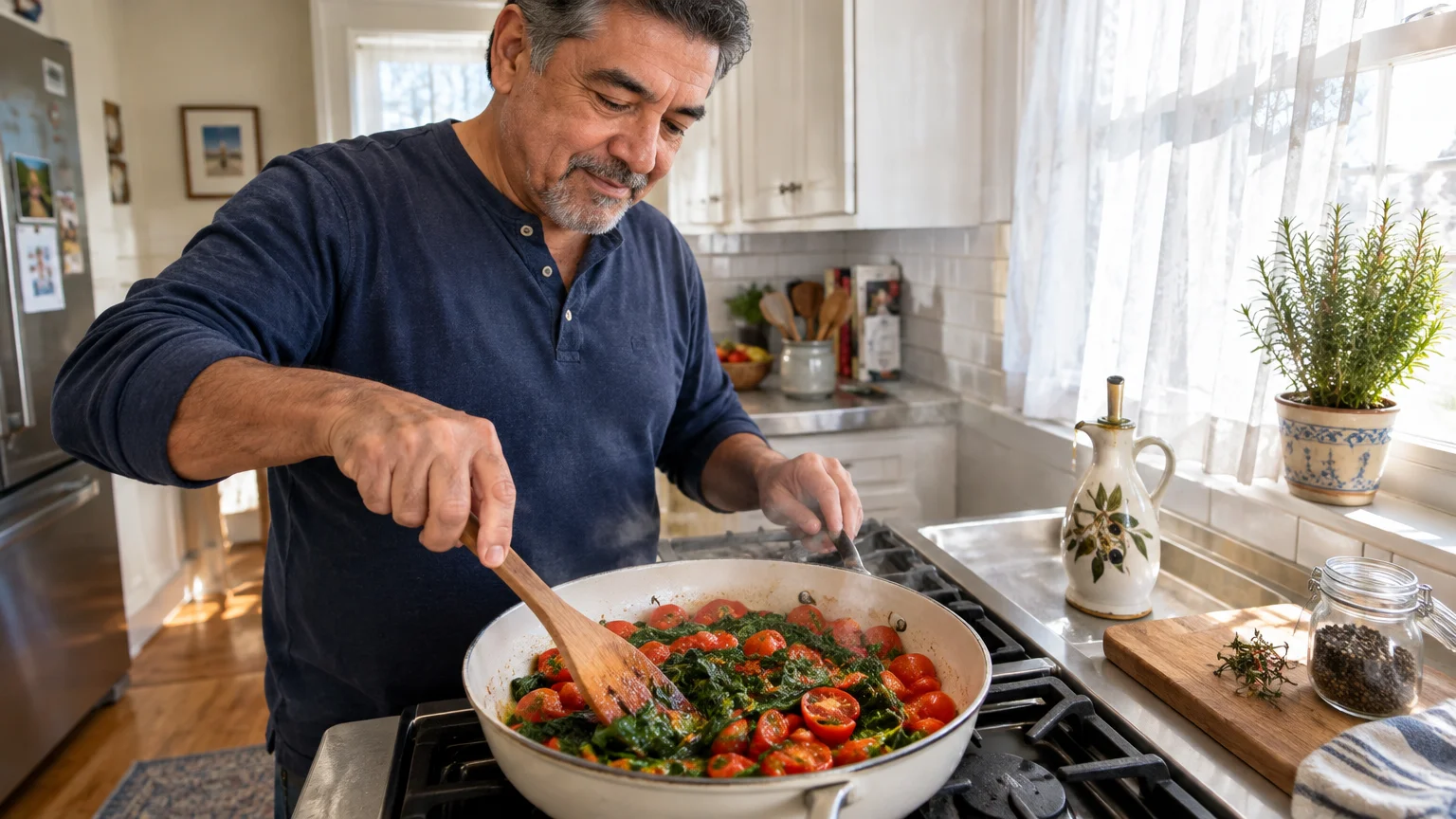
Incorporating more warm vegetables into your daily menu is simple, satisfying, and deeply restorative. Dietitians highlight eleven specific foods where cooking dramatically improves nutrient availability, digestive comfort, and culinary enjoyment.
1. Tomatoes: Unlocking Powerful Lycopene
While raw tomatoes brighten summer salads, cooked tomatoes offer far superior protection for your cardiovascular system. Cooking tomatoes breaks down thick cellular walls to liberate lycopene, a potent antioxidant that gives tomatoes their rich red color.
Research consistently links lycopene tomatoes to improved arterial flexibility, healthy blood pressure, and prostate protection in older men. Heat converts lycopene from a trans-isomer into a cis-isomer, which your intestinal wall absorbs much more easily.
Raw tomato skins and seeds can also irritate sensitive digestive linings, triggering acid reflux or intestinal discomfort. Simmering tomatoes softens these tough skins and mellows harsh fruit acids into a comforting, easily tolerated meal.
Simmering tomatoes with a drizzle of extra virgin olive oil enhances absorption even further. Because lycopene is fat-soluble, dietary fat carries this antioxidant straight into your bloodstream where your cells can use it.
Enjoy warm marinara sauce over whole-grain pasta, or simmer stewed tomatoes into comforting vegetable soups. Your heart and arteries will reap profound benefits from this delicious, deeply comforting dietary habit.
Canned crushed tomatoes or slow-roasted plum tomatoes also offer concentrated lycopene levels without requiring hours of kitchen prep. Keep low-sodium canned options in your pantry for quick, heart-healthy weeknight meals.
2. Carrots: Boosting Vision-Supporting Beta-Carotene
Many people love the crunch of raw carrots, but your body struggles to extract their primary nutrient in raw form. Cooking carrots significantly increases the bioavailability of beta-carotene, an antioxidant your body converts into active vitamin A.
Vitamin A supports healthy vision, helps prevent age-related macular changes, and maintains strong immune defenses. Steaming or roasting carrots softens their rigid cellular matrix, releasing up to three times more beta-carotene than raw slices offer.
Cooked carrots are also remarkably gentle on your gums and teeth, eliminating the risk of cracked crowns or dental discomfort. You can easily roast them until fork-tender with a pinch of fresh herbs.
Add sliced carrots to slow-cooked stews, or purée steamed carrots with ginger for a soothing, immune-boosting soup. Pairing them with a touch of healthy oil ensures your body absorbs every bit of vision-protecting vitamin A.
Carrots also contain lutein, another carotenoid that concentrates in the macula of your eyes. Cooking liberates this protective pigment, shielding your vision against the oxidative stress caused by everyday blue light exposure.
3. Spinach: Neutralizing Oxalates to Free Up Minerals
Spinach is celebrated as a nutritional powerhouse, but raw spinach contains high levels of oxalic acid. Oxalic acid binds tightly to calcium and iron in your digestive tract, blocking their absorption into your bloodstream.
Steaming or quickly blanching fresh spinach breaks down oxalic acid, freeing up substantial amounts of dietary calcium and iron. This makes cooked spinach far superior for protecting your bone mineral density and supporting healthy red blood cell production.
Cooking spinach also shrinks its volume dramatically, allowing you to consume a much denser concentration of vitamins A and E. What starts as an intimidating bowl of raw leaves becomes a tender, nutrient-packed side dish.
Sauté spinach briefly in olive oil with minced garlic until the leaves wilt gently. This quick preparation delivers maximum nutrients cooked foods can provide while remaining exceptionally kind to sensitive senior stomachs.
Wilted spinach also folds effortlessly into morning scrambled eggs, lentil soups, or baked casseroles. These versatile applications help you reach your daily mineral goals without placing unnecessary stress on your kidneys.
4. Asparagus: Softening Fiber and Elevating Folate
Asparagus spears feature thick, fibrous stalks that can challenge the most robust digestive system when eaten raw. Cooking asparagus breaks down these tough fibers, unlocking vital reserves of vitamins A, C, and E.
Asparagus is also an extraordinary source of folate, a B vitamin essential for cognitive health and cellular repair. Heat softens the plant tissue, allowing your digestive enzymes to reach and absorb this crucial nutrient without friction.
Furthermore, cooking enhances the activity of phenolic acids and ferulic acid, two antioxidants that fight chronic systemic inflammation. These protective compounds help soothe aging joints and support long-term vascular integrity.
Roast slender asparagus spears in your oven with a light coat of olive oil and lemon juice. Within fifteen minutes, you have a tender, elegant vegetable that supports brain function and pleases your palate.
Snapping off the woody, pale bottoms before cooking guarantees every bite remains tender and pleasant to chew. Pairing asparagus with a soft-poached egg adds healthy fats that maximize the absorption of its fat-soluble vitamins.
5. Mushrooms: Breaking Down Chitin and Neutralizing Toxins
Dietitians universally recommend cooking all culinary mushrooms before you eat them. Raw mushrooms have thick cell walls composed of chitin, a tough polymer that human stomach enzymes cannot digest effectively.
Cooking mushrooms fractures chitin walls, unlocking valuable potassium, B vitamins, and ergothioneine—a rare, cell-protecting antioxidant. Ergothioneine protects cellular mitochondria from oxidative stress, supporting steady physical energy and healthy aging.
In addition, many common raw mushrooms contain small traces of naturally occurring toxins, such as agaritine. Applying heat safely degrades these delicate compounds, ensuring your mushrooms are completely wholesome and safe to enjoy.
Sauté sliced cremini or button mushrooms in a skillet with a dash of olive oil and fresh thyme. Stir them into morning eggs, warm grain bowls, or evening stews for rich, savory flavor.
Mushrooms also provide plant-based vitamin D when exposed to ultraviolet light during growth. Cooking ensures this vital hormone-supporting nutrient becomes readily bioavailable to support your immune system and skeletal health.
6. Bell Peppers: Releasing Hidden Carotenoids
Bright red and orange bell peppers are famous for their vitamin C content, but they also contain vital carotenoids. Roasting or steaming bell peppers releases powerful pigments called lutein, zeaxanthin, and capsanthin.
Lutein and zeaxanthin accumulate directly in your retinas, shielding your eyes from harmful light and slowing macular degeneration. Heat softens the bell pepper skin, allowing your body to access these fat-soluble eye defenders with ease.
Raw pepper skins frequently cause heartburn, acid reflux, or persistent indigestion in older adults. Charring and peeling the skins, or simply roasting sliced peppers, makes them sweet, succulent, and remarkably gentle on your stomach.
Toss bell pepper strips with sweet onions and roast them on a baking sheet until caramelized and tender. Serve them alongside roasted chicken or fold them into warm whole-grain wraps for vibrant color and easy digestion.
Gentle steaming also preserves the majority of their vitamin C while eliminating the rigid crunch that strains dental bridges. Enjoying them warm brings out their natural sweetness without needing heavy dressings or sauces.
7. Green Beans: Neutralizing Lectins for Easy Digestion
Raw green beans contain lectins, a class of plant proteins designed to protect the legume from predators in nature. When consumed raw, lectins can bind to your intestinal lining, causing nausea, gas, and abdominal cramps.
Cooking green beans through steaming, boiling, or roasting neutralizes these lectins completely, rendering the vegetable completely safe and soothing. Thermal processing also softens tough exterior fibers, making the pods effortless to chew and digest.
In addition, heat frees up valuable antioxidants such as flavonols, which help combat everyday inflammation throughout your body. These antioxidants support healthy blood vessels and promote overall vitality as you age.
Steam fresh green beans until they turn bright green and tender-crisp, then toss them with slivered almonds and olive oil. This simple preparation transforms a basic pod into a digestion-friendly side dish that nourishes your gut.
You can also braise green beans slowly in chicken stock with sweet onions and crushed tomatoes. This traditional method breaks down all fibrous resistance, producing an ultra-comforting dish ideal for sensitive appetites.
8. Kale: Supporting Thyroid Health and Softening Tough Fiber
Kale has earned a reputation as a health superfood, but raw kale can create unexpected hurdles for older adults. Raw cruciferous greens contain goitrogens, compounds that can interfere with normal iodine uptake and sluggish thyroid function.
Cooking kale deactivates a significant portion of these goitrogenic compounds, safeguarding your metabolic health and thyroid balance. Heat also tames the coarse, fibrous leaves that often trigger uncomfortable bloating and gastrointestinal gas.
Cooked kale provides generous amounts of vitamin K, calcium, and lutein in a format your small intestine absorbs smoothly. Vitamin K guides calcium directly into your bones and teeth, keeping your skeletal structure resilient.
Braise chopped kale in a skillet with vegetable broth, garlic, and a touch of apple cider vinegar until wilted. This delicious technique yields a tender green that supports your skeletal strength without stressing your thyroid.
Adding cooked kale to hearty bean soups softens its earthy flavor while enriching the broth with magnesium and potassium. This comforting combination delivers steady energy without requiring intensive chewing effort.
9. Brussels Sprouts: Soothing the Gut and Releasing Antioxidants
Raw Brussels sprouts are exceptionally dense and packed with bitter compounds known as glucosinolates. While these compounds are healthy, eating them raw frequently causes severe intestinal gas, cramping, and digestive distress.
Roasting or steaming Brussels sprouts converts these complex plant sugars, making them markedly easier for your gut to handle. The cooking process also releases indole-3-carbinol, a sulfur compound celebrated for supporting cellular detoxification.
Cooking Brussels sprouts caramelizes their natural sugars, turning a once-bitter vegetable into a savory, mouthwatering treat. Softened sprouts chew easily, protecting delicate dental work while delivering substantial fiber and vitamin C.
Halve your Brussels sprouts, toss them with olive oil and a dash of balsamic vinegar, and roast at moderate heat. They will emerge tender, caramelized, and ready to nourish your digestive system without digestive complaints.
Shaved and sautéed Brussels sprouts cook in under ten minutes, offering a wonderful alternative to roasting. Pairing them with toasted pecans adds beneficial plant fats that assist in absorbing their fat-soluble vitamins.
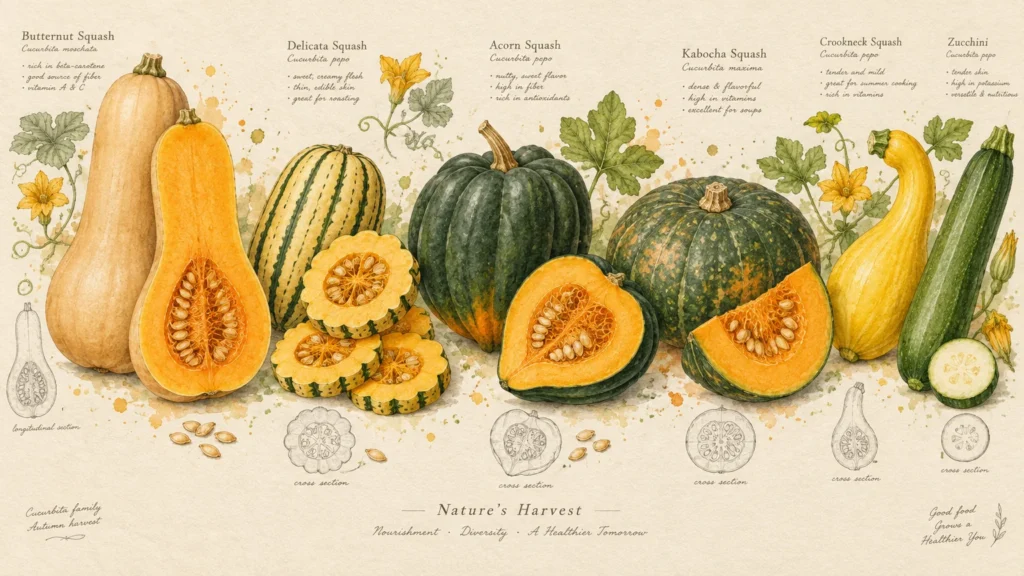
10. Pumpkin and Winter Squash: Enhancing Fat-Soluble Vitamins
Varieties of winter squash—such as butternut, acorn, and pumpkin—are virtually impossible to consume in their raw state. Cooking transforms these hard, starchy vegetables into silky, digestible foods loaded with essential nutrients cooked foods offer.
Heat unlocks deep reservoirs of beta-carotene, lutein, and potassium, nutrients that support your heart, muscles, and eyes. The thermal breakdown of dense squash starches creates comforting soluble fiber, which helps regulate healthy bowel movements.
Potassium helps balance sodium levels in your bloodstream, supporting steady blood pressure and proper muscle contraction throughout your day. A warm bowl of squash provides this crucial electrolyte in an easily absorbed form.
Roast cubed squash until golden, or blend cooked pumpkin into velvety, comforting autumn soups with warm spices. These gentle, comforting dishes warm your spirit while providing potent antioxidants that strengthen your immune system.
Pureed butternut squash also works beautifully as a creamy base for pasta sauces or vegetable curries. This healthy culinary swap cuts saturated dairy fats while flooding your body with protective carotenoids and vitamin E.
11. Cabbage: Calming Digestion and Activating Cancer-Fighting Indoles
Raw cabbage in heavy coleslaw often leaves older adults feeling bloated and uncomfortably full for hours afterward. Cabbage contains rigid cellulose and complex oligosaccharides that ferment heavily inside your large intestine when eaten raw.
Steaming, braising, or fermenting cabbage breaks down these complex sugars, eliminating painful digestive pressure and embarrassing gas. Gentle cooking also activates indoles, powerful protective compounds that dietitians praise for supporting cellular defense.
Cooked cabbage is rich in vitamin K, vitamin C, and gut-soothing glutamine, an amino acid that nurtures your stomach lining. These nutrients work harmoniously to ease digestion and reinforce your body’s natural healing abilities.
Sauté shredded green or red cabbage with a touch of caraway seed and olive oil until tender and sweet. This traditional preparation turns a humble garden vegetable into an easily tolerated, gut-healing centerpiece for your dinner plate.
You can also simmer cabbage in classic vegetable minestrone or traditional cabbage rolls stuffed with lean turkey and brown rice. These comforting recipes transform fibrous leaves into fork-tender, heart-healthy comfort food.
Gentle Cooking Techniques for Maximum Nutrition
Choosing the right cooking method makes all the difference when preparing cooked vs raw vegetables for maximum nutrition. Steaming is one of the gentlest methods available; it softens cellular walls without leaching water-soluble vitamins away.
Roasting vegetables at moderate temperatures preserves their structural integrity while caramelizing natural sugars for wonderful flavor. Lightly coating vegetables in extra virgin olive oil before roasting helps your digestive tract absorb fat-soluble vitamins A, E, and K.
Simmering vegetables in soups and stews is another outstanding strategy for senior nutrition. Any vitamins that escape into the cooking liquid remain right in the savory broth, ensuring you receive every single milligram of nourishment.
Avoid boiling vegetables in large pots of water and then draining the liquid down the sink. This common mistake washes away heat-sensitive vitamin C and vital B vitamins, leaving the vegetables nutritionally depleted.
Quick sautéing in a covered skillet with a splash of broth provides another fast, nutrient-sparing option. The steam trapped beneath the lid softens tough plant fibers rapidly while locking in bright natural flavors.
Important Safety Precautions to Keep in Mind
While cooking vegetables provides remarkable benefits, practicing proper kitchen safety and nutrient preservation is essential. Moderation in temperature and cooking duration ensures your meals stay both safe and deeply nourishing.
Overcooking produce until it becomes soggy and gray destroys delicate water-soluble vitamins, especially vitamin C and folate. Aim for fork-tender textures where vegetables yield easily to gentle pressure while maintaining their bright, natural colors.
Be cautious with added salt and commercial seasonings when preparing your cooked vegetable dishes. Excess sodium can elevate blood pressure; instead, flavor your warm vegetables with fresh herbs, garlic, citrus juice, and aromatic spices.
Practice diligent food safety when handling cooked leftovers in your kitchen. Seniors have naturally more sensitive immune systems, making proper food storage critical for preventing foodborne illness.
Refrigerate cooked vegetable dishes within two hours of preparation to prevent bacterial growth. When reheating your meals, warm them thoroughly until steaming hot to protect your digestive system from harmful pathogens.
Select heart-healthy cooking fats with stable smoke points when heating your vegetables. Extra virgin olive oil and avocado oil offer monounsaturated fats that support arterial health without creating harmful oxidized compounds during cooking.
Allow hot dishes to cool slightly before serving to prevent burning sensitive mouth tissues or dental bridges. Eating warm, comforting foods at a moderate temperature ensures a pleasant and pain-free dining experience.
If using frozen vegetables, choose plain varieties without pre-packaged cheese sauces or sodium-heavy gravies. Frozen vegetables are flash-frozen at peak ripeness and steam beautifully in minutes without unneeded chemical additives.

When to Speak with a Healthcare Professional
This guide provides helpful nutritional education, but it cannot replace personalized advice from your physician or registered dietitian. Your unique medical history, medications, and health conditions dictate your specific nutritional needs.
If you take blood-thinning medications like warfarin, maintain a consistent daily intake of vitamin K from cooked greens like spinach and kale. Sudden increases or decreases in cooked leafy greens can alter your medication’s effectiveness and your blood-clotting balance.
Individuals managing chronic kidney disease must pay close attention to potassium levels in foods like cooked tomatoes, squash, and spinach. In advanced kidney conditions, your kidneys may struggle to filter excess potassium from your blood safely.
Consult your doctor if you experience persistent difficulty swallowing, a common condition among older adults known medically as dysphagia. A speech-language pathologist can recommend exact cooked food textures that ensure safe swallowing without choking hazards.
Schedule a consultation if you notice ongoing abdominal pain, unexplained weight loss, or severe digestive changes after eating. Your healthcare provider will investigate underlying conditions like diverticulosis or irritable bowel syndrome to design an optimal eating plan.
Discuss any planned dietary changes with your medical team before overhauling your meals completely. Collaborative care ensures that your nutrition complements your prescriptions and supports your personal health objectives.
For authoritative, trustworthy health information, always consult official sources like the National Institute on Aging (NIA) and MedlinePlus from the National Library of Medicine. The CDC also provides excellent resources for older adults.
Disclaimer: This article is for informational purposes only and does not constitute medical advice. Always seek the advice of your physician or other qualified health provider with any questions you may have regarding a medical condition.
Frequently Asked Questions
Does cooking destroy all the vitamin C in vegetables?
Cooking does degrade a modest percentage of heat-sensitive vitamin C, but it certainly does not destroy all of it. Gentle steaming or quick microwaving preserves the vast majority of this essential antioxidant.
The substantial increase in other antioxidants—such as lycopene and beta-carotene—more than compensates for minor vitamin C losses. Eating a colorful variety of gently cooked vegetables ensures you receive balanced daily nourishment.
Is microwaving vegetables safe and healthy for seniors?
Microwaving is actually one of the healthiest, most efficient cooking methods for preserving vegetable nutrients. Because microwaving requires very little water and short cooking times, it prevents water-soluble vitamins from leaching away.
Place your vegetables in a microwave-safe glass container with two tablespoons of water and cover loosely. Heat until fork-tender for a fast, nutrient-packed side dish that requires minimal cleanup.
Microwaves also offer exceptional convenience for seniors living alone or seeking to minimize kitchen fatigue. It allows you to prepare fresh, nutrient-dense vegetables in minutes without lifting heavy, boiling pots of water.
Should seniors avoid raw vegetables completely?
You do not need to eliminate raw vegetables entirely unless your physician or speech therapist specifically advises it. Crisp cucumbers, ripe avocados, and shredded butter lettuce can still have a welcome place on your table.
However, prioritizing cooked versions of dense, fibrous vegetables protects your digestive tract and optimizes nutrient absorption. Listen closely to your body; if raw salads cause bloating, transition comfortably toward warm, cooked alternatives.
What is the healthiest oil to use when cooking vegetables?
Extra virgin olive oil is the gold standard for cooking vegetables and supporting long-term senior wellness. It contains rich concentrations of heart-healthy monounsaturated fats and polyphenols that reduce systemic inflammation.
Pairing olive oil with cooked vegetables significantly enhances your body’s absorption of fat-soluble vitamins A, D, E, and K. A light drizzle after steaming or roasting adds wonderful flavor while nourishing your cardiovascular system.
How can I make cooked vegetables taste delicious without adding salt?
Enhancing cooked vegetables without sodium is simple when you experiment with vibrant herbs, citrus, and aromatic spices. Squeeze fresh lemon juice over steamed greens or toss roasted carrots with ground cumin and fresh rosemary.
Garlic, sweet onions, and nutritional yeast also impart rich, savory depth to cooked vegetables without elevating your blood pressure. These flavorful additions make every forkful satisfying while protecting your heart and kidneys.
Can I freeze leftover cooked vegetables to eat later in the week?
Yes, freezing leftover cooked vegetables is a wonderful, time-saving way to maintain consistent nutrition throughout your week. Divide cooked dishes into single-serving containers once they cool to room temperature.
Reheat them in your microwave or on your stovetop until piping hot before enjoying. This practical routine prevents food waste and ensures you always have a comforting, gut-friendly side dish ready within minutes.