You can enjoy satisfying pasta dishes while supporting healthy aging and vibrant daily energy. The secret lies in how traditional Mediterranean cultures prepare, portion, and pair their meals.
Popular diet culture often demonizes carbohydrates as the primary enemy of mature wellness. Yet Italian elders thrive on grain-centered culinary traditions without sacrificing their vitality or metabolic health.
Learning these simple preparation secrets allows you to reclaim your favorite comfort foods with complete confidence. Practical wisdom from centenarian regions shows that pasta belongs in a nourishing lifestyle.
Understanding the Basics of Pasta and Longevity for Seniors
The Italian Longevity Phenomenon
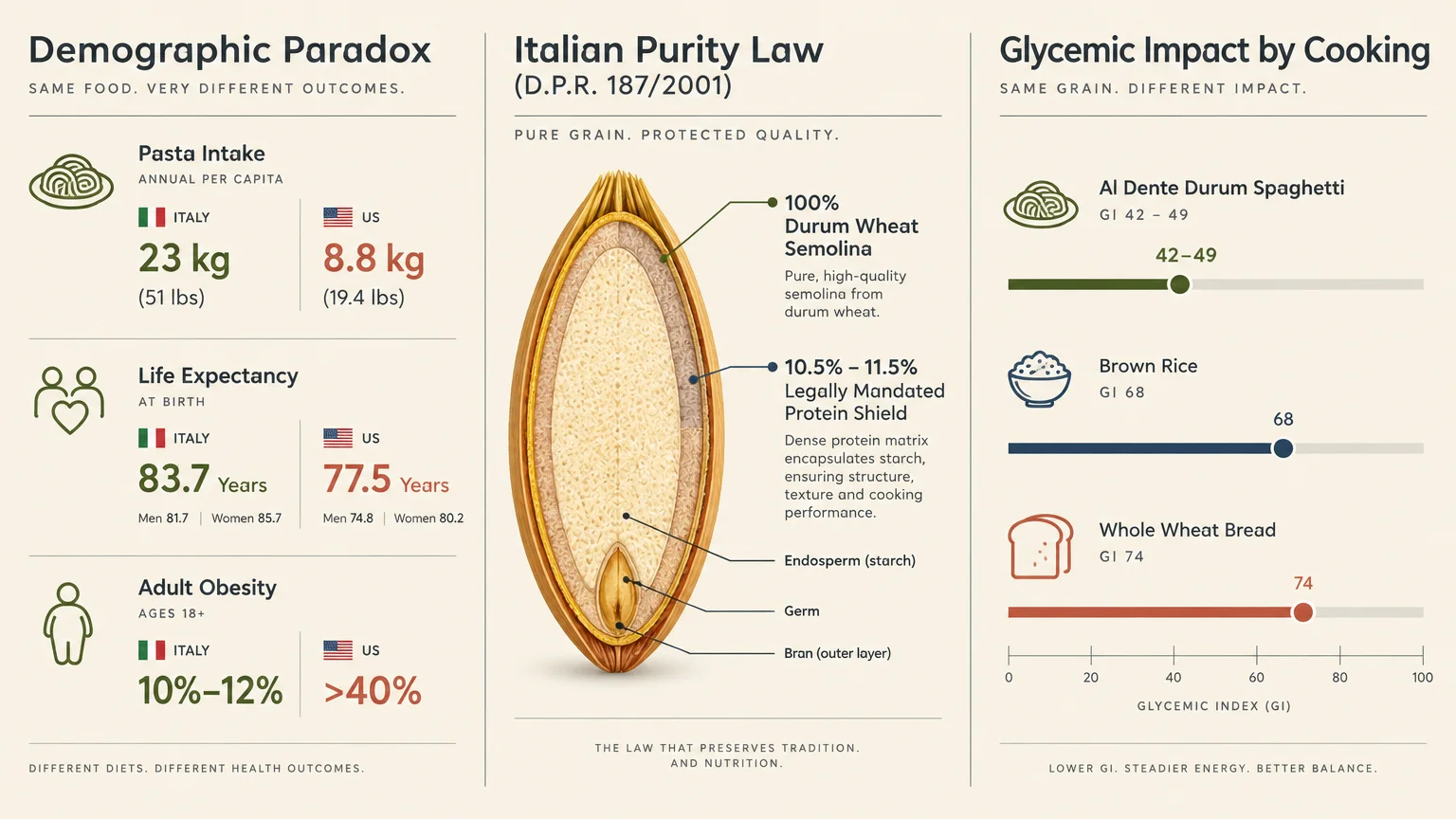
Italy consistently ranks among the healthiest nations on Earth. According to the Italian National Institute of Statistics report released in March 2026, Italian life expectancy reached 83.7 years overall.
Italian men achieve an average lifespan of 81.7 years; Italian women reach an impressive 85.7 years. These numbers prove that long life and regular carbohydrate consumption can comfortably coexist.
This longevity exists alongside world-leading pasta consumption. Data from the International Pasta Organization and Unione Italiana Food shows Italians consume approximately 23 to 23.5 kg of pasta per person annually.
That equals roughly 51 lbs of pasta every year for every Italian citizen. In contrast, people living in the United States consume roughly 8.8 kg, or 19.4 lbs, per year.
Despite eating more than double the pasta consumed by Americans, Italians maintain dramatically better metabolic health. Italy records an adult obesity rate of approximately 10% to 12%.
The United States faces an adult obesity rate exceeding 40%. Examining this striking contrast reveals that the type of food matters far less than how people prepare and consume it.
The Italian Pasta Purity Law and Grain Quality
The journey toward understanding pasta and longevity begins in the wheat field. In Italy, strict national regulations govern the composition of every single box of commercial dry pasta.
Italian law, established under Presidential Decree D.P.R. 187/2001, mandates that commercial dry pasta must contain 100% durum wheat semolina and water. This statute updated landmark legislation dating back to 1967.
The law strictly prohibits domestic manufacturers from using cheap, soft wheat flours. Furthermore, it dictates a legally mandated minimum protein content between 10.5% and 11.5% depending on extraction levels.
Durum wheat semolina differs fundamentally from the common wheat flour used in standard sandwich bread. Its compact protein structure creates a dense gluten matrix that firmly encapsulates starch granules during manufacturing.
Because digestive enzymes take longer to penetrate this protein shield, durum wheat digests slowly. Your digestive tract absorbs the resulting glucose gradually; sudden surges in circulating blood sugar remain rare.
This manufacturing standard ensures that even basic supermarket pasta in Italy behaves like a complex, slow-burning carbohydrate. High-grade semolina delivers enduring energy rather than the rapid spikes caused by refined pastries.
The Science of Al Dente Cooking and Blood Sugar
The culinary technique used to cook pasta alters its biological impact on your body. Italians universally cook their pasta al dente, meaning firm to the bite.
When pasta cooks al dente, the starch granules inside the durum wheat retain their crystalline structure. Your body must work harder and take more time to break down these dense starches.
As a result, durum wheat spaghetti cooked al dente carries a low-to-medium Glycemic Index of 42 to 49. This score proves significantly lower than whole wheat bread at 74.
It even ranks lower than brown rice, which carries a Glycemic Index of approximately 62. Many seniors feel surprised to discover that properly cooked semolina pasta spares their blood sugar so effectively.
Overcooking pasta thoroughly changes its internal chemistry. Boiling pasta until it becomes soft and limp gelatinizes the starches, raising the Glycemic Index to a range between 55 and 65.
Chilling cooked pasta introduces another remarkable metabolic benefit. Cooling pasta and reheating it converts standard digestible carbohydrates into resistant starch, dropping the Glycemic Index down to between 35 and 42.
Resistant starch bypasses digestion in your small intestine and travels straight to your colon. There, friendly gut microbes ferment it into beneficial short-chain fatty acids that nurture healthy metabolic function.
Clinical Evidence on Older Adults
Modern medical research strongly validates these traditional Mediterranean culinary customs. Rigorous clinical investigations confirm that pasta supports cardiovascular health and weight management when consumed appropriately.
A longitudinal study published in February 2025 in the Journal of the American Nutrition Association examined approximately 5,700 older adults aged 55 to 75. These participants enrolled in the multi-year PREDIMED-Plus clinical trial.
Researchers tracked dietary patterns over two years to observe changes in metabolic health markers. The results revealed meaningful advantages for seniors who chose pasta over other refined carbohydrate options.
Swapping refined staples like white bread, white rice, or potatoes for pasta led to greater reductions in body weight, body mass index, and waist circumference.
Crucially, this dietary swap produced no adverse effects on blood sugar or circulating triglycerides. Older adults enjoyed delicious meals while improving their body composition without compromising glycemic control.
These findings align with earlier evidence from the landmark Moli-sani and INHES studies. Those investigations analyzed more than 23,000 Italian men and women across diverse regions.
The researchers observed that regular pasta consumption within a Mediterranean pattern was negatively associated with body mass index, waist circumference, and waist-to-hip ratio. Pasta did not promote excess weight.
The Mediterranean Dietary Pattern as a Whole
Italians never view pasta as an isolated, standalone nutrient. Instead, they celebrate it as a flavorful vehicle for nutrient-dense vegetables, beans, and healthy monounsaturated fats.
This comprehensive eating pattern forms the foundation of the traditional Mediterranean diet. U.S. News and World Report recognized this eating framework as the number one Best Diet Overall for eight consecutive years.
During that historic run from 2018 through 2025, the diet earned an impressive score of 4.8 out of 5 stars. Global nutrition authorities repeatedly praise its balanced, sustainable design.
In January 2026, U.S. News retired its numerical ranking system and released its Top Health and Nutrition Trends for 2026 report. That report continues to highlight the Mediterranean diet under its food as medicine framework.
Viewing your dinner through this holistic lens changes how you approach carbohydrates. You do not need to eliminate beloved grain dishes to protect your heart, brain, and longevity.
Practical Tips for a Healthier, Happier Life
Honor Traditional Portion Sizes
Learning Italian longevity secrets begins with rethinking how much pasta you place in your bowl. In North America, restaurant bowls often hold massive mounds of noodles equivalent to four or five standard servings.
In Italian households, cooks view pasta as a primo piatto, or modest first course. It serves as an appetizer that precedes a protein course and a large plate of seasoned vegetables.
Standard Italian dietary guidelines define a single dry pasta serving as 60 to 80 grams. That modest quantity equals approximately 2 to 2.8 oz of dry pasta before cooking.
When boiled, this dry portion yields roughly one cup of cooked pasta. It provides satisfying, sustained energy without overloading your digestive system or triggering uncomfortable post-meal fatigue.
Try using a digital kitchen scale for a week to train your eye. You will quickly learn to recognize a nourishing, authentic portion without needing to measure every single time.
Cook Your Pasta Al Dente Every Time
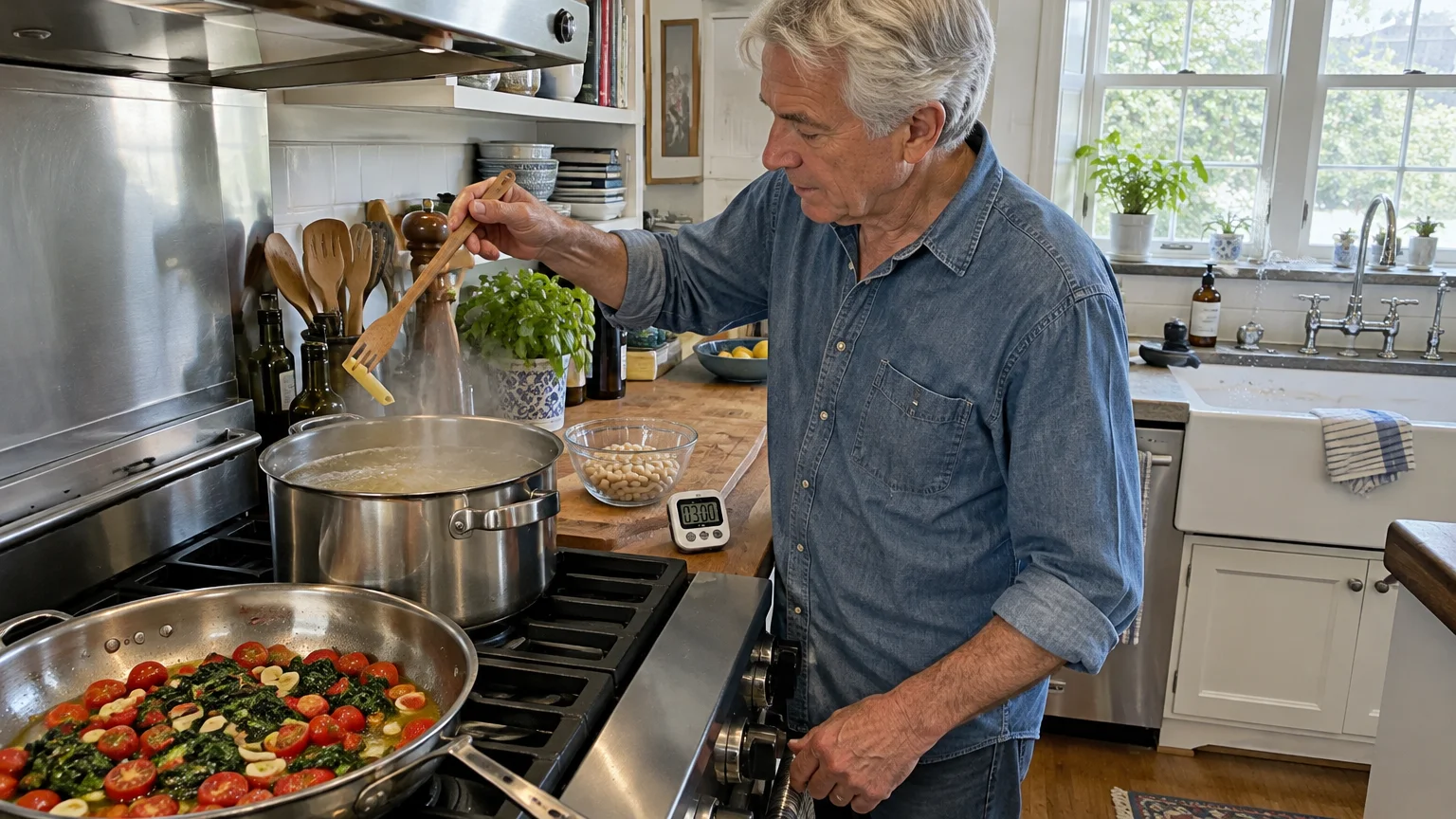
Perfecting your cooking timing transforms standard pasta into a gentle, low-glycemic fuel. Keep a watchful eye on your stovetop rather than wandering away while the water boils.
Check the package instructions and begin testing the texture two minutes before the suggested cooking time elapses. The pasta should feel tender on the outside while maintaining a pleasant, toothsome core.
If you bite a strand of spaghetti in half, you should see a tiny white speck in the exact center. That microscopic ring indicates that the inner starches have remained structurally intact.
Cooking your noodles al dente prevents rapid enzyme breakdown in your mouth and stomach. It keeps your post-meal energy level steady and guards against mid-afternoon slumps.
Drain your pasta immediately when it achieves this firm texture. Never leave warm pasta sitting in hot cooking water, because lingering heat continues to soften the delicate starches.
Pair Pasta with Healthy Mediterranean Fats
Italians never eat plain, unseasoned pasta. Instead, they dress every batch with generous drizzles of extra virgin olive oil.
High-quality extra virgin olive oil supplies monounsaturated fatty acids and potent polyphenols. These healthy plant compounds protect your blood vessels and fight chronic cellular inflammation.
Dietary fats also play an essential role in regulating your carbohydrate metabolism. Fat slows down gastric emptying, which causes food to leave your stomach at a slower, steadier rate.
This delayed digestion creates a gradual, continuous release of glucose into your bloodstream. Pairing pasta with healthy lipids keeps you feeling satiated and energized for hours.
Choose cold-pressed extra virgin olive oil with a peppery, fresh aroma. Stir a tablespoon into your warm pasta just before serving to preserve its delicate, health-giving antioxidants.
Load Your Plate with Colorful Vegetables
Authentic Italian home cooking relies on vegetables to create volume, vibrant color, and deep flavor. Think of pasta as an aromatic carrier for garden produce rather than the sole star.
Sauté broccoli rabe, zucchini, sweet bell peppers, or tender spinach in olive oil with smashed garlic. Fold these nutrient-rich greens directly into your pasta bowl in equal proportions.
Adding equal volumes of vegetables doubles your meal size while cutting total calories in half. You get to enjoy a visually abundant plate without consuming excess starch.
Vegetables deliver essential dietary fiber, carotenoids, and vital trace minerals. Soluble and insoluble plant fibers further slow carbohydrate absorption while nurturing a thriving gut microbiome.
Fresh or canned whole plum tomatoes make an outstanding base for daily pasta sauces. Simmering tomatoes in olive oil releases lycopene, an antioxidant that supports cardiovascular and prostate health.
Combine Pasta with Plant Proteins and Legumes
Classic Italian culinary tradition frequently combines small pasta shapes with hearty, protein-rich legumes. Famous regional dishes like pasta e fagioli and pasta e ceci exemplify this nourishing concept.
Cannellini beans, chickpeas, and brown lentils offer exceptional nutritional benefits for mature adults. They provide generous amounts of plant protein, dietary potassium, and natural soluble fiber.
Blending legumes with durum semolina forms a complete protein containing all essential amino acids. This combination helps seniors preserve lean muscle mass and maintain strong functional mobility.
Legumes also possess an exceptionally low glycemic impact. When mixed with pasta, they further dampen blood sugar fluctuations and promote long-lasting, comfortable digestive fullness.
Keep canned cannellini beans or cooked lentils in your pantry for quick meal preparation. Stirring half a cup of beans into your pasta creates a rustic, deeply comforting dinner in minutes.
Use the Cool-and-Reheat Technique for Resistant Starch
You can easily upgrade the nutritional profile of your pasta through simple temperature management. Preparing pasta in advance and chilling it overnight provides an easy metabolic advantage.
As cooked pasta cools inside your refrigerator, its molecular structure undergoes a natural process called starch retrogradation. Starch chains realign into tight crystalline formations that resist normal enzymatic digestion.
Reheating your pasta the following day preserves these newly created resistant starches. The reheated dish continues to deliver a significantly lower glycemic impact than freshly boiled noodles.
This smart preparation technique turns dinner leftovers into an ally for healthy aging. You can prepare batch meals on Sunday to enjoy effortless, gut-friendly lunches throughout the week.
Toss chilled pasta with diced cucumbers, cherry tomatoes, kalamata olives, and olive oil for a refreshing lunch. This traditional Mediterranean pasta salad provides clean fuel without afternoon fatigue.
Turn Every Meal into a Mindful Ritual
Italian food culture extends far beyond the ingredients simmering in the kitchen. How you eat matters just as much as what you place upon your plate.
In Italy, meals represent unhurried social gatherings rather than hurried tasks squeezed between busy chores. Seniors sit down at set tables, breathe deeply, and savor every mouthful.
Eating slowly and chewing thoroughly allows digestive enzymes in your saliva to begin gentle breakdown. It also gives your brain the necessary twenty minutes to register physiological fullness cues.
Rushing through meals while watching television or looking at screens often leads to unconscious overeating. Distracted dining can also cause poor chewing, leading to bloating and digestive distress.
Set a peaceful table, play relaxing music, and share meals with family or close friends whenever possible. Joyful, mindful eating reduces stress hormones and promotes smooth digestive function.
Take a Gentle Post-Meal Walk
After finishing lunch or dinner, Italians frequently engage in a cherished tradition called the passeggiata. This gentle, social evening stroll helps clear the mind and ease digestion.
Engaging in light movement after eating prompts your skeletal muscles to absorb glucose directly from circulation. This process operates independently of insulin, naturally keeping your blood sugar steady.
A relaxed fifteen-minute walk around your neighborhood or garden provides powerful metabolic support. It stimulates healthy stomach motility and prevents uncomfortable acid reflux after dinner.
You do not need strenuous exercise to reap these remarkable health rewards. A comfortable, leisurely stroll at your own pace works wonders for your digestion and sleep quality.
Important Safety Precautions to Keep in Mind
Mind Your Overall Carbohydrate Budget
While pasta easily fits into a healthy lifestyle, older adults must maintain mindful carbohydrate balance. Aging naturally reduces basal metabolic rate and alters how your muscles store circulating glycogen.
If you enjoy a modest bowl of pasta at lunch, balance the rest of your daily meals accordingly. Choose lighter, protein-focused dishes with leafy greens for your evening dinner.
Avoid pairing pasta with additional dense starches in the very same sitting. Serving pasta alongside garlic bread, breadsticks, or sweetened desserts creates unnecessary carbohydrate overload.
Focus instead on building plates where pasta occupies only one quadrant of your visual space. The remaining space belongs to colorful seasonal vegetables and wholesome proteins.
Address Gluten Sensitivities Safely
Traditional durum wheat pasta contains natural gluten proteins that provide its signature chewy texture. For individuals diagnosed with celiac disease, consuming any wheat triggers harmful autoimmune reactions.
Non-celiac wheat sensitivity can also cause gas, joint discomfort, or brain fog in susceptible seniors. If you suspect an intolerance, discuss your symptoms with a physician before changing your diet.
High-quality gluten-free alternatives made from chickpea flour, brown rice, or yellow lentils provide wonderful options. These nutrient-dense substitutes allow you to enjoy traditional recipes without gastrointestinal irritation.
Watch for Hidden Sodium in Commercial Sauces
Many commercial pasta sauces sold in North American supermarkets contain startling amounts of added sodium and refined sugars. High sodium intake strains cardiovascular health and raises blood pressure.
Always read nutritional labels carefully before purchasing pre-made marinara or pasta sauces. Choose brands that list no added sugars and feature minimal sodium content.
Better yet, craft quick homemade sauces using crushed canned plum tomatoes, fresh garlic, basil, and olive oil. Cooking from scratch gives you total control over sodium and seasoning levels.
Consider Swallowing and Chewing Comfort
Dental health and swallowing ability can change as we advance through our senior years. While al dente cooking offers metabolic perks, food must always remain safe and easy to chew.
If firm pasta causes chewing difficulty or fatigue, cook it slightly longer to achieve a softer texture. Alternatively, choose small pasta shapes like orzo, ditalini, or stelline that swallow easily.
Never sacrifice physical chewing safety for minor glycemic benefits. You can easily moderate blood sugar response by adding healthy fats, fiber, and lean protein to your bowl.
Pay Attention to Digestive Tolerance
Introducing higher amounts of dietary fiber from legumes and vegetables requires gentle patience. If your digestive tract feels unaccustomed to fiber, increase your intake slowly over several weeks.
Drink plenty of fresh water throughout the day to support comfortable bowel motility. Staying well hydrated allows soluble fibers to move smoothly through your digestive tract without bloating.

When to Speak with a Healthcare Professional
Navigating Medication Adjustments for Blood Sugar
Consulting your primary physician or registered dietitian ensures your dietary changes support your medical history. Personalized guidance is especially critical if you take prescription medications for chronic health conditions.
Seniors taking insulin or oral diabetes medications like sulfonylureas must monitor blood sugar closely when altering carbohydrate intake. Changing your pasta portions or preparation methods can shift your daily glucose readings.
Your doctor can adjust your medication dosages to prevent unexpected hypoglycemia or elevated morning readings. Never alter prescribed pharmaceutical treatments on your own without professional medical supervision.
Identifying Symptoms That Need Immediate Evaluation
Schedule an appointment with your healthcare provider if you experience persistent digestive pain after eating pasta. Recurring symptoms like severe abdominal cramping, prolonged diarrhea, or chronic heartburn warrant prompt medical attention.
Unexpected weight loss, severe lethargy, or chronic changes in bowel habits also require formal clinical investigation. These warning signs may indicate underlying gastrointestinal disorders that require specialized therapeutic care.
Creating a Safe and Personalized Nutritional Plan
A registered dietitian specializing in geriatric nutrition can tailor traditional Mediterranean dietary patterns to your distinct physiological needs. They help you balance macronutrients while honoring your favorite cultural comfort foods.
Seeking professional support empowers you to make confident, sustainable lifestyle adjustments. Working alongside healthcare professionals ensures that every dietary choice safely advances your long-term wellness and vitality.
For authoritative, trustworthy health information, always consult official sources like the National Institute on Aging (NIA) and MedlinePlus from the National Library of Medicine. The CDC also provides excellent resources for older adults.
Disclaimer: This article is for informational purposes only and does not constitute medical advice. Always seek the advice of your physician or other qualified health provider with any questions you may have regarding a medical condition.
Frequently Asked Questions
Is dry durum wheat pasta better for seniors than whole wheat pasta?
Both options offer distinct nutritional benefits for older adults. Whole wheat pasta provides higher levels of dietary fiber, trace minerals, and natural B vitamins.
However, traditional durum wheat semolina pasta cooked al dente maintains a low glycemic index and proves easier to digest. Many seniors with sensitive digestive tracts tolerate durum semolina with far less gas or bloating.
Can seniors with type 2 diabetes still eat pasta safely?
Yes, seniors living with type 2 diabetes can safely include pasta within a balanced nutritional framework. The key lies in portion management, al dente preparation, and mindful meal pairings.
Keep your dry serving to 60 grams, cook it firm to the bite, and pair it with olive oil and vegetables. Always check with your doctor and monitor your blood sugar to confirm personal tolerance.
Why does cooling cooked pasta reduce its impact on blood sugar?
Chilling cooked pasta in the refrigerator triggers starch retrogradation. This chemical transformation converts standard, easily digestible starches into resistant starch that your small intestine cannot rapidly break down.
As a result, glucose enters your bloodstream at a much slower rate. The resistant starch then travels to your large intestine, where it feeds beneficial gut bacteria that support healthy metabolic regulation.
How many times per week do Italians typically eat pasta?
Most traditional Italians consume pasta several times per week, often enjoying a modest portion once daily. They treat it as an integral component of a balanced, active lifestyle rather than an occasional indulgence.
Their overall lifestyle includes abundant fresh vegetables, regular walking, modest portion sizes, and shared meals. This complete cultural package explains why pasta remains a cornerstone of Italian longevity and vitality.