Adding healthy peanut butter to your daily menu delivers sustained vitality, muscle support, and heart-healthy nutrients without complicated meal preparation. A single serving provides vital plant protein and healthy fats that nourish your body through your golden years.
Many older adults worry that this classic spread is too rich or heavy for everyday meals. When you choose the best peanut butter and pair it with fiber-rich ingredients, you unlock significant peanut butter benefits for your active routine.
Discover delicious peanut butter snacks and wholesome culinary pairings designed to enhance your vitality and protect your health. These gentle ideas make everyday nutrition simple and thoroughly enjoyable.
Understanding the Basics of Peanut Butter Nutrition for Seniors
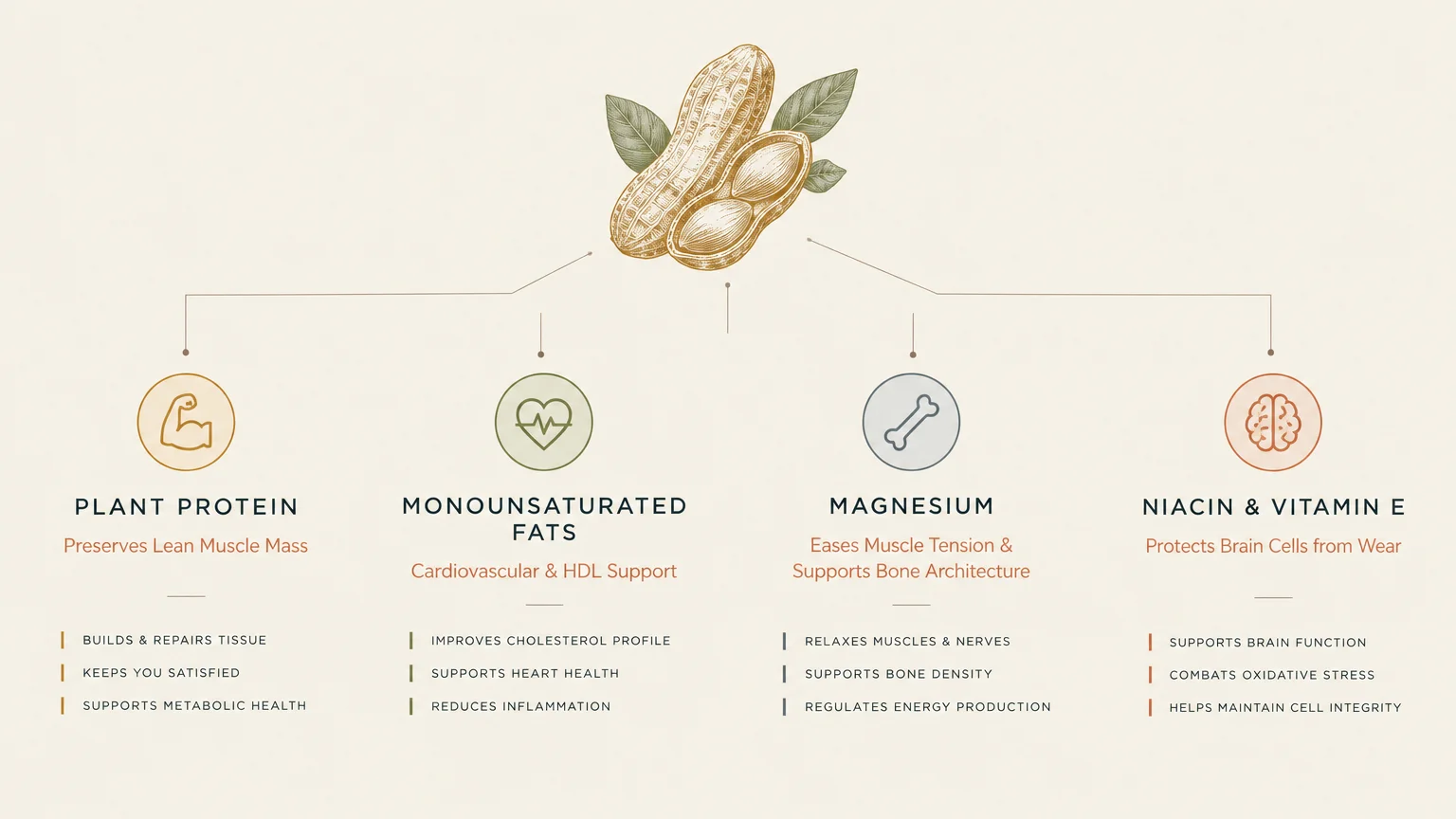
Peanut butter nutrition offers a dense supply of energy, plant protein, and healthy monounsaturated fats. These essential components provide your body with the fuel it requires for daily walks, gardening, and family gatherings.
As your body ages, preserving lean muscle mass becomes an essential priority for independence. Peanut butter delivers concentrated amino acids that help rebuild muscle tissue after daily physical activities.
The monounsaturated and polyunsaturated fats inside peanuts actively support your cardiovascular system. These beneficial fats help maintain healthy cholesterol levels by lowering low-density lipoprotein markers while preserving protective high-density lipoprotein levels.
Peanut butter benefits extend directly into your nervous system as well. Peanuts contain rich amounts of niacin and vitamin E, two vital micronutrients that protect brain cells from normal cellular wear.
A steady blood sugar response protects your energy levels from rapid spikes and subsequent crashes. Peanut butter carries a remarkably low glycemic index, which helps stabilize your glucose levels after balanced meals.
Magnesium inside peanuts supports over three hundred enzymatic reactions throughout your body. This essential mineral eases muscle tension, supports restful nighttime sleep, and contributes to resilient bone architecture.
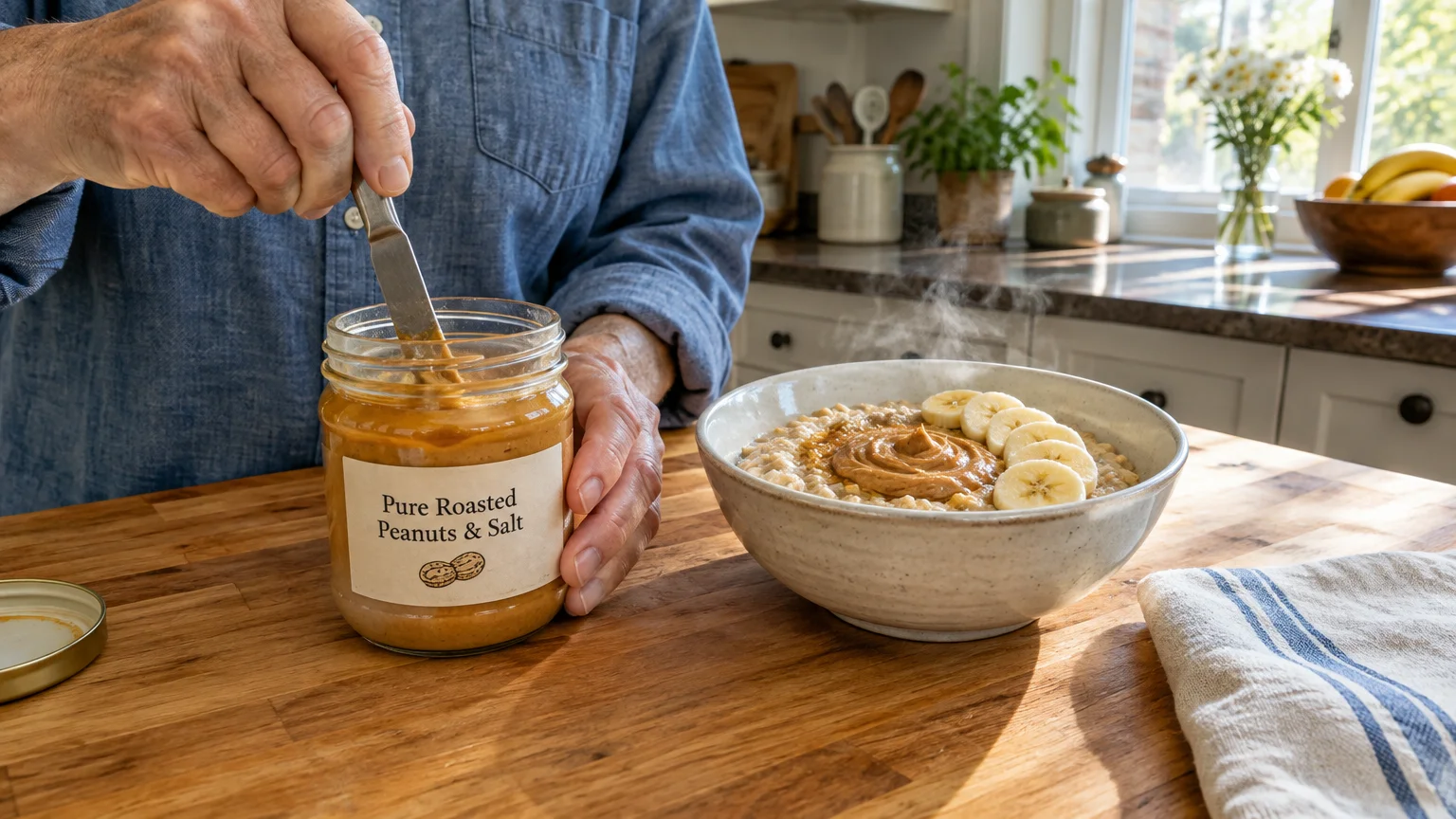
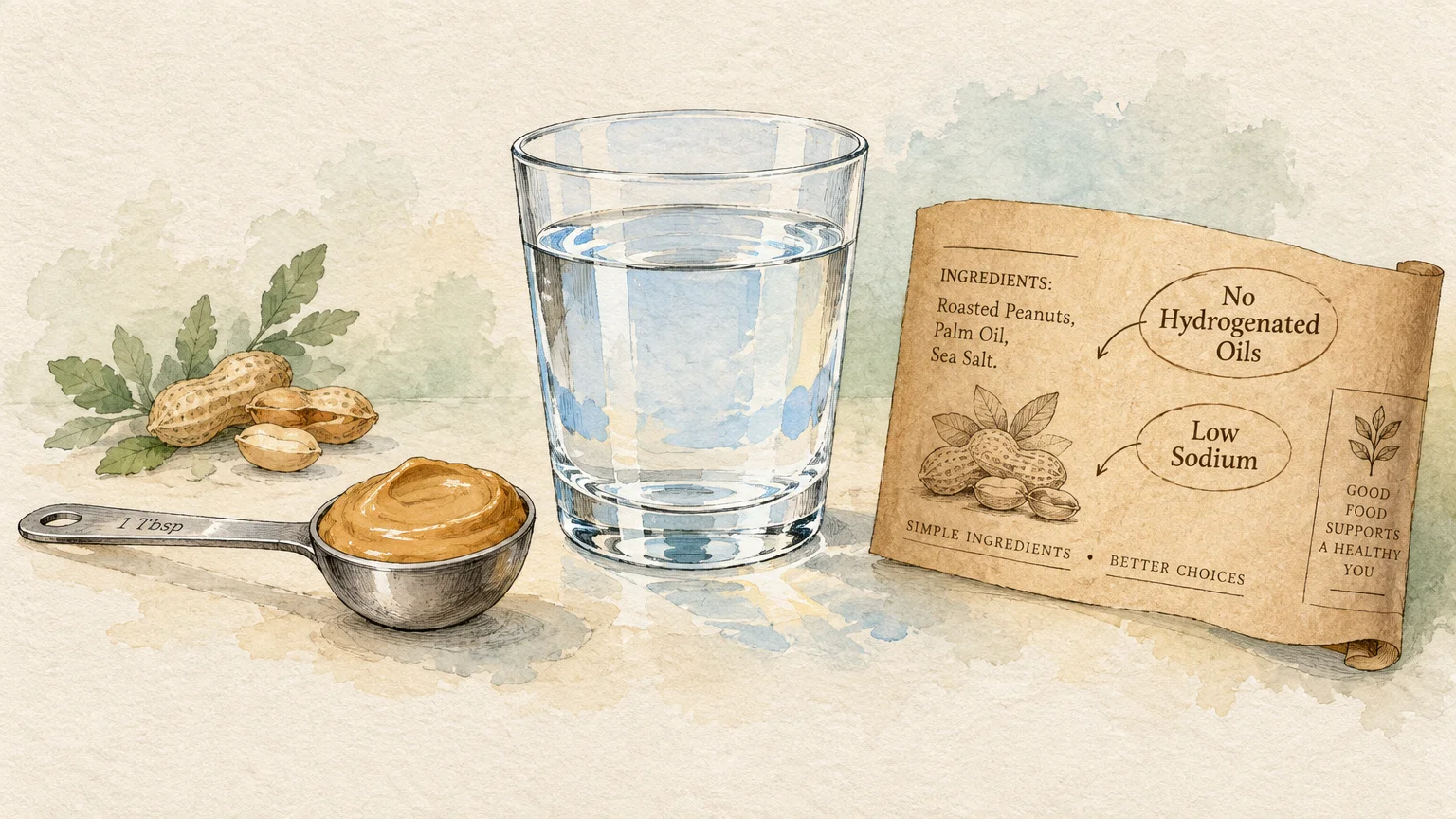
Finding the best peanut butter requires a quick look at the ingredient statement on the jar. Quality brands contain only roasted peanuts and perhaps a gentle touch of salt.
Commercial processing often introduces hydrogenated oils to prevent natural oil separation on grocery store shelves. These artificial trans fats can harm your vascular elasticity and undermine your cardiovascular health goals.
Many manufacturers also blend cane sugar, molasses, or high-fructose corn syrup into their jars. You can easily avoid these hidden sugars by selecting jars labeled as pure, natural peanut butter.
Natural oil separation is completely normal in wholesome peanut butter jars without chemical stabilizers. You simply stir the natural oils back into the spread before storing the jar in your refrigerator.
Sodium content varies significantly across commercial brands and product lines. Choosing an unsalted or low-sodium variety protects your blood pressure while allowing the authentic, rich peanut flavor to shine.
Digestive changes are a natural part of growing older that deserve thoughtful consideration. Smooth peanut butter digests gently, providing wholesome energy without stressing your stomach lining or sensitive digestive tract.
Maintaining strong bones requires synergistic nutrients like magnesium, phosphorus, and plant protein working in harmony. Peanut butter supplies these structural minerals in an easily absorbable and pleasant form.
Appetite changes sometimes cause seniors to skip meals or eat insufficient portions throughout the day. A small portion of peanut butter packs significant nourishment into just a few satisfying spoonfuls.
Sustained energy prevents the mid-afternoon fatigue that often tempts people toward refined sugar snacks. Wholesome peanut butter burns slowly in your digestive system, providing steady stamina for hours.
Understanding these foundational nutritional facts empowers you to make confident choices at your local market. Wholesome ingredients create the bedrock for vibrant health, robust longevity, and daily comfort.
Practical Tips for a Healthier, Happier Life
Integrating healthy peanut butter into your routine does not require complicated recipes or gourmet culinary skills. Small adjustments to your everyday meals can produce profound benefits for your strength, digestion, and daily vitality.
Focus on pairing peanut butter with whole grains, fresh fruits, and colorful vegetables. These wholesome combinations provide balanced macronutrients that support your body throughout the aging process.
1. Swirled into Warm Morning Oatmeal
Begin your morning by stirring a tablespoon of creamy peanut butter into freshly cooked rolled oats. The residual heat melts the spread, creating a velvety texture that feels comforting and luxurious.
Oatmeal provides beta-glucan soluble fiber, which actively supports healthy cholesterol numbers and smooth bowel movements. Combining this soluble fiber with plant-based fat slows digestion and stabilizes your morning blood sugar.
Top your warm bowl with a sprinkle of ground cinnamon for added warmth and natural sweetness. Cinnamon also supports glucose regulation, creating a synergistic breakfast that keeps you focused until lunchtime.
If the oatmeal feels too thick, stir in an extra splash of warm milk or almond milk. This simple step makes swallowing effortless while adding extra calcium to your breakfast.
This morning ritual takes under five minutes to prepare on your stove or in the microwave. It provides dependable physical energy without the jittery crashes linked to sweetened morning pastries.
2. Sliced Apple or Crisp Pear Dippers
Pairing crisp apple slices with creamy peanut butter creates a classic, nutrient-dense afternoon snack. The crisp crunch of orchard fruit contrasts beautifully with the rich, savory depth of peanut spread.
Apples and pears supply pectin, a valuable dietary fiber that nourishes the beneficial microbes living in your gut. A healthy gut microbiome strengthens your immune system and enhances nutrient absorption as you age.
Slice your fruit thinly to make each bite effortless to chew and comfortably gentle on dental work. Dip each delicate slice into a modest portion of healthy peanut butter for balanced nourishment.
Choose bright red or deep green apples to maximize your intake of protective antioxidant flavonoids. These plant compounds combat oxidative stress and promote healthy arterial blood flow throughout your entire body.
Enjoying this wholesome snack mid-afternoon curbs cravings for processed cookies or potato chips. It satisfies your natural desire for sweetness while delivering genuine nourishment to your cells.
3. Creamy Nutrient-Packed Green Smoothies
Blending peanut butter into a green smoothie softens the earthy flavor of leafy vegetables like spinach or kale. The rich peanut aroma masks bitterness, making dark leafy greens delicious and highly approachable.
Leafy greens provide folate, lutein, and vitamin K, which safeguard your cognitive function and ocular health. Healthy fats from peanut butter dramatically improve your body’s absorption of these fat-soluble vitamins.
Add half a frozen banana, a cup of baby spinach, your preferred milk, and one tablespoon of peanut butter. Blend the mixture thoroughly until it achieves a silky, uniform consistency without chunks.
Smoothies offer a gentle hydration option for seniors who find drinking plain water monotonous during the day. The cooling liquid soothes your throat while delivering a balanced blend of protein and vitamins.
Sip your blended smoothie slowly through a wide straw or from a comfortable mug during quiet morning hours. This provides a refreshing burst of vitality that supports your active lifestyle.
4. Savory Sesame Peanut Sauce Over Tender Vegetables
Peanut butter shines in savory culinary applications just as brilliantly as it does in sweet snacks. You can whisk creamy peanut butter with warm water, low-sodium soy sauce, and a dash of sesame oil.
Drizzle this flavorful sauce over steamed broccoli, carrots, snap peas, and tender baked chicken breast or tofu. The savory coating transforms ordinary steamed vegetables into a vibrant, restaurant-worthy culinary experience.
Steaming your vegetables softens tough plant fibers, making them tender to chew and easy for your stomach to process. The peanut sauce adds essential calories and healthy fats to support your physical vitality.
A touch of grated fresh ginger in the sauce stimulates gastric juices and aids comfortable digestion. Ginger also contains natural anti-inflammatory compounds that soothe aching joints and muscles.
Prepare a small jar of this versatile sauce to keep inside your refrigerator for convenient weekly dinners. It simplifies healthy home cooking on evenings when your energy levels feel low.
5. Whole-Grain Sourdough Toast with Chia Seeds and Bananas
Toast a slice of hearty whole-grain sourdough bread until it turns fragrant and golden brown. Spread a thin layer of healthy peanut butter across the surface while the bread remains warm.
Arrange thin banana slices across the toast and finish with a light dusting of black chia seeds. Chia seeds provide plant-based omega-3 fatty acids that support heart health and reduce chronic inflammation.
Naturally fermented sourdough bread digests easily and possesses a lower glycemic impact than standard white bread. The fermentation process breaks down complex starches, making it gentler on sensitive mature stomachs.
Bananas contribute high levels of potassium, which counteracts dietary sodium and assists in healthy blood pressure maintenance. Potassium also supports normal muscular contraction and prevents painful nighttime leg cramps.
This balanced combination delivers a delightful interplay of textures that feels deeply satisfying at breakfast or lunch. It proves that wholesome eating can remain deeply pleasurable and simple to prepare.
6. Swirled into Plain High-Protein Greek Yogurt
Fold a spoonful of natural peanut butter into a bowl of plain, unsweetened Greek yogurt. The mixture creates a decadent mousse-like texture that tastes rich while remaining remarkably wholesome.
Greek yogurt provides concentrated whey and casein proteins, alongside live active probiotic cultures that nourish your gut. Probiotics maintain intestinal integrity and support efficient daily bowel regularity for older adults.
The substantial protein content in this snack preserves skeletal muscle integrity and prevents unintentional age-related weight loss. Pairing protein with wholesome fats keeps your hunger satisfied for several hours.
Add a light drizzle of raw local honey if you prefer a subtle touch of natural sweetness. Raw honey supplies helpful floral enzymes and gentle antioxidants without artificial chemical additives.
Enjoy this creamy dish as a post-walk recovery snack or as a wholesome evening dessert. It nourishes your body with restorative nutrients while you unwind before bedtime.
7. Crunchy Celery Stalks with Plump Golden Raisins
Rediscover the timeless childhood favorite of celery stalks filled with smooth peanut butter and topped with raisins. This playful snack provides high dietary fiber, essential hydration, and a satisfying textural contrast.
Celery contains over ninety percent water, helping you maintain optimal cellular hydration throughout dry seasonal weather. Proper hydration supports cognitive clarity, kidney function, and supple joint lubrication in your daily routine.
Plump golden raisins supply concentrated boron, a trace mineral that supports bone health and estrogen metabolism. Raisins also deliver natural sweetness without requiring refined sugars or artificial flavoring agents.
Remove the tough outer strings from mature celery ribs using a vegetable peeler before assembling your snack. This thoughtful adjustment makes every bite tender, crisp, and completely comfortable to chew.
Prepare several filled stalks ahead of time and store them in an airtight container in your refrigerator. Having healthy peanut butter snacks readily available prevents impulsive snacking on processed pantry foods.
8. No-Bake Peanut Butter and Rolled Oat Energy Bites
Combine rolled oats, creamy peanut butter, ground flaxseeds, and a touch of pure maple syrup in a mixing bowl. Roll the blended mixture into bite-sized balls and chill them inside your refrigerator.
These no-bake energy bites provide a portable, shelf-stable snack that you can carry in your bag. They offer an immediate source of clean energy during afternoon outings or community social events.
Ground flaxseeds supply lignans and alpha-linolenic acid, which support arterial elasticity and overall cardiovascular well-being. Grinding the flaxseeds ensures that your digestive system can absorb every beneficial nutrient effectively.
Keep a batch stored in your refrigerator for up to two weeks for quick, effortless nourishment. Grabbing one or two bites satisfies mid-morning hunger without requiring any cooking or dishwashing.
Customize your energy bites by adding unsweetened shredded coconut or a small handful of dark chocolate chips. Dark chocolate delivers potent cocoa flavanols that support healthy cerebral blood circulation.
Mastering these eight versatile methods allows you to enjoy peanut butter benefits across diverse meals and settings. Creative culinary variety keeps your healthy diet exciting, delicious, and easy to maintain long-term.
Important Safety Precautions to Keep in Mind
While peanut butter provides immense nutritional value, older adults must approach its consumption with practical awareness. Paying attention to swallowing mechanics, serving sizes, and product quality ensures a safe, rewarding experience.
Swallowing difficulties, medically termed dysphagia, occur more frequently as throat muscles naturally weaken over time. Thick, sticky peanut butter can pose a serious choking hazard if eaten directly from a spoon.
Always spread peanut butter thinly on toast or thin it with warm water, milk, or yogurt before eating. Thinning the consistency prevents the spread from adhering stubbornly to the roof of your mouth.
Take small, deliberate bites and chew thoroughly before attempting to swallow your food. Keep a glass of water nearby to wash down each mouthful comfortably and safely.
Calorie density requires mindful portion control, especially if you lead a less active or sedentary lifestyle. Two tablespoons of peanut butter supply substantial calories, which can lead to unintended weight gain if unmonitored.
Use a standard measuring spoon rather than guessing portion sizes straight from the jar with a dinner spoon. Measuring ensures you receive optimal peanut butter nutrition without exceeding your daily caloric targets.
Check the sodium content on nutrition labels, especially if your doctor manages your blood pressure with medication. Many conventional commercial brands add excessive salt that works against your cardiovascular treatment plan.
Select unsalted varieties whenever possible to maintain complete personal control over your daily sodium consumption. You can add a minute pinch of sea salt at home if your palate requires flavor enhancement.
Proper storage protects natural peanut butter from developing rancidity or harmful mold toxins over extended periods. Because natural varieties lack hydrogenated oils, their delicate polyunsaturated fats spoil faster when exposed to heat.
Store your natural peanut butter jars upside down in your pantry initially to distribute rising oils evenly. Once stirred and opened, transfer the jar to your refrigerator to preserve freshness and slow oxidation.
Be mindful of potential food allergies, which can occasionally emerge unexpectedly even in later adulthood. Stop eating immediately and seek evaluation if you experience oral tingling, hives, or breathing discomfort.
Prioritizing these straightforward safety measures allows you to savor every meal with total peace of mind. Thoughtful dietary habits protect your well-being while letting you enjoy the foods you love.

When to Speak with a Healthcare Professional
Your unique medical history, prescription medications, and physical constitution dictate the dietary choices that suit you best. Never hesitate to discuss your daily nutritional plan with your primary care doctor or registered dietitian.
Consult a medical professional immediately if you experience persistent coughing, throat clearing, or choking sensations while eating peanut butter. A speech-language pathologist can assess your swallowing function and recommend safe food consistencies.
Individuals diagnosed with chronic kidney disease must monitor their intake of dietary phosphorus and potassium carefully. Peanuts contain meaningful amounts of both minerals, which compromised kidneys may struggle to filter effectively.
Speak with your physician if you struggle with frequent acid reflux, gastroesophageal reflux disease, or recurring heartburn. The high fat content in peanut butter can occasionally relax the lower esophageal sphincter and trigger discomfort.
Schedule a consultation if you notice unexplained digestive distress, persistent abdominal cramping, or sudden changes in bowel habits. A registered dietitian can help identify whether specific food components are irritating your digestive tract.
Review your daily calorie and protein targets with your healthcare team if you are recovering from illness or surgery. They can tailor specific portion recommendations that accelerate your physical recovery and muscle rebuilding.
Bring a list of your regular foods and daily supplements to your annual wellness visits. Open communication ensures your healthcare providers understand your lifestyle habits and can offer personalized, holistic guidance.
Your doctor can also evaluate how your diet interacts with medications such as statins, blood thinners, and diuretics. Working collaboratively with medical professionals ensures your dietary choices reinforce your overall healthcare strategy.
For authoritative, trustworthy health information, always consult official sources like the National Institute on Aging (NIA) and MedlinePlus from the National Library of Medicine. The CDC also provides excellent resources for older adults.
Empowering yourself with reliable clinical knowledge allows you to navigate dietary changes safely and effectively. Professional medical guidance remains your most dependable resource for safeguarding your ongoing vitality and wellness.
Frequently Asked Questions
Can peanut butter trigger acid reflux in older adults?
Yes, peanut butter can provoke acid reflux or heartburn in individuals prone to gastroesophageal sensitivities. Its rich fat content slows gastric emptying, which places upward pressure on your lower esophageal valve.
To prevent reflux symptoms, limit your portion to one level tablespoon and avoid eating peanut butter right before bedtime. Remaining upright for at least two hours after eating allows gravity to assist digestion naturally.
Pairing peanut butter with alkaline foods like bananas or oatmeal can also buffer stomach acids effectively. If heartburn persists despite these gentle adjustments, discuss alternative plant-based nut butters with your physician.
Which is healthier for seniors, creamy or crunchy peanut butter?
Both creamy and crunchy varieties offer nearly identical nutritional profiles, delivering comparable amounts of protein, fat, and fiber. The primary distinction lies in their physical texture and how easily your mouth processes them.
Creamy peanut butter is generally safer for seniors with dental work, dentures, or subtle swallowing difficulties. It spreads smoothly and eliminates hard peanut fragments that could irritate sensitive gums or pose choking risks.
If your chewing function is strong and your doctor approves, crunchy peanut butter remains a delightful option. Simply chew each bite mindfully to ensure complete breakdown before swallowing.
What is the recommended daily portion size for seniors?
A standard serving size of healthy peanut butter is two level tablespoons, providing roughly eight grams of protein. However, many older adults find that one to two tablespoons daily perfectly meets their nutritional needs.
Adjust your daily intake based on your activity level, metabolic goals, and personal weight management priorities. Those seeking to maintain weight can enjoy two tablespoons, while less active individuals may prefer one.
Spreading your portion across different meals helps maintain stable blood sugar and steady physical stamina. Using measured spoonfuls prevents unintended excess while delivering vital peanut butter benefits every single day.
Should you refrigerate all-natural peanut butter?
Yes, you should store natural peanut butter in your refrigerator after thoroughly blending the separated surface oils. Cold temperatures slow the natural oxidation process, preventing delicate unsaturated fats from becoming rancid or stale.
Chilling the jar also firms the spread, preventing messy oil separation from recurring every time you reach for it. If the cold spread feels too firm, let your portion sit at room temperature for five minutes.
A properly refrigerated jar of natural peanut butter will retain its fresh flavor and nutritional value for several months. Always use a clean, dry utensil when scooping to prevent introducing moisture or bacteria.
Disclaimer: This article is for informational purposes only and does not constitute medical advice. Always seek the advice of your physician or other qualified health provider with any questions you may have regarding a medical condition.