Swelling in your ankles, feet, or hands can restrict your movement and cause daily frustration. Choosing nutrient-rich whole foods provides gentle relief by helping your body release trapped fluids.
Tissues often hold onto extra fluid because of sluggish circulation, mineral imbalances, or prolonged sitting. Nourishing your body with purposeful ingredients calms internal stress and supports natural fluid balance.
You can easily manage everyday puffiness by adopting a targeted reduce inflammation diet. Simple additions to your grocery basket will help restore your vitality and comfort.

Understanding the Basics of Swelling for Seniors
Swelling, clinically termed edema, happens when fluid becomes trapped inside your body’s tissues. It most commonly affects your lower legs, ankles, and feet due to gravity.
As you grow older, your veins lose some of their natural elasticity. Weakened venous valves struggle to pump blood upward, allowing fluid to pool during the day.
Age-related shifts in your kidneys also influence how your body balances water. When kidneys filter more slowly, excess fluid accumulates in surrounding cellular spaces.
Chronic low-grade inflammation often amplifies this problem. Inflammatory signals weaken small blood vessels, making them more permeable and prone to leaking fluid.
Your lymphatic system also plays a crucial role in fluid management. This specialized network collects excess fluid from tissues and returns it to your bloodstream.
When systemic inflammation strains your lymphatic channels, fluid drainage slows down. Stagnant fluid then settles into your tissues, causing tightness and visible puffiness.
Sedentary routines can make lower extremity swelling considerably worse. Without regular calf muscle contractions, your veins lack the mechanical support needed to push fluids upward.
Your daily food choices exert direct control over how your body manages liquids. High dietary sodium pulls water into your bloodstream and tissues, creating noticeable swelling.
Fortunately, potassium acts as sodium’s natural physiological partner. Eating potassium-rich anti-inflammatory foods signals your kidneys to excrete excess sodium through urine.
Magnesium also supports healthy fluid equilibrium throughout your vascular network. This essential mineral relaxes the smooth muscle lining your blood vessels, easing blood flow.
Capillary health depends heavily on the antioxidant nutrients you eat. Antioxidants protect blood vessel walls against oxidative damage, keeping vascular barriers strong and resilient.
There is an important difference between sudden injury swelling and systemic water retention. Systemic puffiness reflects ongoing circulatory and inflammatory conditions rather than localized trauma.
Addressing systemic swelling requires steady, holistic nourishment. Consuming foods that reduce swelling helps your organs maintain a balanced internal environment naturally.
Gentle nutritional changes create lasting benefits without harsh side effects. By providing your cells with clean fuel, you support your natural fluid regulation.
Understanding these biological connections gives you control over your physical well-being. Thoughtful grocery choices can help you move through your days with comfort and ease.
Practical Tips for a Healthier, Happier Life
Incorporating therapeutic ingredients into your meals does not require complicated cooking skills. Simple, intentional additions to your daily routine can produce noticeable comfort.
Consistency matters much more than rigid dietary perfection. Focusing on wholesome foods for water retention gradually improves your vascular resilience.
1. Berries
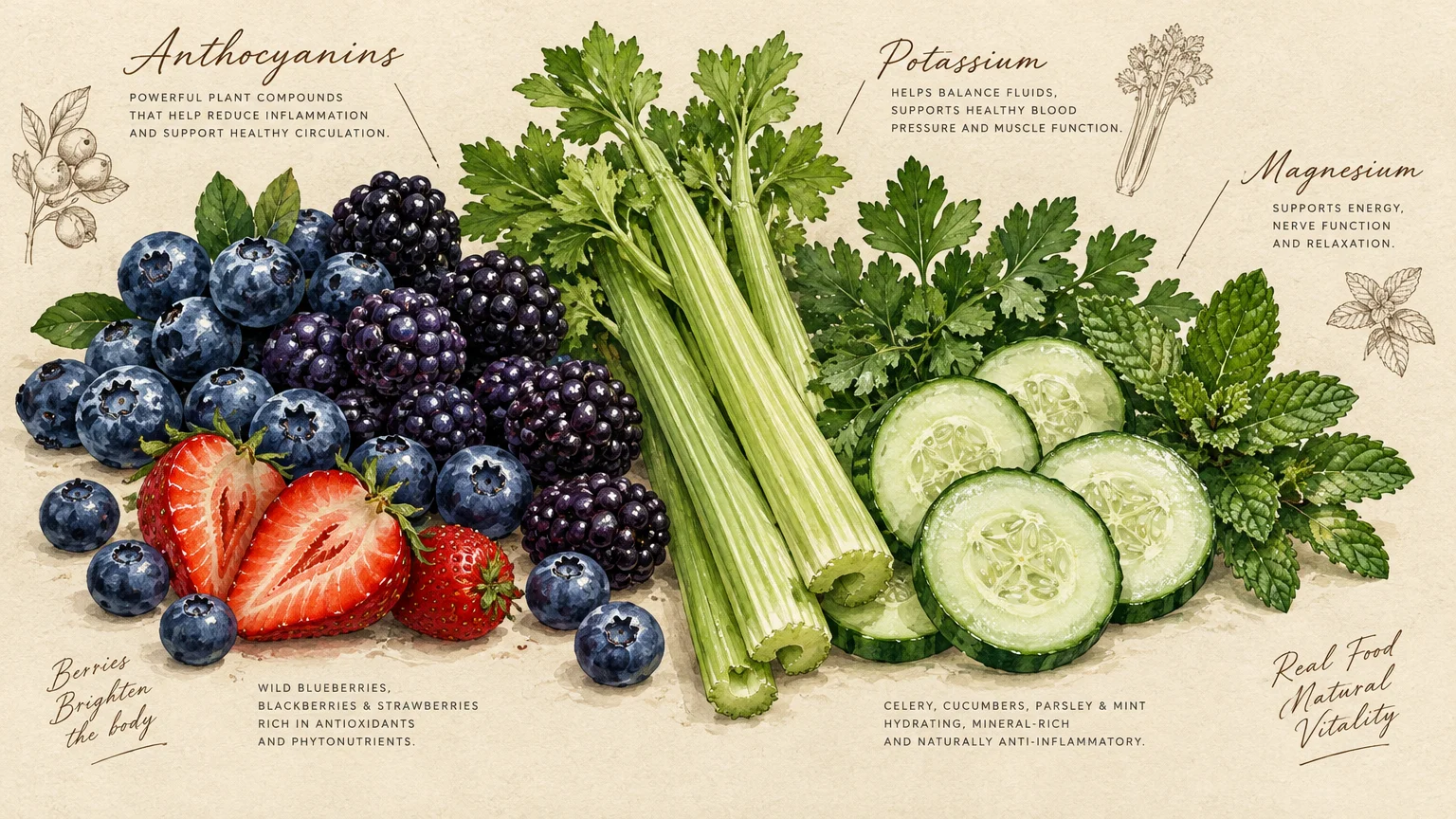
Blueberries, strawberries, and blackberries contain exceptional amounts of plant pigments known as anthocyanins. These deep colors signal potent antioxidant protection for your cardiovascular system.
Anthocyanins actively neutralize free radicals that irritate your blood vessel linings. By soothing vascular irritation, berries help keep capillary walls tight and leak-free.
These vibrant fruits also deliver vitamin C, an essential nutrient for building collagen. Strong collagen fibers reinforce vein walls and improve upward blood circulation.
Berries provide beneficial dietary fiber that stabilizes your blood sugar levels after eating. Steady blood sugar prevents insulin spikes, which are known to prompt sodium retention.
Add a half-cup of fresh or frozen berries to your morning bowl of oatmeal. You can also mix them into plain Greek yogurt for a low-sugar treat.
Frozen berries retain their complete nutritional value and offer year-round affordability. Simply thaw a handful in your refrigerator overnight so they are ready for breakfast.
If whole berry seeds irritate your digestive tract, blend berries into a smooth puree. Straining the puree provides all the soothing anthocyanins without irritating delicate digestion.
Pairing berries with a handful of walnuts creates a balanced snack. The healthy fats in walnuts further enhance your body’s nutrient absorption.
2. Wild-Caught Fatty Fish
Wild salmon, mackerel, and sardines are premier choices among anti-inflammatory foods. They provide abundant amounts of eicosapentaenoic acid (EPA) and docosahexaenoic acid (DHA).
These specialized omega-3 fatty acids actively resolve persistent inflammatory signals in your tissues. Calming this internal irritation directly relieves chronic puffiness in your lower extremities.
Omega-3 fats also encourage the production of nitric oxide inside your blood vessels. Nitric oxide gently widens your arteries, promoting smooth circulation back toward your heart.
Bake or poach fish fillets with fresh lemon juice and fresh herbs. Avoiding heavy, salty marinades preserves the clean cardiovascular benefits of the seafood.
Canned sardines and salmon packed in water offer practical, budget-friendly pantry choices. Simply rinse them and flake them over a bed of crisp greens.
Eating fatty fish twice a week supplies your body with steady vascular support. This consistent intake protects your heart while calming tissue swelling.
Soft fish fillets are gentle on mature teeth and digest smoothly. They provide high-quality protein without creating the heavy fullness associated with red meat.
Combine flaked salmon with chopped celery and dill for a simple lunch salad. This meal delivers protein, omega-3 fats, and natural hydrating minerals in one dish.
3. Leafy Green Vegetables
Spinach, kale, and Swiss chard provide an outstanding combination of potassium and magnesium. These minerals work together to regulate fluid pressure across your cell membranes.
Potassium signals your kidneys to excrete surplus sodium through your urine. Magnesium relaxes the muscular walls of your blood vessels, improving blood flow.
Dark greens also supply protective carotenoids like lutein and beta-carotene. These antioxidants defend your delicate vascular linings from oxidative stress and breakdown.
Sauté greens lightly in extra virgin olive oil rather than eating them raw. Gentle cooking softens tough fibers, making them much easier for your stomach to process.
Olive oil also helps your body absorb the fat-soluble vitamins found in dark greens. This delicious combination maximizes the nutritional value of your meal.
If chewing tough greens feels tiresome, stir tender baby spinach into hot vegetable soup. The leaves wilt instantly and require virtually no chewing effort.
You can also blend a handful of raw baby spinach into fruit smoothies. The sweet fruit completely masks the vegetable flavor while delivering rich mineral benefits.
Rotate between different leafy varieties throughout the week to diversify your nutrient intake. Variety ensures you receive a balanced spectrum of protective plant compounds.
4. Celery and Cucumbers
Celery and cucumbers stand out as classic foods for water retention. Their high water content hydrates your tissues while gently encouraging your kidneys to release excess fluid.
Celery contains a unique compound called phthalide, which relaxes arterial muscle walls. Relaxing these tissues allows your blood to travel freely with less resistance.
Cucumbers supply caffeic acid and silica, nutrients that soothe puffiness and support connective tissues. Their crisp, cooling nature provides immediate refreshment on warm afternoons.
Slice crisp cucumbers into rounds and enjoy them with a low-sodium dip. This crunchy snack delivers hydration without adding unnecessary sodium to your day.
Add sliced cucumber and celery ribs to a glass of cold water. Infusing your water with fresh vegetables adds delicate flavor that encourages steady drinking.
If raw celery feels stringy, peel the outer fibrous strings with a vegetable peeler. This quick step makes the stalks tender, crisp, and simple to chew.
Blend cucumbers, fresh herbs, and olive oil into a chilled summer gazpacho. Cold blended soups offer wonderful hydration and require zero cooking time.
Incorporating these watery vegetables daily helps keep your fluid filtration systems active. They provide a gentle, natural way to flush lingering fluid from your limbs.
5. Pineapple
Pineapple contains a remarkable mixture of protein-digesting enzymes known collectively as bromelain. Bromelain has earned widespread recognition for its ability to soothe swelling and bruising.
This natural enzyme breaks down fibrin, a dense protein mesh that traps fluid in tissues. Clearing these protein networks allows stagnant fluids to drain away naturally.
Pineapple also supplies abundant vitamin C and manganese to assist tissue repair. These micronutrients strengthen your capillary walls and support joint mobility.
Choose fresh or frozen pineapple instead of canned varieties whenever possible. Heat pasteurization during the canning process destroys delicate bromelain enzymes, neutralizing their primary benefits.
Enjoy a cup of fresh pineapple chunks as a refreshing dessert after meals. The active enzymes also aid your digestive tract in breaking down dietary proteins smoothly.
If pineapple irritates your tongue, pair it with creamy plain yogurt or cottage cheese. Dairy proteins buffer the fruit’s acidity while preserving its beneficial enzymatic properties.
Buy pre-cut fresh pineapple from the produce section to save yourself peeling effort. Pre-cut fruit offers the same enzyme benefits without requiring heavy kitchen knife work.
Add diced pineapple to savory chicken or fish dishes for a tropical accent. Combining sweet and savory elements makes low-sodium cooking exciting and satisfying.
6. Turmeric and Ginger
Turmeric and ginger are revered culinary roots that serve as potent natural remedies swelling relievers. They contain curcumin and gingerols, two deeply soothing bioactive plant compounds.
Curcumin inhibits key enzymes that drive chronic inflammation throughout your body. By blocking these inflammatory signals, turmeric helps prevent fluid accumulation around tender joints.
Always pair turmeric with a pinch of black pepper in your cooking. Piperine in black pepper enhances your body’s absorption of curcumin by an astounding degree.
Ginger promotes healthy peripheral circulation, encouraging pooled blood to move out of your calves. It also warms your extremities and relieves muscular discomfort.
Grate fresh ginger root into hot water to make a comforting, caffeine-free tea. Sip this warm tea after dinner to support digestion and calm evening fluid retention.
Whisk ground turmeric, ginger, and cinnamon into warm almond milk to make golden milk. This soothing evening beverage nurtures your vascular health before bedtime.
Add grated ginger to vegetable broths, stir-fries, and baked fish. Fresh ginger imparts a vibrant, zesty kick that eliminates any craving for table salt.
Store fresh ginger roots in your freezer for convenient long-term use. Frozen ginger grates effortlessly on a microplane without requiring peeling beforehand.
7. Avocados
Avocados are rich in monounsaturated fats and essential minerals that benefit your heart. In fact, a single avocado contains substantially more potassium than an average banana.
This abundant potassium content counterbalances sodium, helping your kidneys flush retained water. Maintaining this mineral ratio prevents excess fluid from collecting in your lower legs.
Oleic acid, the primary fat in avocados, dampens chronic inflammation throughout your vascular walls. Healthy, flexible blood vessels transport fluid efficiently throughout your body.
Spread mashed avocado across whole-grain toast for a filling, heart-smart breakfast. Top with a squeeze of fresh lemon juice and cracked black pepper for vibrant flavor.
The smooth, buttery texture of ripe avocado is exceptionally gentle on sensitive teeth. It provides satisfying richness to meals without relying on salty butter or cheese.
Dice half an avocado into your lunchtime green salad to boost nutrient absorption. The healthy fats help your system absorb protective carotenoids from leafy greens.
Store cut avocados with a splash of lemon juice in an airtight container. Lemon juice keeps the avocado flesh bright green and appetizing for several days.
Incorporating avocado into your weekly routine provides reliable nutritional support for your circulation. Its rich mineral density makes it a cornerstone of holistic vascular health.
Smart Swaps for Excessive Sodium
Limiting excess dietary sodium is essential when embracing a reduce inflammation diet. High salt intake causes your body to trap water in your tissues like a sponge.
Commercially prepared foods and restaurant meals often contain massive quantities of hidden sodium. Check packaging labels carefully and look for products labeled low-sodium or sodium-free.
Replace your salt shaker with garlic powder, onion powder, and dried Italian herbs. These aromatic seasonings add robust flavor to foods without raising your blood pressure.
Citrus juices and fruit vinegars offer another fantastic way to brighten home-cooked meals. A squeeze of fresh lime or balsamic drizzle adds depth to any dish.
Rinse canned beans and vegetables thoroughly under running water before cooking them. Rinsing canned goods removes up to forty percent of their surface sodium brine.
Sprinkle nutritional yeast over baked potatoes or roasted vegetables for a savory, cheesy flavor. Nutritional yeast provides rich umami taste alongside essential B vitamins with zero sodium.
Hydration Habits That Encourage Fluid Release
It might sound counterintuitive, but drinking enough water actively prevents fluid retention. When you become dehydrated, your kidneys hold onto water to protect your vital organs.
Supplying steady hydration signals your kidneys that they can safely excrete surplus fluids. Regular water intake helps flush sodium and metabolic waste out of your tissues.
Keep a small pitcher or water bottle near your favorite armchair throughout the day. Taking small, frequent sips keeps your body hydrated without overwhelming your bladder.
Pay attention to the color of your urine as a dependable hydration marker. Pale, clear urine indicates healthy hydration, while dark yellow suggests you need more fluids.
Enjoy caffeine-free herbal teas such as hibiscus, chamomile, or peppermint between meals. Herbal teas offer gentle hydration while soothing your digestive tract and calming your mind.
Taper your fluid intake two hours before bedtime to avoid disrupted sleep. Drinking the majority of your fluids during daylight hours supports restful, uninterrupted nights.
Pairing Nutrition with Gentle Movement
Combining wholesome nutrition with light physical activity maximizes your relief from swelling. Physical movement turns your calf muscles into natural pumps that propel blood upward.
Practice simple seated ankle pumps while watching television or reading a book. Flexing and pointing your toes twenty times encourages fluid to leave your lower legs.
Elevate your legs on cushions whenever you rest in the afternoon. Raising your feet above the level of your heart lets gravity assist your lymphatic drainage.
Ask your doctor if graduated compression stockings could benefit your lower leg comfort. Compression garments provide gentle external pressure that prevents fluid from pooling in your ankles.
Take brief, gentle walks through your home or garden several times each day. Even five minutes of easy strolling stimulates your venous valves and revives circulation.
Gentle water aerobics or swimming provides wonderful, buoyant exercise for swollen joints. Water pressure naturally compresses swollen tissues, offering instant relief while you move.

Important Safety Precautions to Keep in Mind
Wholesome dietary shifts provide remarkable holistic benefits, yet individual health needs vary widely. Always approach nutritional updates thoughtfully and in harmony with your medical care.
Seniors living with chronic kidney disease must manage their daily potassium intake carefully. Consuming excessive potassium-rich foods like avocados or spinach could elevate blood potassium dangerously.
If you take blood-thinning medications like warfarin, maintain a consistent intake of vitamin K. Sudden increases in dark leafy greens can reduce the effectiveness of your prescription.
Enjoy steady, moderate portions of leafy greens rather than eating huge amounts sporadically. Consistency allows your healthcare team to calibrate your medication dose safely.
High doses of omega-3 fats, ginger, or garlic also exert mild blood-thinning actions. Inform your physician about any concentrated dietary supplements or herbal extracts you take.
Never stop taking prescribed diuretic medications on your own without professional guidance. Natural dietary strategies complement your prescribed therapies, but they do not replace them.
If you have congestive heart failure and follow a strict fluid restriction, honor those limits. Do not increase your water intake beyond your cardiologist’s specific daily guidelines.
Introduce high-fiber foods into your routine gradually over several weeks. Increasing fiber too rapidly can cause abdominal gas, bloating, or stomach discomfort.
Be mindful of citrus fruits and pineapple if you experience chronic acid reflux. Enjoying these fruits in modest portions alongside meals helps prevent gastric irritation.
Keep a simple daily food and symptom journal in a small notebook. Recording what you eat helps you identify which specific ingredients offer you the greatest comfort.
Discuss your dietary goals with a registered dietitian specializing in senior nutrition. A qualified dietitian can design an eating plan tailored to your health conditions.
Listening to your body remains the ultimate compass for lasting wellness. Respect your personal limits and celebrate every positive step toward greater daily vitality.
When to Speak with a Healthcare Professional
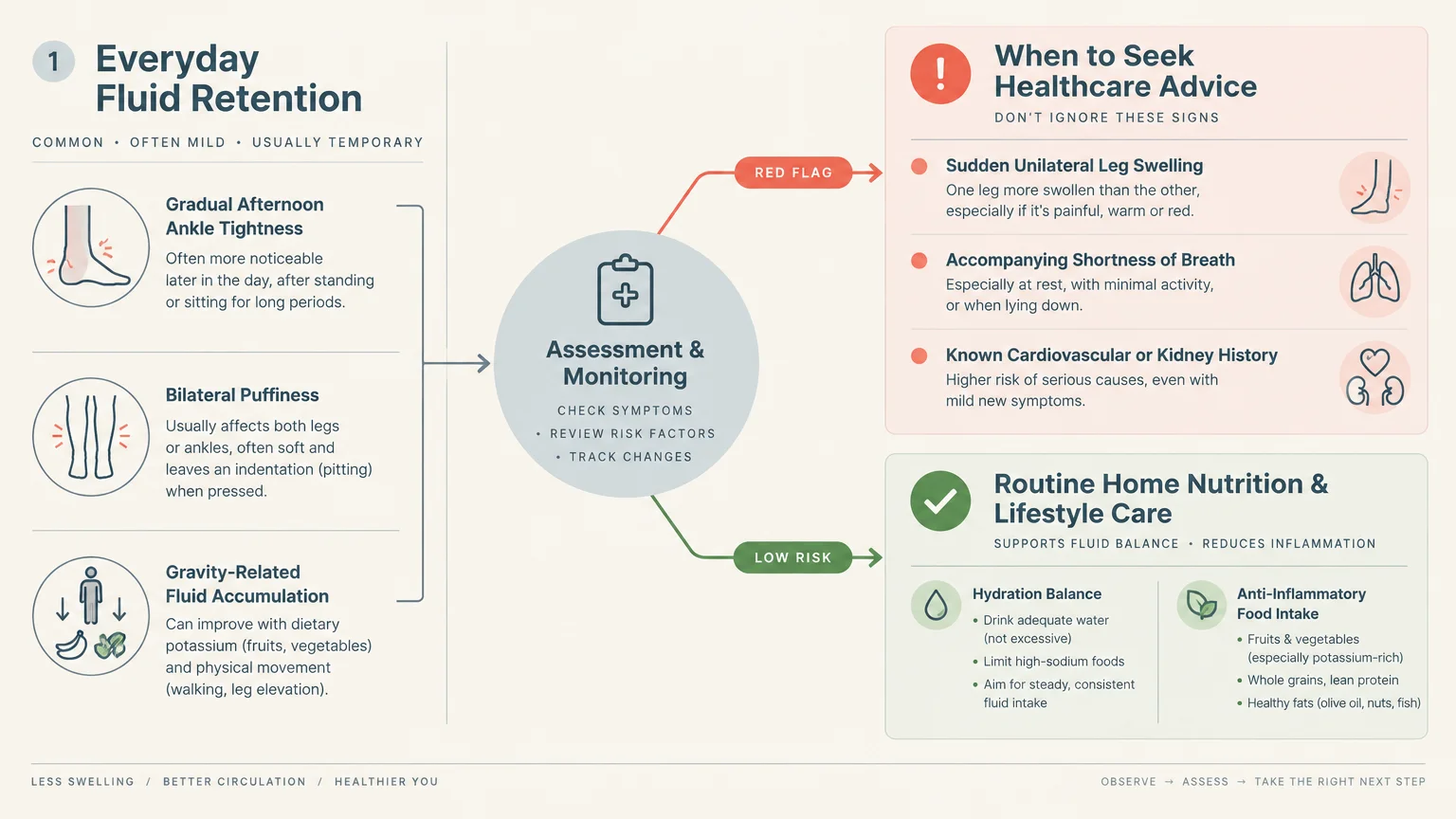
Mild swelling after prolonged standing or warm weather is common and manageable. However, certain symptoms indicate serious underlying cardiovascular or renal issues that require prompt attention.
Seek immediate emergency medical care if swelling arrives with chest pain, dizziness, or shortness of breath. These symptoms can signal acute heart failure or a pulmonary embolism.
Contact your physician promptly if swelling occurs suddenly in only one leg. One-sided swelling paired with localized heat, redness, and tenderness often points toward a blood clot.
Check whether pressing your thumb into your swollen skin leaves an enduring dent. If the indentation lingers for several seconds, you may have pitting edema.
Pitting edema warrants a thorough clinical evaluation to assess your heart, kidneys, and liver. Your physician can perform routine lab tests to identify the underlying cause.
Review your current prescription medications with your doctor or pharmacist regularly. Certain calcium channel blockers, NSAID pain relievers, and steroids commonly cause fluid retention.
Never adjust your medication dosages without direct instructions from your healthcare provider. Your doctor can often switch you to an alternative medication that does not cause puffiness.
Mention any new or worsening swelling during your regular wellness visits. Tracking these changes over time helps your medical team protect your long-term health.
Bring your food and symptom journal to your medical appointments. Sharing your daily observations helps your doctor make informed, personalized decisions about your care.
Open communication with your care team ensures you explore dietary remedies safely. Professional oversight provides peace of mind as you build healthier daily habits.
Protecting your health requires a thoughtful balance of medical advice and self-care. Partnering with your doctor ensures your lifestyle choices support your complete well-being.
For authoritative, trustworthy health information, always consult official sources like the National Institute on Aging (NIA) and MedlinePlus from the National Library of Medicine. The CDC also provides excellent resources for older adults.
Frequently Asked Questions
Can drinking more water really reduce water retention?
Yes, adequate water intake signals your kidneys that they can safely release stored fluid. When you are well hydrated, your body stops hoarding water and flushes excess sodium.
Dehydration prompts your kidneys to conserve fluid, which worsens visible puffiness. Drinking steady sips of water throughout the day restores healthy fluid filtration.
How quickly do anti-inflammatory foods work on swelling?
Whole foods work cumulatively by repairing cellular membranes and calming vascular inflammation over time. Most seniors notice meaningful improvements in joint comfort within two to three weeks.
Unlike pharmaceutical diuretics, dietary changes offer gentle, sustained relief without stripping vital minerals. Consistency remains the true key to experiencing lasting benefits.
Are raw vegetables better than cooked vegetables for swelling?
Both raw and cooked vegetables provide valuable minerals and antioxidants that combat fluid buildup. While raw vegetables preserve heat-sensitive enzymes, cooked vegetables are often much gentler on digestion.
Lightly steaming greens softens their fibrous structure while preserving their potassium and magnesium. Choose the preparation style that allows your stomach to feel comfortable.
Should I take over-the-counter herbal water pills instead of changing my diet?
Over-the-counter herbal water pills can cause dangerous electrolyte crashes and interfere with prescription drugs. They often deplete potassium without resolving the inflammatory triggers behind your swelling.
Nourishing your body with wholesome foods supports natural fluid regulation safely. Always consult your physician before taking any commercial herbal diuretic supplement.
Disclaimer: This article is for informational purposes only and does not constitute medical advice. Always seek the advice of your physician or other qualified health provider with any questions you may have regarding a medical condition.