A thriving digestive system protects your daily energy, sharpens mental clarity, and shields your immune system as you age. Leading gastroenterologists rely on a targeted weekly grocery list of whole foods to keep their own digestion smooth and comfortable.
You do not need restrictive cleanses or expensive powders to rebuild a resilient digestive tract. Simple dietary upgrades can calm routine bloating, ease irregularity, and nourish beneficial gut microbes naturally.
These expert-selected foods fit easily into any kitchen routine, offering gentle nourishment tailored for older adults. Here is how a specialist stocks their pantry to protect your lifelong digestive comfort.
Understanding the Basics of Gut Health for Seniors
Your digestive tract undergoes substantial physiological changes as the years advance. Stomach acid production often declines, which alters how thoroughly your stomach dissolves dense proteins and absorbs essential micronutrients.
Intestinal motility also slows down over time. Muscles along your intestinal walls contract with less vigor, which can delay transit times and leave older adults prone to constipation.
At the same time, the vast ecosystem of bacteria residing in your colon naturally shifts. Beneficial bacterial strains often diminish in number, while less helpful species can expand if you do not feed them properly.
A dedicated gastroenterologist diet seeks to restore harmony across this internal microbial landscape. Specialists recognize that gut bacteria produce vital compounds that regulate immune health, maintain energy, and support emotional balance.
Your digestive tract also connects directly to your central nervous system through the vagus nerve. Doctors often call the gut your second brain because gut bacteria produce neurotransmitters like serotonin that influence everyday mood.
When your microbiome falls out of balance, low-grade systemic inflammation can gradually increase. Feeding beneficial microbes helps reinforce the mucosal barrier, preventing unwanted molecules from crossing into your bloodstream.
The 2025–2030 Dietary Guidelines for Americans explicitly highlight the gut microbiome as a cornerstone of overall longevity. These guidelines recommend eating high-fiber foods and fermented options like kefir and sauerkraut while minimizing ultra-processed items.
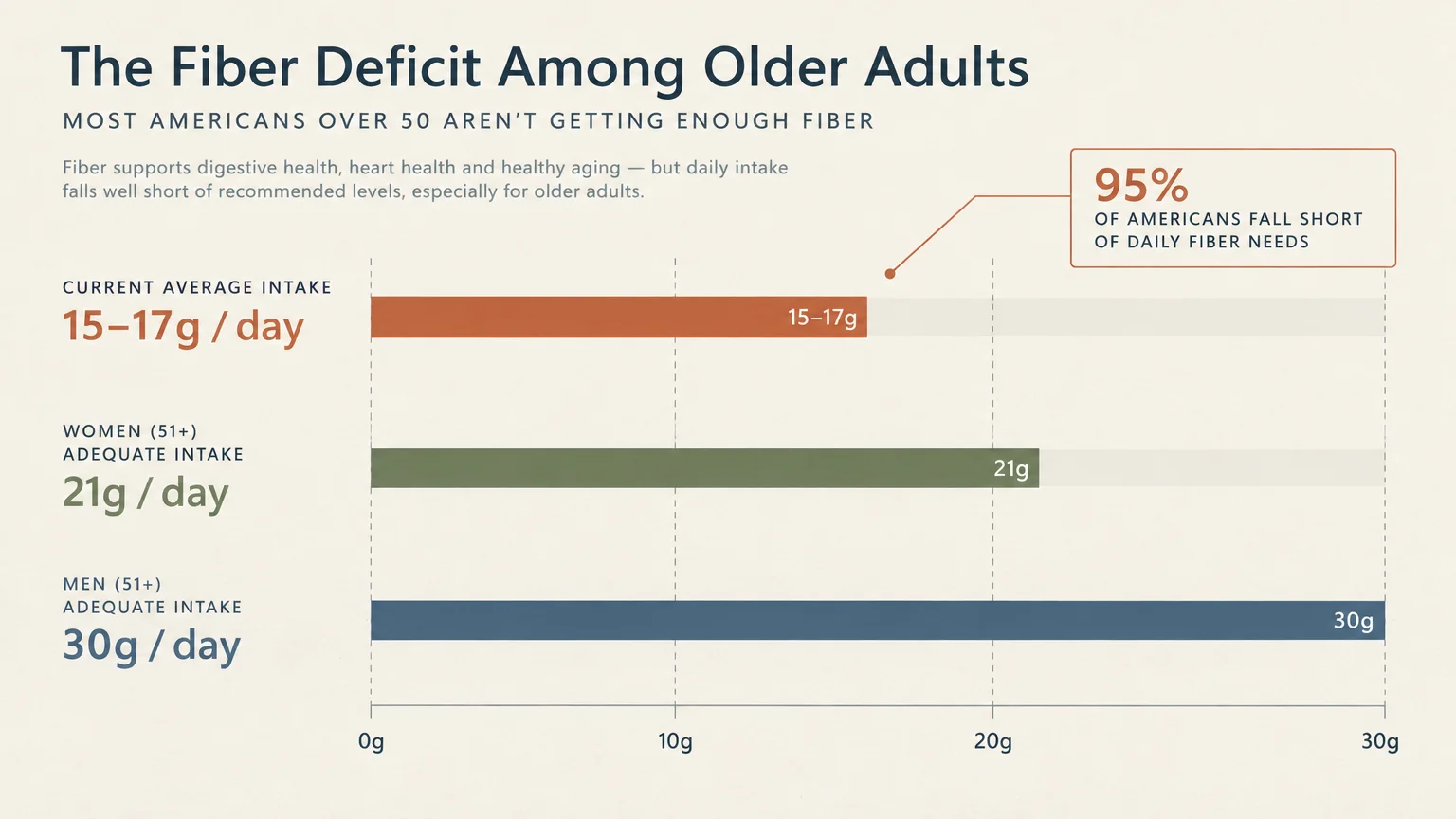
Despite these official recommendations, most older adults face a significant daily nutritional deficit. National health data shows that approximately 95% of American adults fail to consume enough dietary fiber each day.
The typical intake hovers between 15 and 17 grams per day; this provides only about half of what your body requires. Closing this persistent fiber gap is one of the most effective gut health tips available.
Fiber requirements change slightly as metabolic rates shift in later life. The National Academy of Medicine recommends an Adequate Intake of 30 grams of fiber per day for men aged 51 and older.
For women aged 51 and older, the daily recommendation is 21 grams of fiber. These specific targets reflect lower total caloric needs compared to the 38 grams and 25 grams suggested for younger adults.
Under standard 2,000-calorie nutritional models, the Dietary Guidelines similarly recommend 28 grams for men and 22.4 grams for women over 50. Achieving these numbers consistently produces remarkable improvements in digestive comfort.
Gastrointestinal physicians rarely rely on synthetic fiber powders or aggressive cleanses to solve digestive sluggishness. Instead, they turn to kitchen staples that provide diverse fibers, prebiotic fuel, and gentle micronutrients.
Whole foods deliver a synergistic blend of soluble fiber, insoluble fiber, and protective polyphenols. This whole-food approach nourishes beneficial microbes without irritating sensitive intestinal tissues.
Practical Tips for a Healthier, Happier Life
You do not need to overhaul your entire kitchen to build a gut-friendly lifestyle. Gastroenterologists maintain their own digestive health by steadily incorporating nutrient-dense foods into their weekly grocery trips.
The following ten foods for digestion provide the essential fibers, enzymes, and live cultures your body needs. Add them gradually into your meals to enjoy dependable, lasting digestive ease.
1. Plain Kefir
Plain kefir is a fermented milk beverage that delivers an extraordinary spectrum of living, beneficial bacteria. Specialists prefer kefir over standard yogurt because it frequently contains three times as many distinct probiotic strains.
The traditional fermentation process consumes most of the milk sugar lactose. This makes kefir exceptionally gentle and easy to tolerate for older adults with lactose sensitivity.
These live organisms help coat the intestinal lining and crowd out opportunistic microbes. As a result, your gut barrier remains robust and resilient against everyday environmental stressors.
Select unflavored bottles to avoid excessive added sugars that can feed unwanted bacteria. Pour a splash over your morning cereal, or drink a small cup alongside a balanced breakfast.
2. Steel-Cut Oats
Steel-cut oats are minimally processed oat groats packed with beta-glucan, a potent soluble fiber. When exposed to digestive fluids, beta-glucan forms a soothing gel that slows digestion and stabilizes blood sugar.
This gel-like substance softens stool consistency, allowing waste to move through your colon with minimal straining. It gently eases constipation without irritating sensitive intestinal linings.
Your resident bacteria ferment beta-glucan into short-chain fatty acids like butyrate. Butyrate serves as the primary energy source for the cells that construct your intestinal wall.
Cook a large pot of steel-cut oats on Sunday to enjoy throughout the busy week. Reheat a warm portion each morning with a sprinkle of cinnamon and a splash of almond milk.
3. Blueberries
Blueberries stand out as premier gut health foods thanks to their abundant anthocyanin content. These natural antioxidant compounds give the berries their deep blue color and combat cellular oxidation.
Anthocyanins travel largely intact through your stomach down into your large intestine. Once there, friendly gut bacteria consume them, which stimulates the growth of protective bacterial colonies.
This biological interaction helps tamp down localized inflammation along your bowel wall. It also supports comfortable motility, helping you avoid frustrating digestive sluggishness.
Unlike fruits with tough peels or dense seeds, blueberries are remarkably easy to chew and digest. Keep fresh or frozen berries in your freezer for a quick addition to morning oats or smoothies.
4. Steamed Leafy Greens
Dark leafy greens such as spinach, Swiss chard, and kale contain a unique sugar molecule called sulfoquinovose. Helpful gut bacteria utilize sulfoquinovose as a specialized fuel source, keeping aggressive bacteria from taking over.
Raw salads can sometimes feel heavy or provoke gas in older digestive tracts. Lightly steaming your greens breaks down tough plant fibers, unlocking vital minerals like magnesium while ensuring easy digestion.
Greens also supply insoluble fiber that adds necessary structure to your stool. This structural bulk stimulates the natural muscular contractions that keep your digestive transit regular and predictable.
Toss steamed chard or spinach with a small splash of extra virgin olive oil and lemon juice. The healthy fats maximize the absorption of fat-soluble vitamins throughout your intestinal journey.
5. Chia Seeds
Chia seeds are compact seeds brimming with soluble mucilage fiber and plant-based omega-3 fatty acids. When soaked in liquid, they absorb up to twelve times their weight in water.
This remarkable water absorption creates a thick, protective gel that cushions your digestive tract. The gel glides through your intestines, lubricating your bowel and promoting effortless elimination.
Chia seeds also deliver sustained energy without spiking your blood glucose levels. Their rich soluble fiber content slows the absorption of carbohydrates, promoting steady metabolic health.
Always soak chia seeds in water, milk, or kefir before you consume them. Letting them hydrate fully ensures they move smoothly through your esophagus and stomach.
6. Brown Lentils
Lentils are stellar foods for a healthy gut because they supply plant protein, soluble fiber, and resistant starch. Resistant starch resists breakdown in the upper stomach, arriving intact in your lower colon.
There, specialized microbes ferment this starch into beneficial short-chain fatty acids. This continuous fermentation process helps maintain an optimal acidic environment that keeps harmful pathogens at bay.
Gastroenterologists frequently recommend brown and red lentils over larger legumes like kidney beans. Their smaller size makes them significantly less likely to cause noticeable gas or bloating.
Simmer brown lentils with carrots, celery, and vegetable broth for a comforting, gut-soothing soup. If you use canned lentils, rinse them under cool water to remove excess sodium before cooking.
7. Cooked Garlic and Onions
Garlic and onions serve as premier sources of inulin and fructooligosaccharides. These soluble prebiotic fibers feed beneficial bifidobacteria, helping them multiply and dominate your intestinal lining.
Raw alliums can sometimes provoke heartburn or stomach irritation in mature adults. Thoroughly cooking garlic and onions softens their pungent sulfur compounds while keeping their prebiotic benefits intact.
Cooking makes these aromatics gentle on the stomach while releasing rich culinary flavors. You can sauté them slowly in olive oil to build a savory base for homemade soups and grain dishes.
If whole onions feel too strong, try using mild leeks or shallots instead. They belong to the same botanical family and offer the exact same nurturing prebiotic fibers.
8. Raw Fermented Sauerkraut
Raw sauerkraut provides millions of live lactic acid bacteria alongside natural organic acids. These organic acids support stomach acidity, which naturally assists in breaking down meals and absorbing minerals.
Always check the refrigerated section of your grocery store for raw, unpasteurized sauerkraut. Shelf-stable jars stored in ambient aisles undergo heat processing that kills off the delicate living cultures.
You do not need to consume large portions to experience meaningful digestive benefits. Eating just one or two forkfuls alongside your lunch or dinner introduces valuable microbial diversity.
This modest portion provides living enzymes without delivering an excessive amount of sodium. It adds a delicious, crunchy brightness to roasted poultry, grain bowls, or simple sandwiches.
9. Fresh Ginger
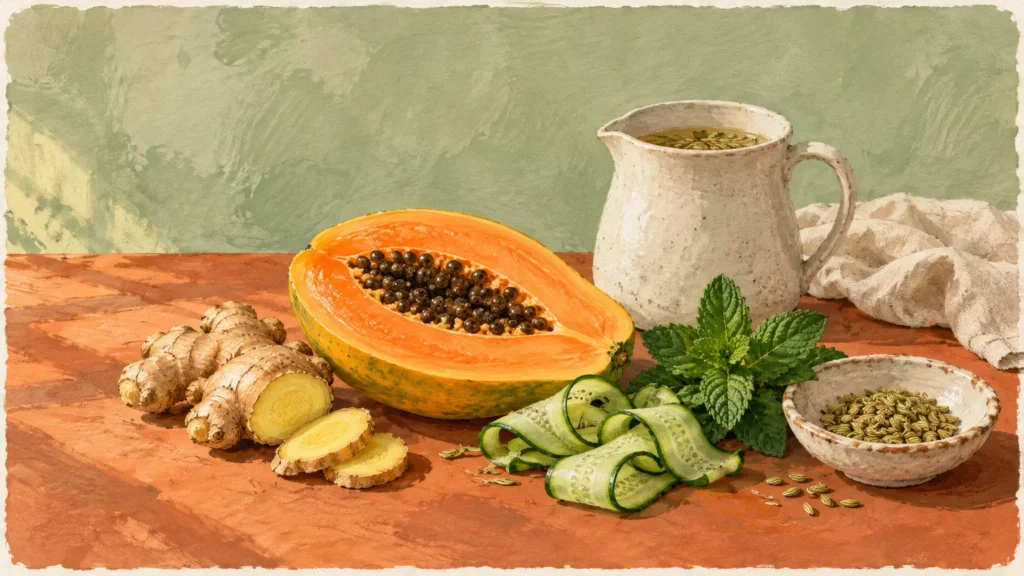
Ginger has served as a trusted botanical digestive remedy across cultures for hundreds of years. Contemporary gastroenterologists value ginger for its unique ability to accelerate gastric emptying and relieve stomach pressure.
Active compounds known as gingerols stimulate the rhythmic muscular contractions of your stomach and small intestine. This proactive movement prevents food from lingering too long and causing uncomfortable post-meal fullness.
Ginger also contains natural anti-inflammatory properties that calm irritated tissues along your digestive tract. It offers fast, gentle relief if you experience occasional queasiness or upper abdominal bloating.
Steep several thin slices of fresh ginger root in hot water for ten minutes to brew a comforting tea. You can also grate peeled fresh ginger directly into vegetable broths and stir-fries.
10. Raw Walnuts
Walnuts stand apart from other tree nuts due to their exceptional concentration of plant-based omega-3 fatty acids. These healthy fats support the cellular integrity of your delicate intestinal wall.
Walnuts also provide substantial dietary fiber that nourishes bacteria responsible for producing butyrate. Sustained butyrate production maintains a resilient gut barrier and supports long-term bowel comfort.
Store raw walnuts in an airtight container inside your refrigerator to preserve their delicate oils. Keeping them chilled prevents their healthy fatty acids from oxidizing and becoming bitter over time.
Enjoy a small handful of walnuts as an afternoon snack with fresh fruit. If whole nuts challenge your teeth, chop them finely and stir them into morning oatmeal.
Smart Mealtime Habits for Senior Digestion
Pairing the right ingredients with mindful eating habits maximizes the health benefits of your food. How you consume your meals is just as important as the items on your plate.
Chew every bite thoroughly before you swallow your food. Mechanical digestion begins in your mouth, where saliva mixes with food to jumpstart the breakdown of carbohydrates.
Eat smaller, more frequent meals throughout your day instead of two or three heavy feasts. Smaller portions prevent stomach distension and allow digestive enzymes to work thoroughly without strain.
Remain seated upright during meals, and stay upright for at least one hour afterward. Letting gravity do its work keeps stomach acid where it belongs and prevents troublesome reflux.
Enjoy a relaxed ten-minute stroll around your home or neighborhood following your main meal. Gentle movement stimulates natural intestinal peristalsis, helping disperse gas and promoting smooth digestion.
Hydration Strategies for Digestive Regularity
Fiber cannot do its protective job in your digestive system without plenty of liquid. Water binds with soluble fiber to create soft, pliable stools that pass without difficulty.
Thirst signals often become muted as people grow older, making mild dehydration remarkably common. Make a conscious habit of sipping water throughout the day rather than waiting until you feel thirsty.
Keep a filled water glass near your favorite chair or kitchen counter as a helpful visual cue. Herbal teas, warm water with lemon, and light broths all count toward your daily fluid intake.
Avoid drinking enormous quantities of iced liquids during your actual meal. Sipping small amounts of room-temperature fluids during meals supports digestion without overly diluting your natural gastric juices.
Important Safety Precautions to Keep in Mind
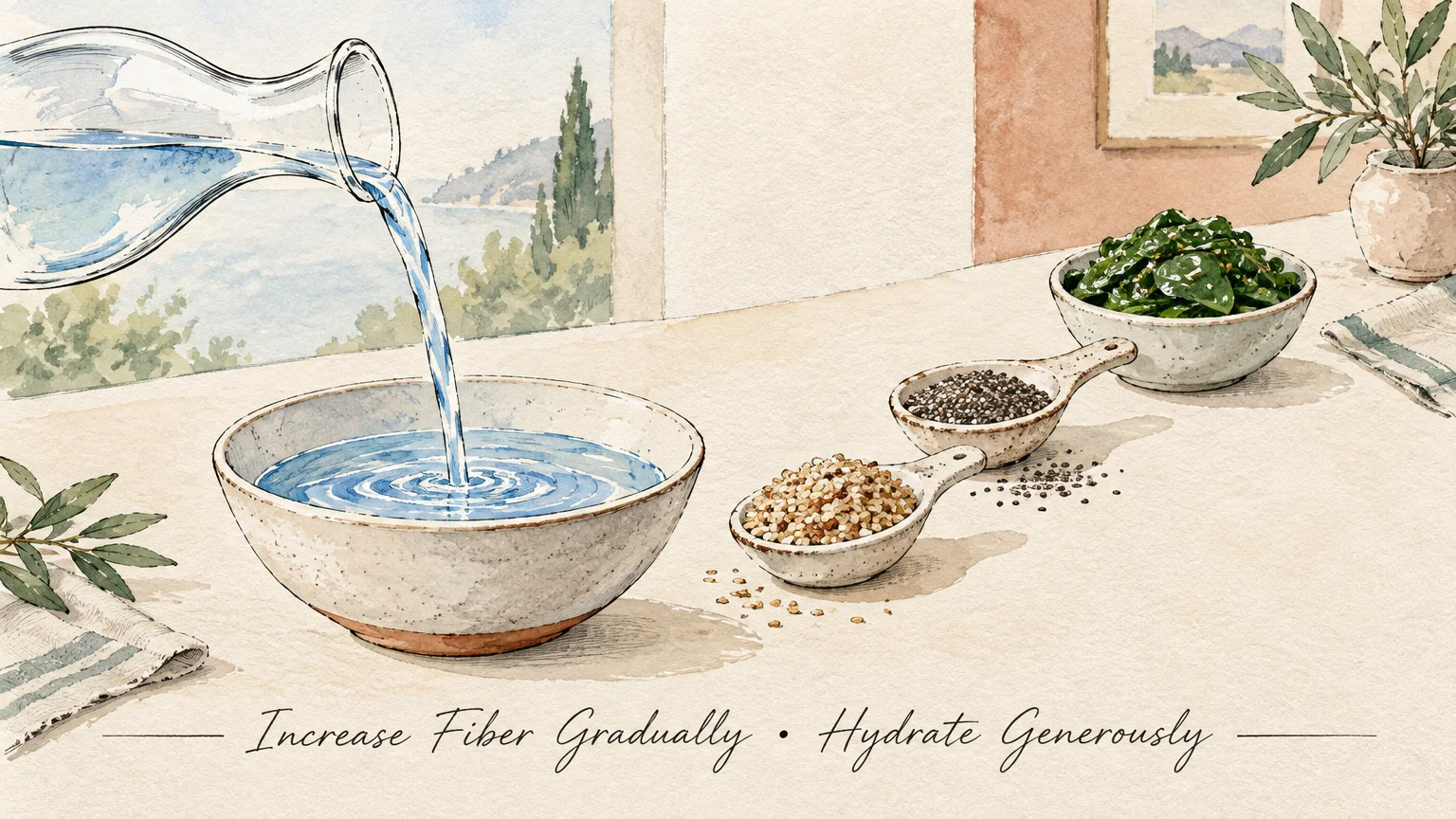
Transitioning to a higher-fiber diet requires patience, attentiveness, and gentle pacing. Introducing large amounts of roughage too quickly can overwhelm an older digestive tract and cause uncomfortable distress.
Add only one new high-fiber food to your menu every few days. This gradual approach gives your microbial colonies ample time to adapt and multiply without generating excess gas.
If you take prescription medications, be mindful of potential interactions with specific dietary choices. For example, older adults taking blood thinners like warfarin must maintain steady, consistent intake of vitamin-K-rich leafy greens.
Sudden spikes or drops in green vegetable consumption can alter the effectiveness of blood-thinning therapies. Always discuss dietary adjustments with your prescribing physician to ensure safe, stable medication management.
Monitor your sodium intake carefully when incorporating traditionally fermented foods into your weekly menu. Sauerkraut, kimchi, and fermented pickles often contain noticeable amounts of salt used in the pickling process.
If your physician has advised you to follow a low-sodium diet for blood pressure control, choose your portions wisely. Consuming a single tablespoon provides microbial benefits without adding excessive sodium to your day.
Certain older adults taking monoamine oxidase inhibitors (MAOIs) should limit aged or fermented foods due to tyramine content. Check with your pharmacist if you take psychiatric medications to avoid adverse dietary interactions.
Adjust food textures if you experience dental sensitivity, missing teeth, or difficulty chewing. Softening oats, pureeing bean dishes, and blending greens ensures you receive all nutritional benefits without physical strain.
Maintain strict food safety standards when storing fermented items and fresh produce in your refrigerator. Keep your refrigerator temperature set properly to ensure living probiotic foods stay fresh and free from mold.

When to Speak with a Healthcare Professional
Nutritious eating offers profound daily support, but it cannot replace professional medical diagnosis and care. You should never rely on dietary modifications alone to manage persistent or distressing gastrointestinal symptoms.
Contact your doctor if you notice persistent changes in your bowel habits lasting longer than two weeks. Unexplained bouts of diarrhea, worsening constipation, or stools that appear unusually narrow warrant careful clinical evaluation.
Seek prompt medical guidance if you see blood in your toilet bowl or notice black, tarry stools. Gastrointestinal bleeding is never a normal part of the aging process and requires prompt medical attention.
Schedule an evaluation if you suffer from unexplained weight loss, persistent nausea, chronic vomiting, or difficulty swallowing. Unintended weight loss can signal underlying malabsorption or gastrointestinal conditions that demand diagnostic testing.
Sharp, severe, or worsening abdominal pain also necessitates an immediate conversation with your healthcare team. Never ignore recurring pain or dismiss it as simple indigestion without a physician’s assessment.
Routine colorectal cancer screenings remain an essential safeguard alongside a gut-friendly lifestyle. The American Cancer Society and the U.S. Preventive Services Task Force recommend regular screening for average-risk adults aged 45 through 75.
In May 2026, the American Cancer Society updated its screening guidelines to include new blood-based and at-home stool tests. These modern options offer accessible, reliable alternatives for adults seeking non-invasive screening methods.
For adults aged 76 to 85, screening decisions should be made individually with your primary care provider. Your physician will review your overall health, life expectancy, and previous screening history to determine the right path.
Before your appointment, write down a detailed list of your symptoms, daily meals, and current medications. This organized information helps your doctor identify patterns and design a personalized, effective treatment plan.
Frequently Asked Questions
Can I take a probiotic pill instead of eating fermented foods?
Probiotic capsules can be helpful during targeted medical treatments, but whole fermented foods provide broader advantages. Fermented items like kefir and sauerkraut deliver living bacteria alongside vitamins, minerals, and organic acids.
Commercial pills often contain only a limited selection of bacterial strains that may not survive stomach acid. In contrast, the food matrix in fermented items shields delicate microbes as they travel through your stomach.
Always discuss probiotic supplements with your physician before starting them, particularly if you manage an impaired immune system. Whole foods remain the gentlest and safest way to nourish your microbial community naturally.
What should I do if high-fiber foods cause gas and bloating?
Developing mild gas when you first increase dietary fiber is completely normal. It indicates that your resident bacteria are actively fermenting fibers and producing health-promoting short-chain fatty acids.
To minimize discomfort, decrease your serving sizes and increase your fiber intake very slowly across several weeks. Giving your digestive enzymes and bacteria time to adapt prevents painful gas buildup.
Cook your vegetables thoroughly to soften their fibrous cellular structure before serving them. If severe bloating or sharp cramps persist despite slow pacing, consult your physician to rule out bacterial overgrowth.
How much fiber do adults over 50 need each day?
The National Academy of Medicine recommends 30 grams of fiber daily for men aged 51 and older. Women in this age group should aim for 21 grams per day.
These recommendations are slightly lower than the 38 grams and 25 grams suggested for younger adults due to lower calorie needs. Using standard 2,000-calorie models, the Dietary Guidelines suggest 28 grams for men and 22.4 grams for women.
Because roughly 95% of Americans consume only 15 to 17 grams daily, most seniors need more fiber. Incorporating oats, berries, lentils, and seeds into daily meals easily closes this common nutritional gap.
Are canned beans and frozen berries as good for the gut as fresh ones?
Canned beans and frozen berries are just as beneficial for gut health as fresh options. Freezing locks in delicate anthocyanin antioxidants, while canning maintains the beneficial resistant starch in legumes.
Look for frozen berries without added sugars or sweet syrups to keep your gut environment balanced. When opening canned beans or lentils, rinse them thoroughly under cold water to wash away excess sodium.
Canned and frozen foods are budget-friendly, pre-washed, and soft, making them wonderful choices for seniors. They provide reliable, shelf-stable nutrition that supports your digestion year-round without demanding intense kitchen preparation.
For authoritative, trustworthy health information, always consult official sources like the National Institute on Aging (NIA) and MedlinePlus from the National Library of Medicine. The CDC also provides excellent resources for older adults.
Disclaimer: This article is for informational purposes only and does not constitute medical advice. Always seek the advice of your physician or other qualified health provider with any questions you may have regarding a medical condition.