Replacing white bread revitalizes your daily energy and strengthens your long-term digestive wellness. Simple, nutrient-dense swaps protect your heart while keeping your blood sugar steady all morning long.
You can easily upgrade your lunchtime sandwiches without sacrificing classic comfort or familiar flavors. Choosing vibrant, satisfying alternatives keeps you full while nourishing your body throughout your golden years.
Wholesome whole grains and crisp vegetable bases help you maintain active independence as you age. Making these simple shifts rewards your daily routine with lasting vitality and effortless comfort.
Understanding the Basics of Healthy Bread Swaps for Seniors
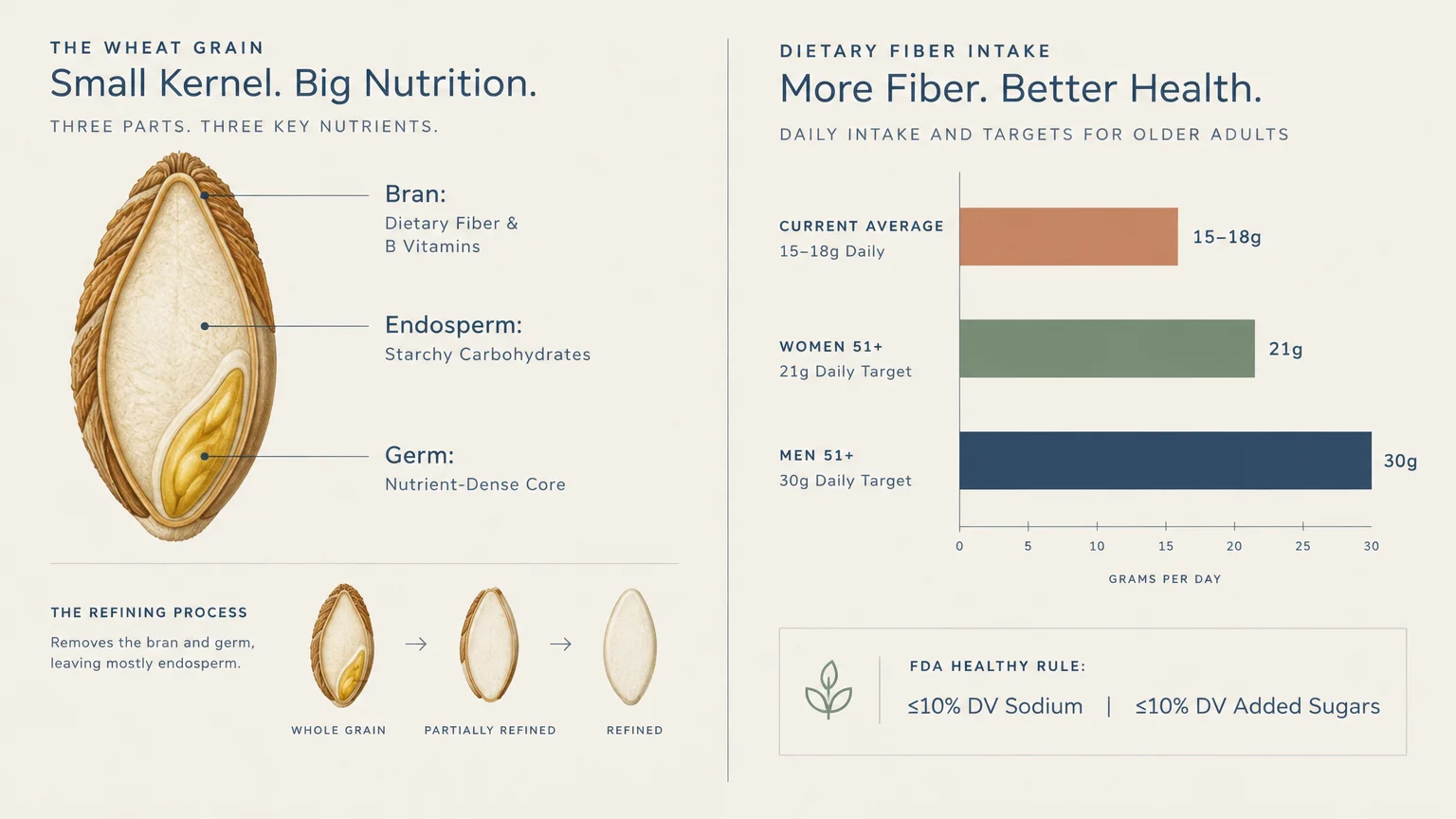
Traditional white bread begins with wheat berries stripped of their fibrous bran and nutrient-rich germ. This industrial refining leaves behind starchy endosperm that converts into simple sugars rapidly during digestion.
When you consume refined bread, your body absorbs those refined carbohydrates almost immediately. Rapid glucose absorption prompts sharp blood sugar spikes followed by steep drops that leave you fatigued.
Whole grains retain all three native anatomical layers intact: the protective outer bran, the starchy endosperm, and the germ. Each distinct layer contributes essential phytonutrients that work synergistically to support your cardiovascular system.
When food manufacturers refine wheat to produce white flour, they strip away the bran and the nutrient-dense germ. This harsh mechanical milling removes most of the natural dietary fiber along with essential B vitamins.
Your body requires quality dietary fiber to sustain a thriving colony of beneficial gut bacteria. When beneficial microbes ferment prebiotic fibers, they generate short-chain fatty acids that reduce systemic inflammation throughout your body.
The 2025–2030 Dietary Guidelines for Americans, released in January 2026, explicitly urge consumers to reduce refined carbohydrates significantly. Federal health advisors highlight white bread and refined flour tortillas as items to limit.
Instead of processed flour, the guidelines recommend 2 to 4 servings of fiber-rich whole grains each day. A single slice of authentic whole grain bread counts as 1 full serving toward that vital goal.
Meeting daily fiber targets remains crucial for your digestion, cardiovascular health, and healthy weight management. Unfortunately, approximately 95% of U.S. adults fail to consume sufficient dietary fiber each day.
This widespread shortfall affects over 90% of women and 97% of men across the country. On average, American adults consume only 15 to 18 grams of fiber daily—about half of their bodily requirement.
Your daily nutritional needs change as your metabolism and digestion mature. According to federal dietary standards, the recommended Adequate Intake for adults aged 51 and older is 30 grams per day for men.
For women aged 51 and older, the daily recommendation is 21 grams per day. Another practical guideline suggests aiming for roughly 14 grams of fiber for every 1,000 calories consumed.
Adequate fiber bulks your stool, encourages regular bowel movements, and nourishes your beneficial gut bacteria. Soluble fiber also binds to dietary cholesterol, gently escorting it out of your circulatory system.
Food labeling regulations now make finding genuine healthy bread swaps much simpler. Under the FDA’s updated healthy labeling rule, effective April 28, 2025, fortified white bread no longer qualifies as healthy.
Food manufacturers must demonstrate compliance with these stricter labeling criteria by February 25, 2028. To carry the healthy label, grain foods must feature meaningful whole grains while strictly controlling problematic additives.
The FDA now caps sodium at no more than 10% Daily Value per serving. The agency also limits added sugars to 10% Daily Value and saturated fat to 5% Daily Value.
Furthermore, the 2025–2030 Dietary Guidelines advise consuming no more than 10 grams of added sugar in a single meal. Many standard supermarket loaves hide added sweeteners to mask the bland taste of refined flour.
By choosing nutrient-packed white bread alternatives, you protect your body from unnecessary sugar spikes and excess sodium. You also support sustained vitality and easy digestion throughout your day.

Practical Tips for a Healthier, Happier Life
Transitioning away from refined flour does not mean giving up your favorite lunchtime rituals. These seven satisfying swaps provide remarkable flavor, diverse textures, and superior nutritional support for your body.
1. Sprouted Whole Grain Bread
Sprouted whole grain bread offers an outstanding alternative to standard sliced loaves. Bakers craft this bread by soaking whole kernels of wheat, barley, or millet until tiny green sprouts emerge.
This natural germination process activates enzymes that dismantle dense plant starches into easily digestible components. The sprouting also breaks down phytic acid; this natural compound normally binds minerals like zinc and iron.
Because your body absorbs these unlocked minerals more efficiently, you gain greater nourishment from every bite. The intact germ and bran also deliver sustained energy without triggering blood sugar spikes.
Sprouted bread has a hearty, nutty flavor that complements both sweet and savory fillings. You can toast a slice lightly and top it with mashed avocado and a pinch of ground pepper.
Sprouted grains also make delightful warm sandwiches, such as melted Swiss cheese paired with sliced tomatoes. Keep your sprouted loaf stored inside the freezer to preserve freshness, toasting slices directly as needed.
You can identify sprouted breads easily by looking for sprouted grains listed first on the ingredient label. Many grocers store these wholesome loaves in the refrigerated or frozen section to preserve natural freshness.
2. Authentic Sourdough Bread
Authentic sourdough bread relies on an ancient fermentation method rather than commercial baker’s yeast. Skilled bakers combine flour and water, allowing wild airborne yeasts and beneficial lactic acid bacteria to thrive.
During this extended, slow fermentation, the natural bacteria produce lactic acid and acetic acid. These organic acids slow the rate at which your stomach empties carbohydrates into your small intestine.
Consequently, genuine sourdough provokes a much gentler blood sugar response than conventional white bread. The fermentation also partially digests wheat proteins, making sourdough remarkably gentle on sensitive older stomachs.
When shopping for sourdough, always inspect the ingredient list for traditional simplicity. Look for loaves crafted simply from flour, water, salt, and natural starter culture without added commercial yeasts.
Sourdough boasts a crisp crust and a delightfully chewy, tangy crumb. Enjoy a toasted slice alongside a bowl of homemade lentil soup, or build an open-faced roasted chicken sandwich.
Traditional sourdough fermentation also degrades complex fructans, which are carbohydrates that frequently cause digestive distress. This breakdown allows many older adults to enjoy toast without experiencing painful upper abdominal pressure.
3. 100% Whole Wheat and Whole Rye Loaves
Traditional 100% whole grain bread uses the entire cereal berry—including the bran, germ, and endosperm. This unrefined structure guarantees that you receive abundant dietary fiber, B vitamins, and essential trace minerals.
Whole rye bread represents another stellar choice with deep, earthy notes and dense crumb. Rye contains abundant soluble arabinoxylan fibers, which produce exceptional feelings of fullness and digestive calm.
Always scrutinize bread packaging to ensure the word “whole” appears as the very first ingredient. Avoid loaves labeled merely as “wheat bread,” because manufacturers often color refined flour with molasses or caramel.
Whole wheat and whole rye provide sturdy structures that hold up well against moist sandwich fillings. They handle sliced roasted turkey, crisp cucumber ribbons, and creamy mustard without becoming soggy or limp.
Enjoying whole grains helps you work toward your goal of 2 to 4 daily whole-grain servings. This consistent fiber intake supports balanced cholesterol and promotes regular, comfortable bowel movements.
Rye bread also features a lower glycemic response than standard refined wheat bread, helping stabilize daytime energy. Try spreading whole rye toast with delicate low-sodium cottage cheese and freshly cracked black pepper.
4. Crisp Romaine and Collard Green Wraps
If you want low-carb bread alternatives, crisp leafy greens offer a refreshing and hydrating option. Large leaves of romaine lettuce, butterhead lettuce, or lightly steamed collard greens create splendid wraps.
Swapping grain wraps for leafy greens lowers calories while delivering generous doses of vitamin A and vitamin K. These dark greens also add satisfying crunch and moisture to your lunchtime meals.
To prepare collard greens, trim away the tough central stem and steam the leaves briefly. Steaming softens the fiber, making the leaf pliable enough to fold around your favorite sandwich fillings.
Romaine lettuce boats work wonderfully for holding moist mixtures like chicken salad, egg salad, or mashed chickpeas. The crisp ribs deliver a refreshing snap that elevates everyday leftovers into appealing lunches.
Leafy green wraps provide exceptional support if you need to manage your blood glucose closely. Because they contain negligible carbohydrates, you can enjoy generous sandwich portions without elevating your blood sugar.
When wrapping your lunch in collard greens, roll the leaf tightly like a burrito and slice it diagonally. This clever technique keeps all ingredients securely enclosed, making it easy to hold with clean hands.
5. Roasted Sweet Potato Slices
Thickly sliced sweet potatoes serve as a vibrant, nutrient-packed replacement for morning breakfast toast. Sweet potatoes provide rich reserves of beta-carotene, vitamin C, potassium, and slow-digesting dietary fiber.
To prepare sweet potato toast, cut a washed potato lengthwise into flat, sturdy planks. You can roast these slices on a baking sheet or run them through your toaster until tender.
Sweet potatoes have a naturally sweet flavor profile that pairs beautifully with both savory and sweet toppings. Spread a warm slice with creamy unsalted almond butter and dust it lightly with ground cinnamon.
For a savory breakfast, top your roasted sweet potato plank with a poached egg and fresh herbs. The yolk flows over the sweet potato, creating a comforting dish packed with wholesome nutrients.
This whole-food swap completely eliminates refined flour, added sugars, and excess industrial sodium from your morning meal. Your digestive tract will appreciate the gentle, soluble fiber found inside every tender slice.
You can also bake several sweet potato planks at the start of your week for effortless morning preparation. Store the pre-roasted slices in a glass container, reheating them quickly whenever breakfast time arrives.
6. Grilled Portobello Mushroom Caps
Portobello mushroom caps deliver an earthy, savory flavor profile and a remarkably meaty, satisfying chew. Their broad, rounded shape makes them an ideal gluten-free alternative to traditional hamburger buns.
Portobello mushrooms contain powerful antioxidants, such as ergothioneine, alongside valuable B vitamins and dietary minerals. Their rich umami character satisfies hearty appetites without demanding refined grains or heavy starches.
To prepare mushroom buns, gently wipe the caps clean and scrape out the dark interior gills. Brush each cap with extra virgin olive oil, then grill or bake them until tender.
You can sandwich lean turkey burgers, grilled chicken cutlets, or roasted vegetables between two warm mushroom caps. The mushroom holds juices effectively while providing a tender texture that is easy to chew.
Mushrooms also support healthy immune function and heart health through their unique prebiotic beta-glucans. Incorporating them into your weekly menu adds enjoyable variety to your healthier sandwich options.
Before cooking portobello caps, use a dry paper towel to wipe away any lingering soil gently. Avoid soaking mushrooms in water, because their sponge-like structure absorbs excess liquid that can dilute their savory flavor.
7. Seed-Packed and Nut Flour Breads
Breads crafted from almond flour, flaxseeds, chia seeds, and pumpkin seeds provide exceptional low-carb nourishment. These specialized loaves skip refined grains entirely, relying instead on finely ground nuts and whole seeds.
Nut and seed flours provide abundant heart-healthy monounsaturated fats and essential omega-3 fatty acids. These beneficial fats slow digestion, promoting stable energy levels and protecting against midday hunger pangs.
These grain-free alternatives deliver generous amounts of magnesium and vitamin E to nourish your nervous system. Because they contain few net carbohydrates, they protect your blood sugar from sudden spikes.
You can toast a slice of seed bread and top it with natural peanut butter or cottage cheese. The dense texture provides a deeply satisfying chew that pairs wonderfully with warm herbal teas.
Check commercial brands to ensure they contain no added sugar or artificial preservatives. You can also bake your own simple seed loaf at home using flaxseed meal, eggs, and warm water.
Because seeds and nut flours contain dense healthy oils, keep these specialty loaves chilled inside your refrigerator. Chilling prevents natural plant oils from turning rancid, preserving the rich, nutty flavor of every slice.
Shopping for healthier sandwich options requires a discerning eye when browsing grocery store aisles. Always read the ingredient statement rather than trusting front-of-package marketing terms like “multi-grain” or “country wheat.”
Remember the federal guideline recommending no more than 10 grams of added sugar per meal. Choose loaves containing zero added sugars or only minimal natural sweeteners like honey or molasses.
Because whole-grain and sprouted breads lack artificial preservatives, they can spoil faster at room temperature. Divide fresh loaves in half, keeping one portion in the refrigerator and freezing the rest.
Place parchment paper between slices before freezing to prevent them from sticking together into a solid block. This simple strategy allows you to pull out a single slice whenever hunger strikes.

Important Safety Precautions to Keep in Mind
Transitioning toward fiber-dense bread swaps offers tremendous rewards, but your body requires time to adjust. Increasing your dietary fiber intake too rapidly can cause temporary abdominal gas, cramping, or bloating.
Introduce high-fiber breads gradually over several weeks to give your intestinal microbiome adequate time to adapt. For example, replace just one slice of white bread every other day initially.
You must also increase your fluid intake alongside your fiber consumption to prevent painful constipation. Fiber absorbs water to form soft stool; without sufficient hydration, dense fiber can become difficult to pass.
Aim to sip water regularly throughout your day, keeping a comfortable glass or bottle near your chair. Warm herbal teas and clear broths also contribute wonderfully toward your daily hydration goals.
Pay close attention to bread texture if you wear dentures or manage dental sensitivities. Some artisan loaves feature extremely hard crusts or whole flaxseeds that can irritate gums or challenge chewing.
Choose softer sprouted breads, tender sourdough, or steamed collard leaves if hard crusts feel uncomfortable. You can also trim away rigid bread crusts using a sharp serrated kitchen knife.
Always monitor sodium content on commercial bread labels, especially if you manage elevated blood pressure. Remember the FDA healthy benchmark requiring grain products to contain no more than 10% Daily Value of sodium.
If you take thyroid hormone replacement medication, be mindful of when you consume fiber-rich breads. High-fiber meals can interfere with medication absorption when consumed close to your daily dose.
Those with diagnosed celiac disease must avoid all wheat, rye, and barley breads completely. Individuals with celiac disease should choose certified gluten-free seed breads, lettuce wraps, or roasted sweet potato slices.
Listen closely to your body whenever you sample unfamiliar bread swaps or increase your daily fiber intake. Keeping a simple written food journal helps you identify which specific alternatives digest most comfortably.
Be sure to chew every bite thoroughly to assist your digestive system with breaking down dense fibrous grains. Chewing activates digestive enzymes in your saliva, paving the way for comfortable and effortless nutrient absorption.

When to Speak with a Healthcare Professional
This dietary guidance serves educational purposes and should never replace individualized clinical care from your doctor. Always consult your primary physician or registered dietitian before making sweeping changes to your routine.
If you take insulin or oral medications for type 2 diabetes, discuss your dietary swaps promptly. Switching from white bread to low-carb or high-fiber alternatives can significantly reduce your daily blood sugar levels.
Your doctor may need to adjust your medication dosages carefully to prevent unexpected episodes of hypoglycemia. Monitoring your blood sugar closely during this dietary transition helps ensure your safety and well-being.
Individuals living with chronic kidney disease must exercise special caution with whole grains, nuts, and seeds. Whole-grain breads and nut flours contain natural phosphorus and potassium that impaired kidneys struggle to filter.
Your nephrologist or specialized renal dietitian can identify which bread alternatives protect your specific kidney function. They will help you find nourishing swaps that honor your mineral restrictions.
Contact your doctor if you experience persistent gastrointestinal distress after increasing dietary fiber. Symptoms such as severe abdominal pain, chronic diarrhea, or unexpected weight loss require thorough medical evaluation.
Finally, speak with your physician if you experience swallowing discomfort or coughing while eating bread. A healthcare team can screen for dysphagia and recommend modified textures that keep mealtimes safe.
Bring your food journal along to your routine wellness appointments to share with your healthcare team. Your physician can review your chosen bread alternatives and confirm that they support your overall health goals.
Registered dietitians specialize in customizing meal plans that accommodate unique medical histories, chronic illnesses, and prescription medications. Asking your physician for a referral to a dietitian provides personalized, compassionate nutritional guidance.
Frequently Asked Questions
Is multigrain bread always healthier than standard white bread?
No, multigrain bread is not automatically healthier than white bread. The term multigrain merely indicates that the baker used several types of grains during production.
Many commercial multigrain loaves still rely heavily on refined white flour as their primary base. Always check the ingredient panel to confirm that every listed grain begins with the word “whole.”
How can seniors store whole-grain bread to prevent mold and waste?
Whole-grain breads lack synthetic chemical preservatives, causing them to spoil faster at room temperature. You can prevent food waste by storing half the loaf in your freezer upon purchase.
Keep your daily portion in an airtight container inside your refrigerator for several days. Whenever you want a sandwich, toast frozen slices directly in your toaster for instant, warm freshness.
Why does authentic sourdough bread cause fewer blood sugar spikes?
Authentic sourdough relies on slow lactic acid fermentation that alters the starch structure within the dough. The resulting organic acids slow gastric emptying, which buffers the absorption of glucose into your bloodstream.
This fermentation also degrades fermentable carbohydrates that frequently trigger digestive discomfort in sensitive stomachs. Consequently, many older adults tolerate sourdough much better than commercial white or whole-wheat loaves.
What should I do if high-fiber bread causes mild stomach bloating?
Mild bloating usually indicates that your gut microbiome is adjusting to the increased dietary fiber. Slow your pace by consuming half a slice of whole-grain bread instead of an entire sandwich.
Drink plenty of fresh water throughout the day to help the fiber pass smoothly through your intestines. Your digestive tract will typically adapt within a few weeks as beneficial gut bacteria multiply.
Can I eat bread swaps if I need to reduce my daily sodium intake?
Yes, many bread alternatives offer significantly lower sodium levels than commercial white bread. Sliced sweet potatoes, crisp lettuce wraps, and portobello mushroom caps contain virtually zero sodium naturally.
When selecting packaged whole-grain breads, look for options that comply with the FDA healthy guideline of 10% Daily Value or less. Some artisan bakeries also offer low-sodium or sodium-free whole wheat loaves upon request.
For authoritative, trustworthy health information, always consult official sources like the National Institute on Aging (NIA) and MedlinePlus from the National Library of Medicine. The CDC also provides excellent resources for older adults.
Disclaimer: This article is for informational purposes only and does not constitute medical advice. Always seek the advice of your physician or other qualified health provider with any questions you may have regarding a medical condition.