
Your mouth acts as a direct window into your overall physical vitality and systemic wellness. Overlooking subtle oral changes can quietly strain your cardiovascular system, blood sugar control, and other vital bodily functions.
Catching early dental warning signs protects your heart and helps maintain your daily energy. It keeps small, manageable oral issues from evolving into complicated, whole-body medical struggles down the road.
Understanding the powerful mouth body connection empowers you to protect your long-term independence. With clear guidance, you can make informed, stress-free choices for your smile and your health.
Understanding the Basics of Dental Problems That Affect Overall Health for Seniors
Many adults view oral wellness as completely separate from general health. In reality, your mouth serves as an active gateway to your bloodstream, digestive tract, and respiratory system.
Your oral cavity naturally contains hundreds of diverse bacterial species. When you maintain balanced oral hygiene, beneficial microbes keep harmful bacterial colonies under control.
However, aging tissues and reduced salivary flow can disrupt this delicate microbial balance. Harmful bacteria then form sticky biofilms along your teeth and beneath your gums.
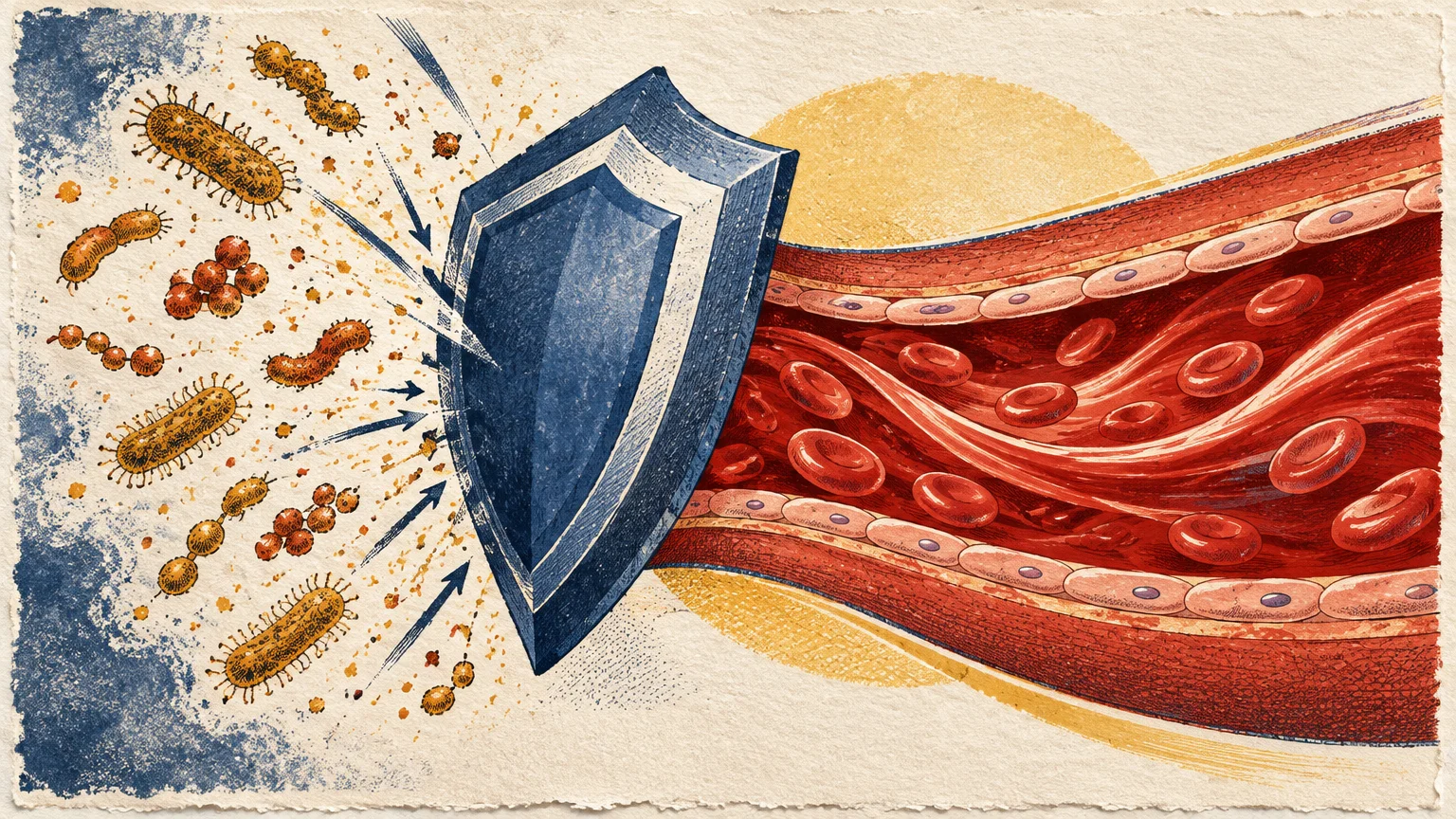
When bacterial balance breaks down, harmful microbes enter your circulatory system. This continuous leak triggers inflammation that circulates throughout your tissues and organs.
This systemic inflammation taxes your immune defenses over time. Persistent inflammatory signals accelerate vascular damage and place unneeded strain on your heart and kidneys.
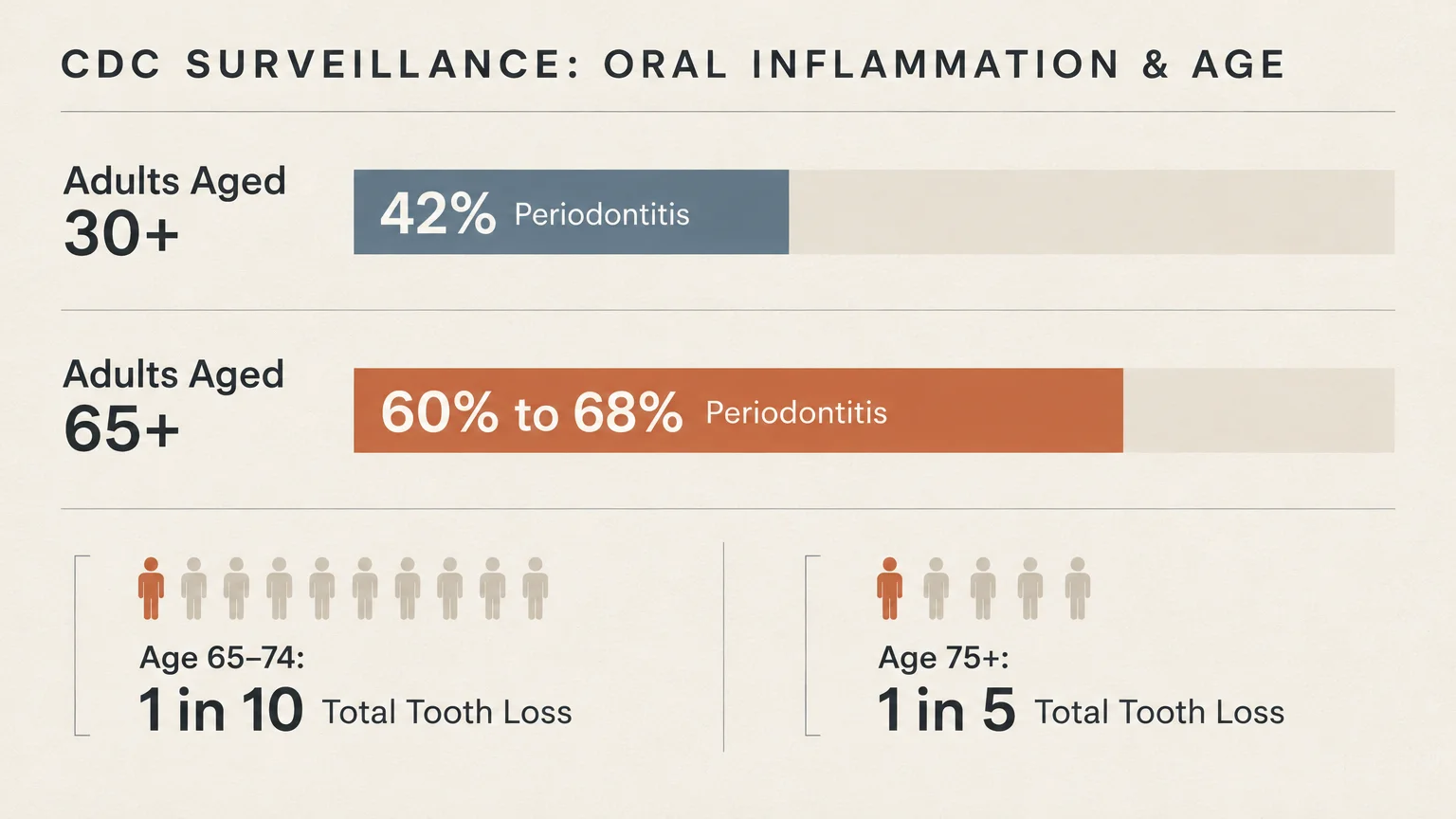
According to the Centers for Disease Control and Prevention, 42% of U.S. adults aged 30 and older have some form of periodontitis. About 8% of these individuals suffer from severe periodontal disease.
This health risk escalates considerably as you grow older. CDC surveillance data shows that roughly 60% to 68% of adults aged 65 and older live with periodontal disease.
Furthermore, approximately 1 in 5 older adults aged 65 and older has untreated tooth decay. Untreated dental problems overall health risks create continuous, silent stress on your body.
Severe gum infection gradually dissolves the supporting bone that anchors your teeth. CDC data indicates that roughly 1 in 10 adults aged 65 to 74 has lost all natural teeth.
Tooth loss doubles in later years; about 1 in 5 adults aged 75 and older has lost all natural teeth. Complete tooth loss dramatically restricts your food choices and compromises your nutritional intake.
When chewing becomes difficult, many older adults switch to soft, carbohydrate-heavy foods. This dietary shift can worsen blood sugar control and deprive muscles of vital protein.
Poor oral health and heart disease also share a powerful biological connection. Oral bacteria entering your bloodstream stimulate blood clotting mechanisms and promote arterial plaque accumulation.
On December 16, 2025, the American Heart Association published an updated scientific statement in the journal Circulation. This statement updated previous clinical guidance originally issued in 2012.
The AHA confirmed a stronger independent association between periodontal disease and atherosclerotic cardiovascular disease than previously recognized. Gum disease health risks actively undermine cardiovascular stability and arterial integrity.
This updated scientific statement links gum disease to heart attacks, strokes, atrial fibrillation, peripheral artery disease, and heart failure. Chronic systemic inflammation drives this dangerous vascular connection.
Acknowledging this mouth body connection helps you reframe your daily oral routine. Protecting your mouth actively defends your cardiovascular system, brain health, and metabolic balance.

Practical Tips for a Healthier, Happier Life
Protecting your systemic health begins with recognizing subtle warning signals in your mouth. By addressing these 7 signs promptly, you protect your body from unnecessary physical stress.
1. Bleeding, Swollen, or Tender Gums
Healthy gum tissue looks pale pink, feels firm, and hugs your teeth securely. If your gums bleed during gentle brushing or flossing, active inflammation has taken hold along the tissue margins.
Bleeding indicates microscopic ulcerations within your periodontal pockets. Through these tiny openings, oral bacteria enter your bloodstream and circulate to distant organs.
This continuous bacterial leak triggers chronic inflammation throughout your arterial network. Managing bleeding gums promptly helps protect your blood vessels and heart valves from inflammatory damage.
Switch to an extra-soft toothbrush to protect thinning gum tissues from mechanical abrasion. Brush gently at a forty-five-degree angle toward your gumline using light, circular motions twice daily.
If arthritis makes gripping a standard brush difficult, modify your brush handle. Slide a foam grip or bicycle handlebar grip over the handle to improve control.
Clean between your teeth daily using interdental brushes or an adjustable water flosser. These gentle tools remove plaque from narrow gaps without cutting fragile gum tissue.
Rinse with warm salt water after meals to soothe irritated, inflamed gum tissues naturally. Dissolve half a teaspoon of salt in warm water for a gentle, calming rinse.
2. Persistent Bad Breath or a Chronic Sour Taste
Occasional morning breath resolves quickly after eating breakfast or brushing your teeth. However, persistent bad breath that lingers throughout the day often signals hidden bacterial colonies.
Dentists refer to chronic bad breath as halitosis. Anaerobic bacteria thriving in deep gum pockets produce foul-smelling volatile sulfur compounds that cause sour, metallic tastes.
Inhaling oral bacteria into your respiratory tract poses significant health hazards for older adults. Oral pathogens can irritate lung tissue and trigger serious bouts of aspiration pneumonia.
This chronic bacterial inhalation also aggravates chronic obstructive pulmonary disease and bronchitis. Maintaining lower oral bacterial counts protects your delicate lungs and respiratory wellness.
Clean your tongue every morning using a dedicated plastic or stainless-steel tongue scraper. Gently scraping from back to front removes dense bacterial coatings that toothbrush bristles miss.
Rinse morning and night with an alcohol-free antimicrobial mouthwash. Alcohol-free rinses neutralize sulfur compounds without stinging your oral tissues or worsening oral dryness.
Drink plenty of fresh water between meals to flush away lingering food particles. Consistent hydration supports natural saliva flow and prevents bacterial colonies from stagnating.
3. Receding Gums and Loose Teeth
Receding gums pull backward from the enamel, exposing the softer root surfaces beneath. You may notice your teeth appearing longer or feel slight movement when you chew firmer foods.
Gum recession creates deep periodontal pockets where destructive bacteria multiply undisturbed. As the infection progresses, it quietly destroys the jawbone that anchors your teeth in place.
This tissue breakdown also complicates everyday blood sugar regulation for adults with diabetes. Severe periodontal disease promotes systemic insulin resistance, which leads to unpredictable blood sugar spikes.
Conversely, chronically elevated blood sugar weakens your immune defenses and impairs gum healing. Managing this reciprocal relationship requires coordinated communication between your dentist and physician.
Inspect your smile regularly in a well-lit mirror to monitor your gum margins. If a tooth feels loose or shifts position, schedule an immediate dental evaluation.
Ask your dental hygienist about therapeutic deep-cleaning treatments like scaling and root planing. These non-surgical procedures remove calcified tartar deposits from beneath your gumline to halt bone loss.
Use a remineralizing fluoride rinse daily to protect exposed, vulnerable tooth roots from decay. Exposed roots lack protective enamel and require extra mineral defense to remain strong.
4. Chronic Dry Mouth and Swallowing Difficulties
Saliva provides continuous biological protection for your teeth, gums, and digestive tract. It neutralizes dietary acids, remineralizes enamel, and lubricates food particles for safe, comfortable swallowing.
Dry mouth, clinically known as xerostomia, is one of the most widespread dental warning signs among seniors. It frequently arises as an unintended side effect of common prescription medications.
Prescriptions for high blood pressure, allergies, depression, and bladder control drastically reduce salivary output. Without adequate saliva, aggressive bacterial acids cause rapid decay along exposed roots.
A chronically parched mouth also impairs your ability to chew, taste, and swallow nutritious meals. Over time, painful eating can lead to unintentional weight loss and nutritional shortfalls.
Keep a reusable water bottle nearby and take small sips frequently throughout your day. Carrying water ensures your oral tissues stay hydrated and comfortable wherever you go.
Suck on saliva-stimulating lozenges or chew sugar-free gum sweetened exclusively with 100% xylitol. Xylitol stimulates salivary glands while actively inhibiting the growth of cavity-causing bacteria.
Run a cool-mist humidifier beside your bed to maintain ambient air moisture at night. Added humidity prevents waking with a dry, burning throat and cracked oral tissues.
Apply a water-based moisturizing lip balm before sleeping to prevent chapped lips and mouth corners. Avoid petroleum-based balms that can feel heavy and irritate delicate skin margins.
5. Lingering Tooth Pain and Temperature Sensitivity
Sharp discomfort when sipping hot tea or enjoying ice water signals compromised dental defenses. A persistent, throbbing toothache indicates that bacteria have penetrated into your internal pulp tissue.
As you age, nerves inside your teeth shrink and become less responsive to early decay. Consequently, by the time pain occurs, deep decay or a root abscess may already exist.
Untreated dental infections do not remain confined within the infected tooth root. Pathogens can travel through your bloodstream, posing severe hazards for adults with artificial heart valves.
Circulating bacteria can colonize prosthetic heart valves or artificial joint replacements, causing endocarditis. Managing tooth infections promptly protects your medical implants and preserves whole-body health.
Never ignore lingering dental discomfort or rely solely on temporary over-the-counter pain relievers. Painkillers merely mask symptoms while the underlying bacterial infection continues to destroy bone.
Contact your dentist promptly for diagnostic X-rays if tooth sensitivity persists beyond two days. Modern root canal treatments or gentle restorations resolve infections comfortably and preserve your natural teeth.
Brush with a desensitizing toothpaste containing potassium nitrate to calm hyperactive nerve fibers. Consistent daily use blocks microscopic tubules in exposed dentin to alleviate thermal sensitivity.
6. Jaw Soreness, Clicking, and Morning Headaches
Waking with stiff jaw muscles, dull temple headaches, or aching neck joints indicates nocturnal tension. Dentists categorize these painful mechanical symptoms under temporomandibular joint disorders.
Many older adults clench or grind their teeth unconsciously during sleep due to daily stress. This intense pressure causes micro-fractures in enamel, wears down chewing surfaces, and strains joint ligaments.
Chronic nocturnal jaw clenching is also closely correlated with obstructive sleep apnea. Your body reflexively clenches jaw muscles to brace your airway during nighttime breathing interruptions.
Sleep apnea deprives your brain and heart of vital oxygen, elevating your cardiovascular risk profile. Treating jaw pain can help identify underlying airway issues that affect your overall longevity.
Apply a warm, moist washcloth to your jaw joints for ten minutes before going to sleep. Gentle heat relaxes tense facial muscles and relieves accumulated daily strain.
Ask your dentist about a custom-fitted nighttime oral appliance to protect your smile. A personalized nightguard cushions your teeth against grinding forces and keeps your jaw in a relaxed position.
Avoid chewing gum or tough foods when experiencing active jaw stiffness or joint clicking. Choosing softer, nutrient-dense foods gives tired jaw joints an opportunity to rest and heal.
7. Persistent Sores, Lumps, or Discolored Patches
Occasional mouth sores can develop from minor cheek bites or friction from loose dentures. However, any sore, lump, or discolored patch that fails to heal requires careful evaluation.
The CDC reports that nearly 54,000 new cases of oral and throat cancers occur annually in the United States. Incidence rates peak predominantly among older adults and men.
Persistent oral sores can also signal underlying autoimmune disorders or serious nutritional deficiencies. Deficiencies in vitamin B12, folate, or iron often trigger recurrent oral ulcers and tongue inflammation.
Examine the inside of your mouth once every month in front of a well-lit mirror. Look closely for unusual red or white patches, persistent sores, or thickened mucosal tissues.
Remove complete or partial dentures every night before sleeping to allow oral tissues to breathe. Soaking dentures in an antimicrobial cleanser keeps them clean and prevents fungal infections.
Ensure your dentures fit securely without rubbing raw spots on your gums or palate. If a denture plate feels loose, visit your dentist for a prompt reline.
Consult your dentist or doctor immediately if any oral sore persists for longer than two weeks. Early diagnosis ensures prompt, gentle intervention and provides peace of mind.
Important Safety Precautions to Keep in Mind
Gentle daily maintenance yields far better long-term results than aggressive scrubbing. Brushing with hard bristles or abrasive whitening powders scratches thinned enamel and lacerates delicate gum margins.
Avoid harsh home remedies, such as swishing with undiluted hydrogen peroxide or essential oils. These potent substances can burn sensitive mucous membranes and disrupt your protective oral microbiome.
Always share an updated medication list with your dental team at every visit. Many seniors take blood thinners, which require special clinical precautions during dental cleanings or extractions.
Notify your dentist if you take bisphosphonate medications to support your bone density. In rare situations, these medications can affect how your jawbone heals after surgical procedures.
Understanding dental coverage rules protects you from unexpected out-of-pocket medical bills. Original Medicare, which includes Parts A and B, excludes routine dental care like cleanings, fillings, extractions, and dentures.
However, recent CMS policy expansions cover medically necessary oral exams and treatments inextricably linked to specific covered procedures. These situations include organ transplants, cardiac valve replacements, chemotherapy, head and neck cancer treatments, and dialysis for End-Stage Renal Disease.
CMS rulemaking specifically declined to expand this coverage to routine diabetes or autoimmune management. Consequently, older adults must plan ahead for their routine preventive dental care.
A report from the Kaiser Family Foundation shows that 98% of Medicare Advantage plans offer supplemental dental coverage. Review your specific Part C plan details annually to understand your benefits and limits.
For uninsured individuals, routine preventive dental care averages $200 to $400 annually. This reasonable fee typically covers two cleanings, an annual examination, and diagnostic X-rays.
If dental expenses feel challenging on a fixed budget, ask your dental office about payment plans. Many community dental clinics and dental hygiene schools also offer high-quality, reduced-cost care.
Do not hesitate to request rest breaks during lengthy dental procedures. Sitting back comfortably and breathing deeply prevents jaw fatigue and keeps your visits calm and stress-free.

When to Speak with a Healthcare Professional
The guidance provided in this guide supports your wellness journey but does not substitute for individualized medical advice. Always consult qualified healthcare providers regarding personal health concerns and medical conditions.
Schedule an urgent medical or dental evaluation if you develop sudden facial swelling or warmth. Swelling around your jaw or neck can indicate an advancing infection that demands immediate intervention.
Seek immediate care if you experience difficulty swallowing, high fever, or shortness of breath alongside oral pain. These severe symptoms suggest an infection spreading toward your airway or bloodstream.
Contact your doctor if you notice persistent gum bleeding, especially while taking prescribed anticoagulant medications. Sudden, heavy bleeding warrants prompt evaluation of your clotting levels and overall vascular status.
Never dismiss sores, lumps, or discolored patches that remain unhealed after two weeks. A timely biopsy or tissue examination ensures early detection and prompt peace of mind.
Consult your physician if severe dry mouth makes eating or speaking consistently painful. Your doctor can often adjust medication dosages or prescribe specialized saliva stimulants to restore comfort.
Encourage active communication between your dentist, cardiologist, and primary care physician. Integrated healthcare ensures that your oral treatments align safely with your overall medical therapies.
Frequently Asked Questions
Can poor oral health cause heart disease?
Poor oral health does not act alone, but it significantly elevates cardiovascular risks. Bacteria from diseased gums enter your bloodstream, triggering systemic inflammation and accelerating arterial plaque formation.
The American Heart Association confirms a strong independent association between periodontitis and cardiovascular disease. Managing gum infections removes a continuous source of inflammatory stress throughout your circulatory system.
Practicing thorough daily hygiene and scheduling regular cleanings supports both your smile and your heart. Proactive dental care protects your blood vessels and promotes long-term vitality.
Why do my teeth feel more brittle or sensitive as I age?
Natural aging gradually thins your protective enamel through decades of chewing, grinding, and dietary acid exposure. Thinner enamel allows temperature changes to stimulate the sensitive nerves within your dentin.
In addition, receding gums expose delicate tooth roots that lack protective enamel coverings entirely. Exposed root dentin reacts sharply to cold air, hot beverages, and sweet treats.
Using a mineral-rich desensitizing toothpaste calms exposed nerve pathways and shields vulnerable root surfaces. Your dentist can also apply protective fluoride varnishes to strengthen sensitive areas.
Does Medicare cover my routine dental cleanings and checkups?
Original Medicare Parts A and B exclude coverage for routine preventive exams, cleanings, and dentures. Coverage only applies to dental clearance required before specific major procedures, like cardiac valve replacements.
Fortunately, 98% of Medicare Advantage plans provide supplemental dental benefits that assist with routine preventive care. Review your plan details each autumn during open enrollment to maximize your benefits.
Uninsured preventive care generally costs between $200 and $400 annually for cleanings, exams, and X-rays. Many community clinics and dental schools offer low-cost services for older adults.
How does chronic dry mouth affect my overall wellness?
Saliva defends your mouth against harmful bacteria and washes away lingering food debris. When salivary flow drops, rapid tooth decay and painful oral infections develop much more easily.
A dry mouth also complicates swallowing, which can cause you to avoid nutritious, fiber-dense foods. Painful eating can lead to unintended weight loss and essential vitamin deficiencies.
Staying well-hydrated and using saliva-stimulating xylitol products protects your teeth while supporting comfortable digestion. Always ask your physician if your prescriptions can be adjusted to relieve dryness.
For authoritative, trustworthy health information, always consult official sources like the National Institute on Aging (NIA) and MedlinePlus from the National Library of Medicine. The CDC also provides excellent resources for older adults.
Disclaimer: This article is for informational purposes only and does not constitute medical advice. Always seek the advice of your physician or other qualified health provider with any questions you may have regarding a medical condition.