
Your daily energy, gut comfort, and cellular defense rely on the steady nourishment of fresh vegetables. When your plate lacks sufficient plant foods, your body sends clear physical distress signals.
Catching these early warnings protects your vitality before minor deficits grow into stubborn complications. Adding colorful produce to your routine revitalizes your physical strength and sharpens your mind.
Learning the top signs you need more vegetables empowers you to build vibrant, lasting health. Here is how your body speaks to you and how you can answer its calls.
Understanding the Basics of Vegetable Nutrition for Seniors
Plant foods supply the foundational vitamins, minerals, and protective antioxidants that sustain aging tissues. As metabolism slows, every bite you consume must deliver higher nutritional density.
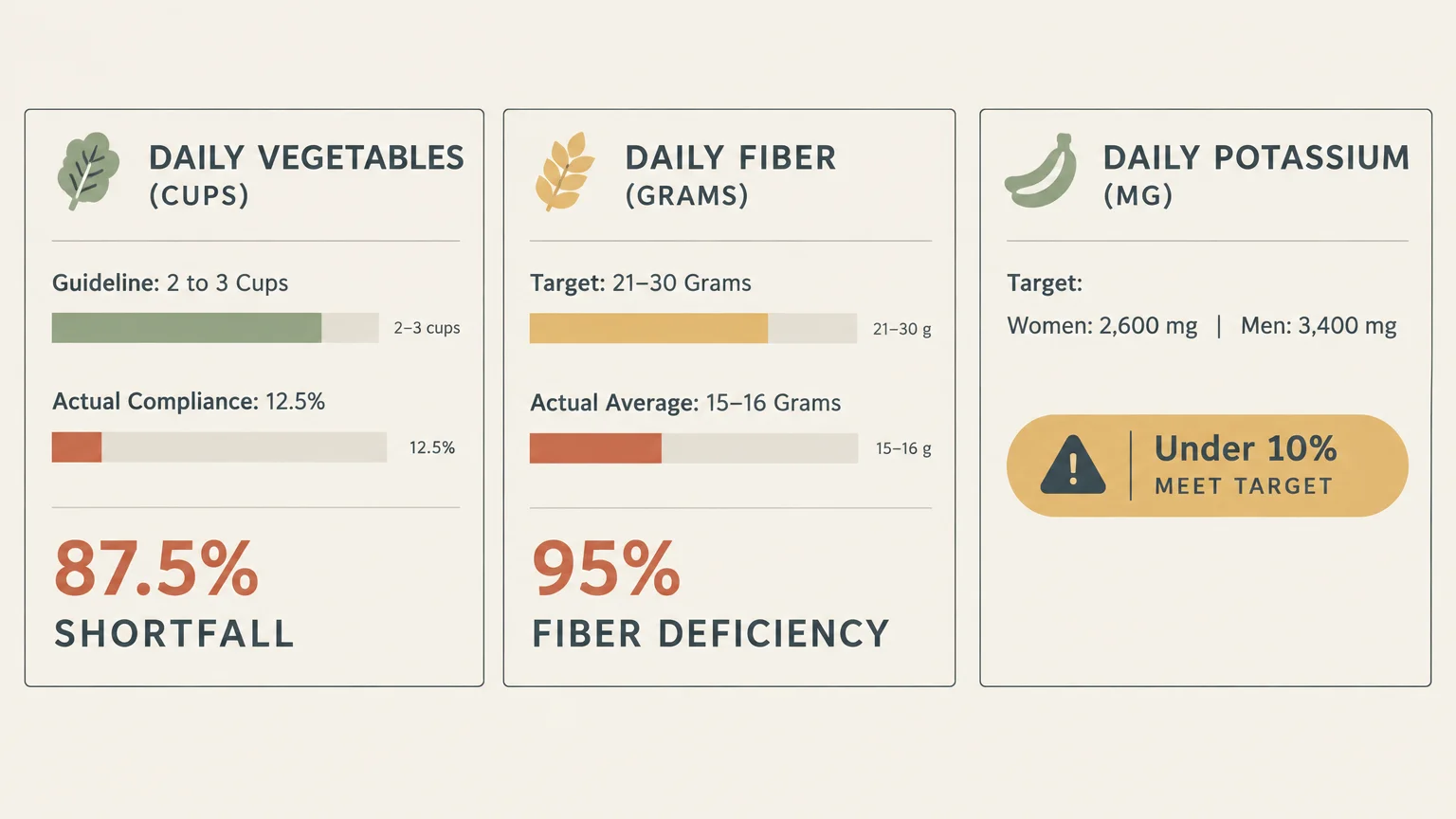
Unfortunately, data from the Centers for Disease Control and Prevention shows that only 10.0% of American adults eat sufficient vegetables. While adults aged 51 and older lead the nation, their compliance rate still sits at an alarming 12.5%.
This means roughly 87.5% of older adults do not consume the vegetables their bodies require each day. Over time, not eating enough vegetables creates silent nutritional gaps that drain daily energy.
Federal dietary guidelines advise adults over 50 to eat 2 to 3 cup-equivalents of vegetables each day. Specifically, older women should aim for 2 to 2.5 cups, while older men require 2.5 to 3 cups daily.
Dietary fiber represents another widespread deficiency among older individuals. Dietary reference guidelines recommend 21 to 22 grams of daily fiber for women and 28 to 30 grams for men aged 51 and older.
Yet approximately 95% of American adults face an ongoing fiber deficiency, averaging only 15 to 16 grams each day. Skipping vegetables removes the richest source of soluble and insoluble plant roughage.
Vegetables also provide generous amounts of potassium, a mineral classified as a major public health concern. Adults need between 2,600 milligrams for women and 3,400 milligrams for men every day.
Because fewer than 10% of adults meet these potassium targets, blood pressure problems and muscle spasms frequently follow. Prioritizing garden produce restores these vital balances naturally.

Practical Tips for a Healthier, Happier Life
Listening to your body allows you to spot dietary shortfalls before they disrupt your active lifestyle. Exploring common vegetable deficiency symptoms will help you make simple, delicious adjustments to your meals.
1. Chronic Digestive Sluggishness and Constipation
Infrequent or painful bowel movements serve as one of the clearest healthy eating signs your body lacks roughage. Without bulky vegetable fiber, waste moves slowly through your intestinal tract.
Clinical records from the National Institutes of Health reveal that constipation affects 16% of men and 26% of women aged 65 and older. Among individuals aged 84 and older, that figure rises past 30%.
Soluble fiber absorbs water to soften stool, while insoluble fiber adds necessary bulk for effortless elimination. Vegetables like broccoli, Brussels sprouts, and carrots supply both varieties in perfect harmony.
Simmer chopped root vegetables into savory stews to make fibrous plants easy to chew and digest. Adding cooked spinach to your breakfast eggs also stimulates gentle morning intestinal transit.
2. Mid-Afternoon Energy Crashes
If your physical energy plunges two hours after lunch, your meal likely lacked fiber-rich vegetables. Refined carbohydrates cause swift blood glucose spikes followed by abrupt, draining crashes.
Vegetables slow down carbohydrate digestion, releasing a steady stream of fuel into your bloodstream throughout the day. They also supply essential B vitamins that your cells need to produce sustained energy.
When you omit plant foods, your cells struggle to generate energy efficiently; fatigue inevitably follows. Pairing your protein with roasted zucchini or steamed green beans prevents these sudden slumps.
Keep steamed sweet potatoes in your refrigerator for a quick, complex carbohydrate snack. A small serving stabilizes your energy levels without demanding intensive culinary preparation.
3. Frequent Muscle Cramps and Spasms
Waking up with painful calf cramps often points directly to an electrolyte imbalance. Vegetables deliver essential potassium and magnesium, which regulate healthy muscular contractions and nerve relaxation.
With fewer than 10% of older adults meeting potassium targets, painful muscle tightening occurs frequently. Without enough vegetables, your body cannot maintain proper cellular fluid and mineral balances.
Leafy greens, winter squash, and baked potatoes with skins rank among the richest potassium sources available. Incorporating these plants into your dinner menu helps keep your muscles supple throughout the night.
Roast acorn squash wedges with a light brush of olive oil for an evening electrolyte boost. This comforting side dish supports peaceful sleep without nighttime leg cramps.
4. Bruising Easily from Minor Bumps
Finding mystery bruises on your forearms or legs can indicate a deficiency in dietary vitamin K. This vital nutrient activates the specific proteins your body requires for normal blood coagulation.
Dark leafy greens like kale, collards, and Swiss chard serve as nature’s premier sources of vitamin K1. A subtle shortfall weakens blood vessel resilience, making capillaries burst under minimal pressure.
Older adults who avoid green vegetables frequently experience prolonged bruising following gentle physical contact. Consuming modest servings of cooked greens helps maintain sound circulatory integrity.
Stir a handful of tender baby spinach into hot soup right before serving your meal. The heat wilts the greens instantly, delivering vitamin K without altering the flavor.
5. Bleeding Gums and Slow Wound Healing
If your gums bleed during gentle brushing, you may lack adequate levels of vitamin C. This essential antioxidant strengthens collagen, the structural protein that anchors teeth and knits skin tissue together.
Subclinical vitamin C deficiencies delay skin repair, allowing minor paper cuts and scrapes to linger for weeks. Vegetables provide rich, low-sugar sources of this vital healing vitamin.
Bell peppers, broccoli florets, and tomatoes provide abundant vitamin C to reinforce delicate gum tissue. Cooking them lightly preserves their sensitive vitamins while keeping textures tender for older teeth.
Dice sweet bell peppers into your midday tuna salad for an instant infusion of healing nutrients. Your gums and skin will benefit from the reinforced collagen production.
6. Persistent Hunger Shortly After Eating
Feeling hungry less than an hour after a hearty meal suggests that your plate lacked dietary volume. Vegetables provide water and dense fiber that stretch stomach walls, triggering natural fullness hormones.
Without vegetable bulk, your stomach empties too quickly, prompting constant snacking and unwanted blood sugar fluctuations. Vegetables provide satisfying fullness without burdening your digestive system with heavy calories.
Filling half your plate with colorful vegetables provides lasting satisfaction that keeps between-meal cravings at bay. This simple plate proportion stabilizes appetite and protects against metabolic stress.
Begin lunch with a warm bowl of vegetable puree, such as pureed butternut squash or cauliflower. This soothing starter curbs excessive hunger and delivers deep nourishment.
7. Dry Eyes and Impaired Night Vision
Aging eyes require a steady supply of specialized plant pigments, including lutein, zeaxanthin, and beta-carotene. These carotenoids filter blue light and maintain moist, healthy corneal surfaces.
Skimping on orange and dark green vegetables can cause persistent eye dryness and poor low-light vision. Over time, this shortfall increases susceptibility to age-related macular changes.
Carrots, pumpkin, spinach, and kale supply high concentrations of these ocular protective compounds. Eating them alongside healthy fats, like olive oil, enhances your body’s carotenoid absorption.
Roast sliced carrots with a drizzle of avocado oil to maximize nutrient uptake for your vision. This simple side dish provides immediate support for dry, tired eyes.
8. Dull Skin and Accelerated Dryness
Mature skin requires internal hydration and antioxidant defense to maintain its natural barrier. Vegetables consist largely of structured water, vitamins, and polyphenols that combat environmental oxidative stress.
When you do not eat enough produce, skin can appear dull, rough, and noticeably parched. Topical moisturizers cannot fully replace the deep cellular hydration that comes from water-rich plant foods.
Cucumbers, zucchini, and celery provide structured moisture alongside silica, a mineral supporting skin elasticity. Regular consumption revitalizes dermal layers from the inside out.
Blend peeled cucumbers into a refreshing chilled gazpacho during warmer weather. It hydrates your skin cells while delivering cooling, restorative phytonutrients.
9. Brain Fog and Slower Information Processing
Occasional lapses in focus and sluggish memory recall can stem from low antioxidant intake. Vegetables supply folate and polyphenols that reduce neuroinflammation and promote healthy microvascular cerebral blood flow.
Diets devoid of greens starve the brain of compounds that protect neurons against oxidative wear. Eating leafy vegetables regularly correlates strongly with preserved cognitive agility in older adults.
Incorporating asparagus, romaine lettuce, and steamed cabbage ensures your central nervous system receives steady folate. This humble B vitamin supports neurotransmitter production and clear mental processing.
Add a cup of steamed broccoli to your dinner plate several evenings each week. Its potent sulfur compounds help safeguard your memory circuits as the years advance.
10. Frequent Colds and Vulnerable Immunity
Catching seasonal bugs frequently signals that your immune system lacks the cellular tools to mount robust defenses. Upwards of 70% of your immune tissue resides along your gastrointestinal tract.
Vegetable fibers feed the beneficial gut bacteria that train and regulate your circulating white blood cells. A diet lacking plant matter starves this vital microbiome, leaving your defenses compromised.
Onions, garlic, leeks, and asparagus contain powerful prebiotic fibers that nourish protective gut microbes. Bolstering your internal flora enhances your resilience against seasonal respiratory pathogens.
Sauté minced garlic and yellow onions as the flavorful foundation for all your homemade soups. This classic culinary combination delivers immediate antimicrobial and immune-modulating benefits.
11. Rising Blood Pressure Measurements
Subtle upward trends in your blood pressure readings often reflect an unfavorable potassium-to-sodium dietary ratio. Excess dietary sodium constricts blood vessels, while vegetable potassium prompts your kidneys to excrete excess fluid.
Furthermore, leafy greens and beets contain dietary nitrates that convert into nitric oxide within your blood vessels. Nitric oxide relaxes smooth arterial walls, encouraging smooth, low-pressure blood circulation.
Missing these plant nitrates leaves your blood vessels less compliant, driving systolic pressures steadily upward. Reintroducing rich plant foods supports healthy arterial tone and cardiovascular peace of mind.
Roast fresh beet slices or blend cooked beets into your morning vegetable puree. Their natural nitrates provide immediate, gentle support for relaxed, healthy blood pressure readings.

Important Safety Precautions to Keep in Mind
While increasing your vegetable intake yields immense health rewards, you must make adjustments thoughtfully. Older digestive tracts and medical regimens require a measured, cautious approach.
Never double your vegetable roughage overnight, as sudden fiber surges trigger painful gas and cramping. Increase your daily portions gradually over several weeks to allow your gut microbes time to adapt.
Always pair increased fiber intake with generous fluid consumption throughout your waking hours. Fiber requires water to pass smoothly through your intestines; without hydration, it can cause severe blockages.
Pay careful attention to prescription medications that interact with specific plant nutrients. For instance, individuals taking warfarin must maintain consistent vitamin K intake rather than making sudden spikes.
Similarly, those managing advanced chronic kidney disease or taking certain blood pressure medications must monitor potassium intake. Always discuss significant dietary changes with your healthcare team before proceeding.
If chewing raw produce causes discomfort, adapt your cooking techniques rather than avoiding vegetables entirely. Steaming, stewing, roasting, and blending soften fibrous cell walls while preserving vital micronutrients.

When to Speak with a Healthcare Professional
While dietary adjustments resolve minor digestive and nutritional imbalances, some symptoms require immediate medical investigation. You should never attempt to treat persistent or severe physical distress with dietary changes alone.
Schedule an appointment with your physician if you experience sudden, severe constipation lasting more than three days. Immediate medical attention is also necessary if you notice blood in your stool or unexplained weight loss.
Consult your doctor if easy bruising appears alongside unusual fatigue, gum bleeding, or sudden vision changes. These combined symptoms may indicate medication interactions or underlying hematologic conditions that require laboratory evaluation.
A registered dietitian can provide personalized guidance tailored to your specific chronic conditions and medications. Professional oversight ensures you reap the rewards of plant nutrition without compromising your medical safety.
For authoritative, trustworthy health information, always consult official sources like the National Institute on Aging (NIA) and MedlinePlus from the National Library of Medicine. The CDC also provides excellent resources for older adults.
Disclaimer: This article is for informational purposes only and does not constitute medical advice. Always seek the advice of your physician or other qualified health provider with any questions you may have regarding a medical condition.
Frequently Asked Questions
Are frozen and canned vegetables as healthy as fresh produce?
Yes, flash-frozen vegetables retain virtually the same nutritional value as freshly harvested produce. Freezing locks in delicate vitamins immediately after harvest, preventing nutrient loss during extended transit.
Canned vegetables also provide valuable nutrients, though you should choose low-sodium or no-salt-added varieties. Rinsing canned produce thoroughly under cold tap water removes up to 40% of added sodium.
How can I eat enough vegetables if chewing is difficult?
Pureed vegetable soups, smoothies, and soft casseroles provide abundant nourishment without straining your jaw or teeth. Slow-cooking root vegetables makes them tender enough to mash easily with a fork.
Grating zucchini, carrots, or yellow squash into meatloaf and egg bakes integrates produce seamlessly. These culinary adjustments let you enjoy all the health benefits without any chewing pain.
Can vegetable powders or juices replace whole vegetables?
Vegetable powders and strained juices supply concentrated vitamins, but they lack essential dietary fiber roughage. Without whole plant fiber, juices cause fast blood sugar spikes and fail to relieve constipation.
Whole or pureed vegetables remain the gold standard for digestive health and long-term metabolic balance. Use vegetable beverages only as occasional supplements rather than permanent replacements for whole foods.
Why do cruciferous vegetables cause gas, and how can I stop it?
Broccoli, cabbage, and cauliflower contain complex sugars called raffinose that intestinal bacteria ferment into gas. Cooking these vegetables thoroughly breaks down tough fibers, making them far easier on your stomach.
Start with small portions, such as two tablespoons, and chew each bite thoroughly before swallowing. Over time, your digestive enzymes and microbiome will adapt to handle these nutritious vegetables comfortably.