
Managing your blood lipids protects your independence, vitality, and cardiovascular strength as you age. When your routine lab test reveals high triglycerides, understanding the underlying cause empowers you to make meaningful lifestyle adjustments.
Triglycerides are blood fats that supply energy to your muscles. However, elevated levels often signal hidden metabolic strain that can influence your overall well-being.
Learning how these blood fats interact with other bodily systems helps you collaborate with your physician. Clear knowledge gives you practical tools to safeguard your vitality for years to come.
Understanding the Basics of Triglycerides for Seniors
Your body converts surplus dietary calories into triglycerides, storing them inside adipose cells for future metabolic fuel. Your liver also synthesizes these circulating fats to transport energy throughout your vascular system.
While both circulate in your blood, cholesterol and triglycerides fulfill completely different biological roles. Cholesterol constructs cellular membranes and crucial hormones; in contrast, triglycerides provide usable chemical energy to your tissues.
When your daily calorie consumption exceeds the energy you expend, your liver transforms the surplus into stored fat. These lipid particles circulate through your vascular tree before settling into adipose tissue.
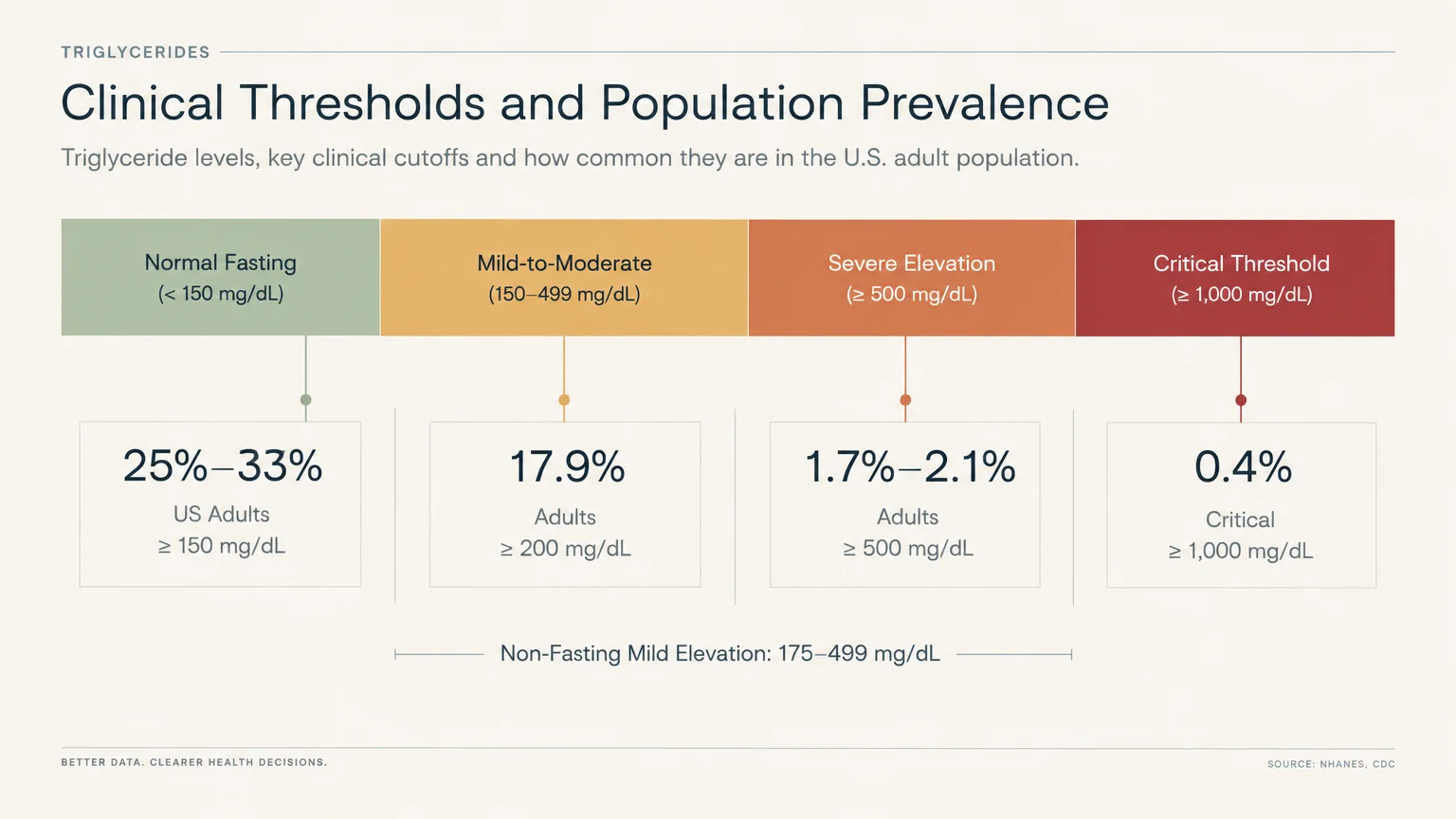
According to the American College of Cardiology and American Heart Association, a normal fasting triglyceride measurement is below 150 mg/dL. Values between 150 and 499 mg/dL represent mild-to-moderate hypertriglyceridemia.
Readings between 175 and 499 mg/dL on non-fasting blood tests also indicate mild-to-moderate elevation. Measurements reaching 500 mg/dL or higher signal severe elevations that warrant attentive medical supervision.
Critically high concentrations at or above 1,000 mg/dL represent an urgent threat to your digestive organs. At this extreme threshold, circulating fats can trigger severe, sudden inflammation within your pancreas.
Elevated blood lipids represent a widespread health challenge across the United States. Between 25% and 33% of American adults live with triglyceride measurements at or above 150 mg/dL.
Furthermore, approximately 17.9% of adults have levels at or above 200 mg/dL. Severe elevations reaching 500 mg/dL affect 1.7% to 2.1% of adults, while 0.4% experience critical levels above 1,000 mg/dL.
Advancing age naturally reshapes how your body handles circulating blood fats. While triglyceride levels in men typically peak during middle age, rates in women climb steadily across their lifespan.
Following menopause, declining estrogen levels accelerate this upward trend in women. Consequently, adults over 55 represent a key demographic for routine lipid screening and proactive metabolic care.
On March 13, 2026, medical leaders published the 2026 Guideline on the Management of Dyslipidemia. This landmark framework formally retired the 2018 guidelines to enhance cardiovascular risk detection.
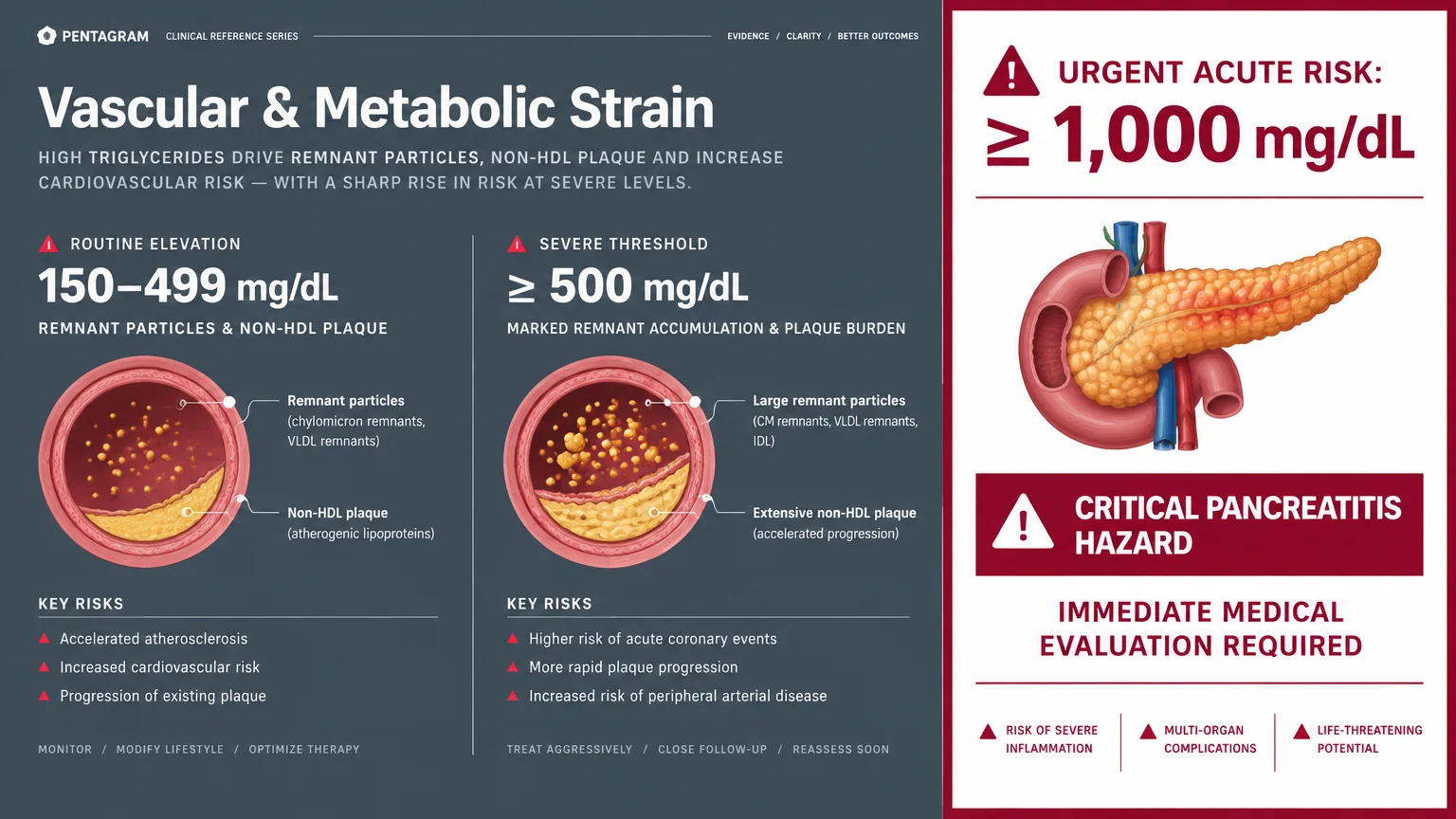
The modern standard looks beyond LDL cholesterol to evaluate triglyceride-rich remnant particles and non-HDL cholesterol. Remnant particles easily invade arterial walls, driving vascular inflammation and accelerating plaque buildup.
Cardiologists now assess your long-term cardiovascular health using the PREVENT-ASCVD risk calculator. This advanced tool integrates kidney function and metabolic markers directly into its predictive algorithms.
By viewing your cardiovascular-kidney-metabolic health as an interconnected system, clinicians can deliver tailored preventative care. Understanding this modern approach helps you take proactive charge of your longevity.
10 Conditions Tied to Elevated Triglyceride Levels
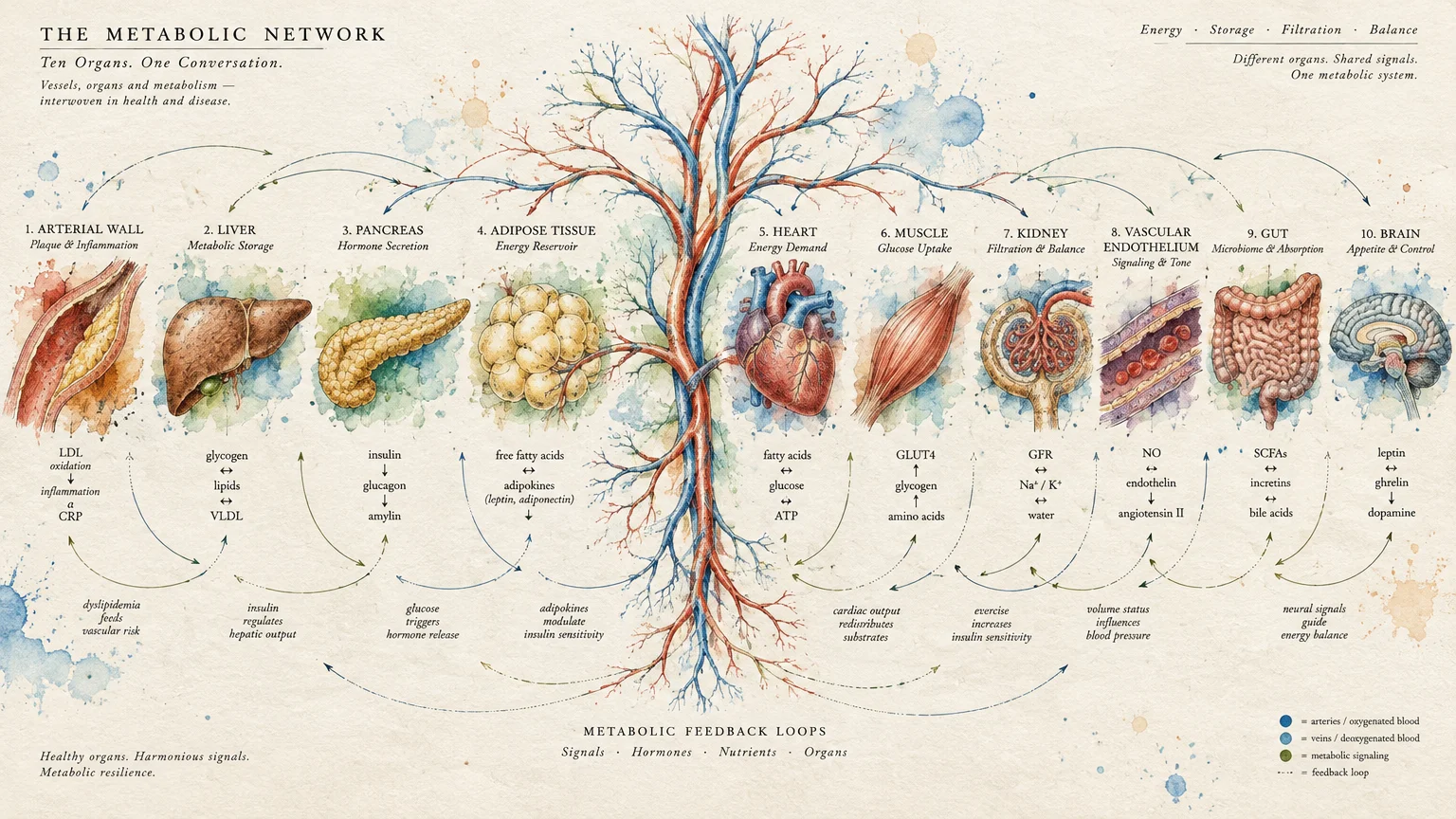
Elevated blood fats rarely develop within an isolated vacuum. Modern clinical guidelines instruct physicians to screen for ten connected health conditions whenever routine tests uncover elevated triglycerides.
1. Atherosclerotic Cardiovascular Disease
Atherosclerotic cardiovascular disease stands as the most critical threat associated with high triglycerides. Circulating blood fats indicate the presence of remnant lipoproteins, which penetrate delicate arterial walls with ease.
Once inside your arterial lining, these remnant particles promote inflammatory reactions that form hard atherosclerotic plaques. Over time, growing plaques narrow your blood vessels and restrict normal blood flow.
This vascular narrowing significantly increases your heart disease risk, raising the likelihood of angina, heart attacks, and strokes. Seniors must recognize that managing blood fats protects arterial flexibility and oxygen delivery.
The 2026 dyslipidemia guidelines establish strict targets for individuals diagnosed with cardiovascular disease. For high-risk patients, physicians recommend maintaining an LDL cholesterol below 70 mg/dL and a non-HDL cholesterol below 100 mg/dL.
Very high-risk patients face even tighter targets, aiming for LDL levels below 55 mg/dL and non-HDL levels below 85 mg/dL. Meeting these goals slows plaque progression and stabilizes vulnerable blood vessels.
2. Type 2 Diabetes
Type 2 diabetes shares a powerful, bidirectional relationship with elevated circulating blood fats. When your body develops insulin resistance, muscle and fat cells struggle to absorb glucose from your bloodstream.
In response to insulin resistance, your liver accelerates the production of very low-density lipoproteins. This biological malfunction floods your bloodstream with excess triglycerides after every meal you consume.
Simultaneously, circulating fatty acids can accumulate within your pancreas, impairing insulin-producing beta cells. This toxic cycle exacerbates high blood sugar levels and complicates daily glucose management.
Under the PREVENT-ASCVD risk assessment framework, diagnosing type 2 diabetes automatically categorizes you as a high-risk individual. This high-risk status warrants foundational statin therapy without requiring separate risk calculation steps.
Gentle daily walking and balanced nutrition improve your insulin sensitivity while lowering circulating fats. These coordinated improvements help you stabilize your blood sugar and maintain steady daily vitality.
3. Metabolic Syndrome
Metabolic syndrome represents a complex cluster of interrelated physical traits that heighten cardiovascular risk. Physicians diagnose this syndrome when you exhibit at least three of five specific clinical markers.
These diagnostic markers include elevated triglycerides, low HDL cholesterol, high blood pressure, elevated fasting glucose, and abdominal obesity. Elevated blood fats serve as a core driving factor behind this syndrome.
When these risk factors converge, they create systemic vascular inflammation and strain your circulatory network. This persistent internal stress accelerates arterial stiffening and promotes abnormal blood clot formation.
For adults over 55, metabolic syndrome often manifests as persistent fatigue and reduced physical endurance. Fortunately, addressing high blood fats helps unravel this entire cluster of metabolic disruptions.
Adopting nourishing dietary habits and increasing daily activity improves multiple syndrome markers at the same time. As your triglycerides decline, your blood pressure and blood glucose frequently improve as well.
4. Obesity and Excess Visceral Weight
Carrying excess body weight—especially deep visceral fat around your abdomen—substantially alters lipid metabolism. Unlike subcutaneous fat beneath your skin, visceral fat wraps directly around vital abdominal organs.
This active tissue continuously secretes free fatty acids directly into your portal circulation. Your liver absorbs these excess fatty acids, converting them rapidly into large quantities of triglycerides.
Visceral fat also produces inflammatory signaling proteins that interfere with normal insulin signaling throughout your body. This chemical interference impedes your natural ability to clear fats from your bloodstream.
Many mature adults experience shifting body composition as age-related muscle loss replaces lean mass with abdominal fat. This gradual shift can trigger unexpected triglyceride increases even without significant changes on your bathroom scale.
Engaging in light resistance exercise helps seniors preserve metabolically active muscle tissue. Strengthening your muscles enhances resting fat oxidation and reduces the accumulation of dangerous visceral deposits.
5. Metabolic Dysfunction-Associated Steatotic Liver Disease
Metabolic dysfunction-associated steatotic liver disease, known as MASLD, develops when excess fat accumulates within liver cells. Medical consensus introduced this modern term to replace non-alcoholic fatty liver disease.
Your liver serves as the central processing facility for all dietary fats and circulating carbohydrates. When overwhelmed by surplus calories, the liver stores excess energy as intracellular lipid droplets.
Over time, this trapped fat can spark chronic inflammation, cellular ballooning, and progressive liver fibrosis. Elevated triglycerides frequently provide the earliest clinical clue of hidden fat accumulation in the liver.
Because MASLD rarely produces obvious symptoms in its initial stages, routine lipid panels remain essential for older adults. Detecting high blood fats prompts timely lifestyle interventions before permanent liver scarring occurs.
Limiting refined carbohydrates and eliminating high-fructose corn syrup allows liver cells to burn off stored fat. Giving your liver nutritional support encourages cellular repair and improves systemic lipid processing.
6. Chronic Kidney Disease and Nephrotic Syndrome
Your kidneys filter waste products from your blood while playing an essential role in lipid regulation. When kidney function declines, your body’s ability to clear circulating triglycerides drops significantly.
Chronic kidney disease suppresses lipoprotein lipase, the primary enzyme responsible for breaking down circulating blood fats. As enzyme activity diminishes, triglyceride-rich remnant particles accumulate within your vascular system.
In conditions like nephrotic syndrome, damaged glomerular filters permit valuable albumin protein to escape into your urine. Your liver responds by synthesizing replacement proteins, simultaneously overproducing triglycerides and cholesterol.
The 2026 dyslipidemia guidelines identify chronic kidney disease as an automatic high-risk condition. The PREVENT-ASCVD risk calculator incorporates kidney filtration rates to ensure older adults receive early, comprehensive vascular protection.
Coordinating kidney care with lipid management prevents progressive vascular injury and preserves your remaining filtration capacity. Maintaining balanced blood pressure and proper daily hydration protects both your kidneys and your heart.
7. Hypothyroidism
Your thyroid gland secretes essential hormones that dictate the metabolic speed of every cell in your body. When your thyroid underperforms, metabolic processes slow down across your entire physical system.
Insufficient thyroid hormone reduces the expression and function of lipoprotein lipase enzymes. Consequently, your bloodstream struggles to clear circulating blood fats efficiently after you eat meals.
Hypothyroidism also reduces low-density lipoprotein receptors in your liver, causing total cholesterol and triglycerides to rise together. Many mature adults with sudden lipid elevations actually have undetected, mild thyroid deficiency.
Common symptoms of an underactive thyroid include unexplained fatigue, sensitivity to cold temperatures, dry skin, and constipation. Doctors routinely check thyroid-stimulating hormone levels before prescribing intensive cholesterol medications.
Prescribing daily thyroid hormone replacement medication often restores normal enzyme activity and rapidly lowers elevated blood fats. Once your hormone levels normalize, your liver processes circulating fats with renewed efficiency.
8. Acute Pancreatitis
Acute pancreatitis is a serious, painful inflammatory condition affecting your pancreas that requires immediate hospital treatment. When circulating triglycerides exceed 500 mg/dL, your risk for this condition escalates sharply.
Readings reaching or surpassing 1,000 mg/dL represent a critical danger threshold for inducing acute pancreatitis. Approximately 0.4% of American adults live with these dangerous, critical lipid concentrations.
Within small pancreatic capillaries, digestive enzymes break down concentrated triglycerides into free fatty acids. In excessive amounts, these free fatty acids trigger localized tissue injury, capillary thrombosis, and severe inflammation.
For patients with severe genetic conditions like Familial Chylomicronemia Syndrome and levels above 1,000 mg/dL, specialized medical treatments exist. The 2026 guidelines incorporate olezarsen, an FDA-approved apoC-III inhibitor, alongside strict low-fat nutrition.
Managing severe elevations aggressively prevents emergency room admissions and long-term glandular damage. Prompt medical intervention ensures your digestive and endocrine pancreas continues functioning properly.
9. Autoimmune Disorders
Autoimmune conditions, including systemic lupus erythematosus and rheumatoid arthritis, create persistent, widespread inflammation throughout your body. This ongoing immune activation significantly disrupts normal blood fat metabolism.
Circulating inflammatory cytokines interfere with lipoprotein lipase activity, causing triglycerides to accumulate in your blood. This biological process reduces protective HDL cholesterol while promoting the formation of atherogenic lipid particles.
Furthermore, standard autoimmune therapies like corticosteroids often increase liver fat production as an unintended side effect. Older adults managing autoimmune symptoms must monitor their blood lipid panels attentively.
Balancing immune management with cardiovascular care prevents accelerated arterial disease in mature adults. Working closely with both your rheumatologist and primary physician ensures a balanced treatment plan.
Anti-inflammatory lifestyle practices, such as consuming omega-3 fatty acids and practicing gentle yoga, support both joints and blood vessels. These soothing habits help quiet immune reactivity while promoting healthier blood lipids.
10. Human Immunodeficiency Virus Infection
Human immunodeficiency virus infection directly alters how your body processes and stores dietary and circulating fats. Chronic viral immune activation stimulates your liver to produce excess very low-density lipoproteins.
Additionally, certain antiretroviral medications can cause metabolic alterations that elevate circulating blood fats. These therapies may affect adipose tissue distribution and slow the enzymatic breakdown of blood lipids.
Because modern antiretroviral treatments enable individuals to live long, vibrant lives, long-term cardiovascular health has become an essential focus. Seniors living with HIV benefit greatly from proactive lipid screening and cardiovascular care.
The 2026 guidelines recommend integrating cardiovascular risk evaluations directly into routine HIV clinical checkups. Modern lipid-lowering therapies interact safely with contemporary antiretroviral regimens under attentive medical guidance.
Cardiologists and infectious disease specialists work together to select treatments that control blood fats while sustaining viral suppression. Embracing a heart-healthy lifestyle provides powerful support alongside your prescribed antiviral therapies.

Practical Tips for a Healthier, Happier Life
Supporting your metabolic health and lowering elevated blood fats does not require drastic or exhausting measures. Gentle, consistent daily choices create substantial, measurable improvements in your overall well-being.
Embrace Nourishing Whole Foods
Fill your daily plate with soluble fiber from oats, beans, Brussels sprouts, and ground flaxseeds. Soluble fiber binds to digestive bile acids and fats, helping your body eliminate them naturally.
Significantly reduce your intake of refined carbohydrates, white bread, pastries, and packaged snack foods. Your liver rapidly transforms surplus refined carbohydrates into circulating blood fats within hours of digestion.
Enjoy wild-caught salmon, mackerel, or sardines at least twice each week for protective marine omega-3s. These wholesome fats encourage your liver to reduce its internal triglyceride synthesis.
Season your meals with antioxidant-rich herbs like turmeric, garlic, and rosemary instead of heavy, processed sauces. These vibrant culinary spices calm cellular inflammation while enhancing the natural flavor of whole foods.
Engage in Gentle Daily Movement
Consistent daily physical activity stimulates lipoprotein lipase enzymes within your working leg and arm muscles. These activated enzymes pull triglycerides out of your circulation to burn them as immediate fuel.
Strive for thirty minutes of moderate activity, such as walking, water aerobics, or stationary cycling, most days. You can easily divide this goal into three relaxing ten-minute strolls after your main meals.
Practice gentle bodyweight exercises or use light resistance bands two or three days each week. Preserving muscle mass improves your systemic insulin sensitivity, helping your body clear circulating fats with ease.
Select activities that bring you genuine joy and fit naturally into your preferred daily schedule. Joyful movement keeps you motivated and consistent without causing undue stress or exhaustion.
Make Mindful Beverage Choices
Sugar-sweetened sodas, sweetened teas, and packaged fruit juices flood your liver with concentrated simple sugars. Swap these sugary drinks for pure water infused with fresh cucumber, mint, or lemon slices.
Discuss your alcohol consumption openly and honestly with your healthcare provider. Alcohol exerts a strong stimulating effect on liver fat production, even when consumed in modest amounts.
Taking a temporary break from alcoholic beverages often yields a rapid drop in routine triglyceride measurements. Enjoying herbal teas or sparkling mineral water provides a celebratory, heart-healthy alternative during social gatherings.
Staying properly hydrated with plain water keeps your circulation flowing smoothly throughout the day. Ample hydration supports your kidneys as they filter metabolic waste from your bloodstream.
Prioritize Restorative Sleep and Calm
Chronic sleep deprivation raises nighttime cortisol levels, which promotes insulin resistance and abdominal fat storage. Aim for seven to eight hours of restful, uninterrupted sleep in a dark, quiet bedroom.
If you snore heavily or awaken feeling exhausted, consult your physician to evaluate for obstructive sleep apnea. Treating nighttime breathing interruptions relieves severe stress on your cardiovascular system and improves lipid regulation.
Dedicate fifteen minutes each afternoon to calming practices such as deep breathing, meditation, or gentle stretching. Lowering your stress levels dampens the release of stress hormones that elevate circulating blood fats.
Spending quiet time in nature or tending a garden also fosters mental tranquility and emotional renewal. Cultivating daily peace of mind supports both your nervous system and your metabolic health.
Partner with Your Healthcare Team
Schedule routine preventative checkups to track your lipid numbers and assess your overall cardiovascular health. Observing positive trends in your lab results offers wonderful motivation to maintain your healthy habits.
Ask your doctor how the 2026 dyslipidemia guidelines and the PREVENT-ASCVD risk calculator apply to your personal situation. Understanding your comprehensive cardiovascular-kidney-metabolic health enables you to make informed, empowered wellness choices.
Discuss whether your current medications could be contributing to elevated blood fats or metabolic imbalances. Your physician can adjust dosages or recommend alternatives that align with your long-term health goals.
Celebrate every step forward, no matter how small it may seem at the time. Consistent, gentle choices create lasting protection for your heart, mind, and vitality.
Important Safety Precautions to Keep in Mind
While holistic lifestyle modifications deliver tremendous wellness benefits, always approach health changes with care and prudence. Never stop or alter prescription cardiovascular medications without the direct guidance of your doctor.
Exercise caution when considering non-prescription dietary supplements advertised to lower blood fats. High-dose fish oils or over-the-counter niacin can interact with blood thinners or cause liver irritation.
Always consult your primary care doctor before introducing concentrated supplements into your daily regimen. Your physician can confirm safe dosing and ensure products do not interfere with your existing prescriptions.
When increasing your daily physical activity, advance your exertion gradually to avoid joint or muscle strain. Respect your body’s signals and rest whenever you experience unusual fatigue, dizziness, or joint pain.
Remember that severe triglyceride elevations above 500 mg/dL require clinical supervision alongside dietary improvements. Relying solely on home remedies during severe surges leaves your pancreas vulnerable to sudden inflammation.
Approach your health journey with self-compassion and patience rather than rigid, restrictive extremes. Sustainable, moderate changes provide the safest and most enduring results for mature adults.

When to Speak with a Healthcare Professional
The educational information in this guide does not replace personalized medical advice from a qualified doctor. Always consult your personal physician regarding diagnostic evaluations, laboratory interpretations, and individual treatment decisions.
Seek immediate emergency medical care if you experience sudden, severe abdominal pain radiating into your back. This symptom can indicate acute pancreatitis, especially when accompanied by nausea, vomiting, or a rapid pulse.
Promptly report any chest tightness, shortness of breath, lightheadedness, or sudden swelling in your legs. These warning signs require urgent clinical evaluation to protect your heart and vascular system.
Schedule an appointment with your healthcare provider if your recent lab tests show triglycerides above 150 mg/dL. Your doctor can evaluate your PREVENT-ASCVD risk score and screen for connected metabolic conditions.
Reach out to your doctor if you experience persistent fatigue, unexplained weight changes, or bowel irregularities. These subtle signs often point toward treatable thyroid imbalances or early metabolic shifts.
Bring a complete list of your medications, supplements, and dietary routines to your clinical visits. Open collaboration with your healthcare team ensures a safe, personalized plan for vibrant senior living.
Frequently Asked Questions
How often should older adults check their triglyceride levels?
Healthy adults over 55 should typically receive a complete fasting or non-fasting lipid profile every few years. However, if your measurements exceed 150 mg/dL, your doctor will likely recommend annual blood tests.
Individuals managing diabetes, kidney conditions, or heart disease often require lipid checks every three to six months. Regular testing ensures that your lifestyle adjustments and therapies remain safe and effective.
Can high triglycerides cause noticeable day-to-day symptoms?
Mild-to-moderate elevations rarely produce noticeable physical symptoms in your daily routine. Most older adults feel completely healthy despite having elevated circulating blood fat concentrations.
Physical symptoms typically appear only during extreme elevations above 1,000 mg/dL, causing skin deposits called xanthomas. Routine blood tests remain the only reliable way to monitor your lipid status accurately.
What is the primary difference between cholesterol and triglycerides?
Triglycerides store unspent dietary calories to provide your muscles and tissues with biological fuel. Cholesterol, by contrast, builds flexible cell membranes, protective nerve insulation, and vital steroid hormones.
Although both circulating substances represent blood fats, excess amounts of either particle can accelerate arterial plaque. Your liver bundles both lipids together into microscopic particles for circulation through your bloodstream.
Is prescription medication always necessary to lower blood fats?
Mild-to-moderate elevations between 150 and 499 mg/dL often respond remarkably well to dietary modifications and exercise. Many older adults successfully restore normal levels without needing prescription lipid medications.
However, when levels reach 500 mg/dL or higher, prescription medications become necessary to protect your pancreas. Patients with established heart disease also benefit from medications to lower their overall vascular risk.
For authoritative, trustworthy health information, always consult official sources like the National Institute on Aging (NIA) and MedlinePlus from the National Library of Medicine. The CDC also provides excellent resources for older adults.
Disclaimer: This article is for informational purposes only and does not constitute medical advice. Always seek the advice of your physician or other qualified health provider with any questions you may have regarding a medical condition.