
Washing your hands regularly protects your vitality and shields your body from dangerous infections. This simple, everyday ritual stands as one of the most effective ways to defend your long-term well-being.
As you grow older, your immune defenses naturally change and require extra daily support. Practicing proper hand hygiene stops harmful microscopic pathogens before they ever reach your bloodstream or lungs.
Taking just twenty seconds at the bathroom sink keeps you active, independent, and thriving in your community. Clean hands provide an invisible shield against severe illnesses that disrupt your daily lifestyle.
Understanding the Basics of Hand Hygiene for Seniors
Your immune system undergoes natural changes as you navigate your mature years. Health experts call this gradual shift immunosenescence, which makes your body far more vulnerable to seasonal infections.
Your skin also becomes thinner and produces less protective sebum over time. This delicate skin barrier allows environmental bacteria and viruses to adhere more readily to your hands.
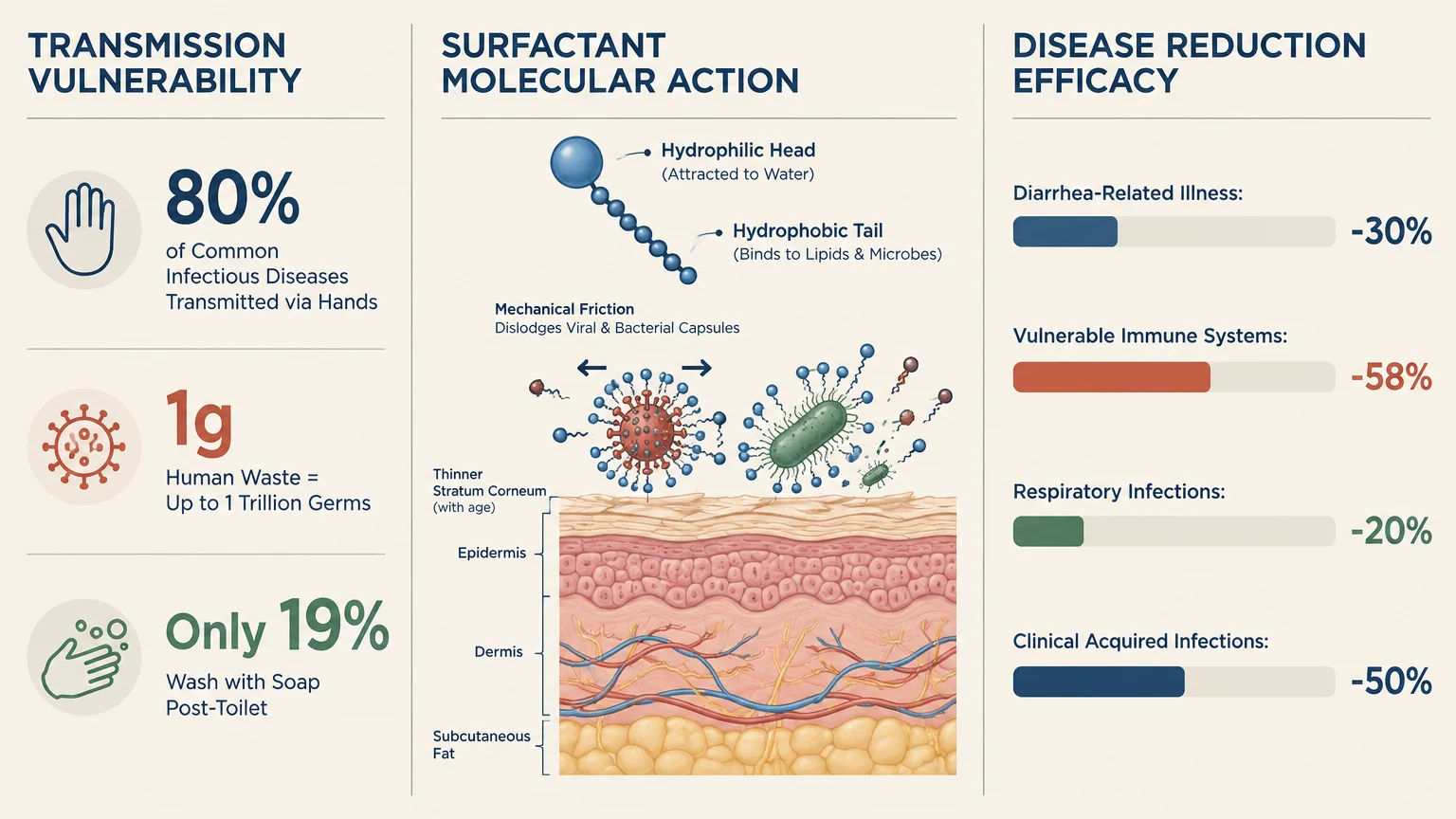
Every surface you touch in public carries an invisible community of microscopic organisms. Public health data indicates that unwashed hands transmit approximately 80% of common infectious diseases.
When you grip a handrail, push a grocery cart, or open a door, pathogens cling to your fingers. You inadvertently transfer these germs into your body whenever you rub your eyes or touch your mouth.
Fecal matter represents an especially potent microbiological hazard in daily environments. A single gram of human feces, weighing roughly the same as a paper clip, can contain up to 1 trillion germs.
Despite this staggering microscopic danger, daily compliance rates remain shockingly low across the globe. Public health records reveal that only 19% of people worldwide wash their hands with soap after using the toilet.
Rinsing with plain water alone cannot break down the sticky, oily films that hold microbes to your skin. Plain soap contains specialized surfactant molecules that bind to water on one side and oils on the other.
As you work up a rich lather, mechanical friction lifts the trapped pathogens from your skin folds. Running water then sweeps the microbes away, flushing them harmlessly down the drain.
Routine handwashing prevents about 30% of all diarrhea-related sicknesses across global populations. Furthermore, structured community handwashing education reduces diarrheal cases by 23% to 40% in residential settings.
The benefits become even more dramatic if you manage a chronic health condition. Proper handwashing reduces diarrheal illness in people with weakened immune systems by 58%.
Clean hands also offer profound defense against airborne respiratory droplets that settle on household surfaces. Handwashing prevents about 20% of common respiratory infections, such as seasonal colds and the flu.
In clinical and assisted environments, diligent hand hygiene prevents up to 50% of avoidable infections acquired during healthcare delivery. Cultivating this simple, regular habit empowers you to take direct control of your wellness.

Practical Tips for a Healthier, Happier Life
You can safeguard your independence by understanding which specific conditions yield to simple hand hygiene. Handwashing prevents disease across twelve major illnesses that frequently challenge older adults.
Understanding the diseases prevented by washing hands allows you to stay ahead of common seasonal risks. Recognizing the importance of handwashing helps you make it a seamless part of your daily routine.
1. Influenza
Influenza causes high fever, exhausting muscle aches, and dangerous respiratory distress in mature adults. Seniors face higher hospital admission rates from the flu due to secondary complications like pneumonia.
The influenza virus travels through airborne droplets that settle heavily on countertops, tabletops, and faucets. You transfer the virus to your mucous membranes when you touch your face while eating.
Scrubbing with warm water and soap dissolves the protective lipid coating of the flu virus. This simple mechanical action neutralizes the virus before it reaches your respiratory system.
Make it a priority to wash your hands immediately upon returning home from group social gatherings. This single defensive action stops seasonal flu viruses from entering your private living space.
2. Norovirus
Norovirus causes sudden, explosive bouts of vomiting and watery diarrhea that quickly drain your physical strength. It spreads with notorious speed through retirement communities, community centers, and shared dining areas.
This rugged gastrointestinal virus survives for weeks on hard plastic and stainless steel surfaces. Touching contaminated banquet utensils or shared buffet spoons easily transfers millions of viral particles.
Alcohol hand sanitizers fail to penetrate the resilient protein shell of norovirus. Only vigorous scrubbing with plain soap and running water lifts and flushes the virus away.
Always wash your hands thoroughly before sitting down at any communal dining table. Taking this quick precaution ensures that shared surfaces never compromise your digestive well-being.
3. COVID-19
COVID-19 remains a major health concern for mature adults, often causing severe respiratory distress and lingering fatigue. While airborne transmission dominates, contaminated surfaces continue to serve as a critical secondary vector.
Infected individuals deposit microscopic respiratory droplets onto elevator buttons, handrails, and payment terminals. When you touch those contaminated surfaces and adjust your spectacles, the virus enters your eyes or nose.
The coronavirus relies on an oily lipid envelope to maintain its structural integrity. Plain soap effortlessly disrupts this fatty membrane, dismantling the viral structure within seconds of lathering.
Wash your hands after browsing retail aisles or handling paper mail from your outdoor mailbox. This quick habit prevents viral particles from finding a home inside your nasal passages.
4. Respiratory Syncytial Virus (RSV)
Respiratory syncytial virus triggers intense airway inflammation, wheezing, and bronchiolitis in older adults. For individuals managing underlying heart or lung conditions, RSV can lead to severe medical complications.
The virus survives on hard countertops, tissues, and doorknobs for hours after someone sneezes. You readily pick up the virus when greeting friends or handling shared books in libraries.
Diligent handwashing prevents RSV from migrating from your fingertips into your sensitive respiratory tract. Regular washing also protects your grandchildren by breaking transmission chains in family gatherings.
Scrub your hands thoroughly after holding hands with loved ones who show minor cold symptoms. This mindful hygiene step keeps your lungs clear and functioning at their best.
5. Salmonella Infection
Salmonella bacteria cause salmonellosis, which produces painful abdominal cramps, severe fever, and relentless diarrhea. In older adults, these severe digestive disruptions can trigger acute dehydration and kidney stress.
This foodborne bacterium frequently contaminates raw poultry, cracked eggshells, unwashed vegetables, and pet treats. Without proper hygiene, you spread the bacteria across cutting boards, refrigerator handles, and dinner plates.
Washing your hands with soap before and after preparing meals stops salmonella before it reaches your plate. Mechanical scrubbing removes the bacteria from the microscopic ridges of your skin.
Keep your kitchen a safe sanctuary by lathering up after touching raw grocery packaging. This reliable barrier guarantees that your home-cooked meals remain wholesome and nourishing.
6. Escherichia Coli (E. Coli)
Dangerous strains of Escherichia coli generate potent toxins that damage delicate intestinal linings. Mature individuals face heightened risks of severe dehydration and vascular complications from these bacterial toxins.
E. coli spreads through microscopic fecal contamination on unwashed salad greens, raw meat, or bathroom fixtures. You can easily pick up these bacteria while tending your backyard garden or handling potting soil.
Scrubbing your palms and finger pads with soap dislodges E. coli before it can contaminate food. The physical friction of handwashing strips the bacteria from your hands effortlessly.
Always wash your hands after gardening or handling pets before you enjoy an afternoon snack. This simple routine keeps your digestive system operating smoothly and without painful interruptions.
7. Clostridioides Difficile (C. Diff)
Clostridioides difficile causes dangerous colon inflammation, severe cramping, and unrelenting watery bowel movements. Older adults taking broad-spectrum antibiotics face the greatest risk because antibiotics disrupt protective gut bacteria.
C. diff forms durable, armor-like spores that survive for months on bedside tables, remotes, and toilets. These microscopic spores cling tenaciously to skin and clothing after clinical or hospital visits.
Alcohol hand sanitizers cannot penetrate or kill C. diff spores under any circumstances. Only running water and soap provide the mechanical action necessary to dislodge and rinse the spores away.
Wash your hands vigorously with soap and water after visiting clinics, medical offices, or therapy centers. Doing so protects your vulnerable digestive tract from this aggressive and stubborn hospital-acquired pathogen.
8. Conjunctivitis (Pink Eye)
Conjunctivitis causes swelling, burning, crusting, and redness across the clear membrane covering your eye. The condition feels intensely uncomfortable and can temporarily blur your vision, making reading difficult.
Bacterial and viral strains of pink eye transfer easily when unwashed fingers touch your face. Most adults rub their eyes several times an hour without consciously noticing the action.
Proper hand hygiene removes eye-targeting pathogens before your fingers make contact with your eyelids. Keeping your hands clean preserves clear, comfortable vision and eliminates eye irritation.
Cleanse your hands before inserting eye drops or applying your nighttime facial moisturizer. This safe habit shields your eyes from stray bacteria that linger on everyday household objects.
9. The Common Cold (Rhinovirus)
Rhinoviruses cause the classic symptoms of sneezing, scratchy throat, congestion, and watery eyes. While mild for young people, a severe cold can trigger secondary sinus or bronchial infections in seniors.
Cold viruses survive for hours on television remotes, library books, and landline telephone receivers. When an infected person touches an object, they leave behind millions of infectious viral units.
Washing your hands frequently prevents these ubiquitous respiratory viruses from reaching your nasal membranes. Soap and water interrupt the cycle of infection before congestion takes hold.
Lather up after playing card games or sharing magazines in senior activity centers. This easy hygiene practice keeps your nasal airways clear throughout the changing seasons.
10. Cryptosporidium
Cryptosporidium is a waterborne parasite that triggers prolonged watery diarrhea, stomach cramps, and severe dehydration. For mature adults, this persistent parasitic infection can lead to profound malnutrition and electrolyte loss.
The parasite protects itself with a tough outer cyst that tolerates chlorine and standard chemical disinfectants. It spreads through contaminated soil, recreational water, or surfaces touched by infected individuals.
Because alcohol sanitizers cannot harm the parasite’s outer cyst, handwashing remains your only reliable shield. Scrubbing with soap physically slides the cysts off your skin folds and into the drain.
Always wash your hands thoroughly after swimming in community pools or working in moist garden soil. This focused defense safeguards your gut from resilient parasitic intruders.
11. Shigellosis
Shigella bacteria cause shigellosis, an acute intestinal condition marked by bloody stools, high fever, and painful cramps. It is extraordinarily infectious, meaning that exposure to just a few microscopic cells causes illness.
Shigella spreads through tiny, microscopic traces of feces transferred from unwashed hands to communal food. Shared buffet utensils and restroom door handles frequently harbor these aggressive bacterial invaders.
Washing with soap and running water lifts Shigella off your fingers, breaking the chain of transmission. This dependable routine ensures that you do not accidentally ingest harmful bacterial strains.
Be diligent about washing your hands after using any public restroom during your daily errands. This proactive habit protects you from highly contagious bacterial bugs.
12. Streptococcal Infections
Streptococcus bacteria cause painful health issues ranging from severe strep throat to impetigo and cellulitis. Thinner mature skin allows strep bacteria to enter tiny abrasions, leading to rapid skin inflammation.
Strep bacteria spread through respiratory droplets and direct physical contact with infected skin lesions. Touching shared workout equipment or communal handrails can leave strep microbes resting on your fingers.
Thorough hand hygiene washes strep bacteria away before they can colonize small cuts or scratches. Protecting your skin barrier through regular washing stops painful localized infections from developing.
Wash your hands before tending to minor scrapes, paper cuts, or dry patches on your arms. This careful attention preserves your skin health and defends your body from invasive bacteria.
The Gold Standard 20-Second Technique
Effective germ prevention relies on technique rather than speed. Evidence shows that scrubbing for 15 to 30 seconds removes significantly more pathogens than brief rinses.
Begin by wetting your hands with clean, running water before dispensing a modest amount of soap. Work the soap into a rich, foamy lather that covers your palms, fingers, and wrists.
Rub your palms together firmly to create friction that loosens dirt and trapped pathogens. Interlace your fingers to scrub the webbed spaces between them where bacteria routinely hide.
Clean the back of each hand thoroughly, smoothing the lather across your skin folds. Clean your thumbs individually by rotating them inside your opposite closed palm several times.
Rub your fingertips against your palms to clean the tight crevices beneath your fingernails. Sing the happy birthday song twice through to ensure you achieve the full twenty seconds of scrubbing.
Rinse your hands under clean, running water until all traces of soapy foam disappear. Let the water carry away loosened microbes so your hands emerge completely cleansed.
Proper Drying and Towel Hygiene
Never skip the drying step, as damp skin transfers environmental microbes far more easily than dry skin. In fact, damp hands can spread bacteria up to a thousand times more readily.
Gently pat your skin with a clean cloth towel or a fresh paper towel. Avoid aggressive rubbing, which can irritate delicate skin layers and cause uncomfortable chafing.
If you use cloth towels at home, wash them in warm water every few days. Damp hand towels hanging in warm bathrooms can quickly accumulate bacteria and mold spores over time.
When using a public restroom, use a paper towel to turn off the water faucet. This clever barrier prevents freshly cleaned hands from re-collecting germs from metal fixtures.
Mastering Key Daily Moments
You do not need to wash your hands constantly to enjoy outstanding protection. Focusing your efforts on key high-risk moments during the day yields the greatest wellness benefits.
Always wash your hands immediately after using the bathroom or touching shared household trash cans. Wash before you handle food, eat a meal, or take your prescribed daily medications.
Make it a habit to wash your hands as soon as you return home from errands. Lather up after blowing your nose, coughing into your hands, or petting your companion animals.
If you assist a partner with wound dressing or personal care, wash before and after the task. This mindful habit shields both of you from cross-contamination and avoidable illnesses.
Using Hand Sanitizer Effectively
When clean running water is unavailable while traveling, hand sanitizer serves as a practical backup. Check the product label to confirm that the formula contains at least 60% alcohol.
Health agencies recommend alcohol concentrations between 60% and 95% for maximum microbial reduction. Formulas with lower alcohol concentrations cannot reliably kill germs on your skin.
Apply enough sanitizer to cover every part of your hands, fingers, and thumbs completely. Rub your hands together smoothly until the liquid evaporates and your skin feels completely dry.
Never wipe the sanitizer off with a napkin while your skin remains damp. Allowing the alcohol to air-dry naturally guarantees that it destroys targeted viruses and bacteria.
Important Safety Precautions to Keep in Mind
While frequent hand hygiene shields your health, senior skin demands gentle care to prevent chronic dryness. Aging skin produces less natural sebum, making it susceptible to tightness and painful irritation.
Cracked or bleeding skin breaks your body’s physical armor, creating entry points for dangerous bacteria. Choose mild, fragrance-free liquid soaps that cleanse gently without stripping away your natural oils.
Wash using lukewarm or cool water instead of hot water whenever you lather up. Hot water strips away essential skin lipids and quickly dries out mature hands.
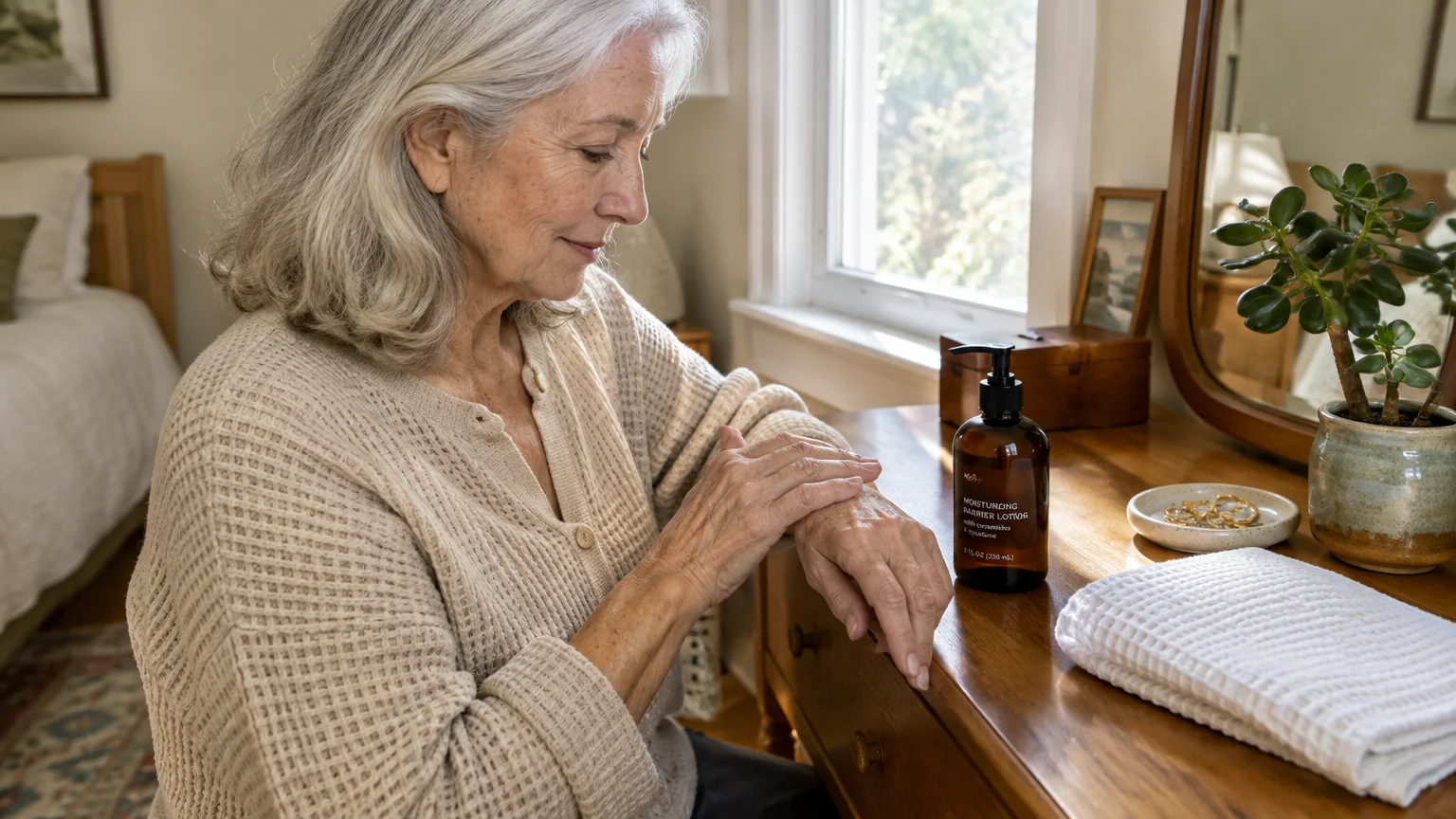
Apply a rich, fragrance-free moisturizing cream immediately after patting your hands dry. Locking in hydration while your skin remains slightly damp keeps your natural barrier supple and intact.
Avoid consumer soaps that advertise antibacterial chemicals on their front product labels. The FDA and CDC confirm that antibacterial soaps offer no added health benefit over plain soap.
Antibacterial ingredients can trigger skin allergies and promote troublesome bacterial resistance over time. Plain soap and running water provide superior, gentle cleaning without any of those unnecessary risks.
Be mindful of the specific limitations of alcohol-based hand sanitizers during seasonal outbreaks. Sanitizers cannot eliminate hardy pathogens like norovirus, Clostridioides difficile, or Cryptosporidium.
Always prioritize soap and running water whenever your hands look visibly dirty or greasy. Dirt, oil, and food residue shield pathogens from the germ-killing action of alcohol gels.
Bathroom safety represents another crucial consideration for seniors practicing good hygiene. Splashing water around the sink can create dangerous slip hazards on slick bathroom tiles.
Place non-slip, rubber-backed rugs directly in front of your bathroom and kitchen sinks. Consider installing accessible grab bars near the sink if you ever experience balance instability or dizziness.
If arthritis makes twisting faucet handles painful, consider replacing them with smooth lever handles. Lever handles allow you to control water flow easily without straining delicate wrist joints.
Automatic pump dispensers for liquid soap also make handwashing far more comfortable for arthritic hands. These simple modifications keep your daily hygiene routine safe, painless, and empowering.

When to Speak with a Healthcare Professional
The guidance provided here offers helpful educational information but does not constitute medical advice. Hand hygiene prevents many illnesses, but it cannot cure an active infection once established.
Reach out to your doctor promptly if you develop warning signs of a serious respiratory infection. Symptoms requiring clinical evaluation include persistent high fever, shortness of breath, or deep chest pain.
Gastrointestinal illnesses warrant swift medical oversight because older adults dehydrate very rapidly. Contact your physician if you experience continuous vomiting or watery diarrhea lasting more than two days.
Watch closely for warning signs of severe dehydration, such as sudden confusion, dark urine, and dizziness. Prompt medical intervention and oral rehydration therapy protect your vital kidney function during digestive illness.
Consult your dermatologist or primary physician if frequent handwashing causes chronic eczema or deep cracks. Throbbing redness, localized warmth, or oozing fluid may indicate a secondary bacterial skin infection.
Your doctor can prescribe healing barrier ointments or specialized creams that soothe damaged skin quickly. Partnering with your healthcare team ensures that your wellness routine remains safe and effective.
For authoritative, trustworthy health information, always consult official sources like the National Institute on Aging (NIA) and MedlinePlus from the National Library of Medicine. The CDC also provides excellent resources for older adults.
Frequently Asked Questions
Is antibacterial soap better than plain soap for older adults?
No, antibacterial soap offers no extra advantage over regular soap and clean water. Rigorous public health evaluations demonstrate that plain soap cleans your hands just as effectively.
Antibacterial additives often cause contact dermatitis and dry out delicate senior skin unnecessarily. Sticking to plain, fragrance-free soap with good friction keeps your skin healthy and microbe-free.
Does hand sanitizer eliminate every dangerous germ?
Alcohol-based hand sanitizer eliminates many common respiratory viruses, but it has definite limitations. It cannot destroy tough pathogens like norovirus, Clostridioides difficile, or the parasite Cryptosporidium.
Whenever you face stomach bugs or visible dirt, always choose soap and clean running water. Reserve sanitizers containing 60% to 95% alcohol for times when sinks are unavailable.
How can I wash frequently without drying out my sensitive skin?
Protect your hands by washing exclusively with lukewarm water and gentle, fragrance-free liquid cleansers. Avoid harsh detergents and extremely hot water, which strip away protective natural oils.
Pat your skin dry with a soft towel and apply moisturizing cream immediately afterward. This simple step traps moisture inside your skin barrier, preventing uncomfortable cracks and irritation.
How long should I scrub my hands to remove dangerous germs?
You should scrub your hands with soap for at least 20 seconds. Scientific studies show that scrubbing for 15 to 30 seconds removes significantly more pathogens than hasty rinses.
Public health organizations celebrate World Hand Hygiene Day on May 5 to highlight this technique. Global Handwashing Day follows on October 15 to champion proper hygiene habits worldwide.
Disclaimer: This article is for informational purposes only and does not constitute medical advice. Always seek the advice of your physician or other qualified health provider with any questions you may have regarding a medical condition.