You can protect your bones and maintain strong skeletal health without drinking a single glass of cow’s milk. Delicious non dairy calcium foods provide all the essential minerals your body needs to thrive each day.
Many older adults develop lactose sensitivity or choose plant based calcium options for gentle digestion. Finding reliable alternatives ensures you meet your daily nutritional targets with ease.
These wholesome options deliver vital minerals directly to your skeletal system while supporting overall vitality. Let us explore the best calcium rich foods to help you build resilient bones today.
Understanding the Basics of Calcium Without Dairy for Seniors
How Aging Affects Your Bones
Your skeletal structure undergoes continuous remodeling throughout your lifetime. About 99% of your body’s calcium is stored inside your bones and teeth.
When you do not consume enough mineral-rich nourishment, your body leaches calcium directly from your skeleton. This borrowing process maintains vital heart rhythm and muscle contraction.
Bone loss accelerates naturally as we age, particularly following menopause in women. In fact, approximately 1 in 2 women over 50 will break a bone due to osteoporosis.
Men face substantial risks as well. Up to 1 in 4 men over age 50 will experience an osteoporosis-related fracture in their lifetime.
Choosing nutrient-dense foods for bone health helps slow this mineral depletion; it preserves your mobility and personal independence as the years advance.
Proactive daily nourishment defends your skeletal framework against silent bone loss before fractures happen.
Daily Calcium Recommendations for Older Adults
Your daily nutritional requirements shift noticeably after your fiftieth birthday. Clear guidance from health authorities helps you plan your meals effectively.
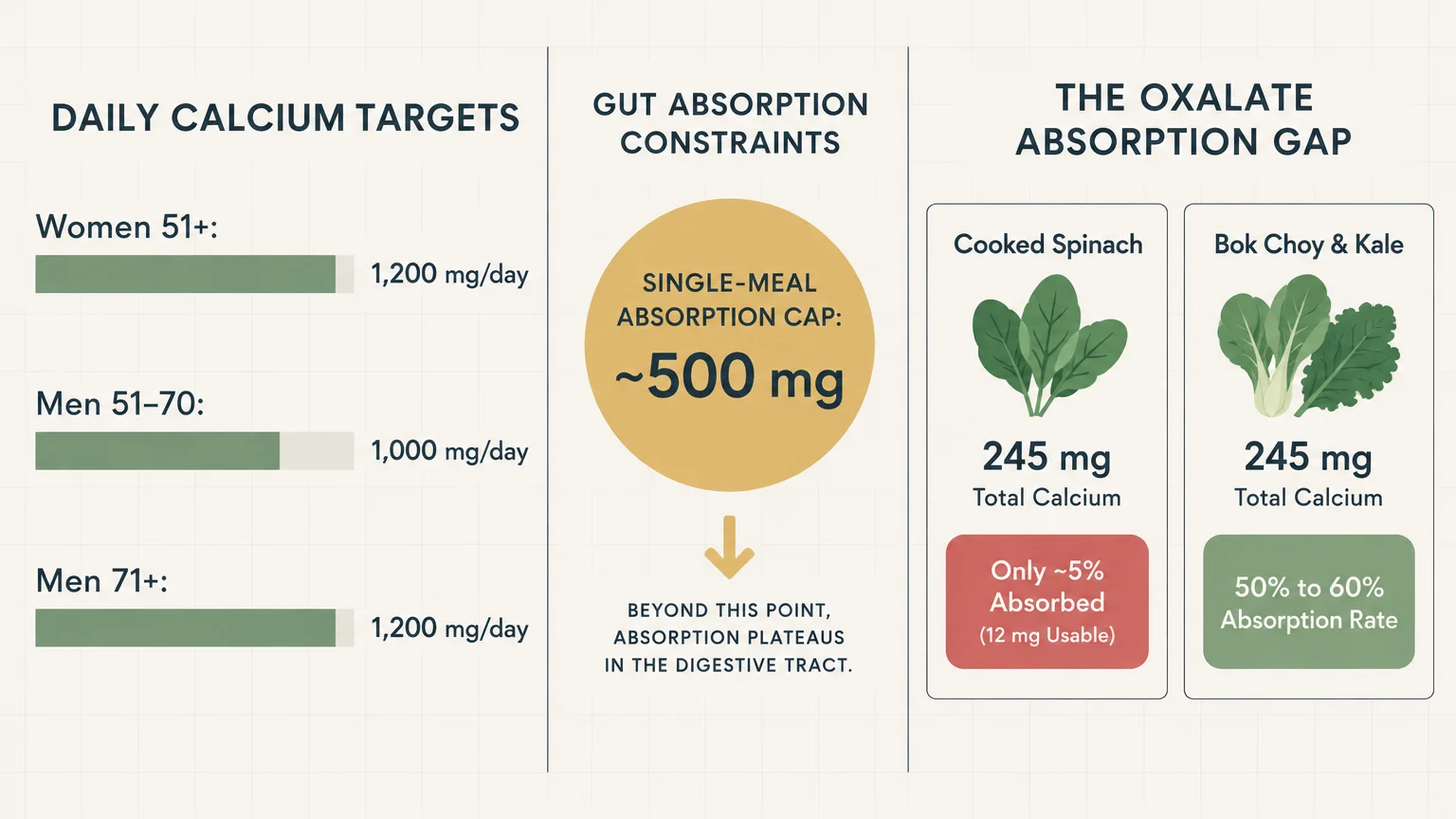
For women aged 51 and older, the Recommended Dietary Allowance is 1,200 mg per day. This higher target compensates for reduced intestinal absorption and hormonal shifts.
Men aged 51 to 70 require 1,000 mg of calcium each day. Once men reach age 71, their requirement rises to 1,200 mg daily.
Reaching these benchmarks does not require dairy products at all. Thoughtfully planned plant based calcium foods can easily supply your daily needs.
Spreading your mineral intake across regular meals supports steady skeletal maintenance throughout the day.
The Science of Calcium Absorption
Consuming adequate calcium is only half the battle; your digestive tract must absorb it efficiently. The human gut can only absorb roughly 500 mg of calcium at a single sitting.
Eating an enormous amount of calcium in one meal wastes valuable nutrition. Spacing your calcium intake evenly throughout morning, afternoon, and evening meals produces superior results.
Stomach acid levels often decline naturally as we age. This change makes gentle, soluble mineral sources especially valuable for older digestive systems.
Vitamin D also plays an indispensable role in bone preservation. Your intestines cannot absorb dietary calcium without sufficient active vitamin D circulating in your bloodstream.
Maintaining healthy gut flora further enhances your body’s ability to extract minerals from wholesome meals.
The Oxalate Trap Explained
Not all leafy greens deliver calcium equally to your body. Certain vegetables contain high levels of oxalates, natural compounds that bind tightly to minerals in your digestive tract.
Spinach serves as a classic example of this nutritional paradox. While one cup of cooked spinach contains about 245 mg of calcium, your body only absorbs approximately 5% of it.
That tiny 5% yields merely 12 mg of usable calcium for your skeletal tissue. In sharp contrast, low-oxalate greens like bok choy and kale boast absorption rates between 50% and 60%.
This absorption rate from cruciferous vegetables actually surpasses the 30% absorption rate typical of dairy milk. Focusing on low-oxalate greens gives your body genuine nourishment.
Knowing the difference protects you from false assumptions and keeps your bones properly fortified.
Why Seniors Choose Non-Dairy Alternatives
Many seniors notice that dairy foods become difficult to digest comfortably over time. The body naturally produces less lactase enzyme as decades pass, causing gas or bloating.
Other older adults prefer to avoid saturated fats or follow plant-forward lifestyles. Whatever your personal reason, exploring calcium without dairy opens the door to wholesome eating.
Plant foods deliver essential minerals alongside protective dietary fiber, antioxidants, and phytonutrients. These extra nutrients benefit your cardiovascular health while nourishing your skeleton.
Embracing non-dairy foods gives you delicious flexibility without compromising your skeletal strength.

Practical Tips for a Healthier, Happier Life
Incorporating non dairy calcium foods into your daily routine is simple and deeply satisfying. Here are nine exceptional whole foods and fortified staples to revitalize your bones.
1. Calcium-Set Tofu
Tofu made with calcium sulfate ranks among the absolute richest plant-based sources available. A single half-cup serving provides anywhere from 253 mg to 861 mg of calcium.
The exact mineral density depends upon the firmness of the block and the manufacturer. Always examine the ingredient panel on the package to ensure it lists calcium sulfate.
Firm tofu holds up wonderfully when cubed and lightly sautéed in heart-healthy olive oil. You can toss it into vegetable stir-fries alongside tender broccoli and garlic.
Silken varieties blend seamlessly into creamy morning fruit smoothies or warm vegetable soups. This versatile soy staple absorbs the delicious flavors of herbs, broths, and sauces effortlessly.
Soyfoods also supply high-quality plant protein, which helps preserve lean muscle mass as you age. Strong muscles provide the mechanical support your bones need for balance.
Adding just one serving of calcium-set tofu can fulfill more than half your daily calcium requirement.
2. Canned Sardines with Soft Bones
Canned sardines are nutritional powerhouses that support your bone structure and heart health. A standard 3-ounce serving of sardines in oil, drained, provides an impressive 325 mg of calcium.
The exceptional mineral concentration comes from their tiny, edible soft bones. During the canning process, these bones soften entirely, making them completely tender and easy to chew.
Sardines also deliver potent omega-3 fatty acids, which calm joint inflammation throughout your body. They supply natural vitamin D as well, which directly accelerates mineral absorption in your gut.
Try mashing drained sardines with a fork alongside ripe avocado, fresh lemon juice, and black pepper. Spread this flavorful, nutrient-dense mixture across whole-grain toast for a satisfying, bone-building lunch.
The soft texture makes sardines gentle on dental work and easy for seniors to enjoy without difficulty. Keeping a few cans in your pantry ensures you always have a quick, mineral-packed meal available.
3. Fortified Plant Milks
Fortified plant milks offer a seamless, comforting substitute for traditional cow’s milk. One 8-ounce cup of fortified almond, soy, or oat milk provides between 300 mg and 450 mg of calcium.
Check the nutrition panel carefully, as unfortified varieties contain only 15 mg to 50 mg of calcium. Manufacturers add bioavailable calcium carbonate or tricalcium phosphate to match or exceed dairy standards.
Always shake the carton thoroughly before pouring a glass or measuring for recipes. Added calcium minerals naturally settle to the container bottom while sitting quietly in your refrigerator.
Pour fortified soy or oat milk over warm morning oatmeal for an effortless nutrient boost. You can also splash it into herbal teas or use it in homemade soups and baked goods.
Selecting unsweetened versions keeps your daily sugar intake low while giving you clean, refreshing hydration. These versatile milks make it effortless to meet your calcium targets without digestive distress.
4. Cooked Collard Greens
Collard greens are an outstanding Southern staple with remarkable nutritional benefits for aging bones. One cup of cooked collard greens delivers approximately 268 mg of absorbable calcium.
Unlike spinach, collard greens contain minimal oxalates, meaning your digestive tract readily absorbs their mineral payload. They also offer generous amounts of vitamin K, which helps bind calcium into your bone matrix.
Cooking these hearty greens breaks down their fibrous cell walls, making them gentler on your digestive system. Steaming, simmering, or braising collards softens their texture and concentrates their minerals.
Simmer chopped collard greens with vegetable broth, minced garlic, and a splash of apple cider vinegar. This simple preparation yields a tender, savory side dish that complements roasted fish or bean dishes.
You can prepare a large batch on the weekend and store portions in your refrigerator for quick weekday meals. These dark leafy greens nourish your cardiovascular system while reinforcing your skeletal structure.
5. Canned Wild Salmon with Bones
Canned pink or red sockeye salmon offers another fantastic non-dairy path to strong bones. A 3-ounce serving with soft, edible bones supplies between 181 mg and 208 mg of calcium.
Just like sardines, the soft bones in canned salmon break down completely under gentle fork pressure. They blend smoothly into patties, salads, or casseroles without any unpleasant crunch.
Canned salmon also provides high-quality protein to maintain muscle mass and prevent physical frailty as you age. Strong muscles support skeletal joints and reduce the likelihood of accidental falls.
Mix canned salmon with finely chopped celery, fresh dill, and Greek-style plant mayonnaise. Form the mixture into small patties and pan-sear them until golden brown for a wholesome dinner.
This convenient fish requires no filleting or refrigeration before opening, making kitchen preparation simple and safe. Enjoying canned salmon twice a week supports both cardiovascular resilience and bone mineral integrity.
6. Chia Seeds
Tiny chia seeds pack an extraordinary density of essential minerals into every single tablespoon. Consuming just 1 ounce—roughly 2 tablespoons—supplies about 179 mg of plant-based calcium.
In addition to calcium, chia seeds contain abundant soluble fiber, magnesium, and plant-based omega-3 fatty acids. Magnesium acts in close partnership with calcium to preserve healthy bone mineral density.
Chia seeds absorb liquid rapidly, forming a soothing, gel-like texture that is gentle on sensitive stomachs. This unique trait makes them wonderful for soothing digestion while nourishing your bones.
Stir 2 tablespoons of chia seeds into fortified almond milk alongside pure vanilla and berries. Let the mixture chill overnight in the refrigerator to create a delightful, nutrient-rich morning pudding.
You can also stir raw chia seeds directly into warm porridge, applesauce, or homemade muffin batters. Their mild flavor allows them to blend into almost any senior-friendly meal without altering the taste.
7. Tender Cooked Bok Choy
Bok choy, also known as Chinese cabbage, is a crisp and mild cruciferous vegetable. One cup of shredded, cooked bok choy provides approximately 158 mg of calcium.
The true power of bok choy lies in its exceptionally high bioavailability. Because it is naturally low in oxalates, your digestive tract absorbs between 50% and 60% of its calcium.
This superior absorption rate means your body retains more usable minerals than it would from traditional dairy products. It is exceptionally gentle on delicate digestive systems as well.
Chop both the crunchy white stalks and tender green leaves into bite-sized pieces. Sauté them briefly with fresh ginger, low-sodium soy sauce, and sesame oil for an appetizing side dish.
The delicate texture makes cooked bok choy easy to chew, even for seniors with sensitive teeth or dentures. Adding this low-calorie vegetable to your dinner rotation floods your body with protective antioxidants and minerals.
8. Hearty White Beans
White beans, such as cannellini or navy beans, are versatile pantry staples that bolster skeletal health. One cup of cooked white beans delivers between 130 mg and 160 mg of calcium.
Legumes also provide generous amounts of dietary potassium, which helps prevent calcium from leaching through your kidneys. Their rich soluble fiber content simultaneously promotes cardiovascular wellness and stable blood sugar.
Canned beans offer exceptional convenience for seniors, provided you rinse them thoroughly under cold water first. Rinsing canned beans removes up to 40% of the preserving sodium.
Purée cooked cannellini beans with roasted garlic, olive oil, and rosemary into a velvety dip. You can also toss whole navy beans into vegetable soups, grain bowls, and crisp garden salads.
Their creamy texture satisfies the appetite while delivering slow-burning energy throughout your afternoon. Keeping dried or canned white beans on hand guarantees an inexpensive source of plant based calcium.
9. Fortified Pure Orange Juice
Fortified pure orange juice serves as an accessible, refreshing option to elevate your daily calcium totals. One 8-ounce cup of fortified juice delivers around 349 mg of calcium.
Manufacturers fortify orange juice with calcium citrate malate, a form that absorbs readily even on an empty stomach. The natural citric acid and vitamin C within the juice further enhance mineral bioavailability.
As with plant milks, remember to shake the juice container vigorously before pouring a glass. This simple habit redisperses any settled calcium evenly throughout the bottle.
Enjoy a small glass with breakfast, or blend it with frozen berries for a refreshing afternoon beverage. Be mindful of portion sizes if your doctor asks you to monitor natural fruit sugar intake.
A modest four-ounce serving still provides substantial calcium if you prefer a lower-sugar option. This vibrant juice gives older adults an enjoyable, refreshing way to protect their skeletal wellness.
Maximizing Nutrient Synergy for Stronger Bones
Calcium cannot construct resilient bone tissue entirely by itself. It functions as part of a cooperative network of complementary vitamins and minerals.
Vitamin D acts as the gatekeeper, allowing calcium to cross from your intestines into your circulation. Without adequate vitamin D, your body excretes most dietary calcium unused.
Vitamin K2 directs circulating calcium straight into bone matrix while keeping it out of your arterial walls. Fermented foods and dark leafy greens supply healthy amounts of this vital nutrient.
Magnesium activates vitamin D inside your liver and kidneys. You can obtain generous magnesium from chia seeds, almonds, whole grains, and leafy vegetables.
Consuming adequate dietary protein builds the structural collagen framework that cushions your bones against impact. Balance your plate with healthy proteins alongside non dairy calcium foods.
This holistic approach ensures every milligram of calcium you consume works effectively for your skeletal health.
Spacing Calcium Throughout Your Day
Remember that your body absorbs calcium most efficiently in modest portions of 500 mg or less. Distributing calcium-rich foods across your daily meals guarantees optimal utilization.
Start your day with fortified plant milk over oatmeal alongside a tablespoon of chia seeds. This nourishing breakfast provides roughly 350 mg to 400 mg of usable calcium.
For your midday meal, enjoy sardine salad on toast or a warm bowl of white bean soup. This comforting lunch supplies another 200 mg to 325 mg of bone-supporting minerals.
At dinner, prepare a colorful stir-fry with calcium-set tofu and tender cooked bok choy. This evening combination contributes an additional 350 mg to 500 mg of absorbable calcium.
Savoring smaller, frequent servings prevents digestive overload and keeps your skeletal tissues continuously supplied. This steady pattern fits easily into a senior’s relaxed daily rhythm without feeling overwhelming.
Gentle Lifestyle Habits that Preserve Bone Density
Proper nutrition works best when paired with gentle, consistent physical movement. Weight-bearing exercises signal your bone cells to draw in circulating minerals and maintain density.
Brisk walking, light gardening, and climbing stairs apply healthy mechanical stimulation to your hips and spine. Aim for 20 to 30 minutes of gentle activity most days of the week.
Balance exercises, such as tai chi or gentle yoga, significantly lower your risk of accidental falls. Preventing falls remains the single most effective strategy to avoid dangerous fractures.
Staying well-hydrated keeps joint cartilage lubricated and supports efficient kidney filtration of minerals. Sip plain water or herbal teas steadily between meals each day.
Combining wholesome calcium rich foods with daily physical activity creates a powerful defense against osteoporosis.
Important Safety Precautions to Keep in Mind
Respecting the Daily Upper Limit
More calcium is not always better for your health, particularly as your body ages. For all adults aged 51 and older, the safe Tolerable Upper Intake Level is 2,000 mg per day.
This 2,000 mg ceiling includes calcium gathered from both whole foods and daily dietary supplements combined. Regularly exceeding this upper boundary can trigger significant health complications in older adults.
Excessive calcium accumulation in the blood, known as hypercalcemia, can impair your kidney function over time. It also elevates your risk of forming painful kidney stones and may compromise heart health.
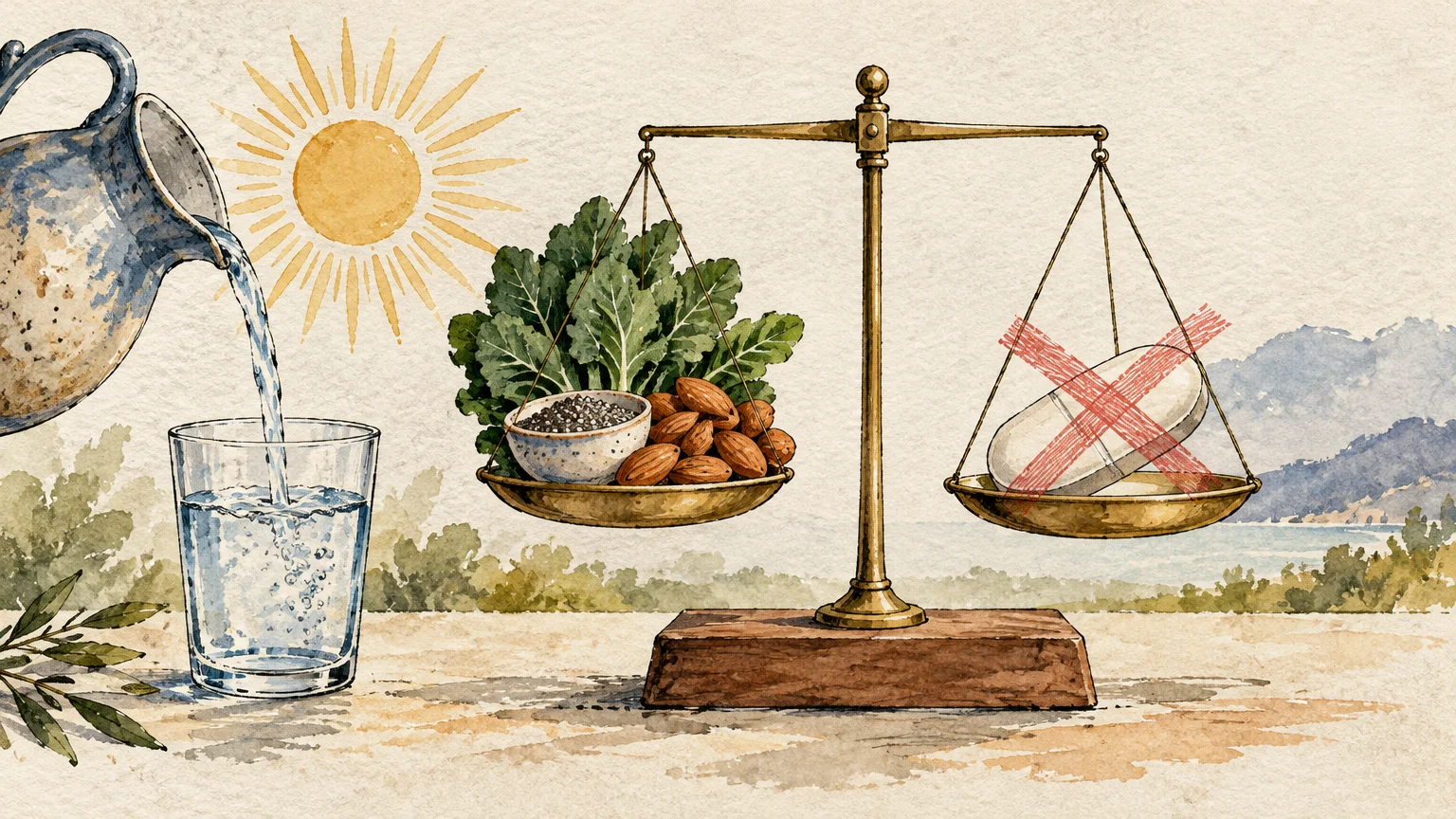
Focus on whole-food non dairy calcium foods, which naturally safeguard you against toxic overdoses. Whole foods deliver balanced minerals alongside water and fiber, keeping your body within safe ranges.
Consult your healthcare provider before taking over-the-counter calcium tablets if you eat a calcium-dense diet.
Watching Medication Interactions
Calcium can interfere with the way your digestive system absorbs several common prescription medications. Timing your meals carefully prevents these unintended interactions from reducing medication effectiveness.
For instance, calcium binds to synthetic thyroid hormones like levothyroxine, preventing proper absorption into your bloodstream. Doctors generally recommend separating thyroid medication from calcium-dense meals by at least four hours.
Certain antibiotics, blood pressure medications, and osteoporosis drugs also interact directly with high concentrations of calcium. Always review your daily medication schedule with your prescribing physician or clinical pharmacist.
Simple adjustments to your daily routine ensure your medications perform their intended jobs without interference.
Managing Sodium in Canned Foods
Convenient staples like canned fish and beans are wonderful for your bones, but watch out for sodium. Excess sodium intake can cause your kidneys to excrete valuable calcium through your urine.
Look for low-sodium or no-salt-added varieties of canned beans and wild salmon whenever possible. Rinsing standard canned beans under running tap water significantly reduces sodium levels before cooking.
Season your dishes with fragrant herbs, garlic, and citrus juice instead of relying heavily on table salt. This heart-smart habit preserves both your cardiovascular health and your body’s calcium reserves.
Digestive Comfort and Gradual Adjustments
Shifting rapidly toward high-fiber beans, seeds, and leafy greens may cause temporary gas or abdominal bloating. Your digestive system requires a little time to adapt to increased fiber intake.
Introduce new non dairy calcium foods gradually over several weeks to ensure comfortable digestion. Cook your vegetables thoroughly to soften plant fibers and make them gentle on delicate stomachs.
Drink plenty of fresh water throughout the day to help soluble fiber move smoothly through your digestive tract.

When to Speak with a Healthcare Professional
Dietary adjustments are a foundational aspect of healthy aging, but they cannot replace individualized medical care. Always discuss significant changes in your nutritional habits with your primary care provider.
Your physician can evaluate your personal bone density through a painless diagnostic test called a DEXA scan. This specialized scan measures your mineral density and determines whether you have osteopenia or osteoporosis.
Schedule an evaluation if you notice a gradual loss in height or develop an increasingly stooped posture. These physical changes can indicate undiagnosed spinal compression fractures that require prompt professional attention.
You should also seek guidance if you experience unexpected bone fractures from minor bumps or simple falls. Sudden back pain, persistent joint aches, or chronic digestive malabsorption issues warrant medical investigation.
Your doctor can order simple blood tests to assess your circulating vitamin D and serum calcium levels. These diagnostic markers ensure your dietary plan is both safe and completely effective.
Personalized medical guidance protects you against unintended nutrient deficiencies or medication complications.
For authoritative, trustworthy health information, always consult official sources like the National Institute on Aging (NIA) and MedlinePlus from the National Library of Medicine. The CDC also provides excellent resources for older adults.
Frequently Asked Questions
Can I really get enough calcium without dairy products?
Yes, you can easily meet your daily calcium requirements through a thoughtful non-dairy diet. Wholesome foods like calcium-set tofu, collard greens, canned fish, and fortified milks offer exceptional mineral density.
Many plant-based sources actually provide higher absorption rates than cow’s milk, making them remarkably efficient for bone preservation.
Consistent variety in your daily meals provides comprehensive mineral support for your entire skeletal system.
Why isn’t spinach recommended as a primary non-dairy calcium food?
Spinach contains a high concentration of oxalates, which are compounds that bind tightly to calcium in your gut. Your body can only absorb roughly 5% of the calcium present in cooked spinach.
That means one cup of cooked spinach supplies only about 12 mg of usable calcium. While spinach provides valuable vitamins, choose low-oxalate cruciferous greens like bok choy and kale for reliable calcium absorption.
Low-oxalate greens boast absorption rates between 50% and 60%, delivering far more benefit to your bones.
Should I take a calcium supplement alongside these calcium-rich foods?
You may not need a supplement if your daily meals consistently supply your target calcium amounts. Taking high-dose supplements on top of a calcium-rich diet could push you past the 2,000 mg upper limit.
Exceeding the safe limit increases your risk of kidney stones and unwanted arterial calcification. Always consult your physician before starting any mineral supplement to determine your precise daily needs.
A qualified healthcare provider can help you calculate your food intake and recommend supplements only if necessary.
Does cooking greens reduce their available calcium content?
Cooking actually enhances your ability to absorb calcium from hearty leafy greens. Heat softens dense plant fibers and reduces volume, allowing you to consume more minerals per serving comfortably.
Steaming or light sautéing preserves valuable nutrients while making the greens tender and gentle on your digestion. Raw greens can sometimes cause digestive distress in seniors with sensitive stomachs.
Lightly braising your greens in flavorful broth creates a delicious, soothing side dish rich in absorbable minerals.
Disclaimer: This article is for informational purposes only and does not constitute medical advice. Always seek the advice of your physician or other qualified health provider with any questions you may have regarding a medical condition.