Adding nutrient-dense legumes to your plate can dramatically improve your vitality, protect your cardiovascular system, and preserve muscle strength as you age. These humble kitchen staples deliver incredible value for your health and grocery budget.
Cooking wholesome beans and lentils creates delicious, satisfying meals that stabilize blood sugar and support daily stamina. You can easily transform these versatile ingredients into comforting soups, creamy spreads, and vibrant salads.
This practical guide showcases ten fantastic legumes, detailing their distinct nutritional gifts and simple preparation methods. Discover how easy it is to elevate your everyday wellness with gentle culinary choices.
Understanding the Basics of Beans and Lentils for Seniors
Beans and lentils belong to the legume family, offering an exceptional blend of complex carbohydrates, minerals, and plant based protein. They serve as a cornerstone of longevity diets across the globe.
As your body matures, your nutritional needs naturally shift in subtle yet significant ways. Slower metabolic rates and changes in digestion require foods that provide high nutrient density without unnecessary calories.
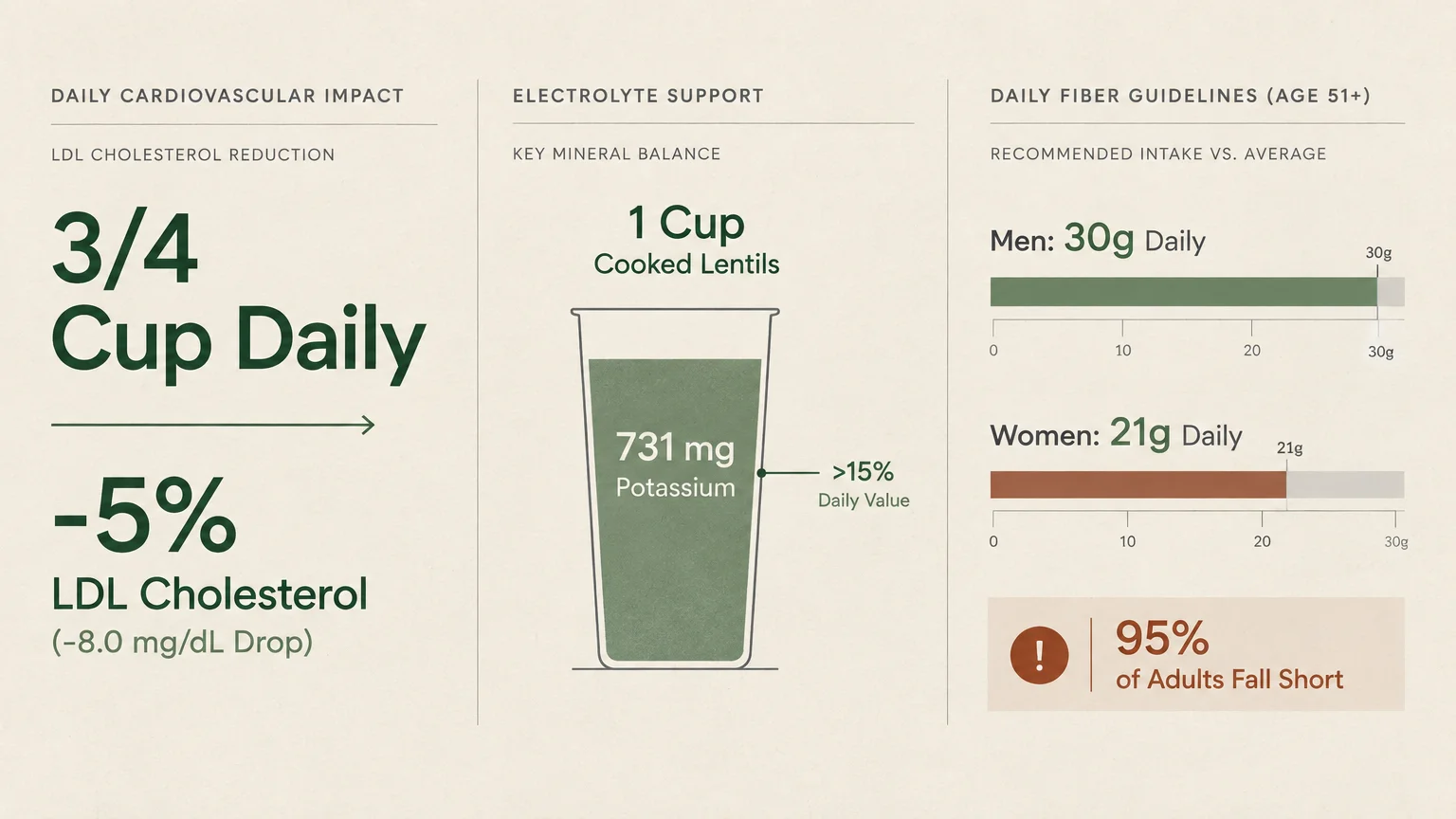
Most American adults fall short of daily fiber targets; in fact, roughly 95% do not eat enough fiber. Dietary guidelines recommend 30 grams daily for men and 21 grams for women aged 51 and older.
Soluble fiber binds to cholesterol particles in your digestive tract and carries them out of your system. A daily three-quarter cup serving of legumes can lower your LDL cholesterol by approximately 5%.
That modest dietary shift represents an average drop of 8.0 mg/dL in harmful cholesterol. Such measurable improvements help safeguard your arterial health and lower your risk of cardiovascular events over time.
Protein intake becomes equally critical as you grow older to combat sarcopenia, the gradual loss of skeletal muscle mass. Geriatric experts recommend consuming 1.0 to 1.2 grams of protein per kilogram of body weight daily.
Legumes nutrition provides clean, cholesterol-free amino acids that help you reach these essential protein targets effortlessly. Pairing them with whole grains supplies all the building blocks your muscles require for repair and maintenance.
Blood pressure management also benefits from the generous mineral profile found in these humble seeds. Legumes deliver abundant potassium and magnesium while remaining naturally free of sodium when cooked from scratch.
For instance, a single cup of cooked lentils provides 731 milligrams of potassium, exceeding 15% of your daily value. This vital electrolyte helps balance fluid levels and relaxes tension within your blood vessel walls.
Incorporating legumes into your weekly menu offers an affordable, accessible path to sustained energy and digestive vitality. You can nourish your body with wholesome foods that support independence and long-term well-being.
Practical Tips for a Healthier, Happier Life
Expanding your pantry with a rich variety of legumes keeps your meals exciting, satisfying, and deeply nourishing. Here are ten exceptional beans and lentils worth cooking more often to support your wellness goals.
1. Brown Lentils
Brown lentils are among the best beans to cook if you desire quick, hearty comfort without tedious preparation. They cook in just twenty to twenty-five minutes without requiring any prior soaking.
One cup of cooked lentils supplies 17.9 grams of plant protein and 15.6 grams of gut-friendly dietary fiber. Their earthy flavor pairs wonderfully with warm spices, carrots, and diced onions in savory stews.
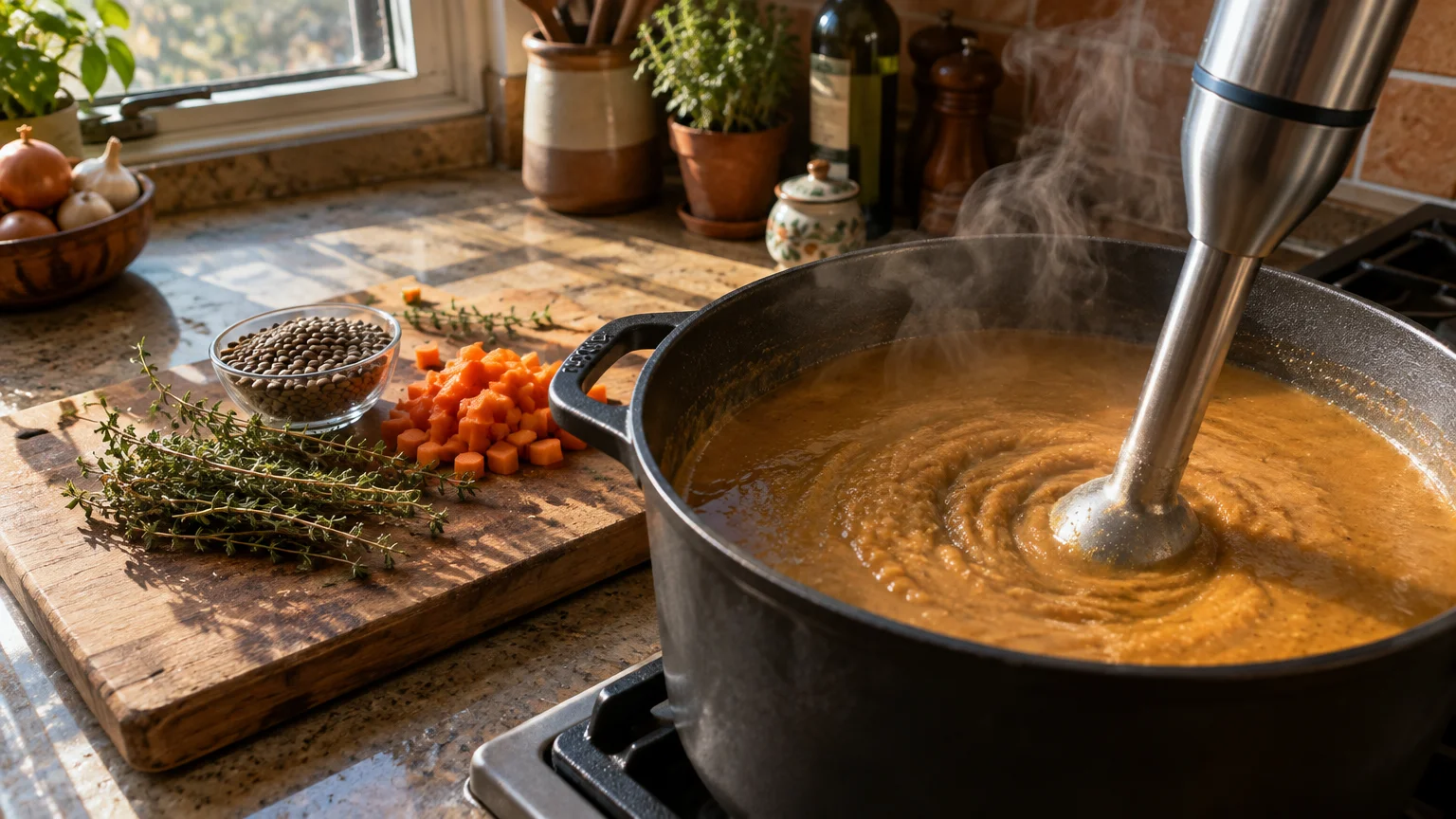
For a cozy dinner, simmer brown lentils with low-sodium vegetable broth, garlic, and fresh thyme. Puree half the pot with an immersion blender to achieve a thick, comforting soup texture without heavy cream.
2. Chickpeas (Garbanzo Beans)
Chickpeas boast a firm texture and a lovely nutty flavor that holds up exceptionally well during cooking. They contain generous amounts of plant based protein along with folate, iron, and slow-digesting resistant starch.
Resistant starch nourishes beneficial gut bacteria, which produce short-chain fatty acids that reduce systemic inflammation. This gentle digestive support helps maintain a balanced microbiome throughout your mature years.
Blend cooked chickpeas with tahini, lemon juice, and roasted garlic to create a silky homemade hummus. Alternatively, toss them with olive oil and cumin, then roast them until lightly crisp for a wholesome snack.
3. Black Beans
Black beans feature an impressive dark color derived from potent antioxidants called anthocyanins. These are the same protective compounds found in blackberries and blueberries that help defend your cells against oxidative stress.
A single cup of cooked black beans delivers roughly 15.2 grams of protein and 15.0 grams of dietary fiber. This potent combination slows carbohydrate absorption and prevents sharp spikes in post-meal blood sugar levels.
Simmer black beans with cumin, oregano, and diced bell peppers for an easy Cuban-style side dish. You can also mash them into quick spreads or fold them into vegetable-packed burrito bowls.
4. French Green Lentils
French green lentils, often called Puy lentils, hold their shape remarkably well even after extended simmering. Their peppery flavor and firm texture make them an elegant addition to light luncheons and warm grain bowls.
These small legumes provide abundant iron, which supports healthy red blood cell production and wards off fatigue. They also cook relatively quickly, requiring only twenty-five minutes on the stovetop without prior soaking.
Toss warm green lentils with olive oil, Dijon mustard, minced shallots, and fresh parsley. Serve this simple salad over tender baby greens or alongside roasted salmon for a balanced, protein-packed meal.
5. Cannellini Beans
Cannellini beans, also known as white kidney beans, offer a delicate, silky texture and a mild flavor profile. They blend effortlessly into comforting Mediterranean dishes while supplying ample calcium, magnesium, and dietary fiber.
These tender white beans absorb the flavors of aromatic broths, garlic, and fresh rosemary with incredible ease. They provide a mild, creamy base that helps make everyday plant-forward cooking deeply satisfying.
Stir cannellini beans into classic minestrone soup alongside chopped zucchini, tomatoes, and tender kale. You can also mash them on whole-grain sourdough toast with a light drizzle of extra virgin olive oil.
6. Red Lentils
Red lentils break down into a smooth, velvety purée when cooked, making them uniquely comforting and gentle on the stomach. Because their seed coats are removed, they cook in just fifteen minutes without soaking.
The health benefits of lentils shine brightly here, as red lentils offer easy digestibility for sensitive stomachs. They provide excellent protein and B vitamins without presenting harsh roughage that might irritate delicate digestion.
Simmer red lentils with coconut milk, ginger, and mild turmeric for a fragrant, golden soup. The comforting stew warms the body and delivers potent anti-inflammatory benefits that soothe aging joints.
7. Pinto Beans
Pinto beans are a beloved dietary staple that becomes wonderfully creamy when simmered slowly over low heat. They provide roughly 15.4 grams of protein and 15 grams of fiber in every cooked cup.
These versatile legumes contain rich reserves of molybdenum, a trace mineral that helps your body activate essential detoxifying enzymes. They also provide plenty of folate, which supports healthy cellular regeneration and cognitive vitality.
Mash cooked pinto beans with vegetable broth and a dash of ground coriander for wholesome homemade refried beans. Enjoy them as a satisfying spread inside warm corn tortillas alongside crisp shredded lettuce and ripe avocado.
8. Great Northern Beans
Great Northern beans have a medium size and a delicate, nutty flavor that stays delightfully intact during braising. They are slightly firmer than cannellini beans, making them ideal for slow-cooked casseroles and brothy soups.
These beans supply steady energy through complex carbohydrates, preventing mid-afternoon energy slumps that older adults often experience. Their high potassium content further assists your cardiovascular system in keeping blood pressure within normal ranges.
Combine Great Northern beans with leeks, carrots, and vegetable stock for a gentle French-style bean stew. Garnish each bowl with chopped fresh dill to brighten the flavors and stimulate healthy digestion.
9. Black-Eyed Peas
Black-eyed peas, technically a variety of cowpea, have celebrated roots in traditional Southern and global cuisines. They offer a distinct, savory flavor and cook much faster than most other dried bean varieties.
These legumes deliver ample vitamin A in the form of beta-carotene, supporting eye health and immune function as you age. They also provide abundant soluble fiber to help maintain healthy blood lipid concentrations.
Simmer black-eyed peas with collard greens, sweet onions, and a splash of apple cider vinegar for a traditional dish. Their savory depth makes them deeply satisfying without needing heavy smoked meats or added fats.
10. Dark Red Kidney Beans
Dark red kidney beans offer a robust flavor and meaty texture that stands up beautifully to rich, acidic sauces. They provide impressive amounts of plant protein, dietary fiber, and essential minerals like copper and manganese.
These sturdy beans absorb bold seasonings like chili powder, cumin, and oregano without breaking down into mush. They help you build hearty, satisfying entrées that keep you feeling full and energetic for hours.
Create a classic vegetarian chili by simmering kidney beans with crushed tomatoes, bell peppers, corn, and warm spices. Serve it with a dollop of plain Greek yogurt for an extra boost of protein and calcium.
Important Safety Precautions to Keep in Mind
While legumes nutrition provides profound wellness benefits, introducing them too quickly can sometimes cause mild bloating or gas. Your digestive tract needs adequate time to cultivate the beneficial enzymes required to break down complex oligosaccharides.
Begin your culinary journey by enjoying modest portions, such as two to three tablespoons per meal. You can gradually increase your serving size over three to four weeks as your gut flora adjusts.
Be sure to drink plenty of fresh water throughout the day as you boost your dietary fiber intake. Fiber draws fluid into your digestive tract to soften stools; staying hydrated prevents uncomfortable constipation and promotes regularity.
If you rely on convenient canned varieties, pay close attention to the sodium levels listed on the nutrition label. Commercial canning liquids often contain significant amounts of added salt to enhance flavor and shelf stability.
Food science research reveals that simply draining canned beans reduces their sodium content by 36%. Draining and thoroughly rinsing them under cold running water removes 41% to 43% of the added sodium.
Never eat raw or undercooked kidney beans, as they contain high concentrations of a natural plant protein called phytohaemagglutinin. Consuming undercooked kidney beans can cause severe gastrointestinal distress, nausea, and vomiting within a few hours.
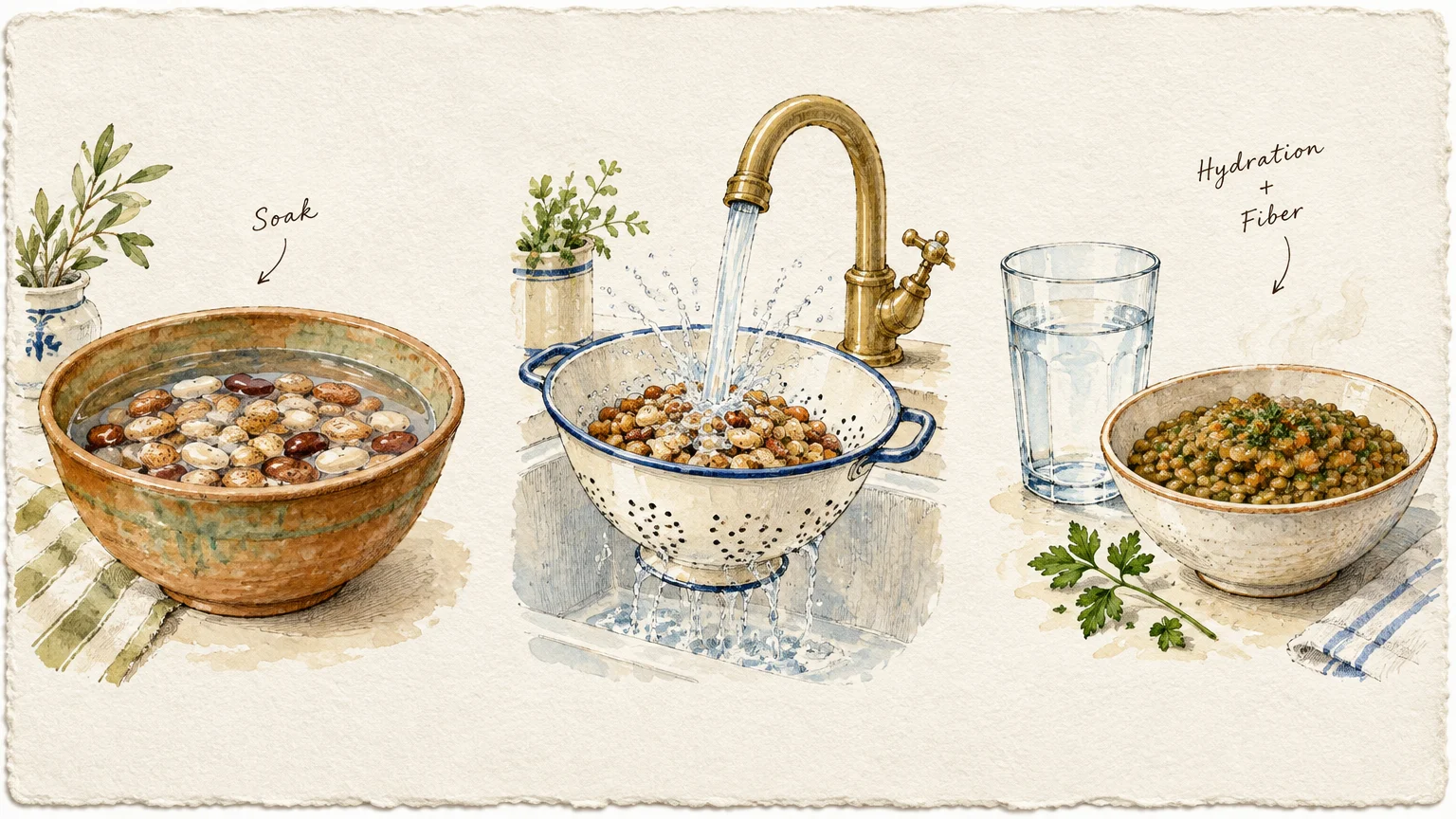
If you prepare dried kidney beans at home, always soak them for several hours and discard the soaking water. Boil them vigorously on the stovetop for at least ten minutes before finishing them at a gentle simmer.
Slow cookers often do not reach the sustained boiling temperatures necessary to destroy this natural toxin completely. Stick to stovetop boiling or pressure cooking when preparing dried red kidney beans from scratch.

When to Speak with a Healthcare Professional
Dietary changes can interact with existing health conditions, making personalized medical guidance essential for your safety. Always consult your primary care doctor or a registered dietitian before making dramatic modifications to your regular meals.
If you manage chronic kidney disease, you must monitor your dietary potassium and phosphorus intake very carefully. Impaired kidneys struggle to clear excess potassium, which can lead to dangerous cardiac arrhythmias and weakness.
Certain blood pressure medications, including ACE inhibitors and potassium-sparing diuretics, also raise potassium levels in the bloodstream. Your physician can review your laboratory panels to determine safe daily intake levels for potassium-rich legumes.
Speak with a gastroenterologist if you live with active diverticulitis, inflammatory bowel disease, or severe irritable bowel syndrome. During acute flare-ups, your intestines may require a low-residue diet temporarily before you reintroduce high-fiber foods.
Contact your doctor promptly if you experience severe abdominal pain, persistent nausea, or unexplained weight loss after changing your diet. These warning signs warrant thorough medical evaluation rather than self-treatment through dietary adjustments.
Your healthcare provider can help you craft a balanced eating pattern that respects your individual medical history and medication schedule. Working collaboratively ensures you enjoy all the health benefits of lentils and beans safely.
Frequently Asked Questions
Are canned beans just as nutritious as dried beans?
Yes, canned beans provide virtually identical amounts of plant based protein, fiber, and essential minerals as dried varieties. The high-heat commercial canning process preserves essential nutrients while offering unmatched kitchen convenience.
Choose low-sodium or no-salt-added cans whenever possible to protect your blood pressure. Simply rinse standard canned beans under cold tap water to wash away substantial amounts of added salt.
How can I reduce intestinal gas when cooking dried beans?
Soaking dried beans overnight in plenty of cool water dissolves the indigestible sugars that trigger gas. Pour off that soaking liquid, rinse the beans thoroughly, and cook them in fresh water with aromatic herbs like cumin.
Cooking beans until they are completely soft and easily mashed between your fingers also aids smooth digestion. Undercooked starch resists digestive enzymes and ferments in the lower colon, causing uncomfortable pressure.
Can older adults get enough protein without eating meat?
Yes, older adults can meet their daily protein needs comfortably by enjoying diverse plant foods throughout the day. Legumes nutrition delivers generous quantities of amino acids, especially when combined with whole grains, seeds, and nuts.
Consuming diverse plant sources guarantees that your body receives all nine essential amino acids needed for muscle synthesis. You do not need to combine them in a single meal; eating them across the day works wonderfully.
How long can I safely store cooked beans and lentils in the refrigerator?
You can store cooked beans and lentils safely in an airtight glass container in your refrigerator for three to five days. Ensure you cool them promptly and place them into the fridge within two hours of cooking.
For longer storage, freeze portioned containers of cooked legumes for up to six months. Thaw them overnight in the refrigerator for quick, wholesome additions to weeknight beans and lentils recipes.
For authoritative, trustworthy health information, always consult official sources like the National Institute on Aging (NIA) and MedlinePlus from the National Library of Medicine. The CDC also provides excellent resources for older adults.
Disclaimer: This article is for informational purposes only and does not constitute medical advice. Always seek the advice of your physician or other qualified health provider with any questions you may have regarding a medical condition.