Tiny plastic particles hide in many everyday groceries, from your morning cup of tea to your favorite evening protein. Knowing the top foods with most microplastics empowers you to make simple, stress-free swaps that protect your long-term vitality.
You do not need to overhaul your entire diet or give up the meals you love to reduce microplastic exposure. A few gentle changes in how you shop, rinse, and brew your food can dramatically lower your daily intake.
Below, we explore the six biggest dietary sources of microscopic plastics backed by recent laboratory testing. You will also find practical kitchen upgrades that keep your meals nourishing, safe, and enjoyable.
Understanding the Basics of Microplastics in Food for Seniors
Microplastics are tiny fragments of degraded plastic that measure less than a few millimeters across. Even smaller fragments—known as nanoplastics—measure under 1 micrometer and are completely invisible to the naked eye.
These microscopic particles enter our food supply through soil, waterways, industrial processing equipment, and food packaging. Whenever plastic wrappers, bottle caps, or factory conveyor belts rub against food, they shed tiny synthetic fibers into what we eat.
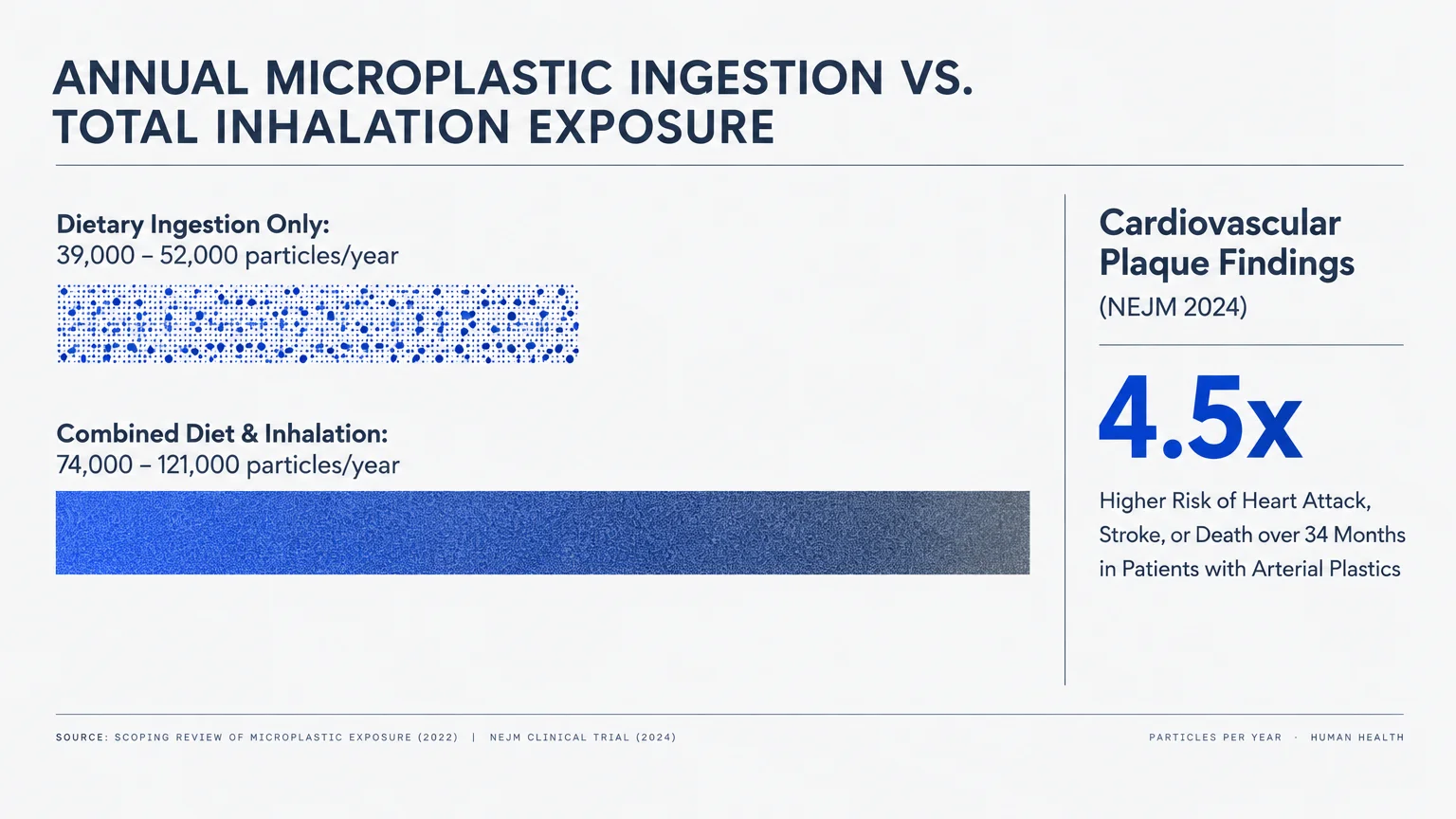
Foundational research published in Environmental Science & Technology estimates that the average adult consumes 39,000 to 52,000 microplastic particles per year from food and beverages. When you account for indoor and outdoor air inhalation, that annual total rises to between 74,000 and 121,000 particles or more.
While researchers have studied environmental plastic for decades, new medical breakthroughs explain why older adults should pay gentle attention to microplastics in food. Our bodies process environmental compounds differently as we age, making smart dietary habits more valuable than ever.
A major 2024 study published in the New England Journal of Medicine examined patients undergoing surgery for carotid artery disease. Researchers discovered that patients with microplastics and nanoplastics in their arterial plaque had a 4.5 times higher risk of experiencing a heart attack, stroke, or death over the following 34 months compared to patients with plastic-free plaque.
Scientists are also studying how tiny nanoplastics travel through the bloodstream to other vital organs. A 2025 study published in Nature Medicine found that human brain tissue samples contained an average of 4,800 micrograms of plastic per gram of tissue—a concentration significantly higher than levels found in liver or kidney samples.
Hearing these statistics can feel overwhelming at first, especially when you already work hard to care for your heart and brain. However, researchers emphasize that awareness is a tool for prevention, not a reason for panic.
Right now, neither the U.S. Food and Drug Administration (FDA), the World Health Organization (WHO), nor the European Food Safety Authority (EFSA) has established an official safe limit for microplastic intake. Because large-scale human research is still relatively young, regulatory standards are still catching up with laboratory discoveries.
In its official guidance updated between 2024 and 2026, the FDA states that current scientific evidence does not demonstrate that levels of microplastics or nanoplastics detected in foods pose a risk to human health. Still, lawmakers and public health advocates are pushing for deeper investigation into long-term exposure.
On July 17, 2025, lawmakers introduced the bipartisan Microplastics Safety Act (H.R. 4486) in Congress to mandate that the FDA formally study and report on the human health impacts of microplastics in food and water. International health agencies are taking similar steps to evaluate everyday dietary exposure.
In April 2026, the EFSA noted that it is preparing a formal scientific opinion on the health risks of microplastics in food, water, and air at the request of the European Parliament. According to the EFSA’s 2025 Eurobarometer on Food Safety, 73% of Europeans are now aware of microplastics in food, and 33% list it as a top food safety concern.
You do not have to wait for government agencies to set official thresholds before protecting your own kitchen. By identifying where microplastics in beverages and groceries hide most often, you can immediately cut out the largest sources of contamination.
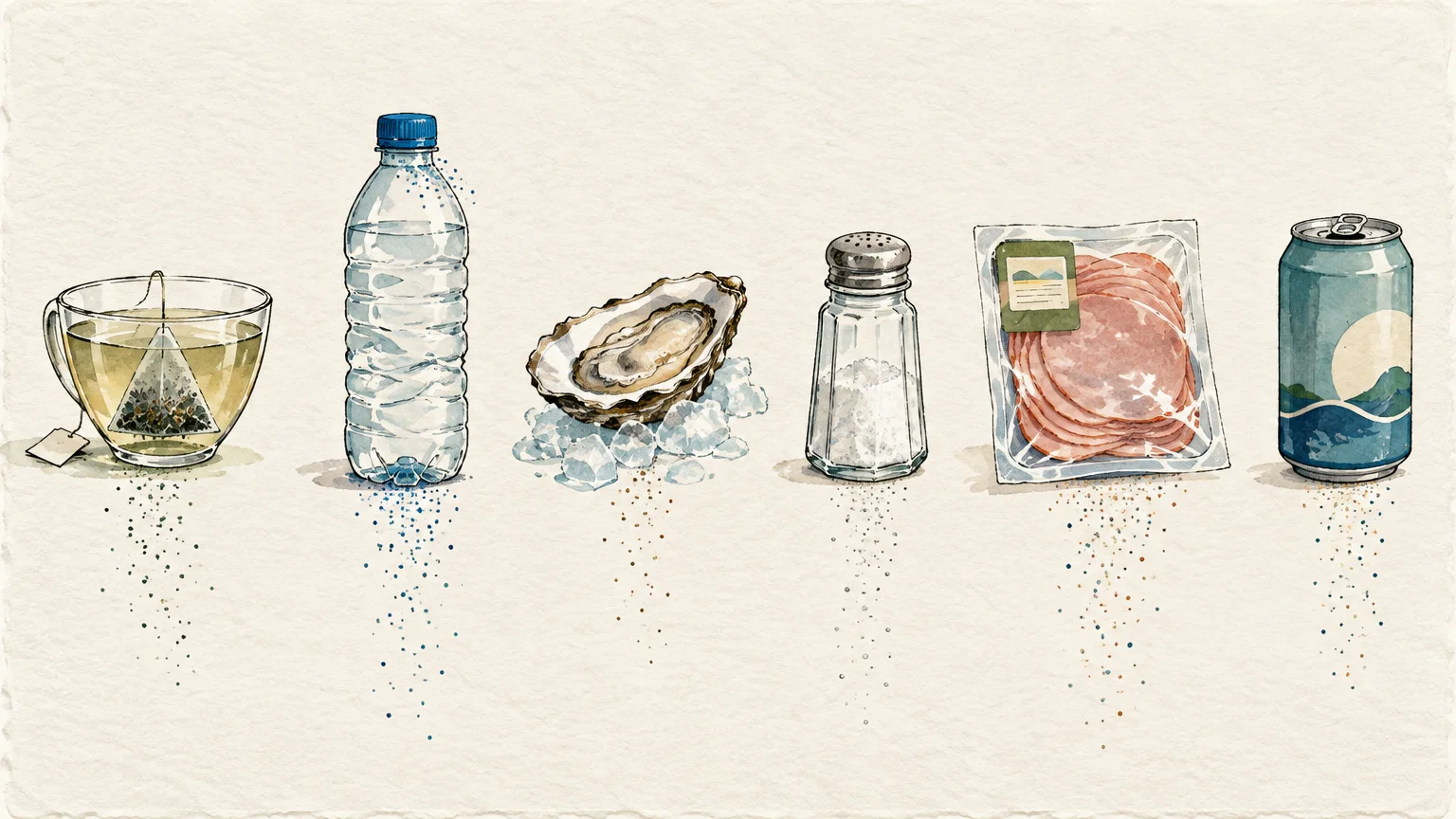
The 6 Foods and Beverages That Have the Most Microplastics
Laboratory testing shows that plastic contamination is not spread evenly across the grocery store. Focusing your energy on the six categories below gives you the biggest health return with the least amount of daily effort.
1. Single-Use Bottled Water and Bottled Beverages
If you rely on convenient plastic water bottles to stay hydrated, you are interacting with one of the most concentrated sources of microplastics in beverages. While bottled water looks crystal clear, the flexible plastic bottle sheds particles every time it is squeezed, warmed during shipping, or twisted open.
A landmark 2024 study published in the Proceedings of the National Academy of Sciences (PNAS) found an average of 240,000 plastic particles per liter of bottled water. Depending on the brand tested, contamination ranged from 110,000 to 370,000 particles per liter.
Even more importantly, researchers found that roughly 90% of those bottled water microplastics were actually nanoplastics measuring under 1 micrometer. Because nanoplastics are so tiny, they can pass through the digestive tract lining and enter the bloodstream much more easily than larger fragments.
According to research estimates, people who drink primarily bottled water ingest an estimated 90,000 additional microplastic particles annually compared to those who drink tap water. Switching away from single-use plastic bottles is one of the fastest ways you can reduce microplastic exposure starting today.
Many health-conscious seniors switch to beverages sold in glass bottles—such as sparkling water, iced tea, soda, or beer—assuming they are completely plastic-free. Surprisingly, recent testing shows that glass-bottled drinks carry an unexpected quirk of their own.
A widely publicized May and June 2025 study by the French agency for food and safety (ANSES) found that drinks in glass bottles averaged around 100 microplastic particles per liter, with fragments ranging from 20 to 500 microns. Notice that 100 particles per liter is still vastly lower than the 240,000 particles per liter found in plastic water bottles, but the source of the plastic surprised scientists.
Researchers verified that the contamination in glass bottles came from microscopic scratches on the painted metal caps and plastic cap liners caused by storage friction—not from the glass itself. When metal caps rub together in factory bins before bottling, tiny flecks of paint and plastic liner dust settle onto the inside of the cap.
Your best strategy is to drink filtered tap water from a reusable stainless steel or glass tumbler at home. When you do enjoy a bottled beverage, pouring it carefully without letting the liquid wash over the outer rim of the cap liner helps keep stray particles out of your glass.
2. Steeped Plastic Mesh Tea Bags
Enjoying a warm cup of herbal, green, or black tea is a wonderful ritual for relaxation and antioxidant support. Unfortunately, many modern tea brands have replaced traditional paper tea bags with silky, pyramid-shaped mesh bags made from nylon or polyethylene terephthalate (PET) plastic.
Even some traditional flat paper tea bags are sealed along the edges using thermoplastic glue or woven with synthetic polypropylene fibers to keep them from tearing in hot water. When you pour boiling water over food-grade plastic, the heat causes the synthetic mesh to break down rapidly.
A widely cited McGill University study found that steeping a single plastic mesh tea bag at brewing temperature (95°C / 203°F) releases approximately 11.6 billion microplastics and 3.1 billion nanoplastics into a single cup. That makes a single cup of mesh-bagged tea the highest single-serving source of plastic particles ever measured in a kitchen setting.
Thankfully, you never have to give up your daily tea habit to avoid this exposure. Simply switch to loose-leaf tea and brew it using a reusable stainless steel mesh ball, a ceramic teapot with a built-in strainer, or a French press.
If you prefer the convenience of pre-portioned tea bags, look for brands that explicitly advertise unbleached, plastic-free paper bags fastened with a stitched cotton string rather than heat-sealed glue. You can also tear open any tea bag you already own and pour the leaves directly into a metal strainer so nothing goes to waste.
3. Breaded and Highly Processed Proteins
Protein is vital for maintaining muscle mass, bone strength, and immune resilience as you grow older. For years, public health discussions around plastic in protein focused almost exclusively on shellfish and ocean fish.
However, recent food testing proves that terrestrial meats and plant-based alternatives carry comparable levels of contamination. A 2024 peer-reviewed study by Ocean Conservancy and the University of Toronto tested 16 types of protein—including beef, chicken, pork, seafood, and tofu or plant-based alternatives—and found microplastics in 88% of all samples.
Based on these findings, researchers estimated that the average American adult consumes roughly 11,500 to 3.8 million microplastics per year from protein alone. The wide range depends heavily on how much factory processing your protein undergoes before it reaches your plate.
In the 2024 study, breaded and highly processed proteins—such as chicken nuggets and breaded shrimp—contained significantly more plastic per gram than minimally processed options like whole chicken breasts or fresh fillets. Every step of industrial chopping, breading, par-frying, and plastic-tray packaging introduces more synthetic particles from factory machinery and air filtration systems.
To keep your protein intake clean and nourishing, choose whole, single-ingredient cuts of poultry, beef, fish, or plain block tofu whenever possible. If you crave crispy breaded fish or chicken strips, coat fresh fillets at home using whole-grain breadcrumbs and bake them on a stainless steel sheet pan.
Ask your local butcher or seafood counter to wrap fresh cuts in butcher paper rather than pre-packed Styrofoam trays wrapped in cling film. Once you get home, unwrap your proteins promptly and store them in glass containers in the refrigerator.
4. Certain Fresh Fruits and Root Vegetables (Especially Apples and Carrots)
It often surprises readers to learn that fresh produce ranks among the foods with most microplastics in the modern diet. Because fruits and vegetables do not go through factory breading machines, you might assume they are completely free of synthetic debris.
However, a comprehensive review by the University of Amsterdam published in the Journal of Hazardous Materials analyzed 193 studies and concluded that fruits, vegetables, and grains contribute the highest daily intake of microplastics in the human diet. This happens for two simple reasons: plants absorb microscopic plastics from agricultural soil and irrigation water through their root systems, and we eat large volumes of plant foods every day.
Previous Italian research examining fresh produce found apples and carrots to be the most contaminated items tested, averaging between 52,050 and 233,000 particles per gram. Fruit trees like apple orchards have deep, established root systems that draw up water year after year, while root vegetables like carrots grow directly inside soil that may be treated with plastic-coated fertilizers or agricultural mulch film.
Does this mean you should stop eating apples, carrots, and fresh vegetables? Absolutely not—fruits and vegetables provide the fiber, potassium, and antioxidants that protect your heart, digestion, and cognitive health.
Instead of avoiding produce, practice smart preparation in your kitchen. Wash all fresh fruits and vegetables thoroughly under running filtered water and gently scrub root crops with a natural-bristle vegetable brush to remove surface dust and soil residues.
Peeling the outer skin off conventional carrots and apples can also remove particles trapped on the surface or in synthetic wax coatings applied for supermarket display. Rotating your produce choices—mixing in leafy greens, berries, squash, and citrus—further balances your nutritional intake while minimizing reliance on any single crop.
5. Unwashed Rice and Instant Pre-Cooked Grains
Rice is an affordable, gentle, and versatile staple in many senior households. Unfortunately, both the way rice is grown in flooded paddies and the way it is milled and packaged in plastic bags leave behind measurable plastic residues.
Australian researchers found that a single 100-gram serving of uncooked rice contains 3 to 4 milligrams of plastic. If you buy instant or pre-cooked rice that comes in microwavable plastic pouches, that contamination spikes to 13 milligrams per serving—roughly four times higher than traditional dry rice.
Thankfully, the same Australian research revealed an empowering, zero-cost solution that every home cook can use immediately. Simply washing your rice in clean water before cooking reduces microplastic contamination by 20% to 40%.
Place your dry rice into a fine-mesh stainless steel strainer or a glass bowl, cover it with filtered water, swish the grains gently with your hand, and pour off the cloudy rinse water. Repeating this quick rinse removes loose plastic dust along with excess surface starch, giving you fluffier, cleaner rice at the same time.
At the grocery store, bypass boil-in-bag rice and microwaveable plastic grain pouches whenever you can. Buying dry rice in cardboard boxes, burlap sacks, or bulk bins and cooking it in a stainless steel pot with filtered water cuts your exposure dramatically.
6. Culinary Salts and Everyday Chewing Gum
Our final category pairs two small items that punch far above their weight in microplastic delivery: the salt shaker on your dining table and the chewing gum in your pocket or purse. Because both stay in direct contact with your mouth or dissolve straight into your meals, their particles go directly into your digestive system.
Laboratory evaluations show that both terrestrial salts—like Himalayan pink salt—and ocean-evaporated sea salts consistently test positive for microplastics across global brands. While sea salt picks up microplastics from polluted ocean water, terrestrial rock salts often become contaminated during industrial grinding, refining, and packaging in plastic grinder bottles.
Watch out for disposable spice and salt grinders equipped with plastic grinding gears inside the cap. Every time you twist a plastic salt grinder over hot food, the hard salt crystals grate microscopic shavings of plastic off the grinding mechanism directly onto your dinner plate.
Chewing gum is an even more direct source of synthetic particles, especially for older adults who chew gum to relieve dry mouth caused by medications. What many consumers do not realize is that modern commercial “gum base” is frequently made from food-grade synthetic polymers—essentially flexible plastics like polyvinyl acetate and polyethylene.
A 2025 UCLA and Chemistry for Life study testing 10 synthetic and natural gum brands found microplastics in 100% of samples. Researchers discovered that chewing a piece of gum releases an average of 100 microplastic particles per gram—and up to 600 particles—directly into your saliva within minutes of chewing.
To lower your intake from seasonings, buy salt packaged in cardboard drums or glass jars and use a salt mill fitted with a ceramic or stainless steel grinding mechanism. You can also flavor your meals generously with fresh herbs, garlic, lemon zest, and vinegar, which supports healthy blood pressure while cutting back on salt contamination.
If you use chewing gum to stimulate saliva for dry mouth, consider sucking on a plain, plastic-free xylitol mint stored in a metal tin, or sip filtered water infused with a slice of cucumber or lemon. Your dentist or pharmacist can also recommend gentle, plastic-free oral rinses designed specifically for dry mouth relief.

Practical Tips for a Healthier, Happier Life
Knowing which foods carry the most plastic is only half the equation; how you store, prep, and heat those foods in your own kitchen matters just as much. The practical habits below will help you reduce microplastic exposure smoothly without spending a fortune or making cooking feel like a chore.
1. Filter Your Tap Water with a Certified Pitcher or Under-Sink System
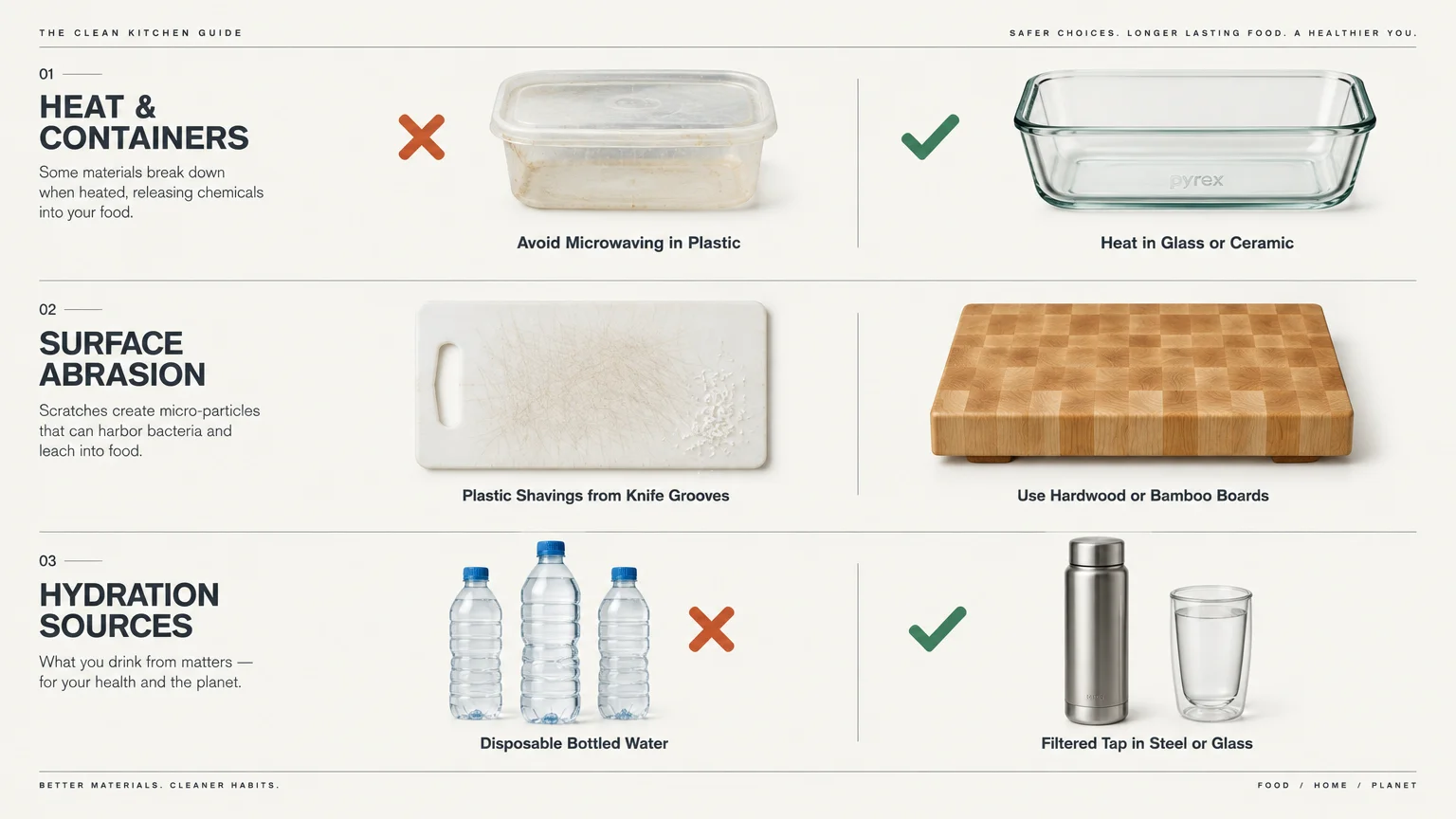
Replacing single-use bottled water with filtered tap water eliminates hundreds of thousands of particles from your diet right away. You do not need an expensive whole-house plumbing overhaul to get clean, great-tasting water at the kitchen sink.
Look for a countertop gravity filter, a glass filter pitcher, or an under-sink carbon block or reverse osmosis filter certified to trap microscopic particulates. Because microplastics measure down to the micron range, filters rated for cyst reduction or sub-micron filtration capture the vast majority of municipal water fragments.
Once your water is filtered, store it in a glass carafe in the refrigerator or carry it in a lightweight, insulated stainless steel bottle when you head out for walks or errands. Set a calendar reminder to change your filter cartridges on schedule so they continue working effectively.
2. Never Microwave Food in Plastic Containers or Cling Wrap
Heat is the single biggest catalyst for plastic shedding in the home kitchen. When plastic food storage tubs, takeout containers, or plastic wrap are exposed to microwave heat, hot soups, or fatty sauces, their polymer chains loosen and release millions of microplastics and nanoplastics into your meal.
Make it a strict house rule to transfer leftovers onto a ceramic dinner plate or into a tempered glass bowl before reheating them in the microwave. Instead of stretching plastic cling wrap over your dish to prevent splatters, cover the plate with an upside-down ceramic saucer or a clean paper towel.
Even plastica labeled “microwave-safe” only means the container will not warp or melt into a puddle at normal heating temperatures. It does not guarantee that the plastic remains free of microscopic particle shedding when heated.
3. Retire Scratched Plastic Cutting Boards and Frayed Utensils
Take a quick look at your favorite cutting board under bright kitchen light. If it is made of white or colored polyethylene plastic and covered in deep knife grooves, every chop of your chef’s knife is shaving tiny curls of plastic straight into your salad vegetables and cooked meats.
Swap scarred plastic boards for solid hardwood cutting boards—such as maple, walnut, or cherry—or thick bamboo boards. Wood possesses natural antimicrobial properties, is gentle on your knife blades, and will never shed synthetic plastic into your chopped ingredients.
Similarly, inspect black nylon spatulas, ladle spoons, and slotted turners for melted or frayed edges along the tip. Replace worn plastic cooking tools with one-piece stainless steel or solid wooden utensils that stand up effortlessly to hot skillets and simmering soups.
4. Let Hot Meals Cool Before Storing and Avoid Dishwashing Plastic
Glass food storage containers with snap-on lids are wonderful for keeping leftovers visible and fresh in the refrigerator. Most of these containers use a glass base paired with a BPA-free plastic or silicone lid.
Always let freshly cooked soups, stews, and casseroles cool on the counter for a bit before sealing them and placing them in the fridge. Keep the hot food from touching the plastic lid, and leave a small gap at the top of the glass container if you plan to freeze the contents.
If you still use reusable plastic storage tubs or drinking cups, wash them gently by hand in warm soapy water rather than running them through a high-heat dishwasher cycle. Mechanical friction, harsh dishwasher detergents, and scalding drying cycles etch microscopic cracks into plastic surfaces, causing them to shed far more particles the next time you use them.
5. Brew Coffee and Tea with Plastic-Free Equipment
Just like plastic mesh tea bags, single-serve plastic coffee pods and drip coffee makers with plastic brewing baskets expose hot water to synthetic materials every morning. Boiling water passing through a heated plastic pod picks up both microplastics and chemical plasticizers before landing in your mug.
Consider brewing your morning coffee using a stainless steel or glass French press, a ceramic pour-over cone lined with an unbleached paper filter, or a classic stovetop stainless steel percolator. Paper filters actually help trap tiny particles that may already be present in your brewing water or ground coffee beans.
When heating water for tea or instant oatmeal, use a stainless steel or borosilicate glass kettle rather than an all-plastic electric kettle. These durable appliances last for years, clean up easily with a splash of white vinegar, and keep your morning beverages pure.
6. Control Household Dust Where You Cook and Eat
Remember that foundational exposure research shows our annual intake jumps from between 39,000 and 52,000 particles to between 74,000 and 121,000+ particles once inhalation is counted. Much of our indoor dust actually consists of microscopic synthetic fibers shed from polyester carpets, fleece blankets, upholstered furniture, and curtains.
When indoor dust floats through the air in your kitchen and dining room, it settles onto uncovered plates, fruit bowls, and cutting boards. Keeping household dust down directly reduces the amount of plastic you swallow at mealtime.
Vacuum your living and dining areas regularly using a vacuum equipped with a true HEPA filter, and wipe down kitchen counters with a damp cotton microfiber-free cloth before preparing food. Keeping a lid on your water glass and covering prepared dishes until everyone sits down at the table also prevents airborne fibers from landing on your meal.
Important Safety Precautions to Keep in Mind
As you make adjustments to lower your microplastic intake, your overall safety, comfort, and nutritional balance should always come first. Keep the following precautions in mind so your wellness journey stays grounded and safe.
Never restrict hydration or wholesome food groups out of fear. Dehydration is a rapid, serious health hazard for older adults that can trigger dizziness, kidney strain, confusion, and falls. If a plastic bottle of water is the only water available to you on a hot afternoon or during travel, drink it gladly—staying hydrated always outweighs temporary microplastic exposure.
Keep eating plenty of fruits, vegetables, and healthy proteins. While apples, carrots, and proteins can carry microplastics, the dietary fiber, vitamins, and amino acids they provide are essential for cardiovascular and immune health. Washing produce, peeling root crops when desired, and choosing whole cuts of meat let you enjoy all the benefits while minimizing the downsides.
Avoid unproven “microplastic detox” supplements and cleanses. You may see online advertisements promoting expensive herbal pills, charcoal powders, or chelators claiming to scrub microplastics from your bloodstream or brain. None of these products are approved by the FDA for removing microplastics, and many can interfere with blood thinners, blood pressure medications, or kidney function.
Choose lightweight alternatives if you have arthritis or reduced grip strength. Switching from plastic to heavy glass pitchers or cast-iron cookware can strain wrists and fingers affected by osteoarthritis or neuropathy. Look for lightweight stainless steel tumblers, smaller-capacity glass storage bowls, and ergonomic wooden utensils that feel comfortable and secure in your hands.
Maintain strict food hygiene when changing how you prep and store meals. When you rinse rice or scrub fresh produce, clean your sink strainer and countertops afterward so moisture does not harbor foodborne bacteria. Note the date when you store fresh butcher-paper meats into glass containers so you always cook them while they are fresh.

When to Speak with a Healthcare Professional
Learning about environmental contaminants like microplastics in food is a great prompt to check in on your broader cardiovascular and metabolic wellness. While doctors do not currently order routine blood tests for microplastics, they can monitor the exact health markers that matter most for healthy aging.
Because the 2024 New England Journal of Medicine study linked microplastics in carotid artery plaque to a 4.5 times higher risk of cardiovascular events over 34 months, protecting your heart and blood vessels is top priority. Schedule a routine visit with your primary care physician to review your blood pressure, cholesterol profile, blood sugar, and inflammatory markers.
Speak with your doctor promptly if you experience any warning signs of cardiovascular or circulatory trouble, such as unexplained shortness of breath, chest tightness, dizziness, sudden weakness or numbness on one side of the body, or new difficulty speaking. Never wait to seek medical attention if acute symptoms arise.
You should also consult your healthcare provider or a registered dietitian before making major changes to your diet, especially if you manage chronic conditions like kidney disease, diabetes, or heart failure. If you struggle with chronic dry mouth and rely on chewing gum for relief, ask your doctor or dentist to check whether one of your prescriptions is causing the dryness and request a safe, plastic-free remedy.
For authoritative, trustworthy health information, always consult official sources like the National Institute on Aging (NIA) and MedlinePlus from the National Library of Medicine. The CDC also provides excellent resources for older adults.
Disclaimer: This article is for informational purposes only and does not constitute medical advice. Always seek the advice of your physician or other qualified health provider with any questions you may have regarding a medical condition.
Frequently Asked Questions
Does boiling tap water remove microplastics?
Boiling hard tap water—which naturally contains minerals like calcium carbonate—can trap many microplastics inside chalky mineral crusts that settle to the bottom of the pot. Once you pour that boiled water through a standard paper coffee filter or a very fine stainless steel tea strainer, you can remove a substantial portion of those trapped particles.
However, make sure you boil the water in a stainless steel or glass pot rather than a plastic electric kettle. Pairing a simple carbon water filter pitcher with stainless steel cookware remains the easiest everyday method for clean drinking water.
Are canned foods completely free of microplastics?
While aluminum and steel cans do not shatter into shreds like thin plastic water bottles, most metal food cans are coated on the inside with a thin epoxy resin or polymer plastic liner. This liner prevents acidic foods like tomatoes or beans from corroding the metal can, but it can shed microscopic plastic particles or chemical compounds over time.
When shopping for pantry staples like beans, tomatoes, soups, or broth, look for brands packaged in glass jars or cardboard cartons when your budget allows. You can also cook dry beans at home in a slow cooker or stainless steel pot and freeze extra portions in glass containers.
Can my body naturally eliminate the microplastics I swallow?
Yes, your digestive system naturally eliminates the vast majority of larger microplastic particles through normal bowel movements. Eating a diet rich in soluble and insoluble fiber—found in oats, beans, berries, and leafy greens—supports regular digestion and helps move waste smoothly through your intestinal tract.
Because smaller nanoplastics (measuring under 1 micrometer) have a greater ability to cross biological barriers, reducing your intake of high-nanoplastic sources like bottled water and heated plastic tea bags is the smartest way to help your body out.
Is switching from plastic to silicone kitchenware a safe option for seniors?
High-quality, food-grade platinum silicone is far more heat-stable than standard household plastics like polypropylene or nylon, making it a decent middle ground for spatulas and baking mats. However, silicone is still a synthetic polymer that can degrade if exposed to very high broiling temperatures or sharp knife blades.
For the cleanest, longest-lasting kitchen setup, prioritize inert natural materials like stainless steel, tempered glass, ceramic, cast iron, and solid hardwood whenever you replace an old kitchen tool. These timeless materials have served home cooks safely for generations and keep your meals free of synthetic shedding.