A steaming bowl of nutrient-dense soup delivers steady vitality, hydrates your tissues, and strengthens aging muscles without stressing your digestive system. These wholesome meals offer an effortless way to absorb essential vitamins and minerals every day.
Whether you want to protect your joints, balance blood pressure, or maintain lean strength, the right recipe transforms simple ingredients into daily healing medicine. You can easily tailor each pot to your personal dietary needs.
Discover twelve restorative bowls that turn wholesome vegetables, comforting broths, and lean proteins into hearty nourishment for your golden years.

Understanding the Basics of Nutritious Soups for Seniors
As you age, your nutritional priorities change, making nutrient density far more important than sheer volume. Soups combine comforting hydration with concentrated nourishment in an easily digestible, soothing format.
Many older adults experience a diminished sense of thirst, which increases the risk of chronic low-level dehydration. Savoring warm, broth-based meals replenishes fluid reserves while gently balancing your essential electrolyte levels.
Maintaining muscle mass is vital for steady mobility, balance, and preventing age-related muscle loss, known clinically as sarcopenia. The PROT-AGE Study Group recommends that healthy seniors consume 1.0 to 1.2 grams of protein per kilogram of body weight daily.
If you manage an acute or chronic condition, experts recommend increasing protein intake to 1.2 to 1.5 grams per kilogram. Geriatric nutritionists emphasize targeting 25 to 30 grams of protein per meal to overcome anabolic resistance.
Dietary fiber provides crucial support for smooth digestion, balanced gut microbiomes, and steady blood sugar levels. The National Academy of Medicine recommends 30 grams of fiber daily for men over 51 and 21 grams for women.
Unfortunately, most seniors consume less than half of their recommended daily fiber intake. Blending legumes, whole grains, and leafy vegetables into soups offers a gentle way to reach these vital fiber targets.
Heart health demands careful attention to dietary sodium, especially since high blood pressure affects the majority of adults over 55. The American Heart Association suggests an ideal daily sodium limit of 1,500 milligrams for adults with cardiovascular concerns.
The general federal limit permits up to 2,300 milligrams per day, roughly equal to one single teaspoon of table salt. Standard commercial canned soups often pack over 800 to 1,000 milligrams into a single serving, quickly exhausting your allowance.
Understanding Food and Drug Administration labeling helps you make heart-smart selections at the grocery store. Products marked low sodium contain 140 milligrams or less per serving, while very low sodium indicates 35 milligrams or less.
In contrast, reduced-sodium items only require a 25 percent reduction compared to standard versions. Standard commercial soups often pack over 800 to 1,000 milligrams per serving, which quickly exhausts your daily limits.
Cooking vegetables gently in broth prevents the loss of valuable water-soluble micronutrients like vitamin C and B vitamins. In ordinary boiling, these nutrients escape into the cooking water, but soup retains every single drop.
Simmering also breaks down tough plant cellulose fibers that can otherwise cause digestive bloating or gas. This gentle cooking process makes vitamins and minerals significantly easier for your body to absorb efficiently.
Practical Tips for a Healthier, Happier Life
Preparing wholesome, homemade meals gives you complete authority over ingredients, textures, and seasoning levels. Here are twelve delicious, nutrient-packed bowls crafted to support your energy, heart, and joint health.
1. Hearty Lentil and Garden Spinach Soup
Lentils provide an exceptional combination of soluble fiber and plant-based protein to protect your cardiovascular system. They soften into a rich, comforting texture that requires minimal chewing effort.
Stirring fresh baby spinach into the pot during the final minutes preserves delicate folate and vitamin C. This vibrant soup supports steady energy without creating sharp spikes in blood glucose levels.
Add a splash of red wine vinegar just before eating to brighten the savory, earthy flavors without adding salt. Pair a bowl with a slice of toasted sourdough for a satisfying lunch.
2. Slow-Simmered Chicken and Vegetable Bone Broth
Simmering poultry bones releases natural collagen, glycine, and glutamine to soothe your intestinal lining and support joint comfort. Tender, shredded chicken breast delivers clean, lean protein to protect your muscular vitality.
Add sweet carrots, celery, and parsnips to fortify your broth with immune-boosting carotenoids and potassium. This classic recipe remains one of the most reliable healthy soup recipes for cold weather recovery.
Sip this warming broth between meals or enjoy a large bowl topped with freshly chopped flat-leaf parsley. Parsley adds a crisp, herbal finish along with valuable vitamin K for bone health.
3. Mediterranean White Bean and Kale Stew
Creamy cannellini beans offer substantial plant protein and soluble fiber that actively helps lower LDL cholesterol. Dark Tuscan kale contributes lutein and zeaxanthin, which help protect aging eyes from macular degeneration.
Stewing the beans with sweet garlic, diced onions, and crushed tomatoes creates a rich, savory broth without excess sodium. This satisfying high protein soup keeps you feeling comfortably full for hours.
Drizzle a teaspoon of cold-pressed extra-virgin olive oil over each warm bowl just before serving. Healthy olive oil polyphenols improve the absorption of fat-soluble vitamins found in the dark kale.
4. Roasted Butternut Squash and Ginger Puree
Butternut squash boasts incredible concentrations of beta-carotene, a powerful antioxidant that your body converts into vision-supporting vitamin A. Roasting squash cubes in the oven concentrates their natural sugars before you puree them.
Freshly grated ginger provides natural gingerols, which calm systemic inflammation and soothe delicate digestive tracts. This silky puree stands among the best healthy fall soups to warm your afternoons.
Swirl a spoonful of unsweetened plain Greek yogurt into your bowl for an added boost of calcium and protein. Top with a pinch of toasted pumpkin seeds for delightful crunch and essential zinc.
5. Atlantic Salmon and Sweet Potato Chowder
Wild Atlantic salmon delivers potent omega-3 fatty acids, specifically EPA and DHA, which protect cognitive performance and vascular flexibility. Sweet potatoes supply slow-digesting complex carbohydrates along with abundant vitamin C and potassium.
Simmer the chowder in a base of unsweetened oat milk or pureed cauliflower rather than heavy whipping cream. This smart substitution keeps saturated fat low while creating a velvety, luxurious mouthfeel.
Each warm serving easily provides over 25 grams of complete protein, meeting your optimal mealtime muscle-synthesis threshold. Season with fresh dill weed and cracked black pepper for a restaurant-quality meal at home.
6. Golden Turmeric Chickpea and Quinoa Soup
Turmeric contains curcumin, a remarkable bioactive compound renowned for easing joint stiffness and fighting cellular oxidation. Pairing ground turmeric with freshly ground black pepper boosts curcumin absorption by up to 2,000 percent.
Tender chickpeas and nutrient-rich quinoa unite to deliver a complete plant protein containing all nine essential amino acids. This colorful, aromatic bowl counts among the most delicious and nutritious soups you can prepare.
Squeeze half a fresh lemon over your bowl to introduce a lively burst of citrus flavor. The natural citric acid also enhances the absorption of plant-based non-heme iron from the chickpeas.
7. Grass-Fed Beef and Pearled Barley Soup
Lean grass-fed beef supplies bioavailable heme iron and vitamin B12, nutrients essential for combating anemia and chronic fatigue. Gentle, low-temperature simmering renders the meat wonderfully tender, ensuring easy chewing for tired jaws.
Pearled barley introduces beta-glucan, a viscous soluble fiber scientifically shown to sweep cholesterol out of your bloodstream. This hearty, rustic preparation easily ranks among the best soups for winter nourishment.
Include plenty of diced root vegetables like rutabaga and turnips to increase overall potassium content naturally. Potassium works alongside low sodium levels to support healthy, stable arterial blood pressure.
8. Creamy Broccoli and Cannellini Bean Bisque
Broccoli provides sulforaphane, a unique sulfur compound that activates your body’s natural cellular detoxification enzymes. Pureeing white beans directly into the vegetable broth creates a silky texture without any heavy dairy.
This emerald green bisque provides bioavailable calcium and vitamin K to maintain skeletal strength as you age. It presents a simple way to consume several vegetable servings in one gentle bowl.
Garnish your bisque with a tablespoon of nutritional yeast for a cheesy, savory flavor without added sodium. Nutritional yeast also provides an extra boost of essential B-complex vitamins for nervous system vitality.
9. Garden Minestrone with Whole Grain Pasta
A garden minestrone combines zucchini, green beans, kidney beans, and crushed tomatoes in a fragrant vegetable broth. Simmered tomatoes deliver bioavailable lycopene, an antioxidant that shields your cardiovascular and prostate tissues.
Using whole grain pasta boosts the fiber content, helping women reach their daily 21-gram fiber requirement with ease. The variety of colorful vegetables feeds diverse, beneficial bacterial species in your lower digestive tract.
Season your broth liberally with dried oregano, sweet basil, and minced garlic instead of table salt. These aromatic pantry staples infuse deep, mouthwatering Mediterranean flavor without straining your blood pressure.
10. Turkey, Brown Rice, and Shiitake Mushroom Soup
Shiitake mushrooms contain lentinan, a unique polysaccharide that fortifies your immune defenses during seasonal temperature drops. Diced lean turkey breast delivers clean, low-fat protein to fuel daily tissue repair and immune synthesis.
Chewy brown rice provides sustained, slow-release energy without triggering rapid fluctuations in blood sugar levels. This deeply savory, umami-rich broth warms your core like an energizing herbal tonic.
Gently simmer the mushrooms with a slice of fresh ginger to elevate the comforting, restorative aroma. Enjoy a bowl alongside a crisp side salad for an energizing, balanced evening dinner.
11. Spiced Moroccan Split Pea Soup
Split peas break down into a naturally thick, comforting porridge that delivers abundant potassium, magnesium, and plant protein. This hearty legume meal supports vascular relaxation while providing long-lasting, steady satiety.
Fragrant cumin, coriander, and sweet cinnamon impart exotic warmth without demanding added salt or processed flavorings. This deeply nourishing bowl warms your senses during chilly, dreary autumn and winter days.
Finish your bowl with a scatter of fresh mint leaves and a drizzle of rich olive oil. The cool mint balances the warm, earthy spices for a truly memorable culinary experience.
12. Velvety Tomato and Silken Tofu Bisque
Blending tender silken tofu into pureed San Marzano tomatoes creates a luscious bisque without cream or butter. Silken tofu contributes smooth, easily digestible soy protein that seamlessly dissolves into the tangy tomato base.
Cooking tomatoes releases bound lycopene, while the healthy plant fats in tofu enhance your body’s absorption of this nutrient. This silky recipe provides gentle nutrition if chewing causes dental pain or jaw fatigue.
Tear fresh basil leaves across the surface just before sitting down to eat your warm meal. Basil adds sweet floral notes and natural plant polyphenols to support overall cardiovascular health.

Important Safety Precautions to Keep in Mind
While homemade soups offer exceptional nourishment, observing thoughtful kitchen and dining precautions keeps your eating experience safe and comfortable. Always allow piping hot soup to cool for several minutes before taking your first sip.
Hot liquids can scald delicate oral tissues and inflame your throat, especially if medications reduce your natural saliva production. Testing the temperature with a small spoonful prevents accidental mouth burns and ensures enjoyable dining.
If you experience swallowing difficulties or coughing while drinking thin liquids, consult a doctor regarding possible dysphagia. A speech-language pathologist can recommend safe thickening agents to achieve a nectar or honey consistency.
Thickened purees move slowly down your throat, significantly reducing the risk of fluids accidentally entering your lungs. Never ignore persistent coughing, throat clearing, or a wet-sounding voice while eating soup.
Scrutinize store-bought canned soups and commercial bouillon cubes, which often hide dangerous amounts of sodium. A single can can easily exceed your entire 1,500-milligram daily sodium limit in just one sitting.
Always choose products clearly labeled as low sodium, indicating 140 milligrams or less per serving. You can also dilute commercial broths with filtered water and build rich flavors using fresh herbs instead.
Practice strict food safety by cooling large batches of homemade soup promptly. Transfer hot soup into shallow, wide containers so it cools down below 40 degrees Fahrenheit within two hours.
Leaving a deep, steaming pot on your countertop allows hazardous foodborne bacteria to multiply rapidly. Store leftovers in airtight containers in your refrigerator and consume or freeze them within three to four days.

When to Speak with a Healthcare Professional
Nutritional guidance should always work in tandem with personalized medical supervision tailored to your specific chronic conditions. If you manage chronic kidney disease, you must monitor your protein and potassium intake with great precision.
Kidneys filter excess minerals and protein breakdown products, meaning damaged kidneys struggle with high-potassium ingredients like tomatoes, potatoes, and beans. Your nephrologist can help you adjust these recipes to safeguard your kidney function.
If you take blood-thinning medications like warfarin, maintaining a consistent daily intake of vitamin K is essential. Large, irregular servings of leafy greens like kale and spinach can interfere with medication levels and blood clotting.
Individuals managing congestive heart failure often have strict fluid restrictions alongside stringent sodium limits. Ask your cardiologist whether daily soup consumption fits safely into your prescribed total fluid and sodium targets.
Schedule an evaluation with your physician if you experience sudden, unintentional weight loss or severe muscle weakness. These symptoms may signal progressive sarcopenia, requiring tailored physical therapy and clinical medical nutrition therapy.
Bring your favorite recipes and meal plans to your annual wellness visit or dietitian consultation. Your healthcare team can verify that your ingredient choices align with your blood pressure, kidney, and metabolic goals.
For authoritative, trustworthy health information, always consult official sources like the National Institute on Aging (NIA) and MedlinePlus from the National Library of Medicine. The CDC also provides excellent resources for older adults.
Disclaimer: This article is for informational purposes only and does not constitute medical advice. Always seek the advice of your physician or other qualified health provider with any questions you may have regarding a medical condition.
Frequently Asked Questions
Can I freeze these healthy soup recipes for convenient meals later?
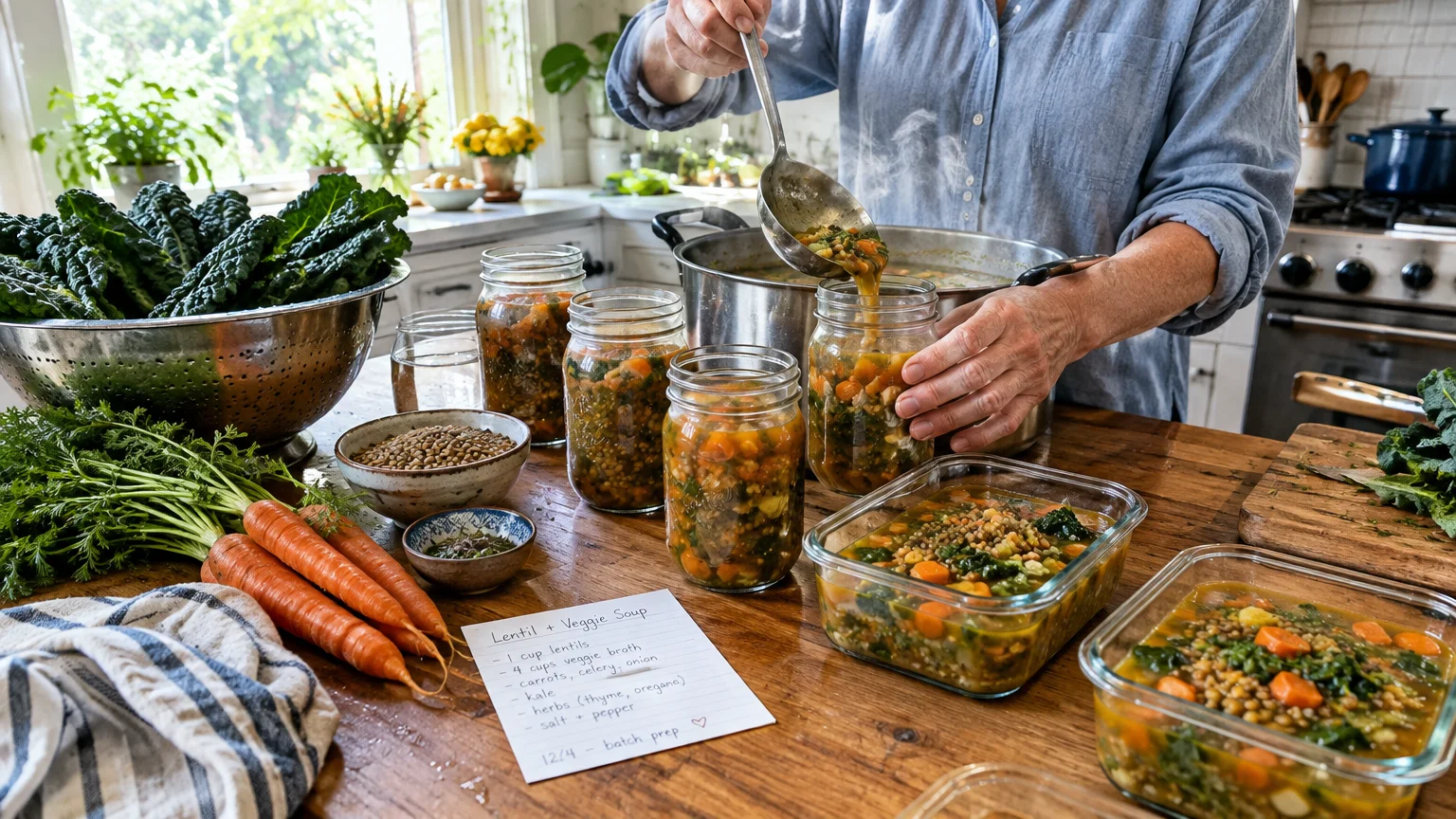
Yes, most broth-based, bean, and vegetable soups freeze exceptionally well for up to three months. Portion your cooled soup into individual freezer-safe glass jars for effortless, nutritious lunches whenever you need them.
Avoid freezing soups containing dairy, potatoes, or pasta, as freezing can cause their texture to turn grainy or soggy. Simply stir cooked noodles, cubed potatoes, or dairy into your reheated soup base just before serving.
How can I make a high protein soup without adding red meat?
You can easily build a high-protein base by incorporating tender lentils, chickpeas, or white beans into your recipes. Stirring in shredded chicken breast, wild salmon, or pureed silken tofu also elevates protein content effortlessly.
Unflavored collagen peptides or a spoonful of plain Greek yogurt can dissolve into warm broths without changing their flavor. These versatile additions help you reach your 25-gram protein goal without any heavy saturated fats.
What are the best low-sodium flavor boosters for soups for winter?
Fresh and dried herbs like rosemary, thyme, oregano, and sage provide wonderful savory depth without raising blood pressure. A splash of fresh lemon juice or cider vinegar adds bright acidity that mimics saltiness on your tongue.
Roasted garlic, caramelized onions, and toasted cumin also create rich, umami flavors that satisfy your taste buds. These natural aromatics transform simple vegetables into mouthwatering, heart-healthy comfort food.
Are pureed soups better than chunky soups for older adults?
Both textures offer tremendous nutrition, so your choice depends on your chewing comfort and swallowing ability. Pureed soups provide a safe, soothing option if chewing fatigue, tooth loss, or dental tenderness makes firm foods difficult.
Chunky soups promote mindful chewing and provide appealing textural variety if you have no oral motor restrictions. You can also puree half of any batch to create a thick, creamy broth filled with tender vegetable bites.