
Restorative sleep protects your memory, strengthens your heart, and keeps your energy high throughout your golden years. Recognizing early sleep disorder symptoms allows you to reclaim peaceful nights and vibrant, active mornings.
Many seniors assume poor rest is simply an unavoidable part of getting older. However, persistent fatigue, nighttime tossing, and disrupted breathing point to treatable medical conditions rather than natural aging.
Learning to spot the subtle signs of a sleep disorder helps you protect your long-term vitality. Understanding your body’s nighttime cues empowers you to take decisive action for your well-being.
Understanding the Basics of Sleep Disorders for Seniors
Sleep patterns naturally evolve as we grow older, but your fundamental biological need for rest remains constant. Healthy sleep rejuvenates your immune defenses and helps your brain clear away metabolic waste.
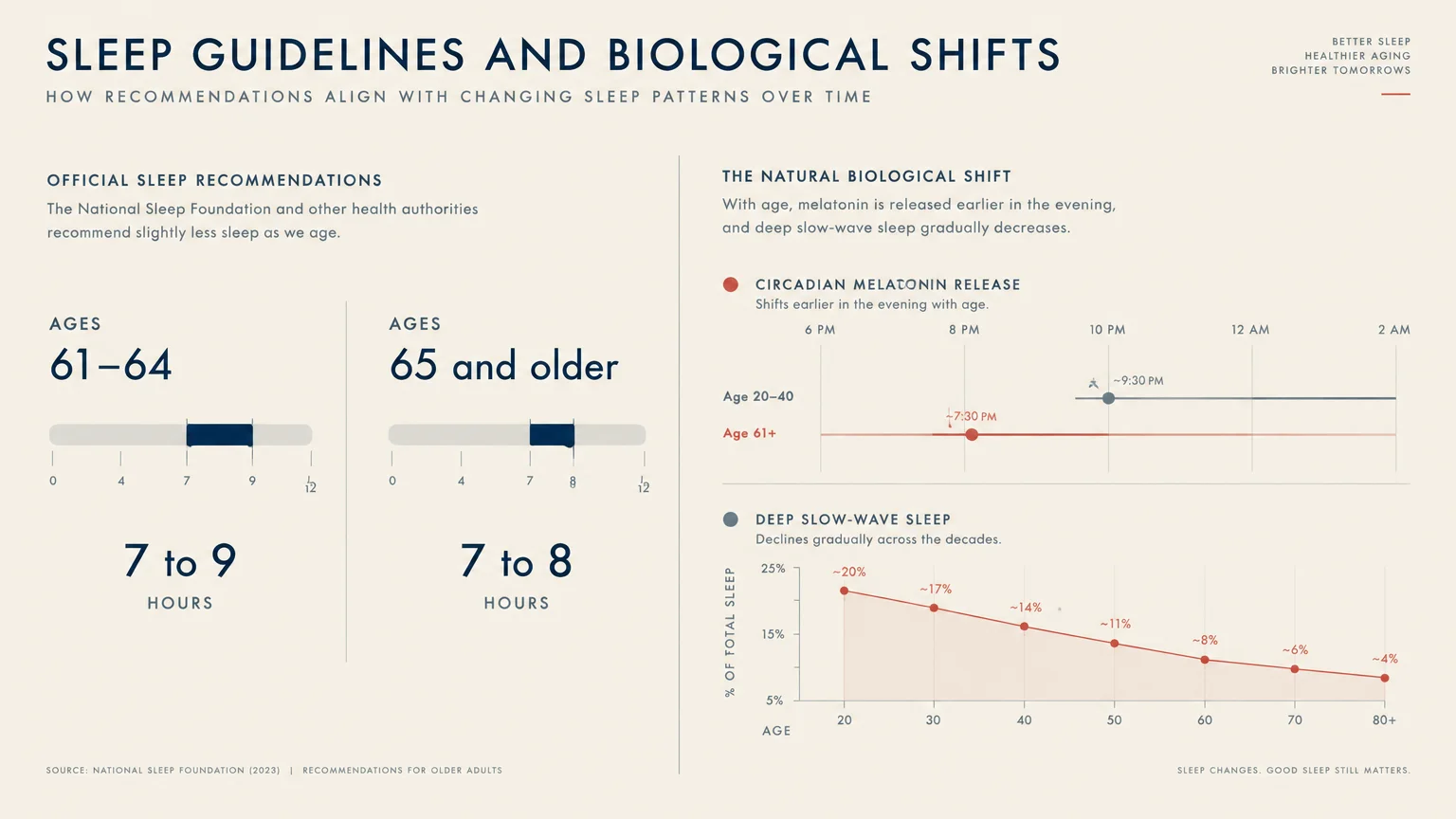
The Centers for Disease Control and Prevention and the National Sleep Foundation recommend seven to eight hours of sleep per night for adults aged sixty-five and older. Adults aged sixty-one to sixty-four require seven to nine hours.
As you age, your internal circadian clock shifts, often causing you to feel drowsy earlier in the evening. You also spend less time in deep, slow-wave slumber, making you more vulnerable to nighttime awakenings.
While lighter sleep is normal, chronic exhaustion is never a standard symptom of healthy aging. Underlying physiological changes frequently make older adults susceptible to specific sleep disorders.
Hormonal shifts also play a major role in how sleep quality changes over time. Before age fifty, men experience obstructive sleep apnea at roughly twice the rate of women.
After menopause, however, falling estrogen and progesterone levels cause sleep apnea rates in women to surge. This biological change nearly closes the diagnostic gender gap between older men and women.
Physical changes in airway tissue, neurological signaling, and medication side effects can further disrupt nightly rest. Identifying these issues early helps prevent cardiovascular strain and cognitive decline.
11 Symptoms That Could Signal a Sleep Disorder
Recognizing the warning signs of poor sleep allows you to address medical concerns before they harm your health. Here are eleven key symptoms you should never ignore.
1. Chronic, Loud Snoring and Choking Sensations
Loud, persistent snoring often indicates obstructive sleep apnea, a condition where throat muscles temporarily collapse and block your airway. You might wake yourself up with a sudden snort, gasp, or choking sensation as your brain signals for oxygen.
According to the National Health and Aging Trends Study, fifty-six percent of adults aged sixty-five and older face high sleep apnea risk. Surprisingly, only eight percent have undergone clinical evaluation.
Untreated sleep apnea starves vital organs of oxygen and increases strain on your cardiovascular system. Addressing this breathing issue can significantly lower your risk of high blood pressure and stroke.
2. Frequent Nighttime Bathroom Trips
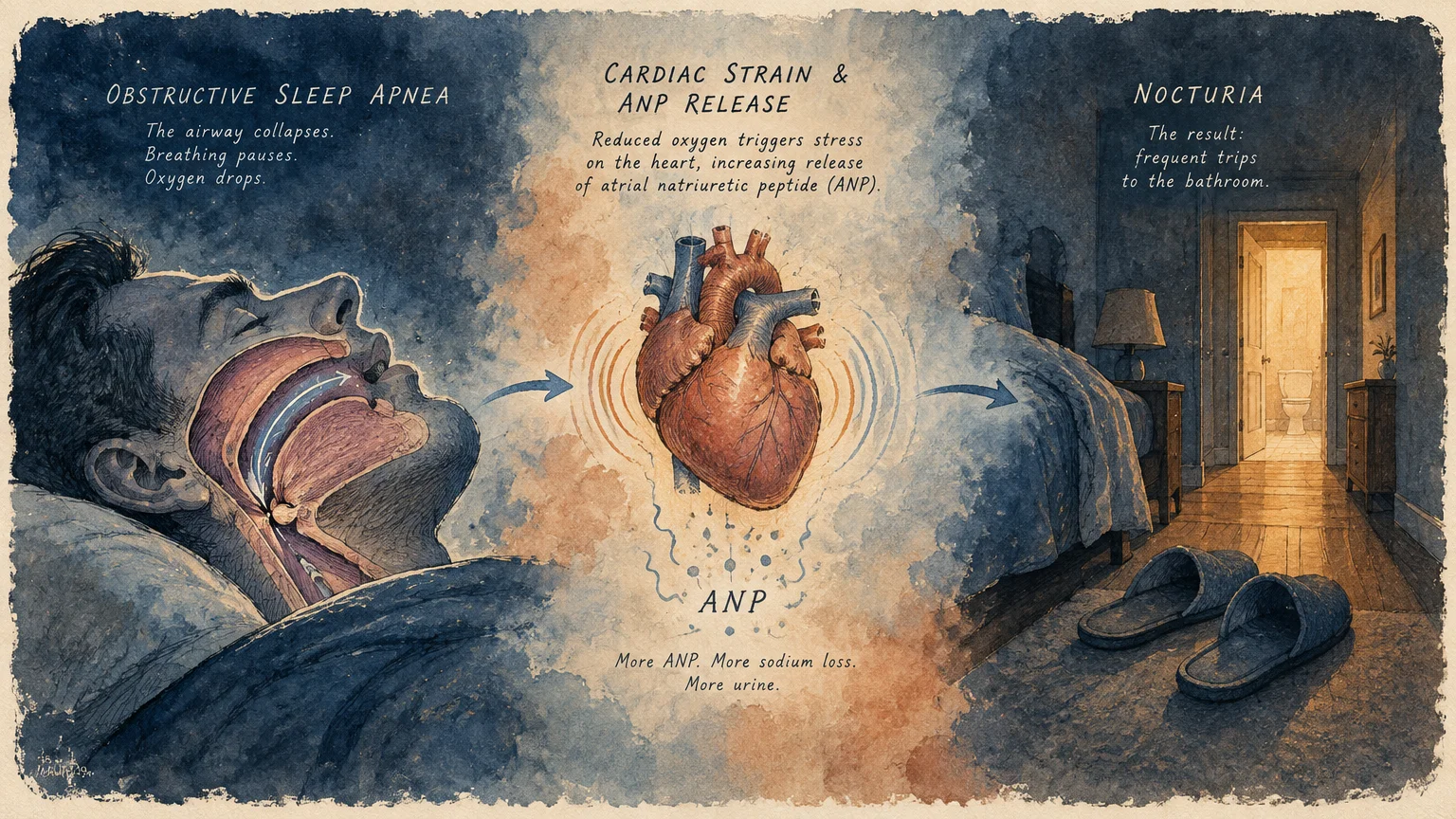
Waking two or more times each night to urinate is known clinically as nocturia. While often blamed entirely on bladder or prostate changes, nocturia affects over fifty percent of seniors and frequently masks untreated sleep apnea.
When nocturnal airway blockages lower blood oxygen levels, your heart undergoes acute physical strain. In response, the heart releases atrial natriuretic peptide, a specialized hormone that prompts your kidneys to produce excess nighttime urine.
Treating nighttime breathing interruptions often reduces nighttime urination frequency substantially. Discussing these awakenings with your physician helps determine whether an airway evaluation is appropriate.
3. Prolonged Difficulty Falling Asleep
Lying awake for more than thirty minutes while attempting to sleep is a primary insomnia warning sign. Your nervous system requires quiet transition time, but stress, discomfort, or irregular schedules can keep your mind overly alert.
Clinical diagnostic standards classify insomnia as chronic when sleep difficulties persist at least three nights per week for three months or longer. Between thirty and fifty percent of older adults report chronic insomnia symptoms.
Spending hours awake in bed creates a frustrating mental association between your mattress and wakefulness. Identifying underlying triggers allows you to break this exhausting cycle and restore peaceful evenings.
4. Waking Too Early and Inability to Return to Sleep
Waking up at three or four in the morning unable to return to sleep signals sleep maintenance insomnia. This pattern robs your body of rapid eye movement slumber, which supports memory consolidation and emotional well-being.
Circadian rhythms naturally shift forward with age, leading to earlier natural wake times. However, waking abruptly with anxiety or a racing mind often points to hormonal imbalances or unmanaged daytime stress.
Fragmented early-morning rest leaves your brain depleted before your day truly begins. Consulting a doctor can pinpoint whether environmental factors, medications, or emotional changes cause these early awakenings.
5. Severe Daytime Sleepiness and Mental Fog
An overwhelming urge to doze off during quiet moments indicates that your nighttime rest lacked restorative quality. Excessive daytime fatigue makes reading, conversing, or driving feel remarkably challenging.
This lingering exhaustion frequently generates cognitive brain fog, slower reaction speeds, and reduced focus. It reflects a true biological sleep deficit, even if you spent eight continuous hours in bed.
Daytime exhaustion is a major sign of a sleep disorder that warrants professional medical investigation. Restoring deep sleep clears away sluggishness and renews your daily mental clarity.
6. Creeping or Crawling Sensations in Your Legs
An irresistible urge to move your legs during quiet evening hours points toward restless legs syndrome. This neurological condition affects an estimated ten to thirty-five percent of older adults.
People describe the sensation as a crawling, prickling, or pulling feeling deep within their calf muscles. The discomfort temporarily subsides when you pace, stretch, or gently massage your limbs.
Because symptoms surge when you lie down, restless legs syndrome severely delays sleep onset. Identifying iron deficiencies or adjusting certain medications under medical supervision often brings welcome relief.
7. Involuntary Rhythmic Kicking During Sleep
Periodic limb movement disorder causes repetitive, involuntary muscle twitches or jerks in your legs while you sleep. These rhythmic movements typically occur every twenty to forty seconds throughout the night.
Over eighty percent of people diagnosed with restless legs syndrome also suffer from periodic limb movement disorder. While you might sleep through the kicks, your bed partner will easily notice the restless bedding.
Each kick triggers a micro-arousal in your brain, preventing you from remaining in deep, slow-wave rest. A specialized clinical evaluation can identify these movements and guide targeted therapeutic relief.
8. Physically Acting Out Vivid or Violent Dreams
Punching, kicking, flailing, or yelling during intense nightmares signals REM sleep behavior disorder. Normal REM sleep paralyzes your muscles to keep you still, but this protective mechanism fails in affected individuals.
This condition typically emerges after age fifty and poses genuine physical risks to you and your partner. Prospective clinical studies reveal that seventy to seventy-three percent of individuals with this disorder convert to neurodegenerative conditions within ten to twelve years.
These neurodegenerative conditions include Parkinson’s disease and Lewy body dementia. Prompt neurological evaluation allows for proactive medical care, protective bedroom modifications, and peace of mind.
9. Waking with Morning Headaches or Parched Mouth
Waking with a dull headache or a bone-dry mouth is a classic sleep apnea symptom. These morning discomforts directly mirror the physiological strain your body endured throughout the night.
Chronic mouth breathing occurs when obstructed upper airways restrict normal nasal airflow. Inhaling dry bedroom air for hours leaches moisture from your oral tissues, leaving your throat raw and parched.
Concurrently, nocturnal oxygen drops and carbon dioxide accumulation cause blood vessels in your brain to dilate. Resolving airway blockages relieves this vascular pressure and eliminates painful morning headaches.
10. Unexplained Mood Changes, Irritability, or Anxiety
Sleep deprivation directly destabilizes the emotional centers of your brain, particularly the amygdala. Without adequate rest, your resilience against everyday stress, patience, and emotional equilibrium decline substantially.
You might notice uncharacteristic irritability, heightened worry, or sudden mood shifts over minor daily inconveniences. Loved ones may notice that your normally calm demeanor has become frayed or withdrawn.
Chronic sleep fragmentation also significantly increases vulnerability to late-life depression. Addressing underlying sleep disorder symptoms restores neurotransmitter balance, helping you greet each morning with a refreshed perspective.
11. Sudden Daytime Muscle Weakness or Sleep Attacks
Experiencing brief muscle weakness during moments of strong emotion is a rare symptom known as cataplexy. When accompanied by sudden daytime sleep attacks, it strongly indicates a central hypersomnia disorder like narcolepsy.
While narcolepsy commonly develops in younger years, secondary or late-onset forms can occasionally appear in seniors. You may unexpectedly drift into sleep during conversations, meals, or seated daytime tasks.
These sudden episodes pose serious safety hazards, especially when cooking, walking down stairs, or operating machinery. Consulting a medical specialist provides a definitive diagnosis and safe strategies to maintain daytime alertness.

Practical Tips for a Healthier, Happier Life
While medical conditions require professional evaluation, holistic daily habits provide the foundation for restorative sleep. Implementing gentle lifestyle adjustments strengthens your circadian rhythms and improves sleep depth.
Establish a Consistent Daily Sleep Schedule
Go to bed and wake up at the exact same time every day, even on weekends. Consistent timing anchors your biological clock and regulates melatonin release naturally.
If you enjoy daytime naps, limit them to twenty or thirty minutes in the early afternoon. Long or late naps steal away the sleep pressure needed for deep nighttime rest.
Maximize Natural Morning Light Exposure
Expose your eyes to bright morning sunshine within an hour of waking up. Sunlight suppresses daytime melatonin production and signals to your brain that the day has begun.
Spend fifteen to thirty minutes on a sunny porch or take a gentle morning stroll outside. If mobility is limited, sit near a bright, sunlit window during breakfast.
Design a Restful, Cool Sleep Sanctuary
Keep your bedroom dark, quiet, and comfortably cool, ideally between sixty-five and sixty-eight degrees Fahrenheit. Cooler room temperatures encourage your body’s core temperature to drop, which induces deep sleep.
Invest in supportive pillows and breathable bedding that cushion aging joints. Remove glowing digital clocks and televisions from your room to eliminate nighttime visual distractions.
Cultivate a Calming Evening Wind-Down Ritual
Turn off bright screens, tablets, and smartphones at least one hour before bedtime. Blue light from screens tricks your brain into believing it is still daylight, delaying sleep onset.
Engage in soothing, low-stimulation activities such as reading a physical book, listening to soft music, or light stretching. A warm bath before bed can also relax tense muscles and ease joint stiffness.
Be Mindful of Evening Nutrition and Hydration
Avoid heavy, spicy, or acidic meals within three hours of bedtime to prevent painful acid reflux. Shift most of your fluid intake to earlier hours to reduce disruptive nighttime bathroom trips.
Limit caffeine consumption to morning hours, and avoid alcohol as a sleep aid. While alcohol may induce drowsiness, it severely disrupts deep sleep architecture and worsens airway collapse.
Important Safety Precautions to Keep in Mind
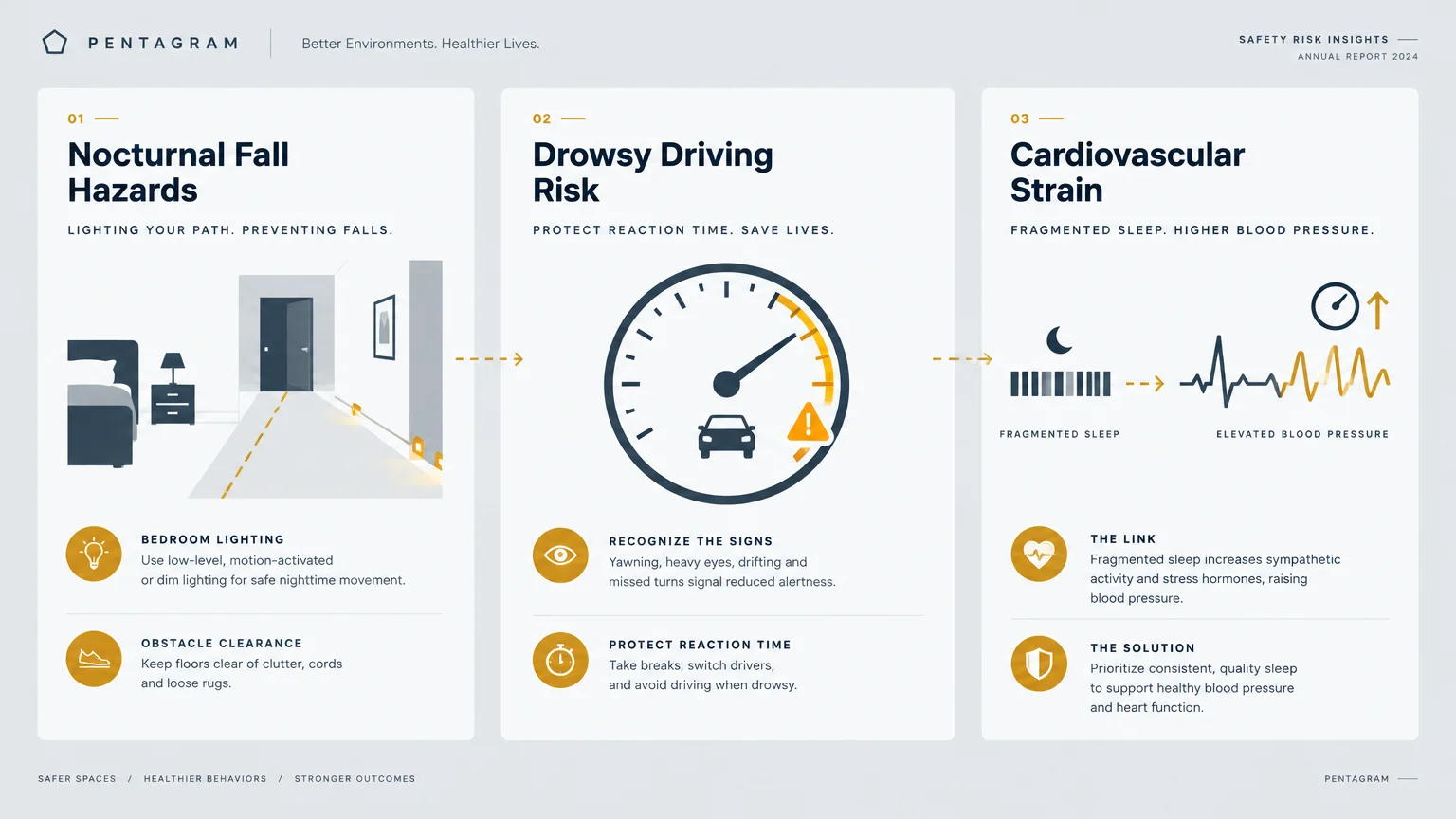
Protecting your physical safety while addressing sleep issues is essential for maintaining your independence. Chronic fatigue and nighttime awakenings significantly elevate the risk of falls and serious injuries.
Install motion-activated nightlights along hallways and bathrooms to illuminate your path during nocturnal awakenings. Clear walking pathways of throw rugs, electrical cords, and low furniture to prevent tripping in the dark.
Exercise extreme caution regarding over-the-counter sleep aids and nighttime antihistamines. These medications carry potent anticholinergic effects that cause morning confusion, dry mouth, urinary retention, and increased fall risks.
Never get behind the wheel of a vehicle if you feel drowsy, fatigued, or mentally sluggish. Drowsy driving impairs judgment and reaction times just as severely as alcohol intoxication.
Always review your existing prescription medications with your pharmacist or physician. Many standard medications for blood pressure, heart health, and mood can inadvertently disrupt your sleep architecture.

When to Speak with a Healthcare Professional
Understanding when to see a doctor about sleep concerns is vital for protecting your overall longevity. Persistent sleep problems are medical symptoms that warrant compassionate, professional clinical care.
Schedule an appointment promptly if you experience loud snoring accompanied by choking, witnessed breathing pauses, or severe daytime exhaustion. Physical dream enactment, unexplained leg sensations, or sudden muscle weakness also require direct medical assessment.
Your primary care physician can refer you to an accredited sleep center for an overnight polysomnography test or home sleep evaluation. Modern diagnostic tools are gentle, non-invasive, and remarkably effective at pinpointing root issues.
Prepare for your consultation by keeping a simple two-week sleep diary tracking your bedtimes, wake times, and daytime symptoms. Sharing these concrete patterns allows your doctor to create a personalized, effective treatment plan.
For authoritative, trustworthy health information, always consult official sources like the National Institute on Aging (NIA) and MedlinePlus from the National Library of Medicine. The CDC also provides excellent resources for older adults.
Disclaimer: This article is for informational purposes only and does not constitute medical advice. Always seek the advice of your physician or other qualified health provider with any questions you may have regarding a medical condition.
Frequently Asked Questions
Is poor sleep just an inevitable part of getting older?
No, chronic poor sleep is never a normal consequence of healthy aging. While your circadian rhythms naturally shift, continuous fatigue points toward an underlying, treatable sleep disorder.
Addressing physical or environmental disruptions restores restful sleep at any age. You deserve to wake up feeling energized and restored every single morning.
How many hours of sleep do older adults genuinely need?
The National Sleep Foundation and CDC recommend seven to eight hours of nightly rest for adults aged sixty-five and older. Adults aged sixty-one to sixty-four require seven to nine hours.
Quality matters just as much as quantity when assessing your nightly sleep. Seven hours of unbroken, deep sleep provides far greater health benefits than nine hours of fragmented tossing and turning.
What is the difference between occasional poor sleep and chronic insomnia?
Occasional sleeplessness occurs temporarily due to brief life stress, travel, or acute illness. Chronic insomnia occurs at least three nights weekly for three months or longer.
Chronic insomnia persists despite having adequate time and comfortable conditions for sleep. Because chronic insomnia harms cardiovascular and cognitive health, it requires formal medical guidance.
Can treating sleep apnea improve daytime memory and focus?
Yes, treating sleep apnea dramatically enhances cognitive clarity, memory recall, and daytime alertness. Continuous positive airway pressure therapy prevents nighttime oxygen drops and protects brain tissue from chronic strain.
Many seniors discover that what felt like irreversible memory decline was simply the result of chronic, untreated oxygen deprivation during sleep. Restoring airway health rejuvenates your daily mental vitality.