
You deserve fresh meals that protect your cardiovascular system and support healthy aging. Grabbing a quick sandwich might seem convenient, but hidden ingredients can quickly compromise your daily wellness goals.
While clever marketing presents this restaurant as a wholesome choice, everyday menu items tell a very different story. Heavy sodium loads, added sugars, and processed meats dominate the standard selections.
Understanding these nutritional traps empowers you to select foods that truly nourish your body. Here is why you might want to skip the counter line and prepare your meals elsewhere.
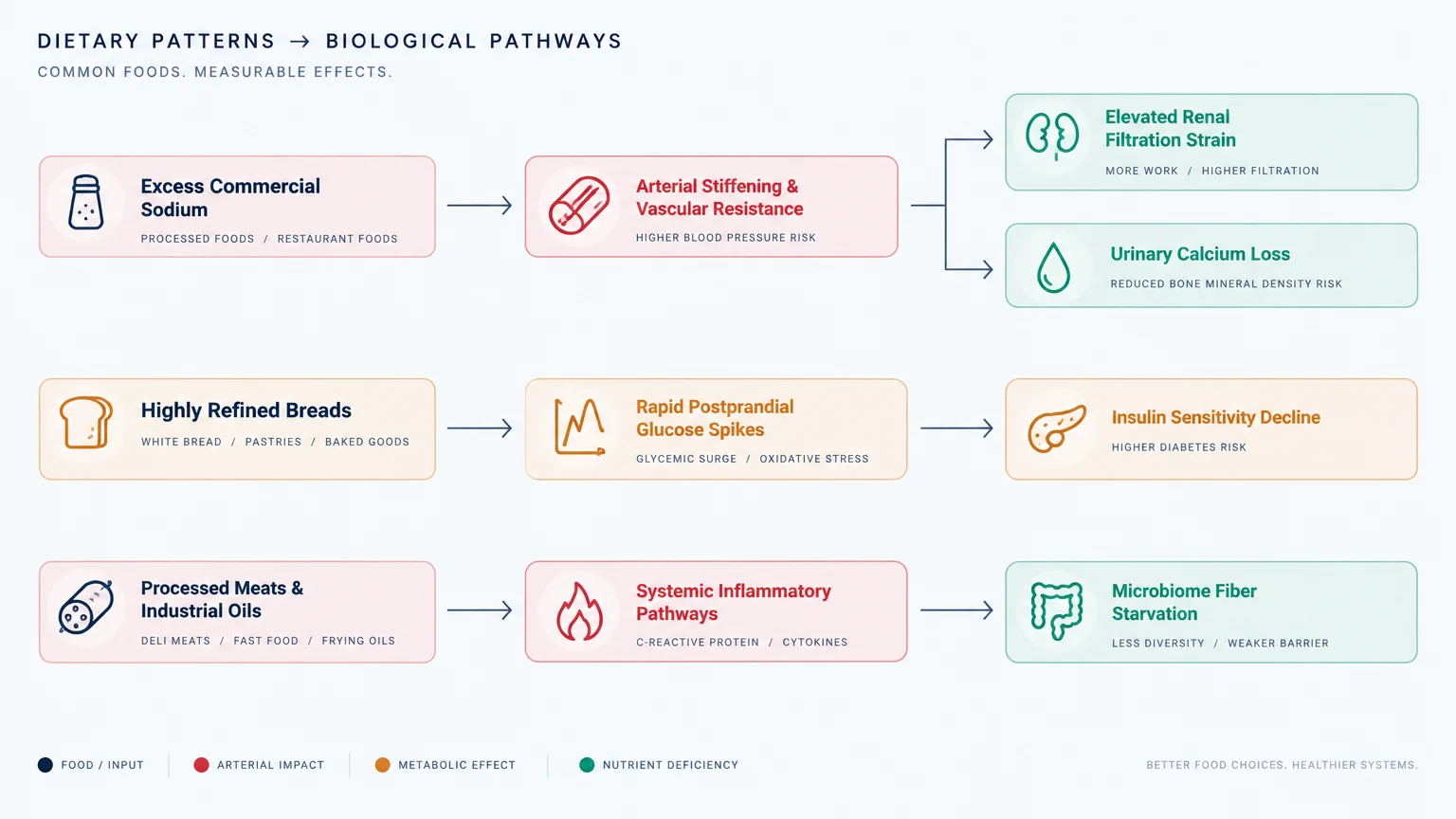
The Important Role of Nutrition in Fast Food Choices
Aging changes how your body processes key nutrients, fluids, and essential minerals. Maintaining balanced nutrition preserves your muscle mass, protects arterial elasticity, and sustains your cognitive vitality.
Fast food convenience often comes at the direct expense of cardiovascular wellness. High salt concentrations stiffen blood vessels, which forces your heart to pump harder against elevated vascular resistance.
Older kidneys filter excess sodium less efficiently than they did decades ago. This physiological change makes seniors uniquely vulnerable to fluid retention, elevated blood pressure, and related complications.
Insulin sensitivity naturally declines over time, altering how your system manages simple carbohydrates. Eating highly refined breads and sweetened dressings triggers rapid glucose spikes followed by fatiguing energy crashes.
Your digestive tract requires gentle, fiber-rich nourishment to maintain an active and diverse microbiome. Processed foods lack meaningful soluble fiber, which can leave your digestive health compromised and sluggish.
Essential micronutrients—such as potassium, magnesium, and protective antioxidants—shield your cells from chronic oxidative stress. Unfortunately, commercial sandwich chains rarely supply these vital compounds in adequate quantities.
Chronic inflammation represents another quiet threat to healthy aging and joint mobility. Saturated fats and synthetic additives trigger inflammatory pathways that aggravate joint pain and strain heart tissue.
Slower metabolic rates mean that every single meal must offer genuine nutritional value. Empty calories from dressings and processed fillings crowd out the vital nutrients you actually require.
Maintaining bone density also demands a steady balance of bioavailable calcium and magnesium. Diets saturated with commercial sodium accelerate urinary calcium loss, which can weaken aging bones over time.
Protecting your cognitive health requires clean, unadulterated fats that nourish brain cell membranes. Industrially prepared meals often rely on heavily refined oils that provide little benefit to your mind.
Prioritizing whole ingredients over commercial convenience safeguards your vitality for the years ahead. Choosing nutrient-dense foods gives your body the reliable fuel it needs to thrive.
Taking charge of what lands on your plate remains the single most effective health decision you make daily. When you understand commercial food formulations, you can make choices that truly serve your wellbeing.
Seniors must pay close attention to the subtle ingredients added to fast meals. Many restaurant preparations contain additives that interfere with prescription medications or aggravate existing health conditions.
Healthy longevity depends on eating whole foods that work in harmony with your physiology. Educating yourself on fast food pitfalls gives you the power to protect your ongoing health.
7 Things About Subway That Might Make You Eat Elsewhere
Many diners view this sandwich chain as an innocent alternative to greasy drive-through burgers. A closer examination of the ingredients reveals several serious nutritional pitfalls that concern health-conscious adults.
1. Staggering Sodium Content That Threatens Blood Pressure
The American Heart Association recommends no more than 2,300 mg of sodium daily for healthy adults. They establish an ideal limit of 1,500 mg per day for individuals managing high blood pressure or cardiovascular risks.
A single six-inch Supreme Meats sub delivers an astonishing 1,450 mg of sodium. Choosing this sandwich exhausts almost an entire day’s ideal sodium allowance before you add chips or a drink.
Other common options fare little better on the sodium scale. The six-inch Titan Turkey contains 1,310 mg of sodium, while the Garlic Roast Beef packs 1,280 mg.
Even the popular six-inch Steak & Cheese registers 1,190 mg of sodium. Ordering a footlong version doubles these figures, pushing totals between 2,380 mg and over 2,900 mg in one sitting.
Skipping the bread roll does not eliminate this cardiovascular concern. The Chicken Bacon Ranch Protein Bowl contains 1,370 mg of sodium, and the Buffalo Chicken Protein Bowl carries 1,250 mg.
These extreme salt concentrations can lead to rapid fluid retention and sudden blood pressure spikes. For older adults protecting their kidneys and hearts, these levels pose significant daily hazards.
Regularly consuming these massive sodium doses accelerates arterial stiffness over time. Protecting your blood vessels requires choosing dining spots that use fresh herbs rather than heavy salt for seasoning.
2. Added Sugars Hidden in the Bread and Sauces
Bread should consist of flour, water, yeast, and a modest pinch of salt. Commercial sandwich rolls, however, often rely on added sweeteners to enhance texture and extend shelf life.
On September 29, 2020, Ireland’s Supreme Court ruled that the company’s bread could not legally be defined as bread under tax law. The court found that sugar constituted 10% of the weight of the flour.
That figure exceeded the statutory 2% limit established by Ireland’s Value-Added Tax Act by five times. This legal finding surprised many customers who assumed the rolls were wholesome dietary staples.
A standard six-inch roll typically contains between 5g and 7g of sugar. When you select specialty glazes or marinades, the total sugar content increases dramatically.
A six-inch Sweet Onion Teriyaki Chicken sandwich contains 15g of sugar. If you order a footlong, you consume 30g of sugar from the sandwich alone.
Surging sugar consumption accelerates arterial stiffness and destabilizes blood glucose levels in mature adults. Choosing whole, unprocessed grains helps you avoid these unnecessary metabolic disruptions.
Hidden sugars in savory foods create deceptive cravings and promote visceral fat accumulation around vital organs. Reading commercial nutrition data reveals that your lunch may contain dessert-level sweetness.
3. Heavily Processed Meats Linked to Chronic Illness
Many signature menu items rely heavily on cold cuts cured with chemical preservatives. The World Health Organization classifies processed meats as Group 1 carcinogens due to strong scientific links to colorectal cancer.
These preserved meats also contribute directly to an increased risk of developing chronic heart disease. Curing agents like sodium nitrites and nitrates place unnecessary oxidative stress on delicate blood vessel linings.
Popular choices like the Italian B.M.T., Spicy Italian, and Supreme Meats depend entirely on these processed meats. Even common deli options like Black Forest Ham undergo intensive chemical curing and seasoning.
As your digestive system ages, processing preserved meats becomes increasingly taxing on gut health. Diets rich in cured cold cuts disrupt the protective bacterial balance residing in your colon.
Minimizing exposure to synthetic nitrates supports cellular longevity and keeps systemic inflammation at bay. Selecting freshly roasted, unpreserved proteins represents a far safer strategy for your long-term wellness.
Nitrosamines formed during the digestion of cured meats can damage cellular DNA. Seniors focused on cancer prevention and heart preservation should minimize processed meats whenever possible.
Replacing cold cuts with fresh poultry or plant proteins provides pure nutrition without toxic chemical baggage. Your body benefits tremendously when you eliminate synthetic curing agents from your weekly diet.
4. Calorie and Saturated Fat Traps in Dressings and Wraps
Clever advertising historically positioned this restaurant chain as a reliable partner for weight management. Despite that reputation, several regular menu offerings contain alarming quantities of total calories and saturated fats.
A Chicken & Bacon Ranch Footlong supplies 1,160 calories in a single meal. Similarly, the Meatball Marinara Footlong delivers 960 calories alongside 38g of fat.
Tortilla wraps frequently mislead consumers looking for a light lunch. A single Steak, Egg & Cheese Wrap contains 680 calories, 40g of fat, and 1,420 mg of sodium.
Condiments contribute additional dietary hazards that diners often overlook at the counter. Adding regular mayonnaise or creamy ranch dressing introduces between 100 and over 200 extra calories per sandwich.
These heavy dressings also introduce significant amounts of saturated fats that elevate circulating low-density lipoproteins. Excess calories combined with artery-clogging fats create unnecessary strain on your cardiovascular system.
Maintaining a healthy weight after age fifty requires meals that offer high nutritional density without caloric overload. Heavy sauces and cheese blends quickly turn a simple meal into an unhealthy indulgence.
Consuming calorie-dense meals without adequate micronutrients leads to sluggish digestion and afternoon lethargy. You achieve better energy levels by eating balanced meals built around whole, unadorned foods.
5. Declining Food Quality and Ongoing Portion Controversies
Food transparency remains vital when you invest your hard-earned money in prepared restaurant meals. Over the years, repeated consumer controversies have raised valid questions regarding portion honesty and ingredient authenticity.
On October 28, 2024, a class-action lawsuit was filed in the U.S. District Court for the Eastern District of New York. The case, Tollison v. Subway Restaurants Inc., targets misleading marketing practices.
The plaintiffs allege that commercial advertisements for Steak & Cheese sandwiches depict at least 200% more meat than what stores actually serve. This means promotional images display three times the meat customers receive.
Ingredient disputes have also centered on other signature offerings. A lawsuit filed in January 2021 alleged that the brand’s tuna salad contained no identifiable tuna DNA.
Although the plaintiff voluntarily dismissed that lawsuit in July 2023, nutritional questions remain. A six-inch Tuna sub derives more than half its 480 calories from 25g of fat due to heavy mayonnaise.
These controversies echo viral complaints from 2013 showing that famous footlong subs measured only 11 inches. A 2016 settlement addressing bread length was subsequently thrown out by an appeals court in 2017.
When you dine out, you deserve full portion integrity and absolute culinary transparency. Repeated legal scrutiny suggests that commercial sandwich counters do not always deliver what their marketing promises.
Receiving skimpy protein portions while consuming excess bread undermines your dietary goals. True wellness requires knowing exactly what you are putting into your body with every purchase.
6. Soaring Prices That Erode Everyday Value
Budget consciousness is an essential reality for many retirees living on fixed incomes. Rapidly escalating fast food prices make frequent visits to sandwich chains far less financially sensible than in past years.
The era of the famous $5 Footlong ended when the chain discontinued the promotion nationally around 2018. Today, standard six-inch sandwiches average between $5.50 and $7.50 across most locations.
Standard footlong sandwiches now range from $8.50 to over $12.00. Specialty sandwiches from the premium Subway Series line command even higher out-of-pocket costs.
In major metropolitan markets like New York City, premium footlong subs cost between $14.99 and $17.89. That price tag excludes sales tax, fountain beverages, and side items.
The company has attempted to counter price resistance by offering a $4.99 Sub of the Day and a $6.99 Meal of the Day. Despite these promotions, everyday affordability has significantly eroded for regular diners.
Spending nearly eighteen dollars on a single fast food sandwich strains household grocery budgets. You can purchase several days worth of whole, fresh ingredients at your local supermarket for the same price.
Investing your food budget into fresh market groceries yields greater nutritional returns for every dollar spent. Preparing food at home allows you to control ingredient quality while preserving your savings.
7. Private Equity Ownership and Widespread Store Closures
Corporate structural shifts can profoundly influence ingredient sourcing, employee training, and customer experience. In April 2024, private equity firm Roark Capital finalized its acquisition of the company for approximately $9.6 billion.
This massive acquisition officially ended nearly six decades of private family control. Private equity takeovers often prioritize cost optimization and financial consolidation over traditional culinary craftsmanship.
The brand has also experienced a steady reduction in physical store locations across the United States. Its domestic footprint peaked at 26,744 locations in 2015 before dropping to approximately 20,576 locations.
This decrease represents a net closure of over 6,100 domestic restaurants. The chain still operates roughly 37,000 locations worldwide, but local availability continues to fluctuate.
Operational pressures have also sparked legal friction behind the scenes. Between 2023 and 2026, hundreds of franchisees entered disputes against corporate leaders over mandatory remodel mandates costing $100,000 to $250,000 per store.
Heavy financial strain on franchise owners can trickle down to everyday restaurant conditions. When operators face steep remodel expenses and mandatory discounting, food freshness and staff retention can suffer.
A business environment plagued by store closures and owner dissatisfaction often compromises dining quality. Choosing established local markets or cooking at home provides a far more consistent and satisfying experience.
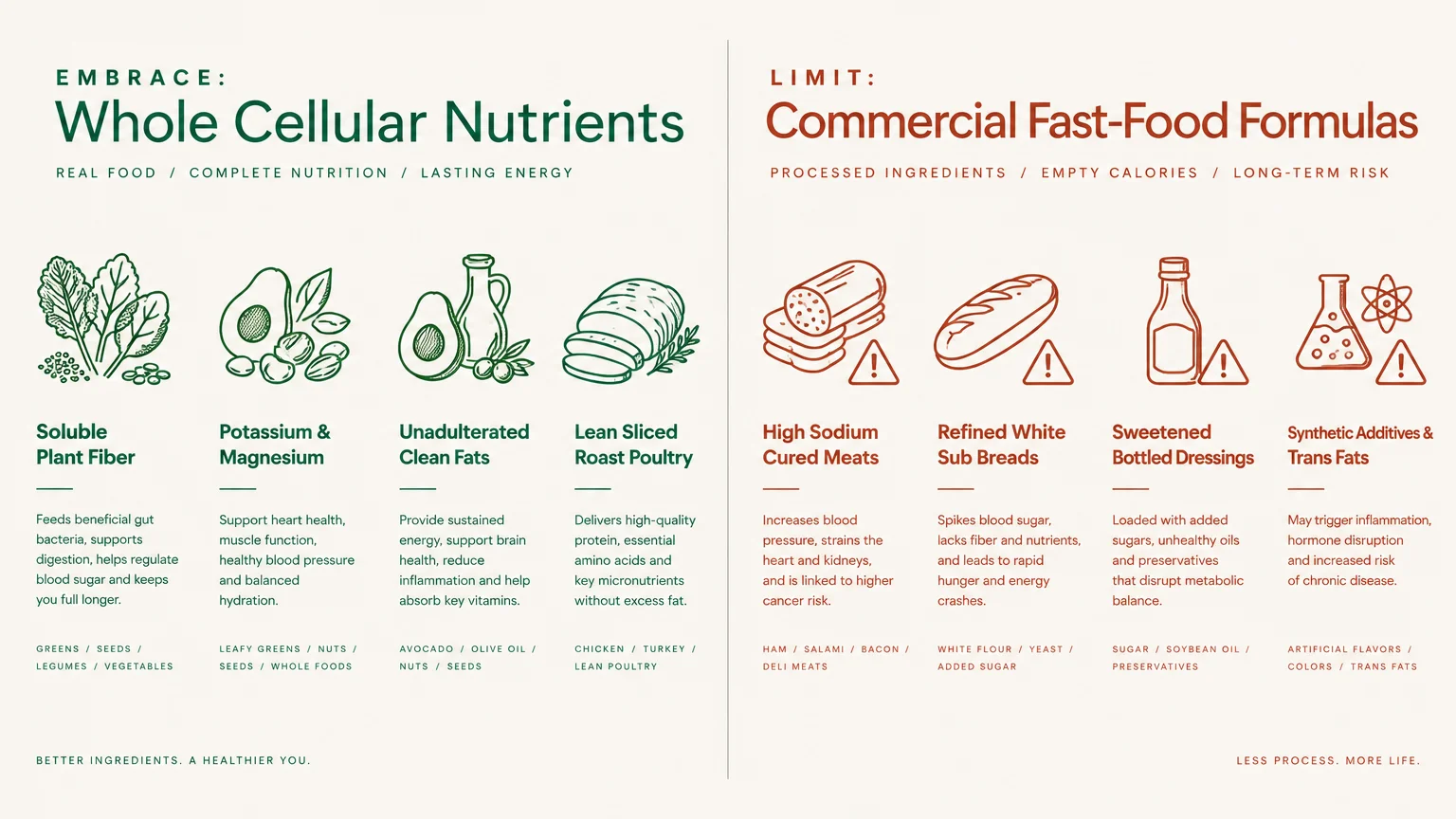
Foods to Embrace and Foods to Limit
Making smart nutritional choices begins with knowing which nourishing ingredients deserve a place in your kitchen. Replacing processed commercial meals with wholesome home alternatives transforms your vitality and overall health.
Embrace freshly roasted chicken breast, baked wild salmon, and home-cooked turkey tenderloin for clean protein. These meats give your muscles pure amino acids without relying on added sodium nitrites.
Load your plate with crisp leafy greens, such as spinach, dark arugula, and crunchy romaine. These vibrant leaves provide essential dietary folate, magnesium, and vitamin K to strengthen your bones and blood vessels.
Incorporate whole legumes, including tender chickpeas, black beans, and lentils, into your daily lunch rotation. Legumes deliver abundant soluble fiber that stabilizes blood sugar and actively reduces circulating cholesterol.
Welcome healthy fats into your diet through fresh avocados, raw walnuts, and extra virgin olive oil. These unrefined fats support your memory, protect brain function, and calm systemic inflammation throughout your joints.
Choose dense, sprouted grain breads or hearty sourdough varieties instead of commercially processed white rolls. These artisanal choices provide genuine dietary fiber while avoiding excessive commercial sweeteners and preservatives.
Enjoy colorful crunchy vegetables like bell peppers, cucumbers, radishes, and shredded cabbage in generous amounts. These vegetables provide bioavailable vitamin C and natural hydration that support cellular vitality and clear skin.
Limit cured deli meats like salami, pepperoni, bologna, and commercial cold-cut ham. These preserved meats bombard your system with excessive sodium, chemical binders, and undesirable carcinogenic curing salts.
Reduce your intake of commercial mayonnaise, bottled ranch dressings, and sweetened barbecue glazes. These condiments conceal hundreds of empty calories, unhealthy refined seed oils, and surprising quantities of refined sugar.
Steer clear of refined white sub rolls, oversized bakery wraps, and processed cheese slices. These items digest rapidly into simple sugars, causing undesirable glucose spikes and afternoon fatigue.
Avoid heavily salted snack chips, commercial sodas, and sweetened iced teas often paired with quick sandwich combos. Drinking water infused with fresh citrus slices protects your kidneys without adding unwanted chemicals.
Cut back on pre-packaged deli salads that drown tuna or egg mixtures in heavy industrial oils. Making these salads at home with Greek yogurt preserves delicious flavor while cutting unnecessary saturated fat.
A Simple, Healthy Meal Idea
Preparing a delicious, nutrient-dense lunch at home takes mere minutes and costs significantly less than commercial takeout. You can easily craft an energizing Mediterranean Turkey and Avocado Bowl right on your kitchen counter.
Begin with two cups of crisp baby spinach and mixed garden greens as your nourishing base. Add three ounces of freshly roasted, skinless turkey breast sliced into bite-sized tender strips.
Toss in half a sliced cucumber, a handful of ripe cherry tomatoes, and a quarter of a diced avocado. These colorful vegetables deliver vital potassium and healthy fats that support optimal arterial elasticity.
Scatter two tablespoons of rinsed, low-sodium canned chickpeas over the greens for an extra boost of prebiotic fiber. Sprinkle a tablespoon of toasted pumpkin seeds on top for essential trace minerals.
Whisk one tablespoon of extra virgin olive oil with fresh lemon juice and cracked black pepper for a zesty dressing. Drizzle this clean dressing over your bowl instead of relying on salty, store-bought sauces.
Pair your vibrant bowl with a slice of toasted sprouted whole-grain bread for sustained complex carbohydrates. This wholesome lunch provides steady afternoon energy without subjecting your cardiovascular system to staggering sodium spikes.
You can assemble this entire meal in less than ten minutes without turning on an oven. It provides superior nourishment that leaves you feeling satisfied, energized, and fully alert for the rest of your day.
Customize this versatile bowl throughout the week by swapping turkey for wild salmon or hard-boiled pasture-raised eggs. Fresh culinary variety keeps your healthy eating journey enjoyable, delicious, and sustainable.

Tips for Shopping and Meal Prep
Streamlining your weekly grocery shopping and kitchen routine makes wholesome eating completely effortless. Establishing simple habits ensures that healthy, delicious food is always within arm’s reach.
Dedicate one afternoon each week to batch-cooking clean proteins for your upcoming lunches. Roasting several chicken breasts or poaching a salmon fillet provides ready-to-eat protein that eliminates mid-week cooking stress.
Store your cooked proteins in clear glass containers inside the refrigerator so they remain fresh and visible. Having clean protein on hand prevents the temptation to drive to a fast food counter when hunger strikes.
Wash and chop crisp vegetables—such as bell peppers, cucumbers, and carrots—immediately after returning from the supermarket. Storing pre-chopped produce in airtight containers keeps them crunchy and ready to assemble in seconds.
Examine nutrition facts panels carefully whenever you purchase packaged sandwich breads or artisanal rolls. Look for options that contain under 150 mg of sodium per slice and zero added sugars.
Stock your pantry with wholesome flavor builders like balsamic vinegar, Dijon mustard, and dried Mediterranean herbs. These natural flavor enhancers bring exceptional taste to your sandwiches without contributing unhealthy fats or chemical additives.
Keep portable healthy snacks—like raw almonds or fresh apples—in your car or bag when running errands. Having a nourishing snack available prevents impulse purchases at commercial sandwich shops when you are away from home.
Embrace the convenience of pre-washed salad greens and canned beans to save preparation time in the kitchen. Simple pantry shortcuts help you assemble gourmet meals without spending hours on meal preparation.
Frequently Asked Questions
Is Subway healthier than traditional burger fast food chains?
While marketing campaigns portray submarine sandwiches as inherently wholesome, many menu items contain more sodium and sugar than traditional fast food burgers. High levels of chemical curing salts in deli meats further negate the perceived health advantages.
Selecting a six-inch sub with cured cold cuts often exceeds the sodium found in a standard fast food hamburger. True nutritional value depends on whole, unprocessed ingredients rather than clever corporate branding.
Can I order a low-sodium meal at Subway?
Ordering a genuinely low-sodium meal remains remarkably difficult because sodium is embedded directly into the breads, cheeses, and seasoned meats. Even unwich salads and protein bowls frequently surpass 1,000 mg of sodium per serving.
If you must dine there, choosing carved rotisserie-style chicken with plain oil and vinegar offers the lowest sodium profile. However, preparing fresh poultry at home provides far greater safety for your cardiovascular health.
Why did the Irish court rule that Subway bread is not bread?
On September 29, 2020, Ireland’s Supreme Court ruled that the chain’s sandwich rolls contain too much sugar to qualify as bread under tax statutes. The sugar content measured 10% of the flour’s weight.
Irish law sets a strict 2% sugar limit for staple foods exempt from value-added tax. The elevated sugar content categorized the sandwich bread closer to confectionery pastries than traditional table bread.
What are the healthiest sandwich alternatives for seniors?
Crafting sandwiches using sprouted whole-grain bread, sliced home-roasted poultry, and ripe avocado provides optimal senior nutrition. This combination delivers clean protein, heart-healthy fats, and soluble fiber without chemical preservatives.
Using large romaine lettuce leaves or collard greens as crunchy wraps offers another excellent low-sodium, nutrient-rich option. These fresh leafy wraps hydrate your cells while eliminating refined starches entirely.
How does high fast food sodium affect older adults specifically?
Natural aging reduces the elasticity of blood vessels and diminishes renal filtration efficiency over time. Consuming massive doses of sodium triggers immediate fluid retention, which elevates blood pressure and strains cardiac tissue.
Over time, consistent high sodium intake accelerates arterial stiffness and increases your risk of cardiovascular events. Prioritizing low-sodium whole foods remains crucial for maintaining long-term independence and heart health.
For science-based nutrition information, refer to the U.S. Department of Agriculture at Nutrition.gov and the Dietary Guidelines for Americans. The National Institute on Aging also has excellent resources on healthy eating for seniors.
Disclaimer: This article is for informational purposes only and does not constitute medical advice. Always seek the advice of your physician or other qualified health provider with any questions you may have regarding a medical condition.