
Your gut controls much more than simple digestion; it actively shapes your daily energy, immune strength, and mental clarity. Noticing subtle digestive warning signals can help you maintain comfort and vitality as you age.
Past age 55, natural shifts in your microbiome make your system far more sensitive to stress, medications, and diet. Recognizing these early changes allows you to take gentle, proactive steps toward lasting comfort.
Paying attention to your digestive tract can transform how you feel every day. Here is what you should know about listening to your body and safeguarding your wellness.
Understanding the Basics of Gut Health for Seniors
Your digestive tract houses trillions of microorganisms collectively known as your gut microbiome. These bacteria, fungi, and friendly microbes break down food, produce essential vitamins, and shield your intestinal walls.
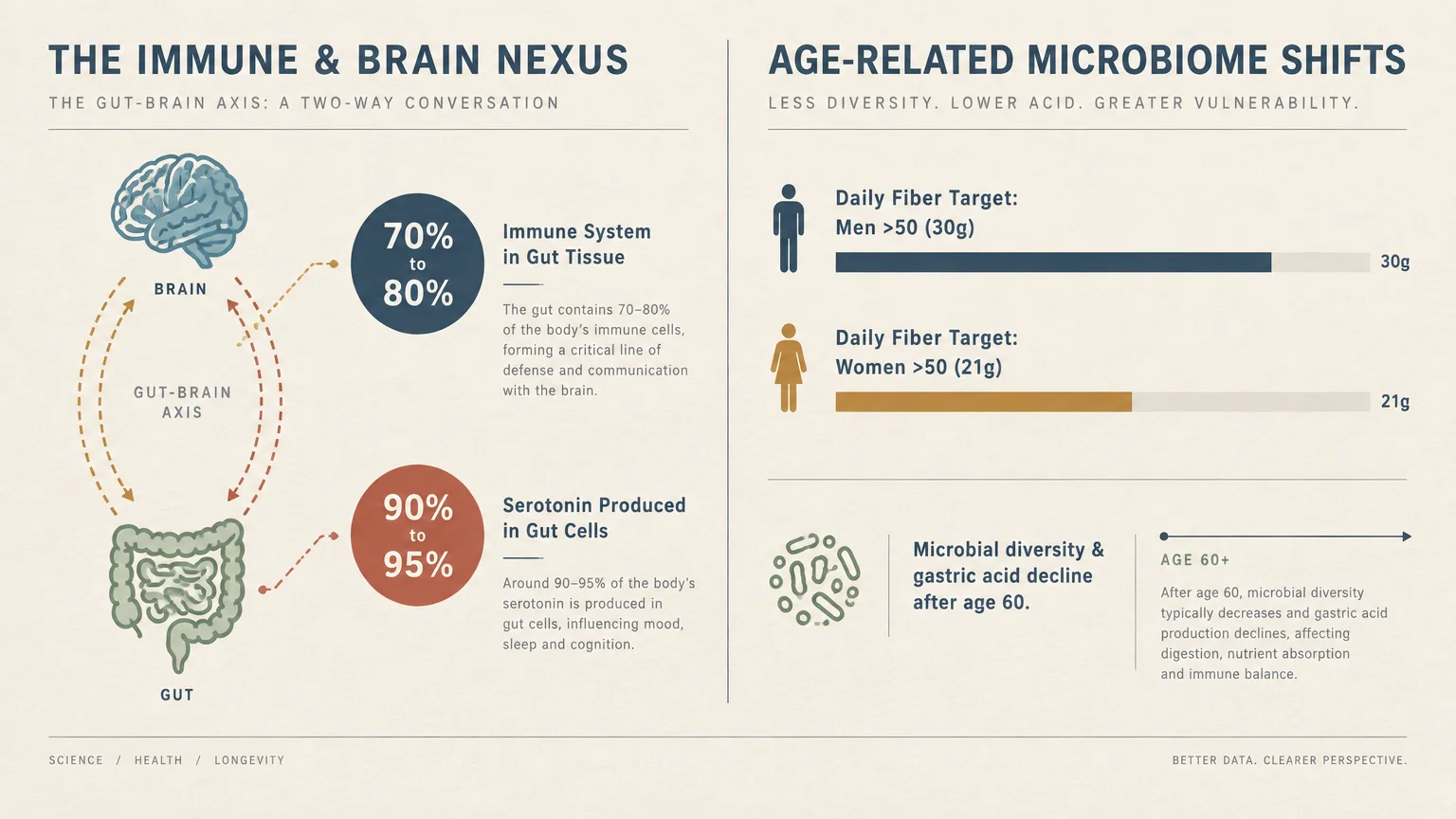
As we celebrate more birthdays, our internal biological ecology naturally begins to shift. Clinical gerontology research reveals that microbial diversity declines significantly after age 60, especially among beneficial bacterial strains.
In particular, populations of beneficial Bifidobacteria and short-chain fatty acid producers drop over time. This decline impairs your gut barrier integrity and contributes to chronic low-grade systemic inflammation, often termed inflammaging.
At the same time, the stomach naturally produces less gastric acid as you age. This reduction slows protein digestion and makes it harder to absorb crucial micronutrients like calcium and vitamin B12.
Your digestive system also functions as your body’s primary immune stronghold. Approximately 70% to 80% of your immune system resides directly within your gastrointestinal tract in gut-associated lymphoid tissue.
When dysbiosis—an imbalance between beneficial and harmful bacteria—takes hold, your immune resilience weakens. This age-related immune decline, known as immunosenescence, makes older adults more vulnerable to infections.
The relationship between your gut and your brain is just as profound. Scientists call this continuous biochemical communication channel the gut-brain axis.
Remarkably, enterochromaffin cells in your gut synthesize approximately 90% to 95% of your body’s serotonin. This vital neurotransmitter regulates your daily mood, emotional resilience, appetite, and restful sleep patterns.
Adequate nutrition remains your most powerful tool for maintaining this delicate ecosystem. Unfortunately, studies show that roughly 95% of American adults fail to meet their daily recommended fiber intake.
The recommended dietary fiber intake is 30 grams daily for men over 50 and 21 grams for women. Feeding your microbiome with nourishing fiber keeps your digestion smooth and your defenses robust.
Learning to spot the signs of poor gut health allows you to take charge of your comfort. Mindful everyday choices can restore balance and support your long-term vitality.

Practical Tips for a Healthier, Happier Life
Recognizing gut health warning signs empowers you to make thoughtful, restorative lifestyle choices. Here are twelve common signs of an unhealthy gut, along with practical tips to restore balance gently.
1. Persistent Bloating and Excess Gas
Occasional fullness after a heavy dinner is normal, but frequent distention suggests that digestion has stalled. You may feel uncomfortably tight around your waistband within an hour after eating.
This discomfort often occurs when sluggish transit allows carbohydrates to ferment excessively in your intestines. Gas-producing bacteria multiply, releasing hydrogen and methane that stretch the delicate bowel wall.
Chew your food slowly to reduce swallowed air and ease the enzymatic workload on your stomach. Sipping warm peppermint or ginger tea after your meals also helps relax contracted intestinal muscles naturally.
2. Chronic Constipation
Constipation affects between 15% to 30% of adults aged 60 and older living at home. That rate climbs to roughly 50% to 80% among residents in long-term care facilities.
Age-related nerve changes slow the contractions that move stool through the colon. Many common prescriptions—including blood pressure pills, pain relievers, and iron supplements—can also slow intestinal transit.
Drink water consistently throughout your day, even before you feel thirsty. Gradually introduce soluble fiber like stewed prunes, ground flaxseed, and warm oatmeal to create soft, easily passed stools.
3. Frequent Loose Stools or Unpredictable Diarrhea
Experiencing urgent or watery bowel movements several times a week signals significant intestinal irritation. This rapid transit prevents your colon from properly absorbing water, electrolytes, and vital nutrients.
Low microbial diversity and minor food sensitivities often inflame the intestinal lining, prompting rapid evacuation. In older adults, chronic loose stools can quickly lead to dehydration and fatigue.
Calm your digestive tract by eating binding, low-irritant foods like bananas, white rice, applesauce, and well-steamed zucchini. Discuss your current medications with your healthcare team to rule out drug-induced diarrhea.
4. Unexplained Fatigue and Low Energy
Feeling chronically worn out despite sleeping soundly may stem directly from your digestive tract. When gut inflammation blunts your intestinal villi, your body cannot efficiently absorb energizing nutrients like iron and vitamin B12.
Furthermore, managing ongoing gut inflammation drains your body’s metabolic reserves. This constant cellular stress leaves you feeling depleted before your day has even begun.
Focus on nutrient-dense, easily digested meals such as slow-cooked bone broths, soft lentils, and steamed root vegetables. These comforting foods deliver rich nourishment without exhausting your digestive system.
5. Brain Fog and Mild Mood Changes
If you experience foggy thinking, mild forgetfulness, or unusual mood swings, your gut may be signaling distress. Because 90% to 95% of serotonin originates in the gut, digestive imbalances alter emotional equilibrium.
Inflammatory signals from an unhappy microbiome travel along the vagus nerve directly to your brain. This cross-talk can impair memory consolidation and heighten feelings of anxiety or irritability.
Support your gut-brain axis by adding fermented foods like plain kefir, cultured yogurt, or mild sauerkraut to your lunch. Pairing these foods with a daily morning walk clears mental haze and lifts your spirits.
6. Intense Sugar and Refined Carbohydrate Cravings
Finding yourself constantly craving sweets, pastries, or white bread often points to an unbalanced intestinal environment. Opportunistic yeasts and certain bacteria thrive on rapid sugars and actively signal your brain for more.
When you consume refined carbs, these organisms multiply, crowding out the beneficial species that produce beneficial short-chain fatty acids. This cycle drives blood sugar spikes followed by sudden energy crashes.
Satisfy your sweet tooth with low-glycemic fresh fruits such as blueberries, raspberries, or sliced apples sprinkled with cinnamon. Combining fruit with a handful of walnuts slows glucose absorption and stabilizes cravings.
7. Unintentional Weight Fluctuations
Shifting weight without changing your eating or activity habits is a classic indicator of microbiome disruption. An unbalanced gut can impair your ability to harvest energy, regulate blood glucose, and store fat.
Weight loss often occurs when damaged gut linings fail to absorb macronutrients properly. Conversely, certain bacteria extract excessive calories from food, contributing to unexpected weight gain.
Build your meals around lean proteins, healthy fats, and high-fiber vegetables to stabilize your metabolic rate. Keep a food diary to ensure you consume adequate calories and balanced nutrients every single day.
8. Skin Irritations and Dry, Itchy Patches
Your skin often acts as a visible mirror for what is happening inside your gut. Eczema, rosacea, unexplained rashes, and dry skin frequently trace back to gut-derived inflammation.
When intestinal permeability increases, undigested food particles and endotoxins slip into your bloodstream. Your immune system reacts by releasing inflammatory compounds that manifest as irritated, itchy patches across your skin.
Incorporate anti-inflammatory omega-3 fatty acids from wild-caught salmon, chia seeds, and walnuts into your weekly menu. Drink plenty of fresh water each day to support natural detoxification through your kidneys and skin.
9. Disrupted Sleep Patterns and Nighttime Waking
Tossing and turning throughout the night or waking up at 3 a.m. often reflects an overtired digestive tract. Your gut microbiome operates on its own internal clock that coordinates closely with your brain’s circadian rhythms.
Because the gut manufactures melatonin precursors, dysbiosis disrupts your body’s natural sleep signaling. Digesting heavy or irritating foods late in the evening also raises your core body temperature, preventing deep sleep.
Finish dinner at least three hours before retiring to give your stomach ample time to empty. Enjoy a soothing mug of warm chamomile or lemon balm tea to relax both your mind and digestive organs.
10. Newly Developed Food Intolerances
Finding that foods you enjoyed for decades—like dairy, wheat, or cruciferous vegetables—suddenly cause distress is common after 55. This change frequently reflects a thinning mucosal barrier and declining digestive enzyme production.
Without sufficient enzymes, complex proteins pass through the stomach partially undigested, triggering localized immune reactions. Your gut recognizes these food fragments as foreign invaders, sparking cramping, nausea, or bloating.
Keep a daily symptom log to identify true trigger foods without needlessly restricting your overall diet. Prepare tough vegetables by steaming, baking, or pureeing them into soups to ease the mechanical burden on your stomach.
11. Frequent Colds and Lingering Seasonal Bugs
Catching every seasonal bug that passes through your community often points to depleted gut-associated lymphoid tissue. Because 70% to 80% of immune defenses reside in your intestines, healthy flora acts as your first shield.
Beneficial microbes produce antimicrobial peptides and maintain mucosal acidity, which halts invading pathogens. When beneficial strains decline, your immune system cannot respond as swiftly or effectively to common viruses.
Feed your protective bacteria with prebiotic foods such as leeks, garlic, onions, asparagus, and under-ripe bananas. These specialized plant fibers encourage the growth of resilient bacterial colonies that champion your immune defense.
12. Joint Stiffness and General Body Aches
Waking up with stiff fingers, achy knees, or generalized soreness may seem like normal aging, but gut health plays a major role. Systemic inflammation often originates in a compromised digestive tract.
When bacterial toxins leak into your circulation, immune complexes travel throughout your body and deposit in delicate synovial joint tissues. This inflammatory process amplifies joint swelling, tenderness, and morning stiffness.
Season your cooking with anti-inflammatory spices such as turmeric, black pepper, and fresh ginger. Complement these culinary choices with gentle daily movement, like water aerobics or restorative stretching, to keep your joints supple.

Important Safety Precautions to Keep in Mind
Improving digestive health requires a gradual, patient approach rather than sudden, aggressive changes. Your gastrointestinal tract thrives on predictability and gentle adjustments tailored to your comfort.
When increasing dietary fiber, always introduce new foods slowly over three to four weeks. Increasing your fiber intake too rapidly can overwhelm sluggish intestines, causing severe cramping, bloating, and painful gas.
Always drink plenty of water alongside any added dietary fiber. Without sufficient hydration, bulk-forming fiber can harden in your bowel, worsening constipation and increasing the risk of impaction.
Be mindful when using over-the-counter probiotic supplements or herbal cleansing preparations. Some concentrated probiotic strains can trigger histamine responses or interact unpredictably with immunosuppressant and cardiac medications.
Avoid relying on stimulant laxatives for regular bowel movements. Overusing stimulant laxatives can weaken your colon’s natural muscular reflexes over time, making independent bowel function increasingly difficult.
Never stop taking prescription drugs—such as metformin, aspirin, or acid blockers—simply because they affect your stomach. Always consult your doctor first to discuss gentle alternatives or protective timing for your medications.
Refrain from adopting extreme elimination diets that permanently cut out entire nutrient categories like whole grains or legumes. Overly restrictive eating deprives your microbiome of diverse fuel, causing further loss of beneficial bacterial species.
When to Speak with a Healthcare Professional
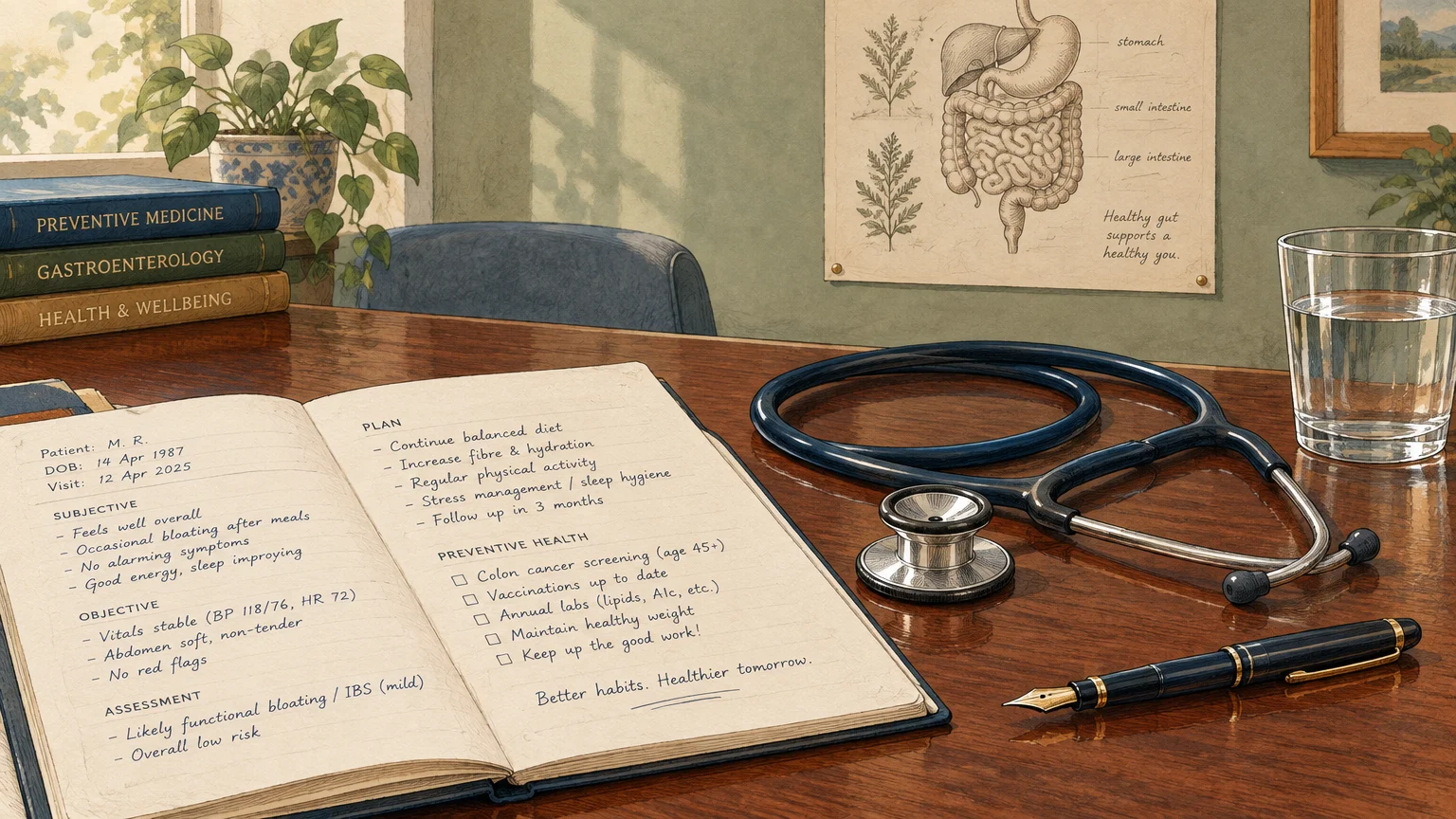
While mild digestive shifts respond well to lifestyle adjustments, certain gut health warning signs require immediate clinical evaluation. The guidance here serves educational goals and never replaces direct medical advice.
Schedule an evaluation if you notice persistent changes in your bowel habits lasting longer than two weeks. Unexplained alternating bouts of constipation and diarrhea warrant a professional assessment to determine the root cause.
Seek immediate medical care if you observe red blood in your stool, dark tarry bowel movements, or ongoing rectal bleeding. These red-flag signs require urgent examination by your healthcare team.
Contact your doctor promptly if you experience unexplained, rapid weight loss, severe abdominal pain, persistent nausea, or fever. Difficulty swallowing or food feeling stuck in your chest also necessitates immediate clinical attention.
Preventive cancer screenings remain essential as you grow older. The U.S. Preventive Services Task Force recommends routine colorectal cancer screening for all average-risk adults between the ages of 45 and 75.
Regular screenings help your physician distinguish harmless microbiome shifts from serious conditions such as polyps, diverticulitis, or inflammatory bowel disease. Prepare for your appointment by writing down your symptoms, questions, and medication list.
Collaborating with your primary care provider ensures that you approach digestive health safely and effectively. Open communication provides the peace of mind you deserve as you nurture your well-being.
Frequently Asked Questions
How does aging specifically alter gut function in adults over 55?
Aging naturally slows down intestinal transit times and decreases the secretion of stomach acid and digestive enzymes. Microbial diversity also drops after age 60, especially among Bifidobacteria, increasing susceptibility to bloating and constipation.
Reduced physical mobility and necessary daily prescriptions can also compound these digestive slowdowns. Gentle walking, adequate hydration, and whole-food nutrition help keep your digestive tract active and comfortable.
Should older adults take a daily probiotic supplement?
Probiotic supplements can benefit seniors recovering from antibiotic therapy or managing specific digestive issues. However, they are not a mandatory daily requirement for everyone and should be selected with clinical guidance.
Eating fermented foods like cultured yogurt, kefir, or tempeh provides a gentle, diverse source of beneficial microbes. Always discuss new probiotic supplements with your doctor to avoid adverse medication interactions.
What are the most effective gut health tips for seniors starting today?
Begin by drinking a warm glass of water each morning to stimulate your gastrointestinal tract naturally. Incorporate small servings of cooked vegetables, berries, and whole oats into your daily meals.
Chew your food thoroughly in a calm, relaxed environment to aid the initial stages of mechanical digestion. A gentle fifteen-minute stroll after meals also supports healthy motility and eases post-meal fullness.
How much dietary fiber do seniors really need each day?
The recommended dietary allowance for adults over 50 is 30 grams daily for men and 21 grams for women. Because roughly 95% of American adults miss this target, increasing intake is a wise goal.
Focus on well-cooked, tender fiber sources like lentil soup, baked sweet potatoes, and oatmeal to minimize gas. Drink plenty of water throughout the day to ensure fiber moves comfortably through your system.
For authoritative, trustworthy health information, always consult official sources like the National Institute on Aging (NIA) and MedlinePlus from the National Library of Medicine. The CDC also provides excellent resources for older adults.
Disclaimer: This article is for informational purposes only and does not constitute medical advice. Always seek the advice of your physician or other qualified health provider with any questions you may have regarding a medical condition.