Freezing food at zero degrees Fahrenheit keeps it safe to eat indefinitely by deactivating harmful microbes. While bacteria cannot grow in a deep freeze, food gradually loses its flavor, moisture, and nutritional value over time.
Understanding how long does food last in the freezer helps you protect your digestive health while enjoying vibrant meals. It also prevents unnecessary food waste and saves you valuable money on groceries.
This comprehensive freezer storage guide shares practical storage timelines and packaging techniques designed for older adults. You will discover straightforward steps to preserve your favorite dishes safely and maintain their best culinary quality.
Understanding the Basics of Freezer Storage for Seniors
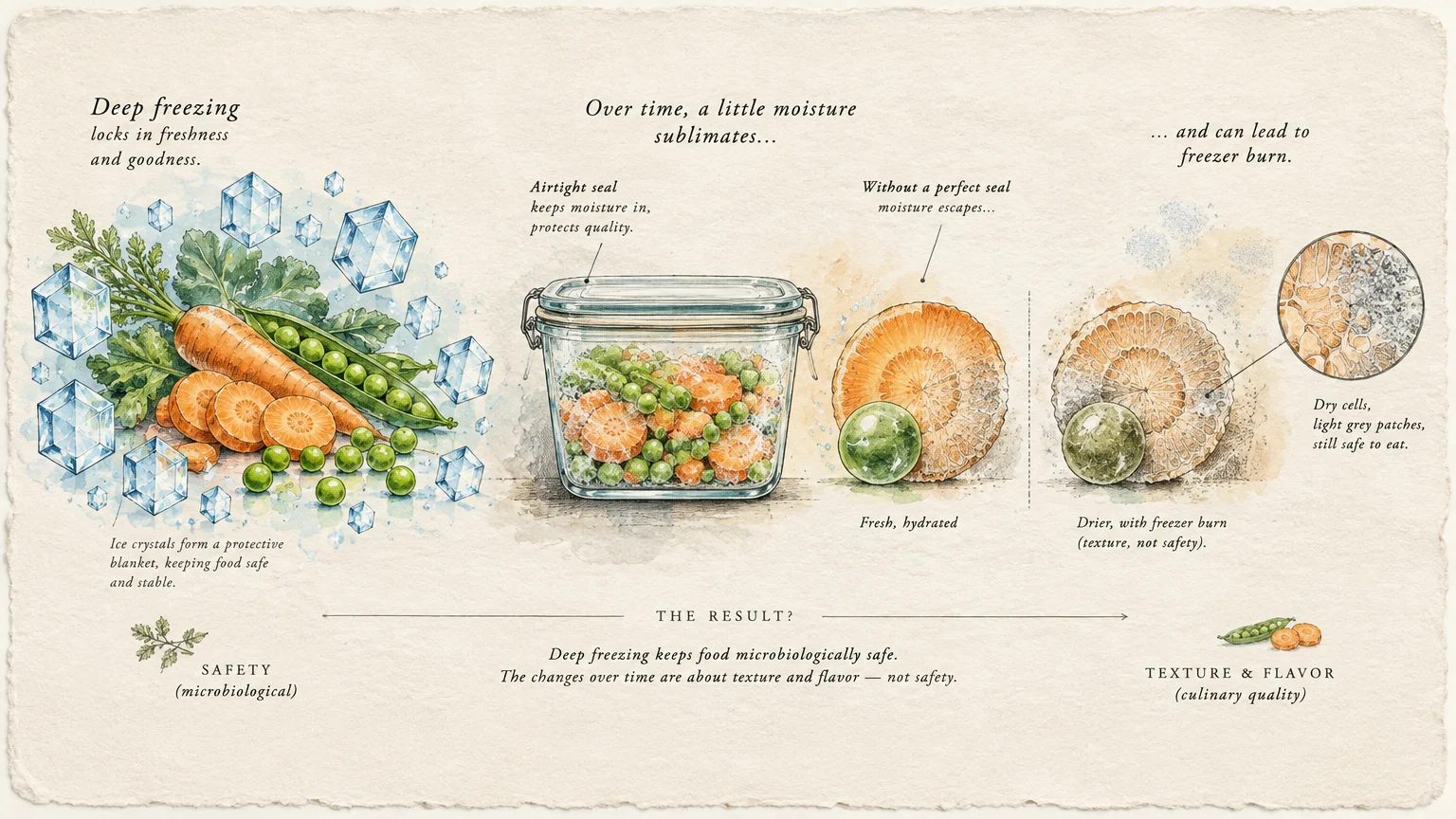
The United States Department of Agriculture confirms that food stored constantly at zero degrees Fahrenheit remains safe indefinitely. Extreme cold prevents the growth of pathogenic bacteria, yeasts, and molds.
Even though frozen foods never spoil in terms of bacterial safety, their quality deteriorates over months of storage. Chemical changes like oxidation slowly degrade the aroma, color, moisture, and delicate flavors of your food.
As you grow older, your immune system naturally undergoes subtle changes that make food safety increasingly important. A gentle shift in stomach acid production also reduces your body’s natural defense against common foodborne pathogens.
Knowing how to store food safely protects your gastrointestinal health and ensures your body receives optimal nutrition. Freshly prepared meals retain vital nutrients when you package and freeze them correctly.
Many seniors wonder about the difference between food safety freezer times and quality guidelines. Standard freezer charts describe peak flavor and texture rather than dates when foods become unsafe to consume.
Freezer burn happens when dry air reaches the surface of your food, causing cellular moisture to evaporate. While dry, grayish patches look unappealing, they pose no biological danger to your health.
Freezer burn can, however, make meats tough and vegetables bitter, which may reduce your appetite. Maintaining good nutrition requires enjoying meals that taste delicious, tender, and appetizing every day.
Modern freezers often feature automatic defrost cycles that introduce slight temperature fluctuations. These small temperature swings accelerate moisture loss if you do not wrap your items securely.
When you understand frozen food shelf life, you can stock up on wholesome ingredients with complete confidence. You create a nourishing home pantry that supports your independence and daily vitality.
Practical Tips for a Healthier, Happier Life
Managing your home freezer effectively simplifies daily cooking and protects your family’s overall well-being. These practical guidelines will help you preserve flavor, stretch your food budget, and maintain optimal nutritional value.
1. Maintain the Golden Zero-Degree Standard
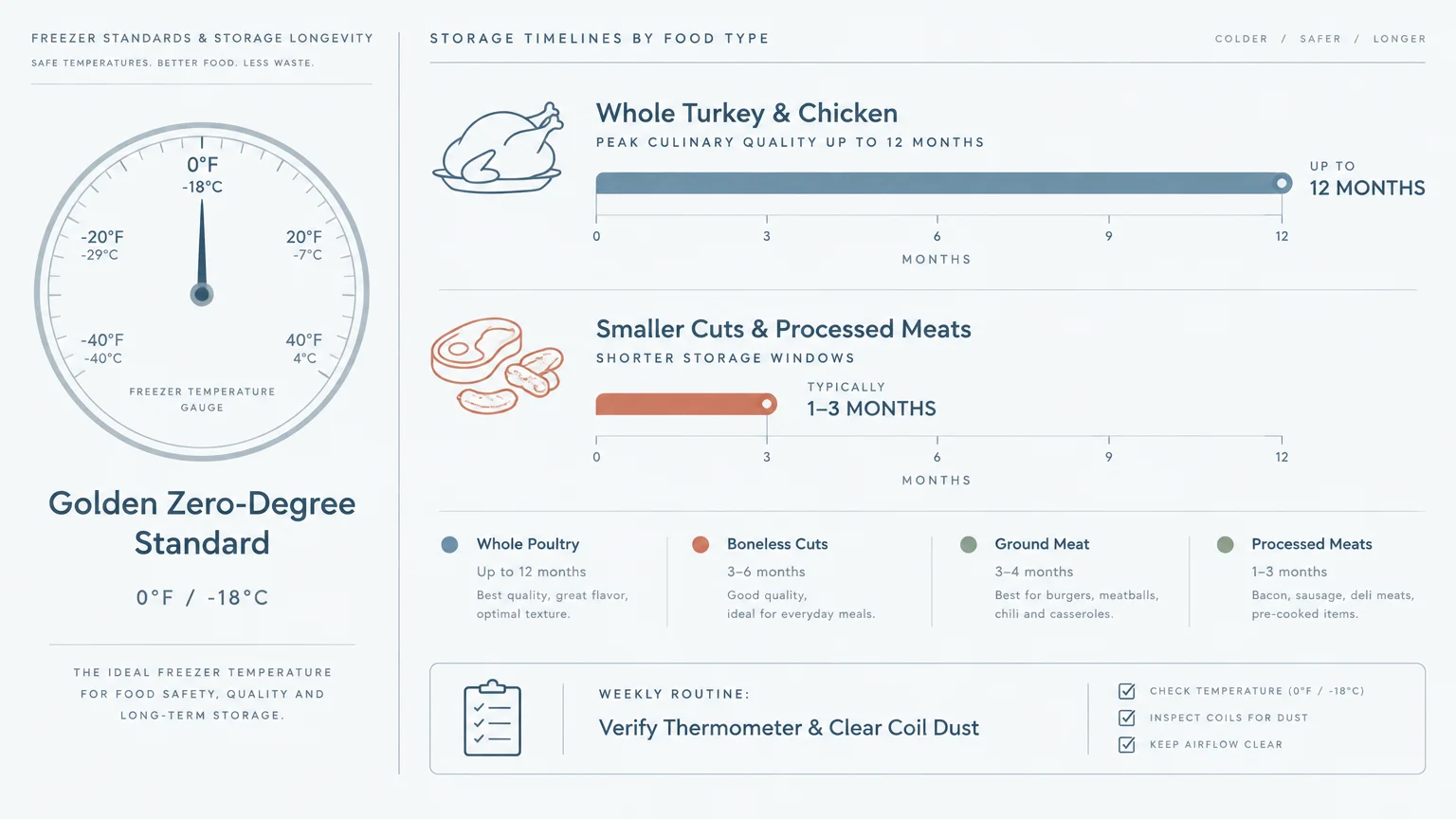
Food safety authorities recommend keeping your freezer set to zero degrees Fahrenheit, or minus eighteen degrees Celsius. This specific temperature halts cellular breakdown and keeps ice crystals small and harmless.
Built-in appliance dials rarely show exact temperatures; they often display vague numbers from one to five. Placing an inexpensive appliance thermometer between frozen packages gives you an accurate reading at a glance.
Check your thermometer once every week to confirm that your freezer runs consistently cold. If the temperature drifts above zero degrees, inspect the door seals and clean away accumulated dust from the coils.
2. Understand Meat and Poultry Storage Windows
Fresh poultry holds its peak culinary quality longer than smaller, processed cuts of meat. A whole turkey or chicken remains moist and flavorful in your freezer for up to twelve full months.
Cut-up poultry parts, such as chicken breasts and drumsticks, retain their best texture for roughly nine months. Steaks, roasts, and pork chops maintain prime quality for four to twelve months.
Ground meats require shorter storage windows because grinding exposes more surface area to ambient oxygen. Consume ground beef, turkey, and pork within three to four months for the richest flavor and tenderness.
Processed meats like bacon and hot dogs contain curing salts that accelerate rancidity during frozen storage. Enjoy these items within one to two months to prevent off flavors from developing.
3. Preserve Seafood Quality with Timely Consumption
Fish is a wonderful source of heart-healthy omega-3 fatty acids and lean protein for active older adults. However, the delicate fats in seafood make it more sensitive to prolonged freezer storage.
Lean fish, such as cod, flounder, and haddock, stay tender and fresh for six to eight months. Their low fat content protects them from rapid oxidation and flavor changes.
Fatty fish like salmon, mackerel, and bluefish taste best when eaten within two to three months. Beyond this window, natural oils oxidize, leading to a strong, fishy taste and drier texture.
Always rinse fresh fillets gently and pat them completely dry before packaging them for the deep freeze. Removing excess surface water prevents large ice crystals from tearing the delicate fish flesh.
4. Keep Soups, Stews, and Casseroles Fresh
Batch cooking allows you to prepare nutritious, comforting meals ahead of time for busy or low-energy days. Hearty vegetable soups, lentil chilis, and meat stews freeze exceptionally well for two to three months.
Cooked casseroles and pasta bakes also maintain wonderful flavor for up to three months. Cool your dishes thoroughly in the refrigerator before transferring them into the freezer to prevent internal condensation.
Avoid freezing dairy-heavy cream soups or dishes containing cooked potatoes, as they tend to separate upon thawing. Instead, stir in milk, cream, or fresh potatoes when you reheat the dish on your stove.
Leave at least one-half inch of headspace in rigid containers before freezing liquid meals. Liquids expand naturally as they turn to ice, which can crack glass jars or pop plastic lids open.
5. Protect Garden Produce and Baked Goods
Freezing fresh fruits and vegetables locks in peak nutrients and gives you access to seasonal produce all year. Most blanched vegetables and sliced fruits maintain excellent flavor and bright color for eight to twelve months.
Blanching raw vegetables in boiling water for several minutes stops natural enzymes from breaking down nutrients. Plunge the vegetables into ice water immediately afterward to halt the cooking process before freezing them.
Fresh bread, rolls, and muffins freeze wonderfully and stay soft for two to three months. Wrap individual bakery items in foil before placing them into a plastic freezer bag to preserve freshness.
Pull out a single slice of whole-grain bread and pop it directly into your toaster for a fast breakfast. You can enjoy wholesome baked goods without worrying about a whole loaf turning stale on your counter.
6. Use Moisture-Proof, Airtight Packaging
Proper wrapping serves as the primary barrier between your nourishing food and dehydrating freezer air. Standard butcher paper or lightweight plastic wrap allows air to seep in over time, causing freezer burn.
Choose heavy-duty aluminum foil, freezer-grade zip-top bags, or airtight glass containers labeled for sub-zero temperatures. These materials prevent moisture from escaping and keep exterior odors from contaminating your food.
When using plastic freezer bags, press as much trapped air out as possible before sealing them shut. You can also invest in a simple vacuum sealer to create a tight, protective seal effortlessly.
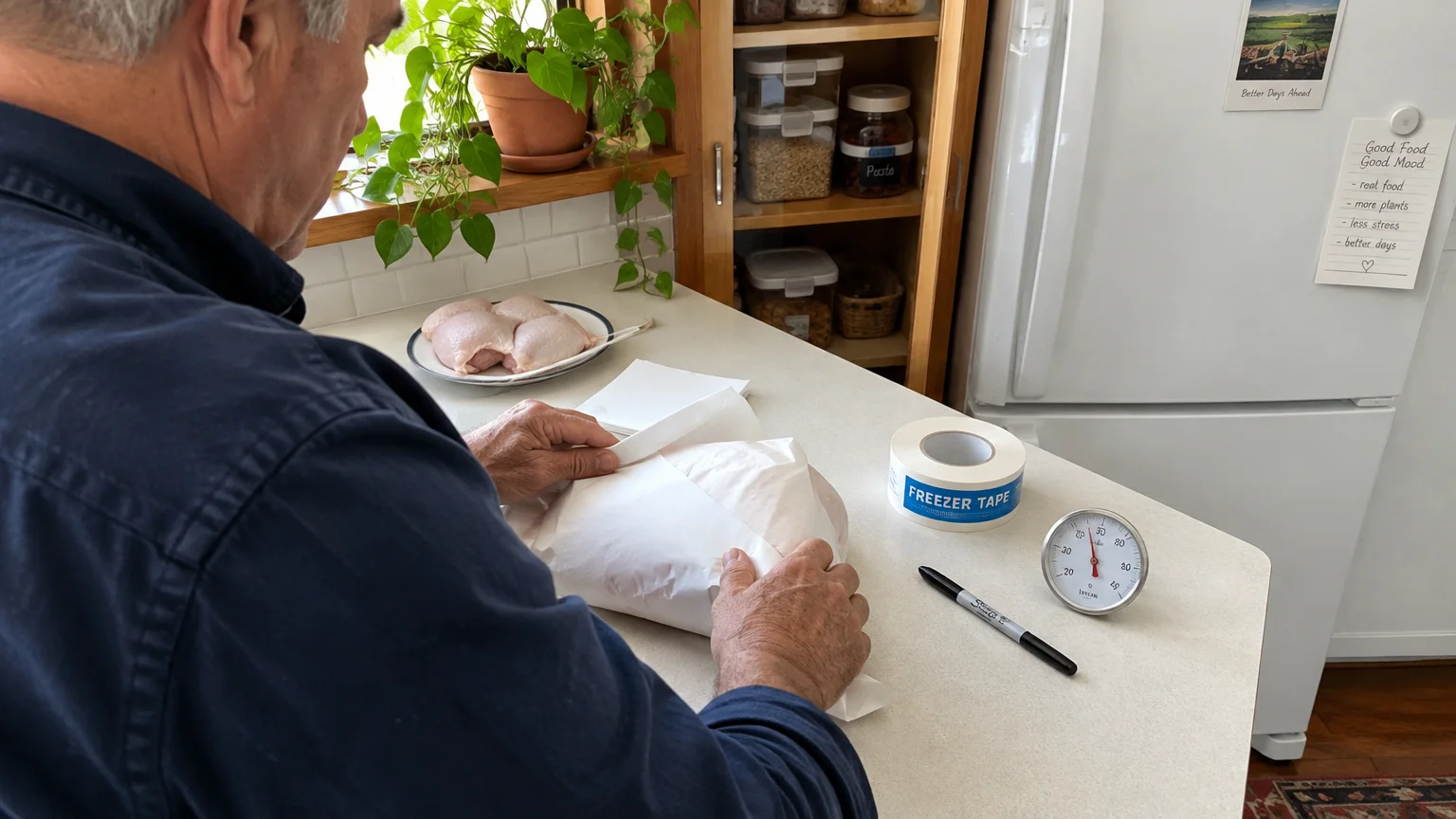
Double-wrapping meats provides an extra shield against dry air during extended storage periods. Wrap your protein in freezer paper first, then place it inside a heavy-duty freezer storage bag.
7. Adopt the First-In, First-Out Routine
Organizing your freezer prevents older packages from becoming forgotten treasures hidden in the back corners. Follow the classic pantry rule of first-in, first-out to rotate your meals effectively.
Write the item name and date of freezing clearly on each container using a dark, waterproof marker. Clear labels eliminate guesswork and help you decide what to prepare for dinner each evening.
Arrange newly frozen packages behind older items on your shelves so you reach for older dishes first. This simple system ensures you consume all your food while it tastes its very best.
Group similar items together in clear, open plastic bins to keep your freezer neat and easy to navigate. Bins make it simple to lift and inspect packages without having to dig through icy piles.
8. Portion Meals for Gentle and Safe Thawing
Freezing large portions often forces you to thaw more food than you can comfortably finish in one meal. Divide stews, casseroles, and meats into individual, single-serving portions before freezing them.
Smaller portions freeze much faster, which creates smaller ice crystals and preserves the cellular texture of food. They also thaw quickly and evenly, saving you preparation time on quiet evenings at home.
Never thaw frozen foods on your kitchen counter at room temperature, where bacteria multiply rapidly. Safe thawing takes place in your refrigerator, in cold water baths, or directly in the microwave.
Refrigerator thawing takes twenty-four hours for small items, but it keeps your food at safe temperatures throughout. Plan your meals a day in advance to allow plenty of gentle, worry-free thawing time.
9. Freeze Cooked Grains and Legumes in Handy Packs
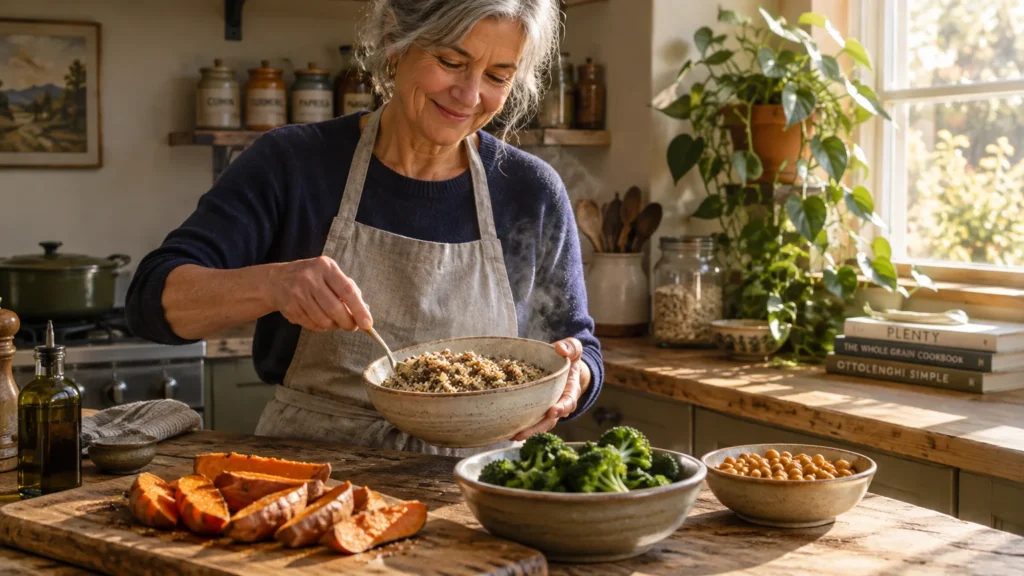
Brown rice, quinoa, and cooked beans freeze beautifully and reheat in minutes with a splash of water. Preparing large pots of grains saves standing time over a hot stove and simplifies your weekly meal planning.
Flatten cooked grains inside freezer bags so they stack like books on your shelves. This flat profile speeds up both the freezing and thawing processes while saving valuable space.
10. Cool Foods Completely Before Storing Them
Placing piping hot food directly into your freezer warms up neighboring packages and causes unwanted surface thawing. Allow cooked dishes to reach room temperature on your counter for no longer than thirty minutes.
Chill warm dishes in your refrigerator first before transferring them to their final sub-zero location. This gradual cooling prevents heavy frost from forming inside your storage containers and protects surrounding items.
Important Safety Precautions to Keep in Mind
Power outages can disrupt your freezer environment and raise questions about food safety. Keeping the freezer door closed during an outage maintains cold temperatures and protects your food longer.
A fully stocked freezer will hold safe temperatures for approximately forty-eight hours if you leave the door closed. A half-full freezer keeps foods safely frozen for about twenty-four hours under similar conditions.
If your power returns after an outage, check each package carefully for ice crystals and firm textures. Foods that still contain ice crystals or remain at forty degrees Fahrenheit or colder are safe to refreeze.
Never taste-test any food to determine whether it has spoiled during an extended electrical outage. When in doubt regarding how long food remained warm, discard it to protect your delicate health.
Refreezing thawed raw meats without cooking them first causes significant moisture loss and degrades texture. However, if you thaw meat safely in your refrigerator, you can refreeze it without creating a biological safety hazard.
Cooking thawed meat before refreezing it represents the safest, most culinary-pleasing choice for older adults. Prepare a flavorful stew or casserole with the meat, cool it, and freeze it in convenient portions.
Watch for visual signs of spoilage once frozen items thaw on your counter or in the refrigerator. Any unusual discoloration, slimy surface texture, or sour odor indicates that the food is no longer wholesome.
Clean your freezer shelves twice each year with warm, soapy water to remove crumbs and spills. Keeping internal surfaces clean prevents cross-contamination and discourages any mold growth near door gaskets.
Inspect frozen packages before placing them into your cart at your local grocery store. Avoid purchasing boxes with crushed corners, torn wrappers, or thick layers of exterior frost that suggest prior thawing.
Transport frozen groceries home in insulated thermal bags, especially during warm summer afternoons. Minimizing the time food spends at ambient temperature prevents premature thawing and preserves cellular freshness.

When to Speak with a Healthcare Professional
While proper freezing and cooking protect you from most illness, foodborne pathogens occasionally cause accidental infections. Older adults face higher risks of dehydration and systemic complications from food poisoning.
Your body requires extra support if an intestinal infection disrupts your hydration or nutrient absorption. Recognizing early warning signs allows you to seek medical attention before complications become severe.
Contact your doctor immediately if you develop a high oral fever exceeding one hundred and one degrees. Frequent vomiting that prevents you from keeping liquids down also demands urgent medical assessment.
Diarrhea that lasts longer than two full days or contains visible blood requires immediate clinical evaluation. Severe abdominal cramping, confusion, or dizziness upon standing can signal dangerous dehydration.
If you manage chronic conditions like kidney disease or diabetes, discuss foodborne illness risks with your physician. A mild gastrointestinal bug can disrupt blood sugar regulation or electrolyte balances very quickly.
Keep your doctor informed whenever unexpected stomach symptoms arise after eating defrosted foods. Professional guidance ensures you receive appropriate oral rehydration solutions or targeted medical therapy.
For authoritative, trustworthy health information, always consult official sources like the National Institute on Aging (NIA) and MedlinePlus from the National Library of Medicine. The CDC also provides excellent resources for older adults.
Disclaimer: This article is for informational purposes only and does not constitute medical advice. Always seek the advice of your physician or other qualified health provider with any questions you may have regarding a medical condition.
Frequently Asked Questions
Does freezing food destroy harmful bacteria and viruses?
Freezing at zero degrees does not kill bacteria; it merely places them into a dormant state. Once you thaw the food, dormant microorganisms become active again and can multiply under warm room conditions.
You must cook defrosted items to their recommended internal temperatures to destroy any lingering bacteria completely. Use a reliable digital food thermometer to confirm that your meals reach safe cooking temperatures.
Is it safe to eat meat that has visible freezer burn?
Meat with freezer burn remains entirely safe to consume because dryness does not harbor dangerous pathogens. However, the affected dry areas will taste bland, leathery, and unpleasant on your palate.
Simply trim away any discolored, dry patches before or after cooking your protein. The remaining portion of the meat will retain normal moisture, tenderness, and rich flavor.
How do you know if food thawed during an unexpected power outage?
Place a small container of water in your freezer until frozen, then set a coin on top. If you return to find the coin at the bottom, your freezer warmed significantly and refroze.
You can also inspect frozen food packages for pooled liquid, ice crystals on box exteriors, or misshapen items. These physical signs clearly indicate that foods warmed and melted before freezing again.
Can you safely refreeze meat that thawed in the refrigerator?
You can safely refreeze meat thawed inside your refrigerator without cooking it first. Because your refrigerator kept the meat cold, harmful bacteria did not have the opportunity to multiply.
Refreezing raw meat does cause some cell rupture, leading to moisture loss during subsequent cooking. For the juiciest results, cook the meat into a meal before placing it back in the freezer.
What foods should you avoid placing in your home freezer?
Certain delicate ingredients do not tolerate frozen storage well due to their high water content. Raw salad greens, celery, radishes, and cucumbers turn limp and watery when thawed.
Mayonnaise, sour cream, and delicate egg-based sauces separate and curdle in sub-zero temperatures. Keep these fresh condiments in your refrigerator to preserve their smooth consistency and delightful taste.