
Small adjustments to your daily cooking can dramatically elevate your energy levels and support your long-term vitality. You do not need to overhaul your entire pantry to enjoy nourishing meals that taste wonderful.
Simple dietary substitutions allow you to boost meal nutrition without sacrificing the comforting textures and beloved flavors you look forward to every day. You protect your heart, digestion, and joints with minimal culinary effort.
Making thoughtful food exchanges transforms familiar recipes into vibrant sources of steady strength and wholesome fuel. These gentle changes help you maintain physical independence while continuing to savor every delicious bite.
Understanding the Basics of Healthy Food Swaps for Seniors
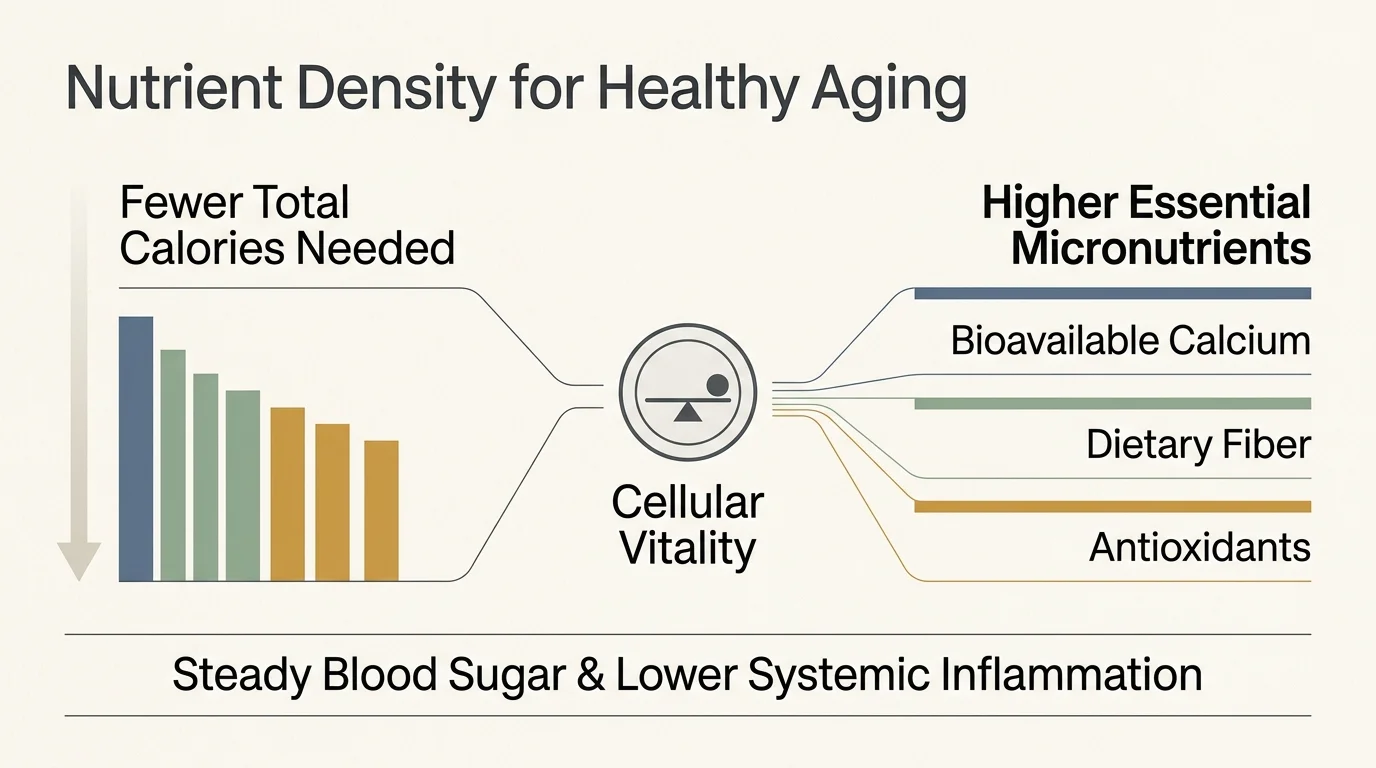
As you celebrate more birthdays, your body naturally requires fewer total calories to maintain weight. Your need for vital vitamins, lean protein, and essential minerals remains higher than ever.
Geriatric nutrition experts call this concept nutrient density. Nutrient-dense foods deliver robust quantities of micronutrients without loading your plate with empty calories, excess sugar, or refined starches.
Embracing healthy food swaps ensures that every bite works hard to sustain your cellular vitality. You satisfy your daily nutritional requirements without feeling overwhelmed by heavy portion sizes.
Aging also alters digestive function, stomach acid production, and sensory acuity. Many older adults experience slower bowel transit times, changes in taste perception, and subtle shifts in bone mineral density.
Thoughtful, healthy meal substitutions target these age-related changes directly and gently. They introduce bioavailable calcium for strong bones, abundant dietary fiber for regular digestion, and heart-protective antioxidants.
Restrictive crash diets often trigger frustration, fatigue, and muscle loss in older adults. In contrast, gradual diet upgrades encourage lasting sustainable habits that honor your personal culinary preferences.
When you replace low-nutrient ingredients with wholesome alternatives, you stabilize your daily blood sugar levels. This steady glucose control keeps your afternoon energy high and wards off unwanted brain fog.
Culinary adjustments also help reduce chronic systemic inflammation throughout your body. Lower inflammation supports smoother joint mobility, clearer cardiovascular pathways, and resilient immune defenses year after year.
Furthermore, gentle dietary changes respect your lifestyle, budget, and cultural culinary heritage. You build confidence in your kitchen by mastering one simple recipe upgrade at a time.
This positive approach treats nourishing food as medicine that brings genuine pleasure to your life. Nourishing your body should feel satisfying, comforting, and deeply rewarding each day.
These simple diet swaps provide an empowering foundation for everyday self-care. You remain in full control of your plate while nurturing your health with kindness.

Practical Tips for a Healthier, Happier Life
Upgrading your favorite family recipes does not require expensive specialty items or elaborate cooking techniques. You can easily integrate these eight delicious, science-backed substitutions into your regular routine starting today.
Take your time experimenting with each idea to discover the combinations that delight your palate the most. Consistent, small adjustments produce wonderful health benefits that accumulate over the coming years.
1. Swap Refined White Rice for Fluffy Quinoa
Refined white rice undergoes intensive processing that strips away the nutritious bran and germ layers. This industrial milling leaves behind fast-digesting starch that can spike your blood glucose levels rapidly.
Replacing white rice with nutty quinoa provides your body with a complete plant-based protein. Quinoa contains all nine essential amino acids necessary for maintaining lean skeletal muscle tissue as you age.
Quinoa also delivers more than double the dietary fiber of standard white grains. This insoluble and soluble fiber supports comfortable, regular bowel movements and feeds beneficial gut microbes.
Cook quinoa in low-sodium vegetable or bone broth to infuse rich, savory flavor into every grain. Serve it alongside roasted vegetables, tender chicken breast, or folded into fresh garden salads.
You can also mix equal parts quinoa and brown rice during cooking to ease your palate into whole grains. This hybrid combination creates a delightful, familiar texture that satisfies your appetite thoroughly.
2. Swap Sour Cream and Mayonnaise for Plain Greek Yogurt
Traditional sour cream and store-bought mayonnaise add heavy saturated fats and excess sodium to dips and dressings. These heavy condiments can weigh down your digestion and strain your cardiovascular system over time.
Creamy plain Greek yogurt serves as an exceptional alternative that delivers nearly triple the protein per serving. This rich dairy option helps you build cellular strength while satisfying cravings for cool, luscious textures.
Greek yogurt also supplies valuable live active cultures known as probiotics. Probiotics replenish your intestinal microbiome, optimizing digestive comfort and strengthening your natural immune resistance.
Use whole-milk or low-fat Greek yogurt as a direct one-to-one replacement atop baked potatoes, in tuna salads, or inside homemade creamy dressings. Whisk in lemon juice, minced dill, or cracked pepper for bright gourmet zest.
This easy upgrade transforms everyday party appetizers and cold lunches into hearty, muscle-sparing nutrition. Your guests will admire the velvety mouthfeel without ever guessing the healthy secret ingredient.
3. Swap Table Salt for Aromatic Herbs and Spices
Excessive sodium intake pulls water into your bloodstream, raising pressure on arterial walls and stressing kidneys. Many seniors rely on the salt shaker when taste buds become less sensitive over time.
Swapping standard table salt for dried or fresh culinary herbs restores mouthwatering complexity to your cooking. Fragrant spices awaken sensory receptors without elevating your resting blood pressure numbers.
Garlic powder, smoked paprika, rosemary, oregano, and turmeric pack powerful antioxidant compounds. These botanical phytonutrients fight oxidative stress and support healthy cellular longevity across your entire system.
Keep a curated collection of salt-free spice blends beside your stove for effortless daily seasoning. A generous squeeze of fresh lemon juice or a dash of apple cider vinegar provides an authentic savory tang.
Experimenting with bold seasoning combinations transforms basic steamed vegetables into culinary centerpieces. Your palate will quickly adjust to appreciate the vibrant, nuanced tastes of genuine garden herbs.
4. Swap Butter and Margarine for Extra Virgin Olive Oil
Cooking regularly with solid butter or processed stick margarine introduces excessive saturated lipids and industrial trans fats. These fats can elevate circulating low-density lipoprotein cholesterol levels in your blood vessels.
Cold-pressed extra virgin olive oil offers an abundance of heart-protective monounsaturated fatty acids. Decades of Mediterranean research link regular olive oil consumption with reduced incidence of strokes and cardiac events.
Olive oil is also celebrated for oleocanthal, a unique anti-inflammatory compound that mirrors the physiological benefits of mild ibuprofen. This natural soothing effect can ease everyday joint stiffness and support vascular elasticity.
Drizzle extra virgin olive oil over warm steamed vegetables, crusty whole-grain bread, or tender fish fillets. Store your oil in a dark glass bottle away from direct sunlight to preserve its delicate bioactive polyphenols.
Baking with olive oil also keeps whole-grain muffins and skillet breads delightfully tender and moist. This single liquid gold swap delivers profound preventative benefits with every spoonful.
5. Swap Sugary Breakfast Cereals for Warm Rolled Oats
Commercial boxed cereals frequently contain hidden added sugars, artificial dyes, and heavily milled grains. Eating these refined breakfast items often triggers mid-morning fatigue, irritability, and sudden energy crashes.
Traditional rolled or steel-cut oats provide a soothing, minimally processed morning meal loaded with complex carbohydrates. Oats release steady fuel into your bloodstream, keeping you energized and focused throughout the morning hours.
Oats are particularly prized for beta-glucan, a viscous soluble fiber that forms a gentle gel in your digestive tract. Beta-glucan actively binds to intestinal cholesterol particles, helping flush them safely out of your body.
Simmer your oats on the stovetop with water, unsweetened almond milk, or low-fat dairy. Top your warm bowl with cinnamon, a scattering of raw walnuts, and sweet fresh blueberries for natural decadence.
Preparing overnight oats in mason jars also provides an effortless grab-and-go breakfast for busy mornings. You begin your morning feeling thoroughly nourished, grounded, and physically satisfied.
6. Swap Conventional Ground Beef for Ground Turkey or Lentils
Fatty cuts of commercial ground beef contribute substantial amounts of saturated fat to casseroles, chilis, and sauces. Digesting high-fat red meat can also feel heavy and sluggish in an aging gastrointestinal tract.
Choosing lean ground turkey or cooked brown lentils creates lighter, heart-healthy meals that preserve comforting rustic flavor. This thoughtful transition substantially lowers overall saturated fat intake without sacrificing kitchen versatility.
Brown and green lentils bring impressive amounts of plant protein, prebiotic fiber, folate, and energizing iron to your plate. They also cook quickly and blend effortlessly into seasoned tomato sauces and hearty vegetable stews.
Try preparing a half-and-half mixture of lean poultry and tender lentils for your next batch of homemade meatballs. This balanced hybrid approach maximizes moisture, elevates dietary fiber, and moderates family grocery spending.
Your cardiovascular system will benefit tremendously from the lower saturated fat burden. Meanwhile, your digestive system will enjoy the generous influx of plant-based prebiotic nutrition.
7. Swap Sugary Sodas and Sweet Teas for Citrus-Infused Water
Bottled sodas, sweetened iced teas, and packaged fruit juices flood your body with concentrated liquid sugars. These beverages drive systemic inflammation, compromise metabolic balance, and accelerate age-related dental decay.
Sparkling water or still filtered water infused with real fruit slices provides crisp, invigorating hydration with zero empty calories. Proper hydration lubricates arthritic joints, prevents constipation, and supports vital kidney filtration.
Many older adults experience a diminished biological thirst response, which increases their vulnerability to chronic low-grade dehydration. Naturally flavored waters make meeting your daily fluid targets an appealing and refreshing ritual.
Drop cucumber wheels, crushed mint sprigs, or juicy orange wedges into a glass pitcher each morning. Sip this chilled infusion throughout the day to nourish your cells and soothe dry mucous membranes.
If you crave effervescence, unsweetened mineral water with a splash of tart pomegranate juice creates an elegant evening spritzer. You satisfy the psychological desire for a fizzy treat without any metabolic drawback.
8. Swap Enriched White Pasta for Chickpea or Lentil Pasta
Standard white pasta behaves similarly to pure sugar once broken down inside your gastrointestinal tract. It offers rapid starch absorption without the protective benefits of natural fiber or sustaining micronutrients.
Modern legume-based pastas crafted from chickpeas, red lentils, or yellow peas deliver an impressive nutritional upgrade. They maintain an enjoyable al dente bite while offering up to four times the dietary fiber of conventional noodles.
Legume pastas also provide significant amounts of plant protein, helping prevent lean muscle wasting during your retirement years. They digest at a calm, measured pace that keeps post-meal glucose spikes safely in check.
Pair chickpea rotini or penne with a homemade crushed tomato marinara sauce, fresh garlic, and wilted baby spinach. The robust legumes absorb aromatic culinary sauces beautifully while delivering lasting fullness.
This swap enables you to continue indulging in traditional Italian pasta nights with absolute peace of mind. You fuel your body with wholesome legume power while honoring beloved comfort food traditions.
Important Safety Precautions to Keep in Mind
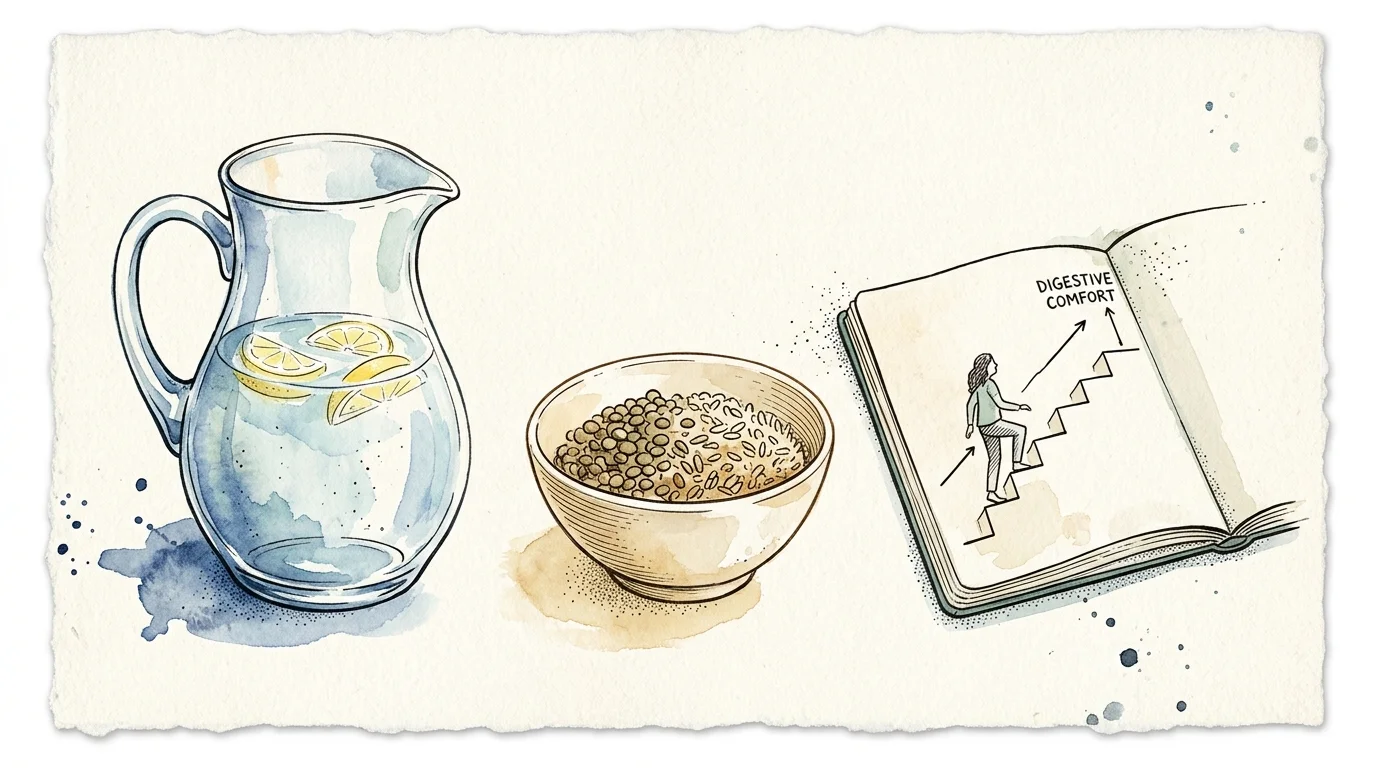
While easy nutrition upgrades offer life-changing benefits, introducing too many dietary adjustments at once can distress your digestive tract. Your body requires patient adaptation whenever you alter your routine intake of dietary fiber.
Rapid increases in fiber intake may cause temporary abdominal bloating, intestinal cramping, or uncomfortable flatulence. Increase your fiber consumption gradually over several weeks to give your gut microbiome adequate time to adjust smoothly.
Parallel your rising fiber intake with plenty of pure fluids throughout each day. Insufficient hydration alongside high-fiber meals can paradoxically worsen constipation rather than relieve it.
Certain wholesome food swaps may also interact with chronic medical conditions or common maintenance pharmaceuticals. For example, individuals taking potassium-sparing blood pressure medications must monitor potassium-rich salt substitutes carefully.
Similarly, patients prescribed warfarin or other anticoagulant therapies must maintain consistent vitamin K levels rather than making sudden large dietary swings with leafy greens. Knowing your specific dietary boundaries preserves personal safety.
Always check prepackaged food labels closely for hidden sodium or artificial stabilizers, even when choosing specialty items. True healthy meal substitutions emphasize simple, whole-food ingredients with clear and transparent origins.
Chewing slowly and thoroughly is another critical safety practice as oral motor mechanics change over time. Masticating fibrous grains, legumes, and nuts completely aids digestion and protects against choking hazards.
Listen attentively to how your stomach, joints, and physical energy respond to each new culinary adjustment. Honoring your individual biological feedback guarantees that every change supports your long-term wellness.

When to Speak with a Healthcare Professional
The dietary guidance presented here provides general wellness information and should never replace individualized professional clinical care. Every aging body possesses unique metabolic traits, biochemical balances, and pharmaceutical requirements.
You should always consult your primary care physician or a registered dietitian before implementing significant dietary modifications. A qualified medical clinician can evaluate your personal health history and help tailor safe nutritional strategies.
Schedule an appointment with your doctor if you experience unintended, rapid weight loss or sudden changes in appetite. Unplanned weight loss among older adults can signal underlying metabolic concerns or digestive malabsorption that requires prompt attention.
Contact your healthcare team promptly if you develop persistent digestive distress, severe abdominal pain, or unexplained chronic diarrhea after altering your meals. These symptoms warrant medical investigation to rule out food intolerances or gastrointestinal pathology.
Seek immediate clinical evaluation if you experience sudden dizziness, erratic blood pressure fluctuations, or unexpected shifts in blood sugar readings. Your physician may need to recalibrate maintenance drug dosages as your overall dietary quality improves.
Be sure to bring a complete list of your prescription medications and supplements to your clinical nutrition visits. Transparent communication enables your healthcare team to design an eating plan that protects your long-term independence.
Working collaboratively with medical professionals gives you confidence and peace of mind on your health journey. Expert guidance ensures that your culinary upgrades yield safe, joyful, and sustainable vitality.
Frequently Asked Questions
How quickly can I expect to notice the benefits of healthy food swaps?
Many older adults notice improved physical energy and calmer post-meal digestion within just a few days of adopting simple diet swaps. Sustained improvements in digestive regularity often become apparent within the first two weeks.
Long-term clinical markers—such as improved lipid profiles, reduced blood pressure, and balanced HbA1c levels—typically reflect dietary upgrades after eight to twelve weeks. Consistency over time delivers the most enduring physiological rewards.
Will healthy meal substitutions make my grocery bills significantly higher?
Upgrading your daily nutrition does not require spending excessive money on overpriced specialty wellness products or exotic superfoods. In fact, many nourishing swaps—such as buying dried lentils instead of red meat—can reduce your monthly grocery expenses.
Purchasing seasonal produce, utilizing frozen plain vegetables, and cooking grains in bulk provides economical nutrition for every budget. Simple whole foods consistently provide exceptional nutritional value per dollar spent.
Can I make simple diet swaps if I have chewing or swallowing difficulties?
Many nutrient-dense culinary substitutions soften easily to accommodate chewing limitations, dental sensitivities, or dysphagia challenges. Plain Greek yogurt, thoroughly cooked lentils, and smooth oatmeal provide gentle textures that require minimal chewing effort.
You can also puree vegetable-rich soups or blend nutrient-dense ingredients into creamy smoothies for safe, effortless swallowing. Always consult a speech-language pathologist or your doctor for personalized dysphagia dietary protocols.
Do I have to give up all my favorite comfort foods to boost meal nutrition?
Healthy aging never requires total deprivation or abandoning cherished family culinary traditions. The goal of healthy meal substitutions is simply to enhance ordinary everyday meals while keeping room for occasional treats.
Approaching your daily eating habits with flexibility and self-compassion ensures that your healthy habits remain joyful and sustainable. Celebrating balance allows you to nurture your physical body without losing the pleasure of dining.
For authoritative, trustworthy health information, always consult official sources like the National Institute on Aging (NIA) and MedlinePlus from the National Library of Medicine. The CDC also provides excellent resources for older adults.
Disclaimer: This article is for informational purposes only and does not constitute medical advice. Always seek the advice of your physician or other qualified health provider with any questions you may have regarding a medical condition.