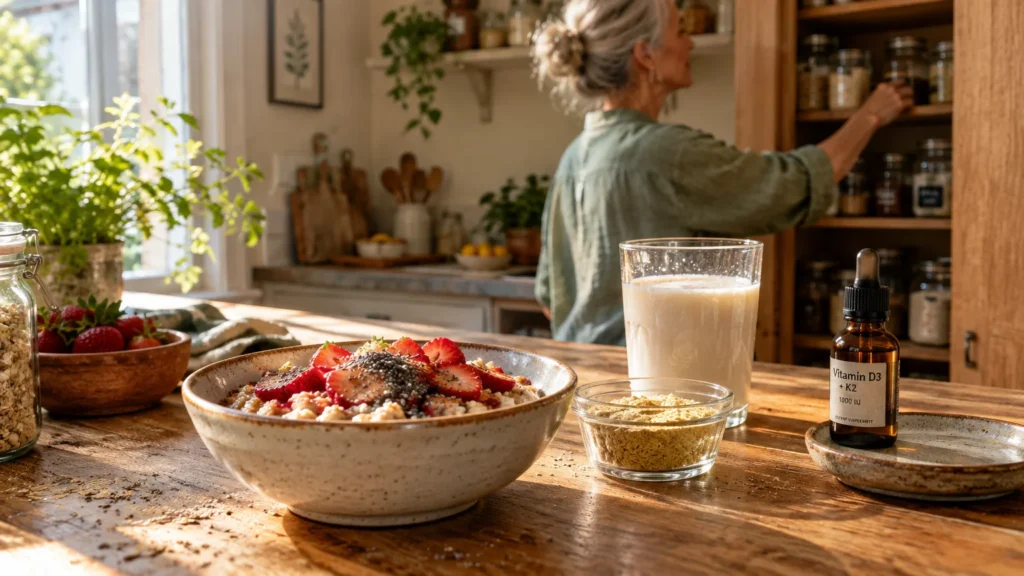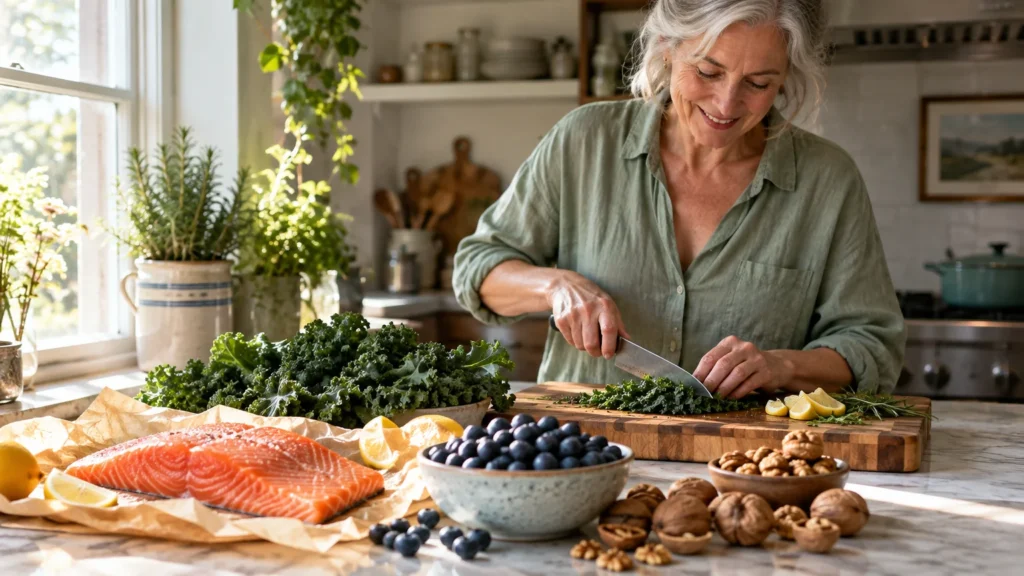
Fresh produce and open-air strolls make local markets a wonderful weekend ritual for older adults. You can easily slash your grocery bill and nourish your body when you know how to navigate the stalls strategically.
Many shoppers unknowingly fall into common spending traps that drain their fixed incomes. Simple adjustments will help you bring home nutrient-dense farm favorites without overspending.
Here are six costly farmers market shopping mistakes and practical ways to stretch your dollars while eating vibrant, farm-fresh meals every week.
Understanding the Basics of Smart Farmers Market Shopping for Seniors
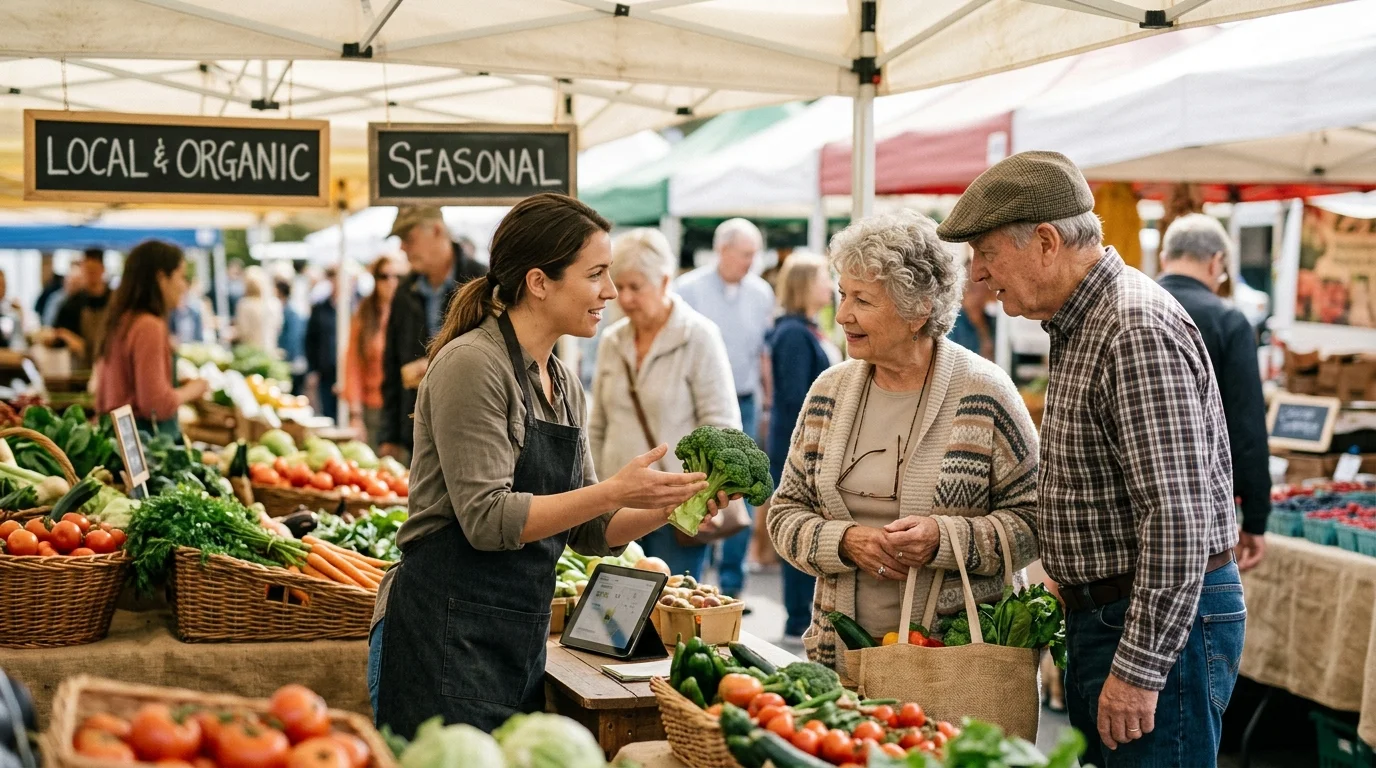
Visiting your local market offers far more than a routine grocery run; it provides an invigorating social outing, gentle physical exercise, and access to peak-harvest nutrition. When you buy food harvested within hours of sale, you receive higher concentrations of essential vitamins, minerals, and antioxidants compared to produce that spent days in transit. However, navigating these open-air venues requires a clear strategy, especially when you manage a fixed retirement budget.
Traditional supermarkets rely on centralized global supply chains and uniform pricing models. In contrast, local farm stands operate under dynamic seasonal economies. Prices fluctuate dramatically based on rainfall, harvest yields, and weekly labor conditions. Understanding how these agricultural cycles work empowers you to anticipate price drops and avoid peak-cost items.
Smart farmers market shopping bridges the gap between holistic wellness and financial stewardship. Older adults often face unique nutritional priorities—such as increasing dietary fiber for heart health, boosting hydration through water-dense vegetables, and reducing sodium intake. By mastering a few foundational shopping concepts, you can transform the market into your most affordable source of wholesome, health-restoring nutrition.
Practical Tips for a Healthier, Happier Life
Overspending at farmers market stalls happens quickly when you arrive without a clear plan. By identifying common farmers market shopping mistakes, you can protect your wallet while filling your kitchen with exceptionally fresh ingredients. Apply these practical farmers market tips on your next visit to maximize both your savings and your vitality.
1. Paying Supermarket Markups on Conventional Produce Staples
Many shoppers assume every item at a farm stand costs less than supermarket goods. According to comparative pricing data from the USDA Agricultural Marketing Service, conventional produce at farmers markets is often 20% to 40% more expensive than standard supermarket produce. If you buy basic conventional staples—such as russet potatoes, standard yellow onions, or out-of-season bell peppers—you may pay a steep premium for goods that small-scale growers must price higher to cover their production overhead.
To keep your food budget balanced, reserve your market dollars for seasonal specialty crops that deliver superior flavor and nutritional value. Focus your purchases on heirloom tomatoes, tender microgreens, wild berries, and freshly picked stone fruits. Buy everyday staple items at your local grocery store unless a local grower offers a true seasonal surplus discount.
2. Assuming You Must See a Certified Organic Seal
Many health-conscious seniors seek out organic foods to minimize pesticide exposure, yet they inadvertently overpay by only patronizing certified organic vendors. Under federal regulations (7 CFR § 205), small-scale family farms with gross annual organic sales of $5,000 or less are exempt from costly USDA certification. These independent growers can legally market their crops as organic without displaying the official seal; many use holistic, non-spray, and regenerative methods that exceed industrial standards.
Additionally, agricultural pricing studies show that organic produce at direct-to-consumer markets is often 10% to 16% cheaper than organic produce sold at corporate grocery chains. Rather than searching exclusively for expensive marketing labels, talk directly with your growers. Ask about their pest management practices, soil enrichment methods, and harvest schedules. You will often discover pristine, pesticide-free produce at conventional prices.
3. Buying Perishable Produce in Unmanageable Bulk Quantities
Farm stands often present towering bushels of green beans, crates of ripe peaches, and massive bundles of leafy greens at enticing bulk rates. While bulk buying seems economical, it frequently leads to severe household losses. The USDA Economic Research Service estimates that 30% to 40% of the entire United States food supply goes to waste at retail and consumer levels. In small one- or two-person senior households, fresh produce often rots in the crisper drawer before you can consume it.
Practice disciplined portion control by purchasing only what you can comfortably prepare within five to seven days. If you wish to take advantage of bulk pricing during peak harvests, prepare an immediate preservation plan. Blanch and freeze green beans, simmer ripe tomatoes into sodium-free marinara sauces, or dehydrate berries for morning oatmeal. Alternatively, split larger crates and wholesale bushels with a neighbor or family member to share the savings without the spoilage.
4. Overlooking Senior Food Assistance and Dollar-Matching Programs
One of the most expensive errors older adults make is failing to utilize federal, state, and community nutrition benefits designed specifically for them. The federally funded Senior Farmers’ Market Nutrition Program (SFMNP) awards low-income older adults—typically defined as individuals aged 60 and older with household incomes at or below 185% of Federal Poverty Guidelines—between $20 and $50 annually (with select state-matched programs providing up to $80) in coupons or electronic benefit transfer cards for fresh fruits, vegetables, honey, and culinary herbs.
Furthermore, hundreds of community markets participate in the USDA Gus Schumacher Nutrition Incentive Program (GusNIP), widely known as the “Double Up Food Bucks” initiative. This program provides an immediate 1:1 dollar match (often up to $10 to $20 per visit) when you spend Supplemental Nutrition Assistance Program (SNAP) benefits on fresh produce. Keep in mind that paper vouchers and seasonal nutrition cards carry strict deadlines, typically expiring on November 30 each year. Check in with the market manager’s information booth upon arrival to redeem your full entitlement before seasonal cutoffs arrive.
5. Succumbing to Front-Stall Displays and Impulse Buying
Market organizers position visually captivating displays—such as artisan baked goods, specialty cheeses, and premium cut flowers—right near the main entrance to encourage spontaneous spending. When you purchase items at the very first booth you encounter, you risk exhausting your cash reserves on non-essential luxuries before securing the nutritious produce you came to buy.
Adopt a simple “two-lap” rule to safeguard your budget. On your first lap around the market perimeter, browse all vendor stalls, compare prices, examine produce quality, and note where the best seasonal values reside. On your second lap, make deliberate, focused purchases that align directly with your planned weekly meals. This patient approach prevents impulse spending and keeps your financial goals intact.
6. Bypassing Discounted “Seconds” and Imperfect Harvests
Shoppers often bypass crates marked as “seconds,” “canners,” or “utility grade,” assuming cosmetically imperfect produce lacks nutrition. In reality, a slightly misshapen heirloom tomato, a surface-blemished apple, or a bent carrot contains the exact same vitamin, mineral, and antioxidant profile as a prize-winning display specimen. Farmers routinely mark these imperfect items down by 50% or more just to clear their inventory.
Buying seconds represents one of the most effective strategies for saving money farmers market trips can offer. These discounted items are ideal for pureeing into hearty vegetable stews, blending into breakfast smoothies, baking, or canning. Ask vendors if they keep discount boxes behind their tables; farmers frequently offer deep discounts on slightly bruised or surplus items if you simply ask politely.

Important Safety Precautions to Keep in Mind
Enjoying an open-air market requires attention to personal physical safety and strict food hygiene. As our bodies age, natural shifts in balance, joint mobility, and immune function require practical precautions to ensure your market trips remain safe, restorative, and enjoyable.
Outdoor markets frequently operate on uneven terrain, cracked asphalt, slick grass, or gravel pathways. Wear supportive, non-skid walking shoes to prevent dangerous slips and falls. Use a lightweight, two-wheeled rolling market cart rather than lugging heavy fabric bags on one shoulder; asymmetrical lifting strains aging shoulders, hips, and lumbar vertebrae. Stay well-hydrated, wear a wide-brimmed sun hat, and apply sunscreen during warm morning outings.
Food safety requires equal diligence. Exercise caution around unpasteurized farm products, including raw milk, aged soft cheeses made from unpasteurized dairy, and raw fruit ciders. While traditional and flavorful, unpasteurized beverages and dairy products carry elevated risks of harmful bacteria such as Escherichia coli, Listeria monocytogenes, and Salmonella. Older adults face higher risks of severe foodborne illness due to age-related changes in stomach acid and immune response. Choose pasteurized options whenever possible, keep perishable meats and cheeses chilled in an insulated tote bag during transit, and thoroughly wash all raw fruits and vegetables under cold running water before meal preparation.

When to Speak with a Healthcare Professional
Transitioning toward a diet rich in fresh, locally grown whole foods offers profound health benefits, yet sudden dietary modifications can interact with existing medical conditions and prescription medications. Always consult your primary care doctor, geriatrician, or registered dietitian before making dramatic adjustments to your daily food intake.
Seek medical guidance if you take anticoagulant medications, such as warfarin. Sudden, large increases in dark leafy greens—such as kale, spinach, Swiss chard, and collard greens—supply high levels of vitamin K, which can counteract blood-thinning therapies and alter your clotting times. Similarly, individuals managing chronic kidney disease (CKD) must monitor their intake of potassium-dense farm produce, including heirloom tomatoes, winter squash, cantaloupe, and dark greens, to prevent dangerous electrolyte imbalances.
If you experience persistent gastrointestinal distress, bloating, or irregular bowel habits after increasing your consumption of raw, high-fiber market vegetables, contact your healthcare provider. Your medical team can help you gradually introduce dietary fiber and recommend gentle cooking techniques—such as steaming, roasting, or pureeing—that preserve vital nutrients while easing digestion.
Frequently Asked Questions
How do I qualify for and use the Senior Farmers’ Market Nutrition Program (SFMNP)?
You qualify for the SFMNP if you are at least 60 years old and your household gross income does not exceed 185% of the Federal Poverty Guidelines. Local Area Agencies on Aging, senior community centers, and county social service offices distribute these benefits annually, typically starting in late spring. You receive checks, coupons, or a digital benefits card that authorized farmers redeem for fresh, locally grown produce, culinary herbs, and raw honey. Unused seasonal benefits generally expire on November 30 of each calendar year.
Is farmers market produce truly more nutritious than supermarket produce?
Yes, in many cases locally harvested produce provides superior nutritional density. Supermarket fruits and vegetables are often bred for transport durability, harvested before peak physiological ripeness, and transported over thousands of miles for days or weeks. In contrast, local farmers harvest their crops at peak maturity, allowing vital phytonutrients, vitamin C, and antioxidants to develop fully. Buying locally harvested food ensures you consume crops before light, heat, and time degrade their valuable nutrients.
What is the best time of day for seniors to shop at the farmers market?
Arriving early—typically within the first hour of opening—offers several advantages for older adults. You enjoy cooler morning temperatures, smaller crowds, easier parking, unhurried interactions with vendors, and the widest selection of pristine, delicate produce. However, if your primary goal is finding deep clearance discounts, visiting during the final 45 minutes of the market allows you to negotiate reduced prices on surplus perishables that growers prefer not to transport back to their farms.
How can I keep delicate leafy greens and fresh berries from spoiling quickly?
To extend produce longevity, store delicate items properly as soon as you return home. Do not wash fresh berries until immediately before eating them, as surface moisture accelerates mold development; store them in a single layer lined with a paper towel in a breathable container. For delicate leafy greens, trim the stem ends, wrap them gently in a dry cotton cloth or paper towel to absorb excess condensation, and place them inside a sealed container or reusable storage bag in your refrigerator crisper drawer.
For authoritative, trustworthy health information, always consult official sources like the National Institute on Aging (NIA) and MedlinePlus from the National Library of Medicine. The CDC also provides excellent resources for older adults.
Disclaimer: This article is for informational purposes only and does not constitute medical advice. Always seek the advice of your physician or other qualified health provider with any questions you may have regarding a medical condition.