
Protecting your skin requires a sharper eye as you enter your seventies, because age and lifetime sun exposure change how dangerous lesions appear. Recognizing skin cancer signs early gives you the best chance for a simple, successful treatment. As your skin naturally thins and develops harmless age spots, dangerous growths easily hide in plain sight. Melanoma symptoms and other malignancies often abandon the classic dark, jagged look you expect; instead, they might emerge as a pink bump, a scaly patch, or a bleeding sore that refuses to heal. By learning exactly what to look for, you can protect your senior health and seek prompt dermatology care when every week matters.
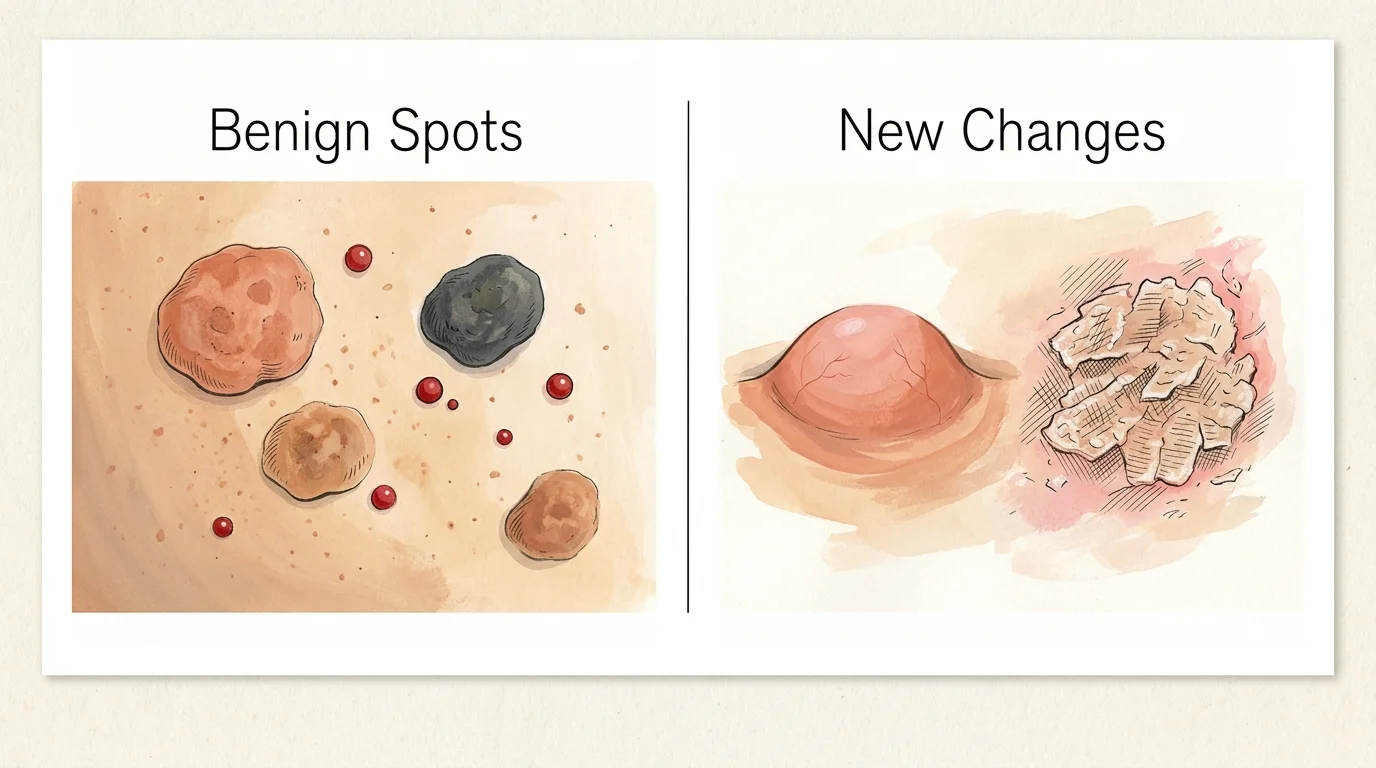
Understanding the Basics of 6 Skin Cancer Signs That Look Different After Age 70 and Require Faster Action for Seniors
Reaching your seventies brings a wealth of wisdom and experience, but it also introduces significant changes to your body’s largest organ. Decades of cumulative ultraviolet radiation permanently alter your skin’s cellular structure and decrease its natural elasticity. Furthermore, your immune system gradually becomes less efficient at detecting and destroying abnormal cells before they multiply. Because senior skin naturally develops various benign growths—such as seborrheic keratoses and cherry angiomas—dangerous malignancies frequently disguise themselves among these harmless spots. Relying on outdated guidelines to spot skin cancer can leave you vulnerable; you must understand how these six specific signs manifest differently in older adults so you can take swift, decisive action.
1. The Pink, Colorless, or Red Bump (Amelanotic Melanoma)
Most people search for dark, asymmetrical moles when looking for melanoma. However, older adults face a higher risk of amelanotic melanoma—a dangerous variant that produces little to no pigment. On senior skin, this cancer often resembles a harmless bug bite, a persistent pimple, or a flesh-colored bump. Because it completely lacks the classic brown or black warning colors, patients and even some medical professionals often overlook it initially. You must pay close attention to any pink or reddish spot that continues to grow, refuses to heal, or changes texture over a month. Taking faster action on these unpigmented lesions significantly improves your prognosis.
2. The Rapidly Growing, Firm Dome (Nodular Melanoma)
Standard melanomas typically grow horizontally across the surface of the skin for months or years before penetrating deeper tissues. Nodular melanoma behaves entirely differently; it skips the horizontal phase and immediately drives vertically into the skin. In adults over seventy, this aggressive cancer frequently appears as a firm, dome-shaped bump that feels hard to the touch. It might look blue, black, or even red, often mimicking a harmless blood blister or a benign cherry angioma. The defining characteristic of nodular melanoma is its alarming speed of growth. If you notice a firm bump that visibly increases in size over just a few weeks, you need immediate dermatological evaluation.
3. The Rough, Scaly Patch That Constantly Bleeds (Squamous Cell Carcinoma)
Squamous cell carcinoma arises in the upper layers of the epidermis and heavily affects chronically sun-damaged areas like the hands, forearms, ears, and scalp. In your younger years, you might have easily noticed a thick, rough patch forming on your skin. However, because older skin naturally becomes thinner and drier, many seniors mistakenly dismiss early squamous cell carcinomas as simple dry skin or a patch of stubborn eczema. The crucial difference lies in its behavior: a squamous cell carcinoma patch will feel notably rough—almost like sandpaper—and will easily bleed when lightly scratched or rubbed by clothing. If a scaly patch bleeds repeatedly and fails to resolve with daily moisturizing, you must have it examined.
4. The Translucent, Pearly Pimple That Never Pops (Basal Cell Carcinoma)
Basal cell carcinoma stands as the most common form of skin cancer, and its appearance shifts subtly as your skin ages. While it occasionally presents as a flat, flesh-colored lesion, it most commonly appears as a shiny, pearly bump. Upon close inspection, you might notice tiny, branching blood vessels sprawling across its surface. Because senior skin frequently develops benign enlarged oil glands—known as sebaceous hyperplasia—which look incredibly similar, basal cell carcinoma easily evades detection. The clearest warning sign is fragility; this pearly bump will often develop a central crust, spontaneously bleed, heal over, and then break open again. Any pimple-like lesion that persists for more than six weeks requires professional attention.
5. The Slowly Expanding, Irregular Brown Patch (Lentigo Maligna)
Lentigo maligna is a specific type of melanoma in situ that occurs almost exclusively on heavily sun-damaged skin, particularly on the face, neck, and scalp of older adults. It begins as a flat, irregularly shaped brown or tan patch that looks remarkably similar to a standard “liver spot” or solar lentigo. Because seniors expect to see new age spots, they often ignore this subtle lesion for years. Unlike a benign age spot, which maintains a stable appearance, lentigo maligna slowly expands, develops darker asymmetrical patches within its borders, and gradually changes shape. Catching this slow-growing lesion early prevents it from invading deeper tissues and transitioning into a far more dangerous invasive melanoma.
6. The Dark Streak or Lesion in Completely Hidden Areas (Acral Lentiginous Melanoma)
Skin cancer does not exclusively strike sun-exposed areas; in fact, acral lentiginous melanoma thrives on the palms of the hands, the soles of the feet, and beneath the fingernails and toenails. This aggressive cancer strikes regardless of your sun exposure history. In adults over seventy, mobility challenges or diminishing eyesight can make it incredibly difficult to inspect the bottoms of the feet or intricately check the toenails. Consequently, seniors often mistake these dark, bruise-like lesions for a fungal nail infection, a blood blister from tight footwear, or a simple injury. Any unexplained dark streak under a nail or an expanding dark patch on the sole of your foot demands an urgent biopsy.
Practical Tips for a Healthier, Happier Life
Taking a proactive stance on your senior health ensures you maintain your independence and vitality. By implementing straightforward, consistent routines, you can easily identify suspicious skin cancer signs before they escalate into serious medical emergencies. Transitioning to active prevention and early detection requires just a few minutes of your time each month, but it delivers immense peace of mind and significantly better health outcomes.
Tip 1: Conduct a Meticulous Monthly Head-to-Toe Audit
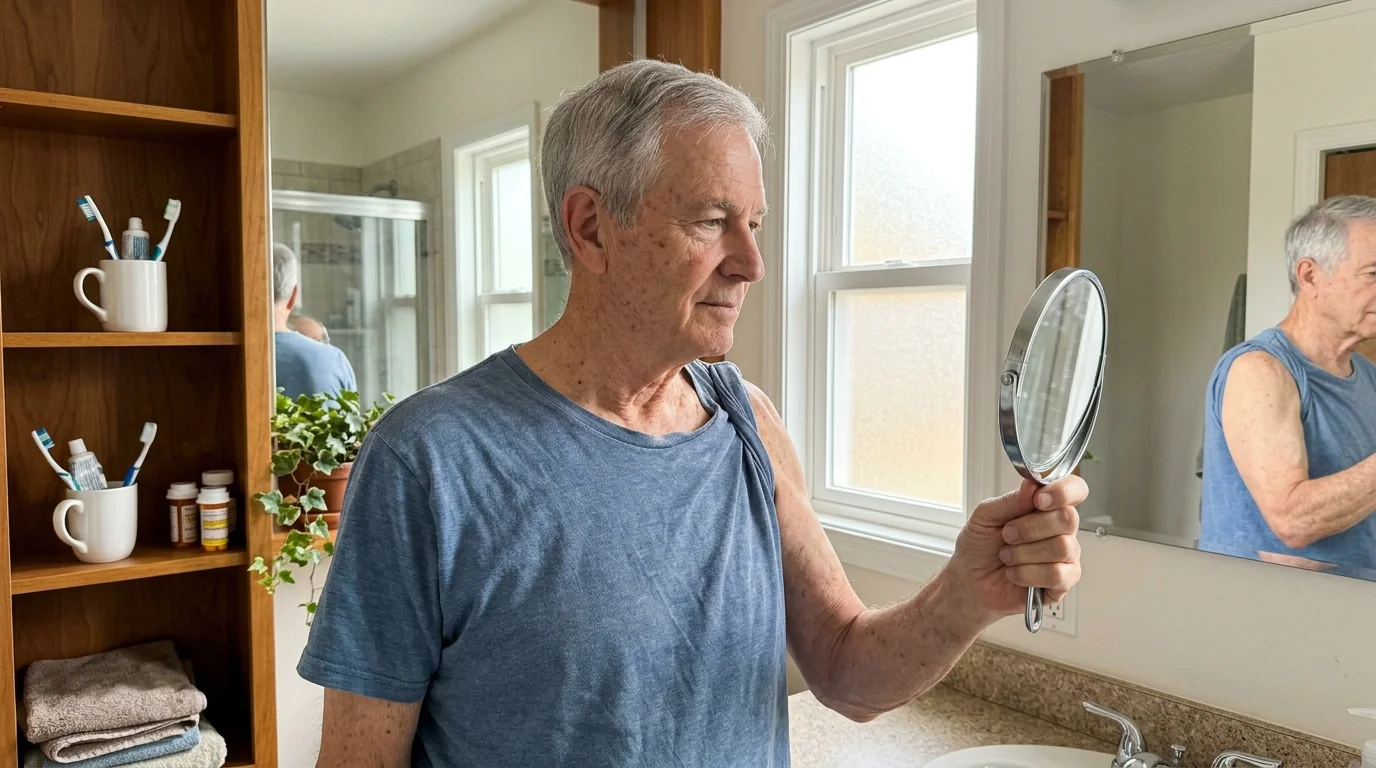
Establish a recurring date on your calendar to perform a comprehensive full-body skin examination. Because dangerous lesions easily hide on the back of your legs, your lower back, or your scalp, you must use tools to assist your vision. Stand in a well-lit room in front of a full-length mirror, and use a handheld mirror to inspect your blind spots. Pay special attention to the areas you normally ignore: the spaces between your toes, the bottoms of your feet, and the back of your neck. Consistent checking builds a deep familiarity with your personal skin landscape, making new or changing spots instantly recognizable.
Tip 2: Build a Photographic Baseline of Your Skin
Human memory proves notoriously unreliable when trying to recall the exact size or color of a mole from three months ago. Leverage the camera on your smartphone to document your skin systematically. Whenever you notice a prominent age spot, a new freckle, or a pink bump, take a clear, well-lit photograph. Place a small coin, like a dime or a penny, right next to the lesion before you snap the picture; this provides an accurate scale for future comparison. Review these photographs every month to definitively track any subtle growth, border changes, or color shifts that warrant a doctor’s visit.
Tip 3: Hydrate and Moisturize to Clarify Your Skin Canvas
Aging skin produces significantly less natural oil, leading to chronic dryness, flaking, and irritation. By diligently applying a high-quality, fragrance-free moisturizer immediately after you shower, you fortify your skin’s protective barrier and eliminate harmless dry patches. This daily habit serves a powerful diagnostic purpose: if you moisturize your body consistently and a specific rough, scaly patch still refuses to soften or resolve, you immediately know it is not just dry skin. Clarifying your skin canvas makes precancerous lesions and early squamous cell carcinomas stand out vividly.
Tip 4: Elevate Your Daily Sun Protection Strategy
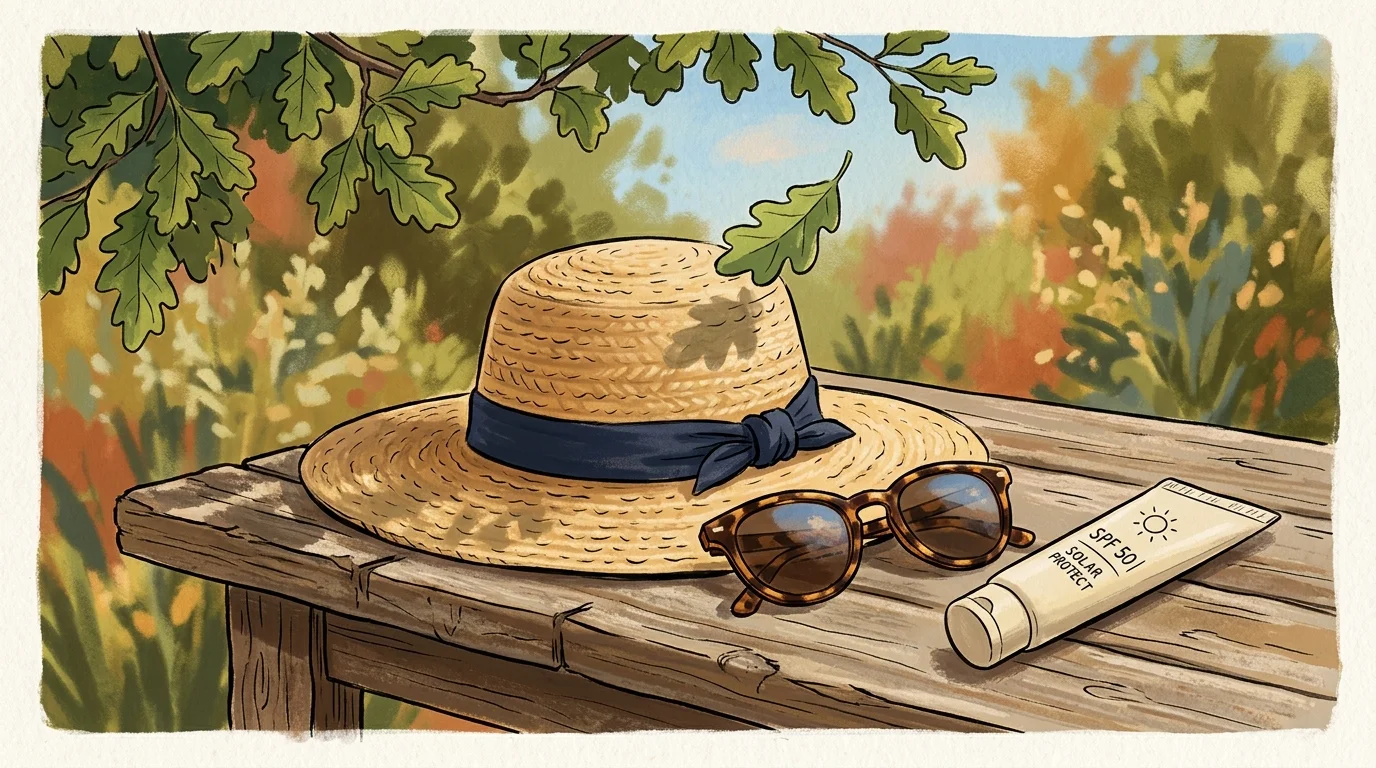
Many older adults mistakenly believe that decades of past sun exposure make current sun protection pointless; this dangerous myth accelerates skin damage. Your aging skin possesses a weakened immune response, making it highly susceptible to fresh ultraviolet damage. Upgrade your wardrobe by integrating UPF-rated (Ultraviolet Protection Factor) clothing, which blocks harmful rays far better than standard cotton shirts. Apply a broad-spectrum sunscreen with an SPF of 30 or higher to your face, ears, neck, and hands every single morning, regardless of the weather. Preventing new damage drastically reduces your risk of triggering dormant cellular mutations.
Tip 5: Establish a Strong Partnership with a Board-Certified Dermatologist
Do not wait for a terrifying melanoma symptom to appear before you seek professional care. As a senior, you should schedule a comprehensive, full-body skin exam with a board-certified dermatologist at least once a year. Dermatologists utilize specialized magnifying devices called dermascopes, which allow them to see specific pigment patterns beneath the surface of your skin that the naked eye completely misses. This professional partnership provides an expert safety net, ensuring that complex, unusual, or amelanotic lesions receive immediate, accurate identification and treatment.
Important Safety Precautions to Keep in Mind
While taking charge of your skin health empowers you, you must avoid well-intentioned practices that inadvertently complicate your medical care. Aging skin requires a gentler approach; aggressive home remedies often mask serious underlying conditions and severely delay accurate diagnoses.
Never attempt to treat unknown growths with over-the-counter freeze sprays or acid-based liquid removers designed for common warts. When you apply these harsh chemicals to an unrecognized basal cell or squamous cell carcinoma, you destroy the crucial surface tissue without eradicating the cancer cells growing deeply underneath. This surface damage makes it nearly impossible for a dermatologist to perform an accurate biopsy later, and it allows the hidden malignancy to quietly spread deeper into your surrounding tissue.
Furthermore, carefully review your current medication list with your pharmacist or primary care physician. Many common medications prescribed to seniors—such as thiazide diuretics for high blood pressure, specific antibiotics, and certain anti-inflammatory drugs—significantly increase your skin’s sensitivity to ultraviolet light. If you take these photosensitizing medications, you can sustain a severe sunburn or trigger rapid cellular damage in just a few minutes of casual sun exposure. Adjusting your sun protection habits to accommodate your specific medical regimen is an absolute necessity for safe, healthy aging.
Finally, treat your aging skin with profound respect to prevent unnecessary complications. Because mature skin tears easily, avoid aggressively picking at scabs, scratching dry patches, or using harsh physical exfoliating scrubs. Open wounds on fragile skin invite serious bacterial infections, which place immense stress on your immune system and complicate any potential skin cancer treatments you might need.

When to Speak with a Healthcare Professional
Monitoring your skin at home serves as a vital first line of defense, but it never replaces the diagnostic expertise of a trained medical provider. You must act swiftly when your skin demonstrates alarming behavioral changes, as waiting for your next routinely scheduled check-up allows aggressive cancers to advance unnecessarily.
Contact your dermatologist immediately if you discover any lesion that bleeds without a known injury, oozes fluid, or develops a crust that repeatedly falls off and reforms. Similarly, you should schedule an urgent appointment if a spot rapidly increases in size, becomes noticeably elevated, or begins to cause persistent pain, tenderness, or intense itching. Any lesion that suddenly develops an asymmetrical shape, uneven borders, or multiple irregular colors—including striking shades of red, white, or blue—demands rapid professional evaluation.
For authoritative, trustworthy health information, always consult official sources like the National Institute on Aging (NIA) and MedlinePlus from the National Library of Medicine. The CDC also provides excellent resources for older adults.
Disclaimer: This article is for informational purposes only and does not constitute medical advice. Always seek the advice of your physician or other qualified health provider with any questions you may have regarding a medical condition.
Frequently Asked Questions
Why do I seem to develop so many more skin spots in my seventies?
As you age, your skin vividly displays the cumulative results of every sunburn and sunny afternoon you have experienced throughout your life. Decades of ultraviolet exposure gradually damage your melanocytes—the cells that produce skin pigment—causing them to multiply or cluster unevenly. Additionally, natural cellular aging reduces your skin’s structural integrity, promoting the growth of benign age spots, seborrheic keratoses, and cherry angiomas. While this increase in spots is entirely normal, this crowded landscape makes it significantly harder to identify the dangerous outliers, which is why regular professional screenings become absolutely essential in your senior years.
Can dangerous skin cancer develop in areas that have never seen the sun?
Yes, skin cancer can absolutely develop on completely unexposed areas of your body. While ultraviolet radiation serves as the primary driver for basal cell and squamous cell carcinomas, melanoma frequently involves genetic factors and immune system variables unrelated to sunlight. Acral lentiginous melanoma, for example, strictly appears on the palms, the soles of the feet, and under the nails. Additionally, you might discover dangerous lesions inside your mouth, on your scalp beneath thick hair, or on your lower back. You must diligently examine every inch of your skin, not just the areas that frequently catch the sun.
Is it too late to start wearing sunscreen if I already have decades of sun damage?
It is never too late to begin a rigorous sun protection regimen, and starting now provides immense immediate benefits for your senior health. While you cannot undo the deep structural damage caused during your youth, applying broad-spectrum sunscreen actively prevents fresh cellular injuries from occurring today. Furthermore, protecting your skin from current ultraviolet radiation allows your local immune system to function at its absolute best, giving your body the resources it needs to suppress abnormal precancerous cells before they mature into full-blown malignancies.
How can I accurately tell the difference between a normal age spot and something dangerous?
The most effective strategy for distinguishing a normal spot from a dangerous lesion is searching for the “ugly duckling.” A normal age spot typically blends in, resembling the other benign marks on your body in size, shape, and color. A dangerous skin cancer sign acts as an ugly duckling; it stands out drastically from the surrounding spots. It might be significantly larger, unusually pink, distinctly asymmetrical, or noticeably textured. Furthermore, normal age spots remain stable over the years, whereas malignancies evolve, grow, or change characteristics over a span of weeks or months.