Recognizing food spoilage signs early protects your digestive system and keeps your immune system strong as you age. While a bruised apple is easy to spot, many dangerous bacteria and molds grow without changing the immediate appearance of your meals. Your senses of taste and smell naturally shift over the years, making it harder to detect subtle changes in freshness. By learning exactly what to look for, you can enjoy your meals with complete peace of mind. Taking control of your kitchen food safety empowers you to nourish your body safely while preventing foodborne illnesses that hit older adults particularly hard.
Understanding the Basics of Identifying Spoiled Food for Seniors
Understanding how your body changes with age is the first crucial step in practicing effective food safety at home. As you mature, your immune system naturally requires more time and energy to identify and fight off harmful pathogens. Additionally, your stomach produces slightly less digestive acid over time; this acid normally acts as a powerful primary defense mechanism against harmful bacteria that enter your digestive tract. When this acidic barrier weakens, it becomes much easier for foodborne illnesses to take hold in your system and cause severe discomfort.
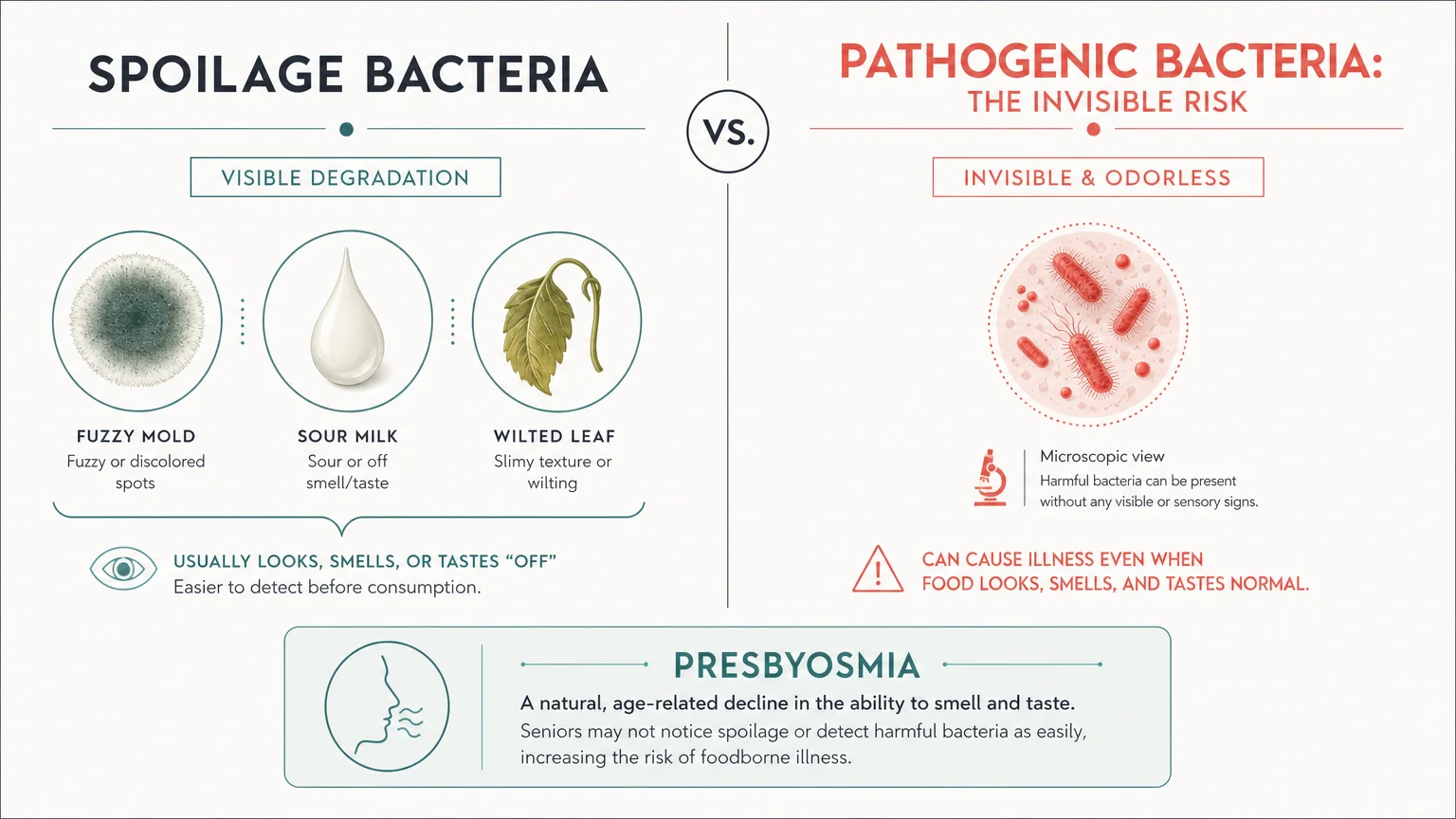
Furthermore, your senses of taste and smell—the very tools you have relied on your entire life to judge the freshness of a meal—can gradually diminish due to a natural condition known as presbyosmia. This normal sensory shift means you might not immediately notice a slightly sour odor in your morning milk or an unusual, sharp aftertaste in a piece of leftover fish. Because of these changes, relying solely on a quick sniff or a tiny taste test is no longer a foolproof strategy for protecting your health.
The Centers for Disease Control and Prevention reports that older adults face a significantly higher risk of experiencing severe complications from foodborne illnesses, often leading to dehydration or hospitalization. It is vital to understand the difference between pathogenic bacteria, which cause severe illness without leaving visible traces, and spoilage bacteria, which act as visible spoiled food warning signs by degrading the quality of your meals. By familiarizing yourself with these subtle physical indicators, you proactively protect your health, maintain your independence, and ensure every meal you prepare remains a wonderful source of comfort and vitality rather than a hidden risk.
Practical Tips for a Healthier, Happier Life
To help you navigate your kitchen with absolute confidence, we have compiled the most reliable physical indicators of spoilage. Learning these signs will help you identify when food goes bad, even when it appears perfectly fine at first glance.
1. The Container is Bloated or Swollen
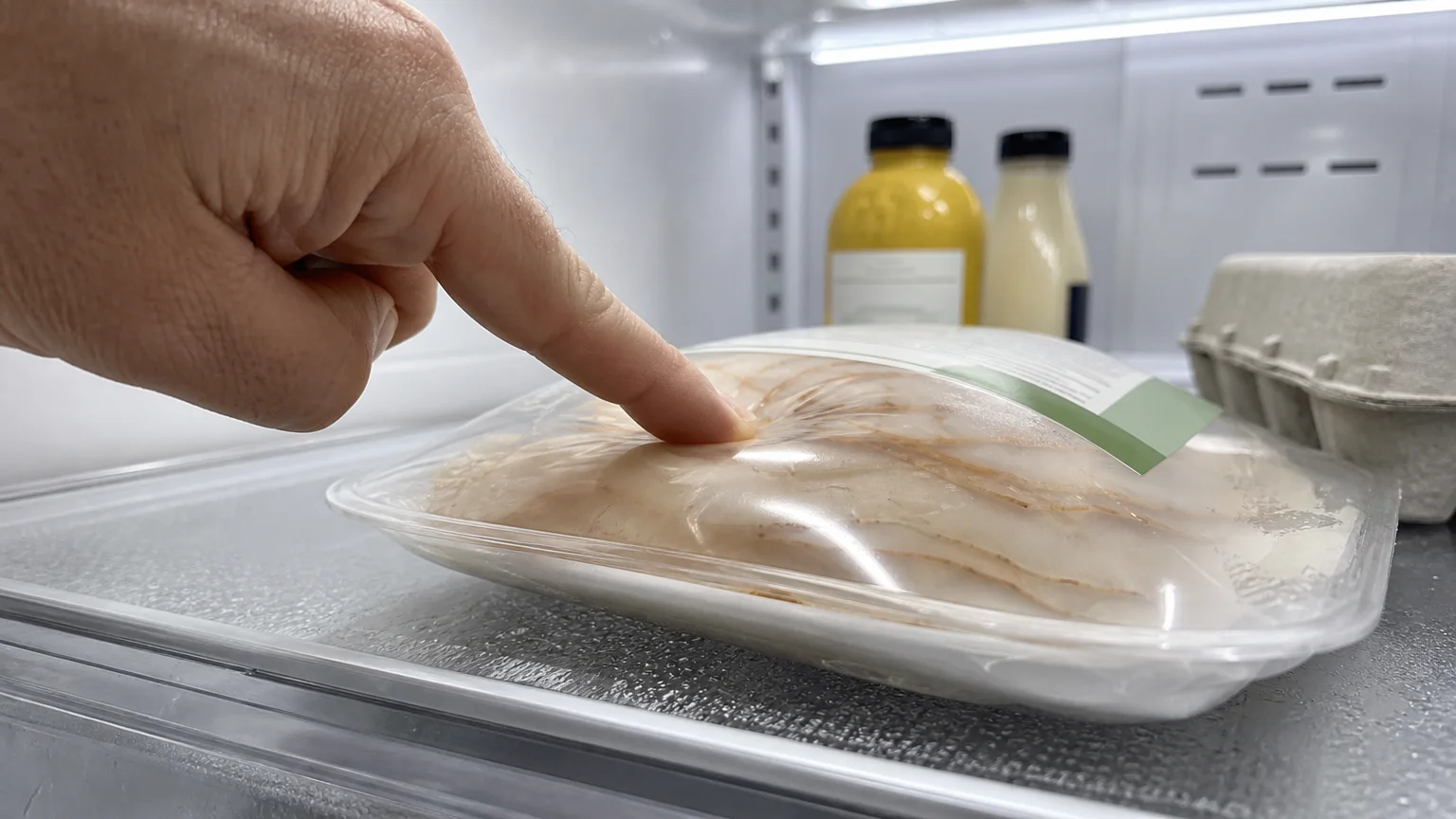
When you reach into your refrigerator for a sealed package of deli meat, a plastic tub of yogurt, or a bagged salad, pay close attention to the shape of the packaging. If the plastic film is puffed up like a tight balloon, this is a severe warning sign. Bacteria naturally consume the nutrients present in your food; as they digest these nutrients, they excrete gases like carbon dioxide and sulfur as a byproduct. When this invisible process occurs inside a tightly sealed, airtight environment, the trapped gas has absolutely nowhere to escape.
The resulting pressure pushes outward, causing the packaging to swell significantly. For seniors, consuming food from a bloated container carries immense health risks; this oxygen-free environment is highly favorable for dangerous anaerobic bacteria, including the strain responsible for botulism. If you press down gently on a package of chicken or a cheese wrapper and it feels unusually puffy and full of air, you must discard it immediately. Never attempt to puncture the package with a knife to release the gas, as you risk exposing your kitchen counters and hands to highly concentrated, dangerous pathogens.
2. The Texture Feels Slimy or Sticky
Fresh foods like sliced turkey, baked ham, baby carrots, and raw chicken should feel naturally moist to the touch, but they should never feel slick, gummy, or sticky. When surface bacteria begin to multiply rapidly on your food, they quickly form dense clusters known as bacterial colonies. These colonies, combined with the rapid structural breakdown of the food’s natural proteins and carbohydrates, create a distinct, sticky biofilm that coats the surface of the food.
You might notice this slick residue on deli meats after they have sat in the refrigerator for just a few days, or on leafy greens that have begun to break down at the bottom of your crisper drawer. It is incredibly important to understand that washing the food under cold running water does not remove the bacterial threat; it merely rinses away the superficial, visible slime while the deep-seated bacterial contamination remains embedded in the food. A sticky or tacky texture is one of the most reliable indicators of spoilage, meaning the item must go directly into the trash without you taking even a small bite.
3. Liquid Pooling Underneath Fresh Produce or Meats
Have you ever picked up a bag of fresh spinach or a tray of raw chicken breasts and noticed a thick, cloudy liquid pooling at the bottom of the container? While a very small amount of natural moisture is normal, excessive pooling—often referred to as weeping—indicates rapid cellular degradation. As the cells of the meat or vegetable begin to break down and die off, they release their internal moisture, which collects at the base of the packaging.
This pooling liquid creates a nutrient-rich swimming pool that serves as an ideal breeding ground for harmful bacteria to multiply at an alarming rate. In raw meats, this liquid is particularly dangerous because it heavily increases the risk of cross-contamination; if the tray leaks onto the shelf of your refrigerator, it can easily infect the fresh produce stored below it. If your vegetables are swimming in a murky, foul-smelling liquid, or if your meat packaging is excessively flooded, the structural integrity of the food has failed, and it is no longer safe to prepare or consume.
4. A Sour, Sharp, or Yeast-Like Odor
While we discussed how your sense of smell can naturally diminish with age, any odor you do manage to detect should be taken very seriously. Odor changes are driven by complex chemical reactions caused by rapidly multiplying spoilage bacteria. Lactic acid bacteria, for example, will cause milk, cream, and soft cheeses to emit a distinct, sharp, and sour smell that often resembles vinegar. Similarly, proteins breaking down in ground beef or seafood will release strong sulfur compounds, smelling distinctly of ammonia or rotting eggs.
A major trap many older adults fall into is ignoring a faint, unusual smell simply because the food still looks visually appealing. Foods containing strong spices or heavy marinades can mask these dangerous odors completely. If you open a container of leftover soup or a sealed package of meat and a sharp, yeast-like, or overly sweet odor hits your nose, trust your instincts immediately. Your body is biologically hardwired to reject these smells for your own protection; honoring that instinct is a fundamental part of safe kitchen practices.
5. Discoloration Just Beneath the Surface
Color changes in food can be tricky to navigate because some discoloration is completely harmless. For instance, an apple slice turning slightly brown after being exposed to the air is a simple, safe chemical reaction known as oxidation. However, bacterial discoloration looks vastly different and poses a serious threat to your health. You must learn to spot the subtle, dangerous color shifts that occur just beneath the surface of your meals.
If your raw poultry develops a faint grayish or greenish tint, or if your fresh cuts of beef lose their bright red hue and become a dull, iridescent brown all the way through, harmful bacteria are actively breaking down the muscle fibers. Another common danger sign is a faint pink or reddish slime developing along the edges of soft cheeses or dairy products; this is often caused by a specific, dangerous bacteria known as Serratia. Do not try to trim away the discolored portions of meat or soft cheese to save the rest; the visible color change is merely the center of a much larger, invisible web of bacterial growth.
6. The “Hiss” of Gas Escaping Upon Opening
Sound can be just as crucial as sight and smell when evaluating the safety of your food. When you open a sealed jar of leftover pasta sauce, a container of homemade soup, or a jar of fruit preserves, pay close attention to the sound the lid makes. While carbonated beverages and purposely fermented foods like kombucha or sauerkraut are supposed to release a sharp hiss of escaping gas, your standard leftovers absolutely should not.
If you unscrew a lid and hear a distinct pop followed by a sustained hiss from a non-carbonated item, it indicates that unwanted anaerobic fermentation has occurred inside the container while it sat in your refrigerator. Bacteria have actively consumed the sugars in your leftovers and produced high volumes of trapped gas. This pressure buildup is a massive red flag indicating heavy bacterial contamination. Even if the soup smells perfectly fine and looks rich and vibrant, that unexpected hiss of gas means the food must be discarded immediately to protect your digestive health.
7. Frost Buildup or Ice Crystals in Frozen Foods
Many seniors rely heavily on their freezers to store long-term staples, pre-cooked meals, and bulk proteins. While a light dusting of frost is normal, discovering a solid block of thick ice crystals enveloping your frozen chicken or fish is a major warning sign. Extensive frost buildup, commonly known as severe freezer burn, happens when moisture completely leaves the food and crystallizes on the surface.
While simple freezer burn only ruins the taste and texture of the food by making it tough and leathery, heavy ice blocks often indicate a much more dangerous temperature failure. If heavy ice has fused the food to the bottom of the packaging, it strongly suggests the item thawed partially during a power outage or a long trip from the grocery store, allowed bacteria to multiply rapidly in the warmth, and then refroze later. Because freezing only pauses bacterial growth rather than killing the bacteria, that newly refrozen food now harbors a massive colony of pathogens waiting to awaken the moment you begin to thaw it for dinner.
Important Safety Precautions to Keep in Mind
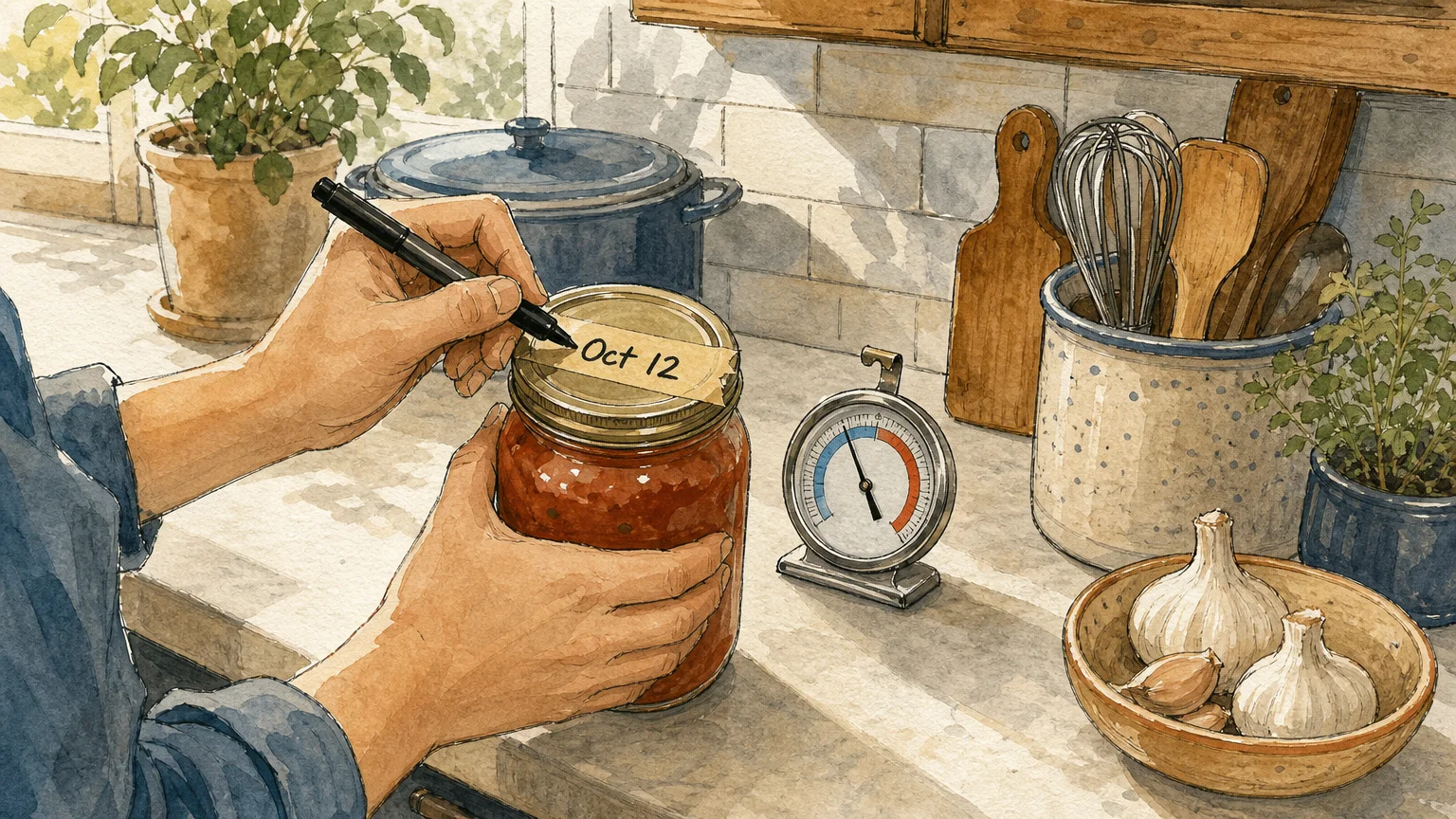
Beyond knowing the physical signs of spoilage, practicing proactive safety measures in your kitchen will drastically reduce your risk of encountering contaminated food. The most critical tool in your kitchen is a simple, inexpensive refrigerator thermometer. Your refrigerator must always be maintained at or slightly below 40 degrees Fahrenheit, while your freezer should remain at a steady zero degrees. At temperatures above 40 degrees, bacteria enter what food safety experts call the “Danger Zone,” where they can double in number every twenty minutes.
You must also strictly adhere to the two-hour rule for all perishable items. Never leave cooked meals, raw meats, dairy products, or cut fruit sitting on your kitchen counter for more than two hours—or just one hour if your kitchen is warmer than 90 degrees Fahrenheit during the summer months. Once this time window passes, the bacterial load on the food becomes too high for your immune system to safely handle, regardless of how thoroughly you reheat the dish later.
Finally, always practice safe storage by preventing cross-contamination in your refrigerator. Always store raw poultry, beef, and seafood in sealed containers on the very bottom shelf of your fridge. This strategic placement ensures that if the packaging leaks or weeps liquid, the contaminated juices cannot drip down onto your fresh salads, fruits, or uncovered leftovers sitting on the shelves below.
When to Speak with a Healthcare Professional
Despite your very best efforts in the kitchen, accidental exposure to spoiled food can occasionally happen. Because older adults have more vulnerable immune systems, it is vital to monitor your body closely if you suspect you have eaten something that has gone bad. Most mild foodborne illnesses will pass within twenty-four to forty-eight hours, requiring only careful rest and consistent hydration with water or electrolyte solutions.
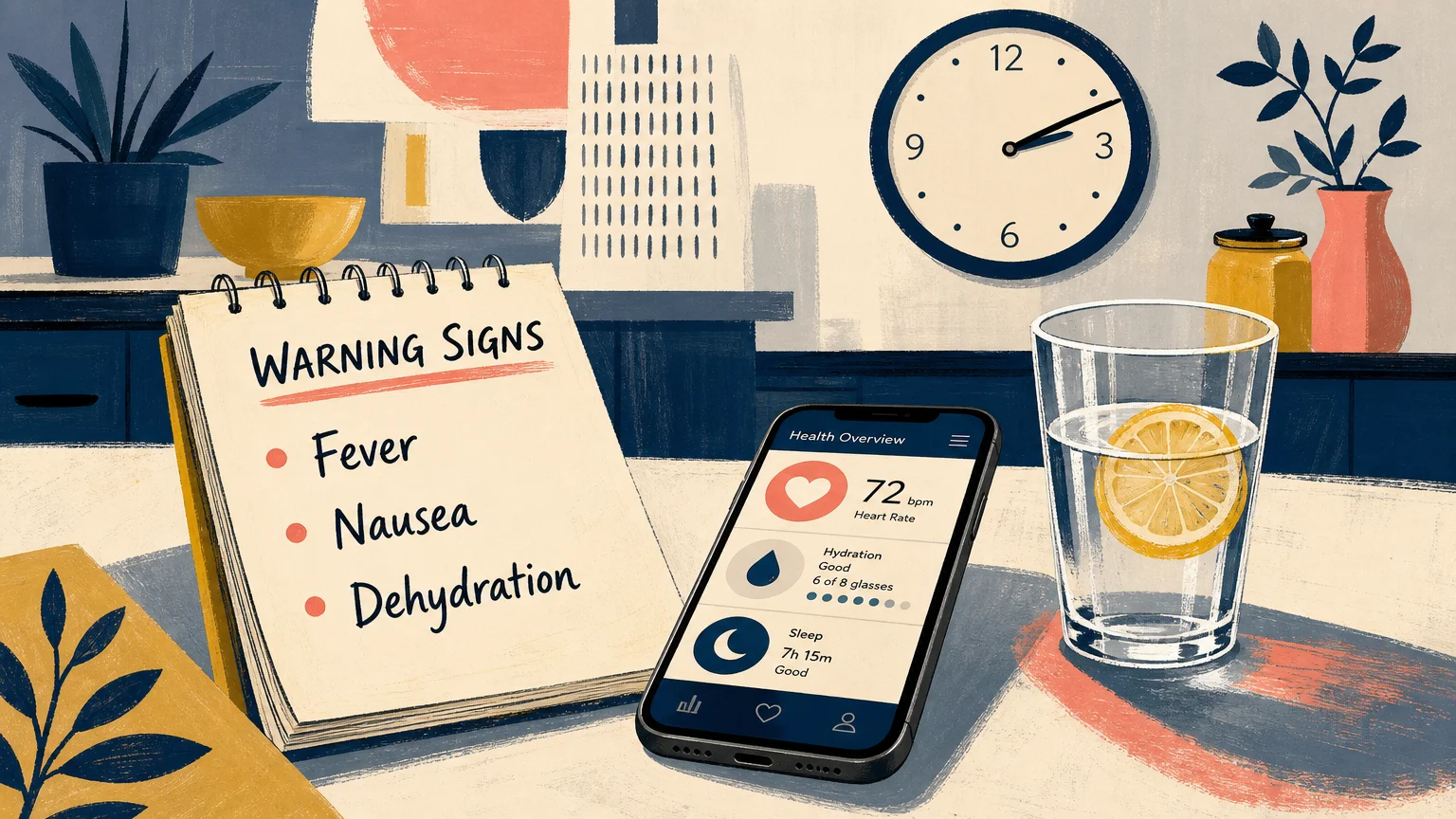
However, you must not hesitate to contact your physician or visit urgent care if you experience severe, escalating symptoms. Warning signs that require immediate medical intervention include a high fever pushing above 102 degrees Fahrenheit, persistent diarrhea lasting more than three days, severe vomiting that prevents you from keeping vital liquids down, or visible signs of dehydration such as a painfully dry mouth, dark urine, or intense dizziness when standing up. Do not attempt to tough out these severe symptoms, as early medical support can prevent serious long-term complications.
For authoritative, trustworthy health information, always consult official sources like the National Institute on Aging (NIA) and MedlinePlus from the National Library of Medicine. The CDC also provides excellent resources for older adults.
Frequently Asked Questions
Can cooking spoiled food make it safe to eat?
No, cooking spoiled food will not make it safe to consume. While boiling or roasting at high temperatures will successfully kill the live bacteria present in the food, many dangerous strains of bacteria—such as Staphylococcus aureus—leave behind powerful, heat-resistant toxins as they multiply. These invisible toxins are completely unaffected by the heat of your oven or stove. If the food has spoiled, the toxins are already present in the dish, and eating it will cause severe gastrointestinal distress regardless of how thoroughly you cook it.
How long can I safely keep cooked leftovers in the refrigerator?
To maintain proper kitchen food safety, you should only keep cooked leftovers in your refrigerator for three to four days. After the fourth day, the risk of foodborne illness increases significantly, even if the food still looks and smells perfectly fine to you. To help you keep track effortlessly, make a habit of placing a small piece of masking tape on your storage containers and writing the date you cooked the meal with a marker. If you know you cannot finish the leftovers within the safe four-day window, freeze them immediately after cooking to preserve their safety for months.
Are “best by” and “expiration” dates on packaging the exact same thing?
No, these dates serve very different purposes, which often causes immense confusion for consumers. A “best by” or “use by” date is generally created by the manufacturer to indicate peak flavor and quality, not overall safety. Canned goods or dry cereals might be perfectly safe to eat long after this date passes, though they might taste slightly stale. However, true expiration dates—which are strictly regulated and typically found on baby formula and certain highly perishable dairy or meat products—should be strictly followed. When evaluating perishables past their printed date, rely heavily on the physical signs of spoilage outlined in this guide.
What should I do if I accidentally ate something I later realized was spoiled?
If you realize you have just consumed spoiled food, the most important thing to do is remain calm; panic will only elevate your stress levels unnecessarily. Do not force yourself to vomit, as this can cause harmful tears in your esophagus and lead to severe dehydration. Instead, begin drinking small, frequent sips of water or an electrolyte beverage to support your system. Monitor your physical condition closely over the next twenty-four to forty-eight hours. If you develop mild cramps or nausea, rest quietly. If your symptoms escalate to high fevers or severe, unyielding pain, contact your healthcare provider immediately for professional guidance.
Disclaimer: This article is for informational purposes only and does not constitute medical advice. Always seek the advice of your physician or other qualified health provider with any questions you may have regarding a medical condition.