Small daily choices significantly influence your comfort levels, and identifying routines that aggravate your joints empowers you to reclaim your mobility. You can reduce stiffness and enjoy more active days simply by tweaking common practices that secretly fuel inflammation. While aging naturally changes your cartilage and ligaments, persistent discomfort does not have to be your permanent reality. Many older adults unknowingly worsen their condition through unsupportive footwear, prolonged sitting, or poor hydration. By making mindful adjustments to your everyday life, you actively protect your knees, hips, and hands from unnecessary wear and tear. Discovering these subtle triggers gives you the tools to foster lasting relief and embrace your senior wellness journey.
Understanding the Basics of Joint Pain for Seniors
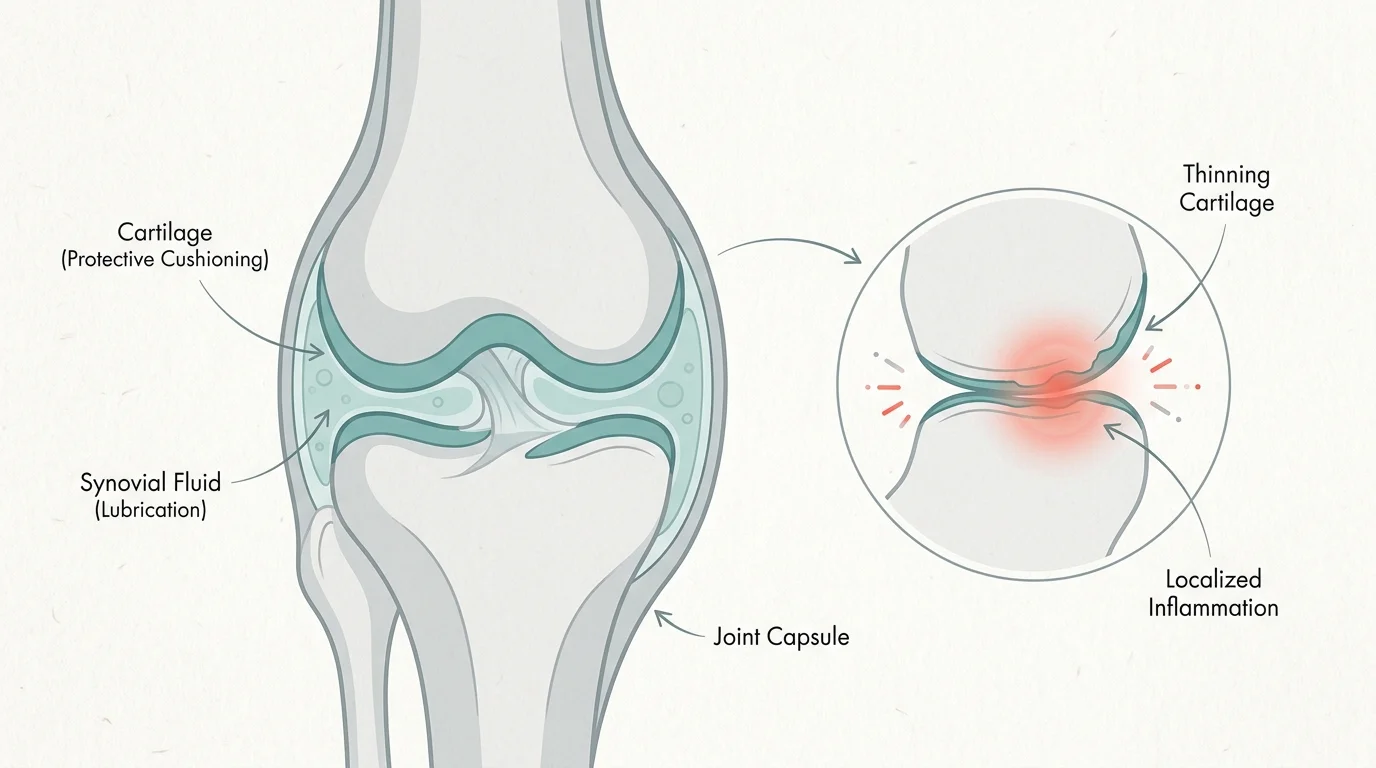
As you navigate your sixties, seventies, and beyond, your body undergoes natural physiological changes that alter how you move and feel. Joint pain frequently emerges as a central challenge during these years, but understanding the underlying mechanics helps you take definitive control of your physical comfort. Your joints function as complex hinges where bones meet, beautifully cushioned by a firm, rubbery tissue known as cartilage and thoroughly lubricated by synovial fluid. Over decades of walking, bending, lifting, and simply living life, this protective cartilage gradually thins out. When that vital cushioning diminishes, your bones can rub more closely against each other, triggering friction, stiffness, and noticeable discomfort.
Simultaneously, your immune system can sometimes overreact to this wear and tear, creating localized inflammation within the joint capsule. Inflammation serves as your body’s standard biological response to injury, bringing blood and healing nutrients to the affected area. However, when this inflammatory response becomes a chronic daily occurrence, it causes swelling, excessive heat, and persistent throbbing that limits your range of motion. The combination of structural wear and systemic inflammation creates the perfect environment for daily aches and pains. Many seniors mistakenly accept these aches as an entirely unavoidable consequence of aging, prematurely resigning themselves to a highly restricted, less active lifestyle.
Surrendering your cherished mobility is entirely unnecessary. Your daily actions significantly influence how much friction and inflammation your joints must endure on any given day. By adopting healthy habits and deliberately eliminating detrimental routines, you directly impact the preservation of your remaining cartilage. You also actively lower the inflammatory signals coursing through your entire body. Gaining clear insight into this delicate balance between structural support and everyday lifestyle choices provides a remarkably strong foundation for natural pain relief. Recognizing that your choices play a pivotal role in your health transforms you from a passive observer into an active, empowered participant in your senior wellness routine.

Practical Tips for a Healthier, Happier Life
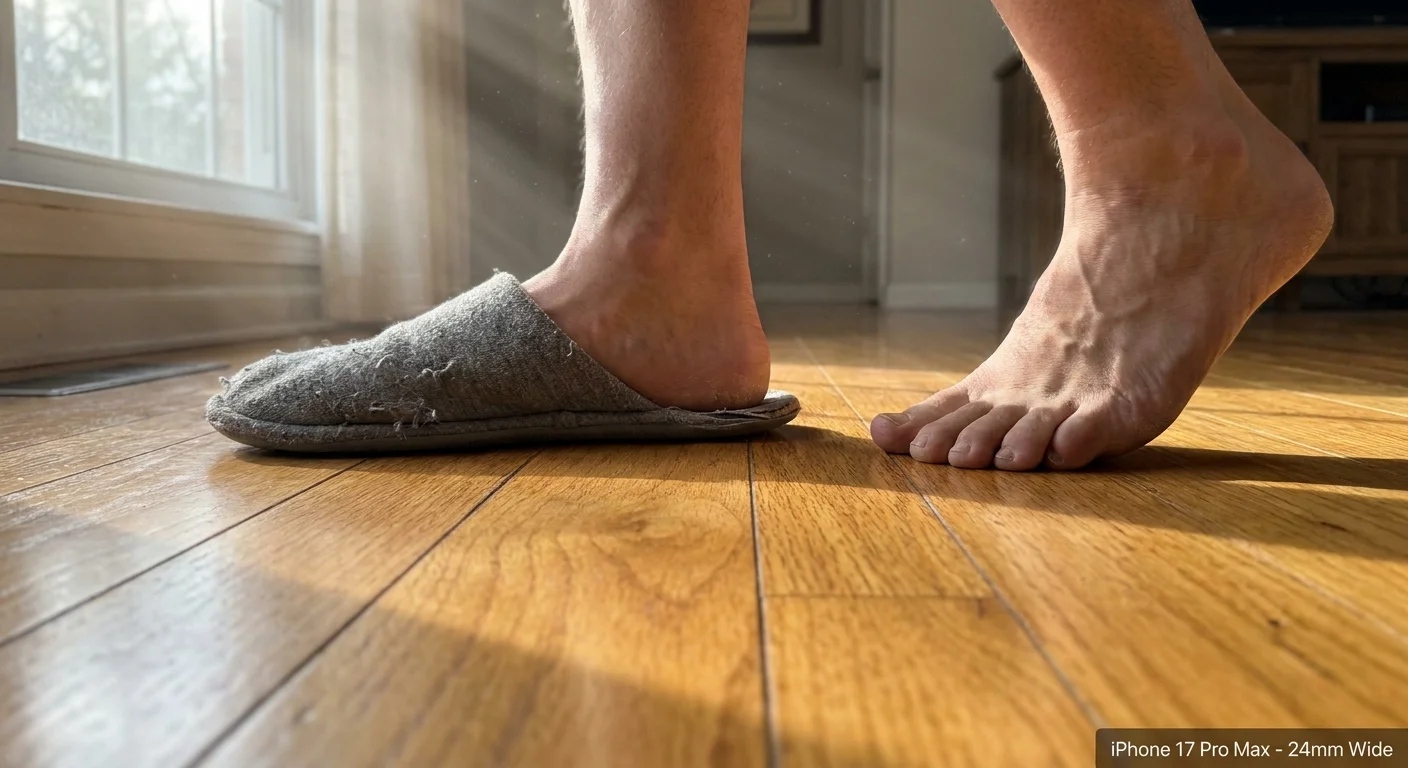
Wearing Unsupportive Footwear Around the House
You spend countless hours on your feet every week, yet you might easily overlook the foundation supporting your entire skeletal system. Wearing worn-out shoes or walking barefoot indoors forces your joints to absorb harsh, unmitigated impacts with every single step you take. Over time, navigating hard tile or hardwood floors without proper arch support directly increases the mechanical strain placed on your ankles, knees, and hips. Many older adults rely on flat, flimsy slippers for household comfort, completely unaware that these specific choices alter their natural gait and throw their sensitive joints out of proper alignment.
Upgrading your indoor and outdoor footwear offers a highly effective method for immediate pain relief. You should seek out appropriately fitted shoes featuring robust arch support, deep heel cups, and thick, shock-absorbing soles. By providing your feet with the structured cushioning they desperately need, you drastically reduce the concussive force traveling up your legs. This simple wardrobe modification easily spares your delicate knee cartilage from unnecessary, accelerated deterioration.

Sitting for Prolonged Periods Without Movement
Enjoying a quiet afternoon resting in your favorite recliner feels highly relaxing, but sitting for prolonged stretches secretly allows your joints to stiffen and ache. Your body relies on consistent, gentle movement to effectively circulate synovial fluid—the thick, natural lubricant that keeps your cartilage slippery, nourished, and moving smoothly. When you remain entirely sedentary for hours at a time, this vital fluid settles and pools, leaving your joints dry and resistant to motion. This common phenomenon perfectly explains why your knees and hips frequently feel locked, stiff, or deeply painful when you first stand up after watching a long television program.
You can effortlessly combat this stiffness by integrating simple, frequent movement breaks into your daily schedule. Set a gentle timer to remind yourself to stand up, stretch your legs, or walk around your living room every thirty to forty-five minutes. These brief interruptions in sitting keep your synovial fluid circulating beautifully, ensuring your joints remain well-lubricated and drastically reducing your daily discomfort.

Skimping on Daily Hydration
Failing to drink enough water secretly sabotages your overall joint health from the inside out. Healthy cartilage consists of roughly eighty percent water, meaning it requires constant, adequate hydration to remain spongy, thick, and protective. When you do not consume enough fluids throughout the day, your body pulls water from surrounding tissues, causing your cartilage to shrink and lose its essential shock-absorbing capabilities. Dehydrated joints experience significantly more internal friction, which directly leads to amplified pain and accelerated cellular damage during routine movements.
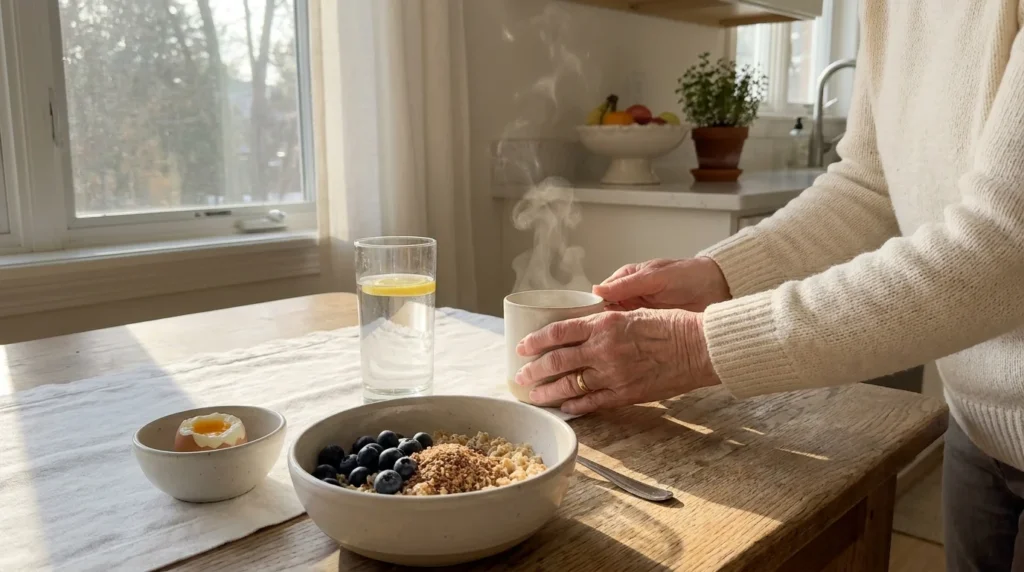
Maintaining proper hydration serves as one of the easiest healthy habits you can possibly adopt. Keep a reusable water bottle near your favorite sitting area and take frequent, small sips throughout the day rather than trying to consume large quantities all at once. If you find plain water unappealing, you can easily enhance the flavor by adding fresh lemon slices, cucumber, or crushed berries. Proper hydration ensures your joints remain plump, deeply nourished, and ready to support your daily activities.

Consuming a Pro-Inflammatory Diet
The foods you eat profoundly influence the amount of pain you experience on a daily basis. Consuming heavily processed foods directly fuels systemic inflammation throughout your entire body. Many common snacks, baked goods, and ready-made frozen meals contain exceptionally high levels of refined sugars, artificial preservatives, and trans fats. These specific ingredients prompt your immune system to aggressively release inflammatory markers known as cytokines into your bloodstream. This invisible, persistent inflammation actively exacerbates existing joint pain, making your hands, knees, and hips feel swollen and tender.
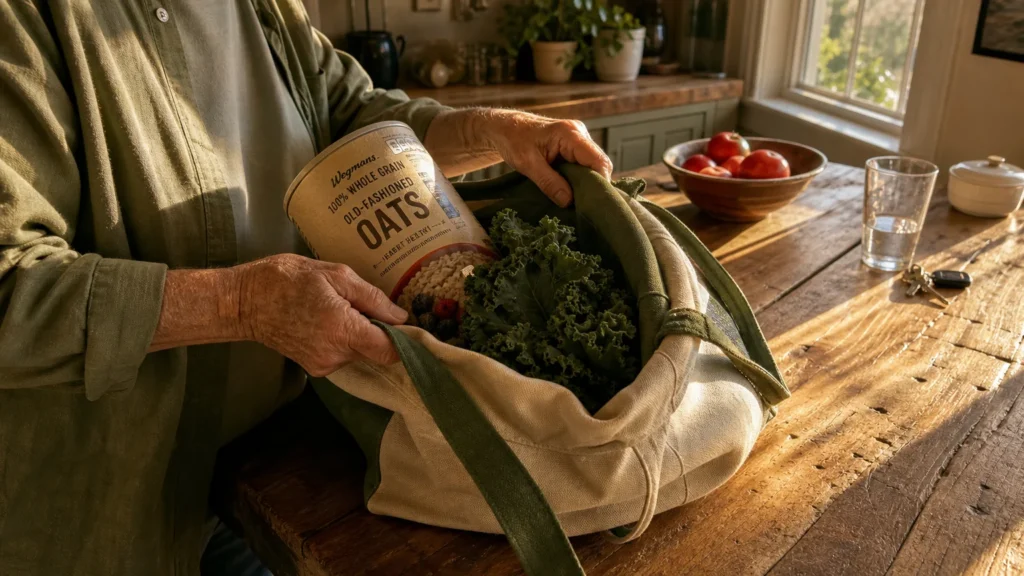
Transitioning toward an anti-inflammatory diet provides exceptional long-term pain relief. You can easily support your joints by swapping sugary treats for antioxidant-rich fruits, such as blueberries and cherries, which naturally neutralize inflammatory compounds. Incorporating omega-3 fatty acids found in salmon, walnuts, and chia seeds further protects your delicate joint tissues. By thoughtfully fueling your body with nutrient-dense whole foods, you actively extinguish the internal fires that cause your joints to ache.

Ignoring the Importance of Restorative Sleep
Overlooking the vital importance of high-quality, restorative sleep actively prevents your body from healing structural damage. During the deepest stages of your sleep cycle, your body works diligently to repair stressed muscle tissues, rebuild cellular structures, and flush out accumulated metabolic waste from your joints. Chronic sleep deprivation severely disrupts this critical healing process. Furthermore, lack of sleep drastically elevates your circulating cortisol levels, a primary stress hormone that subsequently increases systemic inflammation and amplifies your brain’s perception of pain.
Establishing a calming, consistent nighttime routine significantly improves your joint health and overall senior wellness. You should aim for seven to eight hours of uninterrupted sleep by keeping your bedroom cool, dark, and entirely free from electronic distractions. If joint pain frequently wakes you up during the night, consider using supportive pillows to optimally align your spine; placing a firm pillow between your knees while sleeping on your side greatly relieves unwanted pressure on your hips and lower back.

Pushing Through Pain Instead of Pacing Yourself
Pushing through sharp physical pain instead of listening to your body causes entirely unnecessary micro-traumas to your joints. The outdated, stubborn belief that you must “work through the pain” frequently leads to severe overuse injuries for older adults. When your knee or shoulder intensely throbs during an activity, your body is loudly signaling that the surrounding tissues are actively inflamed and urgently require a break. Ignoring these vital warning signs forces your already compromised joints to bear dangerous loads, accelerating cartilage degradation and creating long-lasting damage.
Practicing mindful pacing allows you to remain active without sacrificing your structural health. You must learn to carefully distinguish between the normal, dull fatigue of a good workout and the sharp, localized pain of a joint in distress. If an activity hurts, stop immediately and gently modify your movements. Embracing active recovery—such as taking a day off from heavy gardening to enjoy a leisurely, slow walk—ensures you protect your joints while still maintaining your cherished independence.
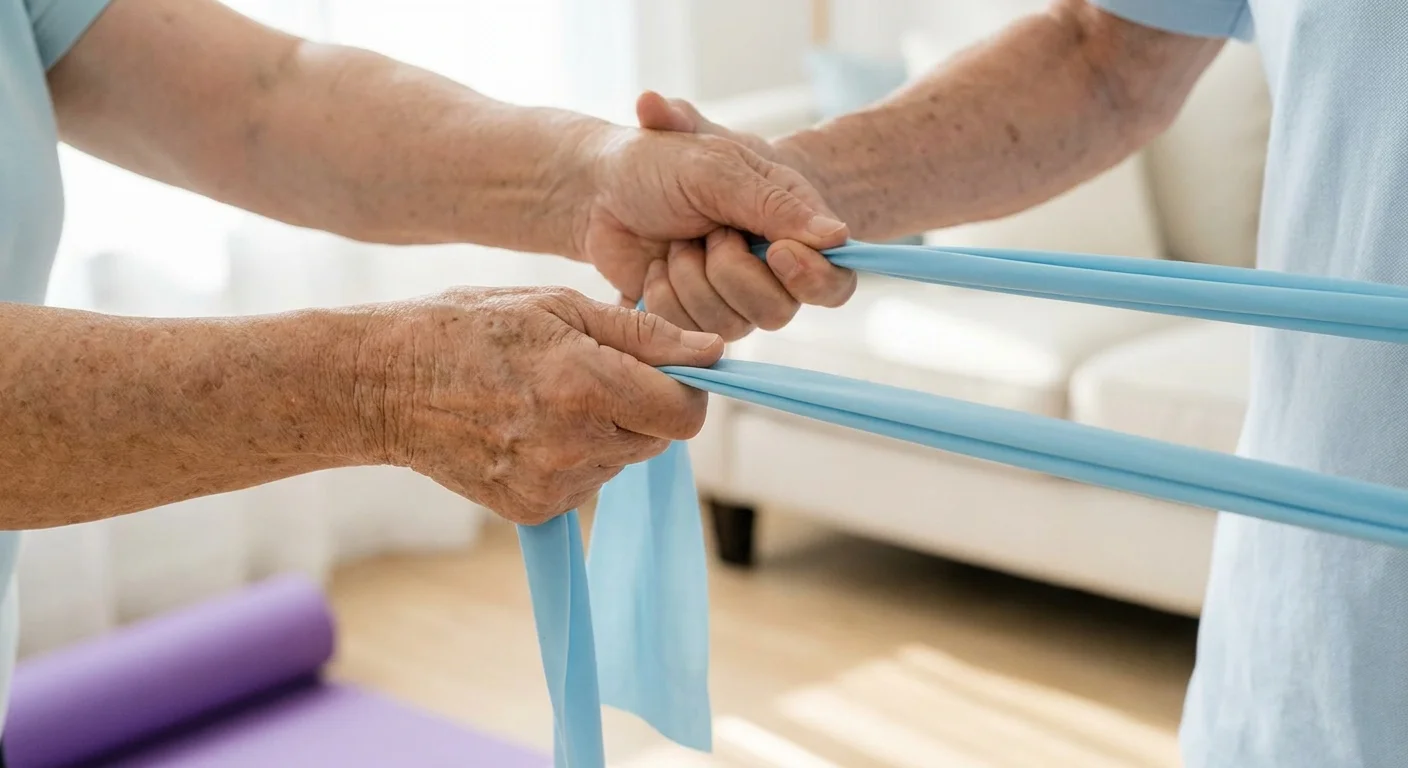
Skipping Gentle Strength Training
Ignoring gentle strength training leaves your joints incredibly vulnerable to excessive, unmitigated mechanical stress. Your muscles act as your body’s primary shock absorbers; when they are adequately strong, they efficiently distribute the physical forces generated by walking and lifting. However, when your muscles grow weak from inactivity, the entire, heavy burden of your body weight falls directly onto your fragile cartilage and bones. Weak quadriceps, for example, directly contribute to severe knee pain because the joint must absorb every single impact without muscular assistance.
Incorporating light resistance exercises into your weekly routine provides profound, lasting protection for your joints. You do not need heavy gym equipment to build supportive strength; simple, low-impact movements like seated leg extensions, wall sits, and gentle resistance band pulls work wonders. By steadily strengthening the muscles that surround and support your vulnerable joints, you essentially build a protective physical brace that absorbs daily shock and significantly minimizes your pain.
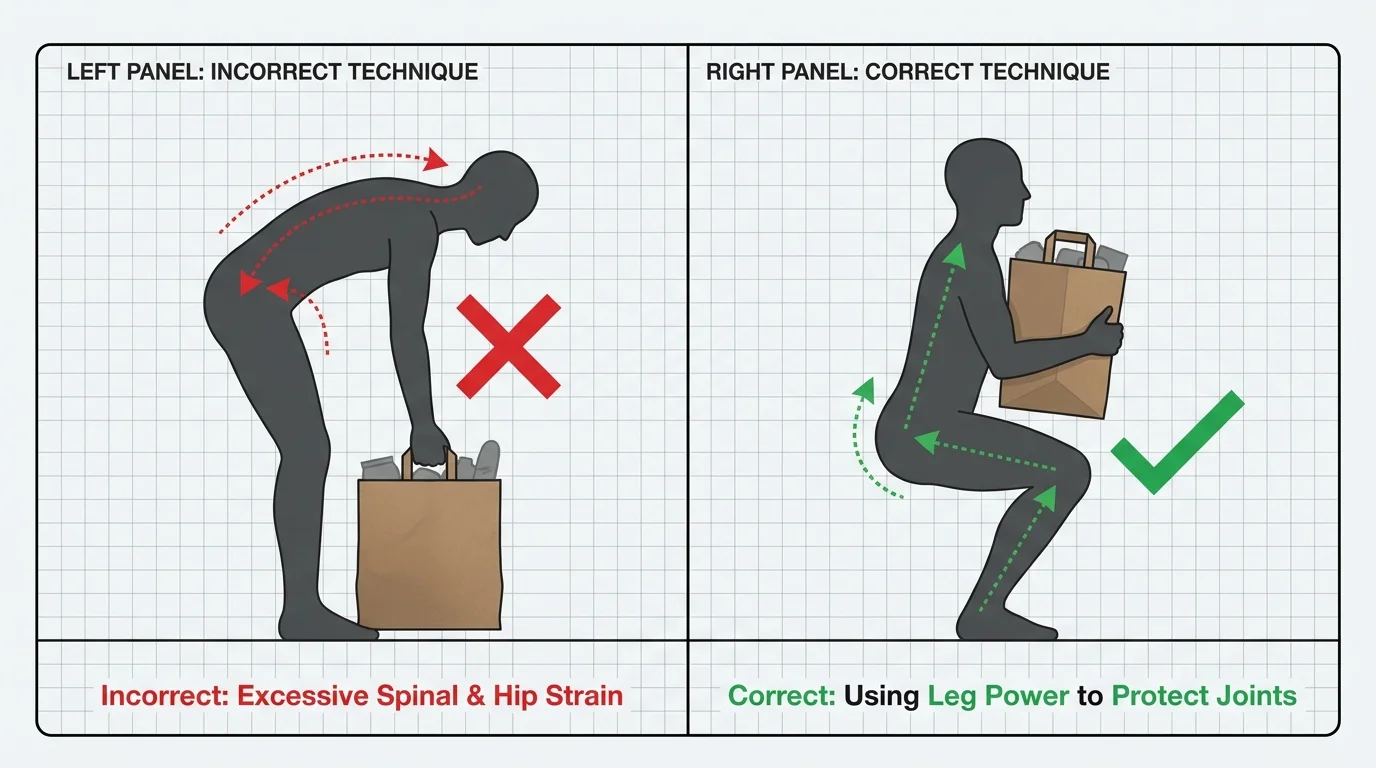
Carrying Heavy Loads Incorrectly
Carrying heavy, awkwardly shaped loads incorrectly places sudden, immense pressure on your most vulnerable joints. Hoisting a heavy bag of groceries, wrestling with an oversized laundry basket, or lifting a growing grandchild with poor posture forces your smaller joints to bear entirely disproportionate amounts of weight. Bending at the waist instead of the knees places dangerous leverage on your lumbar spine and hips, frequently resulting in sharp, debilitating pain that can sideline you for weeks at a time.
Adopting proper lifting biomechanics instantly protects your joints from acute, painful injuries. Whenever you must lift an object, always bend at your knees, keep your back perfectly straight, and hold the heavy item as close to your chest as possible to maintain your center of gravity. Better yet, you should actively utilize practical tools like rolling grocery carts, laundry wheels, and ergonomic handles to completely eliminate unnecessary carrying. Modifying how you transport objects drastically reduces the daily wear and tear your joints must endure.

Important Safety Precautions to Keep in Mind
Protecting your joints requires a careful, highly mindful balance between maintaining healthy activity levels and preserving your soft tissues. As you modify your daily habits to seek lasting pain relief, you must prioritize your personal safety above all else. Whenever you decide to introduce entirely new physical movements or significantly alter your established daily routines, you must transition gradually. Sudden, dramatic spikes in physical activity frequently shock your tendons and ligaments, leading to acute, painful injuries rather than facilitating long-term healing.
Always begin any physical exercise or heavy household chore with a dedicated, gentle warm-up period. Spending five to ten minutes engaging in slow walking or gentle dynamic stretching effectively increases warm blood flow and adequately prepares your stiff muscles for exertion. Furthermore, pay close, unwavering attention to the specific type of pain you experience throughout the day. A mild, dull ache that resolves relatively quickly after movement generally indicates standard muscle fatigue or typical morning stiffness. Conversely, sharp, stabbing pains or sudden discomfort that forces you to visibly limp are clear, undeniable warning signs that you must stop your activity immediately. Pushing past these acute signals heavily risks severe ligament tears or permanent joint damage. If you utilize supportive devices like walking canes, knee braces, or rolling walkers, ensure they are properly sized and professionally fitted. Using poorly adjusted equipment negatively alters your natural gait and can easily shift painful physical stress to entirely new areas of your body.

When to Speak with a Healthcare Professional
While actively adjusting your daily habits offers excellent, highly effective strategies for managing mild to moderate discomfort, independent lifestyle changes cannot resolve every underlying medical issue. You must clearly recognize when your body requires expert, professional intervention. The strategies and healthy habits discussed here are specifically designed to support your general well-being and promote senior wellness, but they are absolutely not a substitute for formal medical evaluation and personalized clinical treatment plans. If you experience sudden, entirely unexplained swelling or notice that a particular joint feels unusually hot and visibly red to the touch, you need to schedule a prompt appointment with your physician immediately, as these are signs of acute joint distress or potential infection.
Other critical red flags require immediate medical attention to prevent permanent structural damage. These severe symptoms include your joints suddenly locking in place, a complete inability to bear any physical weight on a limb, or a noticeable, sudden physical deformity in the affected area. Additionally, if your joint pain consistently disrupts your nightly sleep, severely limits your ability to perform basic daily tasks like bathing and dressing, or completely fails to improve after several weeks of mindful habit adjustments, it is definitively time to seek expert guidance. Your dedicated doctor can easily order comprehensive imaging tests, prescribe highly appropriate anti-inflammatory medications, or thoughtfully refer you to a licensed physical therapist who specializes in geriatric mobility. Establishing an open, highly honest dialogue with your chosen healthcare provider ensures that you are actively treating the true root cause of your physical pain, rather than merely masking the uncomfortable symptoms.
Frequently Asked Questions
Can certain foods really trigger my joint pain?
Yes, your daily diet plays a surprisingly significant role in determining how your joints feel. Foods heavily loaded with refined sugars, unnatural trans fats, and artificial preservatives can quickly trigger an internal immune response that drastically increases systemic inflammation throughout your entire body. When your overall inflammation levels rise, your sensitive joints frequently throb, stiffen, and swell. Conversely, thoughtfully incorporating an anti-inflammatory diet rich in leafy greens, fresh berries, fatty fish, and healthy olive oil provides your body with the exact nutrients needed to naturally combat swelling and beautifully support your overall senior wellness.
Is it safe to exercise when my joints are already aching?
Generally, engaging in gentle, low-impact exercise is highly beneficial for aching joints, provided you approach the activity with caution. Movement helps circulate necessary synovial fluid and effectively strengthens the supportive muscles surrounding your delicate bones. However, you must meticulously listen to your body’s signals. If you are experiencing a severe, acute flare-up characterized by intense heat and massive swelling, you should rest the joint completely. Once the severe inflammation subsides, gradually return to gentle activities like swimming, restorative yoga, or casual cycling, always stopping if you feel sharp, stabbing pains.
Will drinking more water actually help my knees feel better?
Yes, increasing your daily water intake can genuinely improve your physical comfort. Your joint cartilage is composed primarily of water, which provides its unique, sponge-like ability to absorb heavy physical shocks. When you become chronically dehydrated, that vital cartilage thins out and loses its protective elasticity, leading to drastically increased friction between your moving bones. By consistently drinking enough water throughout the day, you help maintain the structural integrity and thick lubrication of your joints, which naturally minimizes pain during movement.
How do I know if my joint pain is just normal aging or something more serious?
While occasional, mild stiffness upon waking is a very common aspect of normal aging, persistent or entirely debilitating pain is not something you must simply accept. Normal age-related wear typically involves dull, predictable aches that improve shortly after you begin moving around. However, if your stiffness lasts for multiple hours every morning, or if you experience sudden bouts of extreme swelling, joint locking, or sharp pain that prevents you from walking, you are likely dealing with a more serious condition like rheumatoid arthritis or a torn ligament. Always consult your doctor to accurately evaluate persistent or severe symptoms.
For authoritative, trustworthy health information, always consult official sources like the National Institute on Aging (NIA) and MedlinePlus from the National Library of Medicine. The CDC also provides excellent resources for older adults.
Disclaimer: This article is for informational purposes only and does not constitute medical advice. Always seek the advice of your physician or other qualified health provider with any questions you may have regarding a medical condition.