
Introduction: Staying Active and Strong in Your Golden Years
Maintaining your independence and vitality as you age requires a combination of joyful movement, proactive habits, and vital health knowledge. Thriving in your golden years goes far beyond simply managing daily aches and pains; it involves actively protecting your heart and your brain. When you focus on safe, senior-friendly exercises, you strengthen your muscles, improve your balance, and significantly boost your cardiovascular health. This cardiovascular strength acts as your first line of defense against severe health events, including strokes.
A stroke occurs when the blood supply to a part of your brain is interrupted or reduced, preventing brain tissue from getting essential oxygen and nutrients. Because this process happens entirely within the brain, medical professionals often refer to it as a brain attack. Just as you would quickly recognize the symptoms of a heart attack, knowing the brain attack signs is equally crucial. For older adults, navigating emergency health 60+ requires a proactive mindset. You hold the power to safeguard your future by blending healthy lifestyle choices with the knowledge of when to seek immediate medical help.
Understanding the specific stroke warning signs seniors face allows you to live with confidence rather than fear. When you know exactly what to look for, you can continue enjoying your walks, your gardening, and your time with family, knowing you are prepared. This guide will walk you through the ways your body evolves, how to keep it moving safely, and precisely how to identify the medical emergencies that require immediate action.
How Your Body Changes and What You Can Do
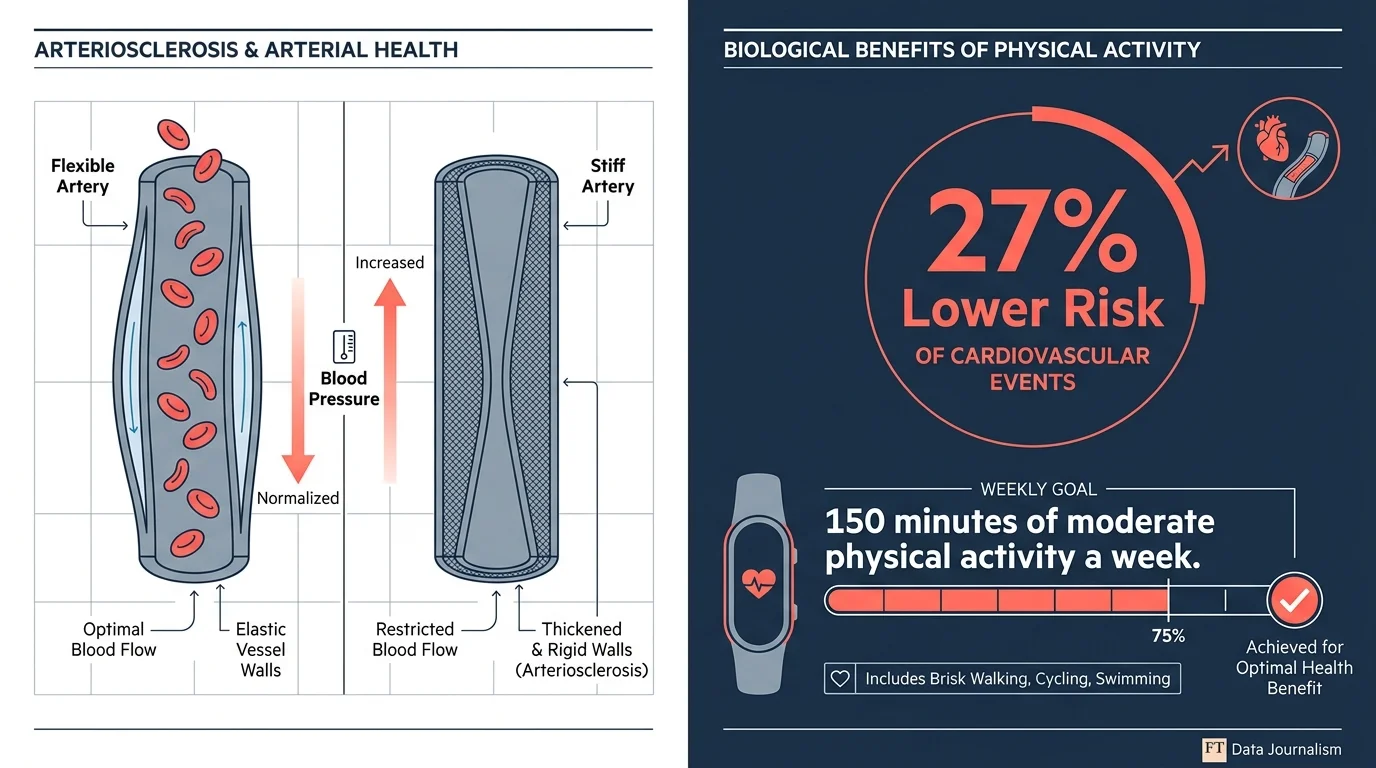
Your body is an incredible machine that continually adapts to the passing years. As you enter your sixties and beyond, your cardiovascular system undergoes natural transformations. Blood vessels and arteries gradually lose some of their elasticity, a condition often referred to as arteriosclerosis. This stiffening can cause your blood pressure to rise, forcing your heart to work harder to pump blood throughout your body. Elevated blood pressure remains the single most significant risk factor for a stroke. By keeping an eye on your numbers and working with your doctor, you dramatically lower your risk of cardiovascular incidents.
Alongside changes in your blood vessels, you also experience natural muscle loss, known as sarcopenia, and occasional joint stiffness from conditions like osteoarthritis. You might notice that getting out of a low chair requires more effort or that your knees ache when walking down the stairs. When joint pain flares up, you might feel tempted to reduce your physical activity. However, reducing your movement creates a frustrating cycle: less activity leads to weaker muscles, which results in poorer circulation, ultimately increasing your risk of a stroke.
You can break this cycle by making targeted, gentle adjustments to your daily routine. Data from cardiovascular health studies shows that engaging in just 150 minutes of moderate physical activity a week can lower your risk of stroke by up to twenty-seven percent. Movement encourages your blood vessels to expand and contract, keeping them flexible and efficient. Regular physical activity also helps clear fatty deposits from your arteries, lowering cholesterol and reducing the likelihood of blood clots. Embracing physical changes without judgment allows you to find new, low-impact ways to stay active, protect your brain, and keep your joints lubricated.

Safe and Effective Exercises and Activities
Staying active does not mean you need to run marathons or lift heavy weights. The most effective senior-friendly exercises focus on consistency, safety, and joy. Gentle, low-impact movements protect your joints, prevent falls, and provide massive benefits to your heart and brain.
Brisk Walking
Walking remains one of the best ways to keep your cardiovascular system strong. You can start with just ten to fifteen minutes a day and gradually increase your time. Ensure you wear supportive shoes with good traction to prevent slips. Walking strengthens your heart, improves blood flow to your brain, and helps manage your weight. If you struggle with balance, consider using a walker or walking poles for added stability. Pay attention to your posture; keep your head up and your shoulders relaxed to promote deep, oxygen-rich breathing.
Water Aerobics
If you experience arthritis or chronic joint pain, water aerobics offers a perfect solution. The buoyancy of the water supports your body weight, entirely removing the impact from your hips, knees, and ankles. Meanwhile, the natural resistance of the water strengthens your muscles and gets your heart pumping. Classes tailored for seniors also offer a wonderful opportunity to socialize, which improves your mental health and lowers stress-related blood pressure spikes.
Tai Chi
Tai Chi involves a series of slow, flowing movements and deep breathing exercises. Often described as meditation in motion, Tai Chi excels at improving balance and spatial awareness, making it one of the most highly recommended exercises for fall prevention. Furthermore, the mindful breathing aspect of Tai Chi significantly lowers stress and reduces hypertension. You can practice Tai Chi indoors or outdoors, and instructors can easily modify the movements for those who need to remain seated.
Chair Yoga
Maintaining flexibility helps you perform daily tasks—like reaching for a shelf or bending down to tie your shoes—without strain. Chair yoga allows you to stretch and strengthen your body while safely seated. Poses like seated twists and overhead reaches improve your circulation and stretch tight muscles. Proper blood circulation ensures your brain receives the oxygen it needs, directly supporting your neurological health.
Listening to Your Body: Signs to Watch For
While maintaining an active lifestyle protects your cardiovascular system, medical emergencies can still occur. You must know how to distinguish between the normal physical fatigue of a good workout and the severe warning signs of a stroke. When you exercise, it is completely normal to feel a bit out of breath, to sweat, or to experience mild muscle fatigue. These sensations should subside shortly after you stop and rest. However, a stroke presents entirely different symptoms that occur suddenly and without warning.
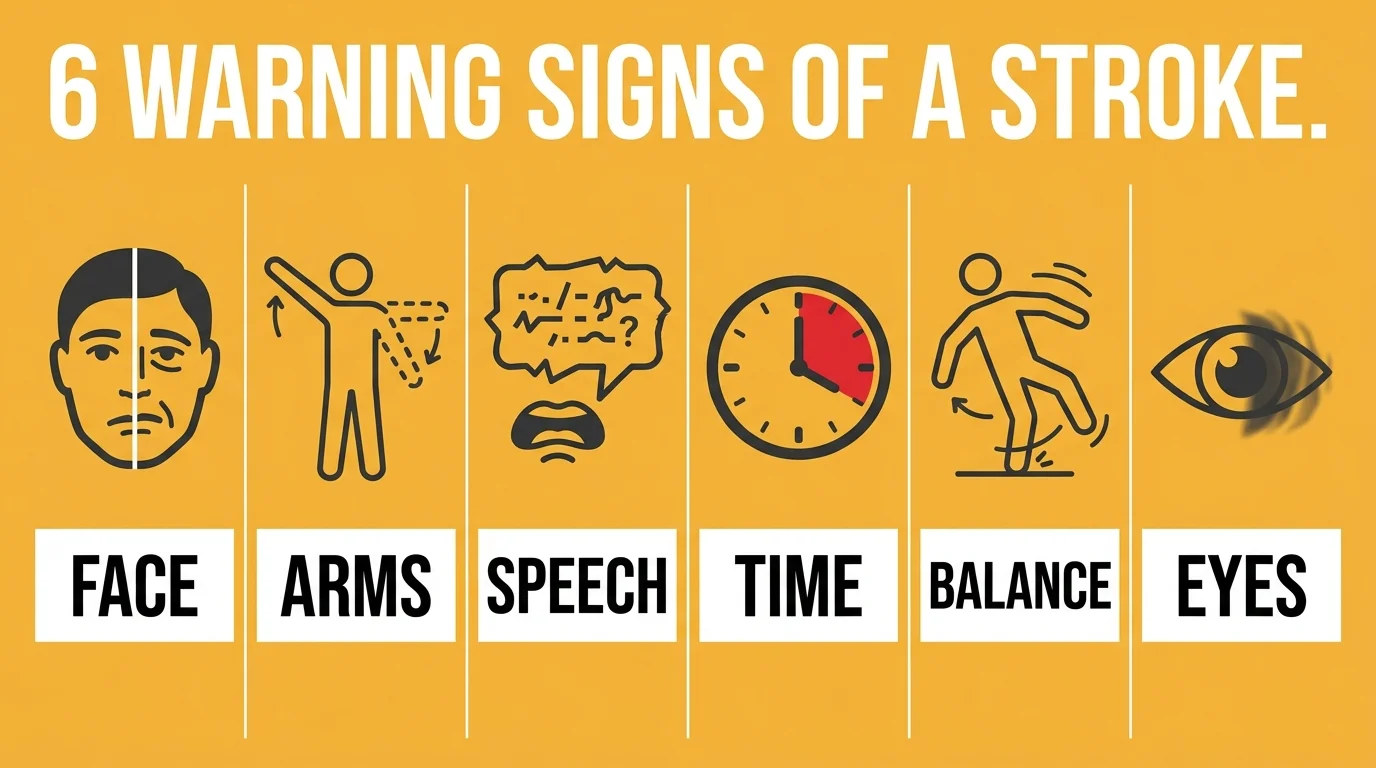
To easily recognize stroke symptoms, medical professionals urge everyone to memorize the FAST stroke symptoms acronym. This tool is universally recognized and easy to remember in high-stress situations. FAST stands for Face drooping, Arm weakness, Speech difficulty, and Time to call 911. Beyond this primary acronym, there are six specific warning signs of a stroke you must memorize.
1. Sudden Numbness or Weakness in the Face, Arm, or Leg
This symptom typically affects only one side of your body. You might try to lift both arms, only to find one drifts downward or feels incredibly heavy. You might notice that one side of your face feels numb or looks uneven when you look in the mirror. If you try to smile and one side of your mouth droops, this is a glaring red flag. Do not wait to see if the feeling returns; this requires immediate medical intervention.
2. Sudden Confusion or Trouble Speaking
A stroke can instantly impact the cognitive centers of your brain. You might find yourself suddenly unable to form coherent sentences, or your speech might sound slurred and thick, almost as if you were intoxicated. In some cases, you may struggle to understand what others are saying to you. If a loved one suddenly speaks in gibberish or cannot repeat a simple sentence back to you, treat it as a medical emergency.
3. Sudden Trouble Seeing in One or Both Eyes
Vision changes caused by a stroke happen rapidly. You may experience a sudden dimming or graying of your vision, akin to a shade being pulled down over one eye. Others experience sudden double vision or a complete loss of sight in one eye. Because this symptom does not cause physical pain, some people make the mistake of lying down to see if it passes. Never ignore a sudden, painless loss of vision.
4. Sudden Trouble Walking, Dizziness, or Loss of Balance
While seniors occasionally trip or lose balance due to joint issues or inner ear problems, a stroke causes a sudden, profound inability to walk. You may feel severe dizziness, intense vertigo, or a complete loss of physical coordination. If you suddenly cannot stand up without falling to one side, or if the room is spinning violently without a clear cause, your brain may be deprived of oxygen.
5. Sudden Severe Headache with No Known Cause
Doctors often describe this as a thunderclap headache. It strikes with maximum intensity almost instantly and is frequently described by patients as the worst headache of their lives. This type of severe, explosive pain can be a symptom of a hemorrhagic stroke, where a blood vessel ruptures in the brain. If this headache is accompanied by vomiting, altered consciousness, or a stiff neck, call for emergency services immediately.
6. Sudden Nausea, Vomiting, or Extreme Fatigue (Especially in Women)
While the FAST acronym covers the most common indicators, research shows that women sometimes experience atypical stroke symptoms. These can include sudden, unexplained nausea, hiccups, chest pain, or an overwhelming, sudden sense of exhaustion. Because these signs overlap with other illnesses like the flu, they are often dismissed. If these symptoms appear suddenly and feel uniquely intense or out of the ordinary, it is safer to have a medical professional evaluate you.
Whenever you suspect these warning signs, time is your most critical asset. Treatments for stroke, such as clot-busting drugs, are highly time-sensitive and often must be administered within three hours of the first symptom. Never attempt to drive yourself to the hospital. Calling an ambulance ensures that paramedics can begin life-saving treatment on the way to the emergency room.
Tips for Staying Motivated
Building a lifestyle that prioritizes vascular health and physical mobility requires dedication. Sticking to a routine can sometimes feel challenging, especially on days when your joints ache or the weather is uncooperative. You can maintain your momentum by integrating a few practical strategies into your daily life.
First, find a community or a workout buddy. Exercising with a friend or joining a local senior center class provides a powerful layer of accountability. When you know someone is expecting you for a morning walk or a water aerobics session, you are far less likely to skip it. Furthermore, socializing naturally boosts your mood and cognitive function.
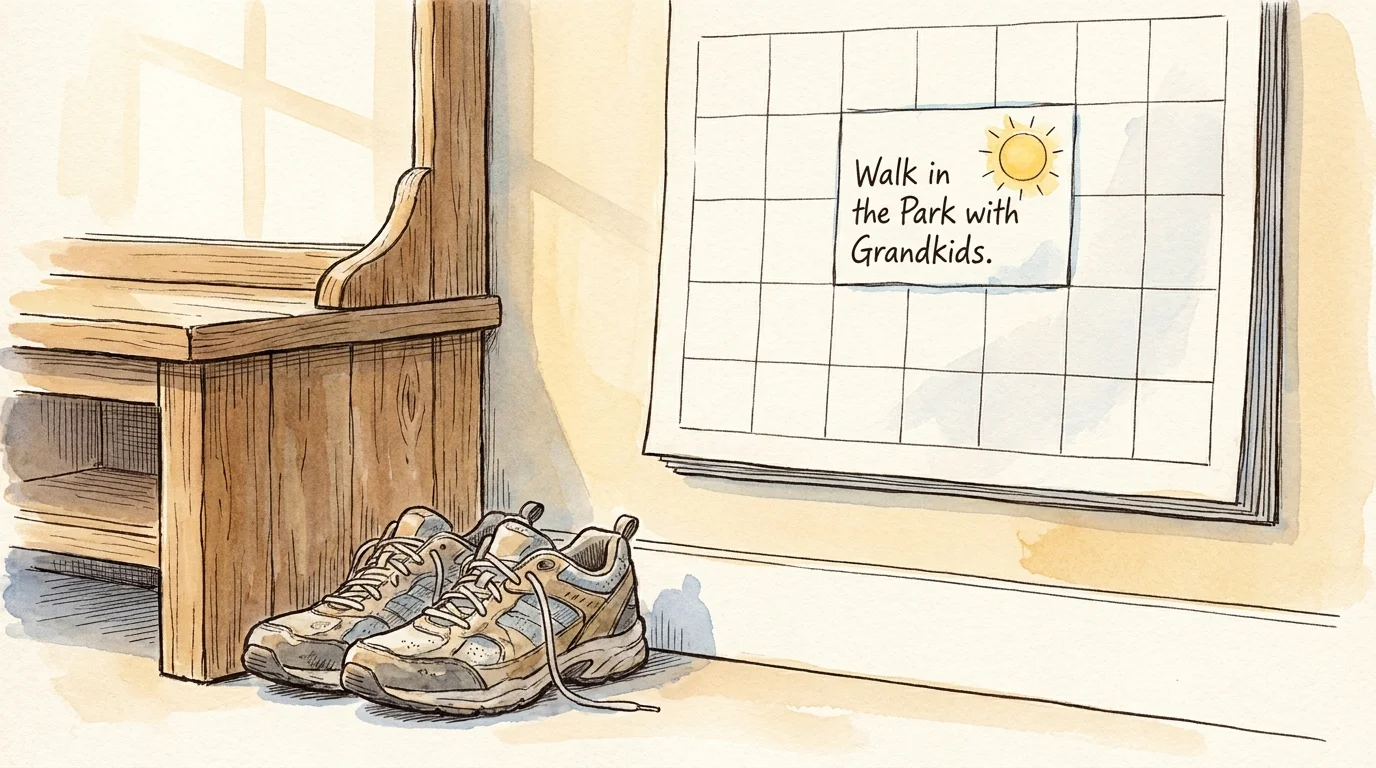
Second, schedule your activity just like you would a doctor’s appointment. Write it down on your calendar and treat that time as non-negotiable. Whether it is fifteen minutes of chair yoga in the morning or a stroll after dinner, establishing a firm schedule trains your brain and body to expect and crave the movement.
Third, track your progress gently and celebrate small victories. You do not need a complicated fitness tracker. A simple notebook where you log how many minutes you walked or how energetic you felt afterward works perfectly. Looking back at your consistency builds confidence and reminds you that your efforts are actively protecting your health and independence.
Frequently Asked Questions
What is a mini-stroke and why does it matter?
A mini-stroke, formally known as a Transient Ischemic Attack (TIA), occurs when blood flow to the brain is temporarily blocked. The symptoms mirror a full stroke but typically resolve on their own within a few minutes to an hour. Many people make the fatal mistake of ignoring a TIA because the symptoms disappear. However, a TIA serves as a massive warning sign; it indicates a high likelihood of a major stroke occurring in the near future. You must report any temporary stroke symptoms to your doctor immediately.
How quickly do I need to call 911 if I recognize a stroke?
You must call 911 the precise moment you suspect a stroke. Do not wait five minutes to see if the feeling comes back to your arm, and do not call a family member for advice first. Medical treatments that dissolve blood clots can reverse stroke symptoms and prevent permanent disability, but they must be administered very quickly—usually within three to four and a half hours from the exact moment symptoms started. Time lost is brain lost.
How does managing arthritis relate to stroke prevention?
Arthritis causes joint pain, which often leads older adults to stop exercising. When you stop moving, your risk for high blood pressure, obesity, and diabetes skyrockets—all of which are major risk factors for a stroke. By finding safe ways to manage arthritis pain through low-impact exercises like swimming or chair yoga, you maintain your cardiovascular health, thereby directly reducing your stroke risk.
Can you completely recover from a stroke?
Yes, many seniors go on to live full, active lives after a stroke. Recovery depends heavily on how quickly medical treatment was received and which part of the brain was affected. The brain possesses a remarkable ability to rewire itself, a concept known as neuroplasticity. With dedicated physical therapy, occupational therapy, and consistent healthy habits, significant or even complete recovery is entirely possible.
For information on physical activity for older adults, consult the National Institute on Aging. The American Heart Association and the Arthritis Foundation also provide excellent resources for senior-friendly exercise.
Disclaimer: This article is for informational purposes only and does not constitute medical advice. Always seek the advice of your physician or other qualified health provider with any questions you may have regarding a medical condition.