
Small, seemingly harmless daily routines often act as the hidden drivers behind joint stiffness, fatigue, and cognitive fog that disrupt your vibrant years. Recognizing and adjusting these seven everyday patterns empowers you to lower silent swelling throughout your body, protecting your heart, brain, and mobility. While acute swelling helps heal a sudden injury, chronic, low-grade swelling simmers quietly inside you, slowly damaging healthy tissues over time. Uncovering the inflammation habits woven into your normal schedule allows you to take control of your senior health without needing drastic lifestyle overhauls. A few mindful changes to your diet, sleep, and stress management form a powerful anti inflammation strategy, keeping you energized and comfortable as you age.

Understanding the Basics of Inflammation for Seniors
Your immune system acts like a highly trained home security team. When you encounter a genuine threat—such as a scraped knee, a seasonal virus, or a minor burn—this security team leaps into action. It floods the affected area with white blood cells and healing fluids, causing the familiar redness, warmth, and swelling we recognize as acute inflammation. This rapid response is completely natural; it protects your body and saves your life. Once the injury heals, the security team stands down, and the swelling subsides.
However, as we age, this sophisticated system occasionally loses its precision. Instead of standing down after a threat passes, the immune system remains on low-level alert, continuously releasing inflammatory chemicals into the bloodstream. Medical professionals refer to this gradual, age-related increase in baseline swelling as “inflammaging.” During this state, your body constantly fights a phantom battle. Because there is no actual injury or infection to heal, these immune cells end up attacking your own healthy cells, tissues, and blood vessels.
Living with this persistent internal friction heavily influences how you feel on a daily basis. It drives the deterioration of joint cartilage, accelerates the stiffening of arteries, and contributes to the frustrating brain fog many older adults experience. Chronic swelling operates silently, often flying under the radar until it manifests as a significant health condition like cardiovascular disease, type 2 diabetes, or severe osteoarthritis.
Fortunately, you hold immense power over this biological process. Your daily choices function either as fuel that feeds this internal fire or as water that extinguishes it. By identifying the subtle routines that provoke your immune system, you can actively dial down the heat. Embracing healthy aging means partnering with your body, creating an internal environment that promotes cellular repair rather than cellular distress.
Practical Tips for a Healthier, Happier Life
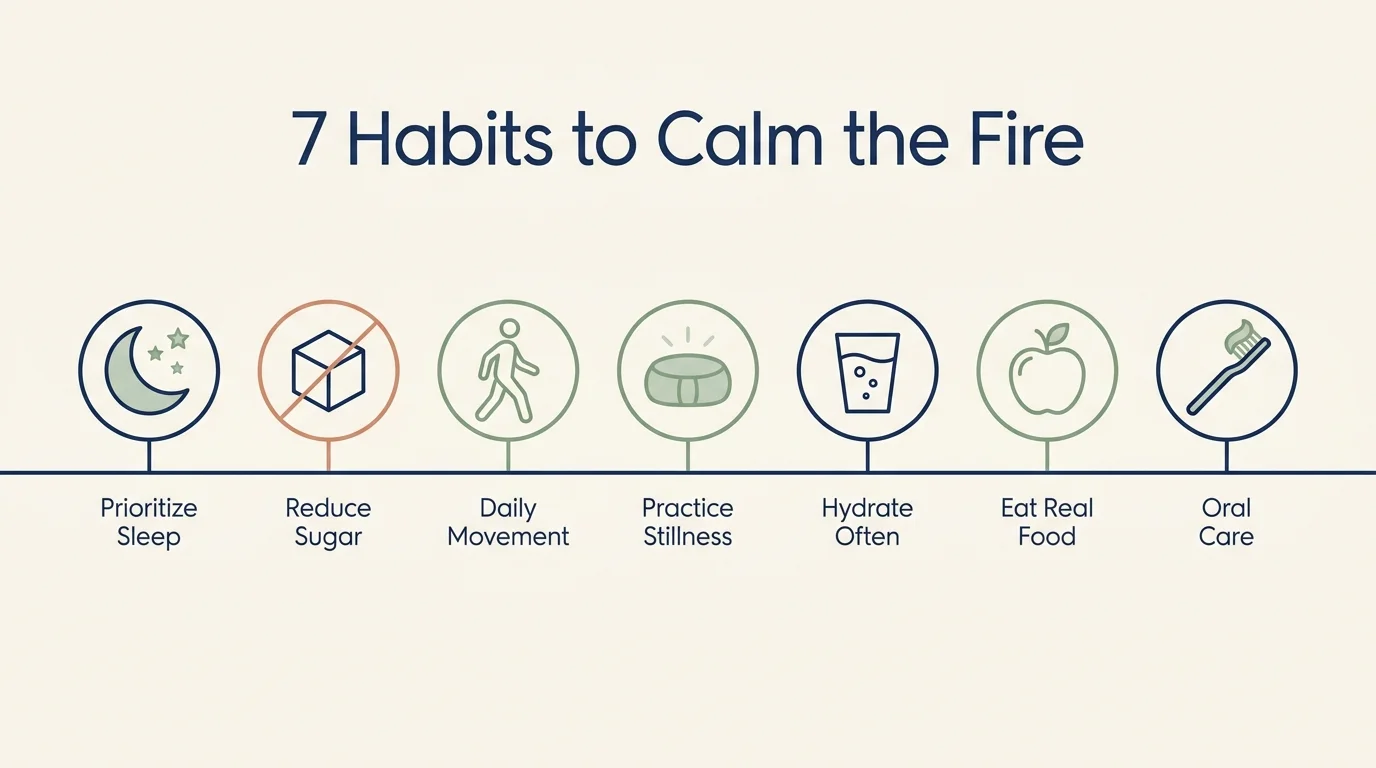
Adjusting your daily routines provides a gentle, sustainable path to feeling better. By transforming the following seven hidden triggers into positive wellness habits, you actively calm your immune system and protect your long-term independence.

Habit 1: Brushing Off a Poor Night of Rest
Many older adults accept poor, fragmented sleep as an inevitable consequence of aging; however, ignoring sleep disturbances actively harms your immune health. While you rest, your body performs critical maintenance work. Your brain activates a specialized waste-clearance network that washes away the metabolic debris accumulated during your waking hours. Simultaneously, your immune system recalibrates, dialing back the production of inflammatory proteins.
When you consistently sleep fewer than seven hours or wake up repeatedly throughout the night, you interrupt this vital repair cycle. Your body perceives this lack of rest as a severe physical stressor, prompting your adrenal glands to release excess cortisol. Although cortisol naturally helps you wake up in the morning, constantly elevated levels disrupt your immune balance and fuel systemic swelling throughout your joints and organs.
You can dramatically improve your sleep architecture by establishing a calming, predictable evening routine. Dim your household lights an hour before bed to encourage natural melatonin production. Keep your bedroom pleasantly cool—ideally between sixty and sixty-seven degrees Fahrenheit—to signal your body that it is time for deep rest. To minimize disruptive nighttime trips to the bathroom, try drinking the majority of your daily fluids before late afternoon.

Habit 2: Sipping and Snacking on Hidden Sugars
You likely know that eating heavy desserts spikes your blood sugar, but the modern food environment hides processed sweeteners in surprisingly savory places. Food manufacturers frequently pump added sugars into granolas, flavored yogurts, store-bought salad dressings, and canned pasta sauces to enhance flavor and extend shelf life.
As you age, your body’s ability to process glucose efficiently naturally declines. When you consume these hidden sugars, your blood glucose spikes rapidly. To compensate, your pancreas pumps out excessive insulin. High levels of sugar in your bloodstream also bind to circulating proteins and fats, forming harmful compounds known as Advanced Glycation End Products (AGEs). Just as their acronym suggests, AGEs aggressively accelerate the aging process by stiffening your connective tissues and signaling your immune system to launch an inflammatory attack.
Protect your cellular health by reading ingredient labels carefully. Look closely for sneaky terms ending in “-ose,” such as dextrose, fructose, or maltose. Swap sugary breakfast cereals for plain rolled oats topped with fresh berries and a handful of walnuts. Choose whole fruits over fruit juices; the natural dietary fiber found in whole fruit slows the absorption of natural sugars, keeping your blood sugar stable and your immune system calm.

Habit 3: Remaining Seated for Hours on End
Retirement offers a well-deserved opportunity to relax, but remaining completely sedentary poses a silent hazard to your wellness. Sitting in a recliner to watch television, read, or knit for unbroken hours significantly suppresses your body’s natural anti-inflammatory mechanisms.
Human bodies require consistent, gentle movement to regulate immune function. Your muscle tissue acts as a powerful endocrine organ; whenever you contract your muscles through movement, they release specialized, anti-inflammatory molecules known as myokines. Sitting perfectly still for hours halts the release of these protective chemicals, allowing pro-inflammatory markers to accumulate rapidly in your bloodstream. Furthermore, prolonged sitting slows your cardiovascular circulation, causing fluid to pool in your lower extremities and increasing pressure on your joints.
You do not need to engage in intense, exhausting workouts to reap the benefits of movement. Set a simple kitchen timer or use a smart watch to remind yourself to stand up every thirty minutes. Walk to the kitchen for a glass of water, perform a few gentle calf raises while holding onto the counter, or complete a brief series of overhead stretches. These small, frequent interruptions to your sitting time effectively flush stagnant fluids from your limbs and keep your anti-inflammatory myokines flowing.

Habit 4: Carrying the Weight of Unresolved Stress
Emotional tension does not remain trapped entirely in your mind; it manifests physically throughout your entire body. Seniors navigate unique, heavy stressors, from managing chronic health diagnoses to navigating fixed incomes and coping with the loss of dear friends. When you harbor unresolved anxiety, you inadvertently hold your body hostage.
Your brain struggles to distinguish between a sudden physical threat and chronic psychological worry. Consequently, persistent stress keeps your sympathetic nervous system locked in a fight-or-flight state. This chronic activation continuously floods your organs with adrenaline and stress hormones. Over time, your immune cells become completely desensitized to these hormones’ regulatory effects, leading to a state of rampant, unchecked cellular irritation.
Managing your emotional health forms a critical pillar of any effective anti inflammation strategy. Engage in daily grounding practices to proactively soothe your overworked nervous system. Deep, diaphragmatic breathing—inhaling slowly through your nose, letting your belly expand, and exhaling softly through your mouth—instantly signals your brain that you are safe. Prioritize building strong social connections; calling a family member, sharing a walk with a neighbor, or joining a local community group provides a profound, measurable buffer against psychological stress.

Habit 5: Falling Behind on Daily Hydration
Water forms the biological foundation of every cellular process in your body, yet chronic, mild dehydration remains a surprisingly common and overlooked trigger for systemic swelling. As you enter your senior years, your body’s natural thirst mechanism gradually weakens. You might easily go hours without feeling the urge to drink a beverage, even when your cells desperately crave fluid.
Water acts as your internal transportation and filtration system. It carries vital nutrients to your tissues and actively flushes metabolic waste products through your liver and kidneys. When you become dehydrated, these waste products—along with circulating inflammatory markers—become highly concentrated in your blood. Dehydration also severely reduces the volume of synovial fluid that cushions your joints, increasing friction, stiffness, and arthritis pain with every step you take.
Maintain your hydration by keeping a reusable water bottle visible on your kitchen counter or living room table, using it as a constant visual cue to take a sip. If plain water lacks appeal, infuse your pitcher with fresh lemon slices, cucumber ribbons, or sprigs of mint. You can also “eat” your water by incorporating hydrating produce into your meals; snacking on crisp bell peppers, juicy watermelon, and fresh celery significantly boosts your total daily fluid intake.
Habit 6: Relying on Ultra-Processed Convenience Foods
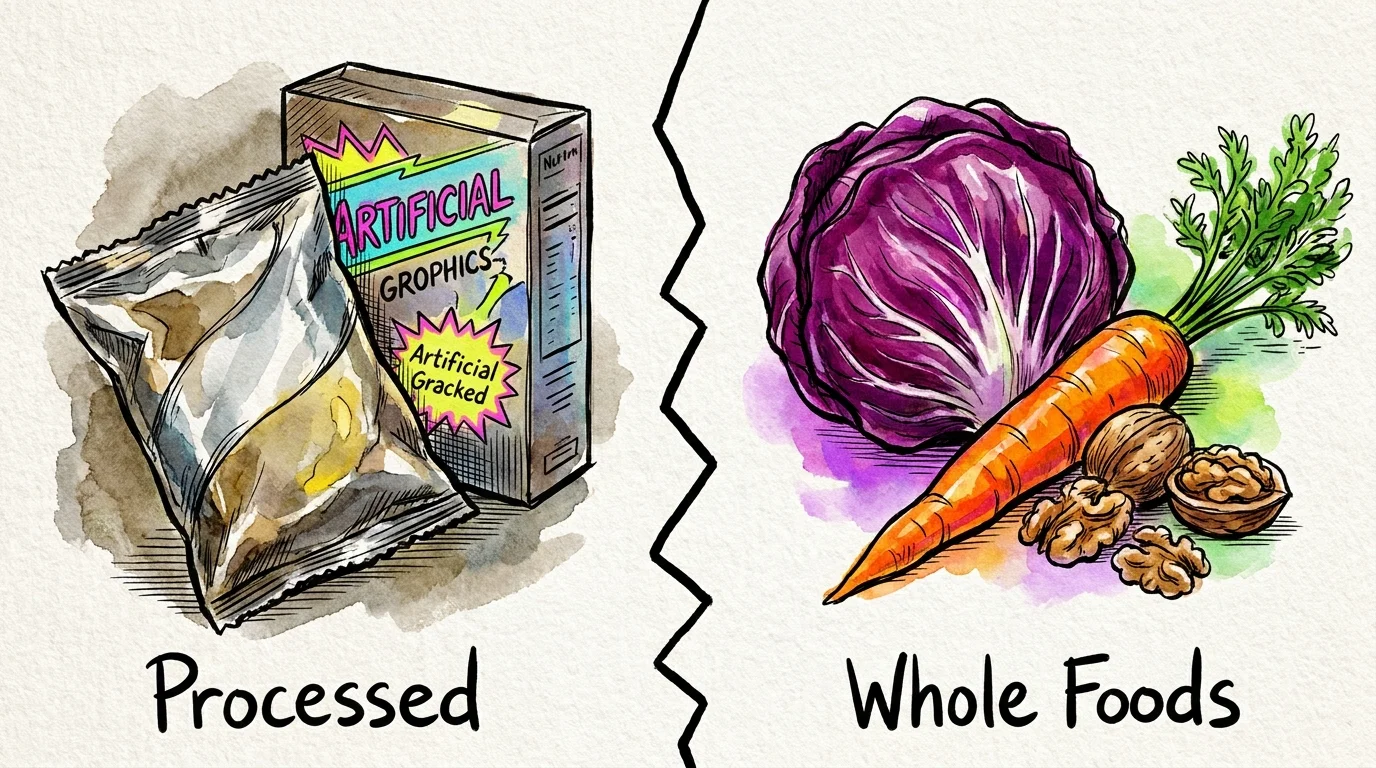
Cooking fatigue often leads many older adults to rely heavily on pre-packaged meals, frozen dinners, and heavily processed deli meats. While these convenient options save time and energy in the kitchen, they demand a heavy toll on your immune health.
Food manufacturers load ultra-processed items with artificial preservatives, refined seed oils, and staggering amounts of sodium. Your digestive system frequently fails to recognize these highly synthetic ingredients as actual food, identifying them instead as foreign invaders. This triggers an aggressive, localized immune response within your digestive tract. Because a massive portion of your immune system resides directly in your gut, this localized irritation rapidly escapes the digestive system and transforms into widespread, systemic inflammation.
Protect your gut microbiome by gradually transitioning your daily menu toward whole, single-ingredient foods. A robust anti-inflammatory eating pattern prioritizes colorful, crunchy vegetables, dark leafy greens, high-quality lean proteins, and healthy fats found in avocados and extra virgin olive oil. Preparing simple, fresh meals at home grants you absolute control over your ingredients, safeguarding your delicate gut lining from hidden chemical triggers.

Habit 7: Letting Dental Care Slip
Oral hygiene rarely dominates conversations about whole-body wellness, yet your mouth serves as a direct, highly vascular gateway to your bloodstream. Many older adults experience chronic dry mouth, frequently as a common side effect of essential prescription medications. Saliva naturally washes away lingering food particles and neutralizes harmful acids; without adequate saliva production, destructive bacteria rapidly multiply along your vulnerable gumline.
If you rush through your brushing routine or skip your daily flossing, these rapidly multiplying bacteria cause gingivitis, an early stage of gum disease. Left unresolved, inflamed and bleeding gums allow these aggressive oral bacteria to slip directly into your circulatory system. Once inside the bloodstream, these pathogens travel freely throughout your body, prompting your immune system to launch a massive counterattack that strains your heart, damages blood vessels, and aggravates joint pain.
Safeguard your systemic health by brushing your teeth meticulously at least twice a day using a soft-bristled brush, which protects your aging, delicate enamel. Commit to flossing thoroughly every single evening to dislodge the hidden plaque that brushing alone cannot reach. Furthermore, schedule professional cleanings with your dentist at least twice a year to maintain a healthy oral microbiome and significantly lower your overall inflammatory burden.
Important Safety Precautions to Keep in Mind
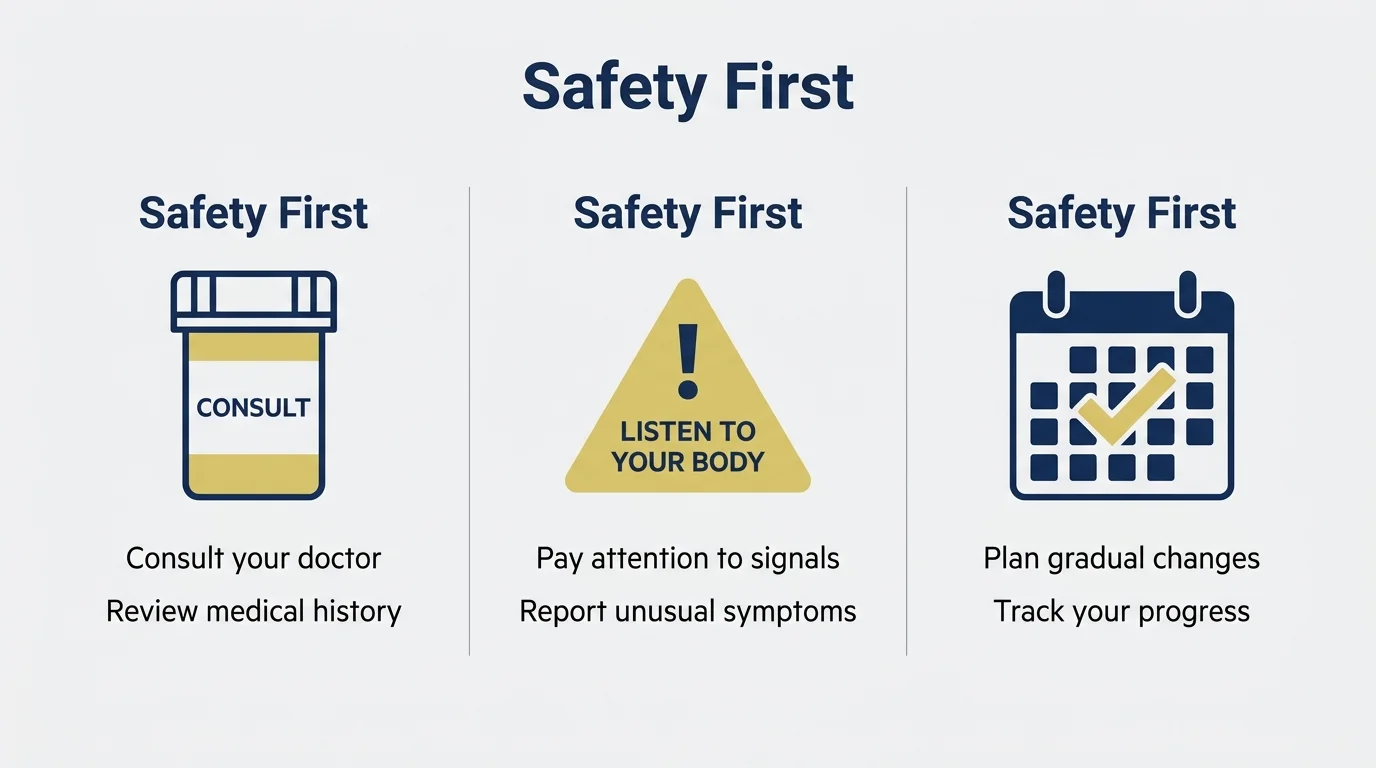
As you begin modifying your daily routines, always proceed with gentleness and self-compassion. Your body responds best to gradual shifts rather than abrupt, overwhelming changes. When increasing your daily movement to combat a sedentary lifestyle, strictly avoid sudden leaps into high-intensity physical activity. Launching into a rigorous new exercise regimen can cause acute muscle tearing and joint damage, temporarily spiking your swelling rather than lowering it. Begin with low-impact activities like leisurely neighborhood walks, gentle water aerobics, or restorative chair yoga.
Exercise caution when exploring dietary changes, particularly if you take prescription medications. Adding large quantities of dark leafy greens to your diet provides excellent antioxidants, but the high Vitamin K content can severely interfere with blood-thinning medications like Warfarin. Similarly, while staying hydrated remains crucial for healthy aging, individuals managing congestive heart failure or specific kidney diseases must adhere strictly to the daily fluid limits prescribed by their specialists.
Finally, approach anti-inflammatory supplements with a critical eye. Concentrated herbal pills, such as high-dose turmeric or ginger, often interact unpredictably with blood pressure medications. Always verify that a new wellness habit safely aligns with your unique medical history.

When to Speak with a Healthcare Professional
While modifying your daily habits provides significant benefits for your mobility and comfort, this information is not a substitute for professional medical advice. Always discuss significant lifestyle adjustments with your doctor, especially if you manage pre-existing conditions.
You should contact your healthcare provider immediately if you experience any red flag symptoms that suggest an acute medical crisis rather than standard aging. Seek prompt evaluation if you develop sudden, severe joint swelling that feels hot to the touch; this can indicate an infection or a gout flare-up requiring urgent medication. Similarly, report profound, unrelenting fatigue that fails to improve with rest, sudden and unexplained weight loss, or cognitive changes that suddenly disrupt your ability to complete familiar daily tasks.
Consider partnering proactively with your physician to monitor your progress. Your doctor can order specific blood tests, such as a high-sensitivity C-reactive protein (hs-CRP) test or an erythrocyte sedimentation rate (ESR) test, to objectively measure the baseline inflammation circulating within your body. Having concrete data allows you and your medical team to tailor a safe, highly effective plan for your senior health.
Frequently Asked Questions
Can specific foods quickly reverse years of inflammation?
No single food acts as an instant cure or a magic eraser for years of internal swelling. However, consistently eating an anti-inflammatory diet yields profound results over time. By routinely filling your plate with omega-3 fatty acids found in wild-caught salmon, antioxidant-rich berries, and fiber-dense vegetables, you gradually alter your body’s internal chemistry. Over several weeks and months, these nutrient-dense foods successfully quiet your overactive immune response and facilitate deep cellular repair.
How do I know if my everyday aches are normal aging or chronic inflammation?
Telling the difference often requires careful observation. Normal, age-related wear and tear usually feels like mild stiffness that improves quickly once you start moving around in the morning. Conversely, chronic systemic swelling often presents as persistent, throbbing joint pain that lasts for hours, accompanied by lingering fatigue, frequent digestive upset, and stubborn brain fog. If your discomfort actively prevents you from enjoying your favorite hobbies, a physician can perform blood tests to identify elevated inflammatory markers.
Does all physical activity help, or can certain exercises make swelling worse?
Consistent, moderate physical activity expertly lowers your baseline swelling, but extreme or unaccustomed exertion can indeed make matters temporarily worse. Pushing your body through sharp pain or engaging in high-impact exercises without proper conditioning creates micro-tears in your muscle tissues, triggering an acute inflammatory response as your body scrambles to heal the sudden damage. To protect your joints, always prioritize steady, enjoyable, low-impact movements that leave you feeling energized rather than depleted.
Is it too late to change my daily habits if I am already in my late seventies?
It is absolutely never too late to start making positive changes. The human body maintains a remarkable, enduring ability to heal and recalibrate itself, regardless of your current chronological age. Even minor adjustments—such as drinking one extra glass of water each day, prioritizing a stable sleep schedule, or trading sugary snacks for fresh fruit—produce significant, measurable benefits for your physical comfort and long-term independence.
For authoritative, trustworthy health information, always consult official sources like the National Institute on Aging (NIA) and MedlinePlus from the National Library of Medicine. The CDC also provides excellent resources for older adults.
Disclaimer: This article is for informational purposes only and does not constitute medical advice. Always seek the advice of your physician or other qualified health provider with any questions you may have regarding a medical condition.