
Understanding the root causes of daily aches and chronic fatigue empowers you to make simple changes that dramatically improve your quality of life. Everyday choices often drive chronic inflammation—a subtle, smoldering immune response that damages healthy cells over time. As your immune system ages, it naturally becomes more reactive; however, specific routines can either soothe this response or throw fuel on the fire. You hold the power to adjust these behaviors and protect your long-term vitality. Identifying your hidden triggers allows you to lower your disease risk, preserve your mobility, and maintain your energy levels as you navigate healthy aging.
Understanding the Basics of Inflammation for Seniors
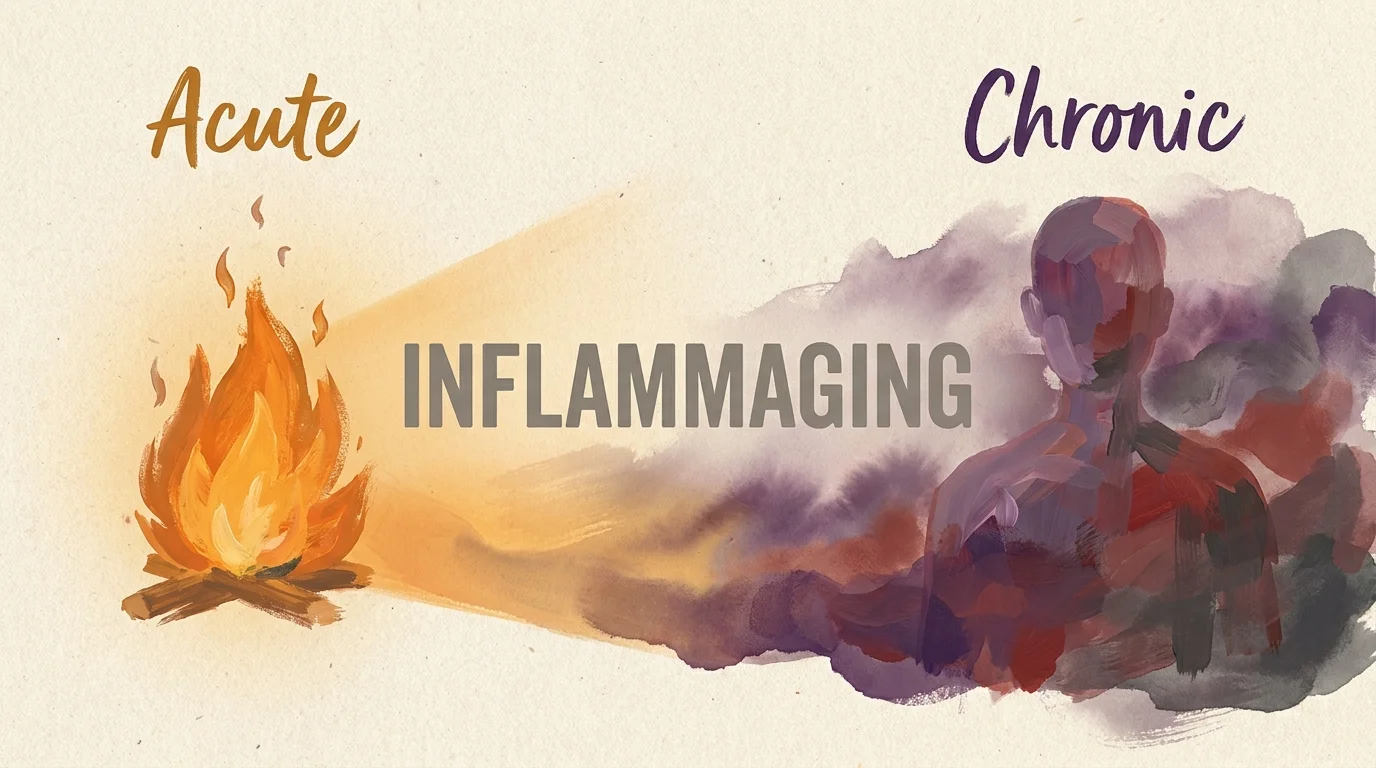
Inflammation serves as your body’s natural defense mechanism. When you sustain a minor injury or encounter a harmful virus, your immune system dispatches white blood cells to the affected area. This acute response creates temporary redness, swelling, and heat, which indicates that your body is actively healing the damage. Once the threat passes, a healthy immune system scales back its efforts, allowing your tissues to return to a normal, rested state.
However, the aging process frequently alters this delicate immune balance. Many older adults experience a phenomenon known as “inflammaging”—a chronic, low-grade inflammatory state that persists even when no infection or injury exists. Instead of resolving, the immune system remains locked in a constant, low-level state of high alert. Over months and years, these circulating immune cells begin to damage healthy tissues, blood vessels, and joints.
Researchers closely link this chronic immune activation to numerous health risks, including cardiovascular issues, joint deterioration, cognitive decline, and metabolic disorders. Because this persistent response operates beneath the surface, you might not notice it until you experience unexplained fatigue, stubborn joint stiffness, or persistent digestive discomfort. Recognizing the mechanisms behind these symptoms allows you to intervene early.
Your daily lifestyle plays a profound role in regulating this internal environment. While genetics and natural aging establish your baseline, your everyday wellness habits determine how your body responds to those factors. By shifting your focus toward restorative routines, you can effectively lower your inflammatory markers, support your cellular health, and build a stronger foundation for the years ahead.

Practical Tips for a Healthier, Happier Life
Reclaiming your vitality does not require drastic overhauls or exhausting regimens. In fact, the most effective lifestyle adjustments are often the gentlest. By identifying the everyday practices that silently provoke your immune system, you can implement supportive, sustainable changes. Below are eight common habits that contribute to chronic inflammation, along with practical steps you can take to foster a healthier internal environment.

1. Skimping on Restorative Sleep
As you age, your natural sleep architecture shifts, often resulting in lighter, more fragmented rest. Accepting poor sleep as an inevitable part of aging deprives your body of its most crucial healing period. During deep sleep, your body flushes metabolic waste from your brain and repairs cellular damage. When you consistently get fewer than seven hours of quality sleep, your body produces higher levels of pro-inflammatory cytokines—proteins that signal your immune system to launch an attack.
To improve your sleep quality, establish a calming evening routine that signals to your brain that it is time to wind down. Keep your bedroom cool, dark, and quiet; consider using blackout curtains or a white noise machine if environmental disruptions wake you. Limit your exposure to the blue light emitted by tablets and televisions at least one hour before bed, and try reading a physical book or practicing gentle stretching instead.

2. Consuming Hidden Added Sugars
Excess sugar consumption creates rapid spikes in your blood glucose, prompting your body to release high amounts of insulin and inflammatory messengers. While you likely know to avoid sodas and heavy pastries, manufacturers frequently disguise added sugars in seemingly healthy foods. Flavored yogurts, instant oatmeal packets, salad dressings, and whole-wheat bread often contain surprising amounts of high-fructose corn syrup or refined cane sugar.
Take charge of your nutritional intake by reading ingredient labels carefully. Look for terms ending in “-ose” like dextrose or sucrose, which indicate hidden sugars. Satisfy your sweet tooth with whole, fiber-rich fruits like berries, apples, or pears. The natural fiber in whole fruit slows down glucose absorption, providing you with steady energy without triggering an aggressive immune response.

3. Leading a Highly Sedentary Lifestyle
Extended periods of sitting actively promote inflammation. When your muscles remain inactive for hours at a time, your circulation slows, and your body struggles to regulate blood sugar efficiently. Physical movement triggers your muscles to release myokines—powerful anti-inflammatory molecules that circulate throughout your bloodstream and neutralize immune overactivity.
You do not need to engage in intense, high-impact workouts to reap these benefits. Incorporate gentle, consistent movement into your daily routine. Take a ten-minute walk after your meals to support digestion and blood sugar control. If mobility issues prevent long walks, try chair yoga, water aerobics, or simple resistance band exercises. The goal is consistent, comfortable movement that keeps your blood flowing and your joints lubricated.

4. Brushing Off Chronic Stress
Retirement and the aging process bring unique emotional challenges, from managing health concerns to navigating shifts in your family dynamic. When you experience prolonged stress, your adrenal glands pump out cortisol. While cortisol normally helps manage acute stress, a continuous flood of this hormone eventually causes your immune cells to become desensitized. This resistance leads to unchecked, systemic inflammation.
Protect your emotional and physical health by carving out time for daily stress-reduction practices. Deep, diaphragmatic breathing exercises stimulate your vagus nerve, which immediately sends a relaxing signal to your nervous system. Spending time in nature, tending to a garden, or listening to calming music can also significantly lower your daily tension levels and promote inner peace.

5. Underestimating Daily Hydration Needs
Your body relies on adequate water intake to flush out metabolic waste and toxins through your kidneys and digestive tract. As you get older, your natural thirst mechanism gradually diminishes, making it incredibly easy to become chronically dehydrated without realizing it. When your body lacks sufficient water, waste products concentrate in your bloodstream, forcing your immune system to react to the resulting cellular stress.
Make hydration a visible and accessible part of your day. Keep a reusable water bottle on your counter or side table as a visual reminder to drink regularly. If you find plain water unappealing, infuse it with slices of cucumber, lemon, or fresh mint. Herbal teas and water-rich foods like melons, cucumbers, and broths also contribute meaningfully to your daily fluid intake.
6. Cooking with Processed Seed Oils
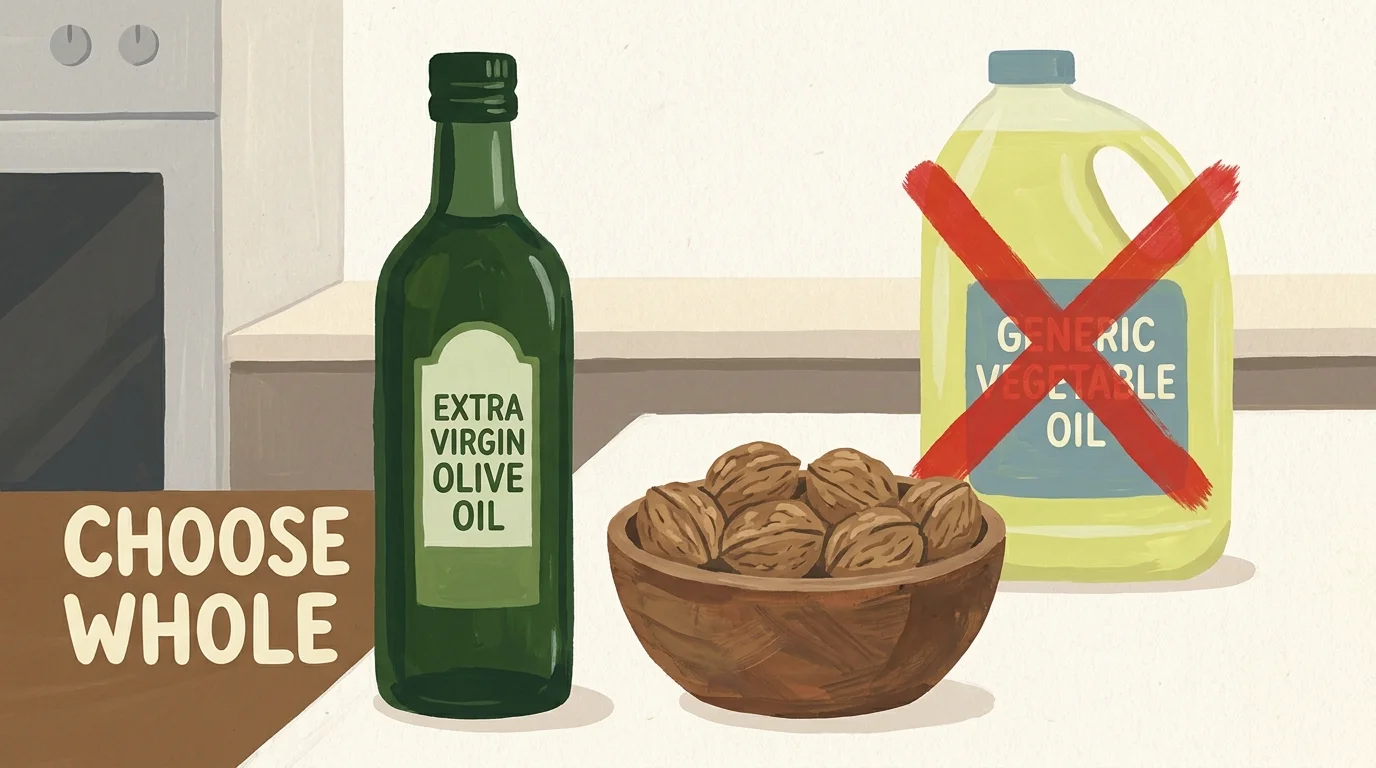
Many common cooking oils—such as corn, soybean, and sunflower oil—contain high concentrations of omega-6 fatty acids. While your body needs a small amount of omega-6s, the modern diet typically delivers them in massive, disproportionate quantities. This imbalance between omega-6s and anti-inflammatory omega-3s strongly promotes chronic tissue inflammation and cellular damage.
Examine the oils in your pantry and consider making simple, heart-healthy swaps. Extra virgin olive oil serves as an excellent, deeply anti-inflammatory option for low-heat cooking and salad dressings. For higher heat applications, avocado oil provides a stable, healthy alternative. Additionally, increasing your intake of omega-3 rich foods, such as wild-caught salmon, walnuts, and chia seeds, will help restore a healthier fatty acid balance in your body.
7. Eating Ultra-Processed Meats
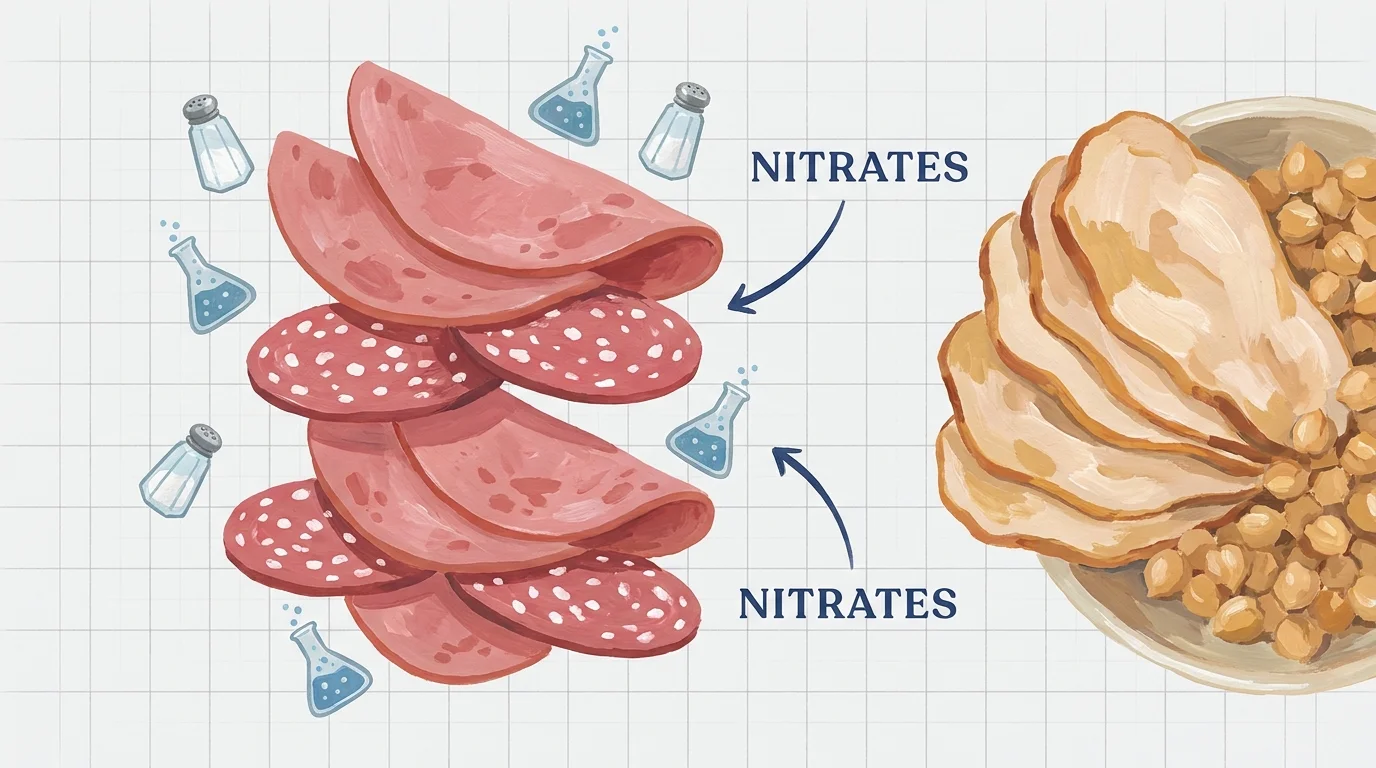
Convenience foods like hot dogs, deli meats, bacon, and sausages frequently undergo heavy processing. Manufacturers cure these meats with chemical preservatives like nitrates and nitrites, and cook them at high temperatures. This combination produces compounds called Advanced Glycation End products (AGEs). When AGEs accumulate in your body, they attach to your cells and provoke a fierce inflammatory response that accelerates the aging process.
Protect your cellular health by seeking out fresh, minimally processed protein sources. Roast your own chicken or turkey breast to slice for sandwiches throughout the week. Incorporate plant-based proteins like lentils, chickpeas, and black beans into your meals; these foods provide excellent protein and deliver an abundance of digestive fiber, which further lowers systemic inflammation by supporting a healthy gut microbiome.

8. Enduring Prolonged Social Isolation
Human beings are fundamentally wired for connection. As social circles shift due to retirement, relocation, or the loss of loved ones, many seniors experience profound loneliness. Extensive research demonstrates that chronic loneliness acts on the body much like physical stress or smoking. Isolation elevates your fight-or-flight response, increasing circulating inflammatory markers and lowering your resistance to illness.
Nurture your social well-being by actively seeking out meaningful connections. Join a local community center, book club, or gentle fitness class to meet peers with shared interests. Volunteering for a local charity or animal shelter provides a profound sense of purpose and routine. Even maintaining regular, scheduled phone calls with distant friends or family members can significantly lower your stress hormones and soothe your immune system.
Important Safety Precautions to Keep in Mind
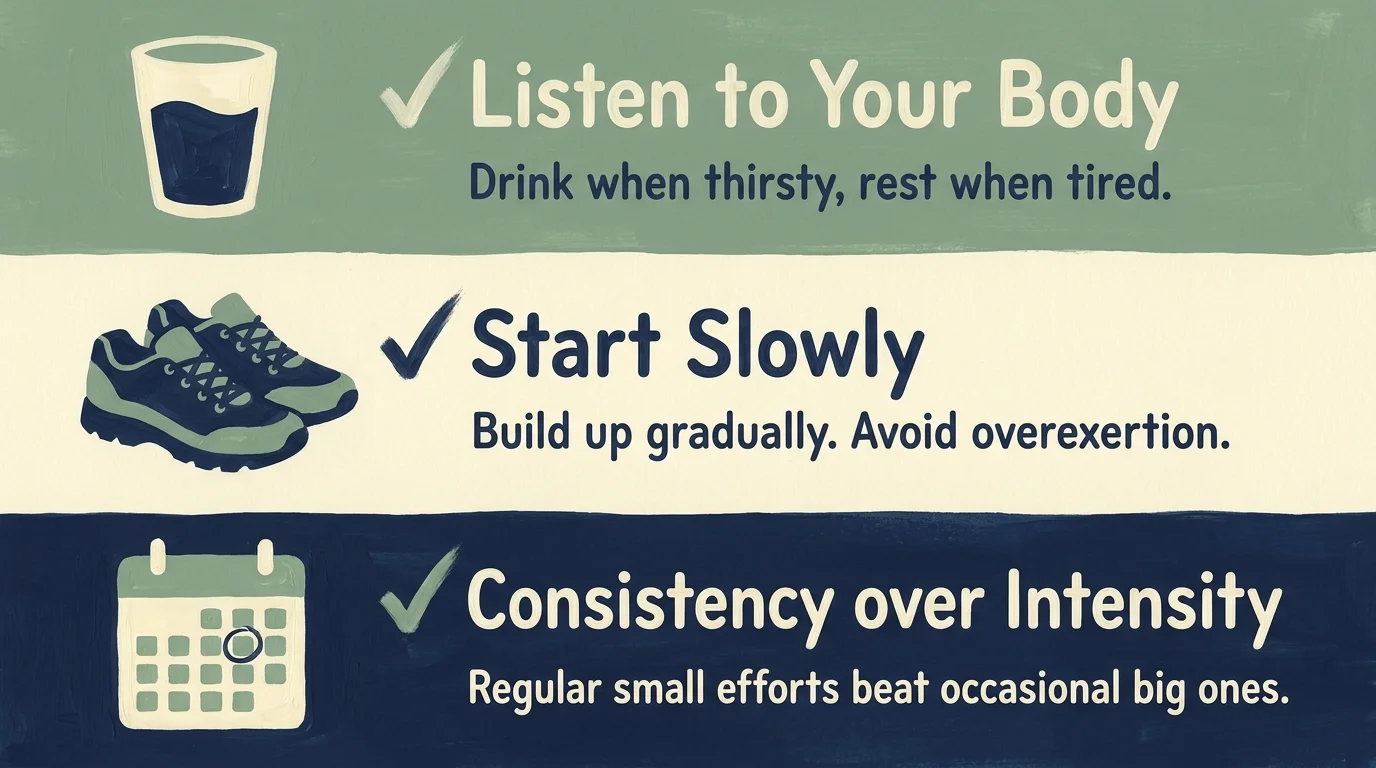
As you begin modifying your daily routines, it is crucial to prioritize safety and listen closely to your body’s unique signals. Embracing a healthier lifestyle is a marathon, not a sprint. Attempting to overhaul your diet, exercise, and sleep habits all at once can overwhelm your nervous system and create the very stress you are trying to eliminate. Choose one or two small habits to focus on first, allowing your body time to adapt before introducing additional changes.
When increasing your physical activity, proceed with gentle caution. If you have led a sedentary lifestyle for an extended period, suddenly engaging in vigorous exercise can strain your joints and trigger acute inflammation. Always start with low-impact movements, warming up your muscles thoroughly before activity, and allowing for adequate recovery time between sessions. If an exercise causes sharp or lingering pain, stop immediately.
Furthermore, be mindful of how dietary changes might interact with your current medications. For example, dramatically increasing your intake of leafy green vegetables can interfere with blood-thinning medications due to their high vitamin K content. Similarly, consuming certain citrus fruits or relying heavily on herbal teas can alter how your body metabolizes heart medications. Moderation and professional guidance ensure that your new wellness habits support your health safely and effectively.

When to Speak with a Healthcare Professional
While adjusting your lifestyle profoundly influences your well-being, the strategies discussed here are intended to support your overall health, not to diagnose or treat specific medical conditions. Chronic inflammation can sometimes mask an underlying issue that requires targeted medical intervention. You should always discuss significant changes to your diet, exercise routine, or supplement regimen with your doctor, especially if you manage multiple prescriptions or chronic illnesses.
Please contact your healthcare provider promptly if you experience warning signs that go beyond normal, age-related discomfort. Symptoms requiring professional evaluation include sudden, unexplainable weight loss, a persistent low-grade fever, or extreme morning joint stiffness that lasts longer than an hour. Additionally, if you notice localized areas of intense heat, redness, and swelling, or if you experience sudden, severe fatigue that disrupts your daily functioning, seek medical care. Your doctor can perform specific blood tests, such as a C-reactive protein (CRP) test, to accurately measure your inflammatory markers and develop a personalized, safe care plan tailored to your exact needs.
Frequently Asked Questions
How do I know if my body is dealing with chronic inflammation?
Because chronic inflammation occurs on a cellular level, it often presents with vague, easily dismissed symptoms. You might notice persistent fatigue, a lingering sense of “brain fog,” ongoing digestive issues, or stubborn joint aches that do not improve with rest. Since these signs overlap with many other conditions, the most accurate way to confirm systemic inflammation is through blood tests ordered by your doctor, such as the C-reactive protein (CRP) or erythrocyte sedimentation rate (ESR) tests.
Can changing my diet actually lower my inflammatory markers?
Yes, targeted dietary adjustments create measurable changes in your blood chemistry. Numerous studies demonstrate that adopting an eating pattern rich in whole foods, like the Mediterranean diet, significantly lowers markers of inflammation. By replacing processed sugars and refined oils with fresh vegetables, fatty fish, and olive oil, you provide your body with the antioxidants required to neutralize cellular damage and calm your immune system.
Are anti-inflammatory supplements safe for older adults?
Supplements like turmeric, curcumin, and high-dose omega-3 fish oils possess strong anti-inflammatory properties, but they are not universally safe for everyone. Many natural supplements act as mild blood thinners or interact unpredictably with prescription medications for blood pressure and cholesterol. You should always prioritize a food-first approach and explicitly clear any new supplement with your primary care physician to ensure it will not compromise your current medical treatments.
Is it too late to reverse inflammation if I am already over 65?
It is absolutely never too late to improve your cellular health. Your body is in a constant state of renewal; you generate new tissues, immune cells, and blood vessels every single day. Even if you have practiced inflammatory habits for decades, introducing gentle movement, better hydration, and nutrient-dense foods immediately begins to shift your internal environment. Older adults who adopt healthier lifestyle habits routinely report significant improvements in their mobility, energy, and overall quality of life.
For authoritative, trustworthy health information, always consult official sources like the National Institute on Aging (NIA) and MedlinePlus from the National Library of Medicine. The CDC also provides excellent resources for older adults.
Disclaimer: This article is for informational purposes only and does not constitute medical advice. Always seek the advice of your physician or other qualified health provider with any questions you may have regarding a medical condition.