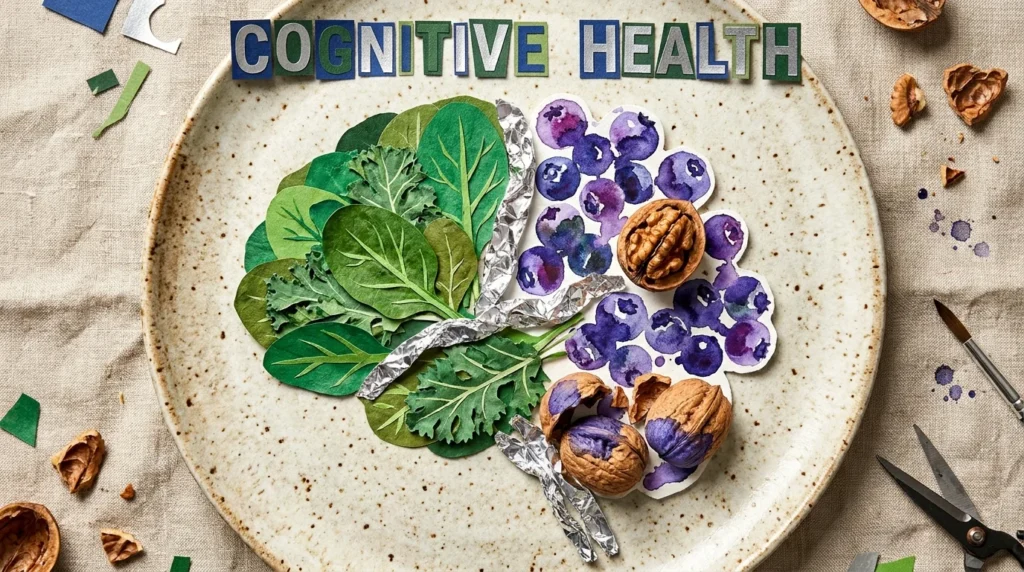
Eating the right foods ensures your muscles, bones, and immune system maintain the resilience needed for an active, independent lifestyle. As you age, your body requires specific nutrients to repair tissues and sustain energy levels, making your daily meals a vital tool for longevity. Prioritizing foods for strength directly influences your balance, mobility, and overall vitality. Incorporating muscle support foods into your routine helps counteract natural age-related changes, ensuring you feel sturdy and energized from morning until night. By focusing on nutrient-dense ingredients, you provide your body with the exact building blocks it needs to thrive. These nine excellent additions to your plate actively promote lasting physical strength and protect your long-term wellness.
Understanding the Basics of Nutrition for Strength in Seniors
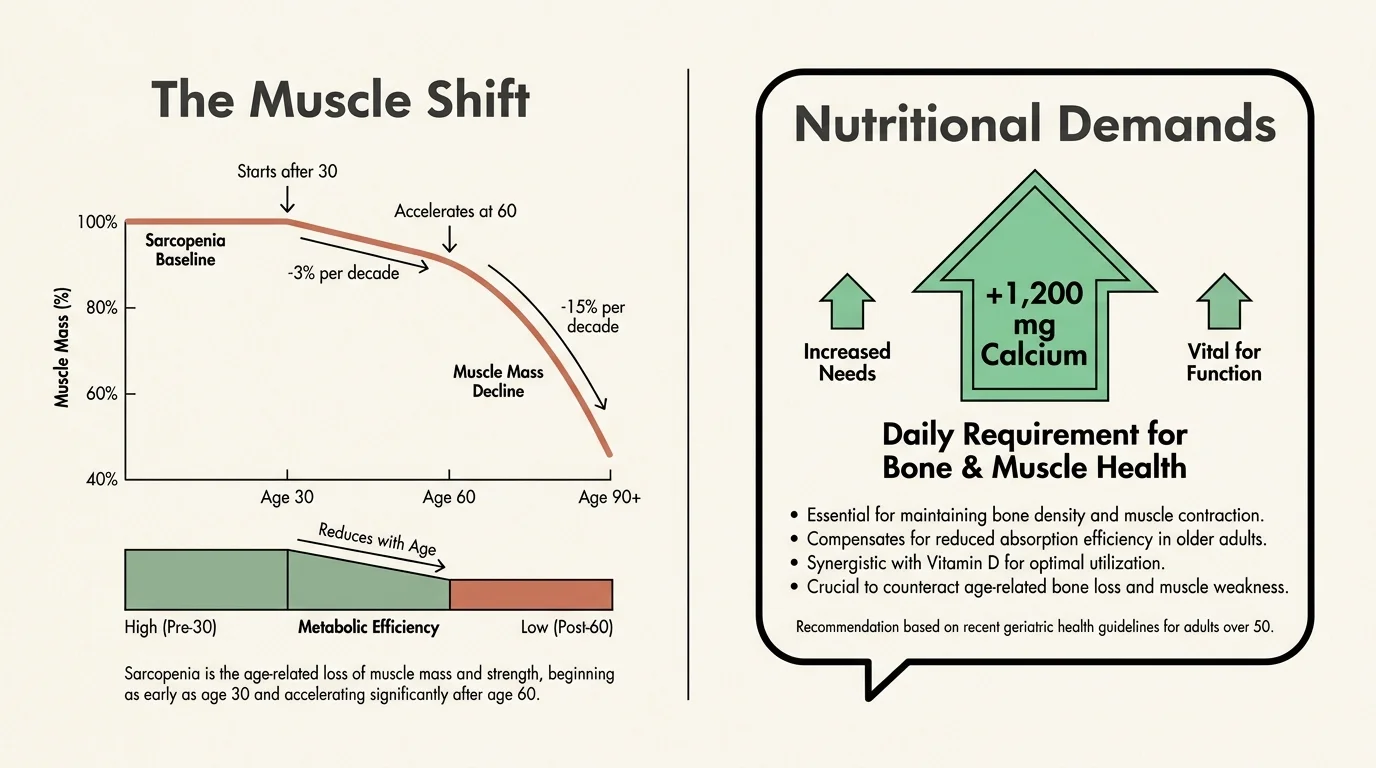
Your body undergoes natural metabolic and physical changes as the years pass. One of the most significant shifts involves your muscle mass and bone density. Starting in your thirties, the body gradually loses muscle tissue—a physiological process known as sarcopenia—and this natural decline accelerates significantly after you turn sixty. Because muscle tissue plays a critical role in your physical balance, joint stability, and metabolic health, actively maintaining it becomes a top priority for your overall well-being.
Proper senior nutrition provides the exact biological tools your system requires to slow down this muscle loss and reinforce your skeletal structure. While your overall daily caloric needs often decrease due to a naturally slower resting metabolism and changes in your physical activity levels, your requirement for specific vitamins, minerals, and proteins actually increases. This dynamic means every single meal needs to work harder for you; empty calories from processed snacks offer little value when your aging body demands high-quality fuel to repair cellular damage and sustain your daily energy.
Prioritizing nutrition for aging well means recognizing that food acts as functional medicine. When you supply your digestive system with the correct combination of complete proteins, healthy fats, and complex carbohydrates, you actively support joint lubrication, cognitive function, and immune defense. Strong muscles protect your delicate joints from excessive wear and tear, reducing your risk of accidental falls and keeping you comfortably independent in your own home. By simply adjusting your grocery shopping list to include more nutrient-dense, whole-food options, you take profound, immediate control over your daily physical comfort and your long-term capabilities. Understanding these core mechanics empowers you to make thoughtful dietary choices that yield tangible, real-world benefits for your strength and vitality.
Practical Tips for a Healthier, Happier Life
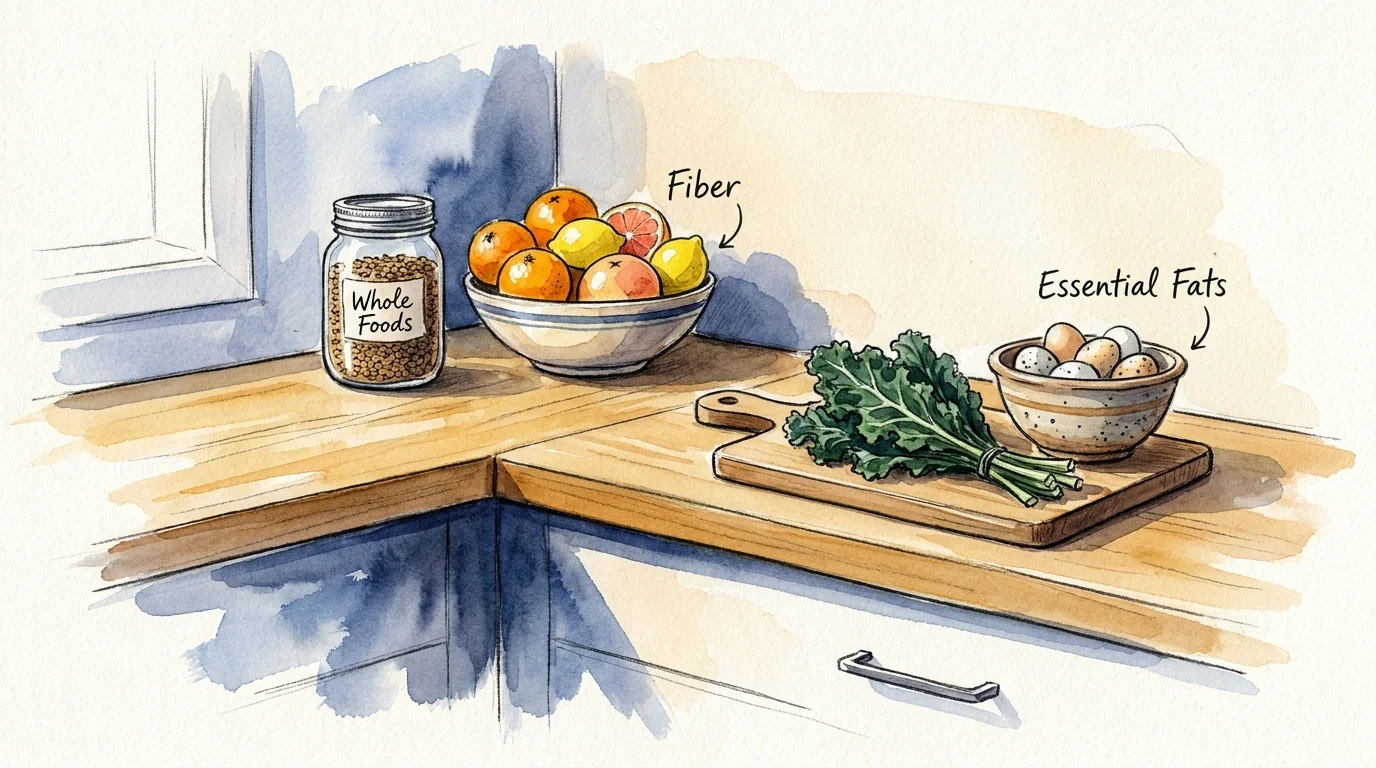
Building a diet around healthy foods for older adults does not require complicated recipes or expensive specialty ingredients. By focusing on accessible, whole foods, you can easily create meals that fortify your body. The following nine selections offer outstanding nutritional profiles designed to keep your muscles and bones functioning at their best.
1. Greek Yogurt
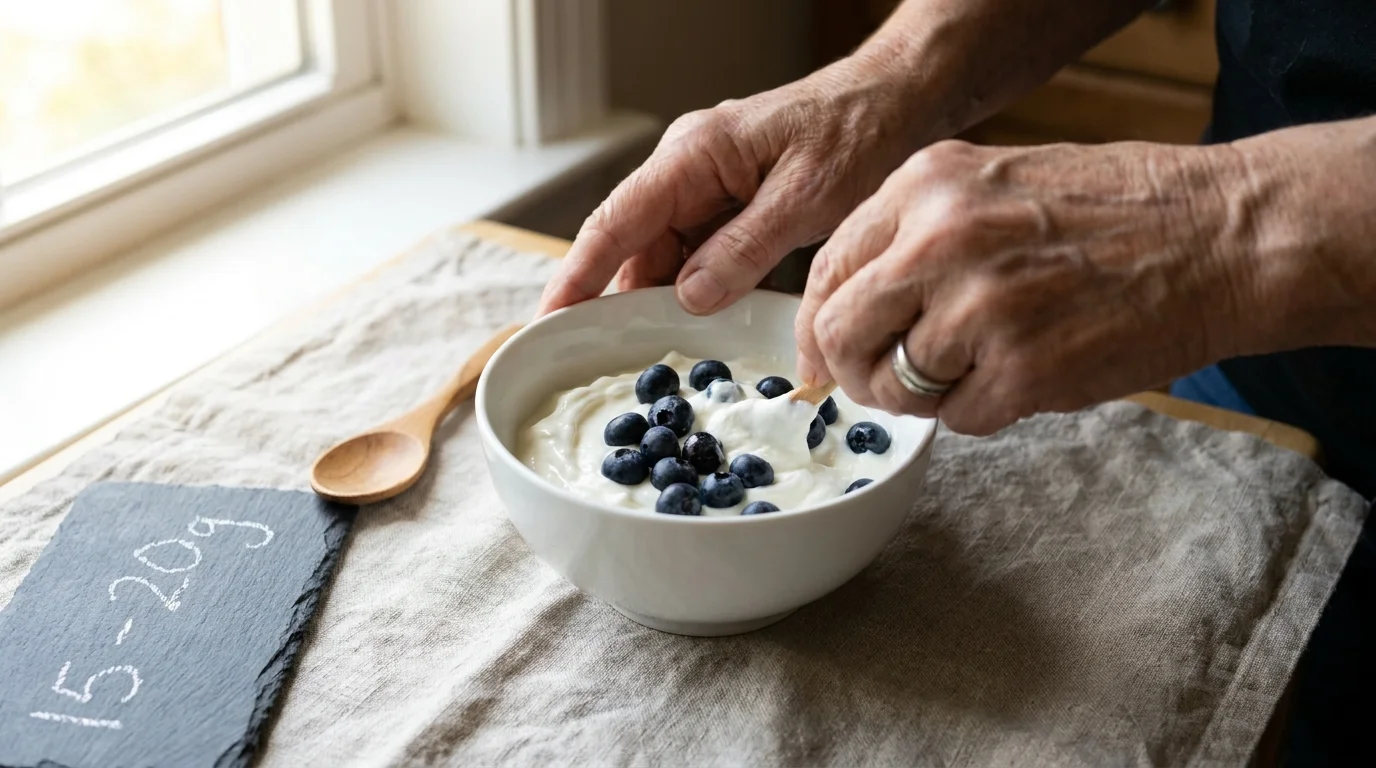
A standard serving of plain Greek yogurt packs around fifteen to twenty grams of high-quality protein, which is roughly double the amount found in traditional yogurt styles. Protein serves as the primary biological building block for repairing microscopic muscle fiber tears after your daily physical activity. Furthermore, Greek yogurt delivers a robust dose of highly absorbable calcium; women over fifty and men over seventy require approximately 1,200 milligrams of calcium daily to maintain optimal bone density and prevent fractures. You can easily boost its nutritional profile by stirring in a handful of fresh sliced fruit or a spoonful of chia seeds for a quick, fortifying breakfast.
2. Wild-Caught Salmon
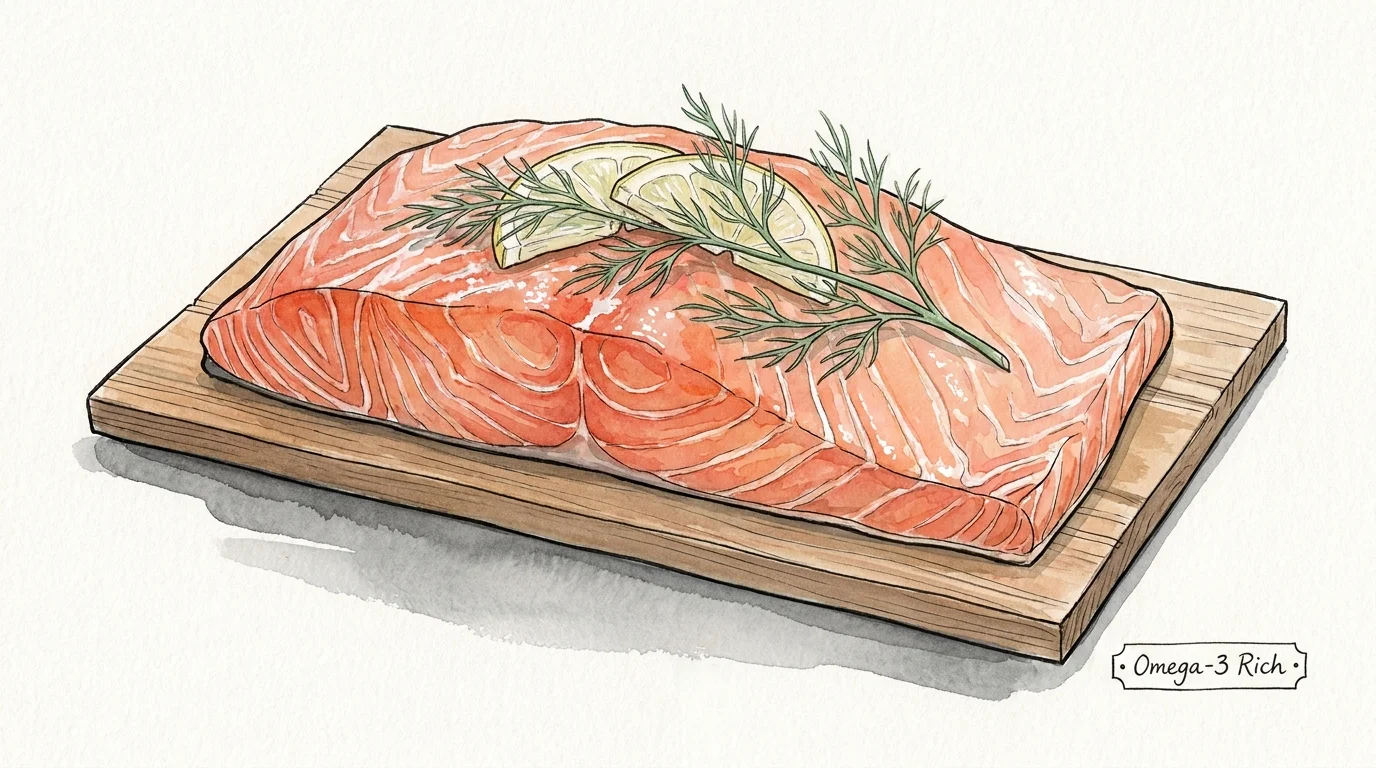
Cardiovascular health and muscular maintenance go hand in hand as you age. Wild-caught salmon provides an incredible abundance of omega-3 fatty acids—powerful natural compounds known to significantly reduce inflammation throughout your joints and blood vessels. When your joints feel lubricated and pain-free, you naturally remain more active, which inherently preserves your physical strength. A standard four-ounce serving of salmon also offers meaningful amounts of vitamin D; this specific nutrient acts as a necessary biological key to unlock calcium absorption within your intestines. Baking a fresh fillet with a light squeeze of lemon and some fresh dill creates a simple, highly nutritious dinner.

3. Whole Eggs
Eggs represent one of the most accessible, versatile, and highly digestible sources of complete protein available. They supply a high-biological-value protein, meaning your digestive system easily absorbs and utilizes the amino acids they contain. Specifically, whole eggs are exceptionally rich in leucine, an essential amino acid that directly stimulates the internal mechanisms responsible for muscle protein synthesis. Additionally, the egg yolk contains choline, a vital nutrient that actively supports cognitive function and nerve communication. Boiling a small batch of eggs at the beginning of the week ensures you always have a quick, protein-rich snack ready to enjoy when your energy dips.
4. Dark Leafy Greens
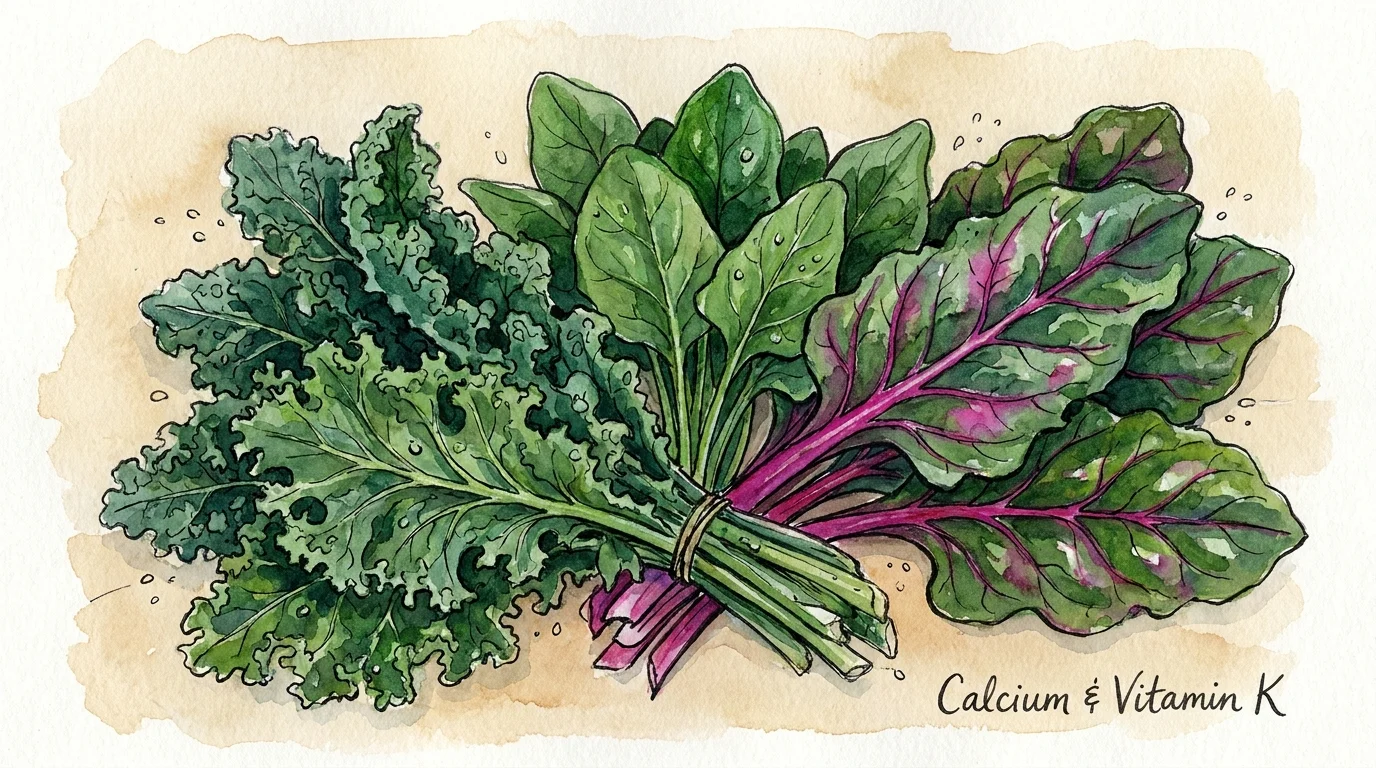
Spinach, kale, Swiss chard, and collard greens might not immediately seem like traditional muscle-building foods, yet they provide the foundational minerals required for proper muscular contraction and relaxation. These vibrant greens contain abundant levels of magnesium; a deficiency in dietary magnesium often leads to painful muscle cramps and chronic physical fatigue. Furthermore, dark leafy greens offer impressive quantities of vitamin K, a crucial nutrient that works synergistically with calcium to heavily fortify your skeletal system. Lightly sautéing your favorite greens in a small amount of extra virgin olive oil helps your digestive tract absorb these fat-soluble vitamins much more efficiently.
5. Lentils and Beans
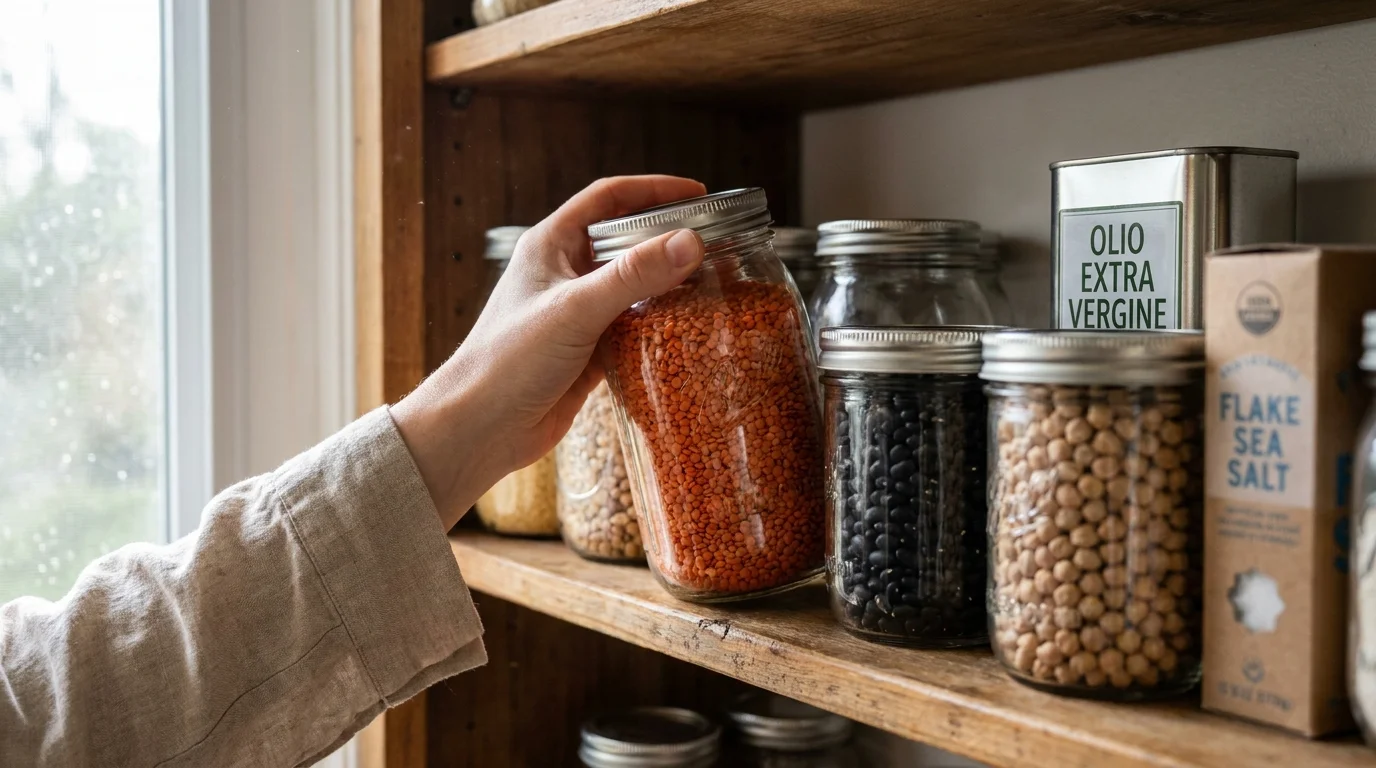
Plant-based proteins offer an incredible dual benefit for aging bodies; they supply the necessary amino acids for physical strength while simultaneously delivering substantial amounts of crucial dietary fiber. Older adults frequently experience digestive sluggishness, making the roughly fifteen grams of fiber found in a single cup of cooked lentils incredibly beneficial for maintaining regular bowel health. A healthy, fully functioning digestive tract ensures you effectively absorb the vital nutrients from all the other healthy foods you consume. Beans also provide steady, slow-releasing complex carbohydrates that keep your bodily energy levels remarkably stable throughout the afternoon without causing sudden blood sugar spikes.
6. Lean Poultry
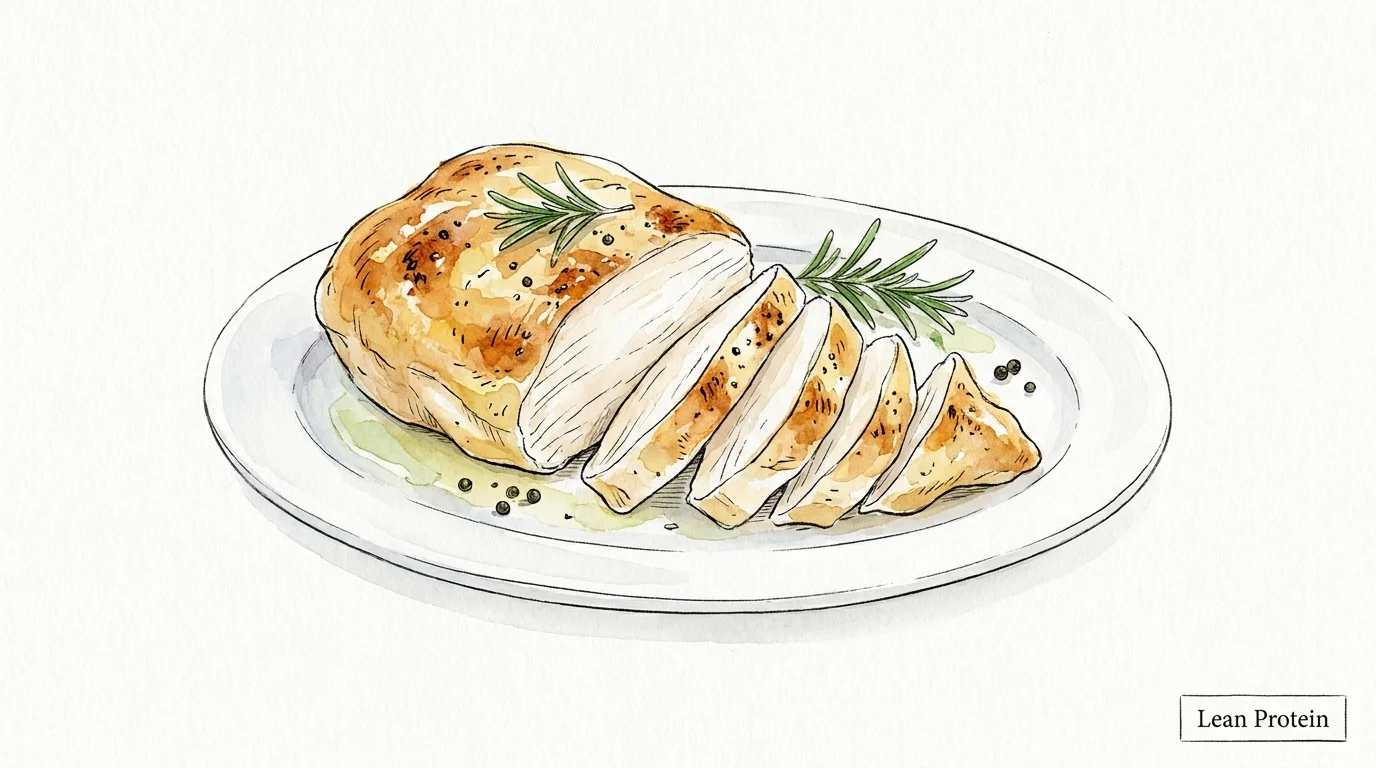
Chicken and turkey breasts stand out as dietary staples for maintaining a highly resilient physical frame. A standard portion yields nearly thirty grams of lean protein without adding excessive amounts of saturated fat to your diet. Beyond just protein content, poultry serves as an excellent natural source of essential B vitamins, particularly niacin and vitamin B6. These specific vitamins actively assist your cellular machinery in converting the food you eat into usable kinetic energy, ensuring you have the necessary stamina to engage in walking, gardening, or physical therapy exercises. Roasting a whole chicken provides highly versatile leftovers you can easily toss into hearty soups or fresh salads.
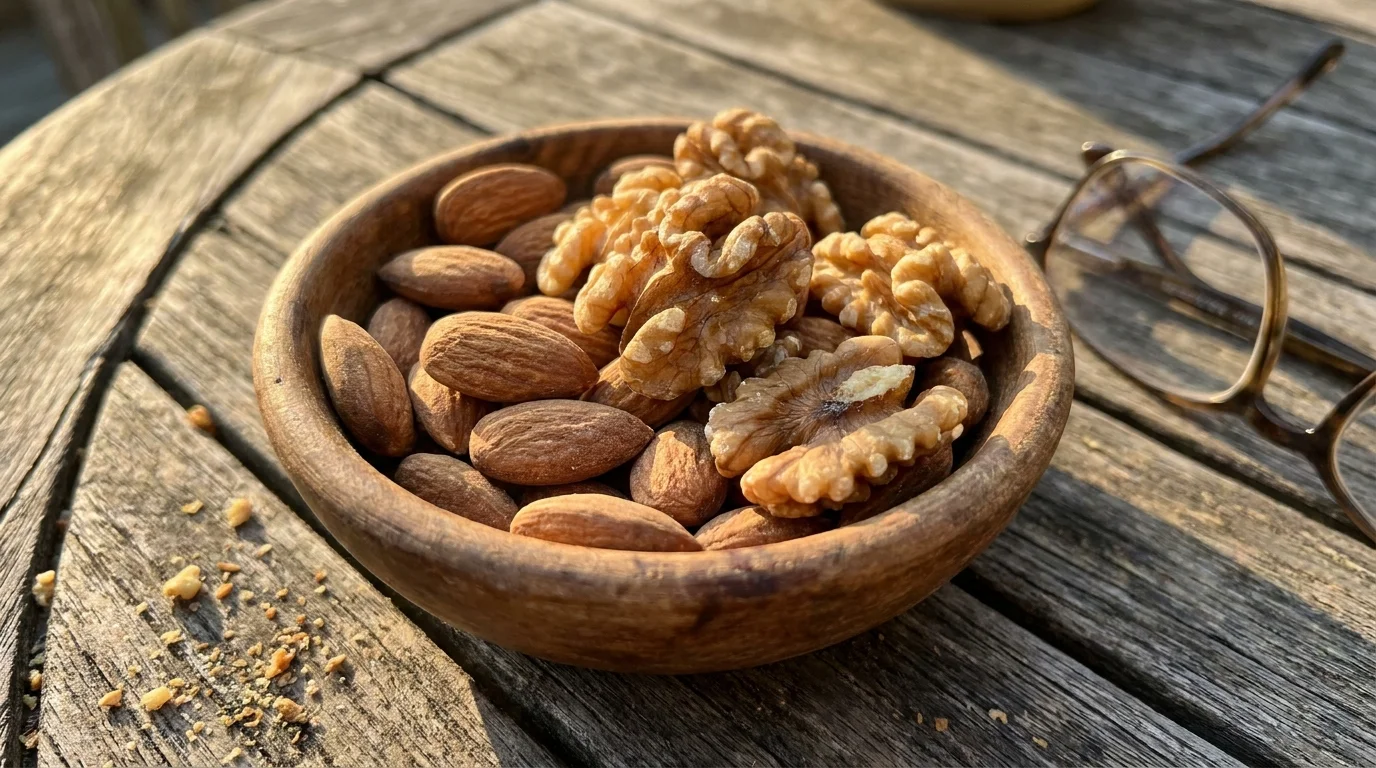
7. Almonds and Walnuts
Nuts act as nature’s perfect energy-dense nutritional powerhouses. When you experience a natural dip in your daily appetite, a small handful of almonds or walnuts provides a highly concentrated source of beneficial calories, healthy fats, and plant-based protein. Walnuts, in particular, contain alpha-linolenic acid, a specific plant-based omega-3 fatty acid that further combats systemic joint inflammation. Almonds generously supply vitamin E, a potent cellular antioxidant that protects your delicate muscle membranes from daily oxidative stress and damage. Keeping a small jar of mixed, unsalted nuts on your kitchen counter encourages frequent, nutritious snacking that directly supports your overall physical vigor.
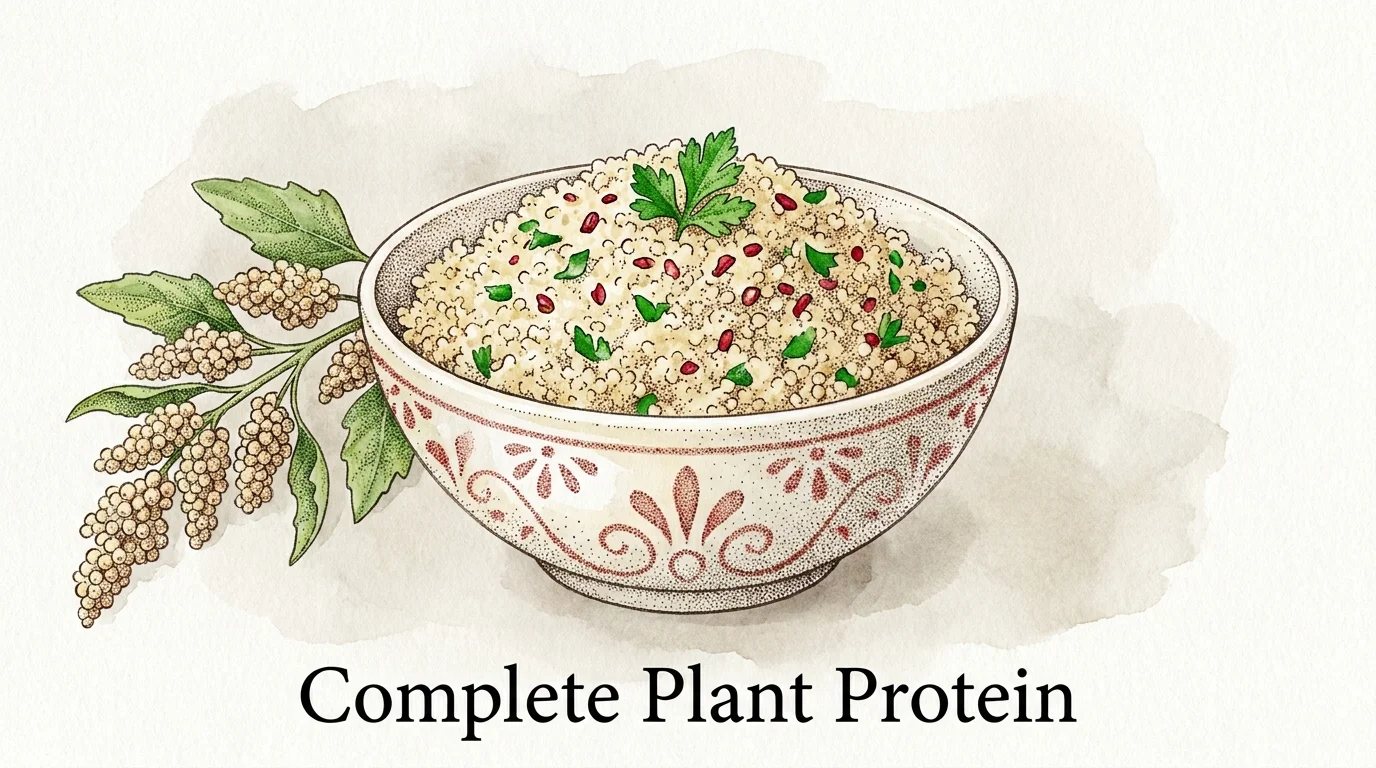
8. Quinoa
Traditional grains often lack the complete amino acid profile required to efficiently build and repair muscle tissue, but quinoa beautifully breaks that standard rule. Serving as a rare complete plant protein, quinoa contains all nine essential amino acids that your human body cannot produce on its own. Quinoa also cooks relatively quickly and features a very soft, pleasing texture, making it exceptionally gentle on the teeth and jaw for those with dental sensitivities. Replacing standard processed white rice with cooked quinoa in your favorite casseroles or side dishes instantly elevates the meal’s nutritional density, providing your tired muscles with superior structural support.
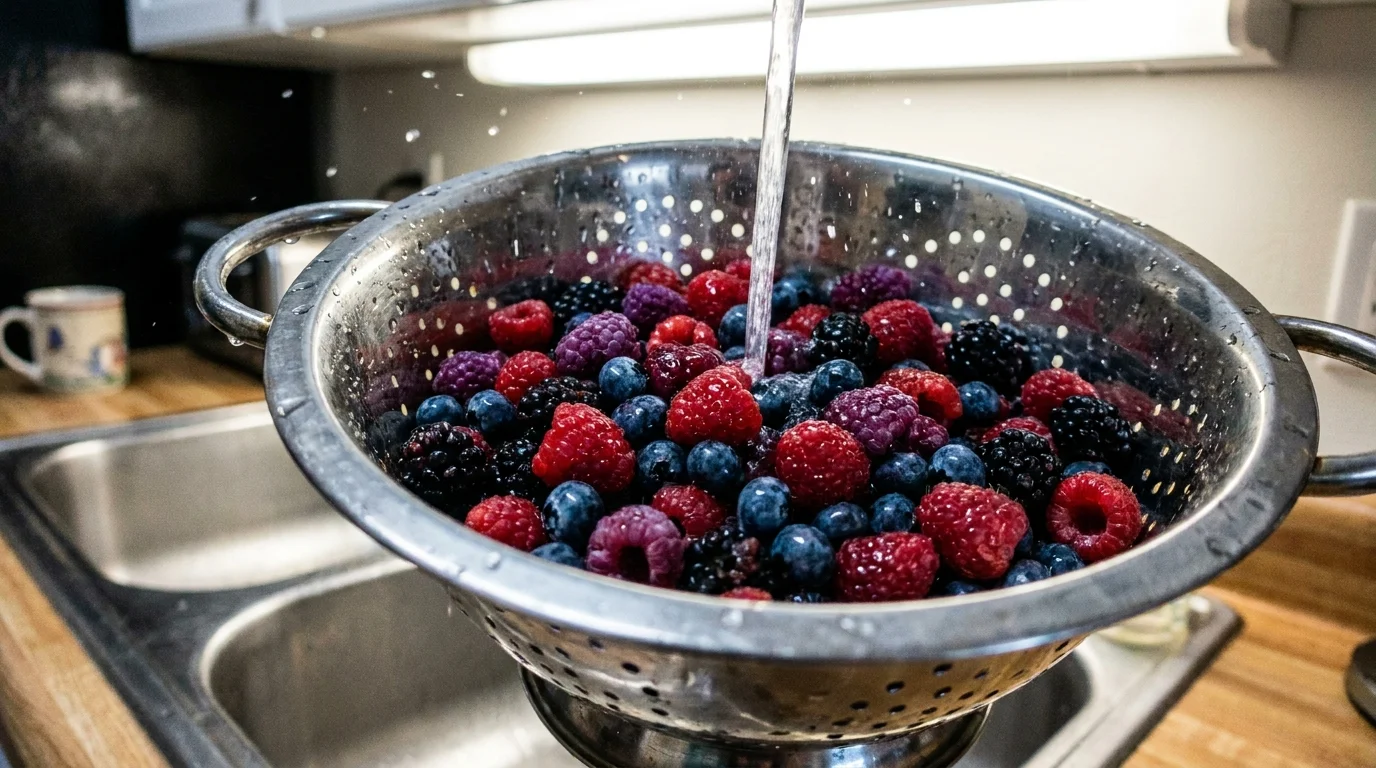
9. Colorful Berries
Blueberries, strawberries, raspberries, and blackberries do not directly build bulky muscle mass, but they play an absolutely crucial role in your cellular recovery process. Every time you move, exercise, or simply go about your daily chores, your body naturally produces microscopic free radicals. The dark, rich pigments found in berries—scientifically known as anthocyanins—act as aggressive antioxidants that quickly neutralize these free radicals, effectively reducing delayed muscle soreness and morning joint stiffness. Berries also pack a significant amount of vitamin C, an essential dietary component for the internal production of collagen. Collagen naturally gives essential structure and elasticity to your tendons, ligaments, and aging skin.
Important Safety Precautions to Keep in Mind
While improving your diet offers immense physical benefits, you must approach dietary changes with a keen awareness of your unique physical limitations and medical history. As we age, our bodies process foods and medications differently, requiring a thoughtful and gentle approach to nutrition.
First, always consider the texture of the foods you choose. Dental challenges or conditions affecting the throat can make chewing and swallowing difficult—a medical condition known as dysphagia. If you find chewing whole nuts or tough meats tiring, you can easily modify these strength-building foods. Blend spinach and berries into a smooth morning shake, choose soft-baked salmon over dry poultry, and enjoy natural nut butters instead of whole, hard nuts. Ensuring your food remains physically manageable prevents accidental choking and ensures you actually enjoy your meals.
Second, you must remain vigilant about potential food and medication interactions. For example, if your doctor prescribes blood-thinning medications like warfarin, suddenly drastically increasing your intake of vitamin K-rich leafy greens can interfere with the drug’s effectiveness. Similarly, certain citrus fruits can negatively interact with cholesterol-lowering statins or blood pressure medications. Whenever you plan to introduce large quantities of a new food group into your daily routine, it is vital to verify that it will not disrupt the delicate balance of your prescribed treatments.
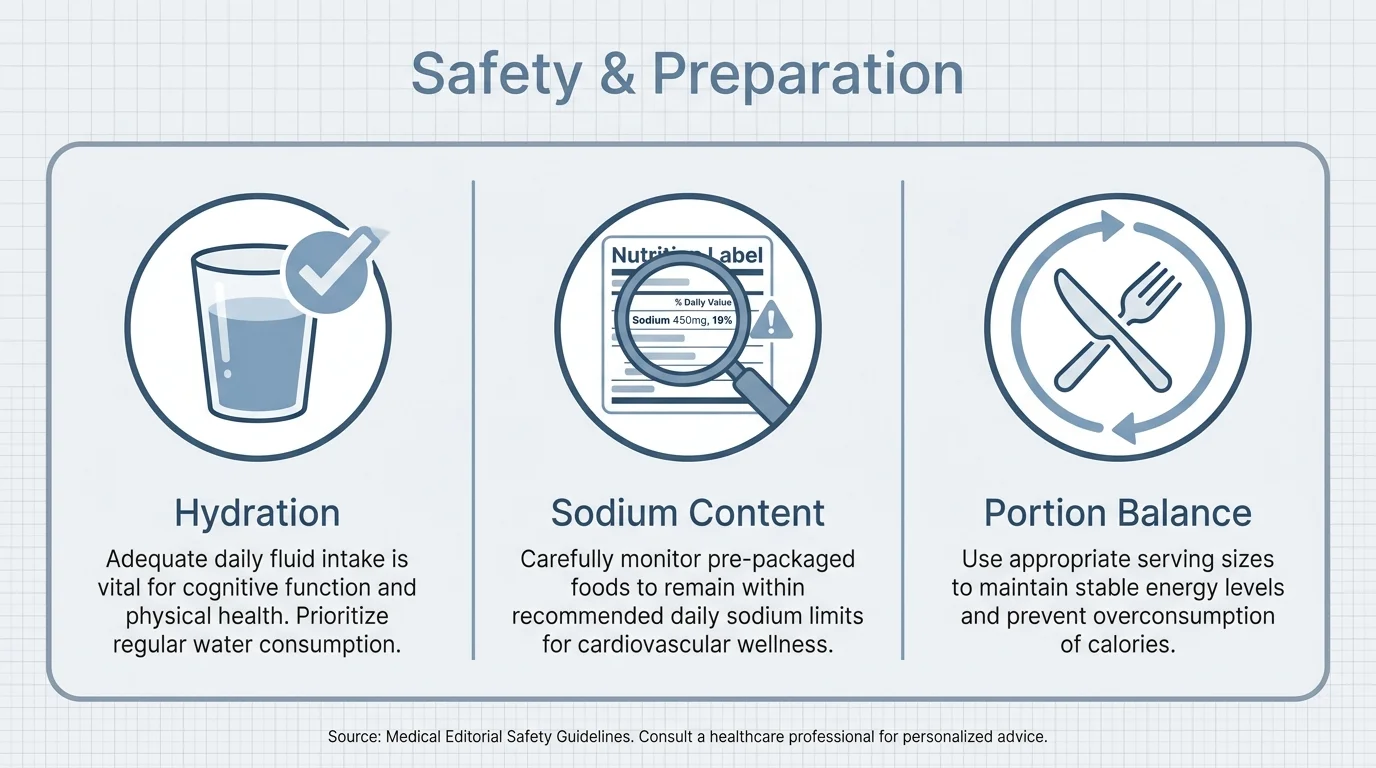
Finally, prioritizing hydration is absolutely critical when increasing your intake of protein and dietary fiber. The natural human thirst mechanism often dulls significantly with age, meaning you might not feel thirsty even when your body desperately needs fluids. High-fiber foods like beans and lentils require ample water to move smoothly through your digestive tract; without sufficient hydration, these healthy foods can actually cause uncomfortable constipation. Make a conscious habit of sipping water, herbal teas, or clear broths steadily throughout your day to support your kidney function and aid proper digestion.

When to Speak with a Healthcare Professional
While focusing on a nutrient-rich diet profoundly impacts your physical resilience, dietary adjustments alone cannot address underlying medical conditions. Your nutritional journey should always complement, rather than replace, professional medical guidance.
You should immediately schedule a conversation with your primary care physician or a registered dietitian if you experience sudden, unexplained weight loss, as this often indicates an underlying health issue that requires prompt professional investigation. Additionally, if you suffer from a persistent loss of appetite, ongoing difficulty swallowing your meals, or chronic physical fatigue that does not improve with rest and better nutrition, these are clear biological signals that you need targeted medical support. A doctor can accurately assess your blood work to identify hidden vitamin deficiencies, check your kidney and liver function, and provide personalized recommendations tailored to your exact metabolic needs.
For authoritative, trustworthy health information, always consult official sources like the National Institute on Aging (NIA) and MedlinePlus from the National Library of Medicine. The CDC also provides excellent resources for older adults.
Frequently Asked Questions
Do I need to take protein supplements to maintain my strength?
For the vast majority of older adults, acquiring protein through whole foods like poultry, eggs, beans, and Greek yogurt is entirely sufficient and highly preferred. Whole foods provide a complex matrix of accompanying vitamins, minerals, and dietary fiber that isolated protein powders simply cannot replicate. However, if you have a significantly diminished appetite, are recovering from a major surgery, or struggle to chew solid foods, a high-quality protein shake or supplement can serve as an excellent, doctor-approved tool to bridge your nutritional gaps.
How much protein do I actually need to consume every day?
While individual nutritional requirements vary based on weight, gender, and activity level, many nutritional experts recommend that older adults aim for approximately 1.0 to 1.2 grams of protein per kilogram of body weight. For a person weighing 150 pounds, this translates to roughly 68 to 82 grams of protein spread evenly throughout the day. Consuming twenty to thirty grams of protein per meal optimally stimulates your body’s muscle-building mechanisms, keeping your physical frame sturdy and well-supported.
What should I do if I have a very poor appetite but still need to stay strong?
Experiencing a reduced appetite is a highly common challenge as we age. Instead of forcing yourself to eat three massive meals, try shifting your routine to eating five or six small, highly nutrient-dense mini-meals throughout the day. Focus heavily on foods that pack a significant amount of calories and protein into a small volume—such as a handful of walnuts, a slice of whole-grain toast heavily spread with almond butter, or a small bowl of full-fat yogurt. Drinking your calories through nutrient-rich smoothies can also help bypass a stubborn lack of appetite.
Are canned or frozen fruits and vegetables just as nutritious as fresh ones?
Yes, they absolutely are. In fact, fruits and vegetables are typically flash-frozen or canned at the absolute peak of their seasonal ripeness, which effectively locks in their delicate vitamins and minerals. Frozen spinach, frozen berries, and canned beans are incredibly convenient, highly cost-effective, and nutritionally equivalent to their fresh counterparts. When purchasing canned goods, simply ensure you select options labeled “low sodium” or “no added salt,” and actively choose fruits packed in their own natural juices rather than heavy, sugary syrups.
Disclaimer: This article is for informational purposes only and does not constitute medical advice. Always seek the advice of your physician or other qualified health provider with any questions you may have regarding a medical condition.