Satisfying your sweet tooth does not require you to sacrifice your wellness goals or endure a sudden spike in blood sugar. You can indulge in nutritious sweet treats that provide essential vitamins, fiber, and healthy fats while keeping your daily nutrition perfectly on track. As we age, metabolism slows down and insulin sensitivity shifts, making traditional sugary confections less than ideal. However, completely depriving yourself of sweets rarely works. By choosing wholesome ingredients, you can transform dessert into an opportunity for better health. Discover healthy desserts guilt free that support digestion, protect your heart, and bring genuine joy to your routine.
Understanding the Basics of Healthy Desserts for Seniors
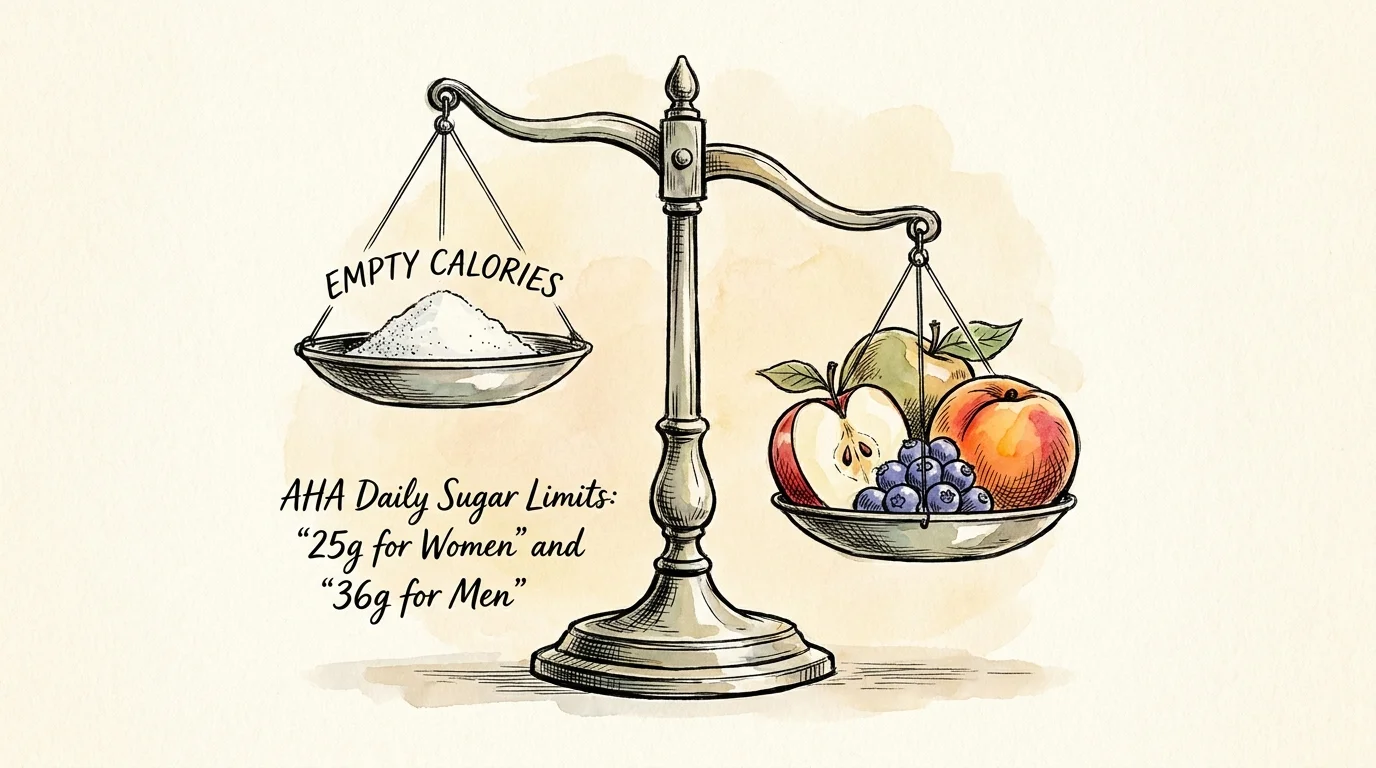
Navigating the world of desserts as an older adult requires a gentle shift in perspective; you no longer need to view sweets as dietary villains. As your body matures, your nutritional needs evolve significantly. Your digestive system relies heavily on dietary fiber, your bones demand more calcium, and your muscles require consistent protein intake to maintain their strength. Traditional baked goods and candies typically offer empty calories heavily laden with refined sugars and unhealthy fats. These ingredients often trigger rapid blood sugar spikes followed by steep crashes, leaving you feeling lethargic and hungry.
Instead of entirely eliminating your favorite after-dinner ritual, you can embrace healthy indulgent sweets that actually serve a functional purpose in your diet. Creating desserts from whole foods provides your body with vital antioxidants, vitamins, and minerals. For instance, swapping processed white sugar for the natural sweetness of fruit allows you to enjoy dessert while actively supporting your cardiovascular health. The American Heart Association advises that women limit added sugars to 25 grams per day and men to 36 grams. By preparing low calorie desserts at home, you take complete control over your ingredients, effortlessly keeping your sugar intake well below these recommended thresholds. Understanding this delicate balance empowers you to nurture your physical health without giving up the simple pleasures of a delicious evening treat.
Practical Tips for a Healthier, Happier Life
1. Chia Seed Pudding with Mixed Berries
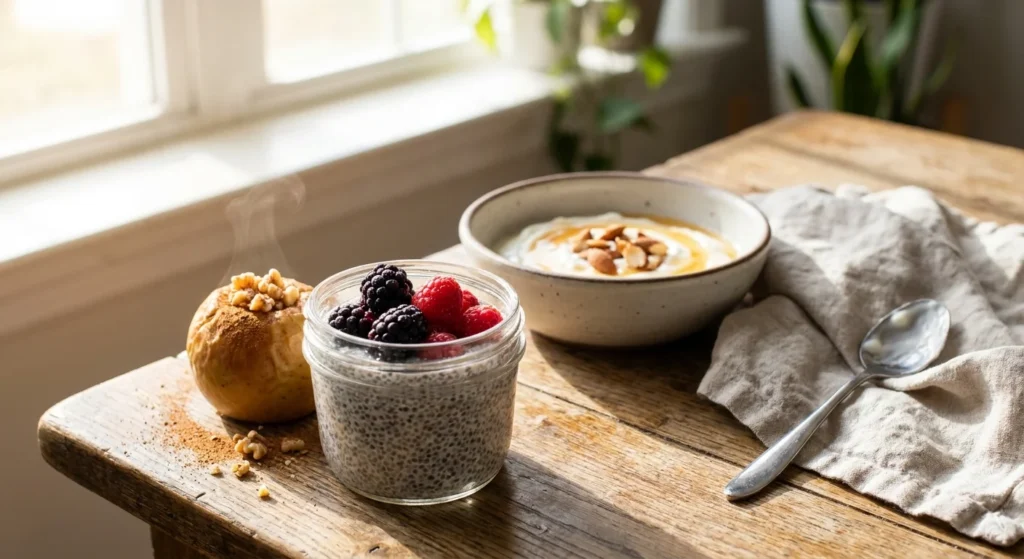
Chia seeds pack an incredible nutritional punch, offering an abundance of omega-3 fatty acids and soluble fiber. When you soak these tiny seeds in milk or a dairy-free alternative, they expand to create a rich pudding that feels remarkably decadent. Fiber plays a critical role in maintaining regular digestion and stabilizing your blood sugar levels. You can naturally sweeten this pudding by topping it with a handful of mixed berries. Blackberries, raspberries, and blueberries provide essential antioxidants that support cognitive function. Prepare this clean eating dessert in small jars the night before, and you will have a perfectly portioned, heart-healthy treat ready whenever a craving strikes.
2. Baked Apples with Cinnamon and Walnuts
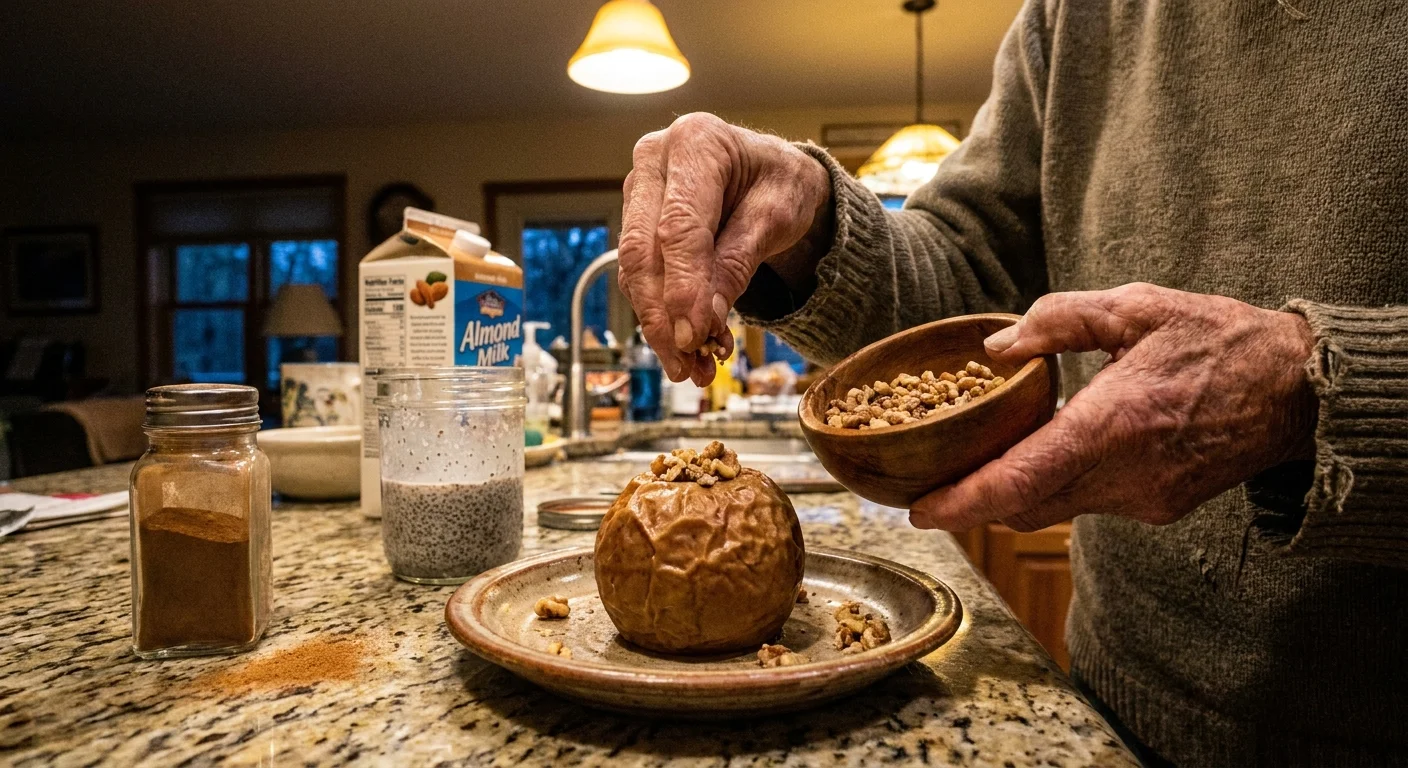
Baking transforms an ordinary crisp apple into a warm, comforting dessert that rivals traditional pie. Apples contain high levels of pectin, a soluble fiber known to help lower cholesterol levels. By coring an apple and dusting it generously with cinnamon, you enhance its natural sweetness without adding refined sugar. Cinnamon also possesses remarkable properties that assist your body in regulating blood glucose levels naturally. Stuff the center with a small handful of crushed walnuts before baking to introduce healthy fats and a satisfying crunch. Walnuts provide crucial neuroprotective benefits, making this simple dessert an excellent choice for preserving your cognitive sharpness.
3. Greek Yogurt Parfait with Toasted Almonds
Protein remains essential for preserving muscle mass as you age, and plain, unsweetened Greek yogurt delivers this vital nutrient in abundance. Beyond its impressive protein content, Greek yogurt provides live probiotic cultures that foster a healthy gut microbiome. You can build a beautiful parfait by layering creamy yogurt with sliced seasonal fruits like peaches or strawberries. Sprinkle toasted almonds between the layers to add a delightful crunch alongside a significant dose of vitamin E, which protects your immune system. Because store-bought flavored yogurts often conceal staggering amounts of added sugar, constructing your own parfait ensures you consume only nourishing ingredients.
4. Dark Chocolate Covered Strawberries
You do not have to banish chocolate from your pantry to maintain a healthy lifestyle. High-quality dark chocolate—specifically varieties containing seventy percent cacao or higher—boasts an impressive profile of heart-healthy flavonoids. These natural compounds help relax your blood vessels, potentially lowering your blood pressure and improving overall circulation. Melting a few squares of premium dark chocolate and dipping fresh strawberries creates an elegant dessert that feels entirely indulgent. The strawberries contribute plenty of vitamin C, which aids in collagen production and supports joint health. Enjoying two or three of these chocolate-coated gems perfectly aligns with your holistic wellness goals.
5. Avocado Chocolate Mousse
Using avocados as a base for a chocolate dessert might sound unusual, but it produces a remarkably smooth and creamy mousse. Avocados are rich in monounsaturated fats, the same heart-healthy fats found in olive oil, which actively lower bad cholesterol levels. To create this nutrient-dense treat, simply blend a ripe avocado with a scoop of raw cacao powder, a splash of almond milk, and a tiny drizzle of pure maple syrup. The raw cacao provides authentic chocolate flavor along with an extra boost of magnesium for healthy nerve function. This velvety dessert brilliantly sneaks extra vitamins into your evening routine.
6. Frozen Banana “Nice Cream”
When the weather warms up and you crave a scoop of ice cream, frozen bananas offer a flawless, naturally sweet substitute. Bananas serve as an excellent source of potassium, a vital mineral that helps your body regulate blood pressure and fluid balance. Simply slice a ripe banana, freeze the pieces overnight, and blend them in a food processor until they miraculously transform into a soft-serve consistency. You can customize this versatile base by adding unsweetened peanut butter or vanilla extract. This dairy-free alternative bypasses heavy cream and refined sugars, presenting you with a refreshing, nutrient-packed dessert that digests easily.
7. Oatmeal and Raisin Energy Bites
For those moments when you simply want a quick sweet, homemade oatmeal energy bites provide the perfect solution. Rolled oats supply a steady stream of complex carbohydrates, giving you sustained energy without the sudden spikes associated with processed flour. Mix your rolled oats with a spoonful of natural almond butter, a sprinkle of ground flaxseed, and a small handful of sweet raisins. The flaxseed introduces crucial lignans and omega-3s to support your cardiovascular system. Roll the mixture into small spheres and store them in your refrigerator. These chewy bites serve as excellent clean eating desserts that keep your digestion running smoothly.
8. Poached Pears in Spiced Water
If you occasionally struggle with chewing hard foods, poached pears offer a tender texture that is incredibly gentle on the digestive tract. Pears provide a significant amount of dietary fiber, especially when you leave the nutrient-dense skin intact. Simmering firm pears in a bath of water infused with star anise, cloves, and a cinnamon stick allows the fruit to absorb deeply aromatic, warming spices. The gentle cooking process breaks down tough fibers, making the fruit exceptionally easy to digest while enhancing its natural sweetness. Serve a warm poached pear for a sophisticated, hydrating, and inherently healthy dessert.
9. Cottage Cheese with Fresh Peaches
Though often categorized as a savory breakfast item, cottage cheese transitions beautifully into a sweet evening treat. It is an outstanding source of slow-digesting casein protein, which helps your body repair tissues while you sleep. Additionally, the high calcium content supports bone density, a crucial factor in maintaining mobility. Top a half-cup serving of low-sodium cottage cheese with slices of fresh, juicy peaches and a light dusting of nutmeg. The natural juices from the fruit blend seamlessly with the mild cheese, creating a delightful contrast of textures. This dessert keeps you feeling full and satisfied throughout the night.
10. Coconut Milk Rice Pudding
Traditional rice pudding often relies on heavy cream and copious amounts of white sugar, but you can easily reinvent this comforting classic. By utilizing unsweetened light coconut milk and cooked brown rice, you create a wholesome variation that honors your health requirements. Brown rice retains its bran and germ layers, supplying you with essential B vitamins and extra fiber that white rice lacks. Simmer the rice gently in the coconut milk with pure vanilla extract until the mixture thickens into a creamy porridge. This warm, soothing dessert proves exceptionally easy on the stomach and provides a wonderful dairy-free option.
11. Mashed Sweet Potato with Nutmeg and Pecans
Sweet potatoes belong on your dessert plate just as much as they belong alongside your dinner entrees. These vibrant root vegetables overflow with beta-carotene, an antioxidant your body converts into vitamin A to protect your vision and support immune function. Bake a medium sweet potato until it turns incredibly soft, then mash the vibrant orange flesh with a dash of nutmeg. Top the warm mash with a few crushed pecans for a buttery, satisfying crunch. The inherent sweetness of the potato deepens as it roasts, completely eliminating the need for added syrups in this grounding, earthy dessert.
12. Watermelon Slices with a Drizzle of Balsamic Glaze
Proper hydration remains a common challenge for many seniors, as the natural sensation of thirst frequently diminishes with age. Watermelon consists of over ninety percent water, making it a spectacular way to boost your daily fluid intake while satisfying your sweet cravings. Furthermore, watermelon boasts exceptionally high levels of lycopene, a potent antioxidant strongly linked to improved heart health. To elevate this simple fruit from a basic snack to an elegant dessert, drizzle crisp, cold watermelon slices with a high-quality balsamic glaze. The tangy balsamic vinegar beautifully highlights the refreshing sweetness of the melon, offering a sophisticated flavor profile.
Important Safety Precautions to Keep in Mind
While incorporating these nutritious sweet treats into your diet offers numerous benefits, you must remain mindful of several critical safety factors. Portion control remains an essential practice, even when you consume foods composed of healthy, whole ingredients. Natural sugars found in fruits and honey still impact your overall caloric intake and blood glucose levels; consuming them in excess can hinder your health objectives. Always measure out a single serving in a small bowl or on a saucer rather than eating directly from a large container, which often leads to mindless overeating.
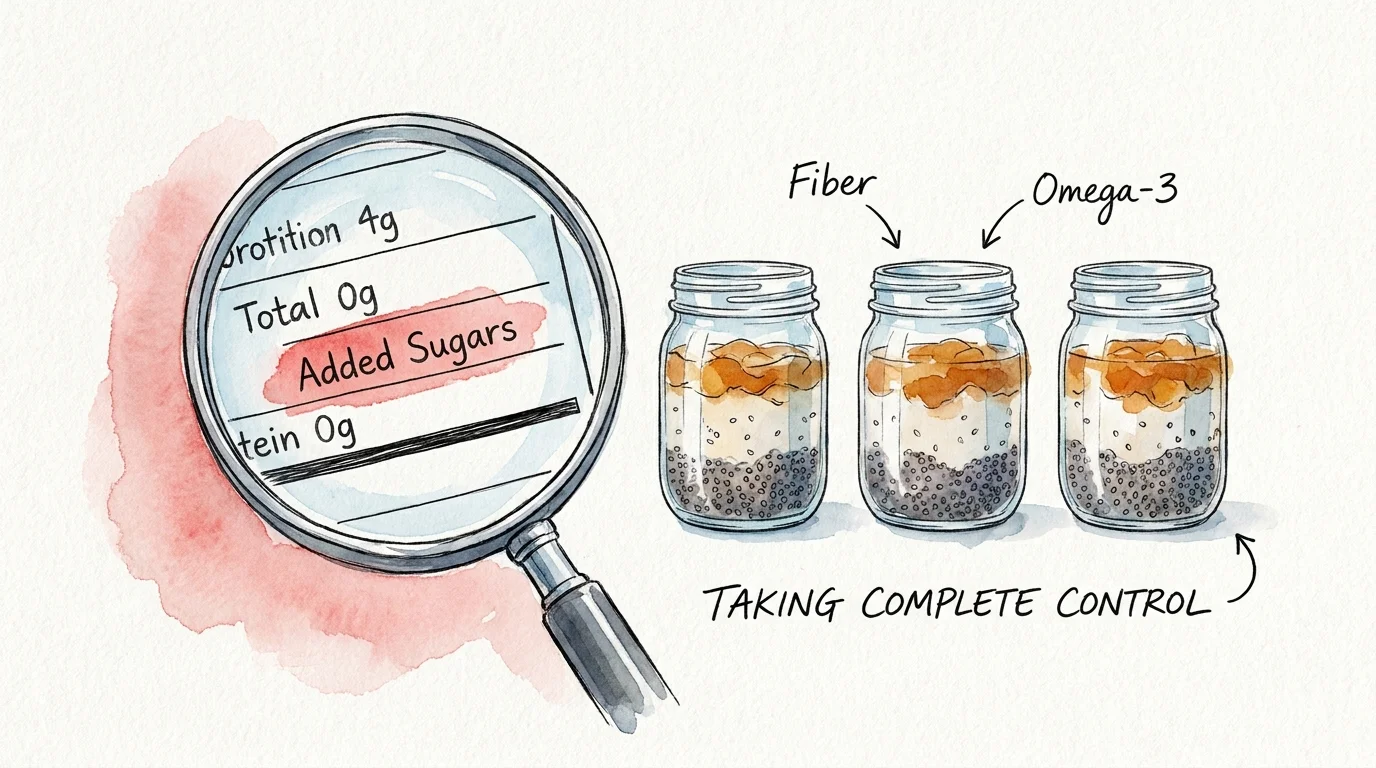
Additionally, pay close attention to the physical texture of your chosen desserts. If you wear dentures or experience minor chewing or swallowing difficulties, you should modify certain recipes to ensure complete safety. Opt for the softer options like the avocado mousse, frozen banana nice cream, or gently poached pears, and avoid adding whole nuts or sticky dried fruits that might pose a choking hazard. Finally, if you decide to purchase store-bought versions of these items, always read the nutrition labels meticulously. Manufacturers frequently disguise refined sugars under confusing names like dextrose, high fructose corn syrup, or maltodextrin. Staying vigilant about hidden ingredients ensures your desserts genuinely support your long-term vitality.

When to Speak with a Healthcare Professional
This article is intended for general educational purposes and should never replace personalized medical advice from your trusted physician or a registered dietitian. Managing your diet requires a tailored approach, especially as you navigate the unique physiological changes associated with aging. You should promptly consult your healthcare provider if you experience sudden, unexplained changes in your appetite, or if you notice unexpected weight gain or loss.
If you live with prediabetes, type 2 diabetes, or cardiovascular disease, your doctor can provide specific guidelines regarding exactly how much fruit or natural sugar you can safely consume each day. Additionally, if introducing new fiber-rich foods into your diet causes persistent digestive discomfort, bloating, or irregular bowel movements, seek medical guidance to ensure your gastrointestinal system is functioning properly. Always speak with your pharmacist or doctor about potential food and medication interactions, ensuring that your new dietary choices perfectly complement your current medical treatments.
Frequently Asked Questions
Can I enjoy these desserts if I am managing type 2 diabetes?
Yes, many of these treats can be safely integrated into a diabetic meal plan, provided you practice strict portion control and closely monitor your overall carbohydrate intake. Desserts that combine natural sugars with protein, fiber, and healthy fats—like the chia seed pudding or Greek yogurt parfait—help slow down the absorption of glucose into your bloodstream. Always consult your endocrinologist or a certified diabetes educator to determine the appropriate portion sizes for your specific health needs.
What is the best time of day to eat a sweet treat?
Enjoying your dessert immediately following a balanced, fiber-rich meal generally proves better for your blood sugar than eating sweets on an empty stomach. The protein, fats, and fiber from your main meal create a buffer that slows digestion, preventing a rapid spike in your blood glucose. Many seniors also find that avoiding heavy or excessively rich foods right before bedtime helps prevent acid reflux and promotes a much more restful night of sleep.
Are artificial sweeteners a safer alternative for seniors?
While artificial sweeteners do not contain calories or directly raise blood sugar, their long-term impact on the aging body remains a subject of ongoing scientific debate. Some studies suggest that certain artificial sweeteners may disrupt the delicate balance of beneficial bacteria in your gut microbiome or inadvertently increase your cravings for intensely sweet foods. Opting for whole, naturally sweet foods like fresh berries, baked apples, or modest amounts of raw honey generally provides a more reliable and holistic approach to managing your sweet tooth.
How can I enhance the flavor of desserts without using refined sugar?
You can easily elevate the taste profile of your desserts by utilizing a variety of warming spices and pure extracts. Generously adding ground cinnamon, nutmeg, ginger, or cardamom tricks the palate into perceiving sweetness without adding a single calorie. Additionally, a few drops of pure vanilla or almond extract provide a rich, deeply satisfying aroma that enhances the overall dessert experience.
For authoritative, trustworthy health information, always consult official sources like the National Institute on Aging (NIA) and MedlinePlus from the National Library of Medicine. The CDC also provides excellent resources for older adults.
Disclaimer: This article is for informational purposes only and does not constitute medical advice. Always seek the advice of your physician or other qualified health provider with any questions you may have regarding a medical condition.