
Swapping your afternoon sweet treat for a square of dark chocolate provides powerful protective benefits for your aging brain and cardiovascular system. Medical professionals increasingly emphasize that cocoa-rich chocolate delivers essential antioxidants and flavanols that actively combat cellular damage and improve blood flow. You can enjoy this delicious intervention to lower your blood pressure, sharpen your memory, and reduce joint inflammation without relying on additional supplements. Navigating the sweet aisle requires understanding exactly which products offer therapeutic advantages and which are merely candy. Learning how to select and consume the right varieties ensures you maximize these potent health rewards while avoiding unnecessary sugars.
Understanding the Basics of Dark Chocolate for Seniors
For decades, chocolate carried a reputation as a sugary indulgence best reserved for special occasions. However, modern nutritional science paints a dramatically different picture when we focus specifically on the dark, cacao-rich varieties. At the heart of this shift is the cacao bean itself; a small but mighty seed packed with hundreds of bioactive compounds. When exploring dark chocolate health seniors often discover that the therapeutic value comes entirely from the non-fat cocoa solids, not the cocoa butter or the added sugars.
The star players in this nutritional profile are flavanols—a specific type of polyphenol antioxidant found abundantly in raw cacao. Antioxidants serve as your body’s internal defense force. As you age, your cells naturally accumulate oxidative damage from daily metabolic processes, environmental toxins, and ultraviolet light. This oxidative stress accelerates the aging process and drives chronic diseases. The high concentration of flavanols in high-percentage dark chocolate actively neutralizes these damaging free radicals, offering a delicious layer of cellular protection.
Not all chocolate is created equal on the grocery store shelf. Milk chocolate contains highly diluted amounts of cacao, saturated with milk powders and refined sugars that negate any potential health benefits. Furthermore, many commercial brands process their cocoa with alkali—a method known as “dutching”—to reduce bitterness and darken the color. Unfortunately, this chemical process destroys up to ninety percent of the beneficial flavanols. To harvest the true medicinal value, you must seek out natural, non-alkalized products with a high percentage of cacao.
The golden rule for cardiovascular and cognitive support is to choose products containing at least 70 percent cacao. Higher percentages, such as 80 or 85 percent, offer exponentially more flavanols and significantly less sugar. While the taste is undeniably more bitter and intense than traditional candy, this robust flavor profile is precisely what signals the presence of powerful plant medicines. Adapting your palate to this earthy richness is a small investment that yields extraordinary dividends for your long-term vitality.

Practical Tips for a Healthier, Happier Life
Understanding the science is only the first step; incorporating this superfood into your daily routine requires intentional choices. The following seven reasons outline exactly why experts are changing their tune, alongside practical ways to safely add this treat to your diet.
1. Fortifying Your Cardiovascular System
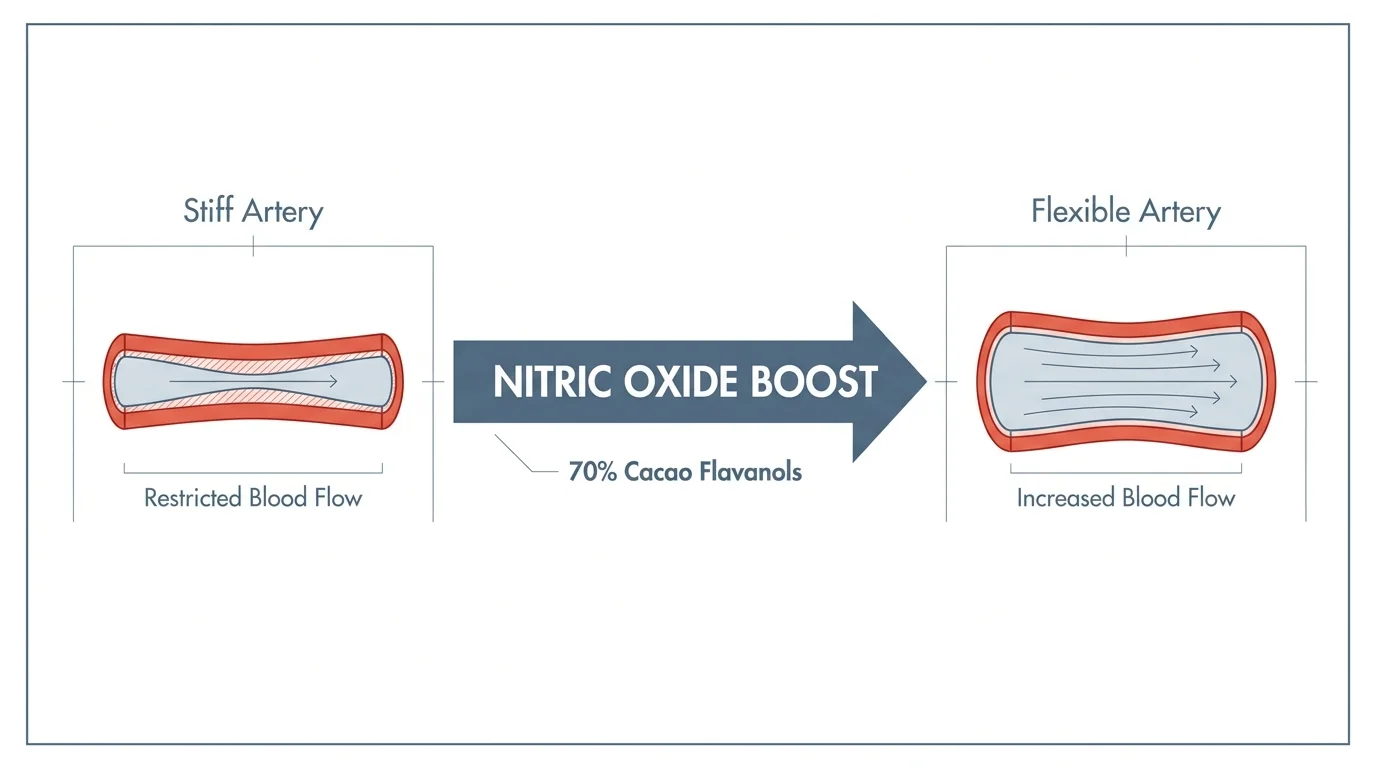
Heart disease remains a primary concern as we grow older, making proactive arterial care essential. The link between chocolate heart health seniors experience relies heavily on a molecule called nitric oxide. As you age, your endothelium—the delicate inner lining of your blood vessels—becomes less efficient at producing nitric oxide, leading to stiffer arteries and higher blood pressure. The abundant flavanols in dark chocolate directly stimulate your endothelial cells to ramp up nitric oxide production. This crucial molecule signals the smooth muscles around your arteries to relax and dilate, effectively widening the pathways for blood to flow freely.
Robust clinical data supports this physiological mechanism. Studies demonstrate that habitual, moderate consumption of high-cacao chocolate leads to measurable reductions in both systolic and diastolic blood pressure among older adults. By reducing the resistance within your blood vessels, you actively lower the daily workload placed on your heart muscle. Practical Tip: To support your cardiovascular system without overloading on calories, measure out exactly one ounce (about 20 to 30 grams) of 75 percent dark chocolate. Enjoy it slowly after a healthy lunch, allowing it to melt on your tongue to maximize absorption and satisfaction.
2. Preserving Cognitive Function and Memory
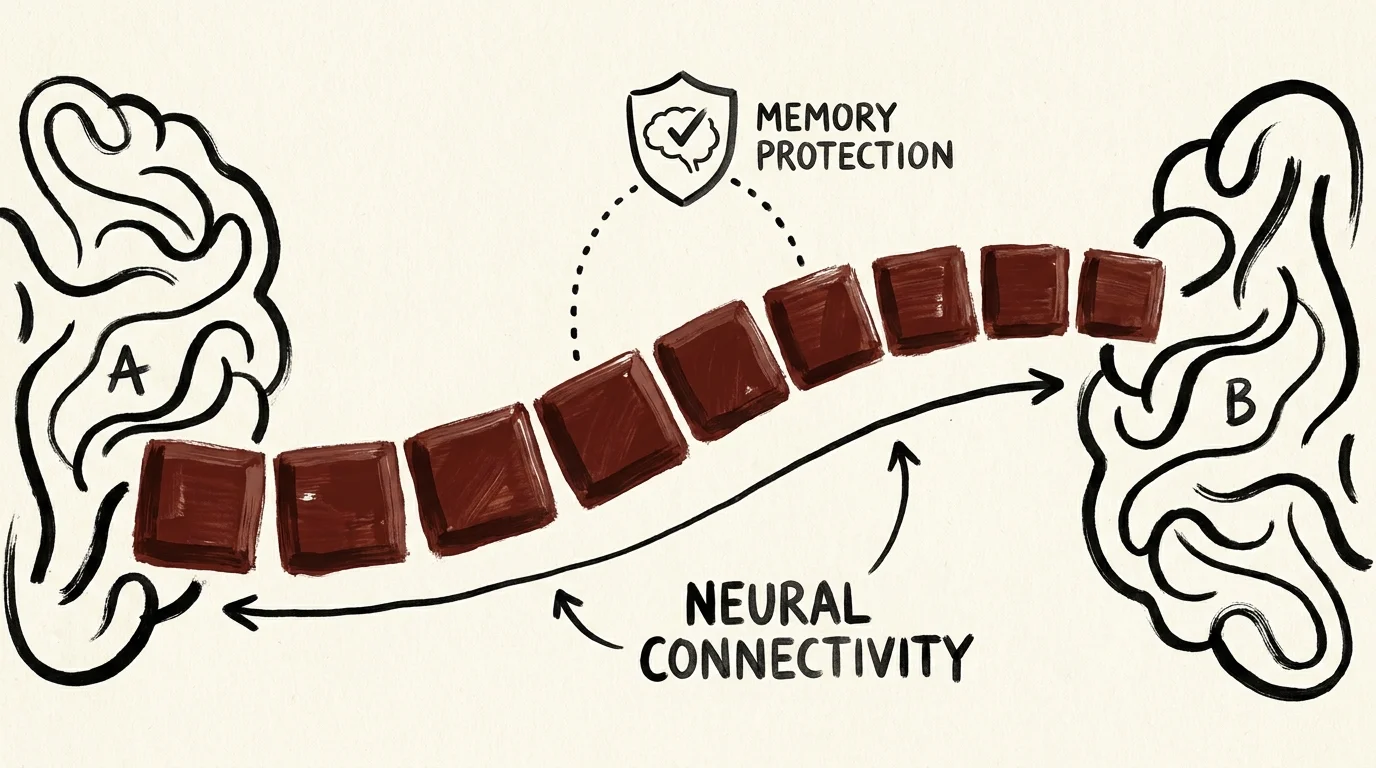
Mild cognitive decline frequently accompanies the aging process, but your dietary choices can profoundly influence your brain’s resilience. Your brain is a highly metabolic organ that requires a constant, massive influx of oxygen and nutrient-rich blood to perform complex tasks. The same vasodilating effects that lower your blood pressure also send a surge of fresh blood directly to your brain, specifically targeting areas involved in memory formation and learning, such as the dentate gyrus.
To maximize dark chocolate benefits over 60, you must view cacao as a daily cognitive supplement. Researchers have observed that older adults who consume cocoa flavanols consistently perform better on cognitive memory tests, exhibit faster processing speeds, and show improved verbal fluency compared to those who do not. Furthermore, these plant compounds encourage neuroplasticity—your brain’s ability to form new neural connections. Practical Tip: Pair your daily square of dark chocolate with a handful of walnuts. The omega-3 fatty acids in the walnuts work synergistically with the cocoa flavanols to provide comprehensive neurological support.
3. Managing Blood Sugar Levels Naturally
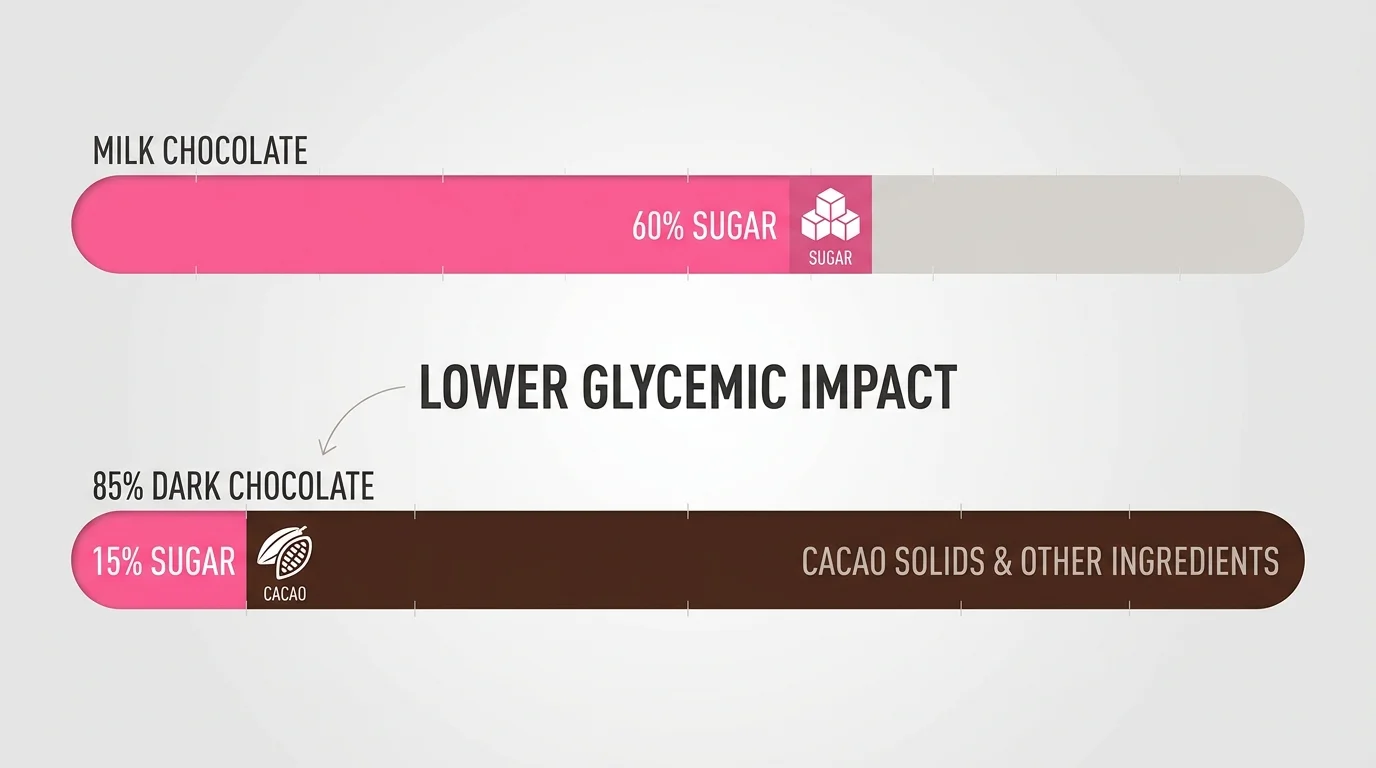
It sounds counterintuitive to eat chocolate to manage blood sugar, but the biochemical reality is fascinating. As we age, our cells naturally develop a degree of insulin resistance; they become less responsive to the hormone responsible for pulling glucose out of the bloodstream. Left unchecked, this progression leads to elevated blood sugar levels and eventually type 2 diabetes. High-quality dark chocolate contains very little sugar, but more importantly, its high polyphenol content actively improves cellular insulin sensitivity.
The antioxidants help repair the insulin receptors on your cell membranes, allowing your body to manage blood glucose more efficiently. This is why many functional medicine doctors recommend chocolate elderly individuals can safely incorporate into their metabolic health protocols. Practical Tip: Always read the nutrition label before purchasing. Ensure that the total sugar content is less than 8 grams per serving. Eating your dark chocolate at the end of a meal rich in fiber and protein will further blunt any minor blood sugar spikes.

4. Elevating Mood and Fighting Depression
Seniors often face unique emotional challenges, ranging from social isolation to the stress of managing chronic health conditions. Maintaining a positive outlook is vital for overall wellness, and dark chocolate offers a direct biochemical pathway to improved mood. Cacao is packed with compounds that influence brain chemistry, including phenylethylamine (PEA), which prompts your brain to release endorphins—the same feel-good chemicals generated during a brisk walk.
Additionally, dark chocolate is a premier source of dietary magnesium, a critical mineral that modern older adults frequently lack. Magnesium plays a vital role in regulating the body’s stress-response system and reducing anxiety. Furthermore, cacao contains anandamide, a neurotransmitter aptly named the “bliss molecule” for its ability to induce feelings of well-being. Practical Tip: When you feel the afternoon slump or a wave of mild anxiety, brew a cup of herbal chamomile tea and enjoy it alongside a piece of 80 percent dark chocolate. The combination of warm tea and magnesium-rich cacao provides a powerful, calming ritual.
5. Easing Joint Pain Through Reduced Inflammation
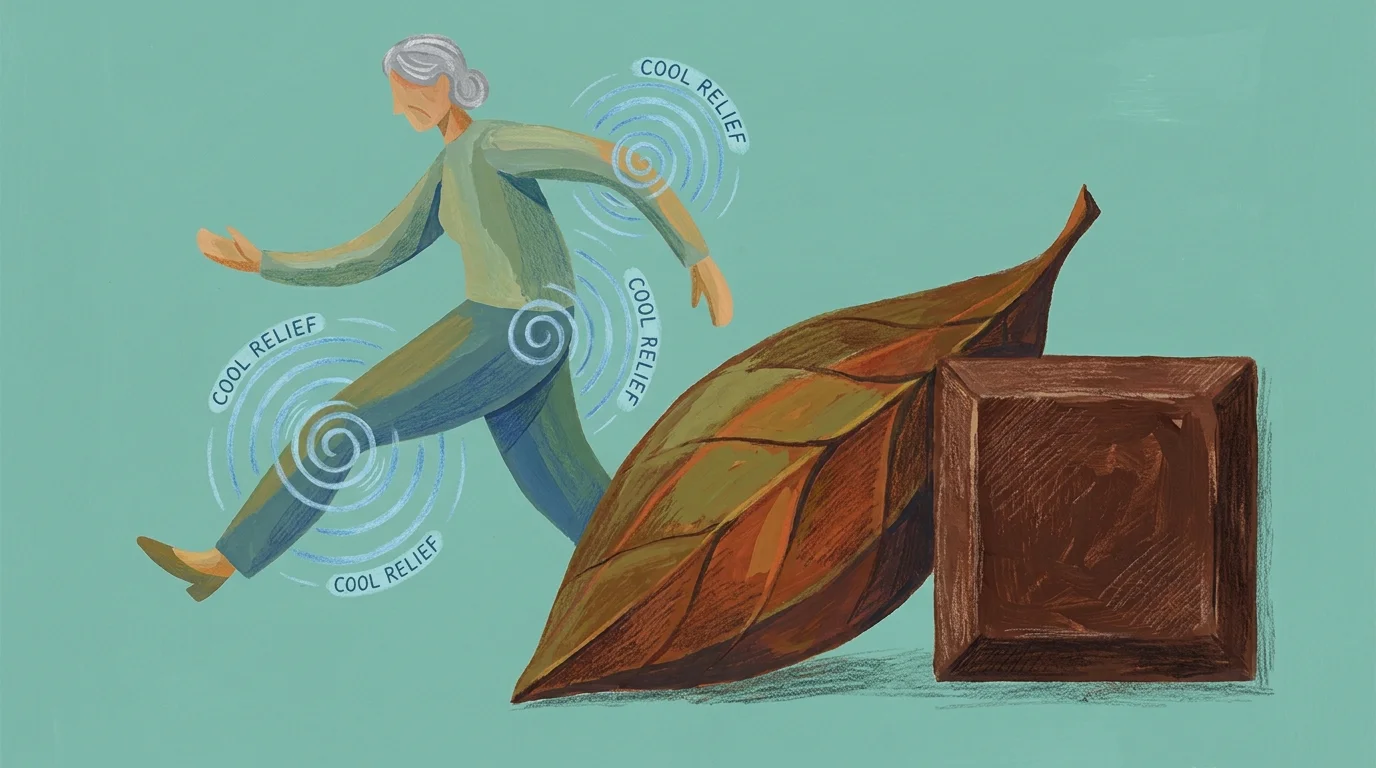
Chronic, low-grade inflammation is a primary driver of age-related discomfort, particularly the aching joints and stiffness associated with osteoarthritis. This systemic inflammation, often termed “inflammaging,” degrades tissue and cartilage over time. The potent antioxidants found in the cacao bean serve as natural anti-inflammatory agents. They inhibit the production of pro-inflammatory cytokines and reduce levels of C-reactive protein in the bloodstream.
By dampening this inflammatory fire, you can preserve joint mobility and reduce daily aches. As you look for ways to eat more chocolate aging bodies genuinely benefit from the systemic relief these phytonutrients provide. Practical Tip: Create a potent anti-inflammatory dessert by melting a few squares of high-percentage dark chocolate and drizzling it over fresh berries. Blueberries and strawberries contain their own unique antioxidants that complement the cacao, delivering a double dose of joint-soothing compounds.
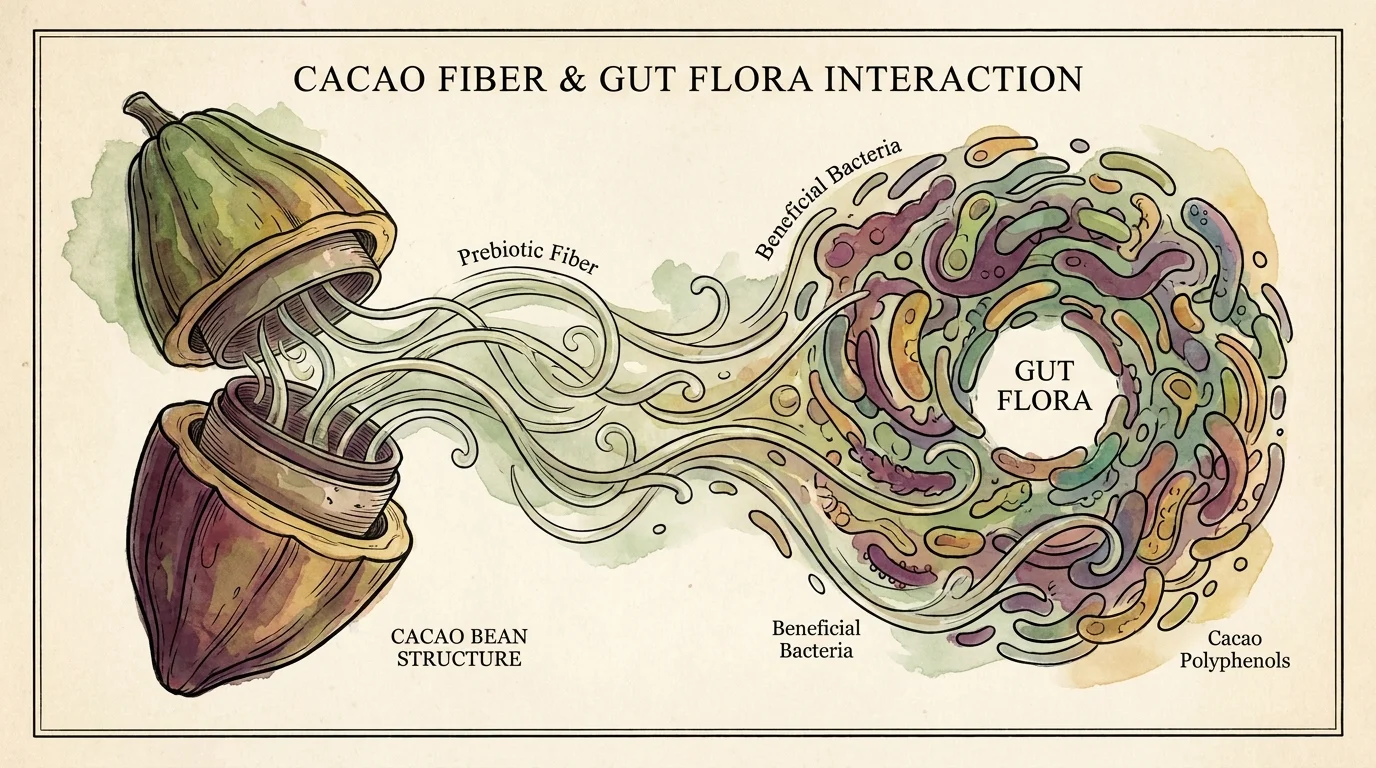
6. Supporting a Robust Digestive Microbiome
Your digestive tract houses trillions of bacteria that dictate everything from your immune function to your mood. As we age, the diversity of this gut microbiome naturally declines, making us more susceptible to digestive distress and weakened immunity. Cacao acts as a powerful prebiotic—a source of indigestible fiber that feeds the beneficial bacteria residing in your lower intestine.
When you consume high-quality dark chocolate, the fibrous matrix of the bean survives the stomach acid and travels to the colon. There, friendly bacteria like Bifidobacteria and Lactobacilli ferment the cocoa fibers, multiplying in number and producing short-chain fatty acids like butyrate. Butyrate heals the gut lining and severely restricts inflammation. Practical Tip: To maximize gut health, look for dark chocolate bars that explicitly state they contain natural cocoa butter and no artificial emulsifiers. Emulsifiers like polysorbate 80 or synthetic soy lecithin can disrupt the gut lining, undoing the prebiotic benefits of the cacao.

7. Protecting Aging Skin from Sun Damage
Skin thinning, loss of elasticity, and hyperpigmentation are natural hallmarks of aging, heavily exacerbated by decades of ultraviolet sun exposure. While topical creams and sunscreens are essential, true skin health begins from within. The flavanols in dark chocolate offer substantial photoprotection by absorbing UV light and increasing blood flow directly to the sub-dermal capillaries.
This enhanced microcirculation ensures that oxygen and essential nutrients reach the outermost layers of your skin efficiently. Studies reveal that individuals who consume high-flavanol cocoa regularly experience increased skin density, better hydration, and a higher resistance to sunburn. Practical Tip: Think of your daily dark chocolate as an internal skin supplement. While it never replaces your daily broad-spectrum SPF, consuming a square of 85 percent dark chocolate in the morning provides your skin cells with the structural support they need to face environmental stressors throughout the day.
Important Safety Precautions to Keep in Mind
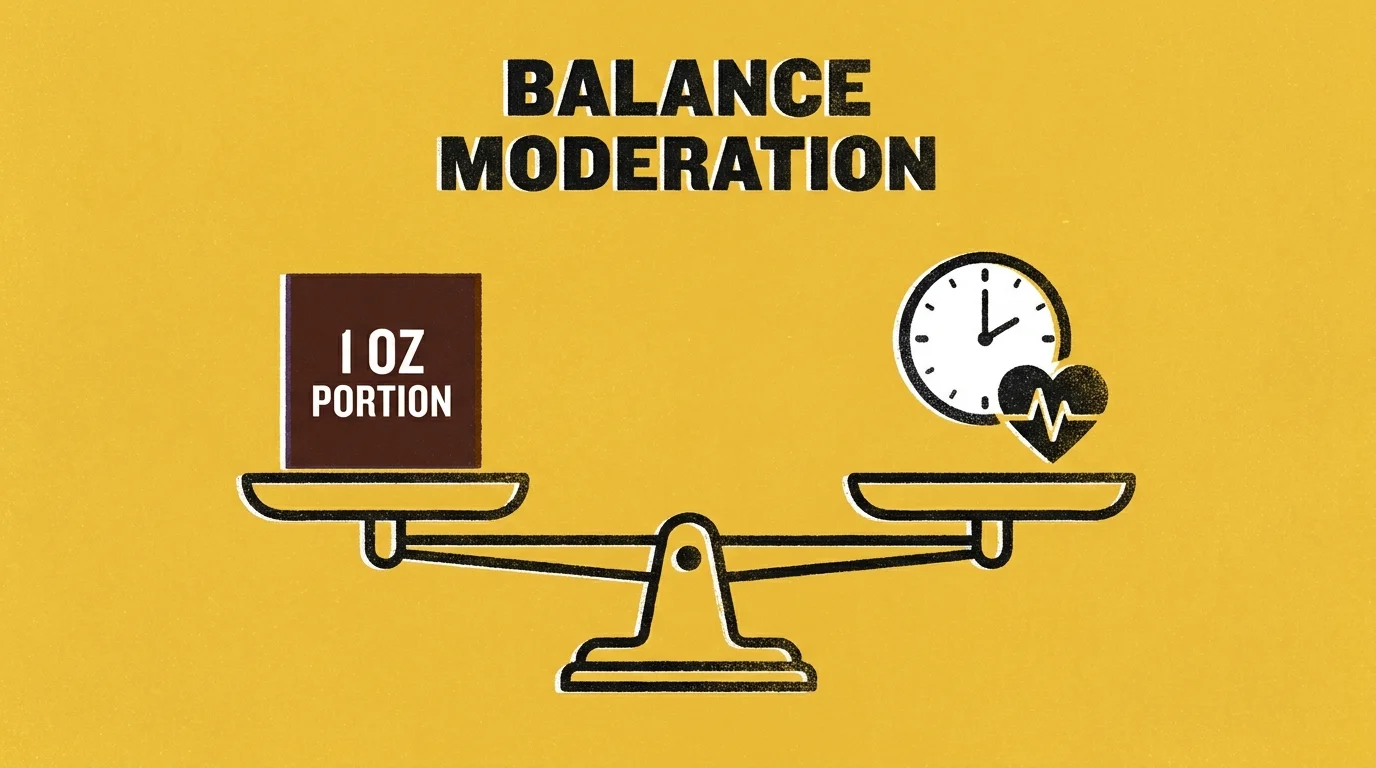
While the benefits are profound, treating dark chocolate as a therapeutic food requires respecting its potency and chemical composition. The most critical precaution involves portion control. Despite its health benefits, chocolate remains calorie-dense due to the natural cocoa butter. Consuming large quantities will quickly lead to weight gain, which counteracts the cardiovascular benefits you are trying to achieve. Stick strictly to the recommended one-ounce daily serving.
You must also be mindful of your caffeine sensitivity. A one-ounce serving of 70 to 85 percent dark chocolate contains roughly 20 to 30 milligrams of caffeine—about a quarter of a cup of coffee. As aging can alter how your liver metabolizes stimulants, eating chocolate late in the evening may disrupt your sleep architecture, leading to restorative sleep deprivation. Consume your daily portion before mid-afternoon to allow your body ample time to process the caffeine.
Finally, recent consumer reports have highlighted the presence of heavy metals, specifically cadmium and lead, in certain dark chocolate brands. Cacao trees naturally absorb these elements from the volcanic soil in which they grow. To minimize your exposure safely, do not rely exclusively on a single brand. Rotate the manufacturers you purchase from, and consult independent testing organizations that publish heavy metal results for popular chocolate bars. Individuals with a history of calcium oxalate kidney stones should also limit their intake, as cacao is naturally high in oxalates.

When to Speak with a Healthcare Professional
Integrating new therapeutic foods into your diet, especially if you manage chronic health conditions, requires careful consideration and professional guidance. This article is for informational purposes only and does not constitute medical advice. Always prioritize the counsel of your primary care physician before making dietary changes.
You should immediately consult your doctor if you take specific medications that might interact with chocolate. For example, cacao contains tyramine, which can cause dangerous blood pressure spikes if you are taking monoamine oxidase inhibitors (MAOIs) for depression. Because dark chocolate actively lowers blood pressure, combining it with prescription beta-blockers or ACE inhibitors could potentially cause your blood pressure to drop too low, leading to dizziness or falls.
Furthermore, speak to a gastroenterologist if you suffer from severe Gastroesophageal Reflux Disease (GERD). Chocolate contains methylxanthines that can relax the lower esophageal sphincter, potentially triggering intense acid reflux. If you experience heartburn, heart palpitations, or severe headaches after consuming dark chocolate, stop immediately and report these symptoms to your healthcare provider.
Frequently Asked Questions
How much dark chocolate should I eat daily to see health benefits?
Extensive clinical research suggests that the ideal therapeutic dose is approximately one ounce, or 20 to 30 grams, per day. This equates to about one to two small squares of a standard high-quality bar. Eating more than this does not significantly increase the cardiovascular or cognitive benefits, but it does add unnecessary calories and saturated fat to your diet.
What percentage of cacao offers the best balance of health and taste for older adults?
To acquire enough beneficial flavanols without consuming excess sugar, you should look for bars labeled at least 70 percent cacao. If your palate is accustomed to sweet milk chocolate, start at 70 percent and slowly work your way up to 80 or 85 percent over a few months. The higher the percentage, the greater the antioxidant profile and the lower the glycemic impact.
Will the caffeine in dark chocolate interfere with my sleep medications?
It certainly can, depending on your individual metabolic rate. Dark chocolate contains both caffeine and theobromine, another mild central nervous system stimulant. If you rely on sleep medications or struggle with insomnia, it is highly recommended to consume your dark chocolate strictly in the morning or early afternoon. Avoid eating it after 3:00 PM to ensure the stimulants clear your system before bedtime.
Can I eat dark chocolate if I have diabetes?
Many individuals managing diabetes can safely enjoy high-percentage dark chocolate, provided it is factored into their daily carbohydrate allotment. An 85 percent cacao bar contains very little sugar and is rich in fiber, which prevents sharp blood glucose spikes. However, because everyone’s insulin response varies, you must monitor your blood sugar readings after consumption and discuss this addition with your endocrinologist or certified diabetes educator.
For authoritative, trustworthy health information, always consult official sources like the National Institute on Aging (NIA) and MedlinePlus from the National Library of Medicine. The CDC also provides excellent resources for older adults.
Disclaimer: This article is for informational purposes only and does not constitute medical advice. Always seek the advice of your physician or other qualified health provider with any questions you may have regarding a medical condition.