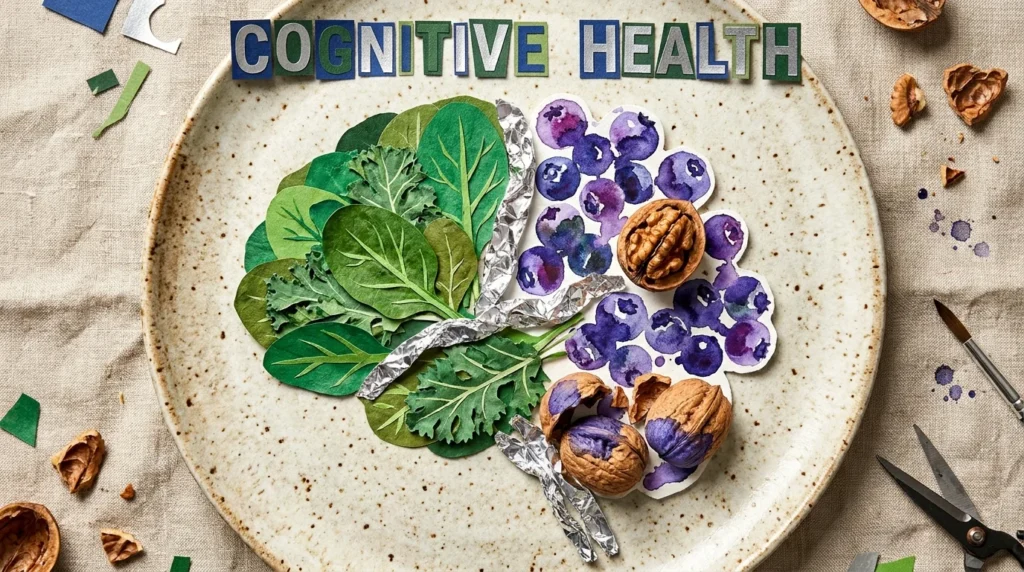
Protecting your memory and mental sharpness starts right at your kitchen table with the specific nutrients you choose every day. Nourishing your brain with targeted cognitive health nutrition empowers you to maintain focus, recall cherished memories, and navigate daily tasks with ease as you age. Your brain is a highly active organ that requires constant fuel; the quality of that fuel directly impacts how well it functions. By swapping heavily processed meals for wholesome, nutrient-dense ingredients, you provide your mind with the building blocks it needs to thrive. Small, deliberate changes to your daily menu can yield remarkable long-term benefits for your overall well-being.
Understanding the Basics of Cognitive Health Nutrition for Seniors
As we advance in years, the human brain naturally undergoes biological shifts—blood flow can decrease slightly, and cellular inflammation often increases. However, you possess immense power to influence this aging process through your daily dietary choices. Cognitive health nutrition focuses on providing your nervous system with antioxidants, healthy fats, and essential vitamins that actively protect against cellular wear and tear. Scientific research consistently demonstrates that specific dietary patterns, particularly the Mediterranean and MIND diets, significantly lower the risk of cognitive decline in older adults. These therapeutic diets emphasize whole, minimally processed ingredients that reduce systemic inflammation; they also promote robust, flexible blood vessels. This vascular support remains crucial because your brain relies on a continuous, uninterrupted supply of oxygen-rich blood to perform even the simplest tasks.
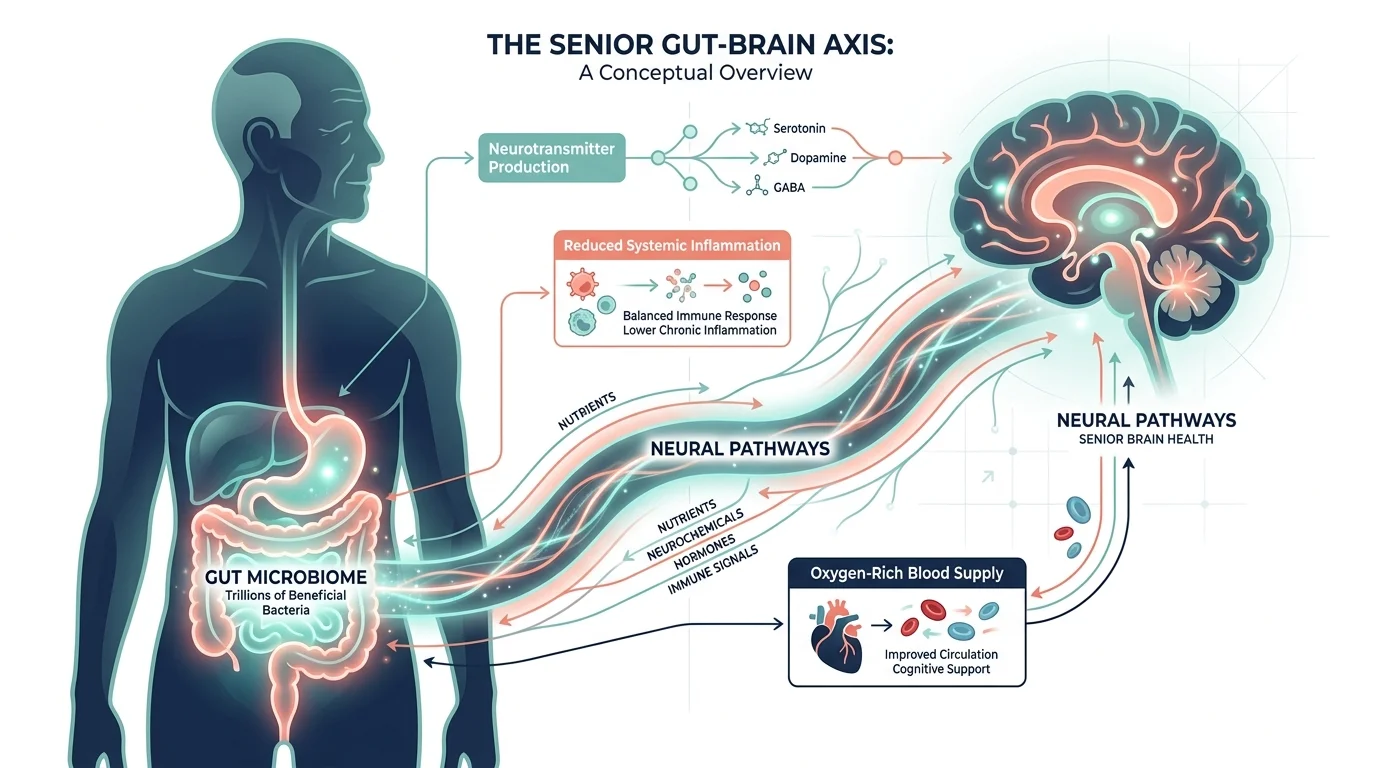
When you prioritize senior brain health through your grocery lists and meal prep, you essentially construct a biological shield against oxidative stress. Oxidative stress occurs when harmful molecules called free radicals outnumber the protective antioxidants in your body, leading to tissue damage over time. By consistently consuming a rich array of brain health foods, you effectively neutralize these free radicals before they can harm your delicate neural pathways. Furthermore, a well-balanced, nutrient-dense diet directly supports the intricate gut-brain axis. Your digestive system houses trillions of beneficial bacteria that produce a vast amount of neurotransmitters—the vital chemical messengers that regulate your mood, sleep cycles, and cognition. Therefore, feeding your gut microbiome with high-quality fiber and vitamins directly translates to a more vibrant, responsive mind. Making these powerful dietary adjustments does not require a stressful, complete lifestyle overhaul. Instead, it involves consistently and joyfully adding specific, delicious foods for mental sharpness to your daily routine.

Practical Tips for a Healthier, Happier Life
Building a diet that supports long-term mental clarity is an enjoyable and delicious endeavor. By focusing on whole, vibrant ingredients, you can easily transform your meals into powerful tools for cognitive preservation. Here are eight exceptional foods for memory support that you should consider adding to your weekly rotation, along with actionable ways to enjoy them.
1. Leafy Green Vegetables
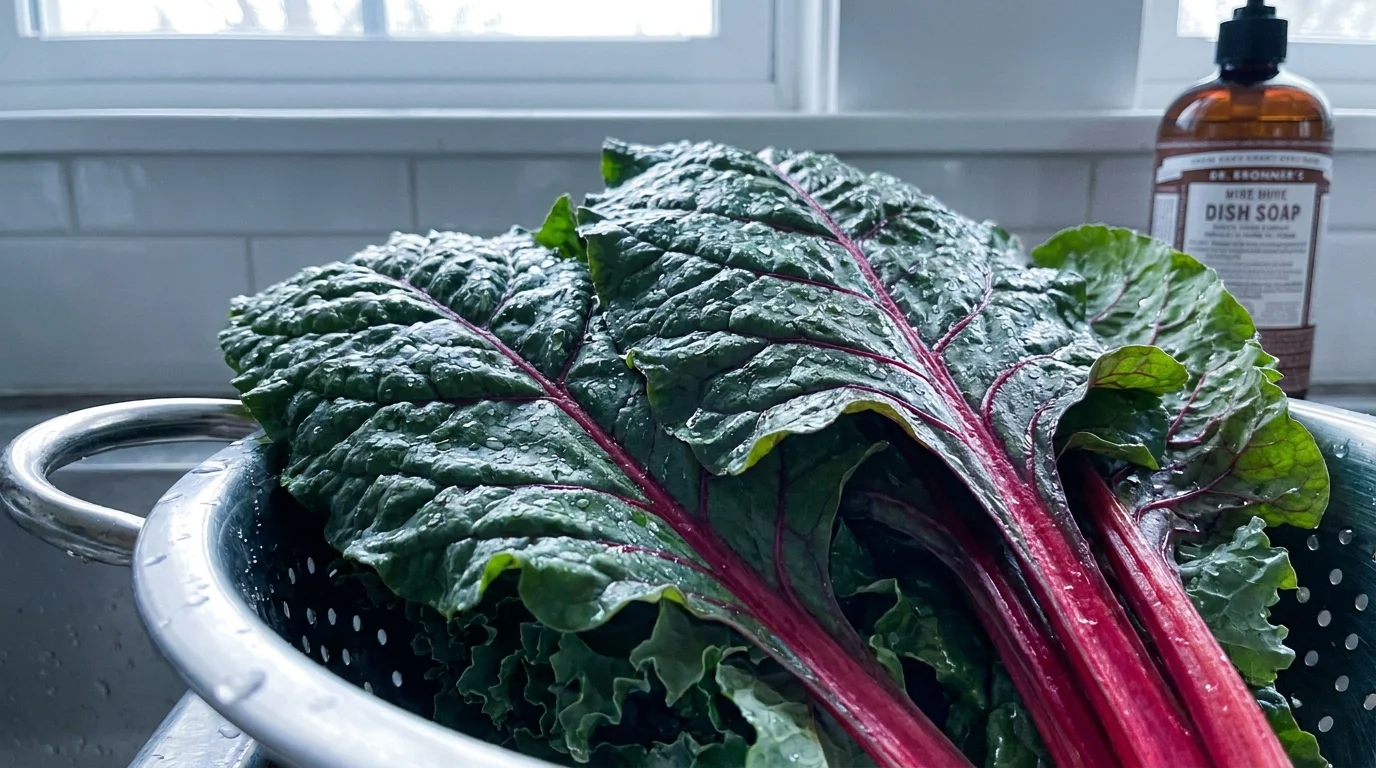
Leafy greens stand as some of the most potent protectors of the aging brain. Vegetables like spinach, kale, collard greens, and Swiss chard are packed with brain-boosting nutrients, including vitamin K, lutein, folate, and beta carotene. Research indicates that these plant-based compounds help slow cognitive decline significantly. In fact, observational data suggests that older adults who consume at least one serving of leafy greens per day exhibit cognitive function comparable to someone a full decade younger.
To incorporate more of these nutrient powerhouses into your day, try folding a handful of fresh spinach into your morning eggs or blending mild-tasting greens into a fruit smoothie. If you prefer cooked vegetables, lightly sauté kale with a touch of garlic and extra virgin olive oil for a savory side dish. You do not need to consume massive bowls of salad to reap the benefits; consistency is far more important than volume. Aim for about one cup of raw greens or half a cup of cooked greens daily to provide your brain with a steady stream of protective antioxidants.
2. Plump, Colorful Berries
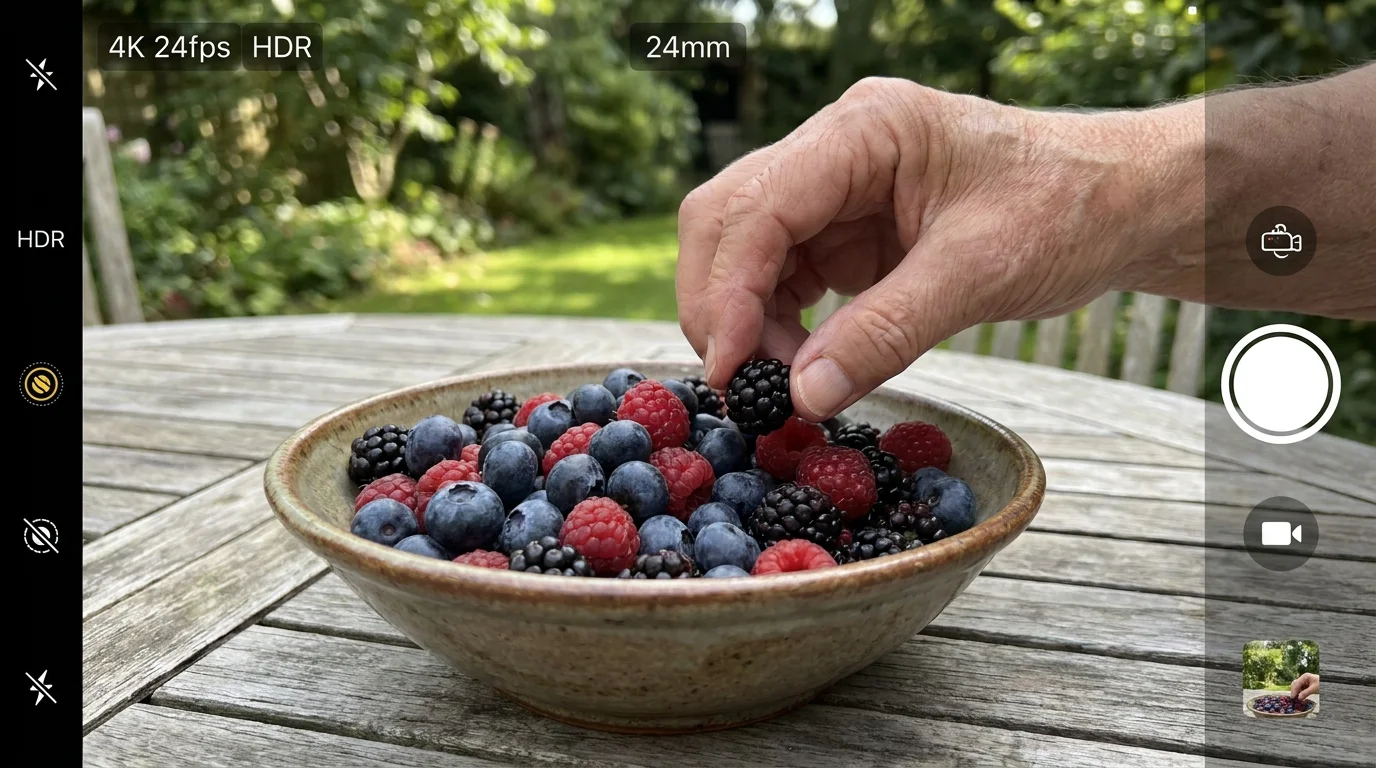
Berries represent nature’s candy, yet they offer incredible benefits for your neural pathways. Blueberries, strawberries, blackberries, and raspberries owe their vibrant hues to flavonoids—powerful plant pigments that possess strong antioxidant properties. Anthocyanins, a specific type of flavonoid found abundantly in blueberries, cross the blood-brain barrier to accumulate in regions of the brain essential for memory and learning. These compounds actively reduce inflammation and improve cellular communication within the brain.
Data from long-term nutritional studies highlights that regular berry consumption can delay memory decline by up to two and a half years in older adults. Enjoying berries requires very little effort. You can sprinkle a handful over your morning oatmeal, mix them into plain Greek yogurt, or enjoy them fresh as a refreshing afternoon snack. When fresh berries are out of season or too expensive, frozen berries serve as an equally nutritious alternative; they are flash-frozen at peak ripeness, locking in all the vital compounds your brain craves.
3. Fatty Fish Rich in Omega-3s
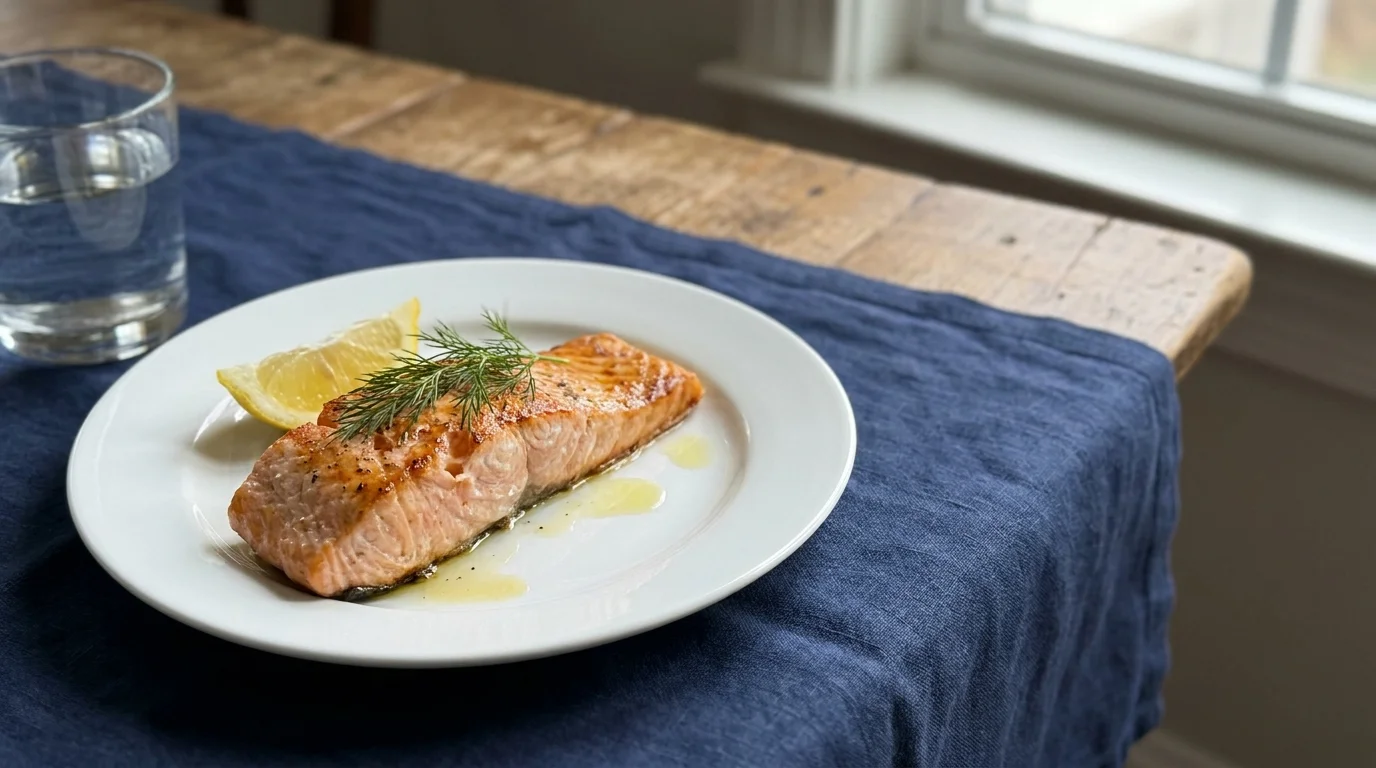
When discussing foods for mental sharpness, fatty fish absolutely dominates the conversation. About sixty percent of your brain is made of fat, and half of that fat is comprised of omega-3 fatty acids. Your brain uses these omega-3s—specifically one known as DHA—to build brain and nerve cells, making them essential for learning and memory. Cold-water fish such as wild-caught salmon, sardines, trout, and mackerel offer the highest concentrations of these crucial healthy fats.
Regularly eating fatty fish increases blood flow to the brain and helps lower the blood levels of beta-amyloid, the protein that forms damaging clumps in the brains of people with cognitive decline. Try to include a serving of fatty fish in your diet at least twice a week. You can bake a salmon fillet with lemon and dill, toss canned sardines into a bright pasta dish, or enjoy grilled trout alongside a serving of vegetables. If preparing fish feels intimidating, canned wild salmon offers a convenient, affordable, and incredibly healthy option for quick lunches.
4. Crunchy, Nutrient-Dense Walnuts
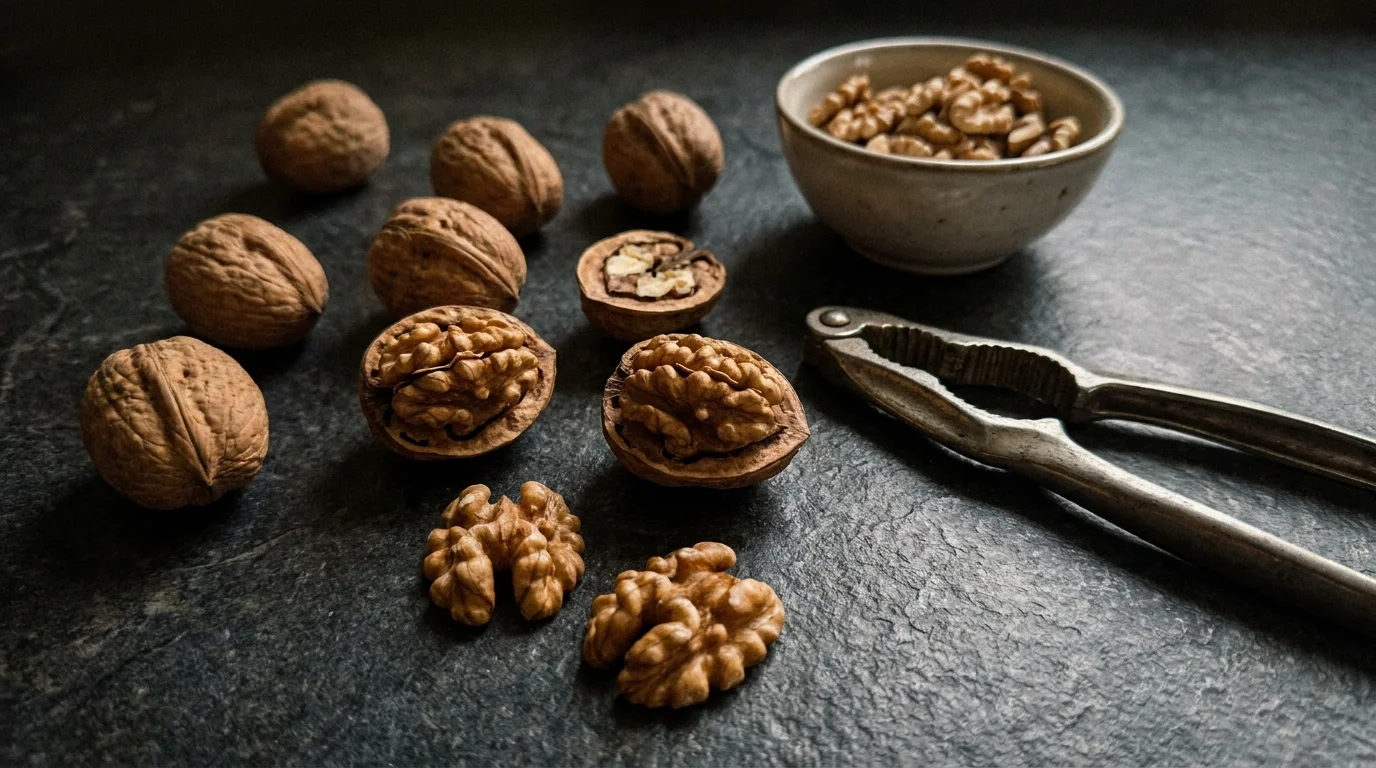
Nuts and seeds generally provide excellent sources of healthy fats and protein, but walnuts hold a special place in the realm of cognitive health nutrition. Interestingly, a walnut even looks like a miniature human brain—and its nutritional profile perfectly suits the organ it resembles. Walnuts deliver a significantly high amount of alpha-linolenic acid (ALA), a plant-based omega-3 fatty acid. They also contain protective polyphenols, vitamin E, and folate, which work together to prevent oxidative damage in the brain.
Incorporating walnuts into your daily meals offers a satisfying crunch and a boost of lasting energy. You can chop them up and scatter them over a crisp salad, stir them into your morning cereal, or simply eat a small handful as a midday snack. Because nuts are calorie-dense, you only need about an ounce—roughly a quarter cup or fourteen walnut halves—to secure their brain-protecting benefits. Roasting them lightly in the oven for a few minutes enhances their natural, earthy flavor without degrading their precious oils.

5. Extra Virgin Olive Oil
As the cornerstone of the Mediterranean diet, extra virgin olive oil provides a robust defense against age-related cognitive decline. This culinary staple is rich in monounsaturated fats, which support the integrity of your blood vessels and ensure excellent blood flow to your brain. Moreover, high-quality extra virgin olive oil contains a specific antioxidant called oleocanthal; this unique compound possesses anti-inflammatory properties so potent that scientists often compare its cellular effects to those of traditional pain relievers.
To maximize the health benefits of olive oil, use it primarily in its raw form rather than exposing it to very high heat, which can destroy its delicate antioxidants. Drizzle it generously over roasted vegetables just before serving, use it as the base for homemade salad dressings, or dip crusty whole-grain bread into a small dish of oil seasoned with herbs. When shopping, look for bottles labeled “cold-pressed” and “extra virgin” stored in dark glass, as light and heat rapidly degrade the quality of the oil.

6. Pasture-Raised Eggs
Eggs are a highly accessible, versatile, and complete protein source that frequently gets overlooked in conversations about brain health foods. However, eggs deliver several nutrients explicitly tied to brain function, including vitamins B6 and B12, folate, and choline. Choline is a particularly vital micronutrient; your body uses it to create acetylcholine, a neurotransmitter that helps regulate mood, memory, and muscle control. Many older adults do not consume enough choline in their regular diets, making eggs a brilliant and efficient dietary addition.
The majority of these brain-boosting nutrients reside in the yolk, so consuming the whole egg is essential for maximum benefit. Whether you prefer them gently scrambled, perfectly poached, or hard-boiled as a portable snack, eggs offer a satisfying and affordable way to nourish your mind. Pair a soft-boiled egg with a slice of whole-grain toast and a side of avocado for a deeply satisfying, brain-healthy breakfast that will sustain your mental focus throughout the morning.
7. Pumpkin Seeds
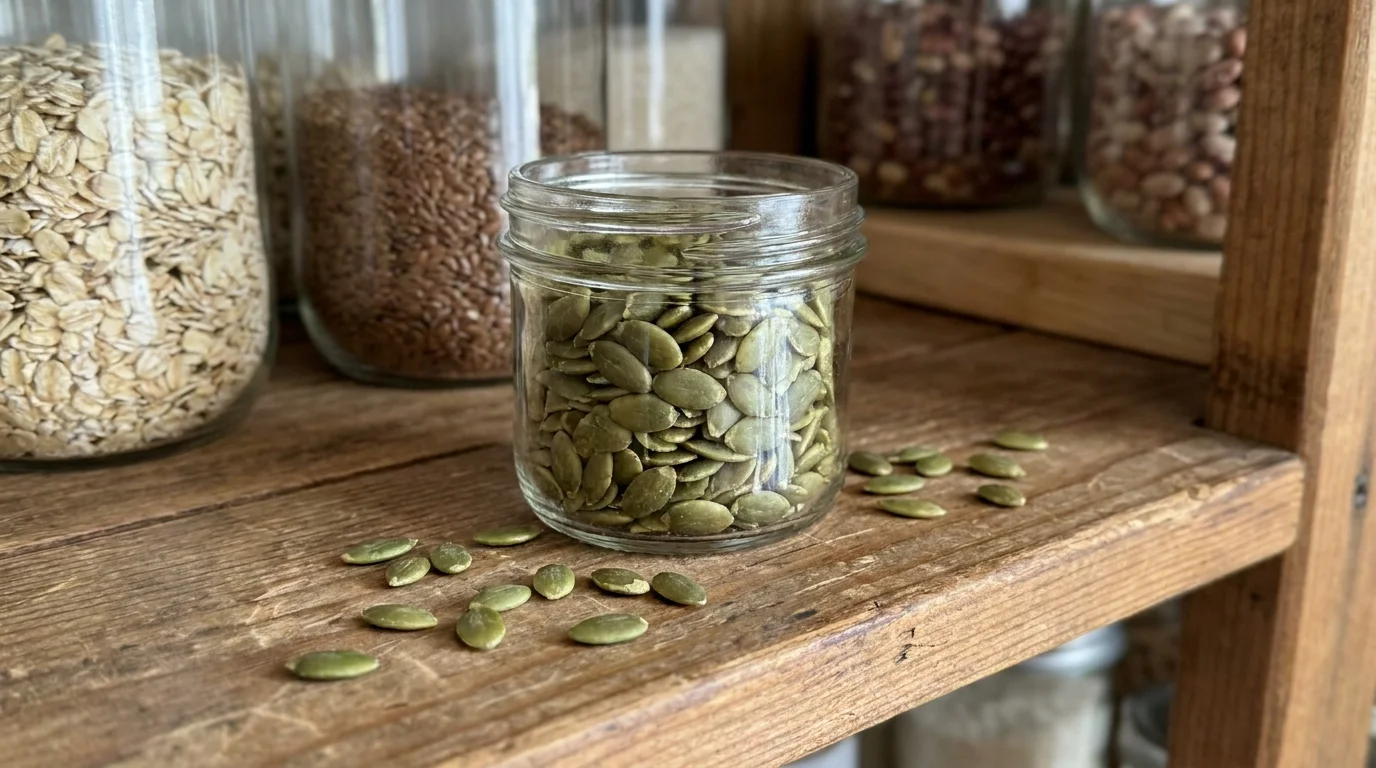
Do not let their small size fool you; pumpkin seeds contain a formidable combination of antioxidants and vital minerals that your brain requires for optimal functioning. They are an excellent source of zinc, magnesium, copper, and iron. Zinc plays a crucial role in nerve signaling, while magnesium is essential for learning and memory formation. Copper helps control nerve signals, and iron prevents brain fog and cognitive impairment caused by poor oxygen transport.
Adding a daily dose of pumpkin seeds to your routine requires very little preparation. You can buy them shelled—often called pepitas—and keep a jar on your kitchen counter for easy access. Toss a spoonful into your yogurt, blend them into a hearty soup for added texture, or mix them into a batch of homemade granola. A single ounce of these seeds provides a substantial percentage of your daily mineral requirements, ensuring your neural pathways remain sharp and responsive.

8. Dark Chocolate
Taking care of your cognitive health leaves plenty of room for indulgence, particularly when it comes to high-quality dark chocolate. Dark chocolate and cocoa powder are packed with flavonoids, caffeine, and a host of antioxidants. The flavonoids in chocolate gather in the areas of the brain that deal with learning and memory; researchers believe these compounds enhance memory recall and gently slow down age-related mental decline.
Furthermore, consuming dark chocolate stimulates the release of endorphins, naturally improving your mood and reducing feelings of stress. To reap these cognitive benefits without consuming excess sugar, select chocolate that boasts a cocoa content of seventy percent or higher. You only need a small amount—perhaps one or two small squares after dinner—to satisfy your sweet tooth and provide your brain with a delightful, protective boost of antioxidants.
Important Safety Precautions to Keep in Mind
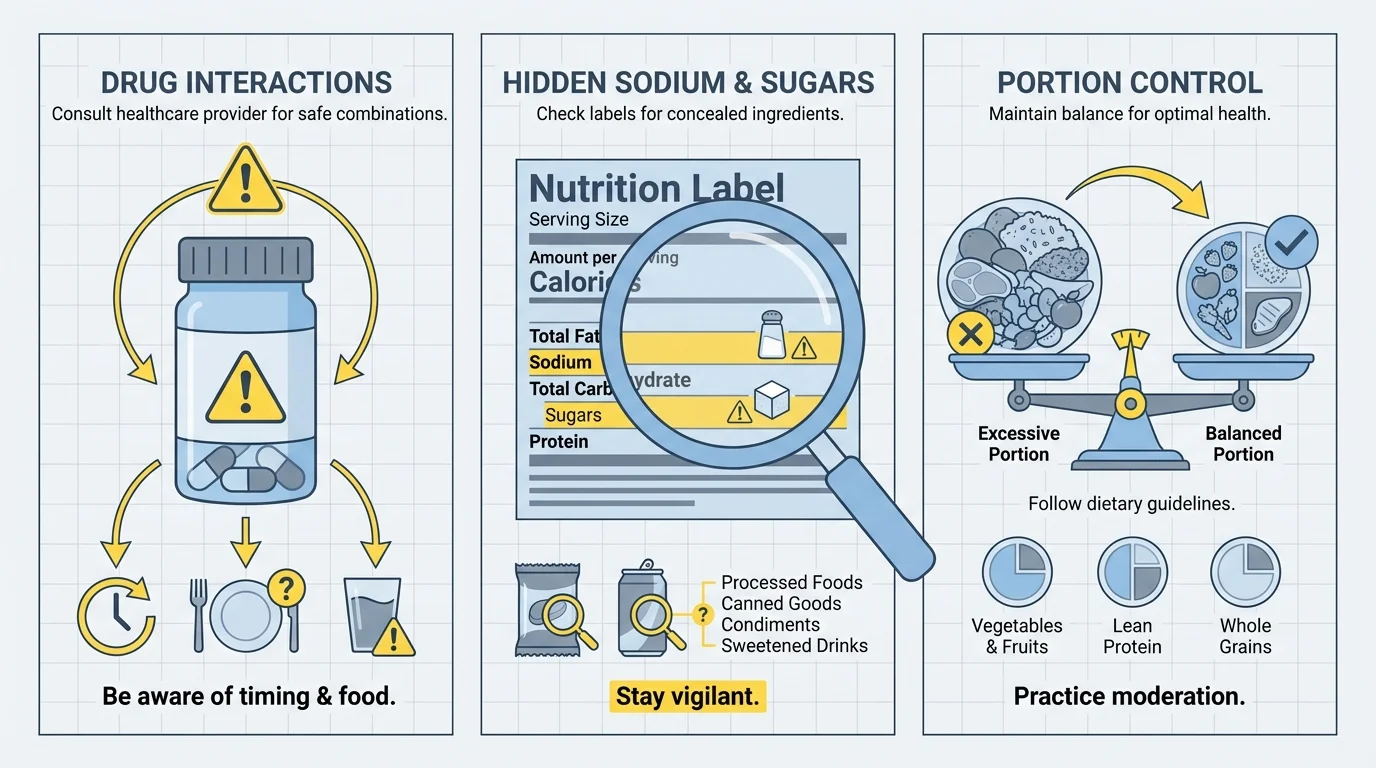
While shifting your diet toward whole, nutrient-dense foods offers profound benefits, you must approach these changes with awareness, especially if you manage existing health conditions. Certain highly nutritious foods can interact unexpectedly with common prescription medications. For example, leafy green vegetables contain high levels of vitamin K, which plays a major role in blood clotting. If you currently take blood-thinning medications, suddenly increasing your intake of spinach or kale can alter the effectiveness of your medication. You do not need to avoid greens entirely, but you must maintain a consistent daily intake and coordinate closely with your physician.
Additionally, while fatty fish provides essential omega-3s, some species of fish accumulate heavy metals like mercury from their aquatic environments. Consuming high levels of mercury can paradoxically harm the nervous system you are actively trying to protect. To stay safe, choose fish known to be low in mercury, such as wild salmon, sardines, and freshwater trout, while strictly avoiding large predatory fish like shark, swordfish, and king mackerel.
Finally, remember that nuts, seeds, and healthy oils contain dense concentrations of calories. While these fats are highly beneficial for your brain, consuming them in excessive amounts can lead to unintended weight gain, which places extra stress on your cardiovascular system. Practice mindful portion control to enjoy the protective benefits of these foods without unbalancing your overall dietary needs.
When to Speak with a Healthcare Professional
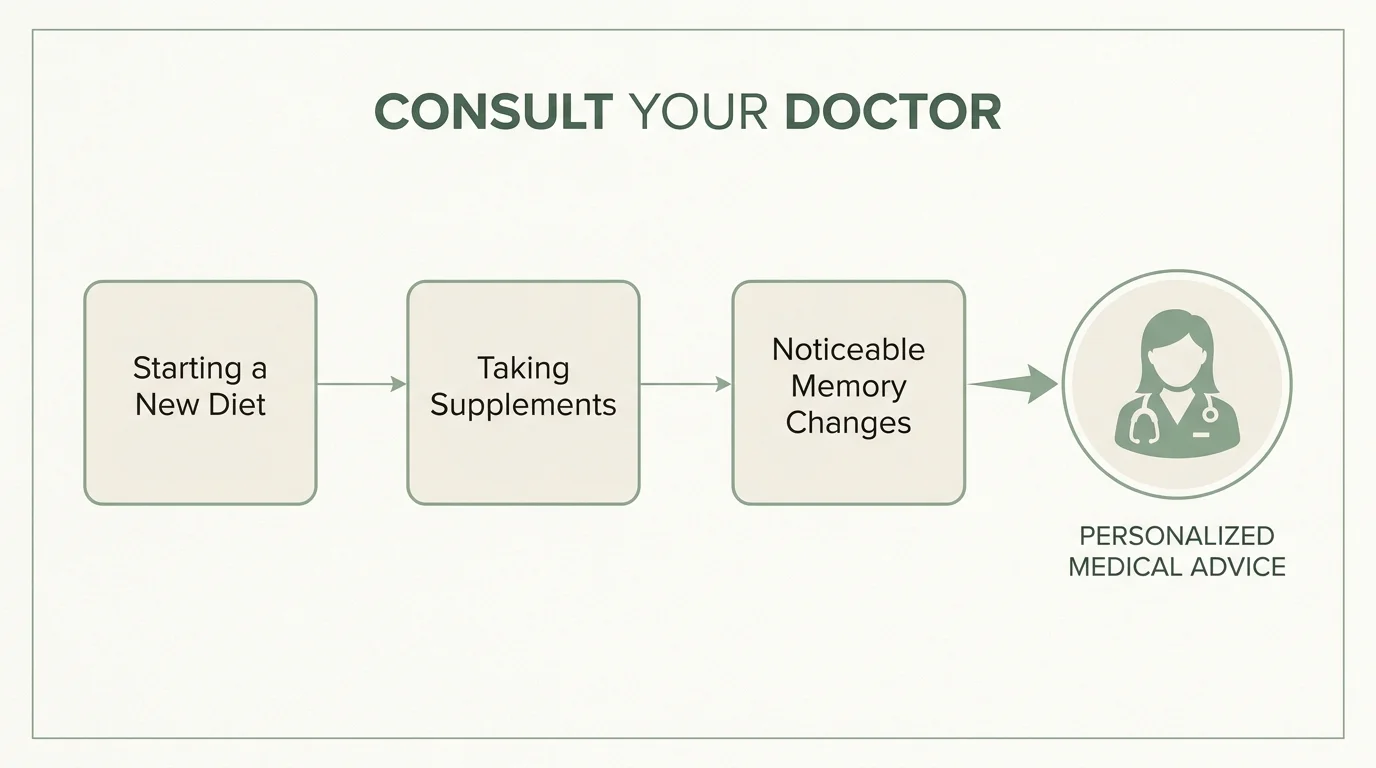
Navigating your health journey requires a strong partnership with a trusted medical team. The nutritional strategies discussed here serve as wonderful, proactive measures for maintaining your mental vitality, but they cannot replace individualized medical care. You should contact your primary care physician or a neurologist if you or a loved one experience sudden changes in memory, frequent confusion, difficulty completing familiar daily tasks, or trouble navigating previously well-known environments.
These symptoms may indicate underlying conditions that require prompt medical evaluation rather than just dietary adjustments. Always consult your doctor or a registered dietitian before making dramatic changes to your diet, particularly if you take daily medications, manage chronic illnesses like diabetes or heart disease, or plan to introduce new, concentrated nutritional supplements into your routine. A healthcare professional can help you tailor these dietary concepts to your unique biological needs.
Frequently Asked Questions
Can changing my diet reverse memory loss that has already occurred?
Currently, no specific food or diet can completely reverse clinical memory loss. However, adopting a nutrient-rich diet can significantly slow the progression of cognitive decline and improve your daily mental clarity, focus, and overall quality of life. The primary goal of cognitive health nutrition is long-term preservation and protection.
Are dietary supplements just as effective as eating the actual whole foods?
While supplements can fill specific nutritional gaps—such as providing vitamin B12 or vitamin D—they rarely replicate the complex synergy found in whole foods. A blueberry, for instance, contains hundreds of interacting compounds, vitamins, and fiber that work together to benefit your body. Relying on whole foods for memory support is generally safer and vastly more effective than taking isolated pills.
How long will it take to notice a difference in my mental sharpness?
Every person’s body responds differently to dietary changes. You might notice an improvement in your daily energy levels and a reduction in brain fog within just a few weeks of eliminating heavily processed foods and increasing your intake of water and whole ingredients. However, the deep structural benefits—such as protecting your brain cells from long-term decline—compound gradually over months and years of consistent, healthy eating.
Is it too late to start eating for brain health if I am already in my seventies or eighties?
It is absolutely never too late to start nourishing your brain. Research demonstrates that older adults who transition to a brain-healthy diet later in life still experience significant reductions in their risk of cognitive decline. Your brain continuously generates new cells and forms new neural connections throughout your entire lifespan; giving it high-quality fuel will support this remarkable process regardless of your current age.
For authoritative, trustworthy health information, always consult official sources like the National Institute on Aging (NIA) and MedlinePlus from the National Library of Medicine. The CDC also provides excellent resources for older adults.
Disclaimer: This article is for informational purposes only and does not constitute medical advice. Always seek the advice of your physician or other qualified health provider with any questions you may have regarding a medical condition.