Staying properly hydrated shields your body from heat exhaustion, sharpens your cognitive function, and lubricates your aging joints during the sweltering summer months. You can easily boost your fluid intake without forcing yourself to drink endless glasses of plain water by simply adding water-rich fruits and vegetables to your daily meals. As you age, your natural sense of thirst diminishes, making it incredibly easy to fall behind on your fluid needs before you even realize it. Eating your water provides a practical, delicious solution that delivers essential fluids alongside vital vitamins, minerals, and dietary fiber. Incorporating these hydrating foods into your diet ensures you remain vibrant, energized, and safely nourished when temperatures inevitably rise.
Understanding the Basics of Summer Hydration for Seniors
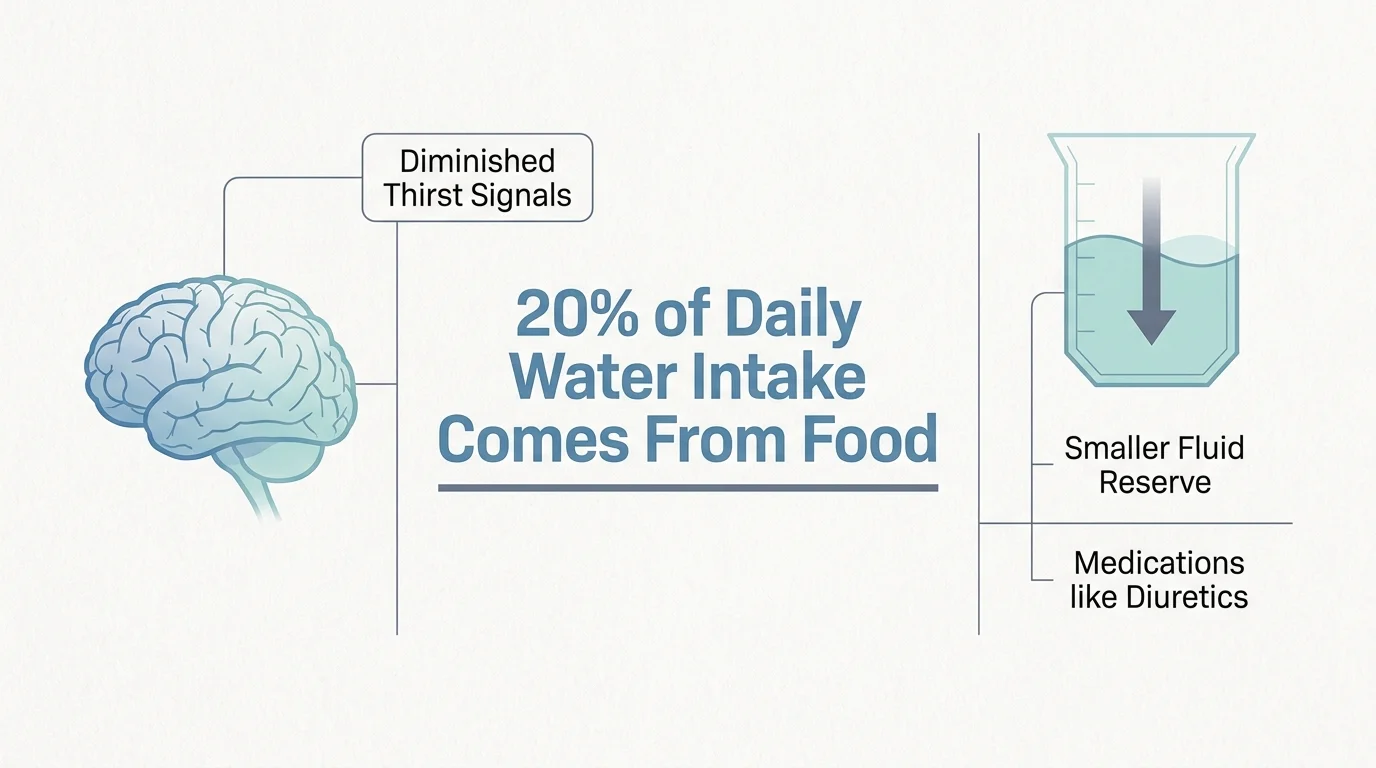
Your body undergoes subtle yet significant physiological changes as you grow older; these shifts fundamentally alter how you experience and manage thirst. The volume of water in your body naturally decreases over time, meaning you have a smaller fluid reserve to draw upon when the summer heat sets in. Furthermore, the communication channels between your brain and your body become less sensitive. You might lose a significant amount of fluid through sweat or normal bodily functions, yet your brain may fail to trigger the familiar sensation of thirst that prompts you to seek out a drink.
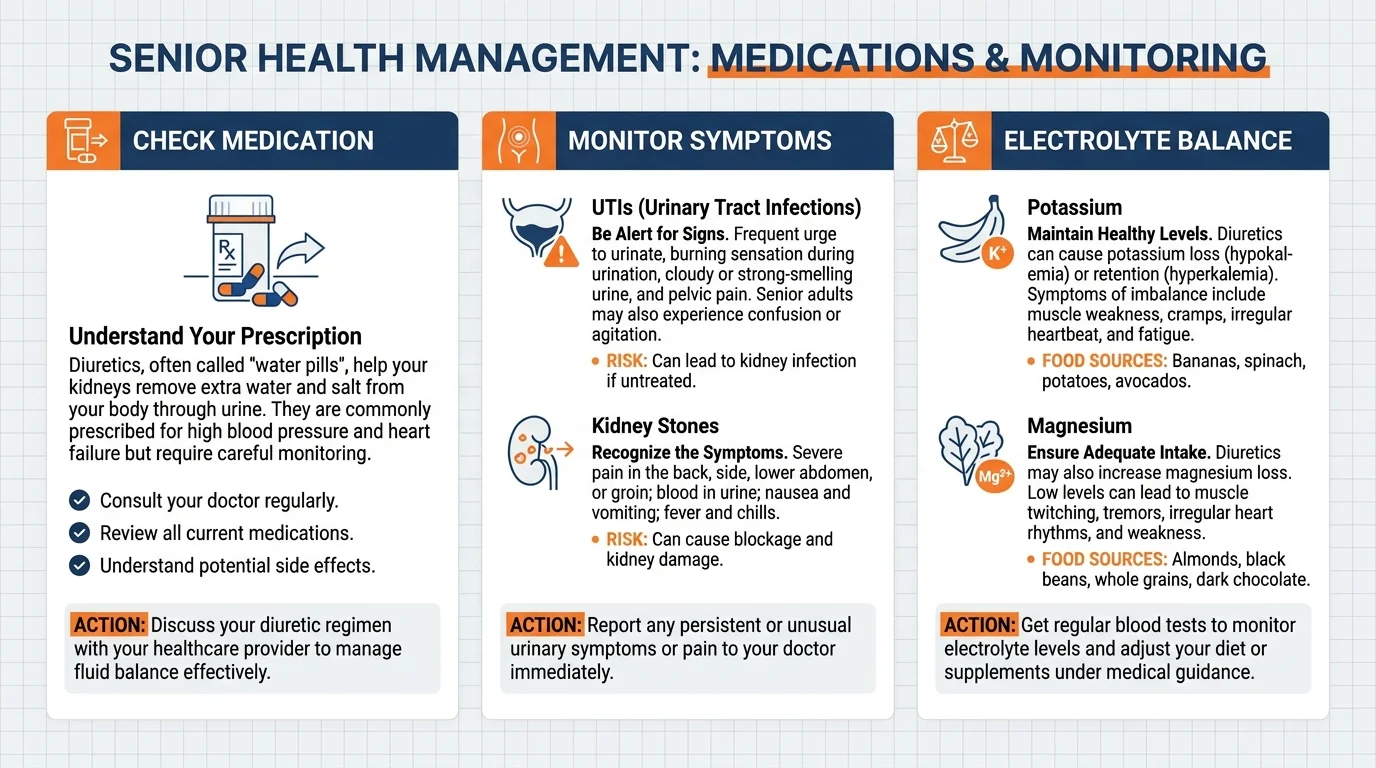
Relying solely on your internal thirst cue is a dangerous strategy during July and August. Dehydration in older adults frequently leads to severe complications—ranging from urinary tract infections and kidney stones to sudden drops in blood pressure that dramatically increase your risk of falling. Certain medications you take daily, such as diuretics for high blood pressure, actively pull water out of your system, accelerating the dehydration process even further. When you combine these age-related changes with blistering summer weather, maintaining optimal fluid levels becomes a critical daily mission.
This is precisely where your diet steps in to save the day. Drinking plain water all day can feel like an insurmountable chore. Fortunately, roughly twenty percent of your daily water intake naturally comes from the foods you consume. By intentionally choosing healthy summer foods with high water content, you effectively eat your water. These hydrating foods offer a dual benefit: they replenish your depleted fluid stores while delivering the essential electrolytes—like potassium and magnesium—that your body desperately needs to absorb and utilize that water effectively.
Practical Tips for a Healthier, Happier Life
You can effortlessly enhance your summer hydration for seniors by incorporating fresh, vibrant produce into your daily meals and snacks. The following ten hydrating foods provide remarkable amounts of water alongside essential nutrients, making them perfect additions to your grocery list this season.
1. Watermelon
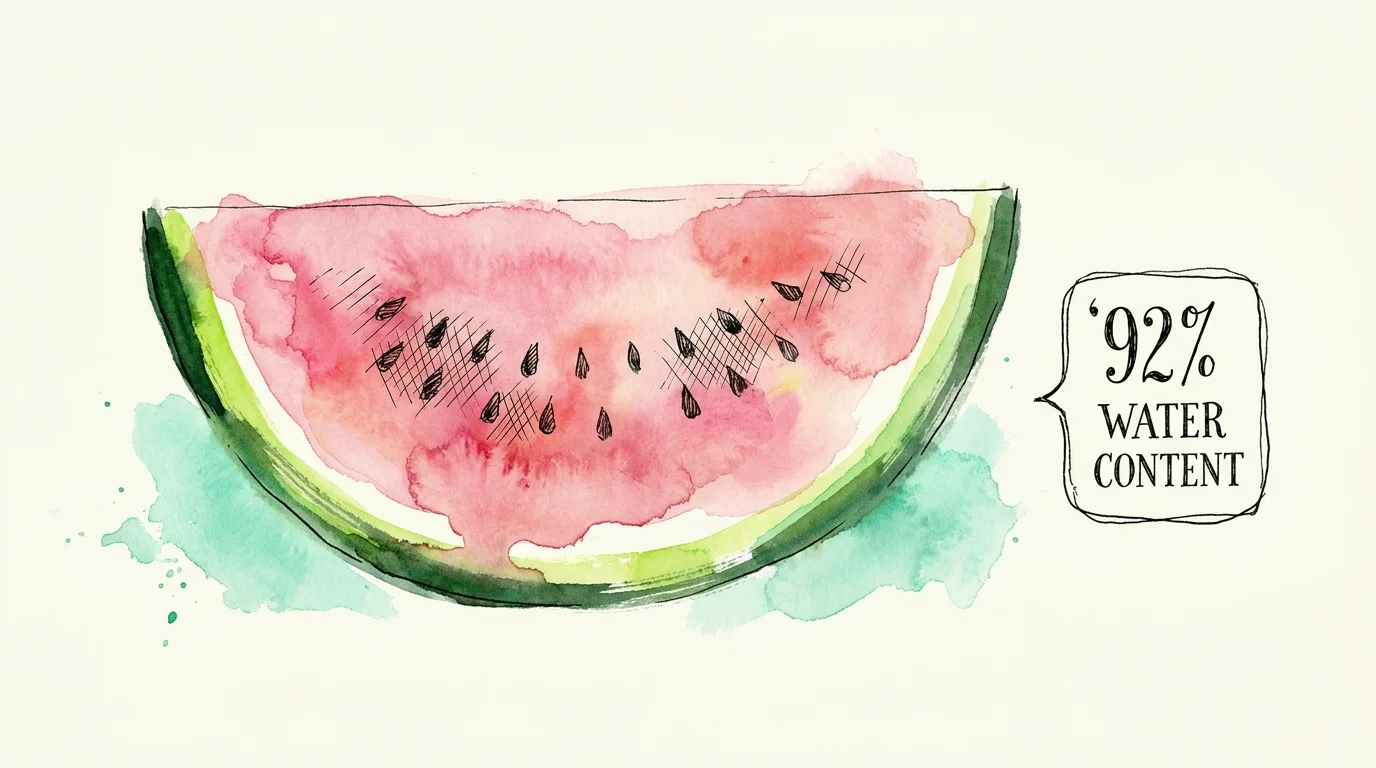
Nothing screams summer quite like a crisp slice of watermelon. Boasting a staggering ninety-two percent water content, this beloved melon stands as one of the most efficient hydrating foods available to you. Beyond its impressive fluid volume, watermelon delivers a powerful dose of lycopene—an antioxidant famous for supporting heart health and protecting your skin from sun damage.
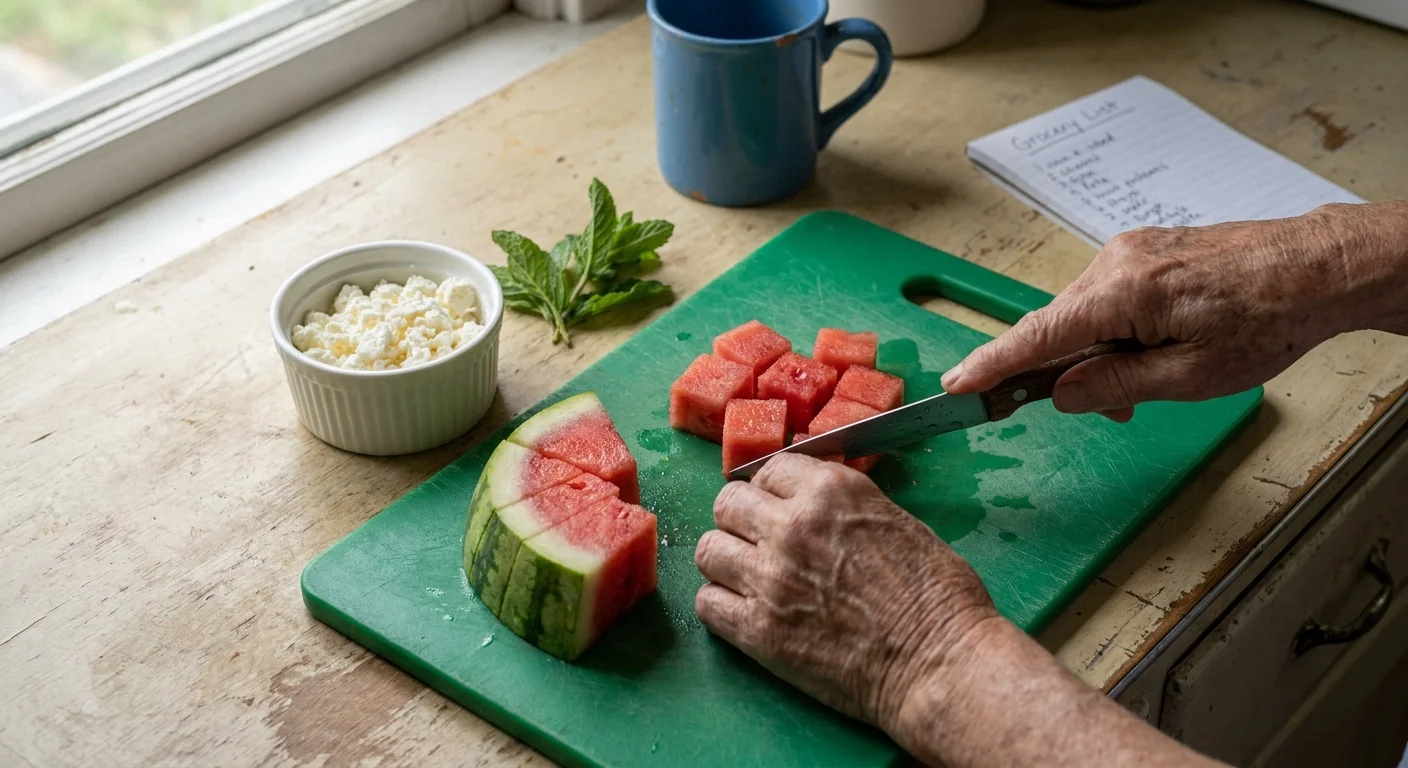
The soft texture makes it exceptionally easy to chew and digest, which is particularly beneficial if you experience dental sensitivities. Try dicing cold watermelon into a refreshing afternoon salad with a sprinkle of feta cheese and a few mint leaves, or simply enjoy it straight from the refrigerator for a cooling, hydrating treat.
2. Cucumbers
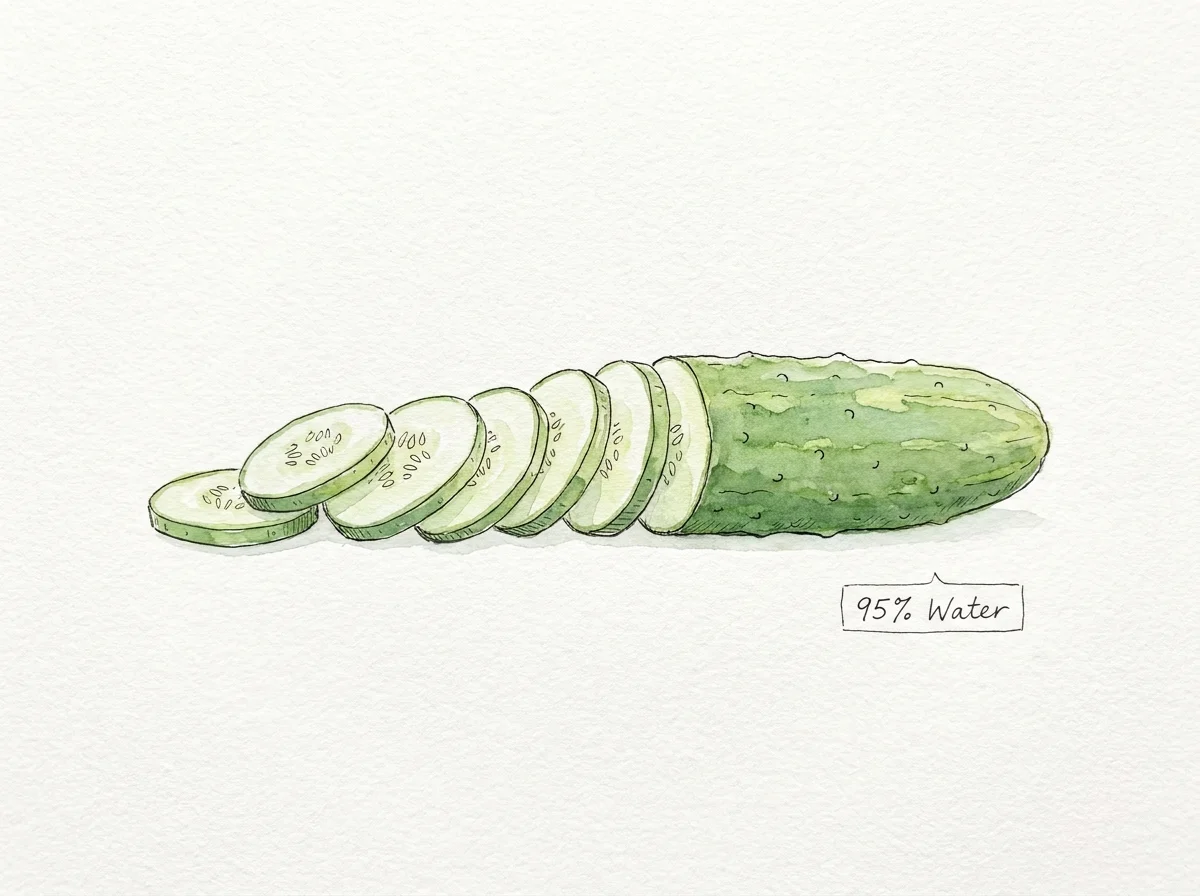
Cucumbers consist of an astonishing ninety-five percent water, earning them a permanent spot in your summer hydration strategy. These crisp vegetables provide an excellent, low-calorie way to flood your system with essential fluids without spiking your blood sugar.
Cucumbers also supply a gentle amount of vitamin K and potassium; these nutrients support bone health and help regulate your blood pressure. You can easily integrate them into your routine by floating a few thin slices in your daily water pitcher to enhance the flavor, or you might chop them into a light vinaigrette salad. Their mild taste and satisfying crunch make them an incredibly versatile tool for applying your senior hydration tips.
3. Strawberries
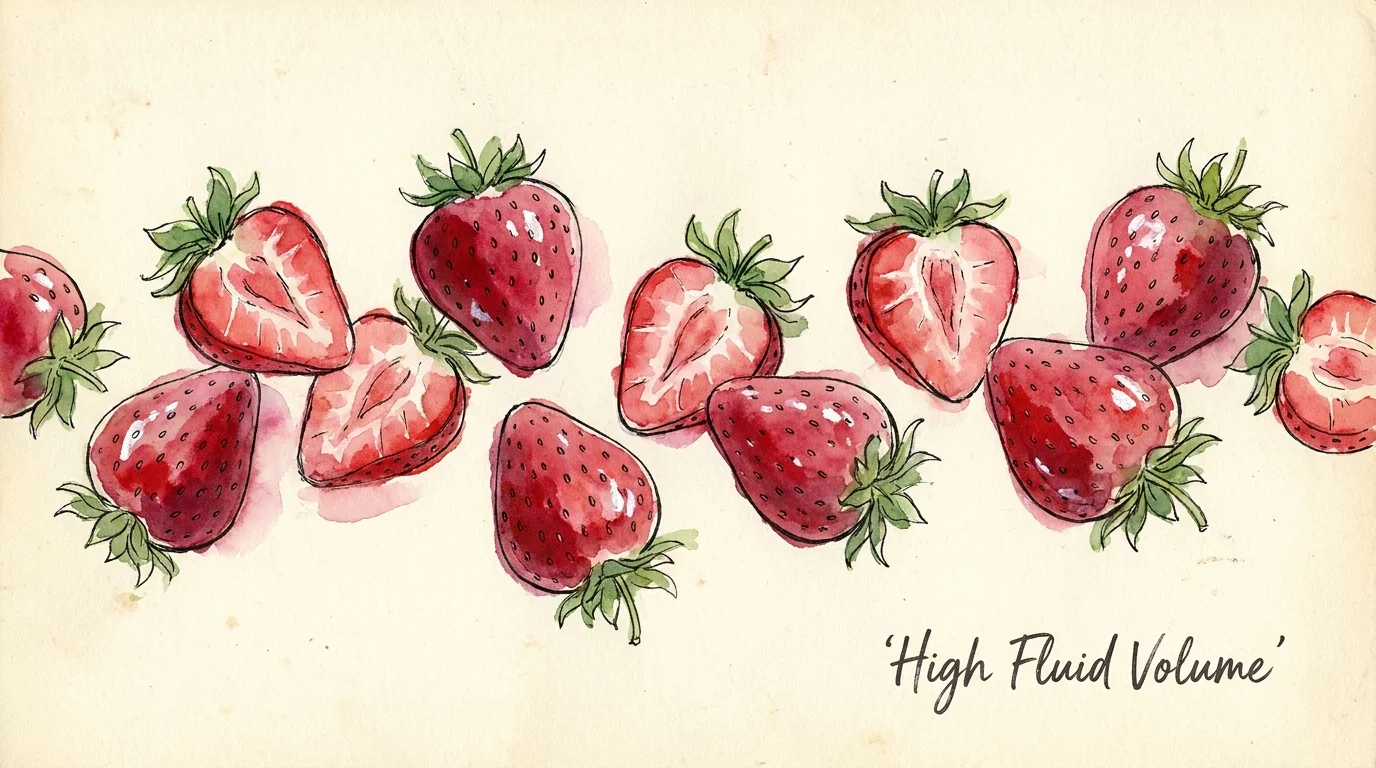
Strawberries pack a massive nutritional punch while carrying a water content of roughly ninety-one percent. These brilliant red berries offer far more than just sweet summer flavor; they are overflowing with disease-fighting antioxidants, vitamin C, and dietary fiber.
The fiber content is particularly crucial for seniors, as it promotes healthy digestion and helps prevent the constipation that often accompanies mild dehydration. You can toss a handful of fresh strawberries into your morning oatmeal, blend them into a smooth smoothie, or layer them with plain yogurt. Their natural sweetness satisfies sugar cravings while keeping your fluid levels securely in the safe zone.
4. Cantaloupe
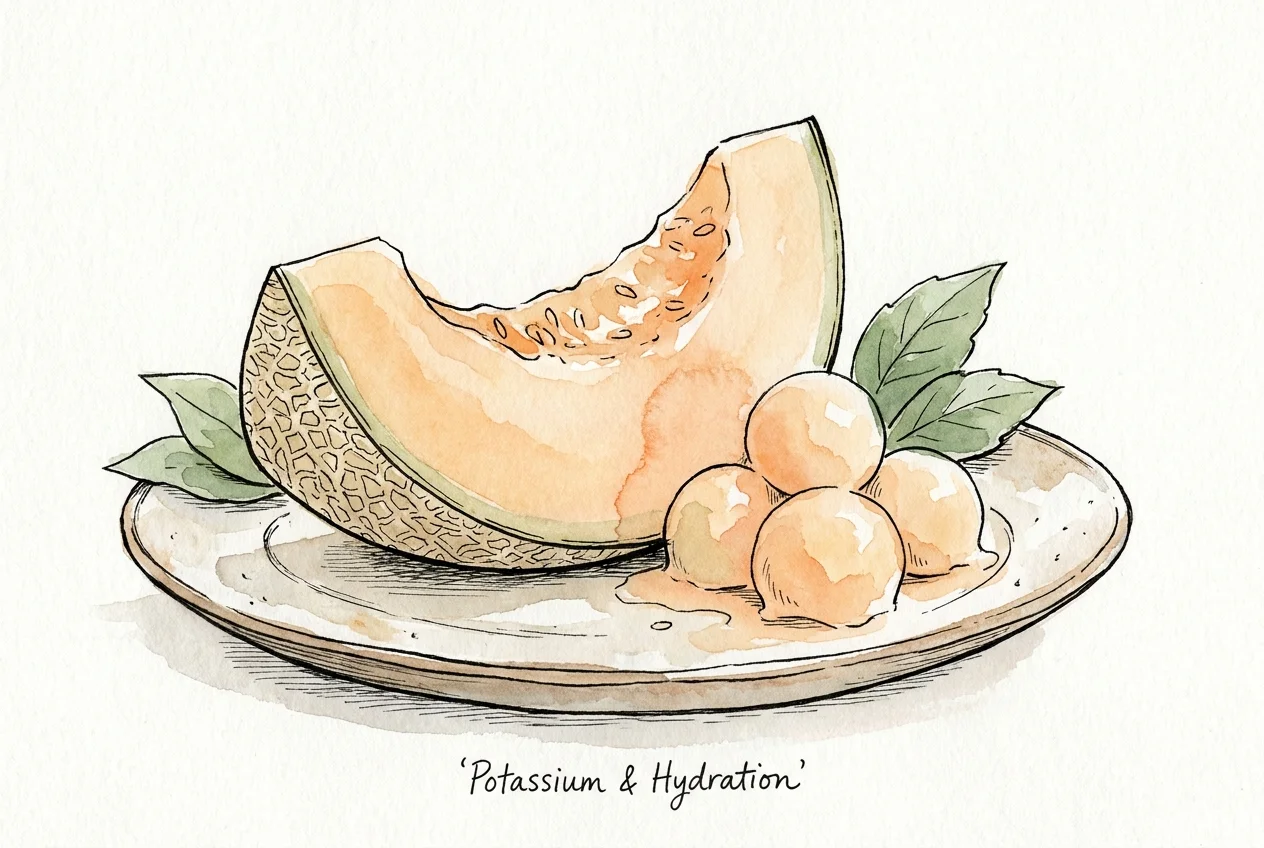
Cantaloupe provides a deliciously sweet way to consume more fluids, thanks to its ninety percent water makeup. One cup of this tender melon delivers more than half of your daily requirement for vitamin A, which plays a vital role in preserving your vision and strengthening your immune system as you age.
The soft, buttery flesh of a ripe cantaloupe requires minimal chewing effort, making it a soothing option for almost any senior diet. Consider keeping a bowl of pre-cut cantaloupe chunks in your refrigerator; having it readily available encourages you to reach for a hydrating snack rather than a processed, salty alternative.
5. Peaches
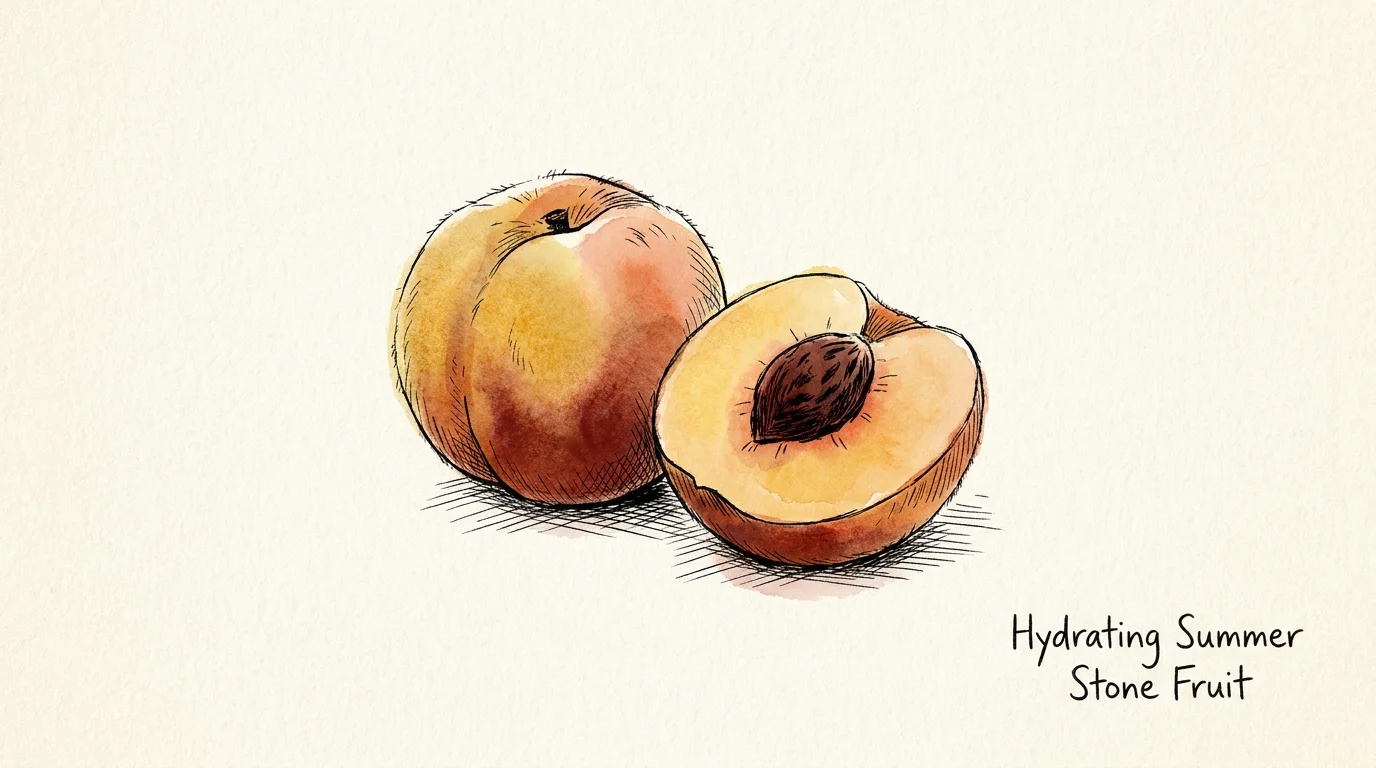
Biting into a juicy, ripe peach provides immediate refreshment alongside a water content of nearly eighty-nine percent. Peaches represent the ultimate healthy summer foods, offering a rich profile of vitamins A, C, and several essential B vitamins.
The presence of potassium in peaches helps your body maintain a healthy fluid balance, counteracting the potentially negative effects of dietary sodium. Whether you slice them over your morning cereal, bake them gently with a sprinkle of cinnamon, or eat them fresh over the kitchen sink, peaches offer a comforting, hydrating experience.
6. Oranges
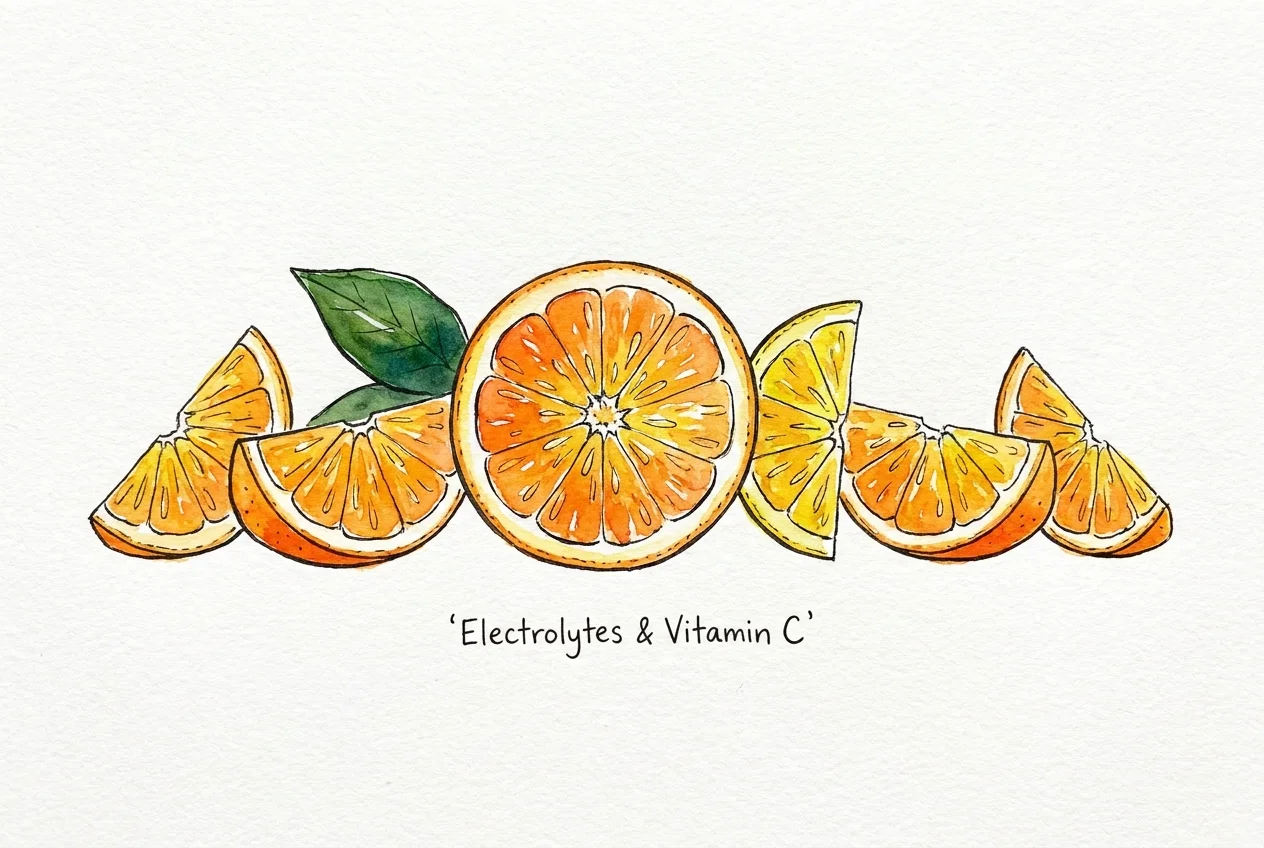
While often associated with winter cold prevention, oranges shine brilliantly as a summer hydration staple. Composed of eighty-eight percent water, these citrus fruits provide a massive infusion of vitamin C and immune-boosting flavonoids to keep you feeling your best.
The natural sugars found in oranges offer a quick, easily accessible source of energy to combat the sluggishness you often feel on hot, humid afternoons. Eating a whole orange rather than drinking processed orange juice gives you the added benefit of dietary fiber, which slows the absorption of sugar into your bloodstream.
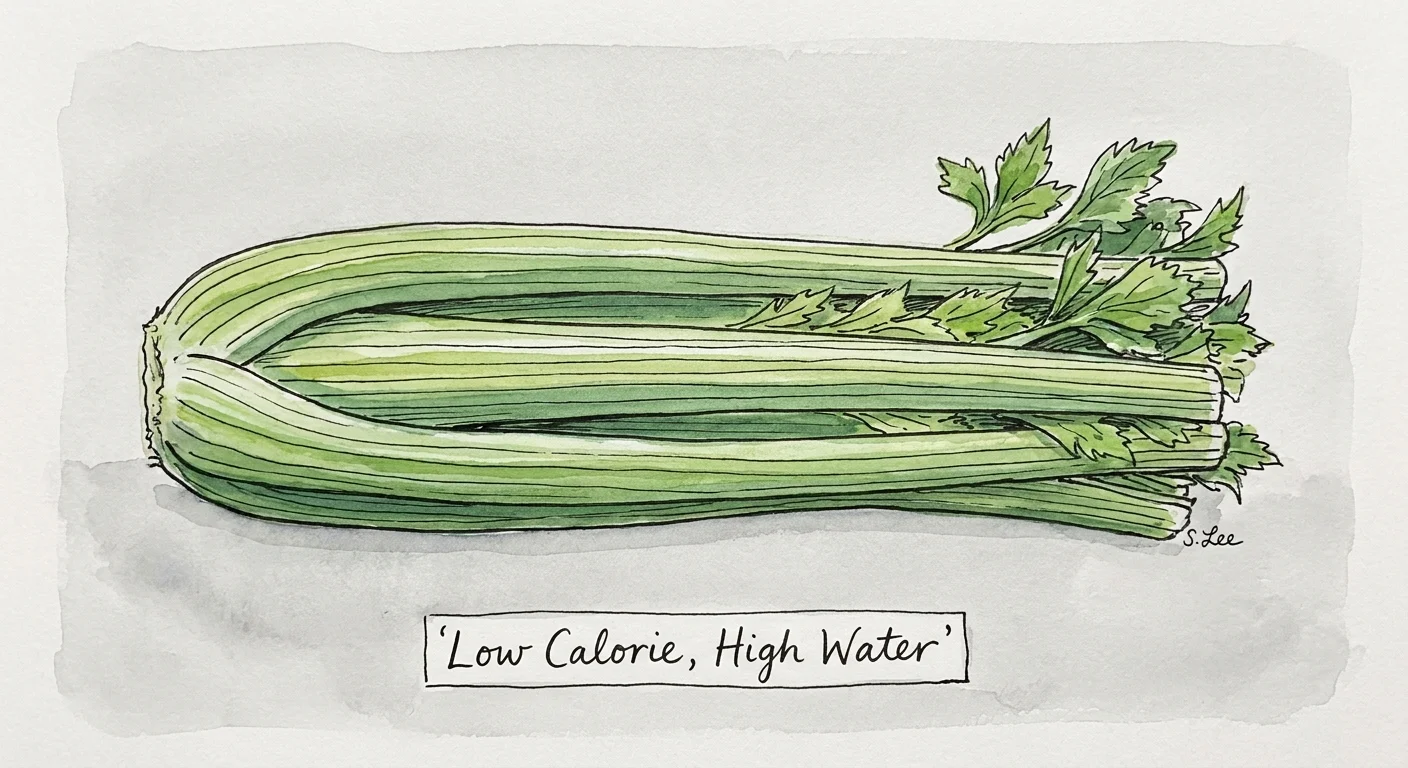
7. Celery
Celery often goes overlooked, yet it remains one of the most hydrating vegetables on the planet with its ninety-five percent water profile. This fibrous stalk acts as a natural hydrator while providing vital minerals like potassium and sodium, which work together to prevent painful muscle cramps.
Although raw celery demands significant chewing power, you can easily adapt it to suit your physical needs. Try spreading a modest layer of almond butter or cream cheese inside the celery groove to add healthy fats and protein, transforming a watery vegetable into a deeply satisfying snack that sustains your energy levels.
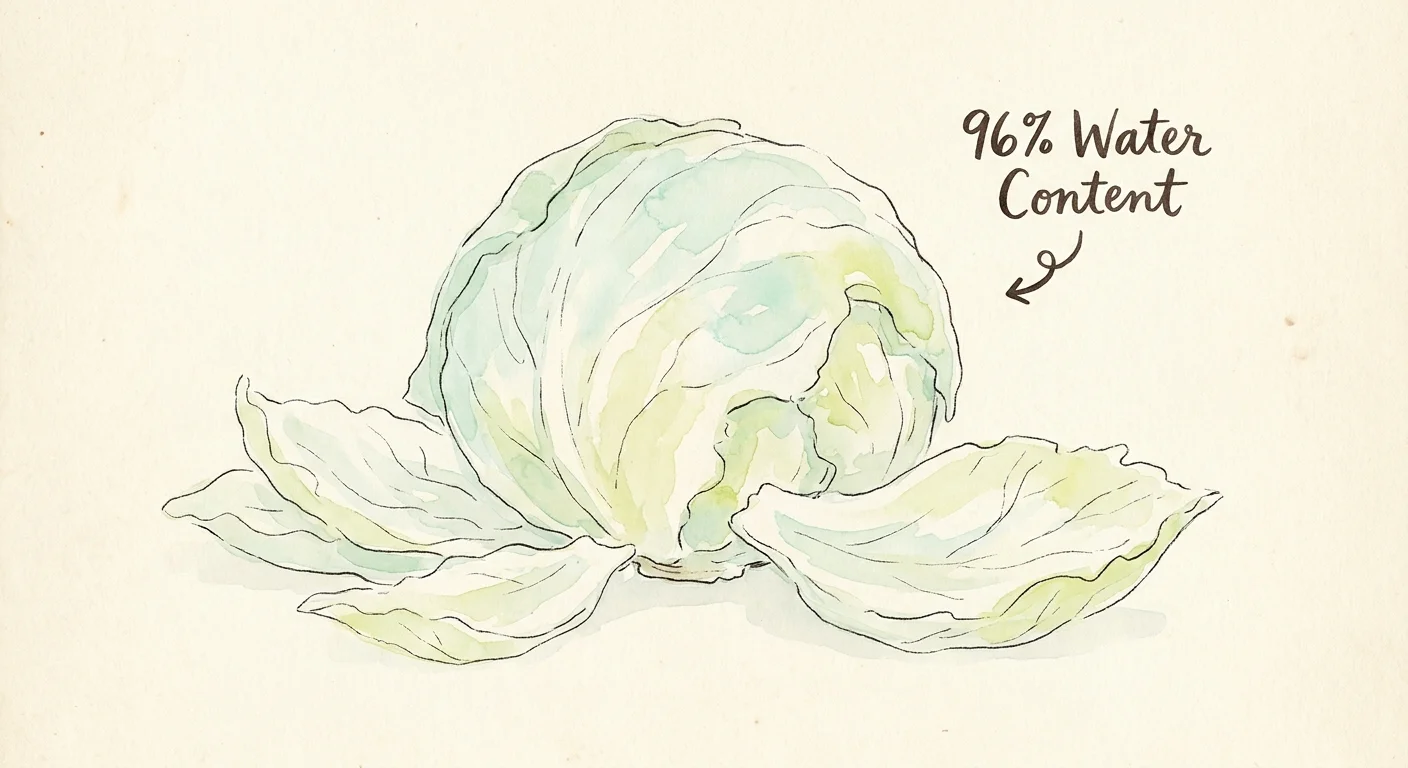
8. Iceberg Lettuce
Nutritional experts frequently dismiss iceberg lettuce in favor of darker leafy greens, but when it comes to sheer hydration, iceberg takes the absolute crown. At ninety-six percent water, it operates as an unparalleled vehicle for delivering pure fluids directly to your thirsty cells.
While it may not contain the dense vitamin profile of spinach or kale, iceberg lettuce provides a cool, crisp base for summer salads that encourages you to eat other hydrating vegetables. You can use crisp iceberg leaves as a clever substitute for heavy bread wraps, drastically boosting the moisture content of your lunch.
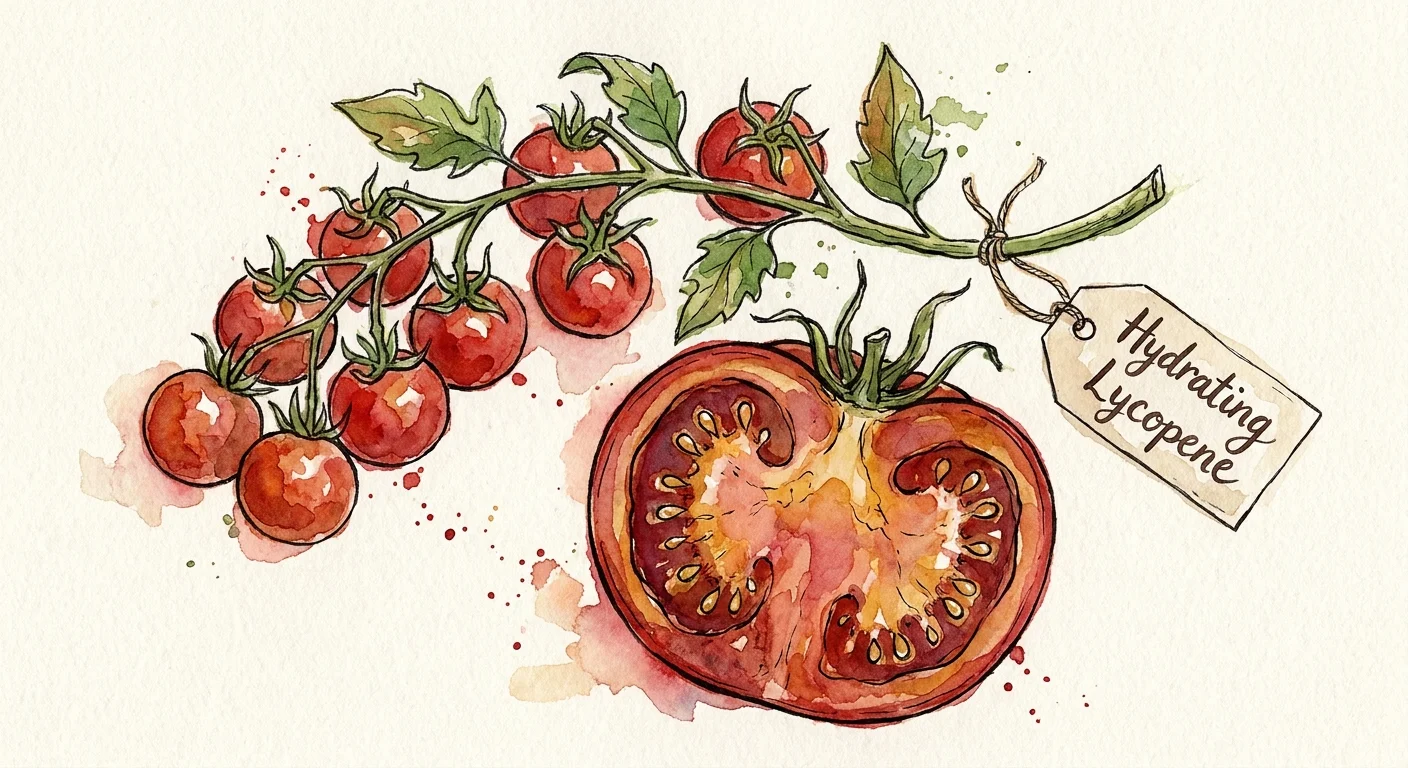
9. Tomatoes
Tomatoes are botanical fruits that function beautifully as culinary vegetables, and their ninety-four percent water content makes them absolutely essential for your summer diet. They are exceptionally rich in lycopene, but eating them raw during the summer provides the maximum hydration benefit.
Tomatoes also contain a wealth of potassium, which is critical for seniors taking certain blood pressure medications. You can slice thick heirloom tomatoes for a classic sandwich, dice cherry tomatoes into a refreshing cucumber salad, or blend fresh tomatoes into a chilled gazpacho soup to deliver crucial fluids.
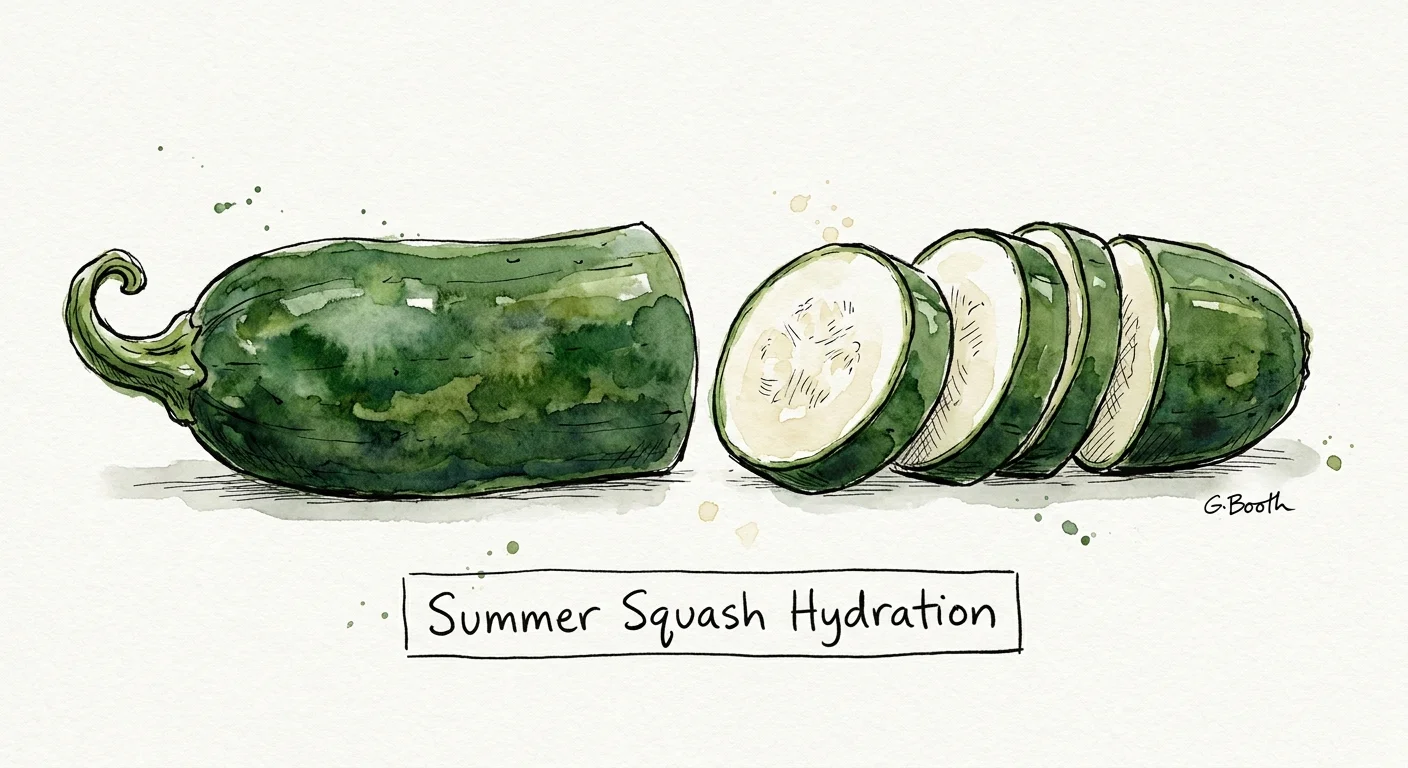
10. Zucchini
Zucchini rounds out our list with a remarkable ninety-four percent water content. This prolific summer squash is incredibly gentle on the aging digestive tract and provides a superb source of vitamin C and potassium to support your overall wellness.
Unlike many other high-water vegetables, zucchini readily absorbs the flavors of the ingredients cooked alongside it. You can spiralize zucchini into fresh strips as a hydrating alternative to dense, heavy pasta, or lightly sauté thin slices in olive oil. Even when lightly cooked, zucchini retains a massive amount of its internal moisture.
Important Safety Precautions to Keep in Mind
While increasing your intake of foods with high water content offers tremendous benefits, you must approach your dietary changes with mindfulness and care. Sudden, drastic increases in dietary fiber—which naturally accompanies most fruits and vegetables—can temporarily upset a sensitive digestive system. Introduce these new hydrating foods gradually over the course of a week, allowing your stomach and intestines ample time to adjust to the increased fiber load. This measured approach prevents uncomfortable bloating, gas, or intestinal cramping that might otherwise discourage you from eating well.
If you live with diabetes or carefully manage your blood sugar levels, you must pay close attention to the specific types of hydrating foods you consume. Fruits like watermelon, cantaloupe, and peaches contain natural sugars that can impact your glucose readings. While these natural sugars are vastly superior to refined sweets, you should balance your fruit intake by pairing them with a healthy protein or fat—such as a handful of unsalted nuts or a spoonful of cottage cheese. This combination helps stabilize your blood sugar while still allowing you to reap the hydration benefits.
Finally, always prioritize food safety during the warm summer months. Fresh produce can harbor harmful bacteria if not handled correctly. Wash all fruits and vegetables thoroughly under cold, running water before peeling or cutting them; this prevents bacteria on the rind from transferring to the edible flesh via your knife. Store your pre-cut fruits and vegetables in airtight containers in the refrigerator, and discard any produce that has been sitting out at room temperature for more than two hours.

When to Speak with a Healthcare Professional
Understanding how to utilize dietary hydration serves as a powerful tool, but it does not replace the personalized medical guidance provided by your doctor. Dehydration can escalate rapidly in older adults, and recognizing the early warning signs could save your life. You should immediately contact your healthcare provider if you experience persistent dizziness, severe confusion, a rapid heart rate, or if your urine becomes dark amber or brown. Furthermore, if you take prescription medications for heart failure, kidney disease, or high blood pressure, consult your doctor before making significant changes to your diet, as sudden spikes in fluid or potassium intake can interfere with your treatment plan.
For authoritative, trustworthy health information, always consult official sources like the National Institute on Aging (NIA) and MedlinePlus from the National Library of Medicine. The CDC also provides excellent resources for older adults.
Disclaimer: This article is for informational purposes only and does not constitute medical advice. Always seek the advice of your physician or other qualified health provider with any questions you may have regarding a medical condition.
Frequently Asked Questions
Can I rely entirely on hydrating foods instead of drinking water?
You cannot rely exclusively on food for your hydration needs. While water-rich foods typically provide about twenty percent of your daily fluid intake, the remaining eighty percent must come from beverages. Hydrating foods are meant to supplement and support your water intake, making it easier to reach your daily goal without feeling waterlogged. You should still keep a glass or bottle of water nearby and sip it consistently throughout the day.
How do I know if I am eating enough water-rich foods?
The simplest way to monitor your overall hydration—whether from food or beverages—is to observe the color of your urine. If you are adequately hydrated, your urine will be a very pale, clear yellow, resembling the color of pale lemonade. If your urine is dark yellow or highly concentrated, it is a clear signal that you need to increase your fluid intake immediately. Incorporating at least one hydrating fruit or vegetable into every meal naturally ensures you are moving in the right direction.
Are there certain foods I should avoid during the summer to prevent dehydration?
Yes; certain foods and beverages actively work against your hydration efforts. Highly processed foods packed with excessive sodium pull water from your cells, increasing your internal fluid demands. Similarly, beverages containing high amounts of caffeine or alcohol act as diuretics, prompting your kidneys to excrete water at a faster rate. You do not have to eliminate these items entirely, but consuming them in moderation and pairing them with extra water or hydrating foods protects your fluid balance.
Do cooked vegetables still provide hydration?
Cooking methods significantly impact the water content of your vegetables. Boiling or lightly steaming vegetables preserves a substantial amount of their natural moisture, allowing them to contribute heavily to your daily hydration. Conversely, roasting or frying draws the water out, concentrating the flavors but diminishing the fluid volume. To maximize hydration, aim to eat a balanced mix of raw, crisp produce and gently cooked vegetables throughout your summer days.