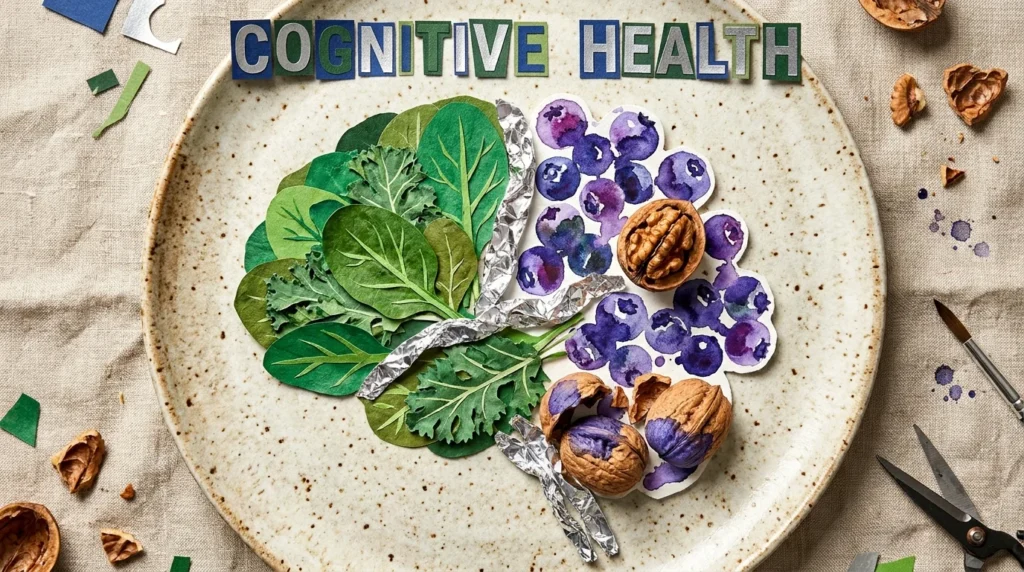
Eating the right foods actively protects your brain cells and significantly lowers your chances of developing cognitive decline as you age. Research shows that specific nutrients—such as antioxidants, healthy fats, and vitamins—create a powerful defense system against the cellular damage that leads to memory loss. By simply adjusting your daily meals, you take immediate control over your long-term cognitive health. Nourishing your body with vibrant, wholesome ingredients does more than just maintain your physical strength; it builds a resilient mind. You do not need to follow a restrictive diet to see these profound benefits. Small, enjoyable additions to your plate yield lasting results.
Understanding the Basics of Dementia Prevention for Seniors
As you enter your senior years, your brain undergoes natural physical changes. The volume of the tissue slightly decreases, and communication between your neurons can slow down. However, cognitive decline is not an inevitable part of healthy aging. Science continually demonstrates that your daily lifestyle choices—particularly your dietary habits—wield incredible power over your cognitive health. You build your brain cells directly from the nutrients you consume. When you provide your body with high-quality fuel, you protect your delicate neural networks from oxidative stress and chronic inflammation; these are two primary culprits behind dementia and Alzheimer’s disease.
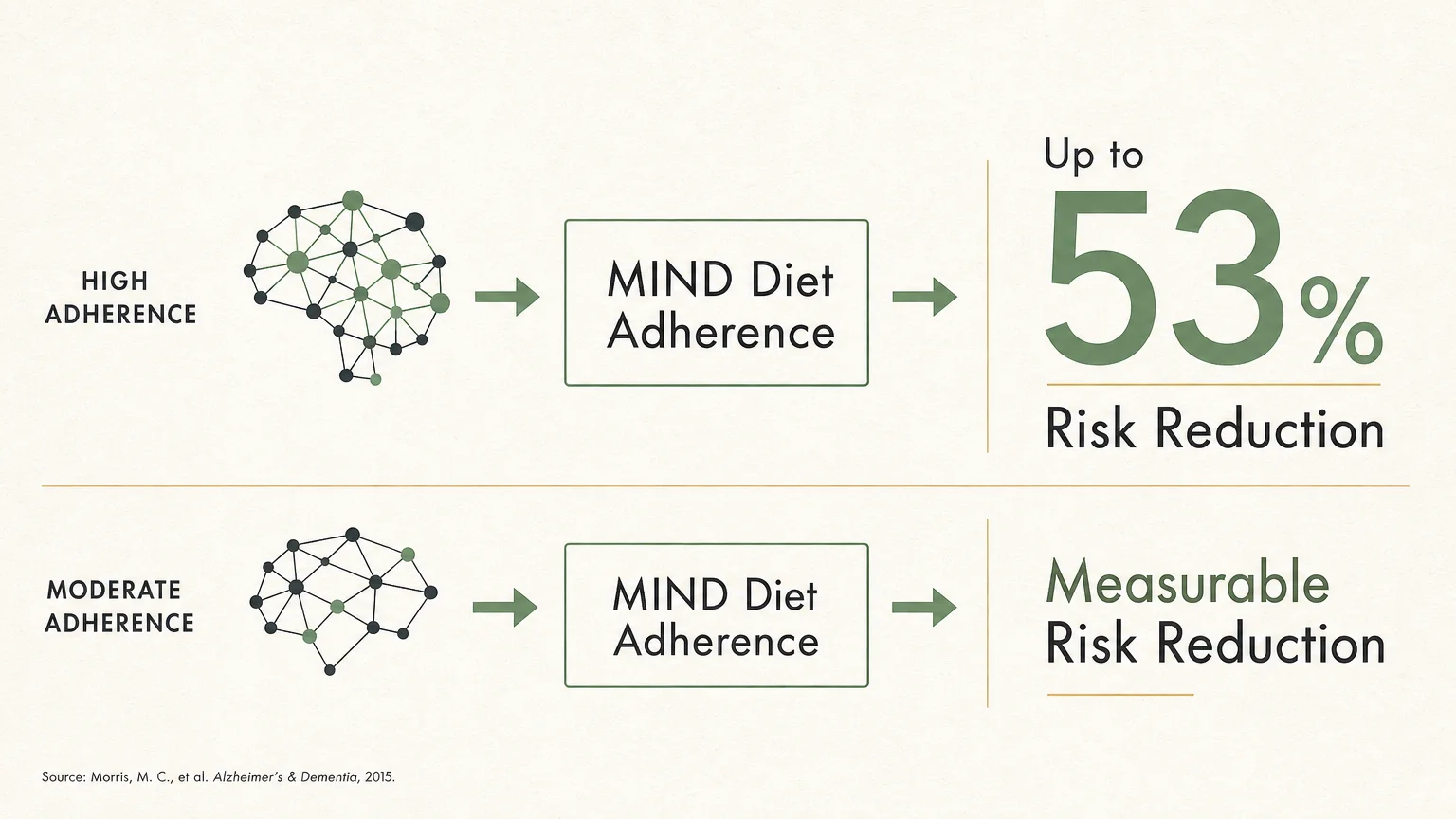
Researchers closely study specific eating patterns, like the MIND diet, which actively target brain health. Clinical studies show that older adults who strictly adhere to this brain-focused eating pattern reduce their risk of Alzheimer’s disease by up to 53 percent. Even those who follow it moderately see a measurable dementia risk reduction. The underlying principle relies on synergy. No single miracle ingredient prevents memory loss on its own. Instead, a consistent daily intake of specific vitamins, antioxidants, and healthy fats creates a fortified environment within your skull. By focusing on wholesome foods for brain health, you actively clear away cellular debris, improve vital blood flow to your cerebral cortex, and stimulate the growth of new neural connections. This comprehensive approach ensures that you retain your independence, sharp memory, and vibrant personality well into your later years.

Practical Tips for a Healthier, Happier Life
1. Leafy Green Vegetables
Include spinach, kale, collard greens, and Swiss chard in your weekly meal rotation. These vibrant vegetables come packed with crucial brain-protecting nutrients, including vitamin K, lutein, folate, and beta-carotene. Research firmly links these specific plant compounds to a significantly slower rate of cognitive decline. Lutein, for example, accumulates directly in your brain tissue and acts as a powerful antioxidant, defending your fragile cells from daily wear and tear.
You only need one serving a day to reap the protective benefits. A single cup of raw spinach mixed into your morning eggs or blended into a fruit smoothie provides a massive nutritional boost. If you prefer cooked vegetables, lightly sauté a handful of kale in olive oil with a pinch of garlic. Cooking greens actually helps your digestive system absorb certain fat-soluble vitamins more efficiently, maximizing your cognitive protection.
2. Fresh and Frozen Berries
Berries serve as natural, bite-sized protectors for your aging mind. Blueberries and strawberries contain exceptionally high levels of flavonoids; these natural plant pigments give the fruit their brilliant colors and provide immense antioxidant power. Flavonoids actively cross the blood-brain barrier and position themselves in regions of the brain responsible for memory and learning. They reduce damaging inflammation and help aging neurons communicate more effectively with one another.
In major long-term nutritional studies, older adults who consumed two or more servings of berries each week delayed memory decline by up to two and a half years. Enjoy a half-cup of blueberries over your morning oatmeal, or snack on fresh strawberries in the afternoon. Frozen berries hold the exact same nutritional value as fresh ones, offering an affordable and convenient option year-round.
3. Fatty Fish
Your brain consists of nearly 60 percent fat, and half of that fat comprises omega-3 fatty acids. Fatty fish like salmon, trout, sardines, and mackerel deliver abundant, highly absorbable omega-3s directly to your bloodstream. Your body uses these essential fats to build sturdy brain and nerve cells, making them absolute cornerstones for memory preservation and learning capacity.
A lack of dietary omega-3s directly correlates with a higher risk of cognitive decline and a physically smaller brain volume. To secure these vital benefits, consume a four-ounce serving of fatty fish at least twice a week. Bake a salmon fillet with a squeeze of fresh lemon and dill, or add canned sardines to a lunchtime salad. These simple meals provide the building blocks your mind requires to stay sharp.
4. Walnuts and Other Nuts
While all nuts provide excellent heart-healthy fats and protein, walnuts stand out as the ultimate brain food. They resemble tiny brains for a good reason. Walnuts deliver a remarkably high concentration of alpha-linolenic acid (ALA), a potent plant-based omega-3 fatty acid. They also contain rich amounts of vitamin E, which traps free radicals that cause cellular damage, protecting your delicate brain membranes from age-related decay.
Eating just an ounce of nuts a day—roughly a small handful—translates to better test scores on memory and cognitive function exams among seniors. Keep a jar of unsalted mixed nuts on your kitchen counter for easy access. Toss toasted walnuts into your leafy salads, or crush them over a bowl of Greek yogurt. Because nuts pack a high amount of calories, a small daily handful provides the perfect balance of benefits without excessive caloric intake.
5. Extra Virgin Olive Oil
Replace your standard cooking fats with extra virgin olive oil to actively shield your brain from cognitive decline. This golden oil represents the primary fat source in the Mediterranean diet and features an extraordinary natural compound called oleocanthal. Oleocanthal reduces widespread inflammation in the body and brain much like over-the-counter pain relievers do. Furthermore, laboratory studies indicate it helps clear away the dangerous amyloid-beta plaques associated with Alzheimer’s disease.
Because high heat destroys some of the delicate polyphenols in extra virgin olive oil, use it primarily as a finishing oil. Drizzle it generously over roasted vegetables, use it as a flavorful base for your salad dressings, or dip a piece of whole-grain crusty bread into a small dish of oil seasoned with herbs. Prioritizing this healthy fat over butter or margarine keeps your blood vessels flexible and your brain well-nourished.
6. Beans and Legumes
Beans, lentils, and chickpeas act as steady, reliable fuel sources for your aging mind. Your brain consumes roughly 20 percent of your body’s daily carbohydrate intake, but it requires a slow and steady supply of energy to function optimally. Legumes possess a low glycemic index, meaning they release glucose into your bloodstream gradually. This process completely prevents the sharp sugar spikes and subsequent crashes that cause brain fog and fatigue.
Additionally, beans contain abundant B vitamins, particularly folate, which actively lowers levels of homocysteine in your blood. High homocysteine levels correlate directly with increased dementia risk and stroke. Aim for at least three servings of beans or legumes per week. Incorporate black beans into a hearty chili, blend chickpeas into homemade hummus, or simmer lentils in a warm, comforting soup.
7. Whole Grains
Switching from refined white grains to whole grains constitutes a simple dietary swap with profound cognitive benefits. Oats, quinoa, barley, and brown rice retain their fiber-rich bran and nutrient-dense germ. This intact structure promotes excellent cardiovascular health. Because every single heartbeat pumps about 20 percent of your total blood volume directly to your brain, maintaining clear, healthy blood vessels is a mandatory step in dementia prevention.
Whole grains also supply vitamin E and crucial B vitamins that reduce brain inflammation. Start your morning with a warm bowl of steel-cut oats topped with a sprinkle of cinnamon. When preparing sandwiches for lunch, always choose 100 percent whole-wheat bread instead of heavily processed white bread. Use quinoa instead of white rice alongside your evening chicken or fish. These daily choices ensure your brain receives uninterrupted oxygen and nutrients.
8. Lean Poultry
Chicken and turkey offer far more than just high-quality protein to maintain your physical muscle mass; they supply vital nutrients specifically for your nervous system. Poultry serves as an excellent natural source of choline and vitamins B6 and B12. Your brain uses choline to produce acetylcholine, a critical neurotransmitter essential for mood regulation, memory retention, and muscle control. Aging naturally depletes these neurotransmitters, making conscious dietary intake critical.
To keep your meals genuinely brain-friendly, avoid deep-fried chicken or heavy, creamy poultry sauces. Instead, roast a whole chicken with herbs and root vegetables, or grill fresh turkey breast slices for a satisfying lunch. Consuming poultry twice a week provides the necessary amino acids your brain needs to repair damaged tissues and build new cellular connections without the high saturated fat content found in red meat.
9. Cruciferous Vegetables
Broccoli, Brussels sprouts, cauliflower, and cabbage all belong to the powerful cruciferous vegetable family. These robust vegetables contain specialized compounds called glucosinolates. When your body breaks down glucosinolates during digestion, they produce helpful byproducts that dramatically reduce oxidative stress and lower the risk of neurodegenerative diseases. Broccoli also provides a heavy dose of vitamin K, which enhances your ability to quickly recall memories.
Many seniors naturally avoid these vegetables due to digestive sensitivities, but cooking them properly makes a significant difference. Steam broccoli until it becomes completely fork-tender to preserve its nutrients while making it gentle to digest. Toss halved Brussels sprouts in a light coating of olive oil and roast them until the edges turn crisp and sweet. Eating these vegetables twice a week significantly strengthens your cognitive defense system.
10. Avocados
Avocados provide an exceptionally high amount of monounsaturated fats, which support healthy, unobstructed blood flow and naturally reduce blood pressure. Since high blood pressure represents a major risk factor for cognitive decline, keeping your vascular system relaxed and open directly protects your memory. Avocados also supply ample potassium and folate, helping to prevent the formation of destructive tangles in your brain pathways.
You can easily integrate avocados into a gentle, soft-food diet. Mash a quarter of a ripe avocado onto a slice of toasted whole-grain bread for a nutrient-dense breakfast. Dice it into small cubes and mix it with a fresh tomato and cucumber salad, or blend a few slices into your fruit smoothie to create a rich, creamy texture without altering the sweet flavor.
11. Dark Chocolate
Protecting your brain does not mean giving up your absolute favorite treats. Dark chocolate—specifically varieties containing 70 percent cocoa or higher—is densely packed with brain-boosting compounds, including flavonoids, natural caffeine, and a wealth of protective antioxidants. The flavonoids in dark chocolate accumulate directly in the areas of the brain involved in learning and memory storage. They improve vital blood flow to the brain, enhancing your cognitive agility and attention span.
Standard milk chocolate and processed candy bars do not offer these benefits due to their high sugar content and low cocoa mass. To indulge in health, break off a small, single square of high-quality dark chocolate to enjoy after dinner. Let it melt slowly on your tongue. This small daily ritual satisfies your sweet tooth while delivering a powerful dose of anti-aging antioxidants directly to your brain cells.
Important Safety Precautions to Keep in Mind
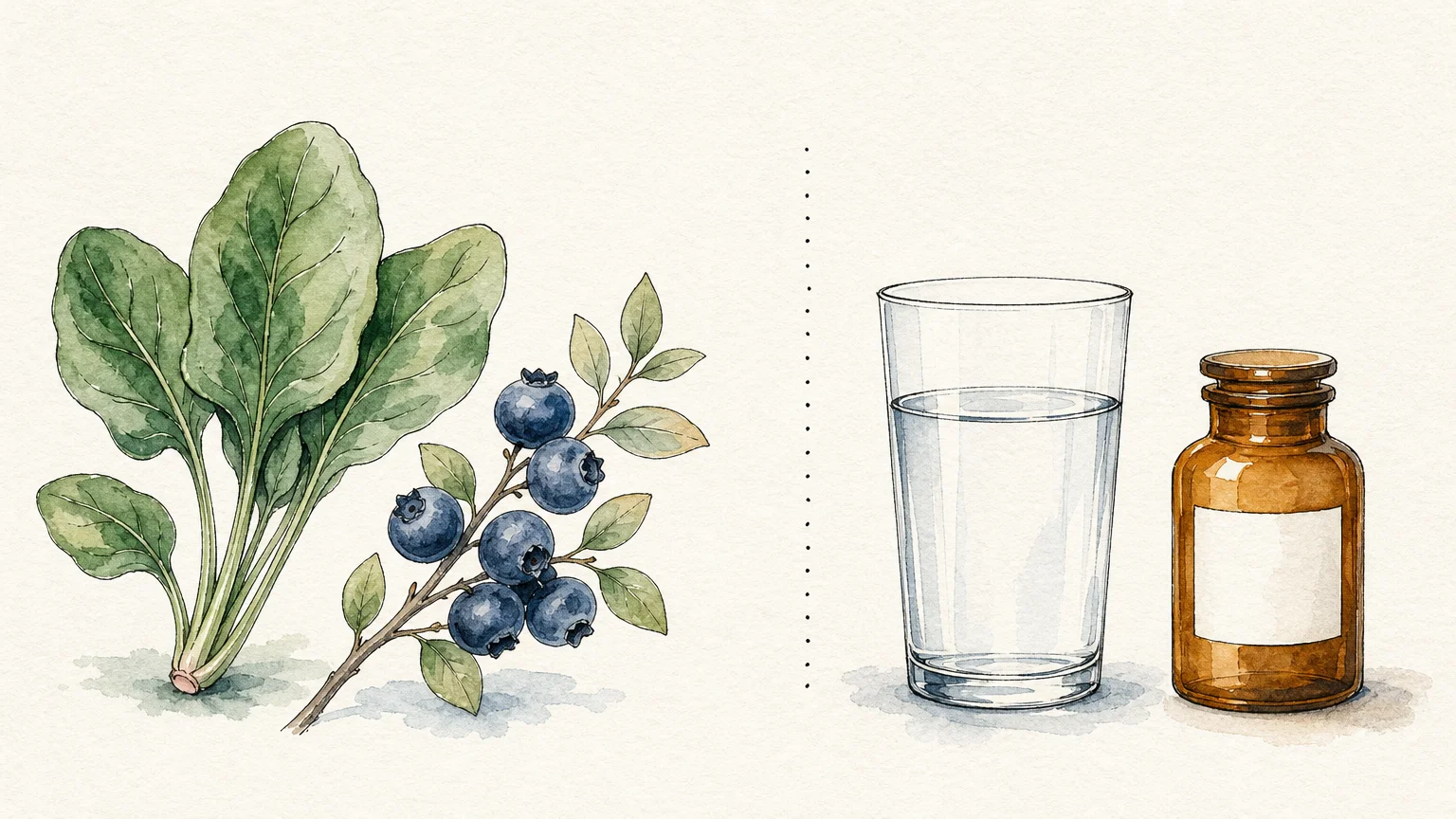
Whenever you actively adjust your eating habits to promote healthy aging, you must proceed with mindfulness and care. Your digestive system requires adequate time to adapt to new foods, especially those notably high in dietary fiber like beans, whole grains, and raw vegetables. Increasing your fiber intake too rapidly can lead to uncomfortable bloating, painful gas, and stomach cramps. To avoid this entirely, introduce these brain-healthy foods gradually over several weeks. Furthermore, always drink plenty of water; fiber requires adequate hydration to move smoothly and comfortably through your digestive tract.
Pay close attention to potential interactions between your new dietary habits and any prescription medications. For instance, leafy green vegetables contain high amounts of vitamin K, which naturally promotes healthy blood clotting. If you currently take blood-thinning medications like warfarin, suddenly increasing your intake of spinach or kale can severely disrupt your medication’s effectiveness. You do not necessarily need to avoid greens, but you must maintain a highly consistent daily intake rather than wildly fluctuating your portion sizes.
Additionally, remain vigilant about new food allergies and any chewing or swallowing difficulties. If whole nuts pose a choking hazard or severely irritate your dental work, switch to smooth, unsweetened nut butters to gain the exact same benefits. Prioritize your physical comfort and safety while nourishing your brain.

When to Speak with a Healthcare Professional
The dietary guidance provided here serves as a supportive tool for your overall wellness journey; however, it is not a substitute for personalized medical advice or treatment. Your health profile is entirely unique, shaped by your specific medical history, genetics, and current medications. Always consult your primary care physician or a registered dietitian before making significant, sweeping changes to your diet, especially if you actively manage chronic conditions like diabetes, kidney disease, or cardiovascular issues.
You should immediately speak with a healthcare professional if you or a loved one notice sudden, unusual changes in cognitive function. If you experience frequent confusion, get lost in highly familiar places, struggle to find the right words in casual conversation, or frequently forget recently learned information, do not rely solely on dietary changes to address these symptoms. These sudden signs warrant a comprehensive medical evaluation to accurately determine the underlying cause.
Furthermore, discuss your plans with a doctor before starting any high-dose vitamins or dietary supplements actively marketed for dementia prevention. They will carefully review your current medication list to prevent dangerous chemical interactions and help you create a safe, highly effective, and tailored plan to preserve your cognitive vitality.
Frequently Asked Questions
Can I still improve my cognitive health if I already experience mild memory slips?
Absolutely. Your brain possesses a remarkable biological quality called neuroplasticity, which means it retains the ability to form new neural connections throughout your entire life. While diet alone cannot cure underlying medical conditions, switching to a brain-healthy diet can significantly slow down the progression of age-related memory decline. Feeding your body the right nutrients provides your brain with the exact tools it needs to repair cellular damage and maximize the function of your remaining healthy neurons.
How quickly will I notice the benefits of eating foods for brain health?
Protecting your brain is a long-term commitment, much like saving for retirement. You may not notice immediate changes in your memory recall within the first few days. However, as you stabilize your blood sugar by eating whole grains and reduce systemic inflammation with healthy fats, you will likely notice distinct improvements in your daily energy levels, mood stability, and ability to focus within a few short weeks. The profound structural protections against dementia build gradually over months and years of consistent, healthy eating.
Are dietary supplements just as effective as eating these whole foods?
Taking a daily pill rarely replicates the complex nutritional synergy found in whole foods. When you eat a fresh bowl of blueberries or a roasted fillet of salmon, you ingest a vast array of vitamins, minerals, and enzymes that work harmoniously together to fully support your body. Supplements can be incredibly helpful for addressing specific, medically diagnosed deficiencies—such as a severe vitamin B12 shortage—but they should never entirely replace a vibrant, varied diet. Always prioritize getting your crucial nutrients directly from your plate first.
Does drinking water play a role in dementia risk reduction?
Yes; proper hydration is absolutely critical for your cognitive health. Your brain requires abundant water to effectively produce hormones, synthesize neurotransmitters, and flush out dangerous cellular toxins. As you age, your natural sense of thirst diminishes, making it incredibly easy to become chronically dehydrated. Mild dehydration frequently mimics the early symptoms of dementia, causing severe confusion, lethargy, and noticeable memory lapses. Make a conscious, daily effort to drink fresh water continuously throughout the day alongside your brain-boosting meals.
For authoritative, trustworthy health information, always consult official sources like the National Institute on Aging (NIA) and MedlinePlus from the National Library of Medicine. The CDC also provides excellent resources for older adults.
Disclaimer: This article is for informational purposes only and does not constitute medical advice. Always seek the advice of your physician or other qualified health provider with any questions you may have regarding a medical condition.