Fueling your body with the right ingredients is the most powerful step you can take toward maintaining your independence and vitality as you age. Nutritionists emphasize that simple, everyday dietary choices heavily influence your energy levels, cognitive function, and immune system strength. While your metabolism naturally slows down over the years, your fundamental need for high-quality nutrients actually increases, making every bite more critical than ever. Adjusting your daily meals to feature nutrient-dense powerhouses protects your heart, supports bone density, and aids digestion. By integrating specific, delicious foods into your routine, you can actively invest in a robust, joyful future without complicated meal plans or restrictive dieting.
Understanding the Basics of Essential Nutrition for Seniors
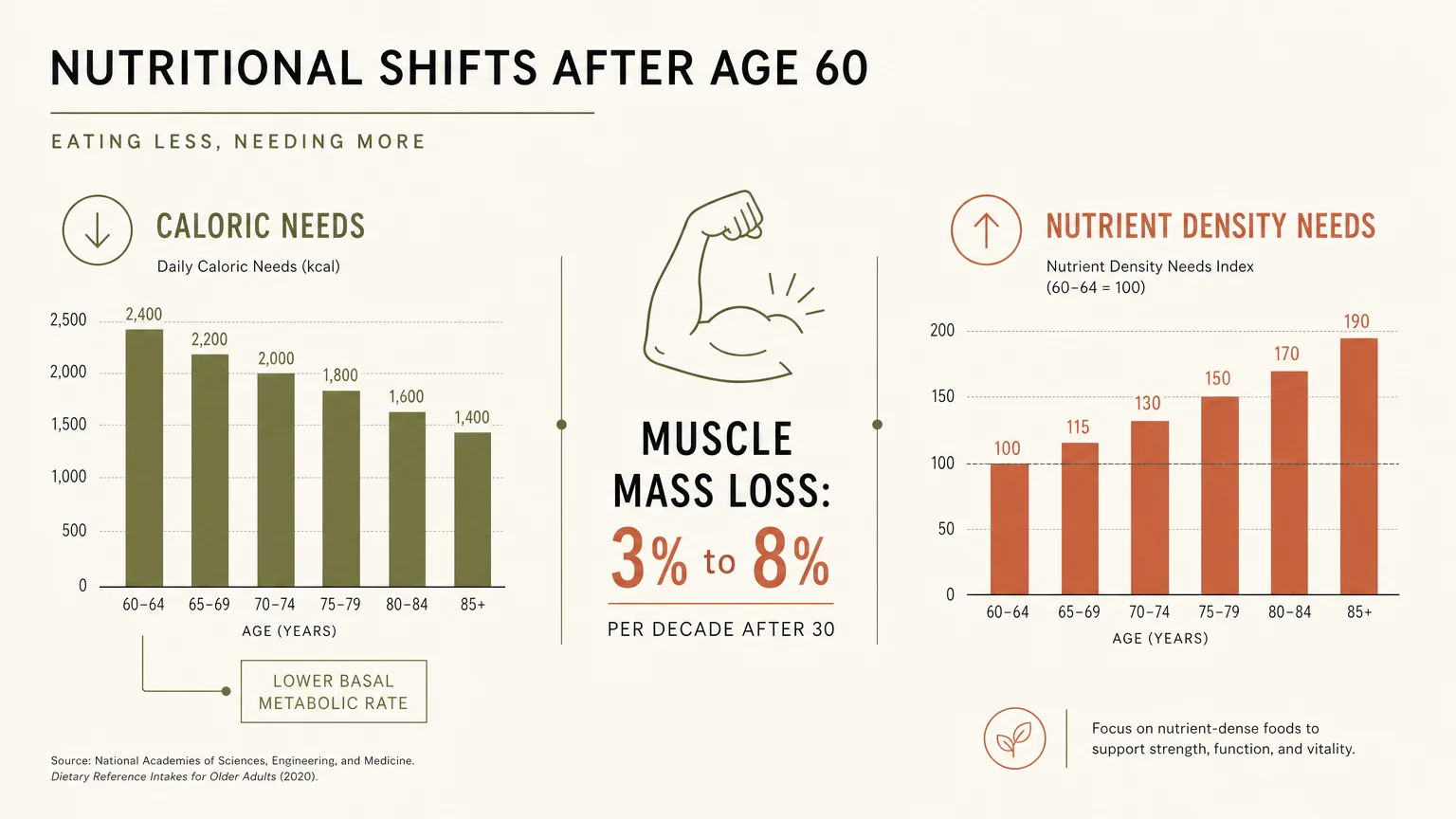
Your body undergoes a series of subtle yet significant transformations once you pass your sixtieth birthday. One of the most critical shifts involves your metabolism. As you grow older, your basal metabolic rate gradually slows down, meaning your body simply requires fewer calories to execute its daily functions. However, this physiological change creates a unique and often misunderstood challenge: while you need fewer overall calories to prevent weight gain, your daily requirement for specific vitamins, minerals, and proteins actually rises. You must make every single calorie count by prioritizing nutrient-dense foods for seniors.
Dietary adjustments serve as the absolute cornerstone of healthy aging. For example, your digestive system naturally produces less stomach acid over time. This decrease directly limits your body’s ability to extract and absorb crucial nutrients—like vitamin B12, iron, and calcium—from the foods you consume. By selecting ingredients specifically designed to deliver these nutrients in highly accessible forms, you can ensure your body continues to receive the vital fuel it requires to maintain strong bones and healthy red blood cells. Furthermore, older adults naturally lose muscle mass at a rate of roughly three to eight percent per decade after the age of thirty—a progressive condition known as sarcopenia. You can actively combat this physical decline and preserve your physical strength by consciously incorporating adequate, high-quality proteins into your daily meals.
Achieving a healthy diet does not mean you have to sacrifice flavor, joy, or satisfaction at the dinner table. It simply means focusing your attention on wholesome, unprocessed foods that deliver maximum nutritional value in every serving. Nutritionists frequently point toward longevity foods—ingredients scientifically proven to support extended lifespans and lower rates of chronic disease. These incredible foods typically contain high concentrations of natural antioxidants, healthy dietary fats, and complex carbohydrates. Together, these nutritional components work synergistically to lower systemic inflammation throughout your body, which medical experts widely consider the root cause of many age-related conditions, ranging from joint arthritis to serious cardiovascular disease.
When you fully understand how your nutritional needs shift over time, you gain the incredible power to take control of your daily health. You no longer have to view eating as a stressful chore or a frustrating set of rules; instead, you can treat every meal as a valuable opportunity to nourish your aging cells, support your brain function, and dramatically enhance your overall quality of life.
Practical Tips for a Healthier, Happier Life
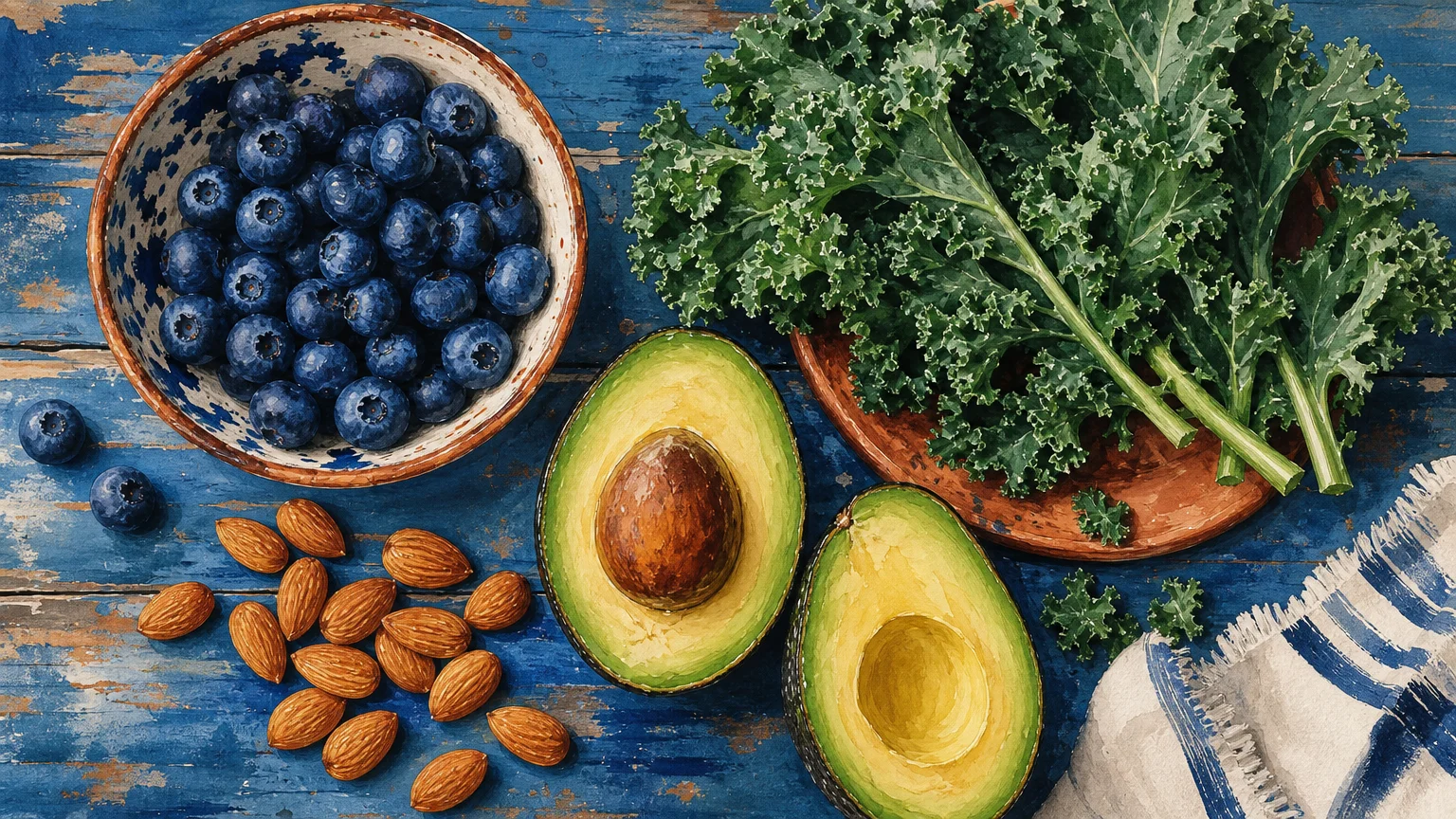
Nutritionists frequently recommend specific whole foods that address the unique physical changes associated with aging. Embracing these essential ingredients does not mean you have to abandon the meals you love; rather, it provides an opportunity to elevate your plate with targeted nutrition. By incorporating these powerhouses into your regular rotation, you can build a sustainable, enjoyable menu that supports your long-term well-being. Focus on small, manageable changes. Adding just one or two of these foods to your grocery list each week allows your palate and your digestive system to adjust naturally.
Boost Your Cellular Health with Dark Berries
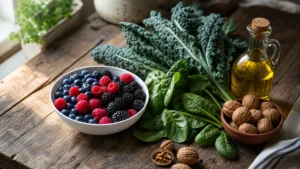
Nutritionists consistently rank dark berries—such as wild blueberries, blackberries, and raspberries—among the top longevity foods for older adults. These small but mighty fruits come packed with anthocyanins; these powerful antioxidants give the berries their vibrant colors and actively protect your cells from oxidative stress. Regular consumption of dark berries helps reduce systemic inflammation and supports memory retention by improving the vital communication between your brain cells.
You do not need to eat vast quantities to experience these protective benefits. Simply toss a small handful of fresh or frozen berries into your morning oatmeal, blend them into a nutritious smoothie, or layer them with plain yogurt for a refreshing afternoon snack. Frozen berries retain all their original nutritional value, making them a highly cost-effective and convenient option to keep in your freezer year-round.
Protect Your Vision and Brain with Leafy Greens
Dark, leafy greens such as spinach, kale, Swiss chard, and collard greens serve as absolute powerhouses of vital nutrients. They provide an abundance of vitamin K, vitamin A, and folate, which work beautifully together to preserve cognitive function and promote healthy blood clotting. Furthermore, leafy greens contain lutein and zeaxanthin—two crucial antioxidants that accumulate in the retina and protect your aging eyes against macular degeneration and cataracts.
If you find chewing raw salads difficult or uncomfortable, you can easily incorporate leafy greens into warm, comforting meals. Gently sauté fresh spinach with a touch of olive oil and minced garlic, stir chopped kale into hearty vegetable soups during the last few minutes of cooking, or blend a handful of greens into a fruit smoothie where the taste completely disappears.
Support Joint Function and Heart Health with Fatty Fish
Heart disease remains a leading concern for adults over sixty, making omega-3 fatty acids an essential addition to a healthy diet. Nutritionists wish more seniors ate fatty fish like wild-caught salmon, sardines, mackerel, and trout. The specific omega-3s found in marine life—EPA and DHA—actively lower triglyceride levels, reduce arterial plaque buildup, and decrease the painful joint stiffness frequently associated with osteoarthritis.
Aim to feature fatty fish on your dinner table at least twice a week. Baking or grilling a salmon fillet takes less than twenty minutes and pairs beautifully with roasted vegetables. If cooking fresh fish feels intimidating, canned wild salmon and bone-in sardines offer incredible convenience, long shelf lives, and a fantastic bonus dose of dietary calcium from their soft, entirely edible bones.
Maintain Muscle Mass with Lean Proteins and Greek Yogurt
Preserving your muscular strength allows you to maintain your mobility, balance, and physical independence. Because your body becomes naturally less efficient at synthesizing protein as you age, you must consume higher quantities of high-quality protein to stimulate muscle repair. Greek yogurt stands out as an exceptional choice for seniors. It contains up to twice the protein of standard yogurt and provides a substantial amount of calcium for bone preservation.
You can also turn to tender, easily digestible lean proteins like skinless poultry, eggs, and tofu. Eggs supply choline, a nutrient critical for your brain health and nerve function. Enjoy a softly scrambled egg for breakfast or mix plain, unsweetened Greek yogurt with savory herbs to create a creamy, protein-packed dressing for your roasted vegetables.
Stabilize Blood Sugar with Beans and Legumes
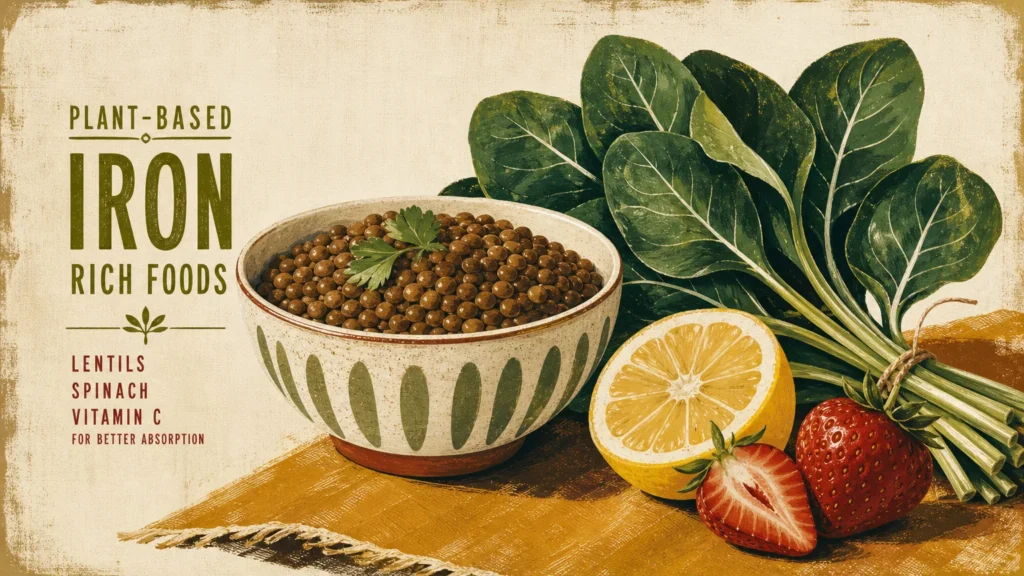
Beans, lentils, and chickpeas represent some of the most overlooked yet highly recommended foods for seniors. They offer a brilliant combination of complex carbohydrates, plant-based protein, and essential dietary fiber. Fiber plays a starring role in healthy aging by keeping your digestive tract moving smoothly, preventing uncomfortable constipation, and feeding the beneficial bacteria living in your gut microbiome. Moreover, the soluble fiber found in legumes helps regulate blood sugar spikes and naturally lowers harmful LDL cholesterol.
You can effortlessly integrate beans into your weekly routine without spending hours in the kitchen. Add a scoop of rinsed, canned chickpeas to your lunchtime salads, simmer red lentils into a comforting stew, or blend white beans into a creamy, nutrient-rich dip for fresh cucumber slices.
Strengthen Your Digestive System with Fermented Foods
Your gut microbiome directly influences your immune system strength, your daily mood, and your body’s ability to absorb nutrients. Aging often alters the delicate balance of good bacteria in your digestive tract, making fermented foods highly beneficial. Nutritionists advocate for the regular consumption of plain kefir, sauerkraut, kimchi, and traditional miso paste. These foods naturally contain probiotics—live, friendly bacteria that colonize your gut and support optimal digestive health.
Introduce fermented foods gradually to allow your digestive system to adjust comfortably. Sip a small glass of kefir alongside your morning meal, or add a spoonful of unpasteurized sauerkraut to a sandwich. Ensure you purchase refrigerated fermented foods, as the shelf-stable varieties found in the center aisles typically undergo pasteurization, which unfortunately kills the beneficial bacteria.
Preserve Cognitive Function with Walnuts and Seeds
Nuts and seeds serve as incredibly nutrient-dense snacks that provide healthy plant fats, protein, and essential trace minerals like magnesium and zinc. Walnuts, in particular, contain remarkably high amounts of alpha-linolenic acid, a plant-based omega-3 that supports brain health and lowers systemic inflammation. Chia seeds and flaxseeds offer excellent, easy-to-digest sources of fiber and healthy fats, making them an ideal component of nutrition for seniors.
Because whole nuts can present a chewing challenge or a choking hazard for some older adults, you can easily modify how you consume them to ensure safety. Spread smooth almond or walnut butter over a piece of whole-grain toast, or purchase ground flaxseeds to sprinkle generously over your warm cereals and soups. Your body absorbs the vital nutrients from flaxseeds much more effectively when you grind them first.

Important Safety Precautions to Keep in Mind
While adopting a diet rich in whole foods vastly improves your well-being, you must navigate your daily dietary choices with mindfulness and caution. Aging bodies process certain natural compounds differently, and existing medical conditions or prescription medications can strictly dictate what you should safely consume.
One of the most critical safety aspects involves food and medication interactions. For example, if your physician prescribes specific blood-thinning medications, you must maintain a highly consistent intake of vitamin K. Because leafy greens like spinach and kale contain high levels of vitamin K, sudden, drastic changes in your vegetable consumption can dangerously interfere with your medication’s effectiveness. You do not necessarily need to avoid these vegetables completely, but you must keep your daily portions stable and communicate your eating habits openly to your doctor. Similarly, grapefruit and grapefruit juice can negatively interact with several common medications, including statins used to manage high cholesterol and certain blood pressure drugs.
You must also carefully consider the physical mechanics of eating. As you age, you may experience unexpected dental issues, chronic dry mouth, or dysphagia, which makes swallowing difficult. If raw vegetables, whole nuts, or dry seeds pose a choking hazard or cause you pain, you must adapt your food preparation methods. Steaming hard vegetables until they become completely fork-tender, pureeing tough fruits into smooth consistencies, and thoroughly soaking oats or grains can make eating safe and highly enjoyable without sacrificing any nutritional value.
Finally, pay close attention to your daily sodium intake. High blood pressure affects a significant portion of adults over sixty. While whole foods naturally contain very little sodium, canned vegetables, pre-packaged seafood, and commercial broths can harbor excessive, hidden amounts of salt. Always read ingredient labels carefully, opt for low-sodium or no-salt-added varieties, and thoroughly rinse your canned beans under cold running water before eating them.

When to Speak with a Healthcare Professional
Please remember that the information provided in this article serves educational purposes only and is not a substitute for personalized medical advice. Every individual possesses entirely unique health requirements, and a dietary shift that greatly benefits one person might cause complications for another. You must always consult your primary care physician or a registered dietitian before making any significant changes to your diet, especially if you manage chronic illnesses like type 2 diabetes, kidney disease, or heart conditions.
You should promptly schedule an appointment with your healthcare provider if you experience sudden, unexplained weight loss or a severe, lingering drop in your daily appetite. These symptoms often signal underlying medical issues that require immediate professional evaluation. Furthermore, if you notice consistent stomach pain, chronic acid reflux, severe constipation, or unexpected changes in your bowel habits after eating certain foods, do not ignore these signs. Your body uses these physical cues to communicate distress.
Additionally, if you struggle with chewing, experience coughing or choking during meals, or feel a frightening sensation of food sticking in your throat, ask your doctor for a referral to a speech-language pathologist or an occupational therapist. They can perform a comprehensive swallowing assessment and recommend specific food textures to keep you safe and properly nourished.
Frequently Asked Questions
Do I need to eat completely differently now that I am over 60?
You do not necessarily need to overhaul your entire diet overnight, but you should gradually shift your focus toward nutrient density. Because your body requires fewer overall calories yet demands more vitamins and minerals, replacing highly processed, sugary snacks with wholesome options like fresh berries, mixed nuts, and lean proteins ensures you meet your nutritional needs without unwanted weight gain. Small, consistent dietary changes consistently yield the best long-term results for your health.
How can I improve my appetite if I rarely feel hungry?
A diminished appetite frequently occurs in older adults due to a naturally slowing metabolism, reduced physical activity levels, or subtle, age-related changes in your sense of taste and smell. To ensure you still consume enough vital nutrients, try eating five or six small, manageable meals throughout the day rather than forcing yourself to sit down for three large, heavy ones. You can also easily boost the calorie and nutrient density of your meals by stirring healthy fats—like cold-pressed olive oil, mashed avocado, or smooth nut butters—into the foods you already enjoy eating.
Are frozen fruits and vegetables as nutritious as fresh ones?
Yes, frozen produce is exceptionally nutritious and perfectly suited for a healthy diet. Farmers typically harvest fruits and vegetables at their absolute peak ripeness and immediately flash-freeze them. This rapid process effectively locks in their essential vitamins, minerals, and antioxidants. In fact, during the cold winter months, frozen produce often contains significantly more nutrients than fresh produce that has spent weeks traveling in transport trucks before finally reaching your local grocery store. Frozen options also eliminate the financial stress of food spoilage and require minimal physical preparation on your part.
What is the most important nutrient to focus on for healthy aging?
While no single nutrient acts as an isolated magic cure, high-quality protein and dietary fiber share the top spot for critical importance as you age. Protein directly preserves your hard-earned muscle mass and bolsters your immune function, which actively prevents physical frailty, weakness, and persistent fatigue. Meanwhile, fiber heavily regulates your digestive system, stabilizes your daily blood sugar levels, and supports a strong, healthy heart. Focusing your energy on whole foods that naturally contain high amounts of both these vital elements will dramatically improve your overall vitality and daily physical comfort.
For authoritative, trustworthy health information, always consult official sources like the National Institute on Aging (NIA) and MedlinePlus from the National Library of Medicine. The CDC also provides excellent resources for older adults.
Disclaimer: This article is for informational purposes only and does not constitute medical advice. Always seek the advice of your physician or other qualified health provider with any questions you may have regarding a medical condition.