
Navigating your healthcare coverage requires clear answers to the most pressing Medicare questions retirees are asking in 2027. You need to understand recent changes to out-of-pocket limits, prescription drug costs, and telehealth benefits to make informed decisions during open enrollment. As policies shift and new coverage rules take effect, staying updated ensures you maximize your senior healthcare benefits without facing unexpected medical bills. Planning your retirement health strategy means knowing exactly how Parts A, B, C, and D work together in the current landscape. By reviewing these essential updates, you secure your financial stability and guarantee continuous access to the providers and medications you rely on every single day.
Understanding the Basics of Medicare for Seniors
Medicare remains the vital foundation of retirement health for millions of older adults. As you transition into or continue through your retirement years, understanding how this federal health insurance program functions becomes critical to maintaining both your physical and financial well-being. The healthcare landscape has introduced several structural updates for 2027; you must stay informed to secure the comprehensive senior healthcare you deserve and prevent lapses in your coverage.
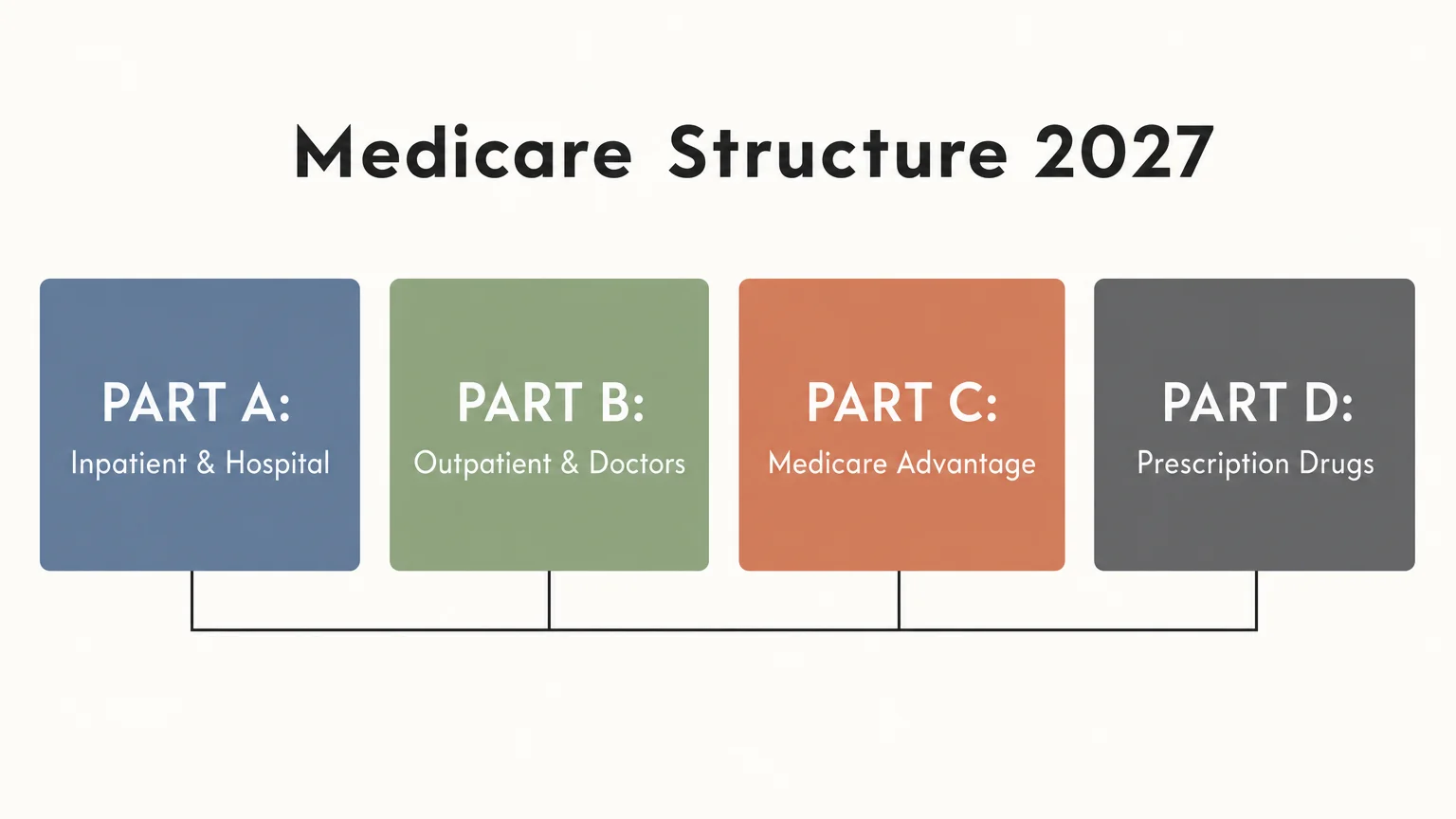
Medicare consists of distinct parts, with each segment meticulously designed to cover different aspects of your medical needs. Part A covers inpatient hospital stays, care in a skilled nursing facility, hospice care, and specific home healthcare scenarios. Part B manages everyday medical needs, including doctors’ services, outpatient care, durable medical supplies, and preventive wellness checks. Together, these two components form Original Medicare, which operates as your baseline protection against catastrophic medical expenses.
Many retirees choose to enhance this foundational coverage to meet their specific lifestyles. Part D adds necessary prescription drug coverage, protecting you from the high retail costs of essential medications. Alternatively, Medicare Advantage—commonly known as Part C—bundles Part A, Part B, and typically Part D into a single, comprehensive plan offered by private, Medicare-approved companies. Healthcare inflation and continuous policy reforms continually reshape your Medicare benefits. Proactive education allows you to navigate the complexities of deductibles, copayments, and premium adjustments without stress. Because your health needs naturally evolve as you age, your insurance strategy must evolve right alongside them.

Practical Tips for a Healthier, Happier Life
Creating a stable and healthy retirement involves answering the exact Medicare questions that shape your daily life. Below, you will find practical guidance formatted around the most common inquiries retirees have this year.
1. Evaluate Your Prescription Drug Coverage Needs
Question: How does the out-of-pocket cap protect me in 2027?
Managing your daily medications requires a clear understanding of your Part D prescription drug plan. Recent legislative changes solidified a two-thousand-dollar annual out-of-pocket cap for covered prescription drugs. You need to review your current formulary to ensure your specific medications remain covered under this cap. Insurance companies update their formularies annually; a drug covered easily last year might move to a more expensive tier this year. Compare the estimated total annual costs of different plans during the enrollment period. By analyzing your medication history and projecting your future needs, you guarantee that your Medicare benefits serve your health without draining your wallet. Taking the time to compare plans yields substantial financial savings.
2. Maximize Your Preventive Care Benefits
Question: Which health screenings can I receive without copayments?
Preventive care represents the most effective strategy for maintaining your vitality and detecting potential health issues early. Original Medicare covers numerous preventive services at zero cost to you, provided your doctor accepts the assignment. You should schedule your annual wellness visit—a comprehensive appointment dedicated to updating your personalized prevention plan. Take advantage of cardiovascular screenings, bone mass measurements, and cancer screenings. Routine checks empower you to catch minor ailments before they develop into chronic, debilitating conditions. Ask your primary care physician to map out a preventive care schedule tailored to your family history and personal health risks.
3. Compare Original Medicare and Medicare Advantage Plans
Question: Does a Medicare Advantage plan make sense for my lifestyle?
Choosing between Original Medicare and a Medicare Advantage plan demands a careful evaluation of your lifestyle and medical needs. Medicare Advantage plans often include additional perks like dental, vision, and hearing coverage, which Original Medicare lacks. However, these plans typically require you to use a specific network of doctors and hospitals. If you travel frequently or split your time between two states, the restricted networks of a Part C plan might hinder your access to care. Conversely, if you prefer bundled services and reside in a single area, an Advantage plan offers unparalleled convenience. You must weigh the value of extra benefits against the flexibility of choosing any provider.
4. Leverage Telehealth Services for Everyday Care
Question: Will my virtual doctor appointments still be covered?
Virtual healthcare has beautifully transformed how older adults access medical expertise from the comfort of home. Medicare continues to support coverage for telehealth services, allowing you to consult with specialists, therapists, and primary care providers via video or phone. You should familiarize yourself with your provider’s telehealth platform before you need immediate care. Virtual visits eliminate the stress of transportation and reduce your exposure to seasonal illnesses in crowded waiting rooms. Check your plan’s specific rules regarding virtual mental health counseling and routine follow-ups. Embracing this technology ensures you receive timely medical advice.
5. Understand Your Part B Premium Adjustments
Question: How does my retirement income affect my monthly premiums?
Your financial success in retirement directly influences your Medicare costs through the Income-Related Monthly Adjustment Amount. If your modified adjusted gross income exceeds a certain threshold, the government adds a surcharge to your standard Part B and Part D premiums. You must review your tax returns from two years prior, as this historical data dictates your current premiums. If you experienced a life-changing event—such as marriage, divorce, or a significant reduction in work hours—you hold the right to appeal this surcharge. File the appropriate paperwork with the Social Security Administration to request a premium reduction. Managing your taxable income strategically helps you avoid unnecessary Medicare surcharges.
6. Utilize Mental Health Resources Safely and Effectively
Question: What psychological support services does Medicare provide?
Mental well-being holds equal importance to your physical health during your retirement years. Medicare covers a wide array of mental health services, including clinical depression screenings, family counseling, and individual psychotherapy. You should never ignore feelings of prolonged sadness, anxiety, or isolation. Seek out licensed clinical social workers or clinical psychologists who accept Medicare assignments. Your Part B benefits cover outpatient mental health services, ensuring you only pay the standard twenty percent coinsurance after meeting your deductible. Acknowledging your emotional needs and seeking professional support fosters a resilient, joyful retirement.
7. Review Options for Dental, Vision, and Hearing Care
Question: How can I cover the costs of glasses and hearing aids?
Original Medicare explicitly excludes routine dental, vision, and hearing care—services essential to your daily quality of life. You must secure alternative coverage or prepare for out-of-pocket expenses to maintain your sensory health. Many retirees purchase standalone insurance policies specifically designed to cover dental implants, progressive lenses, and hearing aids. Alternatively, you might explore Medicare Advantage plans that incorporate these specific benefits into their unified packages. Investigate discount programs and flexible spending strategies to offset these costs. Maintaining excellent vision and hearing prevents cognitive decline and keeps you safely engaged with your local community.
8. Navigate Chronic Care Management Programs
Question: What extra help exists for managing multiple health conditions?
Living with two or more chronic conditions requires coordinated, specialized care to maintain your independence. Medicare offers comprehensive Chronic Care Management services designed to synchronize your treatments across various specialists. You should ask your primary doctor to enroll you in this program if you manage ailments like diabetes, arthritis, or heart disease. A dedicated healthcare professional will create a comprehensive care plan, assist with medication management, and provide round-the-clock access to urgent care advice. This proactive approach prevents harmful drug interactions and reduces unnecessary hospital admissions.
9. Prepare for Inpatient Hospital Costs
Question: What are the Part A deductibles if I need surgery?
Unexpected hospitalizations carry significant financial implications if you misunderstand your Part A benefits. When you enter a hospital as an inpatient, you must meet a benefit period deductible before Medicare covers the remaining costs for the first sixty days. This deductible applies per benefit period, meaning you could pay it multiple times in a single year if you require several separate hospital stays. You should consider purchasing a Medicare Supplement Insurance policy—commonly known as Medigap—to cover these daunting deductibles and coinsurance costs. Reviewing your savings and securing supplemental coverage shields your retirement nest egg from intensive medical interventions.
10. Master the Open Enrollment Period
Question: When must I finalize my coverage choices for the upcoming year?
The Annual Enrollment Period, running from October 15 through December 7, represents your crucial window of opportunity to optimize your healthcare coverage. During this time, you can switch from Original Medicare to a Medicare Advantage plan, change your Part D prescription drug plan, or seamlessly return to Original Medicare. You must treat this period as an annual mandatory review of your health needs. Examine the Annual Notice of Change letter sent by your current plan provider; it details upcoming alterations to your premiums, copayments, and network restrictions. Comparing new plans against your evolving medical needs guarantees you lock in the most robust benefits.

Important Safety Precautions to Keep in Mind
Protecting your health and identity requires constant vigilance as you navigate the complexities of the healthcare system. Medicare fraud remains a persistent threat; scammers aggressively target older adults to steal sensitive administrative information. You must guard your Medicare number as closely as you protect your Social Security number or credit card details. Never give your Medicare information to unsolicited callers offering free medical supplies, genetic testing, or miraculous joint braces. Official Medicare representatives will rarely call you unprompted; they communicate primarily through official government mail.
Review your quarterly Medicare Summary Notices with a highly critical eye. Look for claims representing services you never received, medications you never picked up, or medical equipment you never ordered. If you spot discrepancies, contact your provider immediately to clarify the charge. If the issue remains unresolved, report the suspicious activity to the official Medicare fraud hotline. Catching billing errors early protects the federal program and prevents devastating complications in your personal medical records.
Always verify that a new specialist or facility is fully in-network before you receive treatment. Out-of-network care, particularly under a tightly restricted Medicare Advantage plan, often results in staggering surprise bills that you must pay entirely out of pocket. Ask explicitly if the provider accepts Medicare assignments and works within your plan’s network. Taking these cautious steps ensures your senior healthcare journey remains financially secure and completely focused on your physical well-being rather than administrative headaches.

When to Speak with a Healthcare Professional
Navigating your Medicare benefits provides the administrative foundation for your health, but it cannot replace the personalized clinical guidance of a trusted doctor. You must rely on certified medical professionals to diagnose, treat, and monitor your specific health conditions. The information provided regarding your coverage options serves to empower your administrative choices, not to dictate your medical treatments. Always prioritize direct communication with your primary care physician when making changes to your health routines or deciding which specialists to visit.
You should schedule an immediate consultation with your doctor if you experience sudden changes in your physical or cognitive baseline. Seek professional medical care if you develop persistent pain, sudden weakness, unexplained weight loss, or difficulty breathing. Furthermore, if you find yourself struggling to manage multiple prescriptions or experiencing adverse side effects from your medications, contact your pharmacist or physician right away. Do not alter your medication dosages or abandon a prescribed treatment plan based on insurance coverage changes without first consulting your healthcare provider. Your doctor can often prescribe therapeutically equivalent alternatives that align better with your updated Medicare benefits.
Frequently Asked Questions
Can I change my Medicare Advantage plan outside of the open enrollment period?
You generally must wait for the Annual Enrollment Period to make changes; however, the Medicare Advantage Open Enrollment Period runs from January 1 through March 31. During this specific window, you can switch to a different Advantage plan or return to Original Medicare. Additionally, if you experience a qualifying life event—such as moving out of your plan’s service area or losing other credible coverage—you might qualify for a Special Enrollment Period.
Does Medicare cover the cost of medical alert systems?
Original Medicare Part A and Part B do not cover the costs associated with medical alert systems or personal emergency response devices. These are generally considered elective safety items rather than medically necessary equipment. However, certain Medicare Advantage plans offer supplementary benefits that may subsidize the monthly monitoring fees for these devices. You should check your specific plan details to see if personal safety devices fall under your extra benefits for the year.
Will Medicare pay for my spouse’s healthcare?
Medicare serves strictly as an individual insurance program; it does not offer family or spousal plans under any circumstances. You and your spouse must enroll in Medicare separately when each of you reaches the age of sixty-five or otherwise qualifies due to a specific disability. While you might use your spouse’s work history to qualify for premium-free Part A, you must each select and pay for your own Part B, Part D, or Medicare Advantage plans based on your individual healthcare needs.
For authoritative, trustworthy health information, always consult official sources like the National Institute on Aging (NIA) and MedlinePlus from the National Library of Medicine. The CDC also provides excellent resources for older adults.
Disclaimer: This article is for informational purposes only and does not constitute medical advice. Always seek the advice of your physician or other qualified health provider with any questions you may have regarding a medical condition.