Summer brings a vibrant shift in our dietary needs, requiring lighter meals, hydrating snacks, and effortless preparation methods that keep you out of a hot kitchen. Navigating the aisles for seasonal groceries can feel overwhelming, but a curated Trader Joe’s shopping list simplifies the process while maximizing your nutrition. You can easily stock your pantry and refrigerator with dietitian-approved foods tailored specifically for older adults who want to maintain energy and hydration during the warmer months. By focusing on nutrient-dense, low-sodium, and easy-to-digest options, you support your holistic well-being without sacrificing convenience or flavor. Let us explore a comprehensive selection of summer essentials that blend exquisite taste with the dietary priorities essential for healthy aging.
Understanding the Basics of Summer Nutrition for Seniors
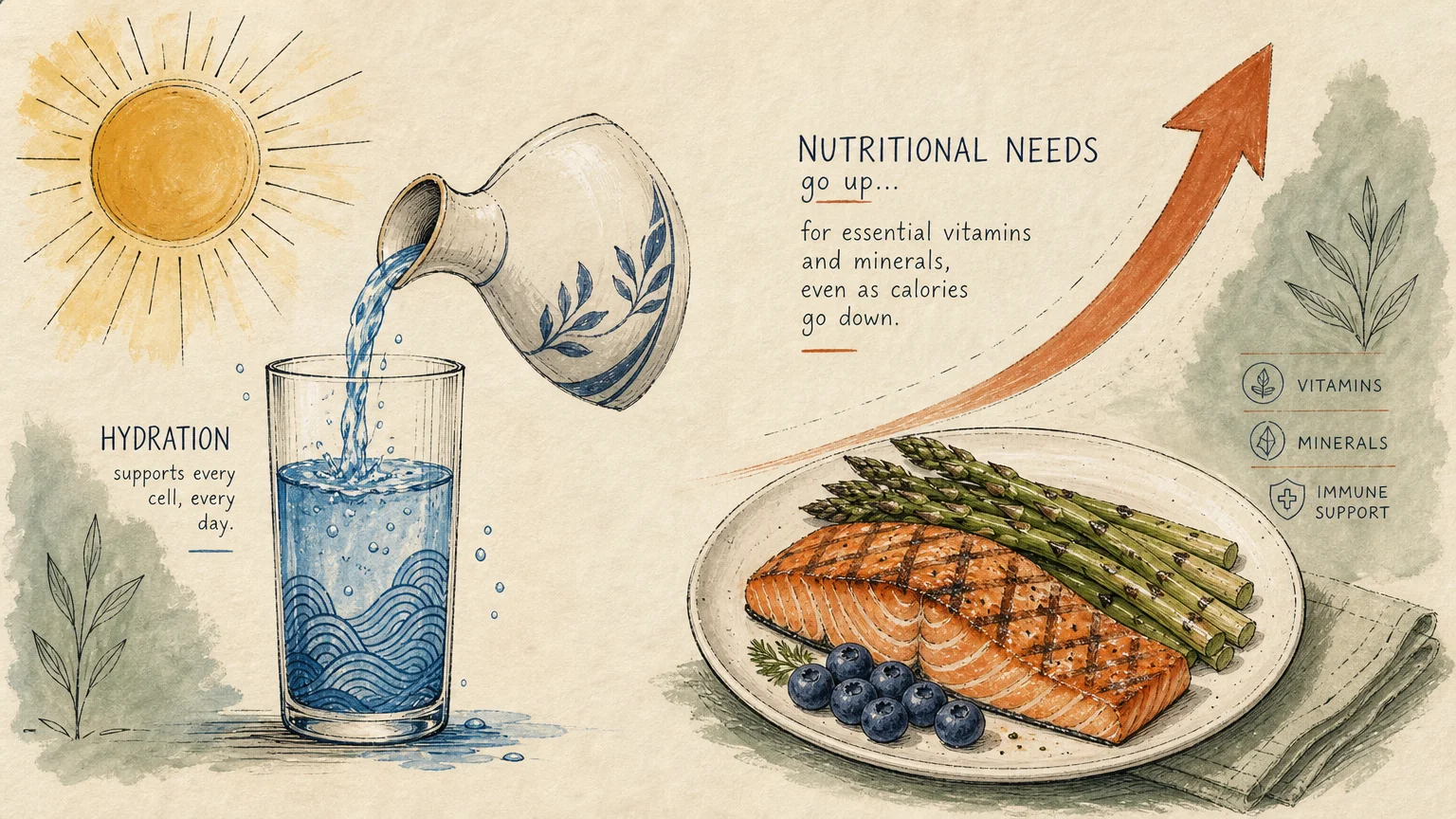
As you age, your body experiences subtle shifts that profoundly impact your daily nutritional requirements. Your metabolism naturally slows down, meaning you require fewer calories to fuel your day, yet your need for essential vitamins and minerals actually increases. This delicate balance makes choosing nutrient-dense foods an absolute priority, especially during the sweltering summer months when your appetite might naturally diminish. Selecting the right Trader Joe’s foods ensures every bite you take delivers maximum nutritional value without leaving you feeling uncomfortably full or sluggish.
Hydration represents another critical focus for older adults. Your sense of thirst gradually weakens over time, making it dangerously easy to become dehydrated before you ever feel parched. Warm weather rapidly accelerates fluid loss through perspiration, significantly increasing your risk of heat exhaustion, dizziness, and muscle cramps. Relying solely on glasses of water can feel tedious, but you can effortlessly boost your fluid intake by consuming fruits and vegetables with high water content.
Furthermore, managing your energy levels requires careful attention to protein and fiber intake. Protein actively prevents age-related muscle loss, keeping you strong, stable, and independent. Fiber promotes robust digestion, stabilizing your blood sugar levels and preventing uncomfortable constipation. Navigating the grocery aisles to find foods that meet these criteria without requiring hours standing over a hot stove can seem daunting. Fortunately, a strategic selection of Trader Joe’s summer products offers an abundance of pre-cooked, easily assembled, and highly nutritious options that perfectly align with your health goals.
Practical Tips for a Healthier, Happier Life
Transforming your daily diet into a source of vitality requires actionable, simple choices. By grouping these twenty-one exceptional foods into distinct categories, you can easily build balanced meals and create a repertoire of healthy Trader Joe’s snacks that nourish your body from head to toe.
Hydrating Produce and Refreshing Fruits
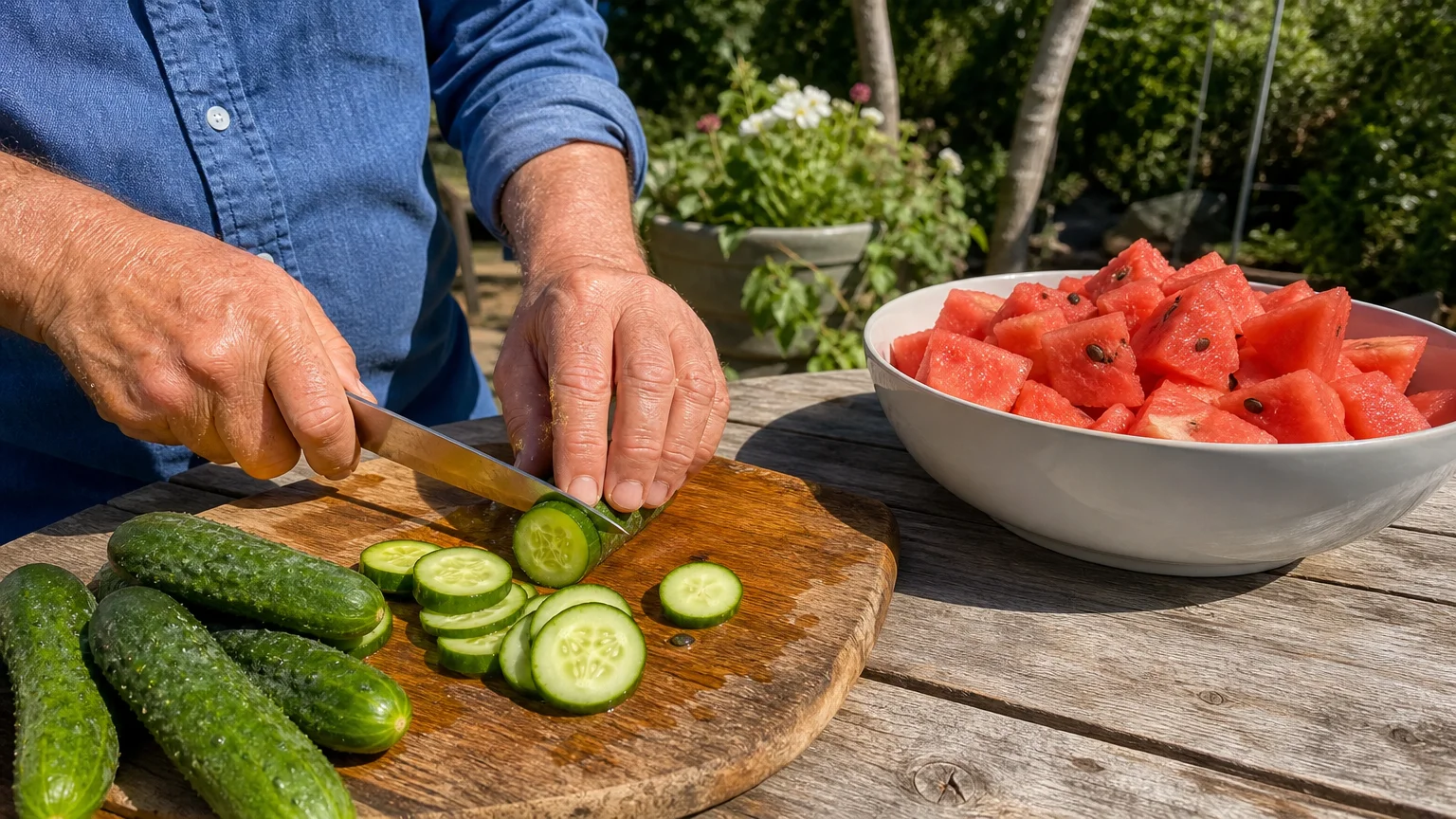
1. Persian Cucumbers: These miniature cucumbers boast a crisp texture and an incredibly high water content—around 95 percent—making them an exceptional choice for staying hydrated. You can slice them effortlessly without peeling, a convenience that preserves the valuable dietary fiber located in their thin skins. They provide a refreshing crunch without requiring any cooking.
2. Organic Watermelon Chunks: Purchasing pre-cut organic watermelon saves you the physical strain of wrestling with a heavy melon and a large knife. Watermelon delivers a vital dose of lycopene, a powerful antioxidant that supports cardiovascular health and protects your skin. Keep a container in your refrigerator for an instantly cooling treat.
3. Teeny Tiny Avocados: Large avocados often turn brown before a single person can finish them, creating unnecessary food waste. These perfectly portioned avocados supply a rich source of monounsaturated fats, which actively support brain health and reduce joint inflammation. Their soft texture makes them incredibly easy to chew and swallow safely.
4. Organic Sweet Bell Peppers: Vibrant bell peppers pack an impressive amount of Vitamin C, a crucial nutrient that maintains skin integrity and boosts your immune system. You can slice them raw for a hydrating afternoon snack or toss them lightly in a salad. Their sweet flavor profile appeals to shifting taste buds without any added sugars.
Easy-to-Prepare Protein Sources
5. Steamed Lentils: Finding convenient plant-based protein just became easier with these fully cooked lentils found in the refrigerated section. They offer nine grams of protein and a massive dose of digestive fiber per serving. You can seamlessly stir them into a cold salad or gently warm them for a hearty, stress-free side dish.
6. Wild Alaskan Sockeye Salmon: This premium canned or smoked salmon provides an unparalleled source of omega-3 fatty acids, which doctors frequently recommend for heart and cognitive health. The soft texture requires minimal chewing effort, making it highly accessible. You can easily flake it over greens for a sophisticated, protein-packed summer lunch.
7. Lightly Smoked Sardines: Sardines remain one of the most nutrient-dense foods available on grocery shelves. Because you consume the edible, softened bones, they deliver an outstanding amount of calcium vital for maintaining bone density and preventing osteoporosis. Their rich flavor instantly elevates a simple piece of whole-grain toast.
8. Organic Unsweetened Soy Milk: Maintaining muscle mass requires consistent protein consumption, and soy milk provides a complete protein profile comparable to dairy milk. The unsweetened version helps you manage your daily sugar intake effectively. You can pour it over your morning cereal or blend it into a refreshing fruit smoothie.
9. Pasture-Raised Eggs: Eggs serve as a universally beloved, easily digestible protein source that provides choline for optimal brain function. Boiling a batch of eggs early in the week ensures you have immediate access to high-quality protein without heating up your kitchen daily. They make a perfect, satiating addition to any summer plate.
Digestive-Friendly Fiber Staples
10. Cruciferous Crunch Collection: This pre-washed blend of shredded kale, Brussels sprouts, broccoli, and cabbage offers a magnificent serving of cellular-protecting antioxidants. If raw greens feel too tough on your digestion or teeth, you can quickly sauté this mix in olive oil until it softens beautifully, retaining its powerful nutritional benefits.
11. Organic Chia Seeds: These tiny seeds act as a gentle, natural remedy for digestive sluggishness because they absorb water and create a soothing gel in your digestive tract. You must soak them in liquid—like milk or water—before consuming them to prevent choking hazards. Once softened, they form a delightful, nutrient-rich pudding.
12. Frozen Mixed Berries: Frozen fruit often retains more nutrients than fresh produce because farmers flash-freeze it at the peak of ripeness. These berries supply anthocyanins, which are antioxidants known to protect cognitive function and memory. You can thaw a handful overnight to mix into yogurt or oatmeal for a natural burst of sweetness.
13. Shelled Edamame: Pre-shelled edamame completely removes the tedious work of opening soy pods while delivering an excellent combination of fiber and plant-based protein. You can quickly thaw these bright green beans and scatter them across salads for a satisfying, buttery texture that supports your heart health.
Heart-Healthy Snacks and Fats
14. Raw Unsalted Almonds: Managing your blood pressure requires strict attention to sodium, making unsalted nuts an essential pantry item. Almonds provide Vitamin E and healthy fats that satisfy mid-day hunger pangs without spiking your blood sugar. If chewing whole nuts causes discomfort, consider crushing them or opting for sliced varieties.
15. Creamy Unsalted Peanut Butter: Many commercial peanut butters hide surprisingly high amounts of refined sugar and hydrogenated oils. Trader Joe’s offers a single-ingredient version consisting entirely of peanuts, offering pure, unadulterated nutrition. A spoonful paired with a sliced apple creates a perfectly balanced snack that provides sustained energy.
16. Organic Hummus: This classic dip blends chickpeas, tahini, and olive oil into a velvety, heart-healthy spread. The smooth consistency presents absolutely no chewing difficulties, making it universally accessible for older adults. You can use it as a flavorful mayonnaise substitute on sandwiches or as a savory dip for hydrated vegetables.
17. Roasted Pistachios: Pistachios offer a slightly lower calorie profile compared to other nuts while still delivering essential B vitamins and lutein for eye health. Purchasing them pre-shelled removes any frustrating barriers to enjoying this nutritious snack. They provide a delightful, satisfying crunch that pairs wonderfully with fresh summer fruits.
Convenient, Low-Stress Meal Components
18. Riced Cauliflower: Heavy carbohydrate meals can leave you feeling unusually tired during the summer heat. Riced cauliflower serves as a brilliant, low-carbohydrate alternative to traditional grains, significantly increasing your daily vegetable intake. You can microwave it in minutes and top it with a simple protein for a remarkably light, energizing dinner.
19. Jicama Wraps: Traditional flour tortillas often contribute excess sodium and empty calories to your diet. These paper-thin slices of raw jicama offer a refreshing, hydrating alternative for crafting wraps and tacos. Their mild, slightly sweet flavor and crisp texture beautifully complement savory fillings like chicken salad or flaked salmon.
20. Reduced Guilt Chunky Guacamole: By incorporating Greek yogurt into their traditional avocado recipe, Trader Joe’s lowers the overall fat content while increasing the protein. This intelligent modification helps you manage your caloric intake without sacrificing the creamy, satisfying mouthfeel of traditional guacamole. It functions beautifully as a savory dip or sandwich spread.
21. Organic Low Sodium Chicken Broth: While hot soup might seem counterintuitive in July, keeping low-sodium broth on hand provides a profoundly hydrating base for light, easily digestible meals. You can sip it gently if you experience a summer cold or use it to steam vegetables softly, adding rich flavor without exposing your body to excess salt.
Important Safety Precautions to Keep in Mind
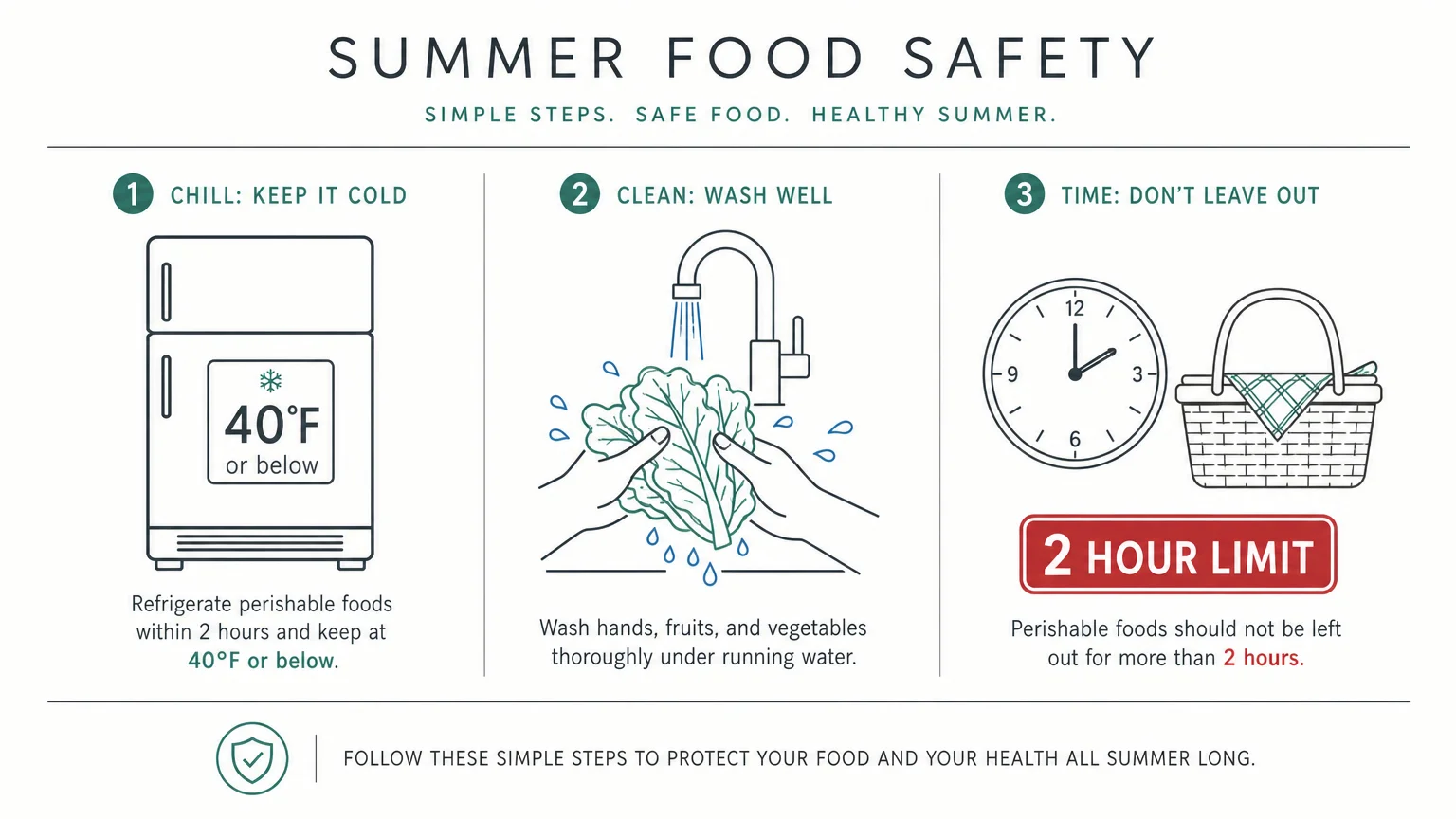
Enjoying your groceries safely requires vigilant attention to proper food handling, particularly during the hot summer months when foodborne bacteria multiply rapidly. You must transport perishable items from the grocery store to your refrigerator as quickly as possible. Consider keeping an insulated cooler bag in your vehicle to protect meats, dairy, and pre-cut produce from the dangerous heat during your drive home.
While exploring healthy options, you must continuously monitor your sodium intake by reading nutrition labels closely. Even items marketed as healthy can occasionally contain hidden salt used for preservation. Your blood pressure management relies heavily on choosing unsalted or reduced-sodium variations whenever they are available.
Chewing and swallowing difficulties, clinically known as dysphagia, affect many older adults due to natural changes in dentition or saliva production. You should always alter the texture of your food to ensure safety; chop hard vegetables finely, soak seeds until they soften completely, and avoid dry, crumbly foods that might trigger a coughing fit. Furthermore, remain aware of how certain foods interact with your specific medications. For instance, leafy greens contain high levels of Vitamin K, which can interfere with blood-thinning medications, while grapefruit can disrupt the absorption of certain statins used for cholesterol management.

When to Speak with a Healthcare Professional
While improving your diet through thoughtful grocery shopping provides immense benefits, you must remember that nutritional choices alone cannot cure medical conditions. The recommendations provided here serve as general guidelines for healthy aging and holistic wellness, but they do not replace the personalized, expert guidance of a medical provider.
You should promptly consult your physician or a registered dietitian if you experience sudden, unexplained weight loss or a profound loss of appetite that lasts for several days. These symptoms can indicate underlying health issues that require medical evaluation. Additionally, speak with your doctor if you notice persistent changes in your bowel habits, recurring abdominal pain after eating, or any new difficulties with chewing and swallowing.
Individuals managing chronic conditions such as diabetes, chronic kidney disease, or severe hypertension require highly specific dietary protocols. For example, kidney disease often necessitates strict limits on potassium and protein intake, which contradicts standard nutritional advice. Always verify that a new food fits safely within your medically prescribed dietary parameters before incorporating it into your routine.
Frequently Asked Questions
Question: Are frozen foods from Trader Joe’s as healthy as fresh summer produce?
Answer: Yes, frozen fruits and vegetables often possess a nutritional profile equal to or even greater than their fresh counterparts. Farmers harvest these foods at their absolute peak of ripeness and flash-freeze them immediately, which locks in delicate vitamins and powerful antioxidants. They also eliminate the worry of fresh food spoiling quickly on your counter.
Question: How can I accurately identify low-sodium options when shopping?
Answer: You must turn the package over and carefully read the Nutrition Facts panel, looking specifically at the milligrams of sodium per serving. A general rule of thumb suggests choosing foods that contain less than 140 milligrams of sodium per serving. Always check the serving size, as a single package often contains multiple servings, which can easily multiply your actual salt intake.
Question: Are pre-packaged meals safe to include in a senior diet?
Answer: Pre-packaged meals can absolutely offer necessary convenience, but you must select them with a critical eye. Many conventional frozen dinners contain excessive amounts of saturated fat and sodium to enhance flavor and prolong shelf life. By specifically seeking out dietitian-approved foods and prioritizing those with short, recognizable ingredient lists, you can safely enjoy the convenience of pre-made items.
Question: What are the absolute best hydrating foods to combat summer heat?
Answer: The most effective hydrating foods contain high percentages of water naturally built into their cellular structure. Cucumbers, watermelons, strawberries, bell peppers, and low-sodium broths rank among the best choices. Incorporating these foods into your daily meals ensures your body receives a steady, gentle supply of fluids, reducing your reliance on drinking plain water alone.
For authoritative, trustworthy health information, always consult official sources like the National Institute on Aging (NIA) and MedlinePlus from the National Library of Medicine. The CDC also provides excellent resources for older adults.
Disclaimer: This article is for informational purposes only and does not constitute medical advice. Always seek the advice of your physician or other qualified health provider with any questions you may have regarding a medical condition.