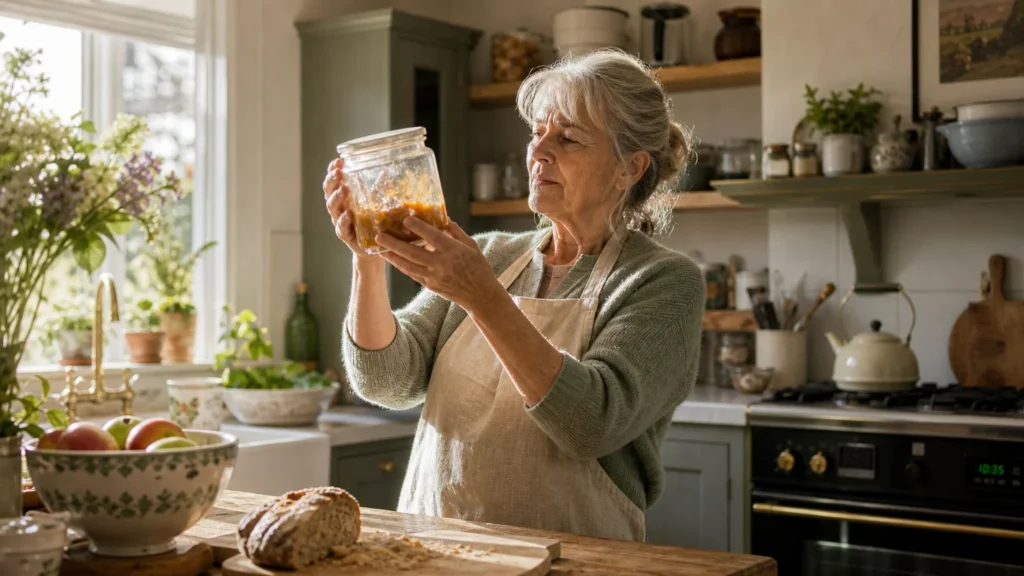
Organizing your refrigerator correctly directly impacts your health and your grocery budget. The door remains the warmest area of your fridge, subjecting your groceries to constant temperature changes every time you open it to grab a drink or a snack. For older adults, consuming improperly stored items significantly increases the risk of foodborne illness, which can lead to severe digestive distress or prolonged hospitalization. Storing highly perishable items on these door shelves accelerates spoilage and allows harmful bacteria to multiply quickly. By relocating vulnerable groceries to the colder, more stable interior shelves, you protect your delicate immune system and keep your meals tasting fresh and delicious for much longer.
Understanding the Basics of 10 Foods You Should Never Keep on the Refrigerator Door for Seniors
Understanding optimal refrigerator storage fundamentally transforms how you protect your nutritional well-being. As we age, our immune systems naturally undergo a process called immunosenescence. This biological change means your body gradually becomes less efficient at fighting off infections, including the harmful bacteria that thrive on improperly stored foods. A mild case of food poisoning for a younger person might cause minor discomfort, but the exact same bacteria can cause profound dehydration and severe complications in an older adult.
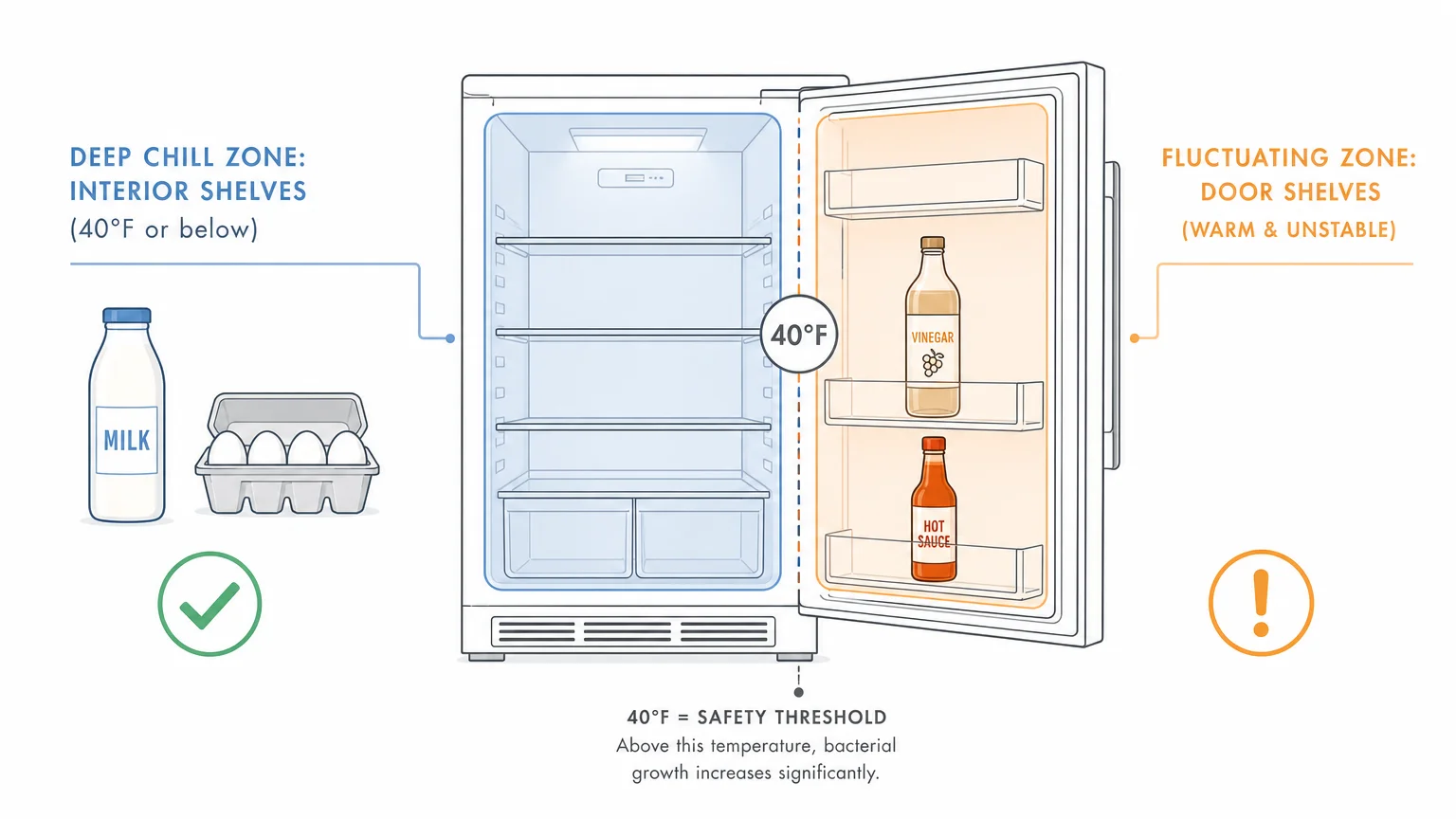
The core concept behind proper food storage relies on strict temperature control. According to federal health guidelines, your refrigerator must remain at or below 40 degrees Fahrenheit to safely pause bacterial growth. However, the internal climate of your fridge varies wildly from top to bottom and front to back. The shelves built into your refrigerator door face the outside environment several times a day. Every time you swing that door open to ponder your lunch options, a wave of warm room-temperature air washes over those specific shelves. Consequently, the door rarely maintains that crucial 40-degree safety threshold.
Mastering basic fridge organization requires you to view your appliance in specific climate zones. The door serves as the “fluctuating zone,” suitable only for items fortified with strong natural preservatives like high acidity or salt. The deep back shelves and lower drawers act as the “deep chill zones,” designed specifically to protect sensitive proteins and delicate dairy products. By respecting these distinct climate zones, you implement an essential layer of kitchen food safety that keeps your groceries pristine and your digestive system safe.
Practical Tips for a Healthier, Happier Life
To implement effective refrigerator door storage habits, you must completely reconsider where you place your most frequently used groceries. By purposefully rearranging the following ten items, you drastically improve your kitchen food safety and extend the life of your purchases.
1. Dairy Milk
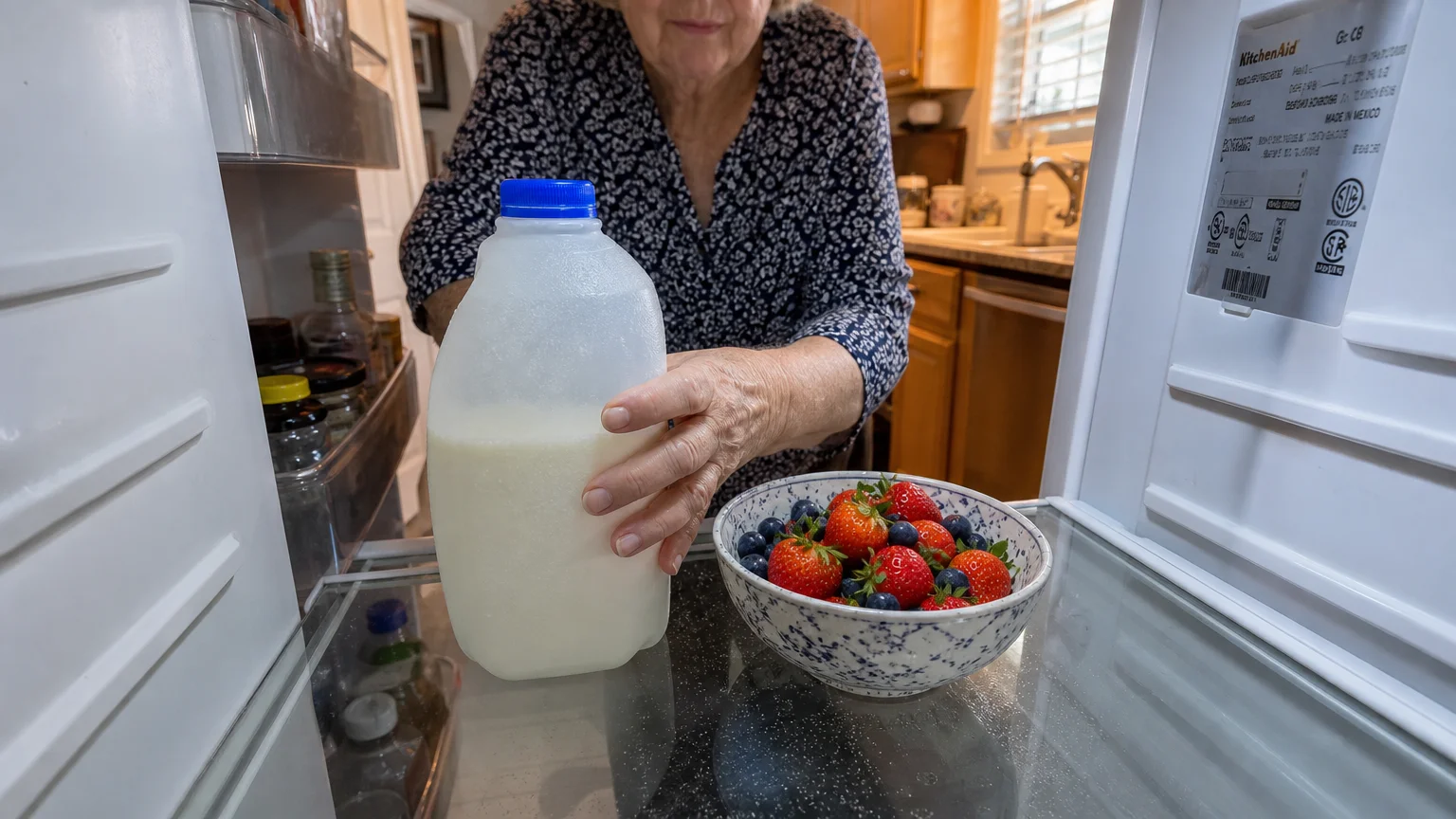
You might find it incredibly convenient to slide a heavy gallon of milk right into the large bottom bin of your refrigerator door. Unfortunately, doing so subjects the milk to a harsh blast of warm air every single time you access the fridge. Dairy milk requires a deeply chilled, highly stable environment to prevent the rapid multiplication of spoilage bacteria. When milk experiences constant warming and cooling cycles, it sours long before the expiration date printed on the jug. Instead, place your milk on a low, interior shelf near the back of the appliance. This specific area maintains the coldest ambient temperature, ensuring your morning cereal or coffee remains safe and delicious.
2. Fresh Eggs
Many older refrigerator models feature built-in, egg-shaped plastic cups right on the inner door panel. This outdated design flaw misleads countless consumers into making a dangerous storage mistake. An eggshell contains thousands of microscopic pores; when exposed to frequent temperature fluctuations on the door, the shell develops minor condensation. This dangerous moisture enables harmful bacteria—most notably salmonella—to actively penetrate the porous shell and contaminate the yolk inside. Protect yourself by keeping your eggs in their original cardboard carton, which provides excellent insulation and prevents them from absorbing strong odors. Store the carton securely on a middle interior shelf where the temperature stays reliably consistent.
3. Raw Meat and Poultry
Storing raw chicken breasts, ground beef, or pork chops on a door shelf creates an extreme health hazard. Raw meats demand the absolute coldest conditions possible to arrest the growth of dangerous pathogens. Furthermore, packages of meat frequently leak invisible juices loaded with harmful bacteria. If you place a package of raw chicken on the door, the swinging motion can cause these contaminated juices to slosh and drip onto the shelves below, instantly ruining your fresh produce or condiments. Always place raw meat and poultry in a dedicated bin or a rimmed plate on the very bottom shelf of your refrigerator. This strategy guarantees the coldest temperatures and entirely eliminates the risk of downward cross-contamination.
4. Soft Cheeses
Hard cheeses like aged cheddar or parmesan boast low moisture content, making them relatively resilient. Soft cheeses—such as cream cheese, cottage cheese, fresh mozzarella, and ricotta—tell an entirely different story. These creamy products hold abundant moisture, creating the perfect breeding ground for mold and listeria if the temperature rises even slightly above 40 degrees Fahrenheit. The warming effect of the refrigerator door severely compromises the delicate texture and safety of these dairy products. Preserve their creamy freshness by storing them in a dedicated dairy drawer or tucked securely onto a cold internal shelf away from the door.
5. Delicate Yogurts
You consume yogurt specifically to benefit from the healthy, active probiotic cultures that support your digestive health and immune system. However, these beneficial live cultures are highly sensitive to sudden thermal changes. When you relegate your yogurt cups to the door, the constant warming cycles slowly kill off the helpful probiotics while simultaneously encouraging the growth of harmful, unwanted molds. To maximize the health benefits and longevity of your yogurt, stack the containers neatly on a high interior shelf where the climate remains heavily regulated and undisturbed.
6. Leftovers from Previous Meals
Cooking at home remains an excellent way to control your dietary intake and manage your budget, making leftovers a staple in many senior households. Once you cook a meal, however, you restart the clock on bacterial growth. Leftovers require rapid, sustained cooling to safely traverse the “danger zone”—the temperature range between 40 and 140 degrees Fahrenheit where bacteria multiply exponentially. Placing containers of leftover soup, casserole, or roasted vegetables on the door delays this vital cooling process and compromises the integrity of your hard work. Always push your sealed leftover containers toward the back of a middle or top shelf for optimal, rapid chilling.
7. Sliced Deli Meats
Sliced turkey, roast beef, and ham from the deli counter pose a unique and potent risk for older adults: listeria. Unlike most foodborne bacteria, listeria can slowly continue to grow even in cold environments, but it accelerates aggressively when temperatures fluctuate. The refrigerator door simply cannot provide the intense, unbroken cold required to suppress listeria growth on thin, moisture-rich slices of processed meat. Protect your health by keeping all sliced deli meats inside a specialized shallow meat drawer, which explicitly directs cold air over the items to keep them near freezing.
8. Fresh Fish and Seafood
Fresh seafood represents one of the most highly perishable items you can bring into your kitchen. Fish fillets and shrimp lack the dense muscle fibers of beef or pork, meaning their cellular structure breaks down and spoils at a shocking speed if not kept incredibly cold. Exposing a beautiful, expensive piece of salmon to the warmth of the swinging fridge door guarantees a foul, fishy odor and a high risk of food poisoning. You should always cook fresh seafood within two days of purchase, and during that brief waiting period, bury it at the very back of the bottom shelf—perhaps even resting the package directly on a tray of ice.
9. Freshly Squeezed Juices
Commercially processed, pasteurized fruit juices often contain enough artificial preservatives and stabilizers to survive life on the refrigerator door. Conversely, fresh, unpasteurized juices—whether you squeeze them yourself at home or purchase them from a local health market—spoil incredibly fast. Because these juices skip the pasteurization process, they retain natural yeasts and bacteria from the fruit skins. When placed on a warm fridge door, these fresh juices rapidly begin to ferment, turning sour, fizzy, and unsafe to consume within a matter of days. Treat fresh juice exactly like dairy milk and store it deep inside the refrigerator.
10. Homemade Condiments and Dressings
Many older adults shift toward making their own dressings, mayonnaise, and fresh salsas to reduce their daily sodium and refined sugar intake. While excellent for your health, these homemade alternatives completely lack the heavy industrial preservatives found in mass-produced, store-bought bottles. A commercially manufactured bottle of ketchup boasts enough intense vinegar and sugar to live safely on the door for months. Your homemade avocado dressing or garlic mayonnaise contains raw ingredients and highly vulnerable fats that turn rancid rapidly when exposed to temperature changes. Secure all homemade condiments on the top interior shelf to preserve their delicate flavors and prevent dangerous bacterial growth.
Important Safety Precautions to Keep in Mind
Excellent food storage tips extend beyond merely avoiding the refrigerator door. Implementing a few extra safety measures dramatically improves the hygiene of your kitchen and grants you peace of mind regarding the meals you prepare.
First, never assume your refrigerator naturally maintains the correct temperature based solely on the internal dial. Manufacturers often label these dials with vague numbers ranging from one to five, which provides no factual temperature data. Purchase a simple, inexpensive appliance thermometer from your local hardware store or supermarket. Place this thermometer prominently on the middle shelf of your fridge. Check it once a week to verify that the internal ambient temperature rests securely between 35 and 38 degrees Fahrenheit. If the temperature drifts higher, carefully adjust your appliance dial until the thermometer reads safely below the 40-degree threshold.
Second, prioritize immediate cleanup of any interior spills. Even a tiny drop of raw meat juice or a sticky ring from a milk jug can quickly become a thriving colony of bacteria, contaminating nearby fresh items. Wipe up spills the moment they happen using a clean cloth heavily soaked in hot, soapy water. Avoid using harsh industrial chemical sprays near your open food items; gentle dish soap provides more than enough sanitizing power without leaving toxic residues behind.
Finally, carefully monitor how tightly you pack your groceries into the appliance. Refrigerators rely entirely on the free, unimpeded circulation of cold air to chill your food. If you cram your shelves completely full of containers, bags, and jars, the cold air cannot reach the center of the fridge, creating dangerous warm pockets where food spoils rapidly. Leave adequate space between items to ensure cold air cascades freely over everything you wish to preserve.

When to Speak with a Healthcare Professional
While excellent kitchen food safety habits drastically reduce your exposure to harmful pathogens, they cannot eliminate every single risk. Because an older adult’s immune system naturally slows down, it becomes absolutely vital to recognize the early warning signs of a foodborne illness. You must never attempt to simply “tough out” a severe stomach bug; prompt medical intervention frequently prevents life-threatening complications like severe dehydration.
Contact your primary care physician immediately if you experience persistent symptoms after consuming a potentially spoiled item. Seek emergency medical attention if you develop a fever exceeding 102 degrees Fahrenheit, suffer from prolonged diarrhea lasting more than two consecutive days, or notice blood in your stool. Furthermore, if frequent vomiting prevents you from keeping water or clear liquids down, your body will rapidly dehydrate. Dizziness, severe weakness, a dry mouth, and an inability to stand up without feeling faint serve as critical indicators that you require immediate intravenous fluids from a medical professional.
For authoritative, trustworthy health information, always consult official sources like the National Institute on Aging (NIA) and MedlinePlus from the National Library of Medicine. The CDC also provides excellent resources for older adults.
Frequently Asked Questions
What specific items are actually safe to store on the refrigerator door?
You can safely utilize the refrigerator door for items naturally fortified against bacterial growth. Highly acidic products—like commercially produced ketchup, yellow mustard, strong vinegar-based salad dressings, and hot sauces—thrive safely in this fluctuating zone. Additionally, the door provides excellent storage for beverages that do not pose a bacterial risk if they warm slightly, such as bottled water, canned sodas, and carbonated seltzers. Always reserve the door strictly for these tough, resilient items.
How do I know when my leftovers are no longer safe to eat?
As a strict rule for optimal safety, you should consume or discard cooked leftovers within three to four days of originally preparing them. Never rely solely on your nose or eyes to determine if cooked food has spoiled; dangerous bacteria like listeria and salmonella do not always produce a sour smell or visible mold. If you cannot remember exactly which day you placed the container in the fridge, prioritize your health and throw the item away. Writing the date directly on the container with a piece of masking tape completely removes the guesswork.
Does the way I pack my refrigerator shelves really prevent food poisoning?
Yes, organizing your shelves intentionally prevents cross-contamination, which remains one of the leading causes of food poisoning at home. By strictly storing ready-to-eat items—like fresh berries, cooked leftovers, and delicate cheeses—on the highest shelves, you guarantee nothing can drip down onto them. By relegating raw, dangerous items like poultry and beef to the very bottom shelf, you contain any accidental leaks to a small, easily washable area that won’t ruin the rest of your safe groceries.
Is it safe to store butter on the refrigerator door?
The safety of butter on the door depends entirely on how quickly you consume it. Because butter consists mostly of pasteurized fat, it resists bacterial growth much better than fluid milk or soft cheeses. If you use a stick of butter within a few weeks, the door shelves provide acceptable storage and keep the butter slightly softer for spreading. However, if you buy bulk butter to last for several months, keep the backup sticks buried in the deeply chilled interior shelves or place them directly into the freezer to prevent them from absorbing stray odors and eventually turning rancid.
Disclaimer: This article is for informational purposes only and does not constitute medical advice. Always seek the advice of your physician or other qualified health provider with any questions you may have regarding a medical condition.