
Protecting your cognitive health becomes a top priority as you age. Research shows that certain daily supplements could help lower your risk of dementia and support long-term brain function. While no magic pill exists to prevent cognitive decline, scientists have identified specific nutrients that offer tangible benefits for your memory and focus. Addressing common nutritional gaps allows you to give your brain the exact fuel it needs to thrive. Incorporating the right vitamins into your daily routine offers a highly practical way to defend your mind. Understanding which options are backed by medical experts ensures you make safe, informed choices for your long-term wellness. Always discuss any new dietary additions with your primary doctor.
Understanding the Basics of Dementia Risk and Brain Health Supplements
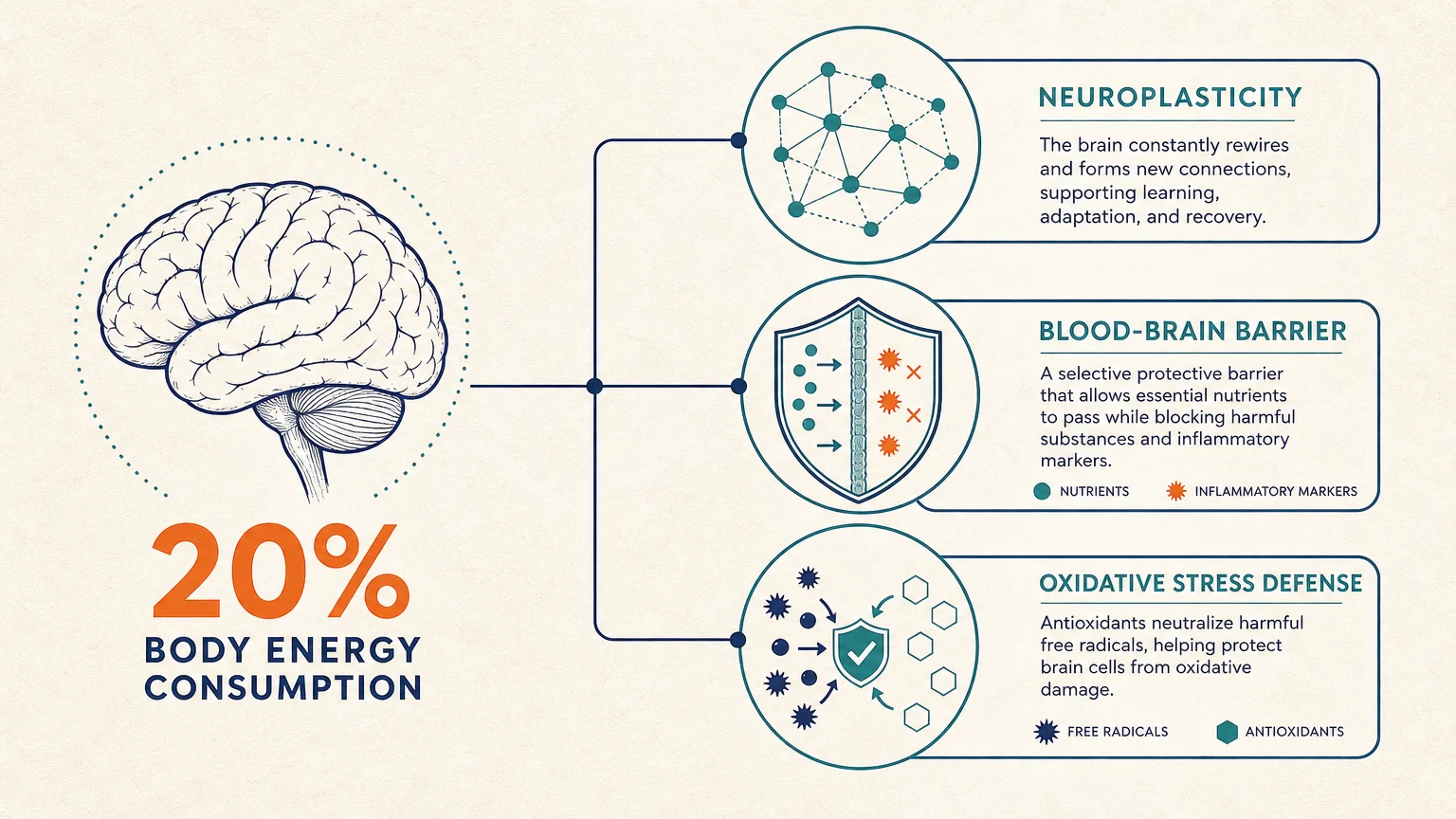
As you navigate your later years, you likely notice subtle changes in your memory and focus. Misplacing keys or forgetting a neighbor’s name happens to everyone. However, significant cognitive decline requires proactive management. Your brain remains an incredibly energy-hungry organ. It consumes roughly twenty percent of your body’s resting energy, demanding a steady, daily supply of vitamins, minerals, and healthy fats to function properly.
When you enter your sixties and beyond, your body becomes less efficient at extracting nutrients from your food. Decreased stomach acid makes it harder to absorb essential compounds during digestion. Simultaneously, age-related changes in your skin drastically limit your ability to produce certain vitamins from sunlight. Even if you eat a vibrant, varied diet full of fresh produce, you might still experience silent nutritional gaps that leave your brain vulnerable.
Brain health supplements step in to safely bridge these vital gaps. They do not replace whole foods. Instead, they provide a concentrated dose of the exact building blocks your brain cells need to communicate, repair themselves, and fight off daily oxidative stress. Your brain relies on a biological process called neuroplasticity to maintain your cognitive abilities. This term refers to your brain’s remarkable ability to continuously form new connections and adapt to new mental challenges.
Chronic inflammation and oxidative stress heavily threaten these delicate neural networks over time. Free radicals—unstable molecules generated by environmental pollution, processed foods, and natural aging—can slowly damage your brain cells. Antioxidants and specific neuro-protective vitamins neutralize these free radicals, giving your brain a fighting chance to preserve its structural plasticity. By proactively supplying your body with the right nutrients, you directly support the physical tissues that house your most precious memories.
Furthermore, the blood-brain barrier becomes far more vulnerable as the years pass. This protective biological shield usually keeps harmful substances out of your sensitive brain tissue. Unfortunately, age-related weakening can allow inflammatory markers to slip through. Maintaining high levels of specific vitamins helps fortify this barrier. Healthy brain aging relies on a holistic approach. You must pair good nutrition with adequate sleep, daily physical activity, and active mental stimulation. However, identifying the right supplements for memory and cognitive support gives you a powerful, proven tool to protect your long-term independence.

Practical Tips for a Healthier, Happier Life
Protecting your cognitive health requires consistent, daily actions. Rather than guessing which bottles to pull from the overwhelming pharmacy shelf, you can focus on three specific supplements backed by compelling clinical research. Here are highly practical ways to incorporate these expert-recommended nutrients into your daily routine.
Fortify Your Defenses with Vitamin D
Vitamin D acts much more like a powerful hormone than a traditional vitamin, playing a critical role in your overall brain health. Your brain actually contains specific receptors for Vitamin D, which actively help regulate nerve growth and clear away damaging proteins. A major 2023 medical study tracking over twelve thousand older adults revealed a stunning statistic. Individuals who consistently took Vitamin D supplements had a forty percent lower risk of developing dementia compared to those who did not.
To take full advantage of this protective nutrient, you should first ask your doctor for a simple blood test to clearly check your baseline levels. Many seniors live with hidden, severe deficiencies, especially during the darker winter months or if they spend most of their time indoors. If your levels fall below the optimal range, a daily Vitamin D3 supplement offers the most easily absorbed form. Vitamin D3, clinically known as cholecalciferol, closely matches the exact form your body naturally produces in sunlight, making it far superior to the synthetic D2 version.
Because Vitamin D is a fat-soluble nutrient, you should always take it alongside a meal containing healthy fats—like avocados, nuts, or olive oil—to maximize your body’s absorption. You must also strive to maintain adequate magnesium levels. Your body simply cannot properly activate Vitamin D without sufficient magnesium. Incorporating magnesium-rich foods like pumpkin seeds or fresh spinach into your weekly meals helps unlock the full protective benefits of your Vitamin D supplement.
Bridge Nutritional Gaps with a Daily Multivitamin
For many decades, scientists debated whether a standard daily multivitamin offered genuine, measurable benefits for cognitive health. Recent large-scale clinical trials finally provide a clear, positive answer. The highly respected COSMOS-Mind study followed over two thousand older adults over a strict three-year period. The results conclusively demonstrated that taking a simple daily multivitamin significantly slowed cognitive aging and dramatically improved daily memory function. The researchers specifically noted that these benefits appeared especially strong for older individuals actively managing cardiovascular issues.
A high-quality multivitamin acts as a reliable insurance policy for your aging brain. It supplies a broad spectrum of vital B-vitamins, which actively help reduce homocysteine in your blood. Homocysteine is a harmful amino acid directly linked to brain shrinkage and a significantly increased dementia risk. A good daily multivitamin also provides crucial antioxidants like Vitamin C and Vitamin E that neutralize harmful free radicals long before they can damage your delicate brain tissue.
When choosing a multivitamin, look exclusively for a specialized formula designed specifically for seniors. These age-tailored options typically contain higher amounts of Vitamin B12 and safely lower amounts of iron, directly reflecting the unique metabolic needs of your body as you age. Vitamin B12 deficiency mimics clinical dementia symptoms almost exactly, causing severe memory loss and sudden confusion. Securing your daily B12 intake through a high-quality multivitamin keeps your cognitive foundation structurally strong.
Nourish Brain Cells with Omega-3 Fatty Acids
Your brain consists of nearly sixty percent pure fat. A remarkably large portion of that essential fat comes in the form of Omega-3 fatty acids. Specifically, a type of Omega-3 called DHA serves as a fundamental physical building block for your fragile brain cell membranes. Without enough DHA, your brain cells simply cannot communicate efficiently, leading directly to persistent brain fog and troubling memory issues.
Numerous large observational studies show that older adults with much higher levels of Omega-3s in their bloodstream experience a significantly slower rate of cognitive decline. You must clearly understand the major difference between plant-based and marine-based Omega-3s. Plant sources like flaxseeds contain a version called ALA. The aging human body struggles to convert ALA into usable DHA efficiently. Therefore, direct DHA supplementation remains absolutely critical for your cognitive support.
To boost your daily intake naturally, consume fatty, cold-water fish like wild-caught salmon or sardines at least twice a week. If eating fish does not appeal to you, a high-quality purified fish oil or an algae-based vegan supplement provides a highly reliable daily alternative. When shopping for Omega-3 supplements for brain health, you must read the nutrition label carefully. Ensure the specific product contains at least five hundred milligrams of combined DHA and EPA per serving. Keep your fish oil capsules tightly sealed in the refrigerator to absolutely prevent them from spoiling, and always take them with food to minimize any mild digestive discomfort.
Create a Sustainable Supplement Routine
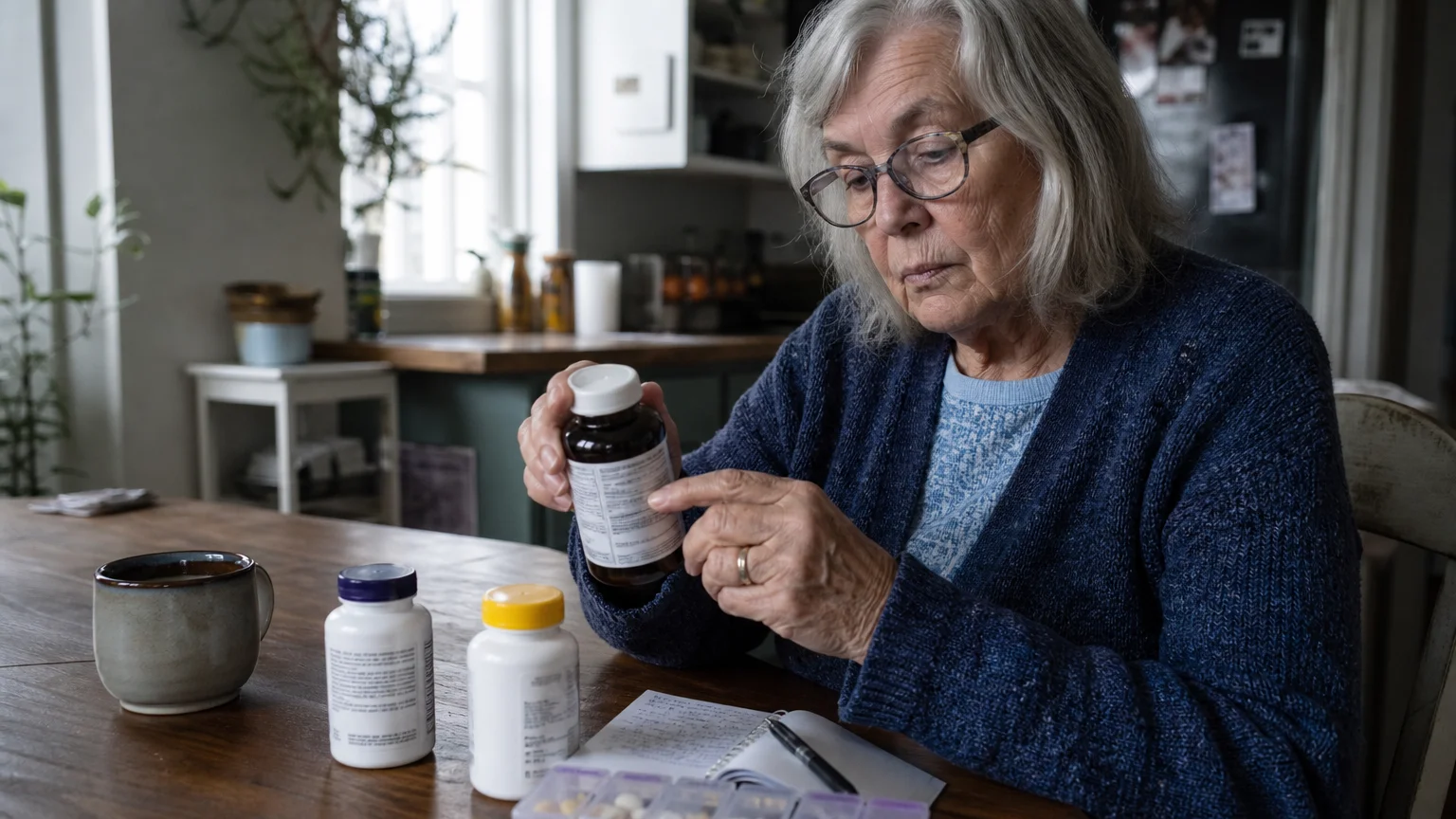
Buying the right brain health supplements only works if you actually remember to take them consistently. You can successfully build a reliable daily habit by directly tying your new supplements to an existing morning or evening ritual. Keep your daily pill organizer right next to your coffee maker or beside your toothbrush. Set a recurring daily alarm on your smartphone to firmly remind you. Consistency yields the absolute best physical results. Your brain requires a steady, uninterrupted stream of protective nutrients over many months and years to build lasting, durable resilience against dementia risk.
Consider keeping a simple daily health journal. Track your supplement intake alongside your daily water consumption and your nightly sleep patterns. When you actively document your routine, you can much more easily spot positive upward trends in your energy levels, mental focus, and memory recall. If you happen to notice persistent brain fog despite strictly sticking to your new regimen, your detailed health journal provides excellent, concrete data to share with your primary care physician during your next clinic visit.
Important Safety Precautions to Keep in Mind
While targeted supplements offer highly promising benefits for your cognitive health, you must approach them with a strict mindset of safety and moderation. The global supplement industry simply does not face the exact same rigorous regulatory oversight as prescription medications. Consequently, you must remain constantly vigilant about exactly what you choose to put into your body.
Always prioritize product quality over flashy marketing campaigns or celebrity endorsements. Look actively for products that feature independent third-party testing seals directly on their labels. Organizations like the United States Pharmacopeia, NSF International, or ConsumerLab independently verify that a supplement actually contains exactly what the label claims. These strict organizations also test rigorously for harmful invisible contaminants like heavy metals, ensuring the product is totally safe for your daily consumption.
You must also clearly recognize that taking more pills is not always better for you. Taking massive, unguided doses of fat-soluble vitamins, such as Vitamin D, can directly lead to severe internal toxicity because your body stores the excess amounts in your liver and fat tissues. Over a long period of time, taking far too much Vitamin D causes a dangerous calcium buildup in your bloodstream. This rare condition can ultimately lead to painful kidney stones and dangerous heart issues. Stick strictly to the exact daily dosages recommended by your personal healthcare provider.
Furthermore, seemingly natural supplements can interact dangerously with your daily prescription medications. High daily doses of Omega-3 fatty acids naturally possess mild blood-thinning properties. If you currently take prescription blood thinners or anticipate an upcoming major surgery, adding a heavy fish oil supplement could significantly increase your personal risk of excessive bleeding. Similarly, the essential Vitamin K commonly found in many senior multivitamins can actively interfere with the medical effectiveness of common cardiovascular medications, particularly powerful blood thinners.
Learn to actively read supplement labels with a highly critical eye. Avoid buying products that lazily list proprietary blends on their back packaging. Manufacturers regularly use proprietary blends to legally hide the actual precise dosages of their individual ingredients. This deceptive practice makes it completely impossible for you to know if you are receiving an effective, medically safe amount of a specific nutrient. Finally, make sure to store your new supplements properly. Keep them completely away from heat, bright light, and intense humidity. The bathroom medicine cabinet actively exposes your sensitive supplements to deep moisture from the shower, making it a truly terrible place for long-term storage. Keep your vitamin bottles securely stored in a cool, dark kitchen pantry instead.

When to Speak with a Healthcare Professional
You must always view dietary supplements as a supportive, complementary strategy, not a primary medical treatment for diagnosed cognitive disorders. Before confidently starting any new supplement regimen, quickly schedule a comprehensive medical review with your primary care physician or a licensed registered dietitian. They can accurately evaluate your current medication list, thoroughly assess your personal family health history, and boldly recommend exact, safe dosages uniquely tailored to your aging body.
You should urgently consult a licensed medical professional if you or a cherished loved one experience clear, highly disruptive signs of cognitive decline. Normal biological aging does involve occasional minor forgetfulness, but certain major symptoms require an immediate, thorough medical evaluation. Contact your family doctor right away if you notice sudden or severe memory loss that actively disrupts your daily independent life. Getting lost in familiar local neighborhoods, struggling heavily to complete routine daily tasks like paying bills, or experiencing sudden, frightening changes in your mood and personality are not normal parts of healthy aging. These glaring warning signs could easily indicate an underlying medical condition that requires prompt, professional medical intervention.
For authoritative, trustworthy health information, always consult official sources like the National Institute on Aging (NIA) and MedlinePlus from the National Library of Medicine. The CDC also provides excellent resources for older adults.
Frequently Asked Questions
Can supplements reverse dementia once it has started?
No dietary supplement, prescription medication, or intense lifestyle change can currently cure or fully reverse dementia once the disease actively progresses. Supplements for memory and brain health logically function best as highly proactive preventative measures. They act as supportive tools to help slow down the overall rate of cognitive decline in its absolute earliest stages. If an older person already has an official clinical dementia diagnosis, treating doctors may recommend specific baseline nutrients to support their overall physical health, but you should never falsely view these basic vitamins as a medical cure for the underlying disease.
How long does it take to see actual benefits from brain health supplements?
Deep patience is essential when nutritionally nourishing your aging brain. Unlike a quick caffeine pill that provides immediate, jittery alertness, structural foundational nutrients like Omega-3 fatty acids and Vitamin D take serious time to properly build up in your body’s deep tissues. Most major clinical studies, such as the famous COSMOS-Mind trial, measure tangible, real-world cognitive improvements over a long period of many months or even several full years. You should fully commit to a consistent, daily supplement routine for at least three to six months before trying to assess its true impact on your personal cognitive health.
Are gummy vitamins as effective as standard capsules?
Gummy vitamins strongly appeal to many older adults who genuinely struggle to comfortably swallow large, chalky pills. However, they almost always contain unnecessary added sugars and synthetic artificial colors. Furthermore, the intense manufacturing process for soft gummies makes it incredibly difficult to actively pack a high concentration of sensitive vitamins—especially bulky, liquid Omega-3 oils—into a single, small gummy serving. While taking fruit gummies is certainly better than taking absolutely nothing at all, standard sealed capsules, softgels, or concentrated liquid drops generally offer much more potent and highly reliable dosages for your healthy brain aging.
Do I need supplements if I already eat a highly nutritious diet?
A nutrient-dense diet naturally rich in vibrant vegetables, lean proteins, and healthy dietary fats forms the absolute ultimate foundation for your daily cognitive health. However, as you gracefully age, your body’s natural biological ability to extract and absorb essential nutrients steadily declines. You might eat plenty of baked salmon and fresh leafy greens but still unknowingly fall short on specific biological markers like Vitamin D or B12 due to unavoidable, natural digestive changes. Supplements act as a highly reliable, safe backup nutritional system. They uniquely ensure your brain consistently receives the precise structural nutrients it fiercely needs every single day, regardless of your minor daily dietary fluctuations.
Should I take herbal supplements like Ginkgo Biloba for my memory?
Many active older adults regularly wonder if they should eagerly take Ginkgo Biloba or other highly popular herbal memory boosters. While ancient traditional medicine has utilized Ginkgo extracts for many centuries, modern large-scale clinical trials show highly mixed or largely disappointing real-world results for actively preventing dementia. The famous Ginkgo Evaluation of Memory clinical study directly found that Ginkgo Biloba did not successfully lower the overall rate of dementia incidence in older adults. Furthermore, raw herbal supplements often carry a significantly higher physical risk of interacting dangerously with common blood pressure medications and blood thinners. Medical experts generally recommend smartly prioritizing foundational, thoroughly well-researched nutrients—like Vitamin D and Omega-3s—over trendy, unproven herbal extracts.
Disclaimer: This article is for informational purposes only and does not constitute medical advice. Always seek the advice of your physician or other qualified health provider with any questions you may have regarding a medical condition.