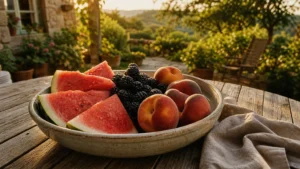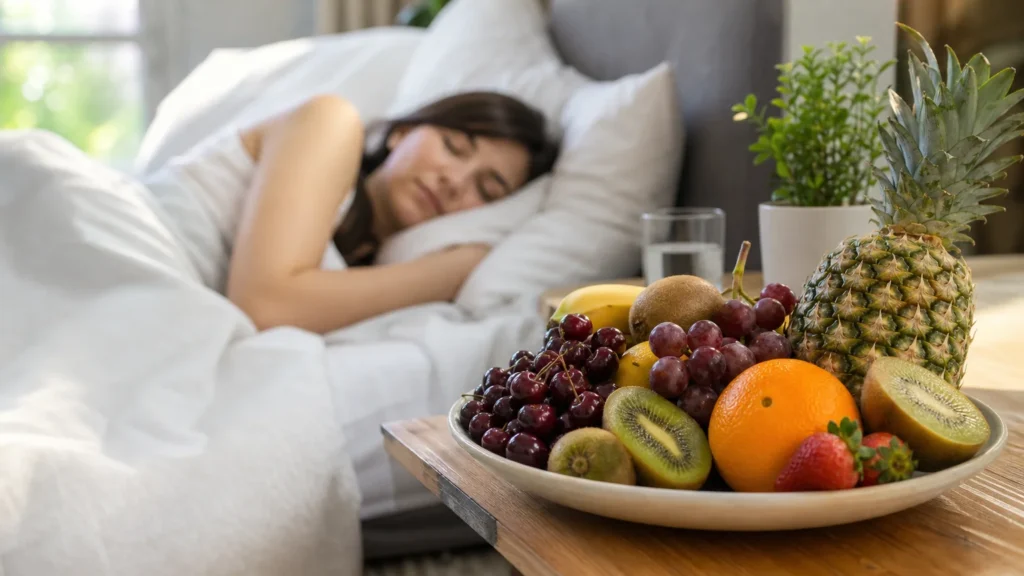
Adding the right fruits to your evening routine naturally enhances the quality and duration of your rest. As you grow older, your body produces less of the essential sleep hormone needed to maintain a consistent circadian rhythm; this makes it harder to fall and stay asleep. Relying on melatonin-rich fruits offers a gentle, delicious way to encourage your brain to wind down without the morning grogginess associated with synthetic supplements. Incorporating a healthy sleep diet full of these natural melatonin foods provides essential vitamins, fiber, and antioxidants that support your overall well-being. By making a few simple dietary adjustments, you can nourish your body and experience the deep, restorative slumber you deserve.
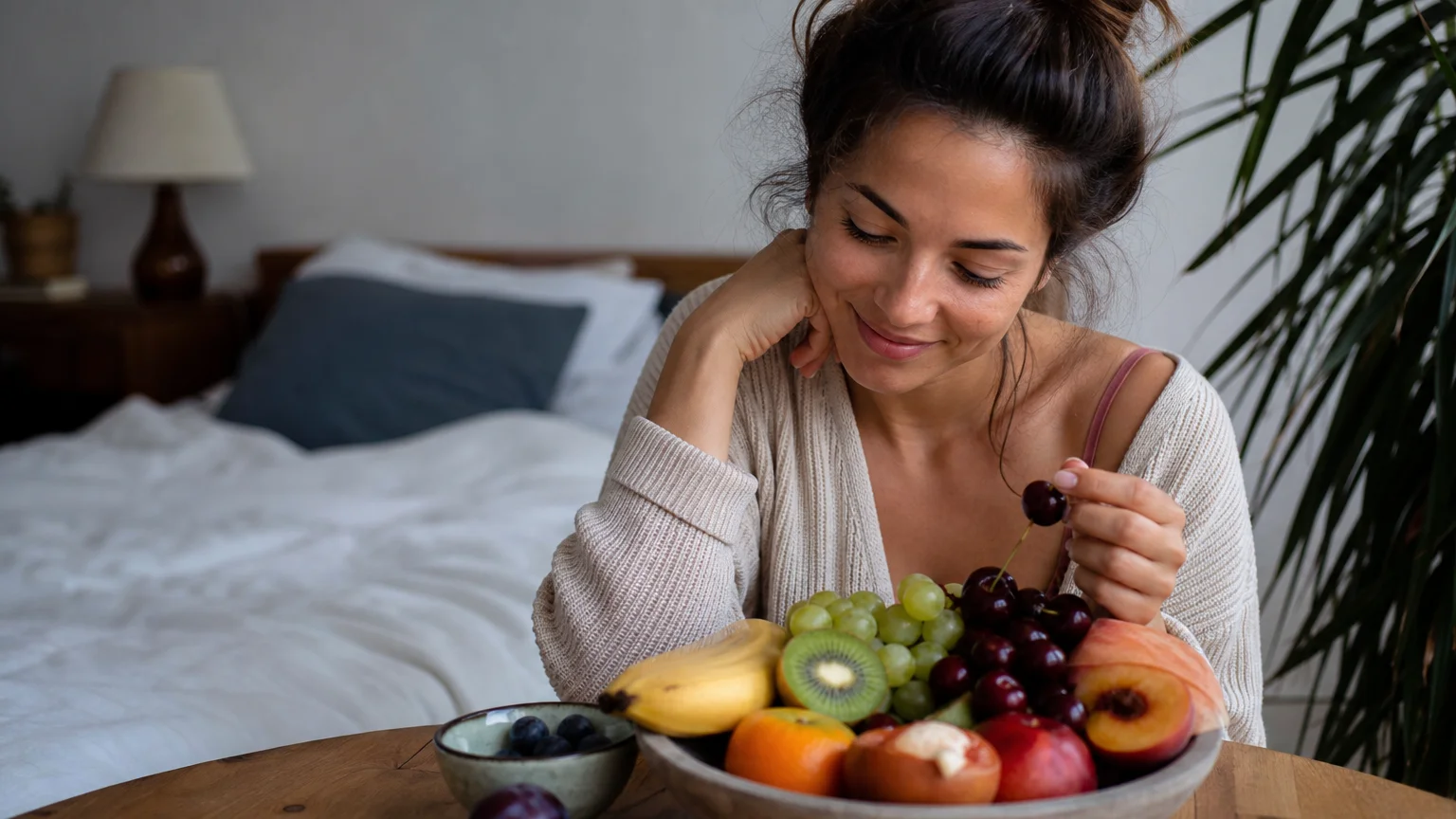
Understanding the Basics of 9 Melatonin-Packed Fruits That Could Improve Your Sleep
Your pineal gland—a tiny, pea-shaped structure located deep within your brain—serves as your body’s internal timekeeper. As daylight fades, this gland secretes melatonin directly into your bloodstream, signaling to your organs and muscles that the time for physical repair and mental processing has arrived. Unfortunately, the aging process introduces a natural calcification within the pineal gland. Clinical data consistently demonstrates that older adults frequently produce significantly less of this vital hormone compared to younger individuals. This biological shift explains why you might find yourself waking up repeatedly at three in the morning or struggling to drift off when you initially lie down.
Rather than immediately reaching for over-the-counter sleep aids, you can harness the healing power of whole foods. Consuming fruits for better sleep provides a highly bioavailable form of dietary melatonin that your digestive system absorbs smoothly and efficiently. Unlike potent synthetic pills that can leave seniors feeling disoriented or unbalanced the next morning, plant-based sources offer a subtle, natural dose of relaxation.
Furthermore, when you consume natural melatonin foods, you benefit from a complex matrix of nutritional co-factors. These vibrant fruits do not just deliver hormones in isolation; they provide a synergistic blend of magnesium to relax tense muscles, potassium to prevent nighttime cramps, and powerful antioxidants to reduce cellular inflammation. Constructing a healthy sleep diet around these nutrient-dense fruits creates a holistic approach to evening relaxation. You give your digestive tract gentle, easy-to-process compounds that actively facilitate the biological transitions required for deep, uninterrupted rest.

Practical Tips for a Healthier, Happier Life
Transforming your evening routine requires only minor adjustments to your grocery list. By intentionally selecting specific fruits for better sleep, you can actively support your body’s natural rhythms. Below are nine exceptional options that combine delicious flavors with potent, sleep-enhancing benefits.
Tart Cherries
Montmorency tart cherries stand out as one of the most potent natural sources of sleep-regulating hormones available. Researchers have found that consuming tart cherry juice significantly elevates melatonin levels in the human body, leading to measurable increases in total sleep time and sleep efficiency. Unlike sweet cherries, the tart variety contains an impressive concentration of both melatonin and tryptophan—an essential amino acid your body utilizes to synthesize even more sleep-inducing compounds. You can enjoy a small glass of unsweetened tart cherry juice about an hour before you plan to go to bed. If you prefer chewing your food, a small handful of dried, unsweetened tart cherries serves as a satisfying evening snack that signals your brain to begin its wind-down process.
Bananas
While people typically associate bananas with morning energy, they actually serve as a remarkable evening relaxant. Bananas provide a modest amount of dietary melatonin, but their true restorative power lies in their exceptionally high concentrations of magnesium and potassium. These two essential minerals work together to relax overactive muscles and calm restless nerves, actively preventing the painful leg cramps that frequently awaken older adults in the middle of the night. Furthermore, bananas contain ample amounts of vitamin B6, which directly assists your brain in converting tryptophan into serotonin and, subsequently, melatonin. Try eating half a banana with a spoonful of unsweetened almond butter roughly ninety minutes before sleep; the healthy fats stabilize your blood sugar while the minerals prepare your physical body for deep rest.
Pineapples
This tropical favorite might seem like an energizing daytime treat, but clinical studies reveal that pineapples dramatically boost the presence of sleep hormones in your bloodstream. In fact, researchers discovered that consuming fresh pineapple can increase serum melatonin markers by more than two hundred percent within just a couple of hours. Pineapples also contain bromelain, a unique digestive enzyme that reduces systemic inflammation and eases digestive discomfort—two common culprits that interfere with senior sleep quality. To incorporate this fruit into your evening routine safely, enjoy just three or four fresh pineapple chunks after dinner. Eating them too close to bedtime might cause mild acid reflux for sensitive individuals, so consuming them in the early evening ensures you reap the hormonal benefits without experiencing gastric distress.
Grapes
Grapes, particularly the dark red and purple varieties, harbor a surprising amount of sleep-promoting hormones directly within their skins. The grapevine naturally produces melatonin to protect its delicate tissues from environmental stressors and ultraviolet radiation; when you consume the fruit, you absorb these protective, sleep-enhancing compounds. Dark grapes also offer profound cardiovascular benefits due to their high resveratrol content, an antioxidant that improves blood flow and reduces inflammation throughout your circulatory system. For a refreshing and sleep-supporting evening routine, keep a small cluster of red grapes in your refrigerator. Snacking on a dozen cool, crisp grapes while you read your evening book provides a gentle, hydrating source of natural melatonin foods that will not heavily burden your digestive tract before you lie down.
Kiwis
Kiwifruit frequently flies under the radar in discussions about a healthy sleep diet, yet it ranks as one of the most scientifically validated sleep aids in the botanical world. Kiwis contain an abundance of serotonin, a critical neurotransmitter your body utilizes to manufacture its evening supply of sleep hormones. A well-known clinical study involving adults with sleep disturbances demonstrated that eating two kiwis one hour before bedtime significantly improved both the speed of falling asleep and the overall duration of sleep. Beyond their serotonin content, kiwis deliver a massive dose of vitamin C and folate, which repair cellular damage and soothe the central nervous system. Scoop out the vibrant green flesh of a kiwi with a spoon for a simple, low-calorie, and highly effective nighttime treat.
Oranges
Citrus fruits like oranges provide a robust combination of calcium and B-vitamins, both of which play crucial roles in the biological pathways that manage your circadian rhythm. Calcium helps your brain utilize the amino acid tryptophan to manufacture melatonin, while the modest amount of naturally occurring sleep hormones in the orange itself supplements your body’s declining reserves. Because oranges are highly acidic, you must approach them strategically to avoid nighttime heartburn. Instead of eating an orange right before you pull up the covers, consume a few sweet segments during the late afternoon or as a healthy dessert immediately following your early dinner. This timing grants your digestive system ample time to process the acidity while your bloodstream successfully absorbs the vital sleep-supporting nutrients.
Strawberries
Strawberries offer a delightful, naturally sweet way to support your evening relaxation goals. They contain respectable levels of melatonin alongside an incredible array of antioxidants that fight oxidative stress—a physiological condition that actively disrupts normal sleep patterns in older adults. When your brain experiences high levels of oxidative stress, it struggles to achieve the deep, restorative phases of slow-wave sleep. The generous vitamin C in strawberries neutralizes this stress, creating a calmer internal environment. For a highly effective sleep snack, pair a small handful of sliced strawberries with a couple of tablespoons of plain Greek yogurt. The calcium and protein in the yogurt enhance the absorption of the strawberries’ beneficial compounds, creating a perfect synergy of sleep-supporting foods that keeps your blood sugar stable until morning.
Pomegranates
Pomegranates are nutritional powerhouses that provide immense benefits for your nighttime routine. While extracting the seeds—known as arils—requires a bit of effort, the reward is a concentrated dose of natural melatonin and some of the most potent antioxidants found in nature. These specific antioxidants drastically reduce cellular inflammation and protect your brain health as you age. Lowering systemic inflammation directly correlates with deeper, more continuous sleep cycles, allowing your joints and tissues to recover from the day’s physical demands. Drink a half-cup of pure, unsweetened pomegranate juice in the early evening to saturate your system with these relaxing compounds. Alternatively, you can sprinkle a spoonful of fresh pomegranate seeds over a side salad during your final meal of the day.
Tomatoes
While culinary traditions universally treat tomatoes as vegetables, they are botanically classified as fruits and serve as an outstanding source of dietary melatonin. Tomatoes produce this hormone to regulate their own ripening process, and they retain these elevated levels when consumed fresh. Furthermore, tomatoes boast massive quantities of lycopene, a potent antioxidant specifically linked to improved sleep quality and a reduced risk of cardiovascular disease in senior populations. To leverage the tomato as one of your primary melatonin-rich fruits, incorporate a simple caprese salad into your early dinner menu. A few slices of fresh, vine-ripened tomato paired with a small piece of mozzarella cheese provides a perfect blend of sleep-inducing hormones, healthy fats, and relaxing calcium to properly prepare your body for a deeply restful night.

Important Safety Precautions to Keep in Mind
While incorporating these vibrant fruits into your evening routine offers immense benefits, you must approach any dietary changes with mindfulness and care. As an older adult, your digestive system and metabolic rate operate differently than they did in your youth, requiring a balanced and thoughtful approach to consuming natural melatonin foods.
First, always monitor your blood sugar levels, especially if you manage prediabetes or type 2 diabetes. Even natural, unprocessed sugars can cause your blood glucose to spike if consumed in large quantities late at night. A sudden spike in blood sugar will invariably be followed by a rapid crash, which triggers the release of cortisol—a stress hormone that will jolt you awake and entirely defeat the purpose of your healthy sleep diet. To mitigate this risk, consume your fruit in strict moderation and consider pairing it with a small source of healthy fat or protein, such as a handful of walnuts or a slice of low-sodium cheese, to safely slow down the sugar absorption.
Second, pay close attention to the acidity levels of your chosen sleep-supporting foods. Citrus fruits, pineapples, and tomatoes contain natural acids that can easily trigger gastroesophageal reflux disease (GERD) or uncomfortable heartburn if you eat them immediately before lying down. Give your stomach at least two to three hours to properly digest these acidic fruits before you recline. Finally, if you take prescription medications for high blood pressure or kidney issues, consult your doctor regarding your daily potassium intake; fruits like bananas and kiwis contain high levels of potassium that can occasionally interact with specific cardiovascular medications.

When to Speak with a Healthcare Professional
Embracing a diet filled with melatonin-rich fruits is a wonderful, proactive step toward achieving better rest, but it cannot cure underlying medical conditions. You must recognize the distinction between mild, age-related sleep disruptions and serious sleep disorders that require professional clinical intervention.
If you consistently struggle to fall asleep, wake up gasping for air, experience severe snoring, or feel overwhelmingly fatigued during the day despite spending eight hours in bed, you should schedule an appointment with your primary care physician. These alarming symptoms often indicate obstructive sleep apnea, chronic insomnia, or restless leg syndrome—complex medical conditions that dietary changes alone cannot resolve. Your doctor can perform a comprehensive evaluation, potentially recommend a formal sleep study, and provide targeted treatments to protect your long-term health and vitality.
Furthermore, if you currently take prescription sleep medications, anti-anxiety drugs, or antidepressants, you must never alter or stop your medication regimen without explicit medical supervision. Adding natural, whole foods to your lifestyle is generally very safe, but you should still inform your healthcare provider about any significant dietary shifts to ensure these changes do not negatively interfere with your current medical treatments.
Frequently Asked Questions
How long before bedtime should I consume these fruits?
For optimal results, try to eat your sleep-supporting foods roughly one to two hours before you intend to go to sleep. This strategic timeframe allows your digestive system to process the fruit, extract the vital nutrients, and release the relaxing sleep hormones into your bloodstream. Eating a heavy snack too close to bedtime forces your body to expend energy on digestion, which can actually keep you awake and lead to uncomfortable indigestion.
Is it better to eat the whole fruit or drink the juice?
In almost all cases, eating the whole fruit provides far more health benefits because it contains essential dietary fiber. Fiber slows down your body’s absorption of natural sugars, effectively preventing the blood sugar spikes that can disrupt your rest. However, tart cherry juice represents a notable and scientifically backed exception; clinical studies specifically highlight the powerful efficacy of unsweetened tart cherry juice for improving sleep. If you choose to drink juice, always select a 100% pure, unsweetened variety to protect your metabolic health.
Will eating fruit at night cause me to gain weight?
When consumed in strict moderation, a small evening serving of fruit will not cause unexpected weight gain. A modest handful of cherries or half a banana provides a low-calorie, nutrient-dense alternative to heavily processed evening snacks like cookies or ice cream. Focusing on proper portion control ensures you receive all the relaxing benefits of melatonin-rich fruits without exceeding your daily caloric needs.
Can I replace my prescribed sleep medication with these fruits?
No, you must never replace prescribed medications with dietary changes without direct guidance from your physician. While a healthy sleep diet effectively promotes natural relaxation and reliably supports your body’s internal clock, it does not act as a medical substitute for clinical treatments. Always consult your doctor before making any decisions regarding your prescribed health protocols.
For authoritative, trustworthy health information, always consult official sources like the National Institute on Aging (NIA) and MedlinePlus from the National Library of Medicine. The CDC also provides excellent resources for older adults.
Disclaimer: This article is for informational purposes only and does not constitute medical advice. Always seek the advice of your physician or other qualified health provider with any questions you may have regarding a medical condition.