
Identifying the difference between normal aging and underlying health conditions allows you to take prompt action to protect your vitality and independence. You do not have to accept chronic discomfort, persistent memory lapses, or sudden fatigue as inevitable parts of getting older. While our bodies naturally change over the years—such as requiring more time to recover from exertion or experiencing mild vision shifts—certain warning signs point to medical issues that respond well to treatment. Dismissing these senior symptoms delays care and diminishes your quality of life. By learning which physical and mental changes warrant a medical evaluation, you empower yourself to address aging concerns early and maintain robust senior health.
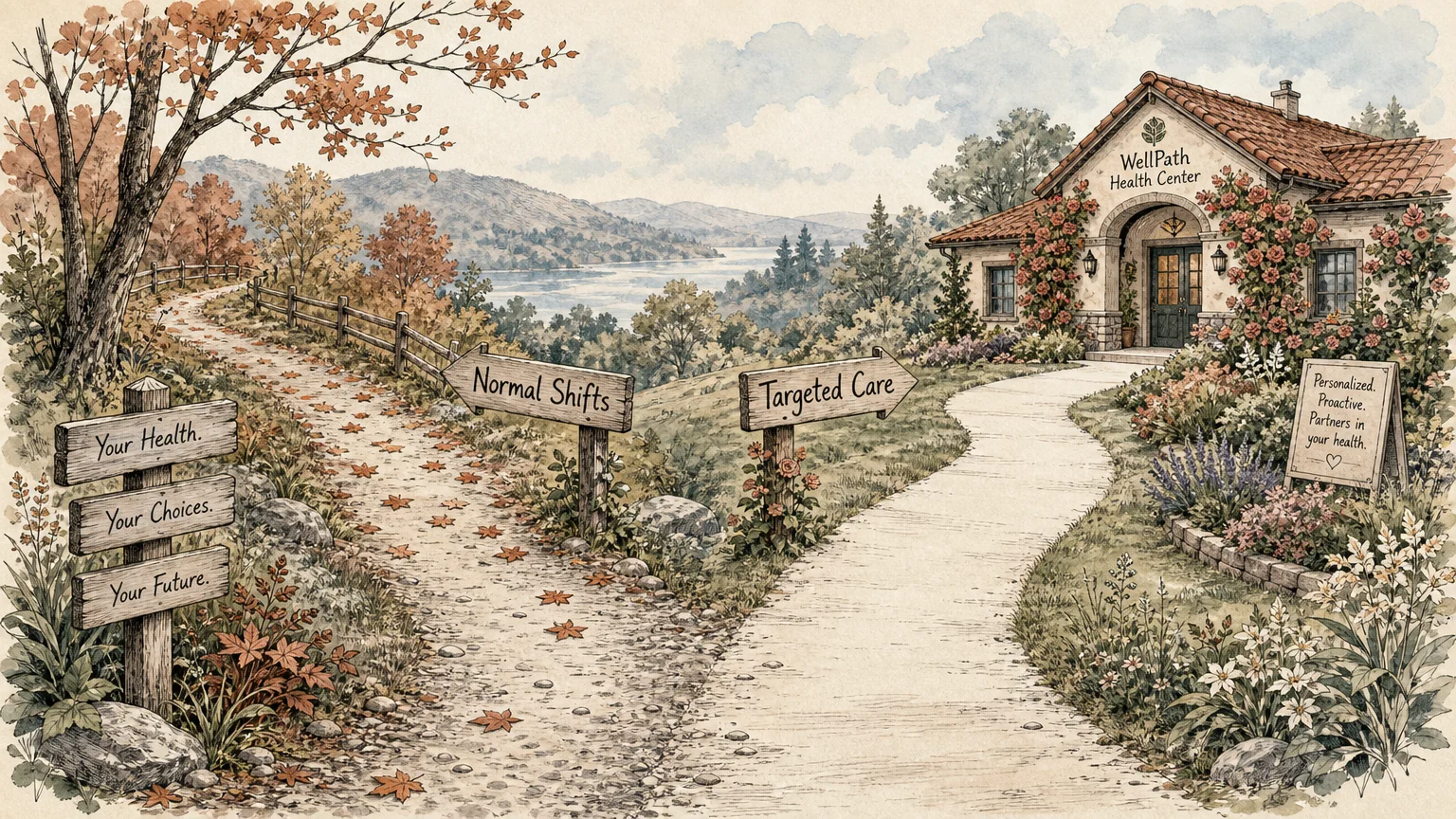
Understanding the Basics of 10 Symptoms Seniors Often Mistake for Normal Aging
Healthy aging focuses on optimizing your physical and mental function rather than simply enduring decline. As we grow older, our bodies undergo a natural process known as a decrease in physiological reserve. This means it might take your immune system slightly longer to fight off a common cold, or your muscles might require more recovery time after a strenuous day in the garden. These slow, subtle shifts define normal aging.
However, a dangerous misconception exists within society and even among seniors themselves. Many older adults believe that reaching a certain age automatically guarantees chronic pain, severe exhaustion, and a loss of independence. Because of this deeply ingrained belief, numerous seniors quietly endure agonizing symptoms instead of seeking medical help.
When you brush off severe symptoms as just “getting old,” you miss the window for early intervention. Medical professionals emphasize that diseases and aging are two entirely separate concepts. Conditions like osteoarthritis, clinical depression, and heart disease become more common as we age, but they remain distinct pathologies. They are not inevitable, and more importantly, they are highly treatable.
Learning to listen to your body is the foundation of senior health. When a new physical or cognitive challenge arises, ask yourself if it significantly disrupts your daily routine. Normal aging causes minor inconveniences; underlying health conditions cause major disruptions. Recognizing this distinction empowers you to advocate for your own well-being and seek the targeted care you deserve.

Practical Tips for a Healthier, Happier Life
To help you navigate the changes in your body, it is essential to understand specific warning signs. Below are ten common symptoms that older adults frequently misattribute to normal aging, along with actionable steps to address them.
1. Severe Joint Pain and Prolonged Morning Stiffness
Experiencing a mild creak in your knees when climbing out of bed is a normal part of getting older. Over the decades, cartilage naturally loses some of its water content and elasticity. However, debilitating joint pain that severely limits your mobility is not a standard aging expectation.
Chronic, intense pain often points to osteoarthritis or an autoimmune condition like rheumatoid arthritis. Data indicates that millions of older adults live with untreated joint conditions because they assume severe pain is unavoidable. Ignoring significant stiffness often leads to a sedentary lifestyle, which subsequently weakens your supporting muscles and accelerates joint deterioration.
Focus on gentle, low-impact movements to keep your joints nourished and flexible. Swimming, stationary cycling, and water aerobics keep synovial fluid moving without placing undue stress on your cartilage. Work alongside a physical therapist to develop a personalized movement routine that preserves your mobility safely.
2. Memory Disruptions That Impact Daily Life
Forgetting the name of a distant acquaintance or occasionally misplacing your reading glasses are normal cognitive hiccups. As the brain ages, processing speeds can slow down slightly. Yet, significant memory loss that disrupts your daily functioning requires immediate attention.
Getting lost in familiar neighborhoods, struggling to complete routine tasks like paying bills, or frequently forgetting recent conversations are red flags. These cognitive disruptions could indicate early-stage dementia, Alzheimer’s disease, or even reversible conditions like vitamin B12 deficiency and thyroid dysfunction.
Keep your mind active through lifelong learning and challenging cognitive exercises. Read books, complete puzzles, and engage in meaningful social conversations. If you notice a disturbing pattern in your memory, request a cognitive baseline test from your primary care physician to uncover any underlying causes.
3. Profound and Unrelenting Fatigue
Feeling tired after a busy day of playing with grandchildren or running errands is perfectly normal. Our stamina naturally shifts over time. Conversely, waking up utterly exhausted after a full night of sleep or feeling too weak to perform basic household chores points to a systemic issue.
Debilitating fatigue often masks conditions such as anemia, undiagnosed sleep apnea, or heart failure. Sleep apnea alone affects a significant percentage of older adults, depriving the brain of oxygen at night and causing profound daytime sleepiness. Thyroid imbalances, specifically hypothyroidism, also drastically drain your energy reserves.
Prioritize your sleep hygiene by maintaining a cool, dark bedroom and establishing a consistent bedtime routine. If your exhaustion persists despite good sleep habits, request comprehensive blood panels to check your thyroid function, iron levels, and overall cardiovascular health.
4. Unintentional and Rapid Weight Loss
Metabolism naturally slows down as we age, and some seniors experience a gradual decrease in appetite. However, dropping weight rapidly without altering your diet or exercise routine is a critical warning sign. Losing more than five percent of your total body weight within a six-month period warrants an immediate medical evaluation.
Unexplained weight loss can stem from gastrointestinal disorders, undiagnosed cancers, or chronic infections. It is also frequently linked to dental issues that make chewing painful, or swallowing difficulties caused by neurological changes. Mental health plays a role as well; severe depression often suppresses the appetite entirely.
Keep a simple weekly log of your weight to track any sudden changes. Ensure your meals are nutrient-dense, focusing on high-quality proteins and healthy fats to maintain muscle mass. Schedule regular dental checkups to guarantee your teeth and gums are healthy enough for comfortable eating.
5. Shortness of Breath During Routine Activities
Needing to catch your breath after vigorously climbing three flights of stairs is typical. But if you find yourself gasping for air while walking on a flat surface, making your bed, or simply getting dressed, your body is sending a distress signal.
Shortness of breath, also known as dyspnea, frequently signals cardiovascular or respiratory diseases. Conditions like chronic obstructive pulmonary disease, asthma, or heart failure decrease the amount of oxygen effectively circulating through your bloodstream. Dismissing this as a sign that you are simply “out of shape” can lead to dangerous cardiovascular events.
Practice deep diaphragmatic breathing exercises to strengthen your lung capacity. Avoid smoking and limit your exposure to secondhand smoke or environmental pollutants. If routine tasks suddenly leave you winded, schedule a cardiovascular screening immediately to assess your heart and lung function.
6. Persistent Sadness, Apathy, or Social Withdrawal
Retirement, the loss of peers, and changes in physical ability can trigger natural periods of grief. However, persistent sadness that lingers for weeks is not a normal phase of aging. Clinical depression is a serious medical condition that profoundly impacts older adults.
In seniors, depression does not always present as visible sadness or crying. It often manifests as profound apathy, sudden social withdrawal, grumpiness, or unexplained physical aches and pains. Believing that older adults are naturally supposed to be miserable is a harmful stereotype that prevents many from seeking therapy.
Stay connected with your community through volunteer work, local senior centers, or spiritual groups. Social isolation is a major risk factor for cognitive decline and depression. Do not hesitate to seek the guidance of a mental health professional who specializes in geriatric psychology.
7. Sudden Changes in Bladder or Bowel Habits
Slowing digestive transit times and minor changes in bladder capacity occur naturally as the pelvic floor muscles weaken. Even so, sudden incontinence, severe chronic constipation, or agonizing pain during urination are clear indicators of illness.
For men, difficulty emptying the bladder often points to an enlarged prostate. For women, sudden incontinence may relate to pelvic organ prolapse. In both sexes, an abrupt onset of confusion coupled with incontinence is a classic, unique presentation of a urinary tract infection in older adults. Meanwhile, chronic constipation can result from dehydration, medication side effects, or bowel obstructions.
Drink plenty of water throughout the day; ironically, restricting fluids to avoid bathroom trips often worsens bladder irritation and causes severe constipation. Incorporate soluble fiber into your diet through oats, beans, and fresh fruits. Consider working with a physical therapist specializing in pelvic floor strengthening.
8. Significant Degradation in Vision or Hearing
Presbyopia—the need for reading glasses to see up close—happens to nearly everyone as the lenses in our eyes harden. Similarly, mild high-frequency hearing loss is common. Yet, experiencing large blind spots, seeing halos around lights, or entirely losing the ability to follow a conversation are serious medical concerns.
Vision changes like peripheral sight loss can indicate glaucoma, while a loss of central vision points to macular degeneration. Cataracts can cause severe glare and cloudy vision. Untreated hearing loss is particularly dangerous, as studies heavily link it to accelerated cognitive decline and deep social isolation.
Schedule comprehensive, dilated eye exams every year to catch ocular diseases before they cause permanent damage. Request an annual audiology screening as well. Removing impacted earwax or utilizing modern, discreet hearing aids can instantly dramatically improve your quality of life.
9. Frequent Dizziness and Loss of Balance
Feeling a fleeting moment of unsteadiness if you stand up too rapidly can happen occasionally. But experiencing the room spinning violently, chronic dizziness, or a sudden inability to maintain your balance points to underlying dysfunction in your circulatory or vestibular systems.
Vertigo is frequently caused by inner ear problems, such as benign paroxysmal positional vertigo. Dizziness is also a common side effect of drops in blood pressure upon standing, known as orthostatic hypotension. Furthermore, balance issues are often the direct result of adverse reactions to prescription medications.
Review your home environment and remove all tripping hazards, such as loose throw rugs and cluttered walkways. Install secure grab bars in your bathroom to prevent devastating falls. Always rise slowly from a seated or lying position to give your blood pressure time to adjust.
10. Chronic Digestive Discomfort and Acid Reflux
As we age, the stomach produces slightly less acid, which can alter digestion mildly. However, persistent acid reflux, severe bloating, or feeling full after eating only a few bites should not be ignored. Constantly relying on over-the-counter antacids masks underlying pathology.
Chronic digestive distress can point to gastroesophageal reflux disease, hiatal hernias, or even stomach ulcers. Trouble swallowing, where food feels stuck in your chest, requires immediate scoping to rule out esophageal strictures or malignancies.
Eat smaller, more frequent meals rather than three heavy meals a day to ease the burden on your digestive tract. Avoid lying down immediately after eating to prevent stomach acid from traveling upward. Track the specific foods that trigger your discomfort to share with a gastroenterologist.
Important Safety Precautions to Keep in Mind
Protecting your senior health requires a proactive approach to safety. One of the most critical precautions you can take involves managing your medications carefully. Older adults frequently experience polypharmacy, which is the concurrent use of multiple prescription drugs, over-the-counter medications, and supplements. The interactions between these substances often produce side effects—like dizziness, memory lapses, and fatigue—that perfectly mimic the symptoms of normal aging.
Never abruptly stop taking a prescribed medication or alter your dosage without explicit medical guidance. Instead, schedule a comprehensive medication review with your primary care physician or a clinical pharmacist at least once a year. Bring every bottle of pills, vitamins, and herbal remedies you consume so the professionals can check for dangerous interactions.
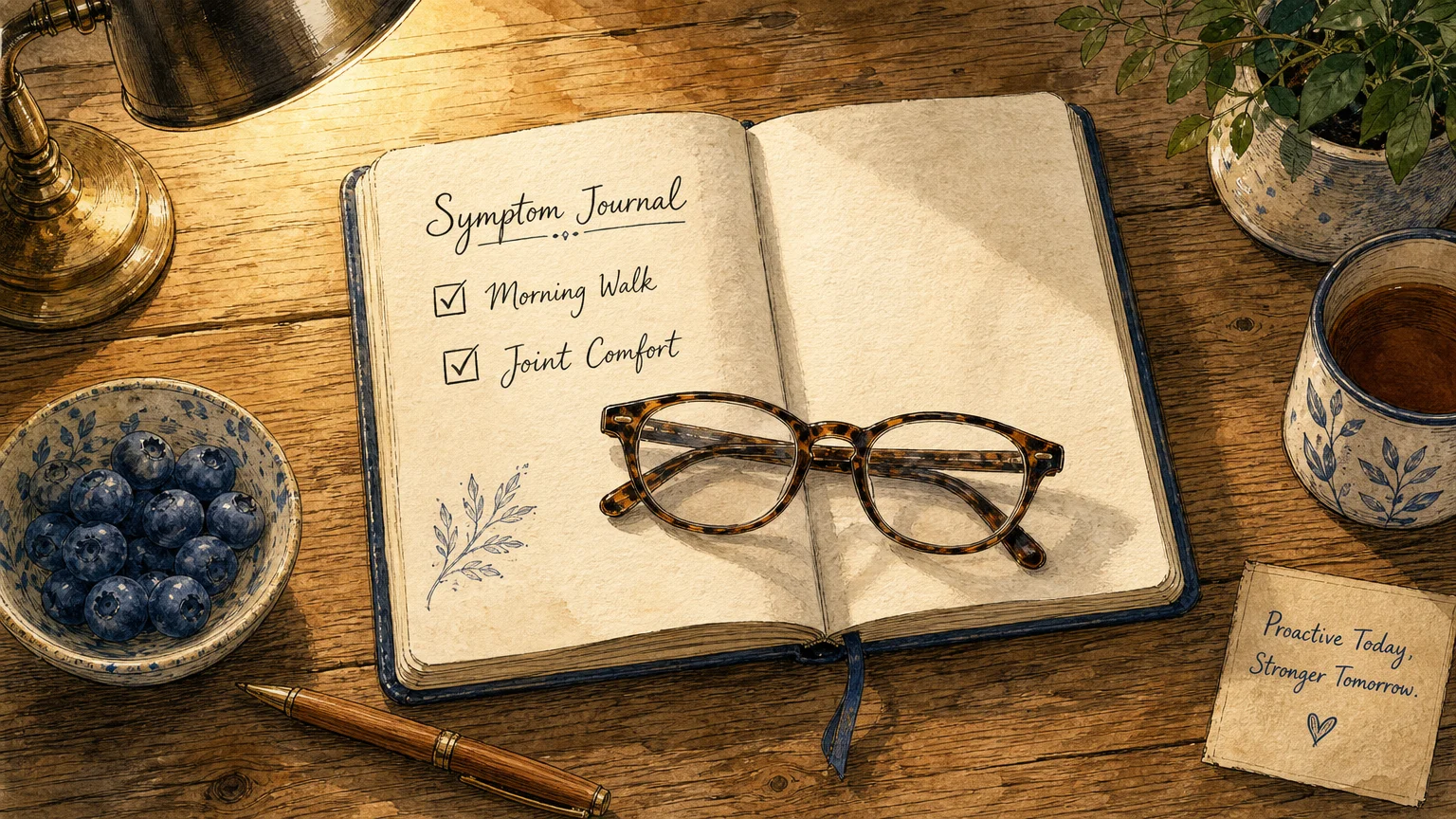
Additionally, avoid the temptation to self-diagnose using the internet. While gathering information is empowering, applying a generalized diagnosis to your specific body often leads to unnecessary anxiety or dangerous delays in correct treatment. Maintain a detailed, written symptom journal instead. Document exactly when a symptom occurs, how long it lasts, and its severity on a scale from one to ten. Providing this concrete data to your doctor significantly improves their ability to diagnose you accurately and safely.

When to Speak with a Healthcare Professional
Routine checkups are vital for healthy aging, but certain symptoms dictate immediate medical attention. You must not wait for an annual exam if you experience acute, sudden changes in your body. Immediate action preserves your independence and can save your life.
Seek emergency medical care if you experience sudden numbness or weakness on one side of your face or body, abrupt difficulty speaking, or a sudden, excruciating headache. These are classic warning signs of a stroke. Similarly, unexplainable chest pain, pain radiating down your left arm, or sudden difficulty breathing requires immediate emergency intervention.
For chronic symptoms—such as a joint ache that slowly worsens over three weeks, or a gradual change in your bowel habits—schedule an appointment with your primary care physician promptly. Present your symptom journal and explain precisely how the issue disrupts your daily routines.
For authoritative, trustworthy health information, always consult official sources like the National Institute on Aging (NIA) and MedlinePlus from the National Library of Medicine. The CDC also provides excellent resources for older adults.
Disclaimer: This article is for informational purposes only and does not constitute medical advice. Always seek the advice of your physician or other qualified health provider with any questions you may have regarding a medical condition.
Frequently Asked Questions
Can lifestyle changes reverse symptoms often mistaken for aging?
Yes, targeted lifestyle modifications frequently reverse debilitating symptoms. For instance, engaging in supervised strength training can completely resolve severe joint stiffness and muscle weakness that seniors previously blamed on old age. Improving your daily hydration levels and boosting fiber intake can rapidly eliminate chronic constipation. While lifestyle changes cannot cure underlying diseases like Alzheimer’s, they significantly improve your physical resilience, boost your daily energy, and help you manage chronic conditions much more effectively.
How do medication side effects complicate aging concerns?
Medication side effects are notorious for mimicking the aging process. A common class of drugs known as anticholinergics—often found in allergy medications, sleep aids, and bladder control pills—can cause profound memory loss, confusion, and dry mouth. Blood pressure medications frequently induce dizziness that looks like age-related balance loss. Because older adults metabolize drugs more slowly, substances build up in the bloodstream and amplify these toxic effects. This is why a regular, thorough review of all your prescriptions is an essential pillar of your healthcare strategy.
What is the best way to prepare for a doctor’s appointment to discuss senior symptoms?
Preparation transforms a brief medical visit into a highly effective consultation. Write down your top three primary concerns ahead of time so you do not forget them in the moment. Bring your detailed symptom journal to show patterns of discomfort. Carry all your medication bottles in a bag directly to the office. Finally, consider bringing a trusted friend or family member to serve as a second set of ears; they can take notes and help advocate for your health needs during the appointment.