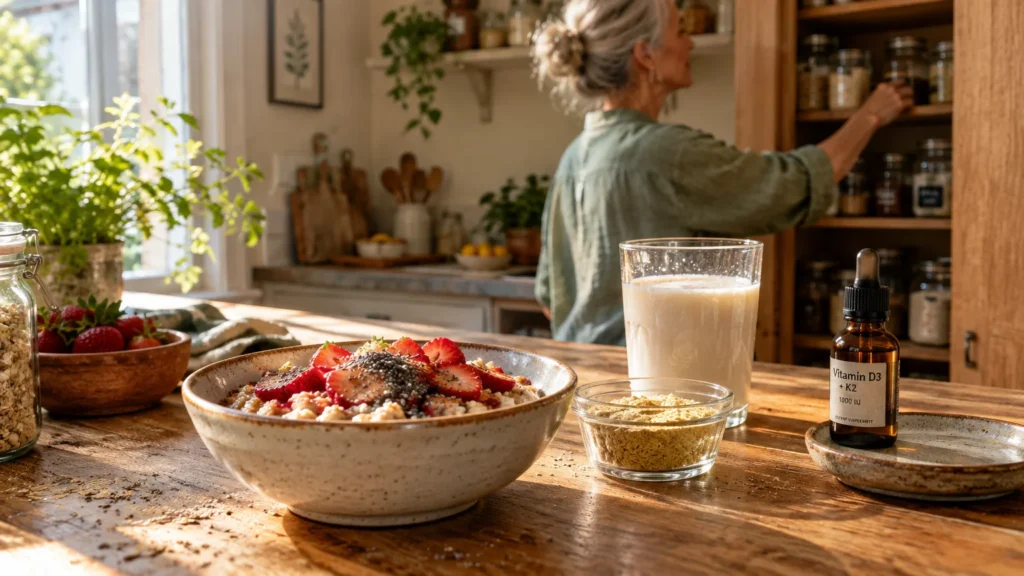
Maintaining proper fluid balance stands as one of the most effective ways to boost your daily energy, protect your joint health, and sharpen your cognitive clarity as you age. Yet, medical professionals frequently report that fluid intake drops significantly among older adults, often because natural thirst signals weaken over time. When your body does not get enough water, everyday tasks feel more exhausting and your risk for balance issues or digestive trouble increases. By adopting simple, sustainable hydration habits doctors recommend, you can easily protect your vitality, nourish your cells, and support your long-term independence without feeling overwhelmed or constantly running to the bathroom.
Understanding the Basics of Hydration Habits for Seniors
Water drives virtually every biological process inside your body. It cushions your joints, regulates internal body temperature, facilitates efficient digestion, and carries vital nutrients through your bloodstream to organ tissues. As you grow older, however, your physiological relationship with water changes in subtle yet significant ways. Recognizing these biological shifts helps you build healthy hydration habits that fit seamlessly into your everyday lifestyle.
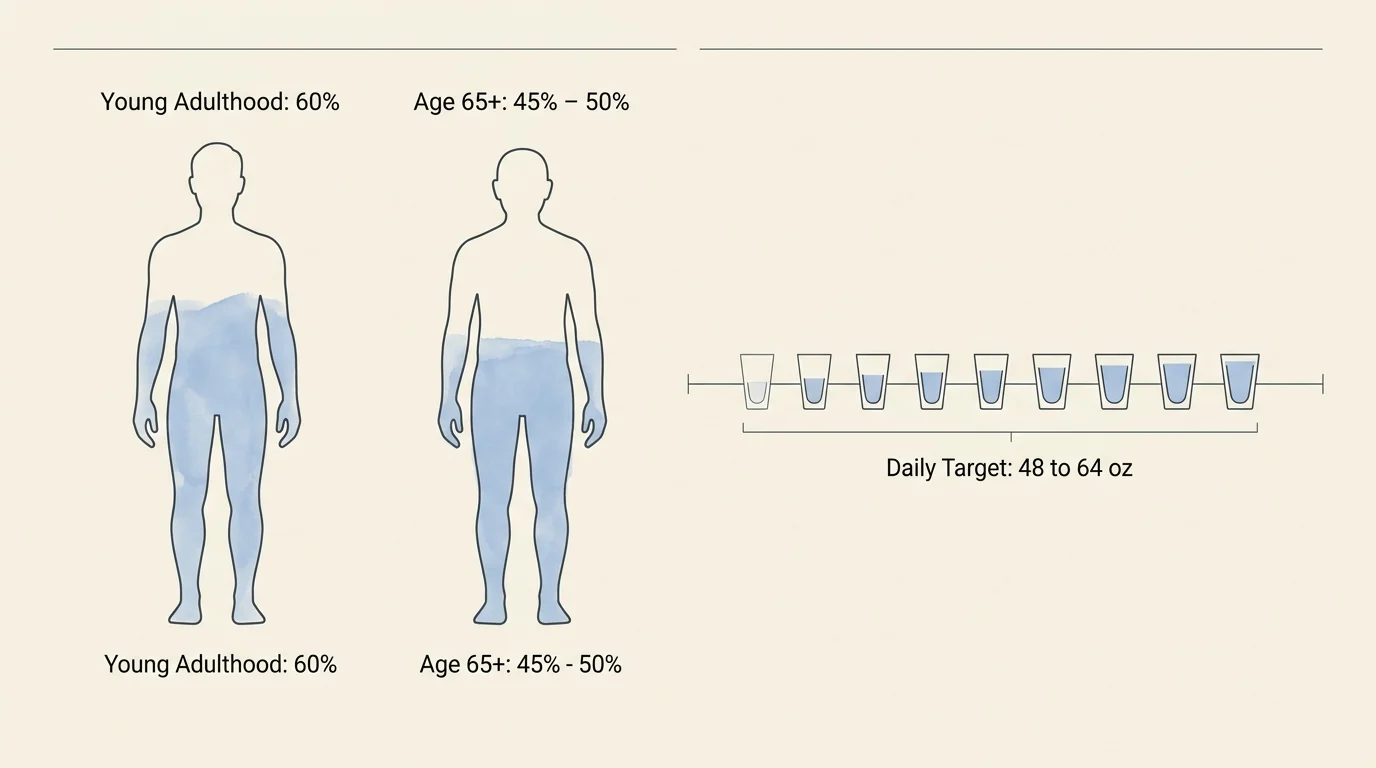
The primary change involves your total body composition. In young adulthood, water accounts for roughly 60 percent of total body weight; by age 65 and beyond, that proportion drops closer to 45 or 50 percent. Because your body holds less fluid reserve overall, even small drops in daily liquid intake can lead to mild dehydration faster than it did in earlier decades. At the same time, the brain region responsible for detecting fluid balance—the hypothalamus—becomes less sensitive. Consequently, your body may need fluid long before you actually feel thirsty. Waiting until your mouth feels dry often means you are already behind on your body’s fluid needs.
Kidney function also evolves over time. Your kidneys filter waste from your blood and regulate fluid volume, but older kidneys gradually lose some ability to concentrate urine efficiently. This shift means your body excretes water at a steady rate regardless of your current hydration level. Furthermore, subtle dehydration impairs cognitive efficiency; clinical studies reveal that a mere 1 to 2 percent loss in body fluid can trigger mild memory slips, reduced concentration, and physical fatigue. Digestive muscles also slow down without sufficient water, which often causes or worsens uncomfortable constipation.
When determining how much water to drink daily, doctors generally suggest aiming for 48 to 64 fluid ounces—equivalent to six to eight standard 8-ounce glasses—as a baseline target for healthy older adults. However, your ideal intake depends on your body mass, ambient temperature, daily activity level, and specific medical conditions. Fortunately, staying adequately hydrated does not mean chugging endless glasses of plain water. You can meet your daily fluid goals through a thoughtful combination of beverages and moisture-rich foods.
Practical Tips for a Healthier, Happier Life
Building consistent, sustainable habits yields far better long-term health outcomes than trying to fix fluid deficits after you feel drained. Medical experts emphasize small, manageable daily adjustments that transform staying hydrated tips into effortless routines. Here are the core strategies doctors urge mature adults to adopt.
1. Begin Your Day with a Morning Water Routine
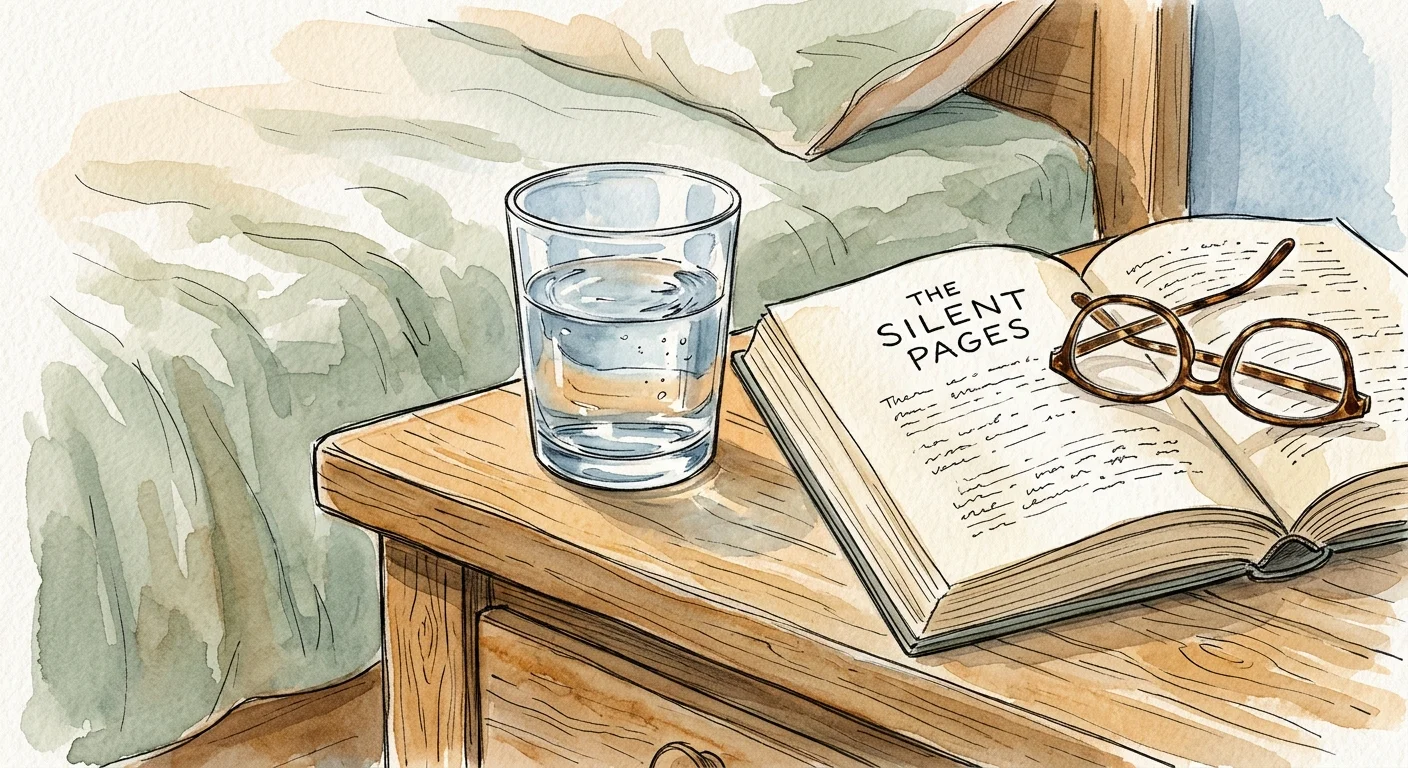
Your body naturally loses moisture overnight through breathing and normal perspiration; you wake up in a mild state of fluid deficit. Drinking an 8-to-10-ounce glass of room-temperature or warm water shortly after waking gently rehydrates your tissues, wakes up your gastrointestinal tract, and stimulates natural gut motility. Keep a filled glass or covered tumbler on your bedside table or next to your morning coffee pot so that taking those first restorative sips becomes an automatic morning action.
2. Sip Steadily Throughout the Day Instead of Gulping
Gulping down large quantities of water all at once overpowers your bladder and causes your kidneys to flush out the volume rapidly. This pattern creates a frustrating cycle of urgent bathroom trips while doing little to hydrate your cellular tissues over time. Instead, sip smaller quantities steadily across your morning and afternoon hours. Taking two or three small sips every 30 to 45 minutes keeps your blood volume stable and allows your cells to absorb moisture efficiently without overburdening your urinary system.
3. Eat Your Hydration Through Fresh Produce
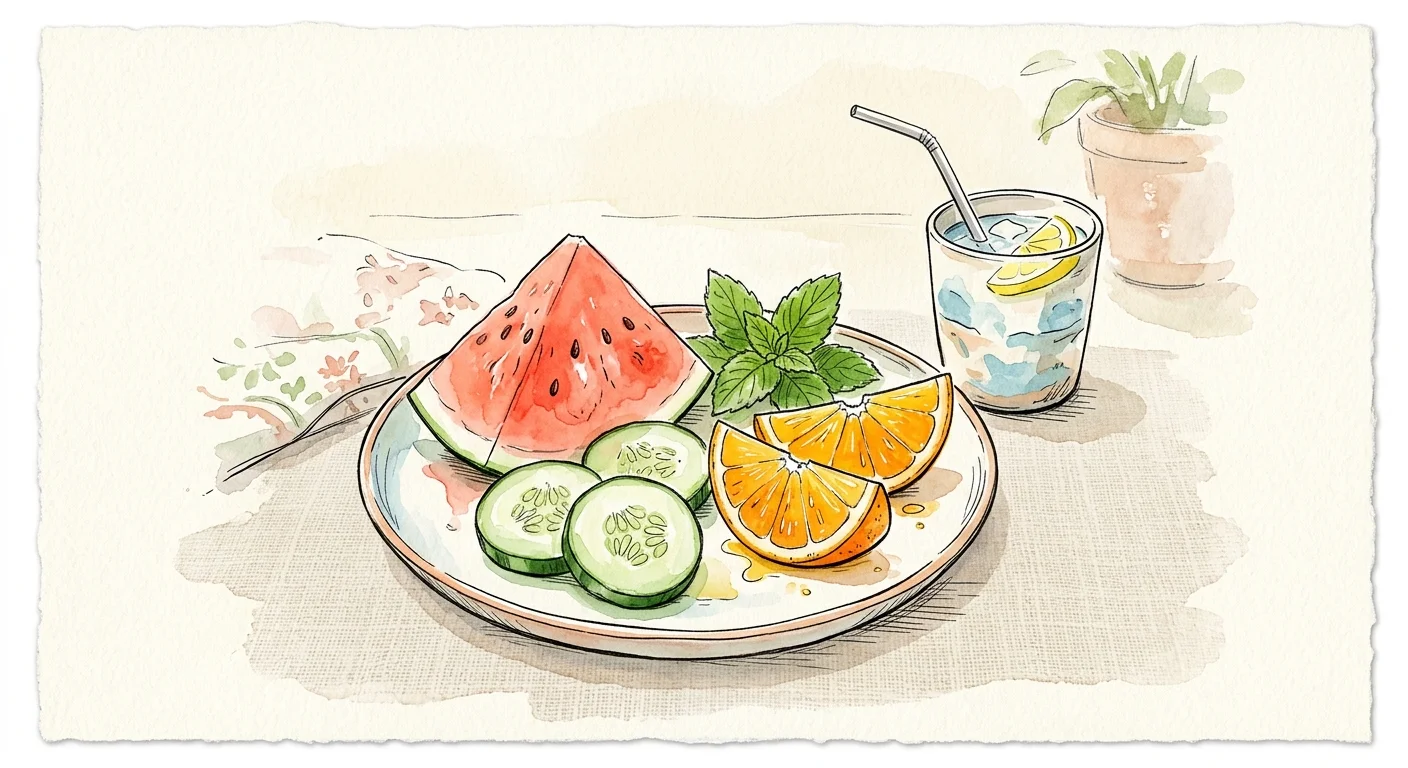
Solid food supplies approximately 20 percent of your overall daily fluid intake, offering an enjoyable way to meet your moisture goals without relying solely on drinking glasses. Fresh fruits and vegetables contain high concentrations of structured water alongside essential vitamins, dietary fiber, and cellular minerals. Incorporate these moisture-rich options into your daily diet:
Cucumbers (96% water content), celery (95% water content), radishes (95% water content), tomatoes (94% water content), watermelon (92% water content), strawberries (91% water content), and cantaloupe (90% water content). Enjoying warm broths, light vegetable soups, and clear stews during mealtime also supplies valuable fluids and comforting nutrients.
4. Anchor Water Consumption to Established Daily Activities
Relying on memory alone often fails when your internal thirst mechanism slows down. Behavioral scientists recommend habit stacking—pairing a new hydration habit with an established daily routine. For example, drink half a glass of water before taking your morning supplements, enjoy a small cup of warm tea right after checking the daily mail, sip water while preparing your lunch, and drink a glass after completing your evening oral care. Linking fluid intake to existing habits removes the mental burden of remembering to drink.
5. Infuse Natural Flavors Without Added Sugars
Plain tap or bottled water can sometimes feel unappealing, making it difficult to maintain enthusiasm for drinking enough throughout the day. However, sugary sodas, artificial drink mixes, and heavily sweetened juices can cause unwanted blood sugar spikes and metabolic stress. Create refreshing, low-calorie infusions by adding fresh fruit slices or aromatic herbs to a pitcher of cold water. Crisp cucumber slices, fresh mint leaves, lemon or lime wedges, crushed raspberries, or thin ginger slices add delightful taste. Unsweetened herbal teas—such as chamomile, peppermint, or hibiscus—also count directly toward your daily liquid goals whether served warm or chilled.
6. Use Your Urine Color as a Daily Hydration Gauge
Because thirst signals fade with age, your urine color provides a far more accurate visual indicator of your current fluid balance. Get into the routine of checking the color of your urine during morning and afternoon bathroom visits. A pale straw or clear lemonade shade indicates optimal, healthy hydration habits. Dark yellow, amber, or tea-colored urine signals that your body urgently needs additional liquid. Keep in mind that certain prescription medications and high-dose B-complex vitamins can temporarily turn urine bright neon yellow; ask your pharmacist whether your medications affect urine color so you can interpret your visual check accurately.
7. Adjust Intake for Environmental Heat and Physical Activity
Warm summer weather, air-conditioned indoor environments, and winter indoor heating all accelerate fluid evaporation from your skin and respiratory tract. Gentle exercise—such as walking, water aerobics, gardening, or yoga—increases your fluid turnover even if you do not feel noticeably sweaty. Drink a small glass of water 15 to 20 minutes before starting any physical activity, sip lightly during your exercise, and replenish with another glass once you finish.
8. Choose Accessible, Senior-Friendly Hydration Tools
Physical barriers like stiff screw-top caps, heavy glass containers, or slippery water bottles can discourage you from drinking frequently, especially if you experience joint stiffness or hand arthritis. Invest in lightweight, BPA-free water bottles with silicone grips, built-in straws, or simple push-button lids. Keeping a lightweight, easy-to-hold cup within easy reach in your living room, kitchen, and bedside area makes taking frequent sips physically effortless.
Important Safety Precautions to Keep in Mind
While staying hydrated supports vibrant health, fluid management requires personalized care, especially if you live with underlying health conditions. More water is not always better for every individual; balance and medical guidance remain paramount.
If you have been diagnosed with congestive heart failure (CHF), chronic kidney disease (CKD), or advanced liver disease, your body may struggle to process and eliminate excess fluid. In these situations, drinking too much liquid can cause fluid retention, excessive swelling in your legs and ankles, elevated blood pressure, or dangerous fluid buildup in your lungs. Always strictly follow the specific daily fluid volume restrictions prescribed by your primary care physician or cardiologist.
Another crucial consideration is electrolyte balance. Drinking massive quantities of plain water over a short duration can dilute blood sodium concentrations, leading to a dangerous medical condition called hyponatremia. Symptoms of low sodium include sudden confusion, severe fatigue, muscle cramps, headache, and nausea. Balancing plain water with nutrient-rich foods, light broths, or balanced electrolyte beverages prevents electrolyte dilution while keeping your tissues hydrated.
Many older adults intentionally restrict their fluid intake out of fear of experiencing urinary incontinence or having to wake up multiple times during the night. However, restricting fluid intake actually concentrates your urine, making it acidic and highly irritating to the bladder lining. Irritated bladders contract more frequently, which increases urinary urgency, involuntary spasms, and your risk for developing painful urinary tract infections (UTIs). To enjoy restful sleep without dehydrating, drink the vast majority of your daily fluids between 7:00 AM and 5:00 PM, and taper your fluid intake roughly two hours before bedtime.

When to Speak with a Healthcare Professional
Your individual health profile influences how your body absorbs, utilizes, and excretes fluids. Partnering with your doctor ensures your hydration routine supports your broader health goals safely.
You should contact your doctor or seek prompt medical attention if you observe clear dehydration warning signs. Watch closely for persistent dizziness, lightheadedness when standing up, an unusually rapid pulse, dry or sticky mouth tissues, dark amber urine, decreased urination (fewer than three trips to the bathroom per day), or uncharacteristic confusion and lethargy. These symptoms indicate significant fluid loss that may require professional evaluation or oral rehydration therapy.
Many common prescription medications alter your body’s fluid balance. Diuretics (often called “water pills”), blood pressure medications, laxatives, and nonsteroidal anti-inflammatory drugs (NSAIDs) can change your fluid and electrolyte requirements. Bring a complete list of your prescription medications and over-the-counter supplements to your next medical appointment. Ask your physician to help you calculate an individualized daily fluid target that complements your current prescriptions and medical history.
For authoritative, trustworthy health information, always consult official sources like the National Institute on Aging (NIA) and MedlinePlus from the National Library of Medicine. The CDC also provides excellent resources for older adults.
Frequently Asked Questions
How much water to drink daily as an older adult?
Most healthy seniors should target approximately 48 to 64 fluid ounces (6 to 8 standard cups) of total liquid per day. However, your exact target varies based on your body weight, physical activity level, climate, and medical background. Individuals with heart failure or kidney disease must follow specific intake caps set by their doctor.
Do coffee, tea, and soup count toward my daily hydration goals?
Yes, caffeinated beverages like coffee and tea, along with clear soups and broths, contribute to your total daily fluid tally. While caffeine possesses a mild diuretic effect, moderate coffee or tea intake (1 to 2 cups daily) still provides a net hydrating benefit to your body. Just balance caffeinated drinks with plain water and unsweetened herbal teas.
Why does my sense of thirst decrease as I get older?
Aging naturally reduces the sensitivity of thirst receptors located in your brain’s hypothalamus. Additionally, hormonal shifts reduce your body’s automatic warning signals when fluid levels drop. Because your body no longer alerts you to mild dehydration early on, relying on scheduled fluid breaks and visual cues like urine color is far safer than waiting to feel thirsty.
What is the best way to handle nighttime bathroom visits without dehydrating?
To reduce nighttime awakening while staying fully hydrated, consume 80 percent of your daily liquids during the morning and afternoon. Taper off your beverage intake about two hours before your bedtime, and make sure to empty your bladder right before getting into bed. This balance keeps your cells hydrated throughout the day while promoting uninterrupted sleep.
Disclaimer: This article is for informational purposes only and does not constitute medical advice. Always seek the advice of your physician or other qualified health provider with any questions you may have regarding a medical condition.