
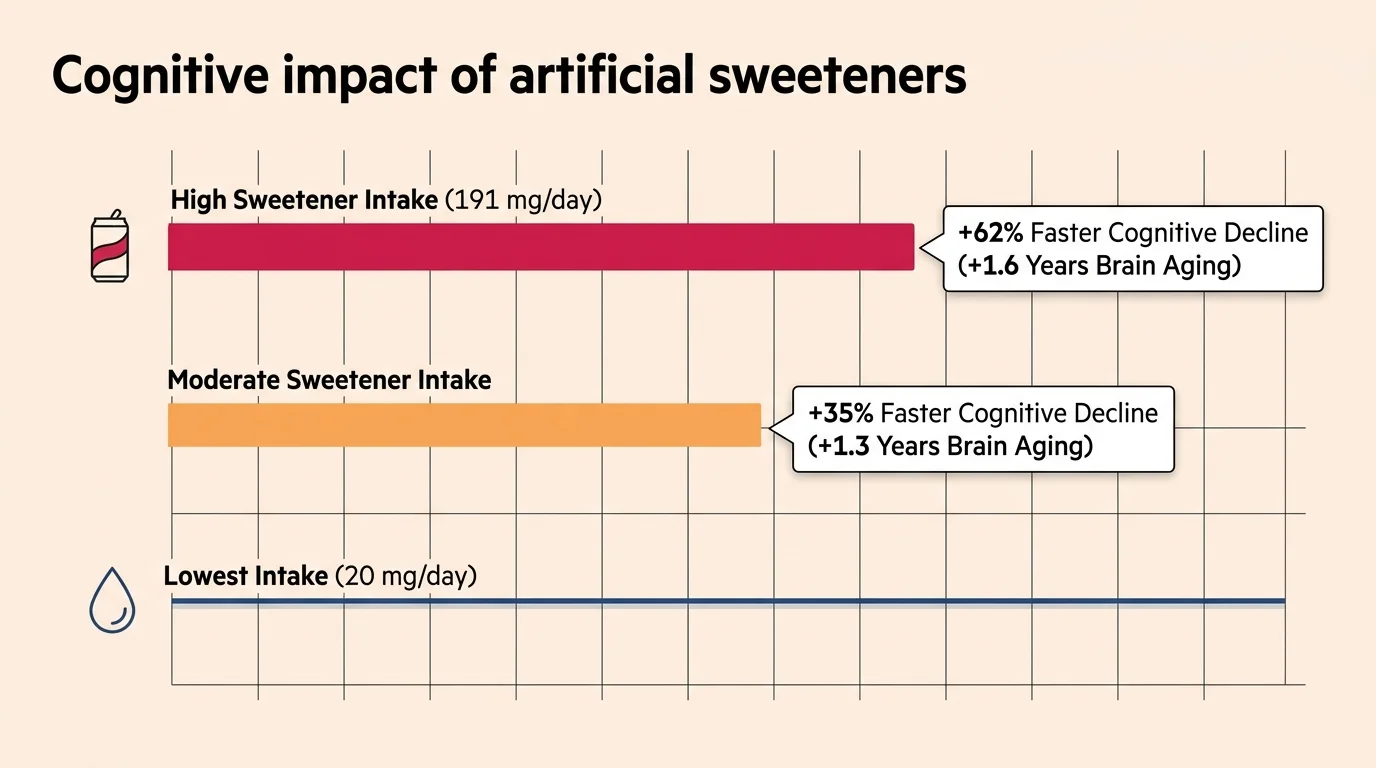
If you regularly reach for a zero-calorie soda or artificially sweetened tea to protect your waistline, landmark medical research suggests you may inadvertently be risking your long-term cognitive vitality. A groundbreaking 8-year study published in Neurology revealed that adults consuming high levels of common artificial sweeteners experienced a 62% faster rate of cognitive decline—an acceleration equivalent to nearly 1.6 additional years of brain aging. Fortunately, understanding how diet soda and brain health interact empowers you to make simple, nourishing changes today. By swapping out processed chemical substitutes for wholesome, hydrating beverages, you can safeguard your memory, support your vascular system, and enjoy robust vitality throughout your golden years.
Understanding the Basics of Diet Drinks and Brain Aging for Seniors
For decades, health-conscious adults have chosen low-calorie sodas, sugar-free teas, and zero-sugar flavored waters as sensible alternatives to sugary soft drinks. However, rigorous sugar substitute research now reveals a concerning connection between synthetic additives and accelerated cognitive decline. Researchers from the Brazilian Longitudinal Study of Adult Health (ELSA-Brasil) published a prospective cohort study in the prestigious medical journal Neurology—the official journal of the American Academy of Neurology. Over an eight-year period, investigators tracked 12,772 adults with an average age of 52 to observe how regular sweetener consumption affects cognitive performance over time.
The findings offer a sobering look at how daily habits influence neurological aging. Participants in the highest consumption group experienced a 62% faster rate of cognitive decline in memory, executive function, and verbal fluency compared to those in the lowest consumption group. Neurologists calculated that this 62% acceleration in decline adds approximately 1.6 extra years of brain aging to your cognitive clock. Even moderate consumers faced notable risks; individuals consuming moderate amounts of synthetic sweeteners suffered a 35% faster rate of cognitive decline, equivalent to roughly 1.3 additional years of brain aging.
You might wonder what constitutes a high intake of these chemical additives. In the study, high consumption averaged approximately 191 milligrams per day. You can easily reach this intake threshold by drinking just one single 12-ounce diet soda containing aspartame. In contrast, the lowest consumption group averaged only 20 milligrams per day. The study evaluated seven specific low- and no-calorie sweeteners and found that six of them individually correlated with faster cognitive decline: aspartame, saccharin, acesulfame-K, erythritol, xylitol, and sorbitol. Among the tested compounds, only tagatose showed no association with accelerated memory loss or diminished mental clarity.
These findings build upon earlier evidence from the renowned Framingham Heart Study published in 2017. That investigation monitored participants for over a decade and discovered that daily consumption of artificially sweetened sodas linked to a nearly 3-fold—or 300%—increased risk of both ischemic stroke and Alzheimer’s dementia. Together, these studies highlight critical diet drinks health risks that warrant careful attention as you age.
Biological pathways help explain why artificial sweeteners brain aging mechanisms occur inside the delicate tissues of your central nervous system. When you consume synthetic sweeteners, your tongue registers intense sweetness, but your digestive tract receives no actual carbohydrates to break down. This biochemical mismatch disrupts your gut microbiome—the trillions of beneficial bacteria that produce neurotransmitters and regulate systemic inflammation. Synthetic additives alter microbial diversity, allowing harmful inflammatory compounds to pass through your intestinal wall into your bloodstream. Over time, chronic low-grade inflammation damages the fragile blood vessels feeding your brain, diminishing oxygen delivery and impairing microvascular circulation.
Furthermore, artificial sweeteners can interfere with natural insulin sensitivity in your brain tissue. Your brain relies heavily on insulin signals to absorb glucose, manage cellular repair, and store memories. When chemical substitutes alter metabolic pathways, brain cells struggle to process energy efficiently. While the Neurology study noted that statistical significance was most pronounced in participants under age 60 and those managing diabetes, leading neurologists clarify an important detail: the lower statistical significance in adults over 60 reflects higher baseline variability in cognitive test scores among older adults, rather than proof that synthetic sweeteners are safe later in life. Protecting your brain requires proactive care at every stage of aging.
Practical Tips for a Healthier, Happier Life
Stepping away from processed diet drinks opens up wonderful opportunities to nourish your body with vibrant, natural alternatives. You do not need to overhaul your entire lifestyle overnight; small, consistent choices yield profound improvements in your cognitive energy and physical well-being. Use these practical, safe, and effective steps to reduce your intake of synthetic sweeteners while enriching your daily hydration routine.
1. Swap Diet Beverages for Infused Botanical Waters
You can easily recreate the crisp, refreshing taste of commercial soft drinks by infusing plain water with fresh herbs, fruits, and citrus slices. Pitchers of cold water infused with fresh cucumber and mint, crushed raspberries and lime, or juicy orange slices deliver rich flavor along with natural antioxidants. If you miss the carbonation of commercial diet soda and brain health concerns worry you, choose plain sparkling mineral water as your base. Add a splash of 100% tart cherry juice or fresh lemon juice to enjoy a bubbly, refreshing drink completely free from chemical additives.
2. Prioritize Hydration to Support Cerebral Blood Flow
Dehydration impairs concentration, worsens memory recall, and increases daytime fatigue in older adults. Your brain consists of roughly 75% water, and maintaining adequate fluid balance ensures smooth blood flow through cerebral capillaries. Keep a reusable stainless steel or glass water bottle with you throughout the day. Sip small amounts consistently rather than drinking large quantities all at once. Aim for clear or pale straw-colored urine, which signals healthy hydration levels that keep your brain tissue well-oxygenated and sharp.
3. Incorporate Whole Foods Rich in Polyphenols
Counteract systemic inflammation and protect your microvascular health by consuming colorful, nutrient-dense whole foods every day. Dark berries—such as blueberries, blackberries, and strawberries—contain high concentrations of flavonoids that cross the blood-brain barrier to protect neurons from oxidative stress. Pair these delicious fruits with dark leafy greens, walnuts, flaxseeds, and brewed green tea. Green tea contains epigallocatechin gallate (EGCG), a potent antioxidant that supports healthy vessel expansion and safeguards brain cells against cellular wear and tear.
4. Master the Art of Mindful Label Reading
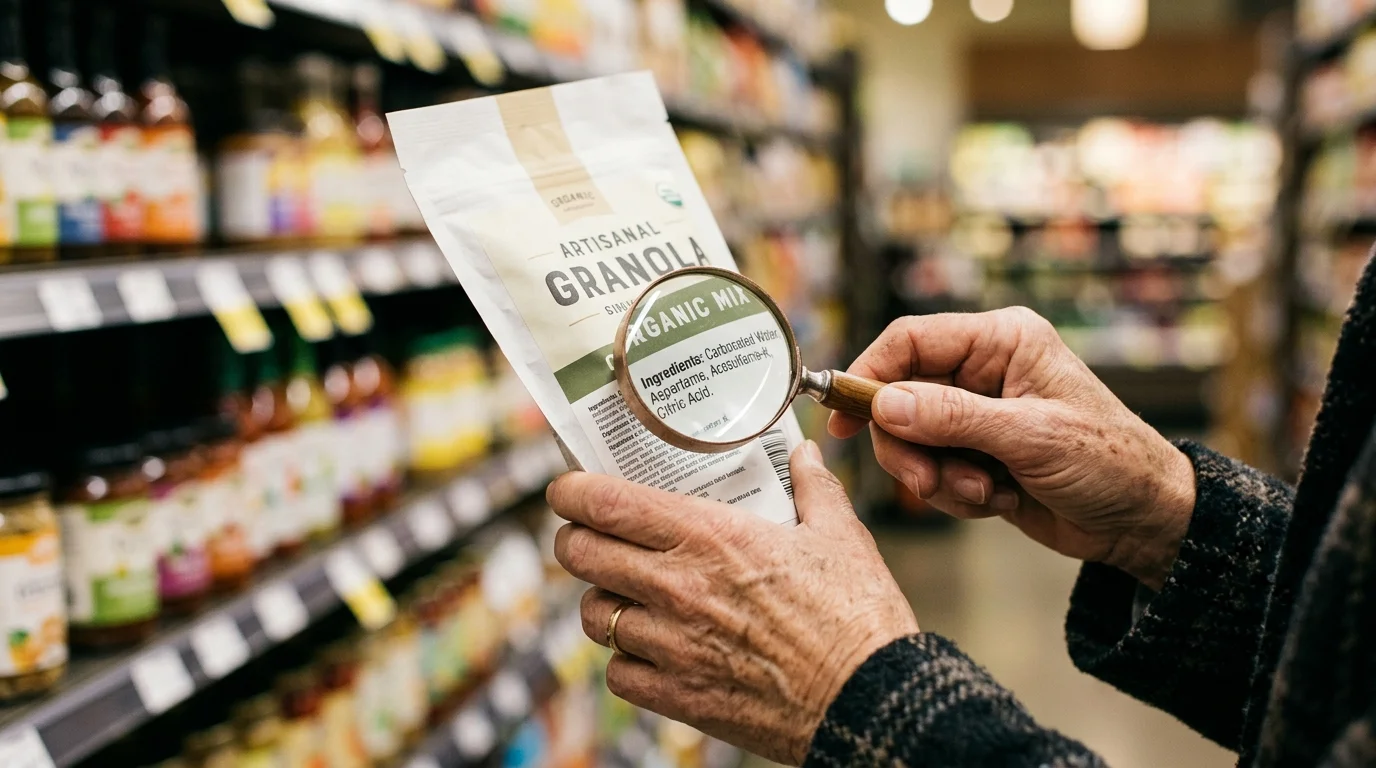
Artificial sweeteners often hide in unexpected pantry items beyond standard diet sodas. Food manufacturers frequently add aspartame cognitive decline triggers, acesulfame-K, erythritol, and sorbitol to zero-sugar yogurts, protein shakes, chewing gums, salad dressings, and light fruit juices. Inspect the ingredient panels of packaged products carefully. Look specifically for terms ending in “-itol” or recognized chemical names like sucralose and saccharin. Choosing plain, unflavored yogurts or unsweetened products allows you to control what enters your body while avoiding hidden synthetic compounds.
5. Nourish Your Gut Microbiome to Strengthen the Gut-Brain Axis
Because synthetic sweeteners disrupt beneficial intestinal flora, rebuilding your microbiome provides a strong defense against neuroinflammation. Incorporate naturally fermented foods into your weekly meal plan, such as plain kefir, organic sauerkraut, traditional kimchi, and unsweetened plain yogurt containing live active cultures. Pair these probiotic foods with prebiotic fibers found in garlic, onions, asparagus, bananas, and oats. A thriving gut microbiome produces essential short-chain fatty acids that reinforce the blood-brain barrier and foster long-term mental clarity.
6. Enhance Cognitive Reserve Through Movement and Social Play
Physical movement acts as a natural fertilizer for your brain cells by stimulating the production of brain-derived neurotrophic factor (BDNF). Engage in 30 minutes of moderate activity—such as brisk walking, swimming, water aerobics, or gardening—five days a week. Combine daily movement with stimulating mental and social activities. Playing card games, learning a musical instrument, solving puzzles with friends, or participating in community book clubs builds cognitive reserve, helping your brain remain resilient against age-related changes.
Important Safety Precautions to Keep in Mind
As you transition away from artificially sweetened products, keep several important safety considerations in mind to ensure a smooth, comfortable journey toward better health.
First, avoid replacing diet drinks with sugary soft drinks high in refined sucrose or high-fructose corn syrup. While chemical substitutes pose distinct risks to your nervous system, heavy sugar intake causes sharp spikes in blood glucose, increases systemic insulin resistance, and accelerates vascular damage throughout your body. If you manage prediabetes or type 2 diabetes, sudden spikes in blood sugar can impair your health just as severely as chemical additives. Focus instead on unsweetened teas, herbal infusions, and plain water.
Second, exercise caution when using sugar alcohols such as erythritol, xylitol, sorbitol, and maltitol. Although manufacturers market these compounds as natural sugar substitutes, sugar alcohols pull water into your digestive tract and often cause uncomfortable gas, abdominal bloating, cramping, and osmotic diarrhea. Recent cardiovascular studies also suggest that high blood levels of certain sugar alcohols like erythritol may increase platelet aggregation and blood clotting risk. If you choose to use low-calorie sweeteners occasionally, select raw stevia leaf extract or pure monk fruit extract in minimal amounts, as these plant-derived options interact differently with your digestive system.
Finally, prepare for mild withdrawal symptoms if you suddenly stop drinking caffeinated diet sodas. If you consume multiple caffeinated diet drinks each day, cutting them out instantly can trigger temporary rebound headaches, irritability, and sluggishness. To prevent discomfort, taper your consumption gradually over one to two weeks. Replace one daily diet drink with a cup of green tea or water each week until your body comfortably adjusts to cleaner hydration sources.
When to Speak with a Healthcare Professional
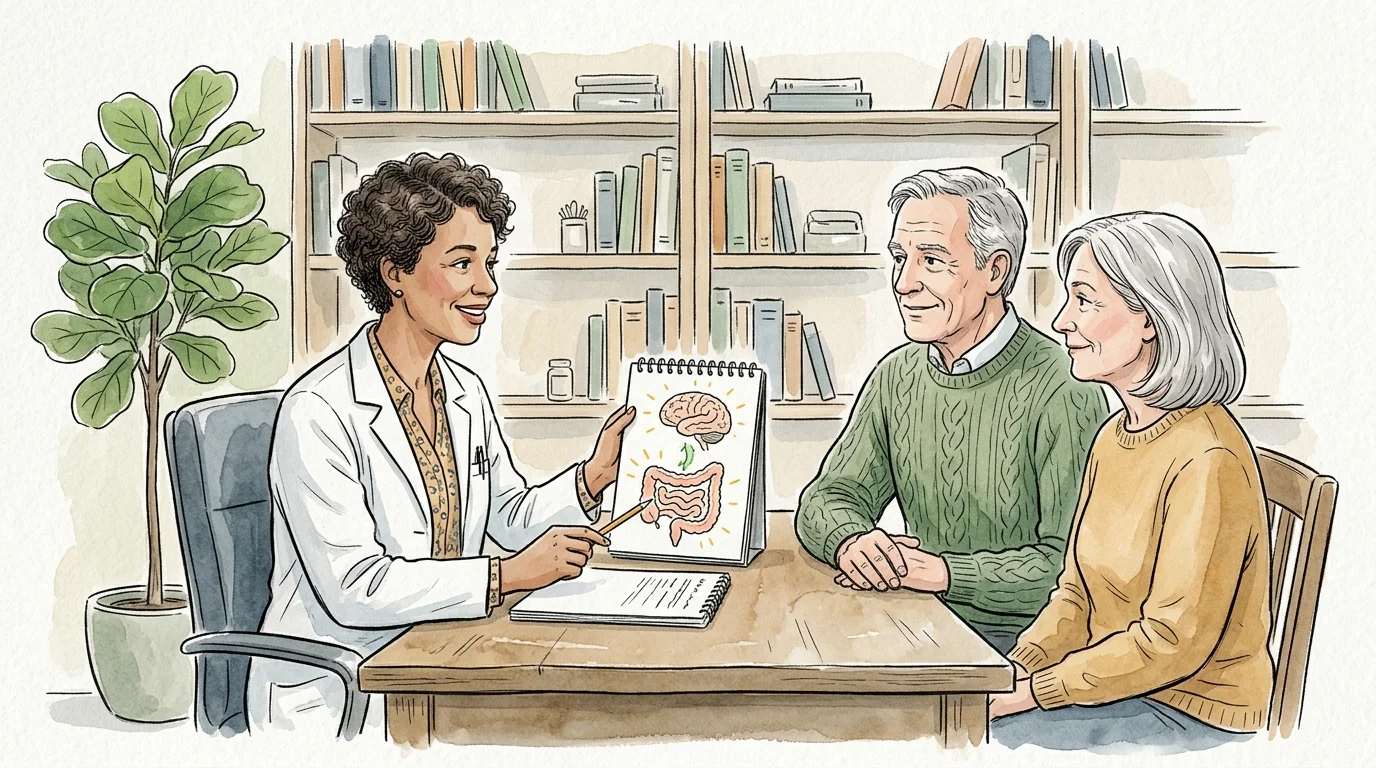
While adopting healthy beverage choices benefits your body, this information serves educational purposes and should never replace personal medical advice. Every individual possesses a unique medical history, prescription routine, and metabolic profile that requires tailored guidance from qualified health professionals.
You should schedule a consultation with your primary care physician or a neurologist if you experience any of the following situations:
1. Noticeable Changes in Cognitive Function: If you or your loved ones observe persistent lapses in short-term memory, frequent difficulty recalling common words, disorientation in familiar places, or trouble managing daily multi-step tasks, seek a formal medical evaluation immediately. A physician can perform baseline cognitive assessments and rule out underlying conditions such as thyroid imbalances, vitamin deficiencies, or structural vascular changes.
2. Diabetes Management and Blood Sugar Shifts: If you live with type 1 or type 2 diabetes, consult your endocrinologist or certified diabetes educator before making major adjustments to your dietary routine. Altering your beverage choices can influence daily blood glucose patterns and may require subtle adjustments to your medication or insulin dosages.
3. Persistent Digestive Distress: If you experience ongoing bowel changes, chronic bloating, or abdominal discomfort after eliminating low-calorie products, discuss your symptoms with a doctor. A gastroenterologist can evaluate your gut health, check for underlying food intolerances, and recommend safe therapeutic probiotics.
4. Specific Fluid and Electrolyte Restrictions: If your doctor has placed you on fluid restrictions due to congestive heart failure, chronic kidney disease, or advanced liver health issues, always follow their exact guidance regarding daily fluid volumes. Discuss how to incorporate natural infusions safely without exceeding your recommended daily liquid intake.
For authoritative, trustworthy health information, always consult official sources like the National Institute on Aging (NIA) and MedlinePlus from the National Library of Medicine. The CDC also provides excellent resources for older adults.
Frequently Asked Questions
Q1: Why do diet drinks health risks affect my brain if the drinks contain zero sugar and zero calories?
Even without calories, artificial sweeteners activate sweet taste receptors on your tongue and in your digestive tract, tricking your metabolic system. This artificial stimulation alters your gut microbiome, disrupts healthy insulin receptor signaling in the brain, and triggers low-grade vascular inflammation. Over time, these physiological stress factors impair blood flow through tiny brain capillaries and accelerate cognitive aging.
Q2: Is tagatose a safe alternative since the study showed no association with brain aging?
In the Neurology study, tagatose was the only tested sweetener that did not correlate with accelerated cognitive decline. Tagatose is a naturally occurring low-calorie monosaccharide that behaves differently in the body compared to synthetic compounds like aspartame or saccharin. However, tagatose remains relatively rare in commercial food products, and researchers emphasize that focusing on whole, unprocessed foods and pure hydration is always a safer, more effective strategy than relying heavily on any isolated sweetener.
Q3: Can stopping artificial sweeteners help reverse cognitive decline or stabilize my memory?
Your brain possesses remarkable neuroplasticity—the ability to adapt, repair, and form new neural connections throughout your entire life. When you stop consuming synthetic additives, you reduce chronic neuroinflammation and give your gut microflora a chance to recover. Combined with an antioxidant-rich diet, adequate hydration, regular aerobic exercise, and mentally stimulating activities, eliminating diet drinks creates an optimal environment for stabilizing memory and preserving brain health.
Q4: Are natural zero-calorie options like stevia or monk fruit completely safe for my brain?
Plant-derived zero-calorie sweeteners such as pure stevia leaf extract and monk fruit extract do not alter gut bacteria or blood sugar in the same disruptive manner as synthetic chemicals like aspartame or acesulfame-K. While current research suggests these plant extracts pose fewer cognitive risks, consuming them in moderation remains wise. Retraining your palate to enjoy subtle, natural flavors without heavy sweetening helps reduce long-term cravings for ultra-processed foods.
Disclaimer: This article is for informational purposes only and does not constitute medical advice. Always seek the advice of your physician or other qualified health provider with any questions you may have regarding a medical condition.