
Maintaining proper hydration protects your energy, eases joint movement, and sharpens your mind every single day. Recognizing the subtle indicators of fluid loss helps you replenish your body before serious complications arise.
Your body often signals fluid shortages in unexpected ways beyond simple thirst. Paying attention to these gentle cues empowers you to support your vitality with confidence.
Learning to spot these changes enables you to make simple, restorative adjustments to your daily routine. Here is how you can identify fluid imbalances early and sustain your well-being.
Understanding the Basics of Hydration for Seniors
Hydration plays a vital role in maintaining virtually every physiological function inside your body. Water carries essential nutrients to your cells, cushions delicate joints, and regulates core body temperature.
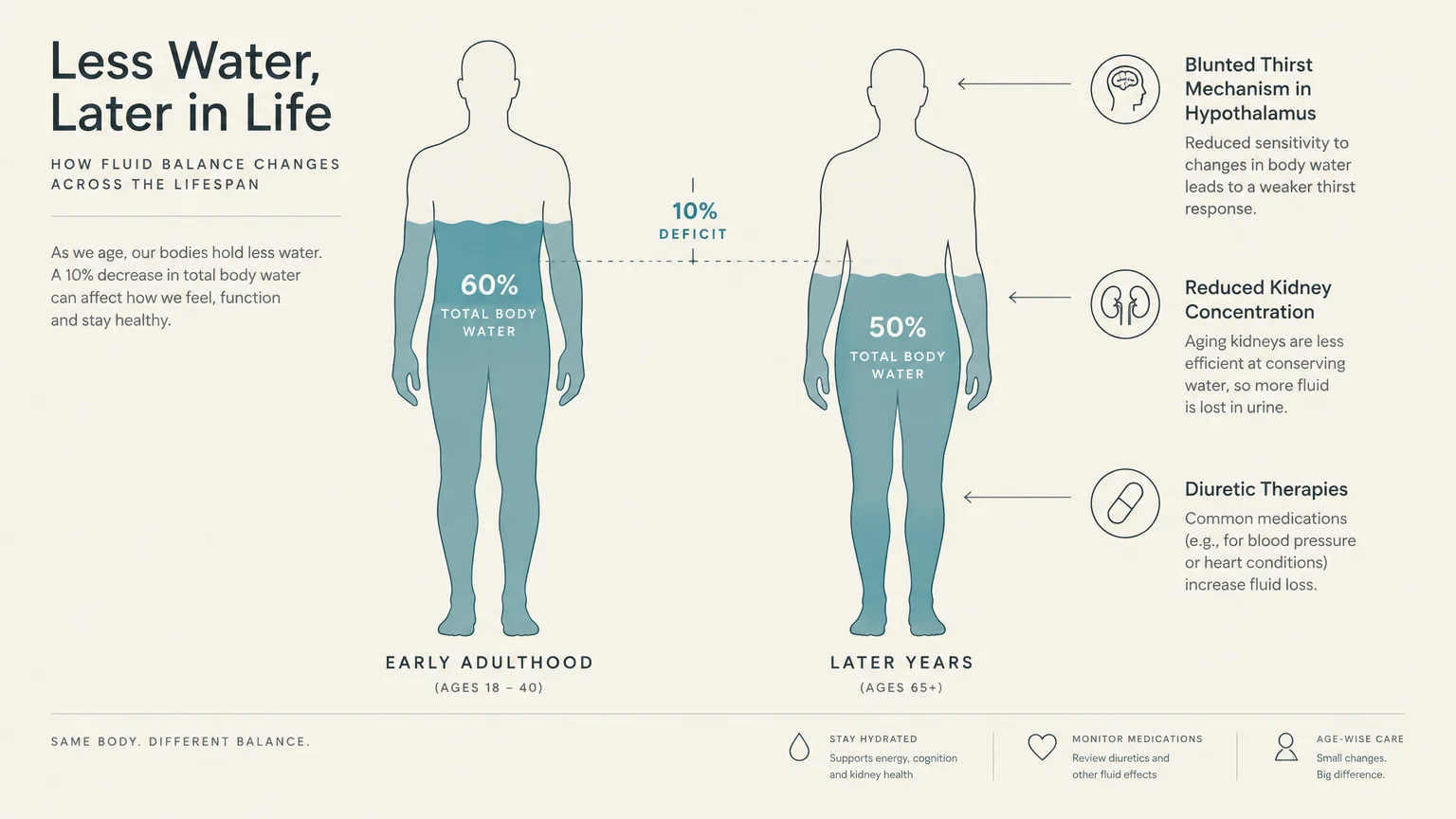
As we grow older, the body naturally undergoes physiological shifts that alter fluid regulation. Total body water content gradually declines from about sixty percent in early adulthood to around fifty percent in later years.
Because your body holds less fluid reserve, even mild water loss can affect you more quickly. Understanding how your body manages moisture allows you to stay ahead of dehydration.
A major reason older adults experience fluid deficits involves a naturally blunted thirst mechanism. The brain’s thirst receptors in the hypothalamus become less sensitive over time, delaying the urge to drink.
You might go several hours without feeling thirsty, even when your cells desperately require moisture. Relying solely on thirst is no longer a dependable guide for your fluid needs.
Changes in kidney function also influence how your body handles fluid balance each day. Aging kidneys often lose some of their capacity to concentrate urine, leading to greater fluid elimination.
Common medications can further increase your daily fluid requirements. Diuretics, blood pressure therapies, and certain laxatives frequently encourage your kidneys to release extra water and electrolytes.
When considering how much water you need daily, standard guidelines generally suggest six to eight eight-ounce glasses. However, your exact target depends on your personal health profile, body weight, and daily activity level.
Are you drinking enough water to keep your organs working smoothly? Checking your daily habits helps you maintain balance and protects your long-term wellness.
8 Signs You’re Not Drinking Enough Water Daily
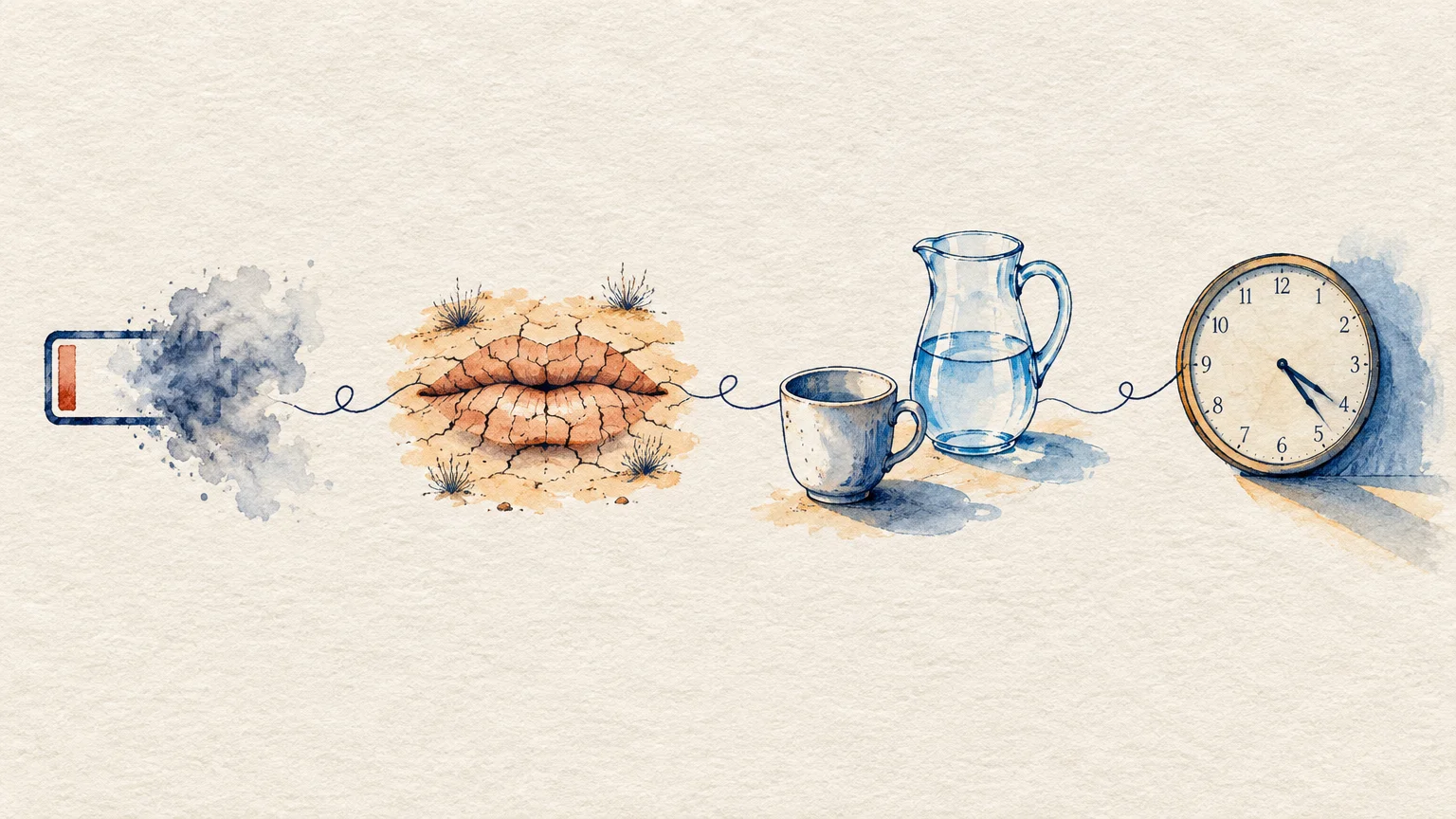
Dehydration does not always announce itself with intense parched feelings. Learning the most common signs of dehydration allows you to intervene promptly and preserve your comfort.
1. Persistent Fatigue and Low Energy
Feeling uncharacteristically tired throughout the afternoon can indicate that your body needs fluid. When water levels dip, your blood volume drops, making your heart work harder to circulate oxygen.
This additional cardiovascular effort leaves your muscles and brain depleted of energy. A simple glass of cool water can often restore your alertness faster than an afternoon nap.
If you experience sudden sluggishness without an obvious cause, consider your fluid intake over the preceding hours. Nourishing your cells with fresh water provides an immediate lift to your physical stamina.
2. Dry Mouth, Chapped Lips, and Bad Breath
A dry or sticky sensation in your mouth remains one of the clearest indicators of dehydration. Without adequate water, your salivary glands cannot produce the saliva required to keep oral tissues moist.
Saliva contains antibacterial compounds that naturally cleanse food particles and bacteria from your gums and teeth. When saliva production drops, bacteria multiply rapidly, which frequently triggers unpleasant morning or midday breath.
Chapped lips and a coated tongue often accompany persistent oral dryness. Sipping water regularly throughout the day restores moisture and protects your oral health.
3. Dark-Colored Urine and Infrequent Urination
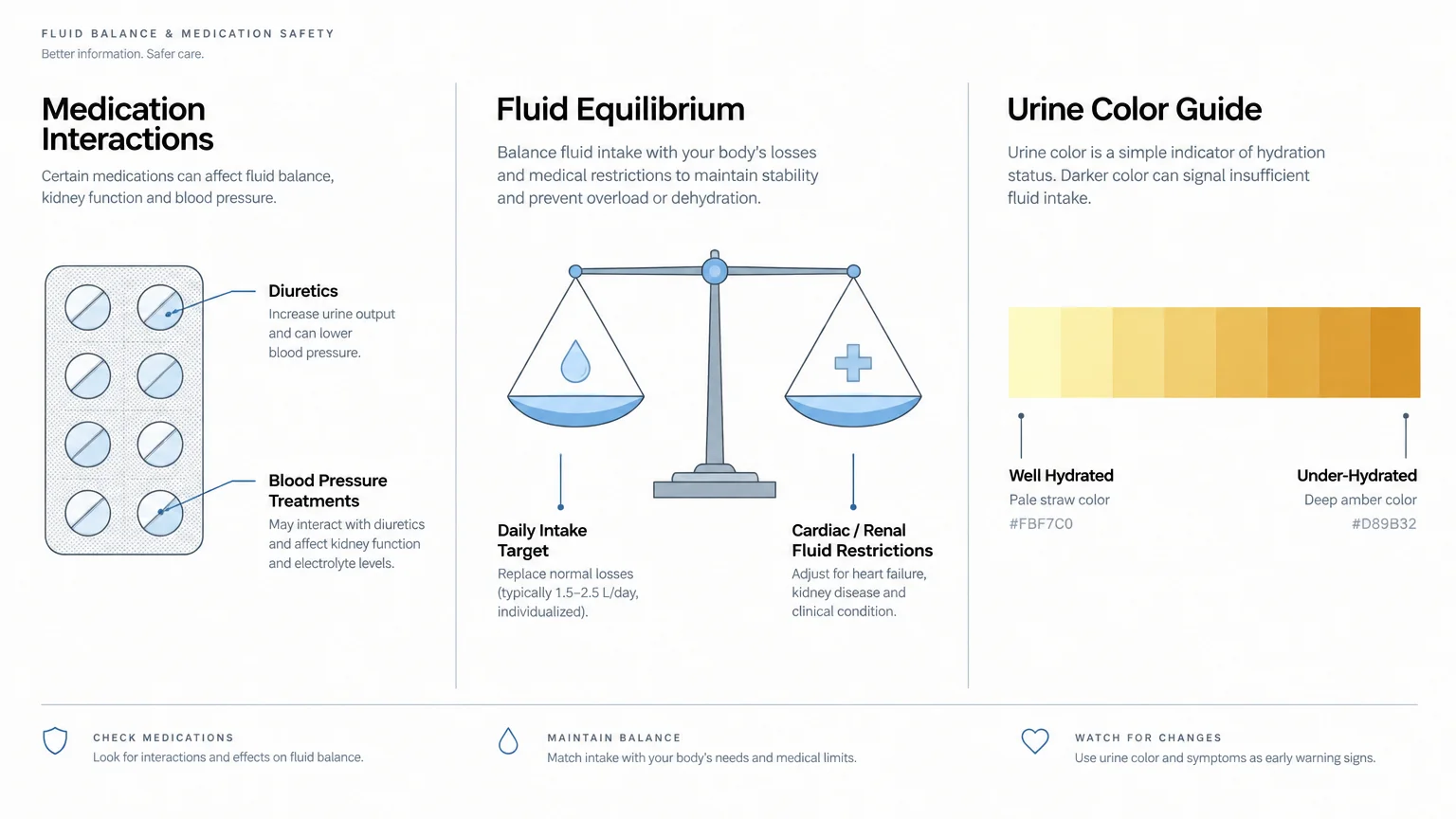
Examining your urine provides an immediate and accurate snapshot of your internal hydration status. Well-hydrated urine appears pale yellow, resembling the light color of straw or weak lemonade.
When you do not drink sufficient water, your kidneys conserve fluid by filtering less water out of your bloodstream. This process results in concentrated, dark amber or honey-colored urine with a stronger odor.
Most healthy adults urinate every three to four hours during waking hours. If you go half a day without using the restroom, your body is conserving vital moisture.
4. Lightheadedness and Sudden Dizziness
Feeling faint or unsteady when standing up from a chair can signal that your blood pressure has dropped due to fluid loss. Doctors refer to this condition as orthostatic hypotension, which significantly raises fall risks.
A lower blood volume means less oxygen-rich blood reaches your brain when you change postures quickly. This temporary reduction in cerebral blood flow creates brief moments of lightheadedness or dizziness.
Staying properly hydrated maintains optimal vascular pressure and helps keep your balance steady throughout the day. If you frequently feel dizzy upon rising, take a seated pause and drink some water.
5. Unexpected Headaches and Mental Fog
Dehydration headaches are remarkably common and can range from a dull ache to a throbbing sensation across the temples. When fluid levels drop, brain tissue temporarily loses moisture and contracts slightly away from the skull.
This slight shrinkage triggers pain-sensitive receptors in the protective meninges, creating uncomfortable tension. Fortunately, rehydrating allows brain tissue to expand back to its normal state, relieving the headache.
In addition to physical pain, mild fluid shortages impair short-term memory, attention span, and processing speed. If you find yourself struggling to concentrate, an extra cup of water may clear your thoughts.
6. Dry, Flaky Skin and Poor Elasticity
Your skin acts as a protective shield, but it requires continuous moisture from within to maintain its elasticity. Dehydrated skin often appears dull, rough, or flaky, accentuating fine lines and wrinkles.
You can assess your skin elasticity with a simple skin turgor pinch test on the back of your hand. Pinch the skin gently for a couple of seconds and then release it.
Hydrated skin snaps back into place almost instantly. If the skin remains raised in a tent-like fold for several seconds, your tissues need replenishment.
7. Muscle Cramps and Stiff Joints
Sudden calf cramps and nighttime leg spasms frequently point to fluid and electrolyte imbalances. Muscles require balanced levels of water, sodium, and potassium to contract and relax smoothly.
When fluids run low, nerve endings become hyperactive, triggering painful and involuntary muscle spasms. Keeping a steady intake of water prevents these disruptive spasms from interrupting your evening rest.
Joint cartilage is composed of approximately eighty percent water, which cushions bones during movement. Adequate hydration keeps your joints lubricated, easing daily stiffness and promoting fluid mobility.
8. Sluggish Digestion and Constipation
Your digestive tract depends on plenty of water to break down food and move waste efficiently through your intestines. When your water intake drops, your colon pulls moisture directly from stool to preserve body fluids.
This compensatory mechanism leaves stools hard, dry, and difficult to pass comfortably. Chronic constipation often stems directly from inadequate hydration rather than a lack of dietary fiber alone.
Drinking water alongside fiber-rich foods ensures that waste passes smoothly and without strain. Prioritizing fluid intake promotes digestive regularity and eases abdominal bloating.
Practical Tips for a Healthier, Happier Life
Building consistent hydration habits does not have to feel like an overwhelming chore. Small, intentional adjustments to your daily routine can help you achieve optimal fluid balance effortlessly.
Here are several practical staying hydrated tips designed to fit gently into your everyday lifestyle. Choose one or two ideas to start with and build your routine at your own pace.
Establish a Gentle Morning Water Ritual
Begin your morning by drinking an eight-ounce glass of room temperature water right after you wake up. Your body loses moisture overnight through breathing and perspiration, making morning replenishment essential.
Drinking water before your morning coffee gently awakens your digestive system and boosts circulation. Place a covered glass on your nightstand so it is ready for you first thing in the morning.
Incorporate Water-Rich Foods Into Your Meals
Remember that fluids do not come solely from glasses of plain water. Approximately twenty percent of your daily moisture intake arrives through the nourishing foods you eat.
Enjoy delicious fruits like watermelon, strawberries, oranges, and cantaloupe, which consist of over ninety percent water. Fresh cucumbers, zucchini, bell peppers, and crisp celery also supply exceptional hydration.
Warm soups, broths, and stews offer comforting hydration during cooler months while delivering essential vitamins. Adding these nourishing dishes makes hydration enjoyable and flavorful.
Infuse Your Water with Natural Flavors
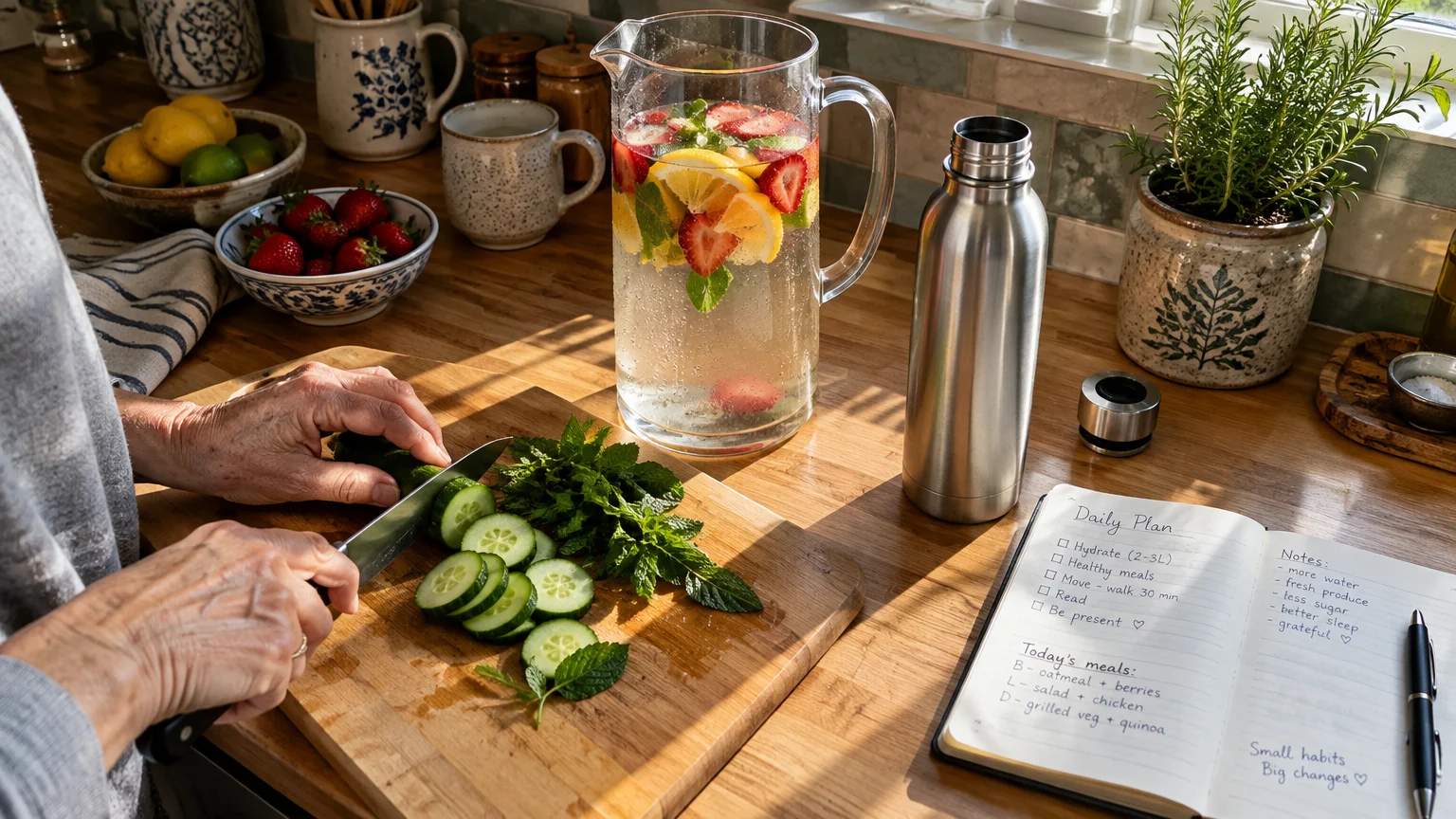
If plain water tastes uninspiring, enhance it with natural and colorful flavors. Slicing fresh citrus fruits like lemons, limes, or blood oranges adds a refreshing brightness to your pitcher.
You can also experiment with fresh mint leaves, crushed berries, or soothing cucumber slices. These wholesome infusions provide delightful flavor without any artificial sweeteners or added sugars.
Keep a Lightweight Water Bottle Within Reach
Visual reminders make remembering to drink throughout the day much easier. Keep a lightweight, reusable water bottle next to your favorite reading armchair, knitting basket, or television desk.
Choose a bottle that is easy to hold, simple to open, and comfortable to carry from room to room. Taking small sips every half hour prevents you from needing to drink large volumes all at once.
Set Gentle Hourly Hydration Reminders
Because natural thirst cues decline with age, relying on scheduled prompts can safeguard your well-being. Consider setting a quiet chime on your phone or microwave to sound once every hour.
You can also pair a sip of water with familiar daily habits, such as taking medications or checking the mail. Linking hydration to existing routines creates sustainable and effortless habits over time.
Important Safety Precautions to Keep in Mind
While staying hydrated is critical for vitality, individual fluid targets must match your unique medical history. Certain health conditions require precise limits on daily fluid consumption.
Individuals managing congestive heart failure, chronic kidney impairment, or liver cirrhosis often need strict fluid restrictions. In these conditions, drinking excess water can cause fluid accumulation in the lungs or lower limbs.
Always discuss your daily target with your physician if you take prescription medications or manage a chronic condition. Your doctor will provide a personalized fluid range tailored to your body’s capabilities.
Be mindful of electrolyte balance when increasing your daily fluid intake. Consuming massive volumes of plain water in short timeframes can dilute essential blood sodium, leading to a condition called hyponatremia.
Spread your drinking evenly across the entire day rather than drinking multiple glasses in a single sitting. Steady pacing protects your cardiovascular system and kidneys from sudden volume surges.
Pay attention to your beverage choices, particularly if you enjoy caffeinated drinks or sweetened juices. Excessive caffeine can irritate your bladder, while sugary drinks cause sharp spikes in your blood glucose.
Water remains the purest and safest choice for maintaining your hydration baseline. Sip moderately, listen to your body, and never force down fluids if you feel bloated or uncomfortable.

When to Speak with a Healthcare Professional
The guidance provided in this guide is designed for educational purposes and cannot replace professional medical care. You should always speak with your doctor if you suspect severe fluid loss.
Severe dehydration requires prompt medical evaluation and treatment. Call your healthcare provider or visit an urgent care center if you experience concerning dehydration symptoms to watch.
Watch for sudden confusion, disorientation, lethargy, or rapid memory decline in older adults. Neurological symptoms often indicate acute dehydration and require immediate clinical assessment.
Other urgent symptoms include an abnormally rapid heart rate, low blood pressure, sunken eyes, and extreme thirst. Persistent vomiting or severe diarrhea that prevents you from keeping liquids down also demands urgent intervention.
If your urine remains dark amber despite drinking fluids for twelve consecutive hours, consult your physician. Lingering discoloration can sometimes indicate an underlying kidney or liver issue that requires diagnosis.
Your physician can run routine blood panels, such as a comprehensive metabolic panel, to assess your electrolyte balance. Working alongside your doctor ensures that your hydration strategy remains both safe and effective.
Frequently Asked Questions
Does drinking coffee or tea count toward my daily water intake?
Yes, moderate amounts of caffeinated coffee and tea do contribute to your overall fluid hydration. While caffeine has a mild diuretic property, the fluid in the beverage outweighs the fluid lost.
However, you should avoid relying exclusively on caffeinated beverages throughout the day. Aim to balance your warm morning brews with plenty of plain water and herbal infusions.
How can I tell if I am drinking enough water without measuring every ounce?
Monitoring the color of your urine remains the easiest and most practical method to evaluate hydration. Strive for a pale, straw-colored tint throughout the afternoon and evening.
You can also assess how often you visit the restroom during the day. Needing to empty your bladder four to six times daily generally indicates healthy fluid balance.
Why do I feel less thirsty now than I did when I was younger?
The human body undergoes normal neurological changes as part of the natural aging process. The thirst center located in your brain becomes less responsive to subtle drops in fluid volume.
Additionally, hormone levels that signal fluid conservation, such as vasopressin, shift over time. Because of these biological changes, you must drink on a conscious schedule rather than waiting for thirst.
How can I stay hydrated without having to get up constantly during the night?
To reduce disruptive nocturnal bathroom trips, front-load your daily hydration during morning and afternoon hours. Drink the majority of your water between breakfast and mid-afternoon.
Taper your fluid intake roughly two hours before your planned bedtime. If you feel thirsty before sleep, take small sips rather than drinking an entire glass of water.
For authoritative, trustworthy health information, always consult official sources like the National Institute on Aging (NIA) and MedlinePlus from the National Library of Medicine. The CDC also provides excellent resources for older adults.
Disclaimer: This article is for informational purposes only and does not constitute medical advice. Always seek the advice of your physician or other qualified health provider with any questions you may have regarding a medical condition.