
Restoring optimal vitamin D levels can quickly revitalize your daily energy, strengthen your bones, and sharpen your physical balance. As you age, your body produces significantly less of this vital nutrient from sunlight, making subtle shortages easy to overlook until they affect your mobility and vitality. Recognizing the early low vitamin D symptoms allows you to take gentle, proactive steps before minor aches turn into persistent challenges. Whether you notice unexpected muscle soreness, slower recovery from illness, or a dip in your mood, paying close attention to your body empowers you to maintain independence and feel your best every single day.
Understanding the Basics of Vitamin D for Seniors
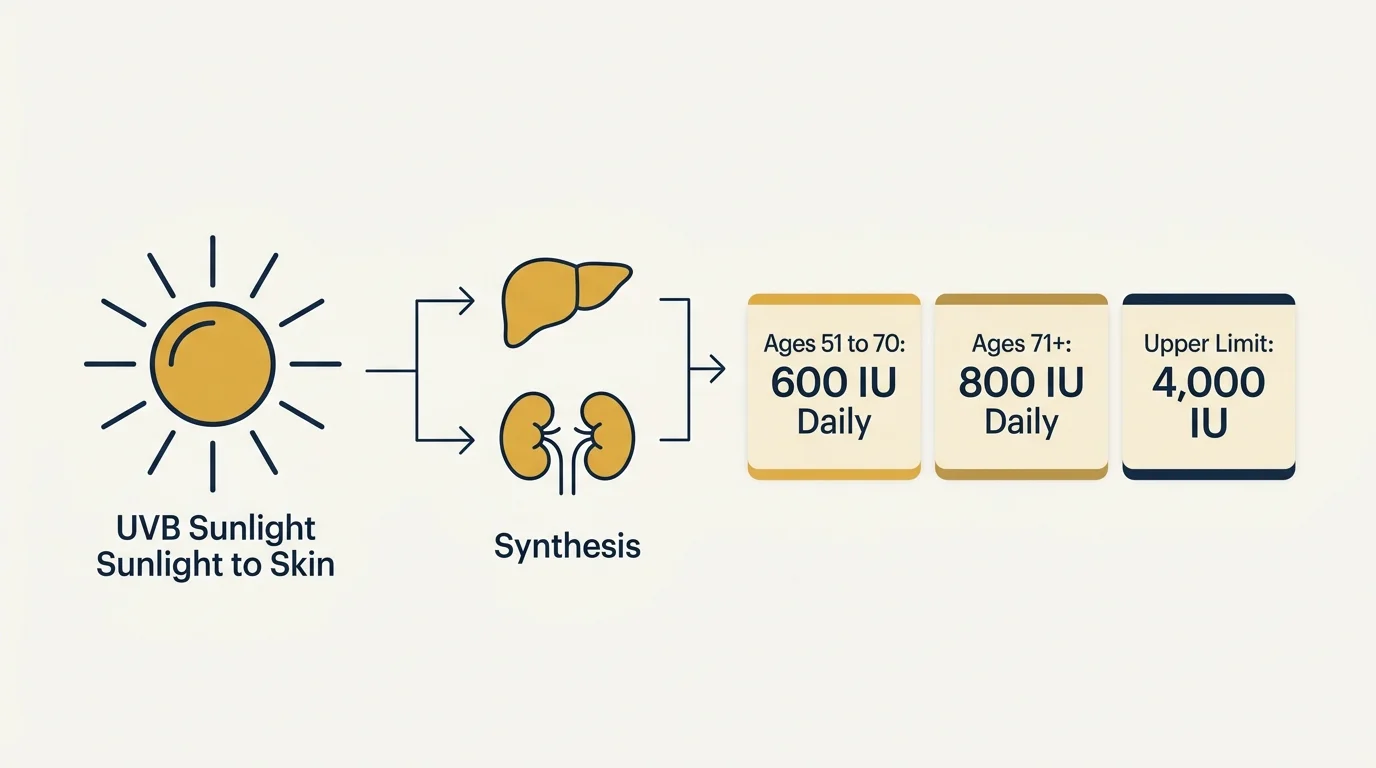
Vitamin D acts more like a powerful hormone in your body than a standard vitamin. While most nutrients come entirely from the food you eat, your skin naturally manufactures vitamin D when exposed to ultraviolet B (UVB) rays from sunlight. Once produced or ingested, your liver and kidneys convert this compound into its active biological form, known as calcitriol. This active hormone regulates calcium and phosphorus absorption; balances immune responses; and supports healthy communication between your brain and muscular system.
Maintaining balanced levels becomes more challenging as the years pass. By age 70, your skin experiences a 50% to 75% decline in its capacity to synthesize vitamin D compared to younger adults. This reduction occurs because the concentration of 7-dehydrocholesterol in your epidermal skin layer decreases over time. When you combine this natural biological shift with more time spent indoors, intentional sun protection, and aging kidneys that convert calcitriol less efficiently, maintaining healthy blood levels requires conscious nutritional awareness.
To preserve your bone density and neuromuscular coordination, the National Academy of Medicine establishes clear daily nutritional benchmarks. For adults aged 51 to 70, the Recommended Dietary Allowance (RDA) is 600 International Units (IU), or 15 micrograms, daily. Once you reach age 71, your recommended baseline increases to 800 IU (20 micrograms) per day. Leading health authorities also set the Tolerable Upper Intake Level at 4,000 IU (100 micrograms) per day for healthy adults, which represents the safe ceiling for daily intake without medical supervision.
When healthcare providers evaluate your status, they order a 25-hydroxyvitamin D blood test, abbreviated as 25(OH)D. Clinical guidelines define a reading below 20 nanograms per milliliter (ng/mL) as deficient, while results between 20 and 29 ng/mL indicate insufficiency. The Endocrine Society considers 30 to 100 ng/mL the optimal target range for complete metabolic and musculoskeletal support. Furthermore, updated clinical guidelines from the Endocrine Society specifically advise adults aged 75 and older to take daily empiric vitamin D supplements beyond basic dietary intake to help lower mortality risks. The panel also suggests empiric supplementation for adults living with prediabetes to reduce their risk of progressing to type 2 diabetes.

Practical Tips for a Healthier, Happier Life
Recognizing the primary vitamin D deficiency signs helps you identify shortages early so you can seek appropriate guidance from your doctor. Because low vitamin D symptoms develop gradually over months or years, seniors often mistake them for inevitable parts of getting older. Here are eight clear signs you need more vitamin D, along with actionable ways to restore your biological balance.
1. Persistent Muscle Aches and Lingering Weakness
If standing up from an armchair feels unusually difficult or your legs feel heavy during gentle strolls, your muscles may lack adequate nutrient support. Vitamin D receptors exist directly inside skeletal muscle tissue, where they stimulate protein synthesis and cellular repair. When blood levels drop below optimal thresholds, your muscle fibers lose tone, leading to proximal muscle weakness centered in your shoulders, thighs, and pelvis. Adding regular resistance movements and discussing targeted supplementation with your clinician can restore muscle responsiveness and ease daily activities.
2. Deep, Aching Bone Discomfort
Unlike surface joint tenderness, deficiency-related bone pain feels deep, dull, and throbbing. Without sufficient vitamin D, your digestive tract absorbs only 10% to 15% of dietary calcium, forcing your body to leach minerals directly from your skeleton. This condition, known as osteomalacia or bone softening, frequently manifests as persistent tenderness across your shinbones, ribs, and lower back. Protecting your skeleton requires pairing regular bone-density screenings with steady, doctor-approved nutrient intake.
3. Draining Fatigue and Sluggish Daily Energy
Waking up exhausted despite getting seven to eight hours of sound sleep signals that your cellular energy production needs support. Vitamin D directly influences your cell mitochondria—the microscopic engines that generate cellular energy throughout your body. Clinical studies demonstrate that correcting severe deficiency significantly improves oxidative function in skeletal muscle cells, helping you overcome afternoon slumps and regain the stamina needed for your favorite hobbies.
4. Frequent Colds and Slower Recovery Times
Your immune cells rely on vitamin D to synthesize potent antimicrobial peptides, including cathelicidin and defensins, which neutralize harmful viruses and bacteria before they take hold. If you find yourself catching every seasonal respiratory bug or noticing that minor skin scrapes take weeks to heal, low nutrient levels could be suppressing your natural defenses. Reinforcing your internal defense system through balanced nutrition and proper vitamin levels helps keep your immune responses resilient throughout the year.
5. Unexplained Shifts in Mood and Seasonal Blues
Vitamin D plays an essential role in brain chemistry by activating enzymes that produce serotonin—the neurotransmitter responsible for emotional balance, peaceful sleep, and positive mood. When sunlight exposure drops during winter months or indoor living increases, circulating vitamin levels fall, which can trigger low mood or mild depressive symptoms. Engaging in cheerful morning routines, opening your window shades early, and optimizing your nutrient status provide meaningful emotional nourishment.
6. Balance Instability and Sudden Near-Falls
Fast-twitch muscle fibers, which allow you to catch yourself quickly when you stumble on an uneven rug or curb, require active vitamin D to fire properly. A sudden loss of confidence in your balance or a noticeable increase in minor slips represents a critical warning sign. Clinical trials confirm that achieving sufficient blood concentrations noticeably improves postural sway, reaction time, and physical stability in older adults.
7. Lingering Joint Stiffness and Heightened Inflammation
While many older adults manage osteoarthritis, a deficiency in vitamin D can amplify inflammatory signaling throughout your body. Insufficient levels encourage immune cells to release pro-inflammatory cytokines, which irritate synovial joint linings and worsen morning stiffness in your knees, hips, and fingers. Supporting your connective tissues with anti-inflammatory foods like wild fish and olive oil alongside balanced nutrient levels keeps your joints moving smoothly.
8. Noticeable Hair Thinning or Sudden Shedding
Hair follicles are sensitive biological structures that rely on healthy vitamin D receptors to cycle through their natural growth phases. When systemic levels decline sharply, follicles can enter a premature resting stage, leading to increased shedding on your hairbrush or pillow. Nourishing your body with comprehensive nutritional support helps revitalize follicular health from the inside out.
Actionable Strategies to Nourish Your Body
Restoring your levels requires a gentle, multi-layered approach that integrates dietary choices, thoughtful sun exposure, and targeted supplementation:
Incorporate vitamin-rich foods into your weekly meal planning. Enjoy fatty cold-water fish like wild Alaskan salmon, sardines, and mackerel two to three times per week. Include whole pasture-raised eggs, fortified milk or fortified plant beverages, and UV-exposed mushrooms into your daily breakfast or lunch routines.
Embrace sensible sunlight exposure whenever weather permits. Spending 10 to 15 minutes outdoors during mid-morning hours with your arms and lower legs uncovered allows your skin to synthesize natural vitamin D without causing sunburn. Always apply broad-spectrum sunscreen if you plan to stay outdoors for extended periods to safeguard your skin health.
Choose vitamin D3 (cholecalciferol) supplements over vitamin D2 (ergocalciferol) when your doctor recommends nutritional support. Vitamin D3 raises and maintains circulating blood levels far more effectively. Because vitamin D is fat-soluble, always take your supplement alongside a meal containing healthy fats, such as avocado, olive oil, or Greek yogurt, to maximize digestive absorption.
Important Safety Precautions to Keep in Mind
While maintaining sufficient vitamin D is essential for vibrant aging, more is not always better. Because vitamin D is fat-soluble, your body stores excess amounts in fat tissue and the liver rather than excreting them through urine. Taking excessive, unmonitored supplements over long periods can lead to vitamin D toxicity, clinically known as hypercalcemia. Hypercalcemia occurs when dangerously high vitamin D levels cause calcium to accumulate in your bloodstream, leading to nausea, persistent thirst, frequent urination, kidney stones, disorientation, and cardiac rhythm abnormalities.
You should never exceed the Tolerable Upper Intake Level of 4,000 IU per day unless your physician prescribes a temporary, high-dose therapeutic regimen to correct severe deficiency. Avoid taking sporadic mega-dose supplements (such as 100,000 IU single boluses) without close medical supervision, as research indicates that sudden, massive spikes can paradoxically increase fall risks in older individuals. Consistent, moderate daily or weekly dosing provides a far safer and more effective strategy for sustaining long-term musculoskeletal wellness.
You must also consider how vitamin D interacts with prescription medications. Thiazide diuretics, frequently prescribed for high blood pressure, reduce the amount of calcium excreted in your urine; combining them with high-dose vitamin D significantly elevates your risk of hypercalcemia. Conversely, systemic corticosteroids like prednisone accelerate vitamin D catabolism, requiring close monitoring of your bone health. Weight-loss medications such as orlistat and cholesterol-lowering bile acid sequestrants can impair fat absorption, reducing your body’s ability to absorb fat-soluble vitamins. Always share a complete list of your medications and over-the-counter supplements with your pharmacist and physician.

When to Speak with a Healthcare Professional
The guidance in this article provides valuable health education, but it does not replace personalized medical evaluation, diagnosis, or care. If you recognize several warning signs described above, schedule an unhurried conversation with your primary care provider to explore whether testing is right for you.
Understanding official vitamin D testing recommendations helps you make informed choices with your doctor. The U.S. Preventive Services Task Force (USPSTF) and the Endocrine Society advise against universal, routine blood screening for healthy adults who have no symptoms. However, diagnostic blood testing is medically necessary and strongly indicated if you experience unexplained bone pain, chronic muscle weakness, history of non-traumatic fractures, osteoporosis, frequent falls, or malabsorption disorders such as celiac disease, Crohn’s disease, or past bariatric surgery.
During your appointment, ask your doctor to order a total 25-hydroxyvitamin D [25(OH)D] blood test. When ordered through routine clinical care with clear medical indications, health insurance and Medicare typically cover the cost. If you choose direct-to-consumer testing through certified commercial laboratories, a standalone 25(OH)D blood test generally costs between $40 and $90 out of pocket. Once your lab results arrive, work closely with your physician to determine an individualized plan tailored to your specific health history, kidney function, and lifestyle goals.
Frequently Asked Questions
How much sunlight do older adults need to produce sufficient vitamin D?
Most older adults benefit from exposing their face, arms, and hands to direct sunlight for approximately 10 to 15 minutes, two to three times per week during mid-morning hours. However, because aging skin synthesizes up to 75% less vitamin D than younger skin, sunlight alone rarely satisfies total physiological needs—especially during autumn and winter in northern latitudes. Combining brief, safe outdoor time with dietary sources and professional supplementation guidance ensures reliable year-round coverage.
Can I get all the vitamin D I need solely from food?
Meeting your daily requirement solely through whole foods is exceptionally difficult because few natural foods contain substantial quantities of vitamin D. While wild salmon, egg yolks, and fortified milk provide helpful amounts, an older adult would need to consume multiple servings of fatty fish or drink six to eight glasses of fortified milk every single day to achieve recommended levels. For most seniors, a gentle daily supplement recommended by a doctor provides the most practical and dependable bridge.
What is the difference between vitamin D2 and vitamin D3 supplements?
Vitamin D2 (ergocalciferol) comes from plant sources and irradiated yeasts, whereas vitamin D3 (cholecalciferol) matches the exact form your skin naturally produces from sunlight. Clinical research consistently shows that vitamin D3 is superior at raising and sustaining circulating 25-hydroxyvitamin D concentrations over time. When selecting an over-the-counter supplement, look for vitamin D3 and verify that third-party testing seals (such as USP or NSF) appear on the product label.
Why do the Endocrine Society guidelines recommend daily supplements for adults over 75?
The Endocrine Society specifically recommends empiric daily supplementation for adults aged 75 and older because clinical trial evidence demonstrates a meaningful reduction in all-cause mortality risk in this age group. As individuals reach their mid-seventies and beyond, cutaneous synthesis drops substantially and dietary intake often decreases. Routine empiric supplementation provides a safe, accessible, and cost-effective safeguard to preserve independence, protect bone integrity, and support overall cellular health.
For authoritative, trustworthy health information, always consult official sources like the National Institute on Aging (NIA) and MedlinePlus from the National Library of Medicine. The CDC also provides excellent resources for older adults.
Disclaimer: This article is for informational purposes only and does not constitute medical advice. Always seek the advice of your physician or other qualified health provider with any questions you may have regarding a medical condition.